Competitive Intelligence Through Media Monitoring
Use media monitoring to benchmark your brand against competitors. Track share of voice, sentiment, and more to sharpen your edge in the Philippine market.

In the Philippines' fast-moving business landscape, understanding your competitive position isn't just only about tracking sales figures. It's also about knowing who's winning the conversation and why. Media monitoring transforms scattered mentions across news sites, social platforms, and broadcasts into strategic intelligence that shapes smarter business decisions.
1. Track the Metrics That Matter Most
Not all media mentions are created equal. To truly benchmark your brand, focus on metrics that reveal competitive advantages:
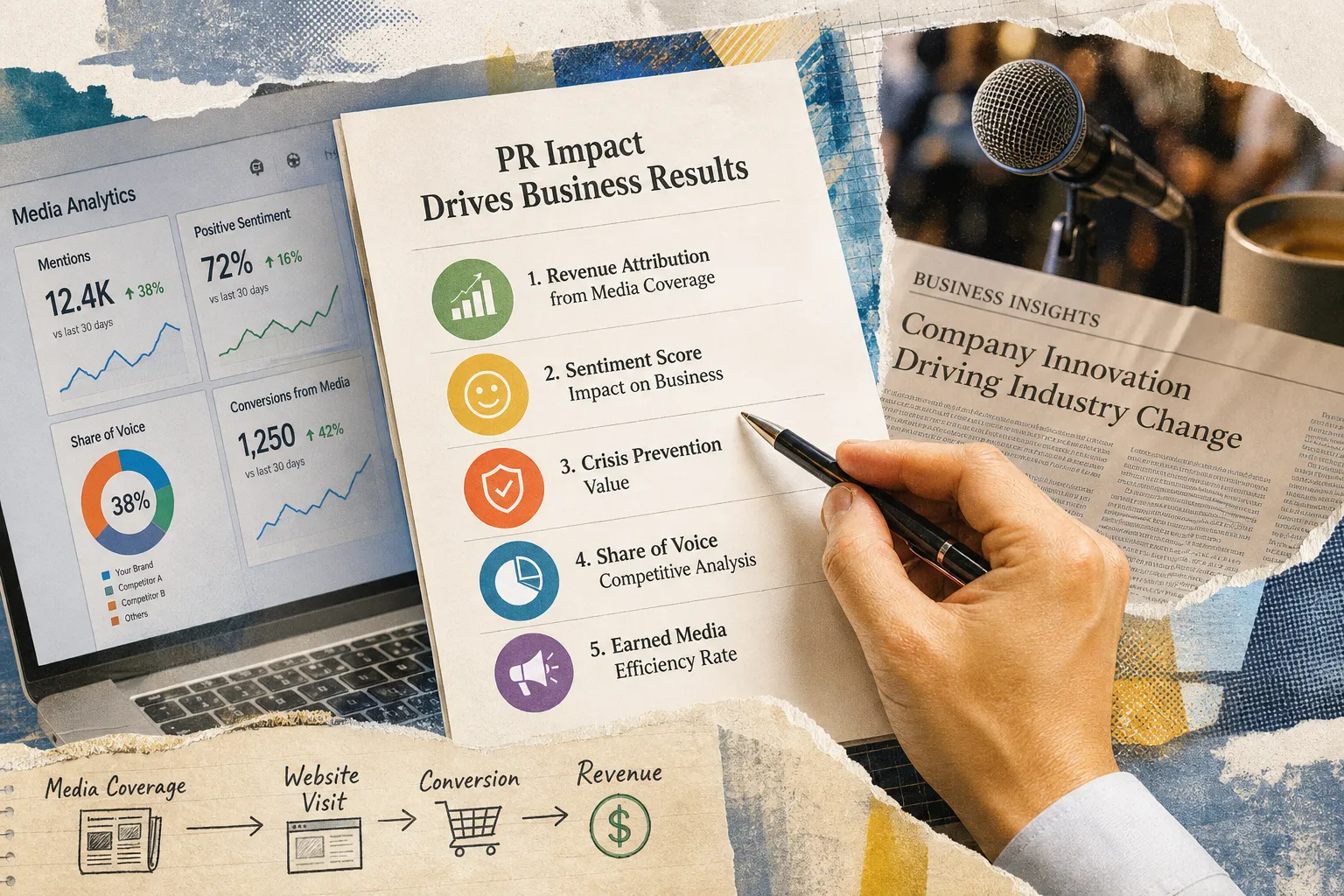
Share of Voice (SOV) shows what percentage of industry conversations mention your brand versus competitors. If your competitor owns 60% of the conversation while you have 20%, you know where to focus your PR efforts. Modern tools can break this down by platform, helping you identify where you're winning and where you're invisible.
Sentiment Analysis goes beyond counting mentions to understand how people feel about your brand. A competitor might have more mentions, but if 40% are negative while yours are 80% positive, you're actually ahead in reputation capital. Media Meter's sentiment analysis captures nuances like "cautiously optimistic" or "mildly critical", insights that matter when crafting response strategies.
Engagement Quality reveals which messages resonate. Your competitor's press release might get picked up by 50 outlets, but if your feature story generates 10x more shares and comments, you're winning the engagement game.
2. Turn Competitor Movements into Opportunities
Smart competitive monitoring isn't about copying, it's about anticipating. Here's how to extract actionable intelligence:
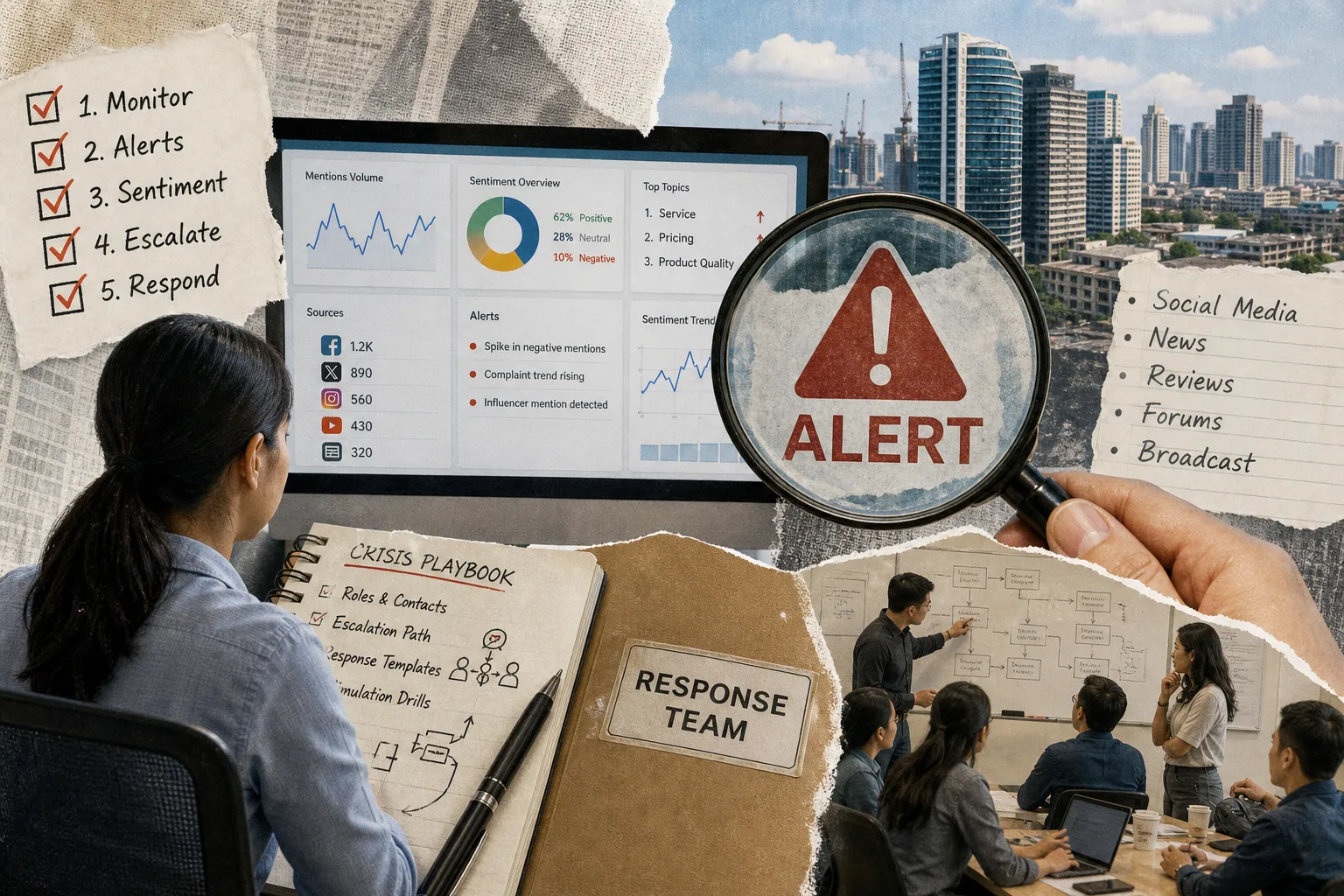
Monitor Campaign Launches: When competitors announce new initiatives, track the media response. Did their sustainability campaign fall flat? That's your cue to approach the topic differently. Real-time alerts ensure you never miss these strategic moments.
Identify Media Gaps: Notice which publications cover your competitors but not you? That's your target media list. Track which journalists write about them frequently, these are your potential media partners.
Learn from Their Crises: When a competitor faces backlash, analyze what went wrong. Their missteps become your playbook for what to avoid. Real-time monitoring helps you see issues escalate, teaching valuable lessons without the painful experience.
3. Leverage Technology for Deeper Insights
Modern media monitoring goes far beyond Google Alerts. Here's what cutting-edge tools offer:
Geographic Analysis shows where competitors dominate regionally. In the Philippines' diverse market, knowing that your competitor owns Mindanao media while you dominate Metro Manila shapes expansion strategies.
Influencer Mapping reveals which voices amplify competitor messages. Media Meter's platform identifies not just who's talking, but who's moving the needle, helping you build relationships with the right media personalities.
4. Build Your Competitive Intelligence System
Creating an effective monitoring system doesn't happen overnight. Here are the steps to create a monitoring system that delivers real competitive insights:
Define Your Competitive Set: Include direct competitors (same products/services) and indirect ones (alternative solutions). A hotel chain should monitor not just other hotels but also Airbnb and staycation providers.
Set Clear Benchmarks: Establish baseline metrics for share of voice, sentiment scores, and media reach. Update these quarterly to track progress. Without benchmarks, you're just collecting data not intelligence.
Create Response Protocols: When competitor news breaks, who needs to know? Who decides if you should respond? Speed matters in today's media cycle. Media Meter's dashboard allows team-wide access, ensuring everyone stays informed.
5. Calculate Real ROI from Competitive Intelligence
Competitive monitoring delivers measurable returns when done right:
Crisis Prevention: Spotting a competitor's crisis early lets you audit your own vulnerabilities. If they face supply chain criticism, you can proactively communicate your standards before questions arise.
Strategic Timing: Launch campaigns when competitors are quiet, or counter their messages when needed. One retail brand tracked competitor sale announcements and timed their PR to maximize attention during competitor quiet periods.
Innovation Insights: Media coverage often reveals competitor plans before official announcements. Patent filings, executive interviews, and partnership news provide strategic intelligence for your product roadmap.
Navigate the Philippine Market Landscape
The Philippines presents unique monitoring challenges and opportunities:
With 97.5–98 million Filipino internet users spending an average of 54 hours per week (or 8 hours and 52 minutes per day) online including over 20 hours per week watching online videos alone digital conversations happen at lightning speed. Add the complexity of monitoring in both English and Filipino, plus regional languages, and comprehensive tracking becomes essential.
The rise of micro-influencers and regional media means competitor mentions can happen anywhere. Media Meter's local expertise ensures nothing slips through the cracks, from provincial newspapers to trending TikTok videos.
Transform Intelligence into Action
Competitive intelligence through media monitoring isn't about obsessing over competitors, it's about understanding your market position and making smarter moves.
Ready to see how your brand truly stacks up against the competition? Media Meter's comprehensive monitoring tools provide the competitive intelligence Filipino businesses need to lead, not follow.
Explore how Media Meter can sharpen your competitive edge with real-time monitoring and actionable insights.