Media Intelligence for Strategic Business Growth
See how Media Intelligence helps Philippine businesses prevent crises, outpace competitors, and turn real-time data into smarter strategic decisions.

Media monitoring is now essential for business success. According to recent data, 56% of executives actively use competitive intelligence to monitor competitors and make plans to enter new markets within the next three years. This trend is evident in the Philippines, where competitive media intelligence is becoming a cornerstone of strategic planning for many organizations.
But what does this transformation really mean for your organization? Let's explore how modern media intelligence creates tangible value across different business functions and why it's become essential for competitive success.
Media Monitoring as a Revenue Driver
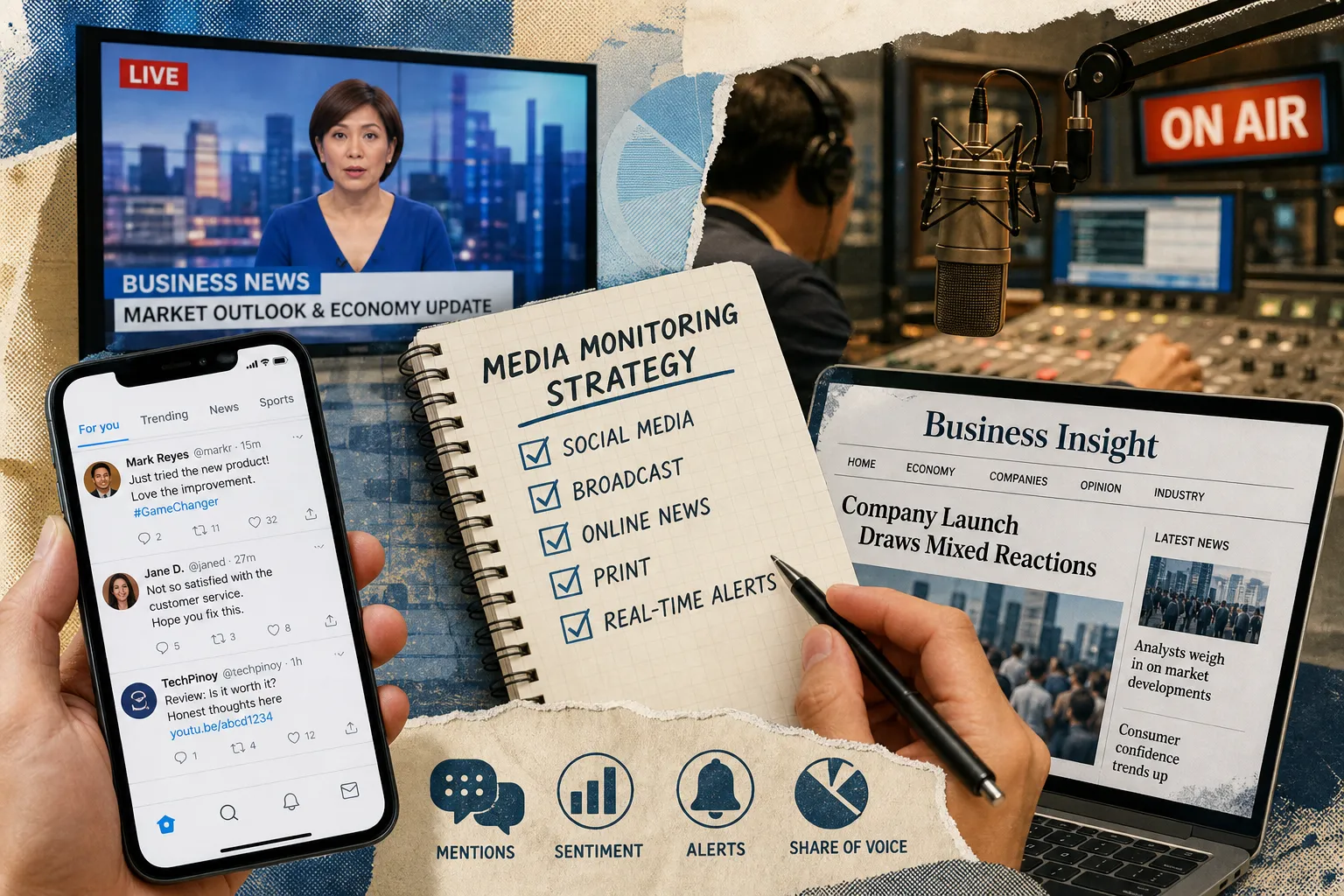
Gone are the days when media monitoring simply counted mentions. Today's platforms transform raw data into revenue opportunities by revealing patterns competitors miss.
Take the case of a major Philippine retail chain that used media monitoring to identify emerging consumer complaints about product availability. By tracking sentiment shifts through real-time dashboards, they spotted supply chain issues before they impacted quarterly sales. The result? A measurable increase in customer retention by proactively addressing concerns.
This proactive approach extends beyond crisis prevention. Smart organizations use media intelligence to identify untapped market segments, validate product launches, and optimize marketing spend based on actual audience response rather than assumptions.
From Crisis Response to Crisis Prevention
The strategic application of media monitoring has revolutionized Crisis Management 101, enabling companies to track and analyze online reviews across various platforms before issues escalate.
Philippine businesses are moving from reactive damage control to proactive reputation management. By monitoring sentiment patterns and identifying potential triggers, organizations can address concerns before they become full-blown crises. This shift has saved companies millions in potential lost revenue and brand rehabilitation costs.
Breaking Down Silos with Integrated Media Intelligence
Media monitoring's strategic value multiplies when it breaks free from the communications department. Forward-thinking Philippine companies now integrate media intelligence across:
Product Development: Research and development teams track consumer feedback and feature requests to guide innovation priorities. A local tech startup credits media monitoring with helping them pivot their app features based on user sentiment, resulting in significantly higher adoption rates.
Human Resources: Human relations (HR) departments monitor employer brand perception to refine recruitment strategies. When a Philippine BPO company noticed negative sentiment about work-life balance through Sentiment analysis in public relations (PR), they adjusted policies and saw a notable increase in application rates.
Risk Management: Finance teams incorporate media sentiment into risk assessments. Banks now factor social media trends into credit decisions, while insurance companies use monitoring data to predict claim patterns.
Powering Modern PR Campaigns with Data
The integration of media intelligence has transformed how modern PR campaigns are conceived, executed, and measured. Instead of relying on intuition, PR teams now use data-driven insights to:
Target the Right Audiences: By analyzing which messages resonate with specific demographics, PR teams can craft campaigns that connect authentically with their intended audiences.
Optimize Timing and Channels: Media monitoring reveals when audiences are most receptive and which platforms drive the highest engagement, enabling precise campaign deployment.
Measure Real Impact: Beyond impressions and reach, teams can track how campaigns influence brand perception and drive business outcomes.
Measuring What Matters: ROI and Performance Metrics
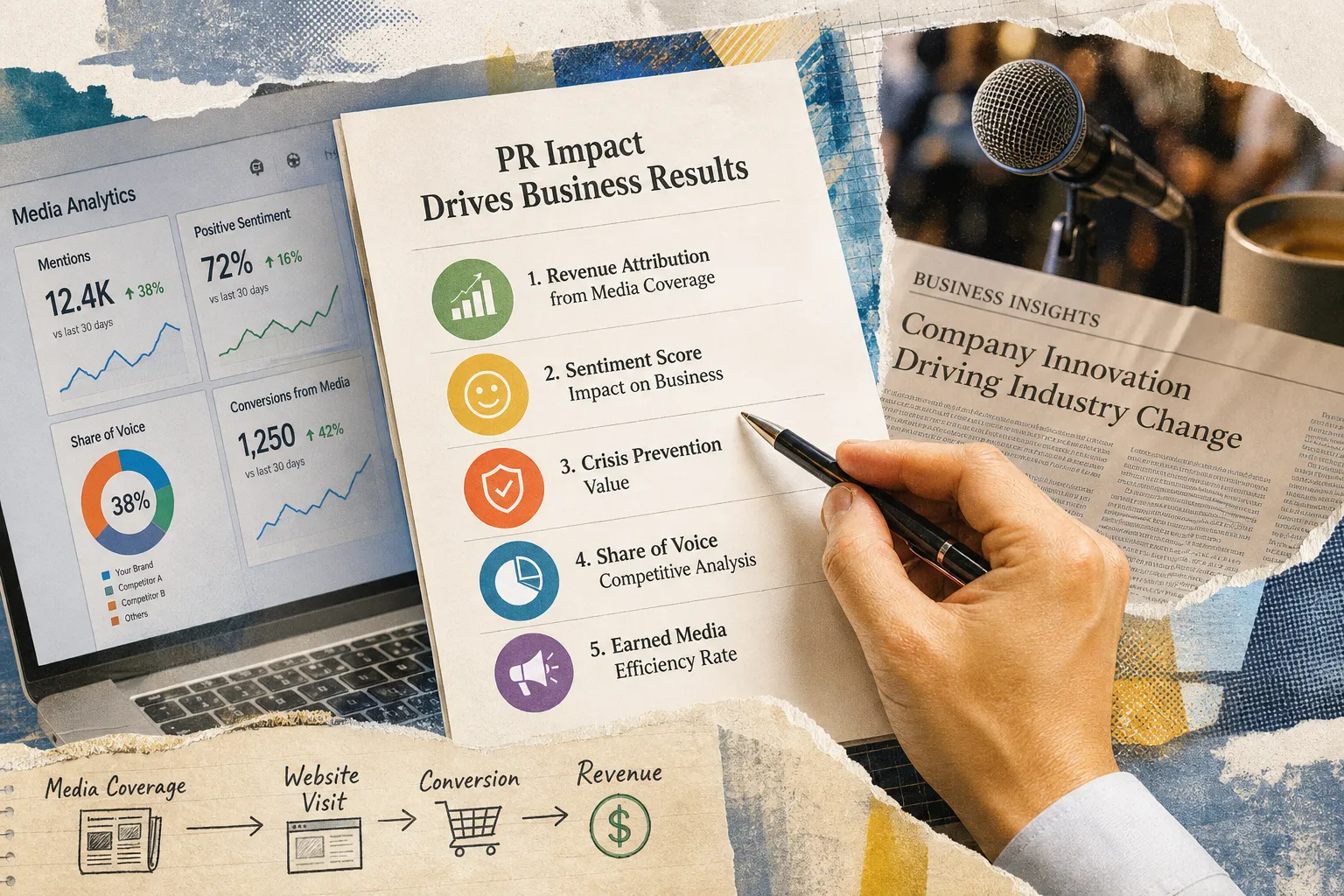
The shift from vanity metrics to business impact has revolutionized how organizations measure media monitoring success. Instead of just tracking mention volumes, strategic monitoring focuses on:
Customer Acquisition Cost (CAC) Reduction: By identifying which messages resonate with target audiences, companies optimize their marketing mix. Comprehensive media coverage analysis reports help brands understand which channels and messages drive the most valuable customer actions.
Brand Health Scores: Combining sentiment analysis with share of voice and media monitoring data creates comprehensive brand health metrics that predict market performance. Companies tracking these scores report improved accuracy in forecasting quarterly results.
Crisis Prevention Savings: Every crisis prevented saves exponentially more than reactive damage control. Organizations using real-time alerts report avoiding multiple potential crises annually, each potentially costing millions in lost revenue and recovery efforts.
Competitive Media Intelligence That Drives Strategy
In the Philippine market, where competition is fierce and consumer loyalty fluid, media monitoring provides the edge needed to stay ahead. Strategic monitoring reveals:
Competitor Blind Spots: When a telecom company noticed rivals weren't addressing customer concerns about data privacy, they launched a transparency campaign that captured 8% market share within six months.
Partnership Opportunities: By tracking industry conversations, companies identify potential partners and collaboration opportunities before competitors. A food manufacturer discovered trending health concerns through monitoring and partnered with a wellness brand to create a successful product line.
Market Entry Timing: Media intelligence helps organizations time market entries perfectly. By analyzing sentiment around competitor launches and consumer readiness, brands can identify optimal launch windows.
Building a Culture of Media Intelligence-Driven Decisions
The most successful Philippine organizations don't just use media monitoring—they embed it into their decision-making DNA. This cultural shift requires:
Executive Buy-In: When C-suite leaders start meetings by reviewing media intelligence dashboards, it signals organization-wide priority. Media Meter's mobile app ensures executives stay connected to real-time insights wherever they are.
Cross-Functional Collaboration: Breaking down data silos means marketing, sales, customer service, and operations teams all access the same intelligence. This unified view prevents conflicting strategies and accelerates response times.
Continuous Learning: Organizations that regularly analyze their monitoring data patterns become increasingly sophisticated in their predictions. They move from reactive to proactive to predictive intelligence.
Transform Your Media Intelligence Data into Business Impact
Media monitoring's evolution from tactical tool to strategic asset represents a fundamental shift in how successful organizations operate. In today's fast-paced Philippine business environment, the question isn't whether you can afford advanced media monitoring—it's whether you can afford to operate without it.
The organizations winning in their markets aren't just tracking mentions. They're using media intelligence to anticipate trends, outmaneuver competitors, and make decisions backed by real-time market insights.
Ready to turn your media monitoring into a strategic advantage? Media Meter's comprehensive platform helps Philippine businesses transform data into decisions that drive growth. Contact us today to see how strategic media intelligence can impact your bottom line, or explore our sample reports to discover the insights waiting in your media data.