Banking
Regulatory shifts, earnings cycles, and the sector journalists shaping the institutional banking narrative.

| |||
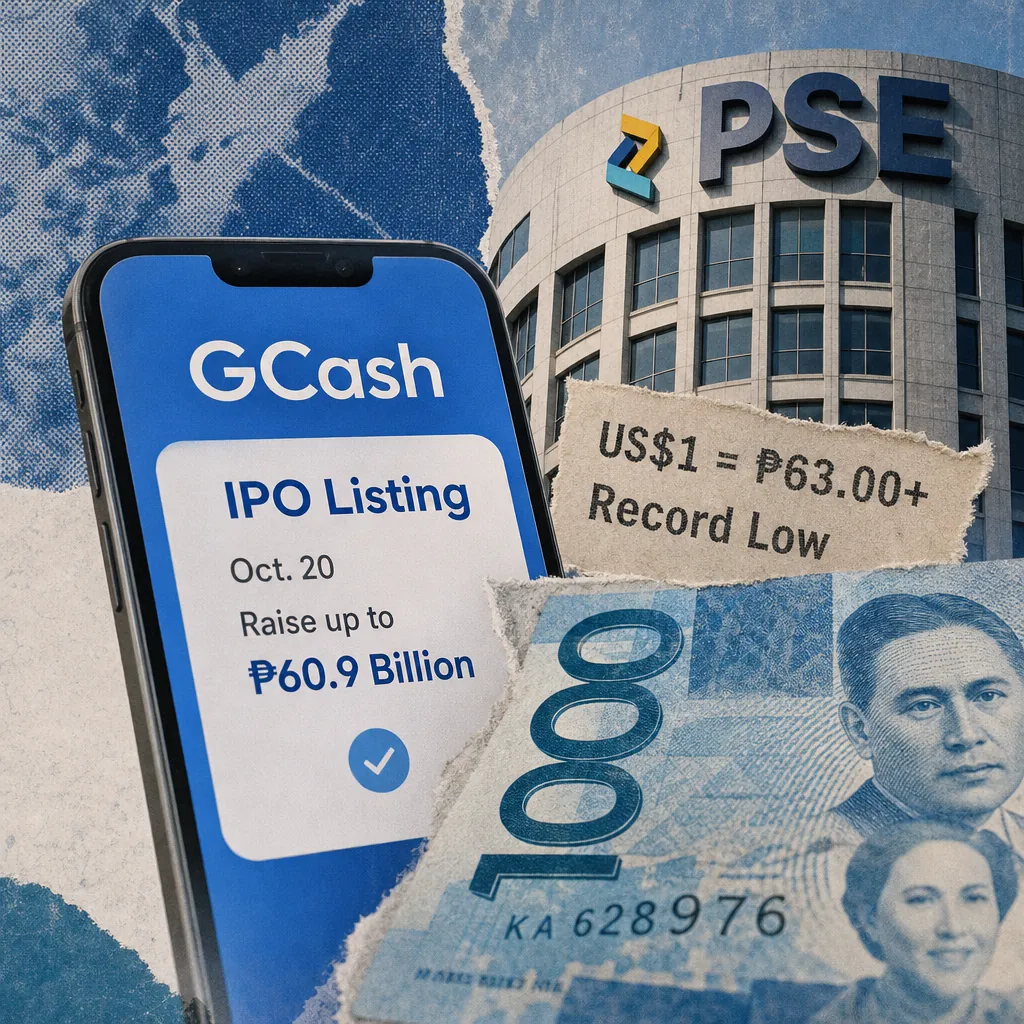
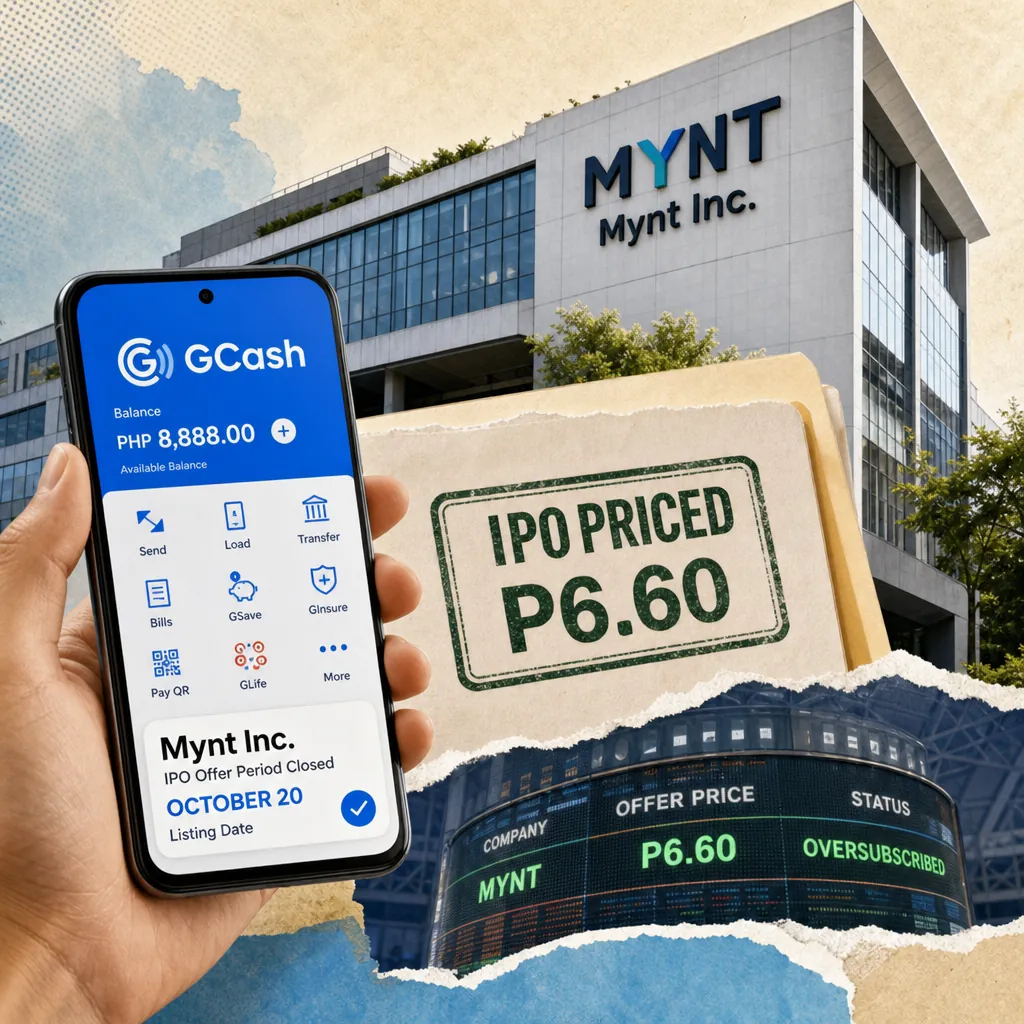
GCash IPO Debut and BSP Rate Decision Set the WeekMynt Inc., the operator of GCash, lists on the Philippine Stock Exchange on Oct. 20 while economists expect the Bangko Sentral ng Pilipinas to raise rates again on Oct. 22. Fraud studies and consumer credit data show where household finances are under strain. By the MMI Banking Desk  | |||
| Mynt Inc., the company behind the GCash e-wallet, lists its shares on the Philippine Stock Exchange on Tuesday at ₱6.60 apiece, closing a ₱60.9-billion initial public offering that valued the company at about ₱441.5 billion. Two days later, on Oct. 22, the Bangko Sentral ng Pilipinas (BSP) — the country's central bank — meets to set interest rates, and economists polled by three separate newsrooms expect another increase. Those two dates frame the week for Philippine finance, and the coverage gathered here returns to them from several directions: what GCash's listing says about how the company will grow now that most Filipinos who might use an e-wallet already do, what a fourth rate hike this year would cost borrowers, and how much fraud and bad debt are already eating into household budgets. The GCash listing drew the most sustained attention in the items reviewed. Analysts quoted by the Manila Times and the Inquirer said Mynt's next phase of growth depends on getting existing users to buy more financial services rather than signing up new ones, because its domestic reach leaves little room to expand through new customers. Investment banker Stephen Cuunjieng, interviewed on ANC's Market Edge, put it this way: "Shareholders who are patient will probably be happy because it is a different kind of financial services company that is very efficient and has fantastic scale." The listing also drew heavy business-page coverage in the broadsheets, including a Manila Standard piece on the index testing the 5,800 level this week and a Philstar analysis of how share prices will track both the debut and the central bank's decision. | |||
| Keep reading or listen to the story → | |||
|
More Banking | |||
| |||
| |||
| |||
| |||
|
More from Media Meter
| |||
| |||
| |||
| You're receiving this because you subscribed to the Banking briefing from Media Meter. Manage preferences · Unsubscribe © 2026 Media Meter Inc. · 3rd Floor, M&J Bldg., 121 Don A. Roces Ave, Quezon City 1103 |