Predictive Analytics Tools Every Business Needs in 2026
Compare 10 predictive analytics tools for 2026, from no-code dashboards to advanced ML platforms, and find the right fit for your team and budget.

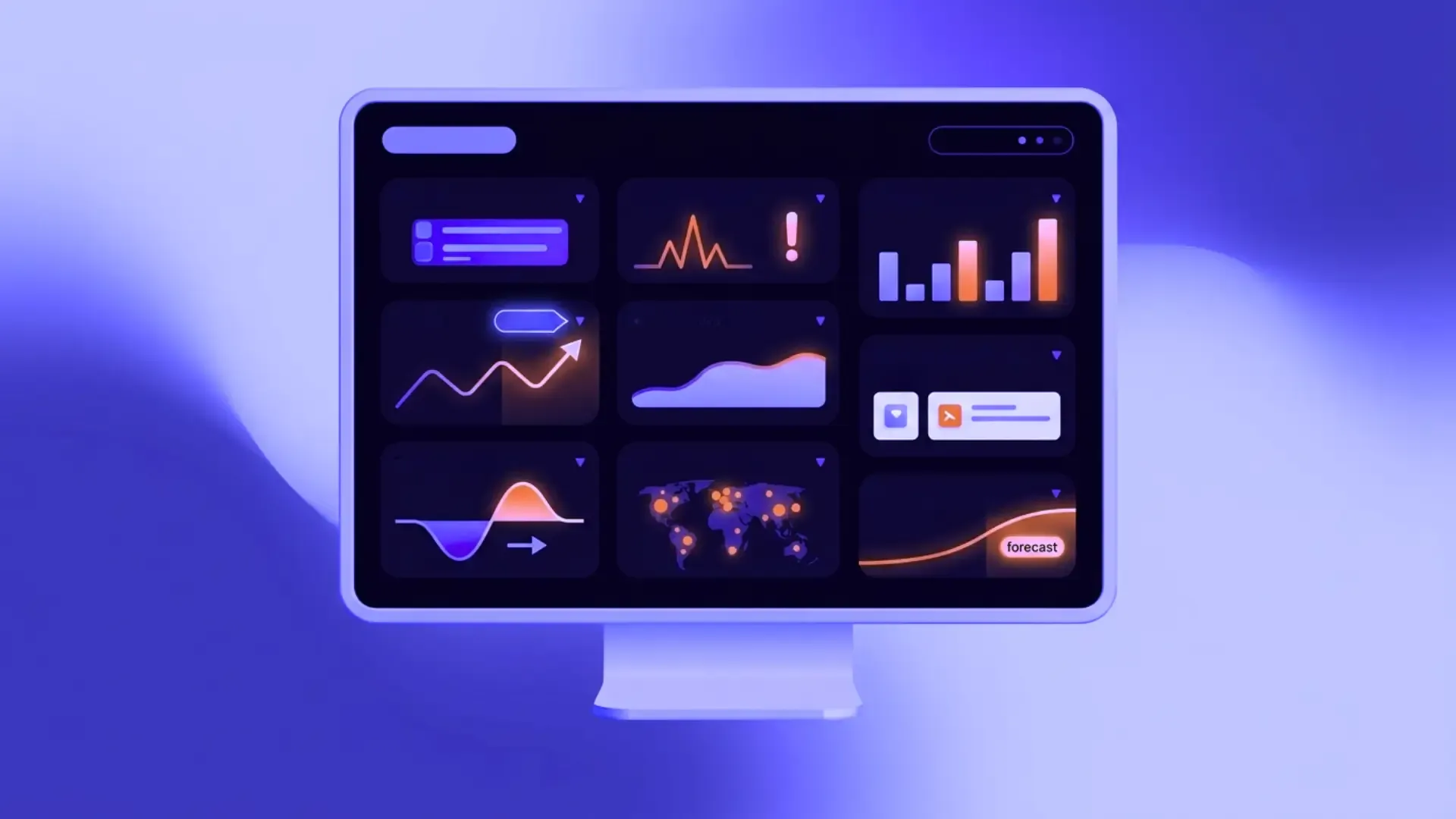
Most businesses have more data than they can read. The hard part was never collecting it. It is knowing what it will tell you next. That is what predictive analytics tools does: streaming apps use it to guess what you will watch, banks use it to catch fraud before it clears, and stores use it to stock the right products before the rush.
In 2026, this is not just for big companies anymore. Tools now build forecasts into everyday dashboards, and the cost of entry keeps dropping. In fact, predictive analytics is already transforming PR and communications across the Philippines. Here are ten tools every business should know, from the easiest to the most advanced.
Predictive Analytics Tools
- Microsoft Power BI with Copilot
- Qlik
- ThoughtSpot
- DataRobot
- H2O.ai
- Alteryx One
- IBM SPSS and watsonx.ai
- SAS Viya
- Dataiku and KNIME
- Cloud ML platforms (Vertex AI, SageMaker, Azure Machine Learning)
1. Microsoft Power BI with Copilot
If your team lives in spreadsheets, start here.
Power BI builds forecasts and AI insights right into the dashboards you already use. Through Microsoft Fabric and its Copilot layer, Power BI lets you ask questions in plain language and get forecasts and trend alerts back. A Manila retailer could forecast demand around paydays and the 11.11 and 12.12 sales without buying new software or hiring a data team. It is part of the same shift toward AI copilots and smart task automation, and for most businesses it is the simplest place to start.
2. Qlik
No data scientists? Qlik was made for that.
Qlik lets analysts build predictions and test what-if scenarios with no code. Its Qlik Predict tool handles forecasting and scenario modeling, while its insight features spot patterns you might miss. Qlik also rolled out an autonomous discovery agent in 2026 that watches your data around the clock and flags changes on its own.
3. ThoughtSpot
The fastest way to an answer is to ask the question.
ThoughtSpot lets anyone explore data and forecast trends in plain language, not dashboards. Its AI analyst, Spotter, works like a teammate: a sales or marketing lead can ask why bookings dropped after a long weekend and get an answer, a chart, and a forecast in seconds. Catching a problem the moment it appears is the same idea behind an early warning system for brand crises. ThoughtSpot suits teams who want non-technical staff to dig into data on their own.
4. DataRobot
When you need a working model fast, this is the workhorse.
DataRobot automates machine learning so teams get reliable forecasts without heavy setup. DataRobot handles the model building, testing, and deployment for you, so you move from raw data to a live prediction quickly. A local bank or fintech could use it to flag churn or catch fraud. It fits teams with clean data and a clear goal who do not want to build a full data science department.
5. H2O.ai
For teams that want full control, this is the most flexible pick.
H2O.ai offers machine learning, AutoML, and deep learning you can customize. It works with Python, R, Java, and Spark, explains its models with tools like SHAP, and can run real-time predictions. H2O.ai suits an e-commerce platform handling millions of Filipino transactions a month, or any technical team that wants open-source power. It takes more skill to run, which is exactly why data scientists like it.
6. Alteryx One
Most projects stall on the boring part: cleaning the data. Alteryx tackles that first.
Alteryx cleans, blends, and prepares data, with built-in forecasting through a drag-and-drop interface. Alteryx launched Alteryx One in May 2025, bringing its Designer, Server, and Analytics Cloud together, and has since added AI-ready workflows for large language models and AI agents. It is a strong fit for teams that wrangle messy data again and again.
7. IBM SPSS and watsonx.ai
Some trusted names have been around for decades and still hold up.
IBM SPSS is a classic statistics tool, and watsonx.ai is its modern, AI-driven version. SPSS handles regression, classification, and forecasting through a simple point-and-click interface, which makes it great for careful analysis. watsonx.ai adds plain-language queries, automated modeling, and pre-built industry models, and its focus on transparency makes it a favorite in regulated Philippine sectors like banking and healthcare.
8. SAS Viya
When the stakes are high and the work is complex, this is the heavyweight.
SAS Viya is one of the strongest tools for advanced, high-stakes prediction. SAS has decades of trust in fields where a wrong call is costly, the kind of rigor Philippine banks, insurers, and government agencies rely on. It is more than most small businesses need, but a benchmark for large ones.
9. Dataiku and KNIME
Want business and technical people building together? Look here.
Dataiku and KNIME are team platforms that mix visual workflows with full coding control. Dataiku is a popular 2026 enterprise pick for end-to-end model building, while KNIME is a strong open-source option, which makes it appealing to budget-conscious Philippine SMEs. Both shine when prediction is a team effort.
10. Cloud ML Platforms (Vertex AI, SageMaker, Azure Machine Learning)
Building something custom? The big cloud providers give you the raw materials.
Vertex AI, SageMaker, and Azure Machine Learning let technical teams build models from scratch. Vertex AI, Amazon SageMaker, and Azure Machine Learning handle huge datasets and include no-code options like SageMaker Canvas. Philippine BPOs could build custom models for workforce planning and call-volume forecasting at scale, as long as they have the engineering talent to maintain them.
How to Choose the Right One
There is no single best tool, only the right one for where you are now. Ask yourself a few simple questions: Do you have a data team, or do you need no-code? Is your data clean and in one place, or scattered? Do you want forecasts inside your current dashboards, or a separate platform? And what is your budget, now that open-source and cloud options put real power within reach of smaller teams?
One rule holds true in 2026: the best tool is the one your people will actually use. A simple platform that gets used beats a powerful one that sits idle.
The Bottom Line
Predictive analytics has gone from a nice-to-have to a basic expectation. The global market is projected to reach about USD 27.56 billion in 2026 and keep growing fast, led by cloud platforms and small businesses. Every tool above does the same core thing: it turns the data you already have into a clearer picture of what is coming.
For Philippine businesses, the question is no longer whether prediction is affordable. It is whether your team is ready to act on what it shows. For more on the PR side, see our guides on spotting trends before they go viral and turning media data into business intelligence. And when you are ready to put it to work, Media Meter can help.