What Brands Must Know About AI Search Visibility
AI Search Visibility explained: why zero-click search, AI Overviews, and citations now decide which Philippine brands get found and recommended.

Somewhere in Metro Manila right now, someone is typing "best business loan provider in the Philippines for a small company" into ChatGPT. A few seconds later, they have a shortlist, with no scrolling and no page of blue links to sort through. Just a handful of names, and yours may not be among them. That's AI Search Visibility at work, and it's already deciding who makes that list.
That's the shift AI search visibility is built around. In 2026, it's already deciding which brands get found, which get shortlisted, and which never enter the conversation at all. If you run marketing or content for a Philippine brand, this is fast becoming the metric that matters more than your search ranking.
What Is AI Search Visibility?
AI search visibility is how often, and how accurately, AI engines like ChatGPT, Gemini, Perplexity, and Google AI Overviews mention, describe, and recommend a brand when someone asks a relevant question. There's no page of results to rank on. AI engines synthesize a single answer and name a handful of options, so a brand is either part of that answer or it effectively doesn't exist for that buyer.
This has spun off a small alphabet of related disciplines worth knowing. Answer Engine Optimization (AEO) structures content so it can be pulled directly into featured snippets, knowledge panels, and AI Overviews without a click. Generative Engine Optimization (GEO) goes further, shaping how a brand's content and reputation influence what an AI model says when it generates an answer. One industry breakdown puts GEO at roughly 80% strategy and brand authority, and only 20% technical execution. Layer in traditional SEO for crawlability and rankings, plus AIO, the trust signals that tie the other three together, and you get the full visibility stack brands now need to manage.
Put simply: a good ranking gets you on the page, structured content gets you into the snippet, but strong third-party authority is what gets you named inside the AI's actual answer.
Why AI Search Visibility Matters for Brands in 2026
- Zero-click search is now the default, not the exception
- Filipino buyers are already asking AI before they ask Google
- Visibility drives branded search, even without a click
- Third-party credibility now outweighs owned content
- AI visibility is volatile, so it needs monitoring, not a one-time fix
- It's becoming a boardroom metric, not a marketing side project
- Consumer trust in AI is shifting, so visibility has to be earned honestly
1. Zero-Click Search Is Now the Default, Not the Exception
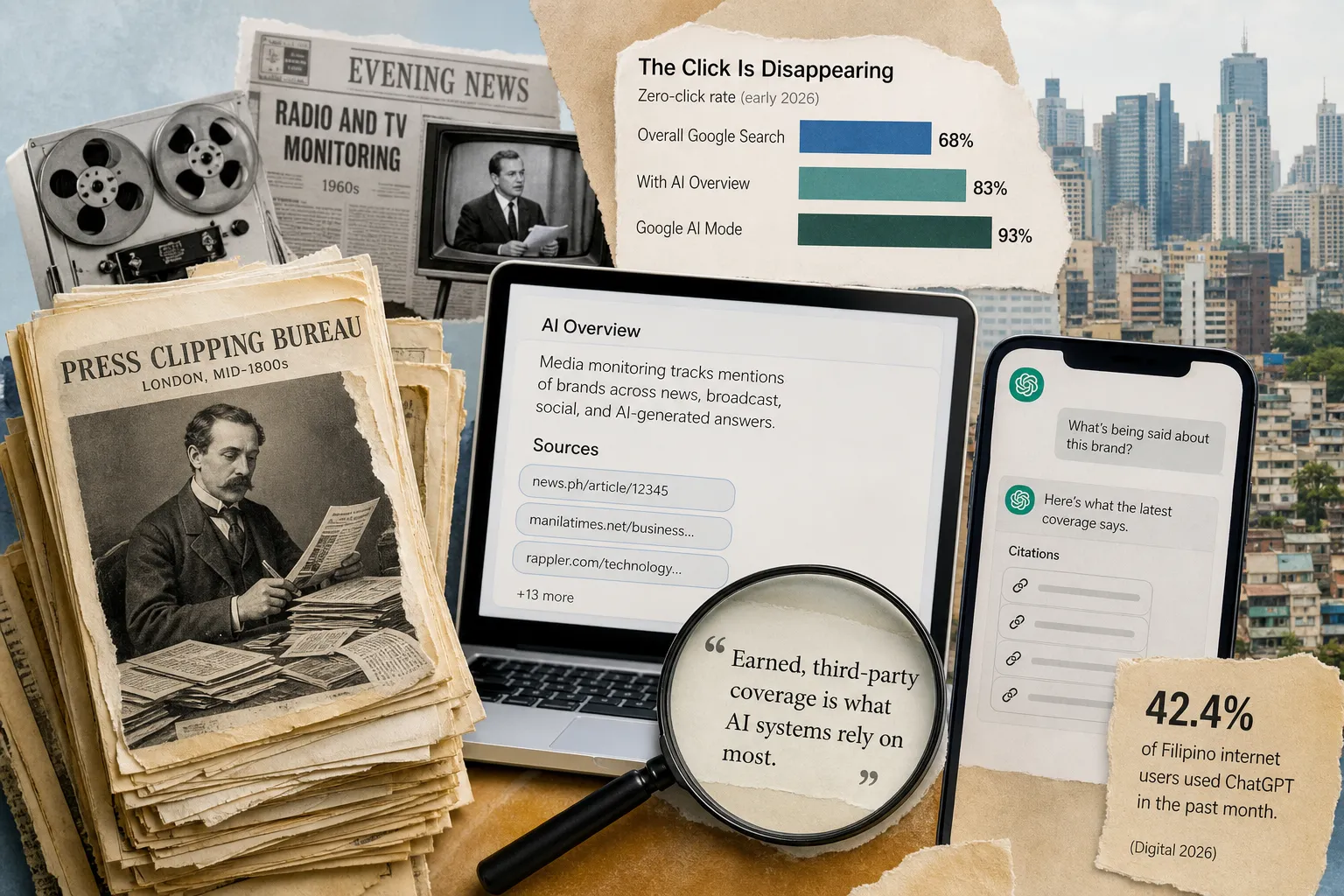
Most of your searches now end with an answer, not a click. Zero-click behavior crossed a threshold in 2025 and 2026 that's impossible to treat as a fringe habit anymore. SparkToro and Similarweb's mid-2026 analysis found that 68% of US Google searches ended without a click in the first four months of the year, up from about 60% just two years earlier. On queries where a Google AI Overview appears, Bain & Company's research puts the zero-click rate at 83%, and once a user shifts into Google's AI Mode specifically, Semrush's own study of nearly 69 million search sessions shows that climbing to 93%. AI Overviews have scaled fast enough to matter at this scale, too: McKinsey estimates that about half of all Google searches now surface an AI summary, with that share expected to pass 75% by 2028. When the answer itself is the destination, being named inside it matters more than ranking on page one. If your team is still reporting success purely on click-through rate, this is the number that should be rewriting your dashboard.
2. Filipino Buyers Are Already Asking AI Before They Ask Google
This is already happening in the Philippines, and it's quietly favoring the brands paying attention to it. The Digital 2026 Overview Report from Meltwater and We Are Social, drawing on GWI survey data, found that 42.4% of Filipino internet users have used ChatGPT in the past month, the sixth-highest adoption rate of any country measured and well above the 26.5% global average. The local opportunity looks even bigger once you get past the adoption number. A 2026 study by Spiralytics, tracking AI answers across ChatGPT, Gemini, and Perplexity, found Philippine brands mentioned in 83% of the answers they should logically be part of, against just 40% for US brands, with Gemini the most likely of the three engines to mention a brand and ChatGPT the least. Only about 5% of the sources cited belonged to the brand's own website. The answer space here is open. It just isn't controlled by the brands themselves yet. The gap is already there. The only question is who fills it first.
3. Visibility Drives Branded Search, Even Without a Click
A brand doesn't need the click to get the win. Brands named or cited in AI Overviews see measurable downstream effects on branded search and direct traffic. Direct click-through from AI engines stays minimal, typically well under 1% of visibility events, but the traffic that does arrive converts unusually well: a 2026 multi-source analysis by Loganix, pooling six independent studies, found AI search traffic converting at roughly five times the rate of Google organic search. Put that number in front of the finance team the next time someone asks why a near-zero-click channel deserves budget.
4. Third-Party Credibility Now Outweighs Owned Content
AI models trust what other people say about a brand more than what the brand says about itself. Third-party content consistently dominates what AI engines choose to cite over brand-owned pages, and PR-driven coverage is routinely named as one of the largest single sources feeding AI citations. The pattern shows up in individual brand cases, too: companies that clean up page speed, site structure, and third-party coverage have reported sharp jumps in AI citation rate within months of doing so. Earned coverage now feeds directly into what AI says about a brand, well beyond its old role as a reputation metric.
5. AI Visibility Is Volatile, So It Needs Monitoring, Not a One-Time Fix
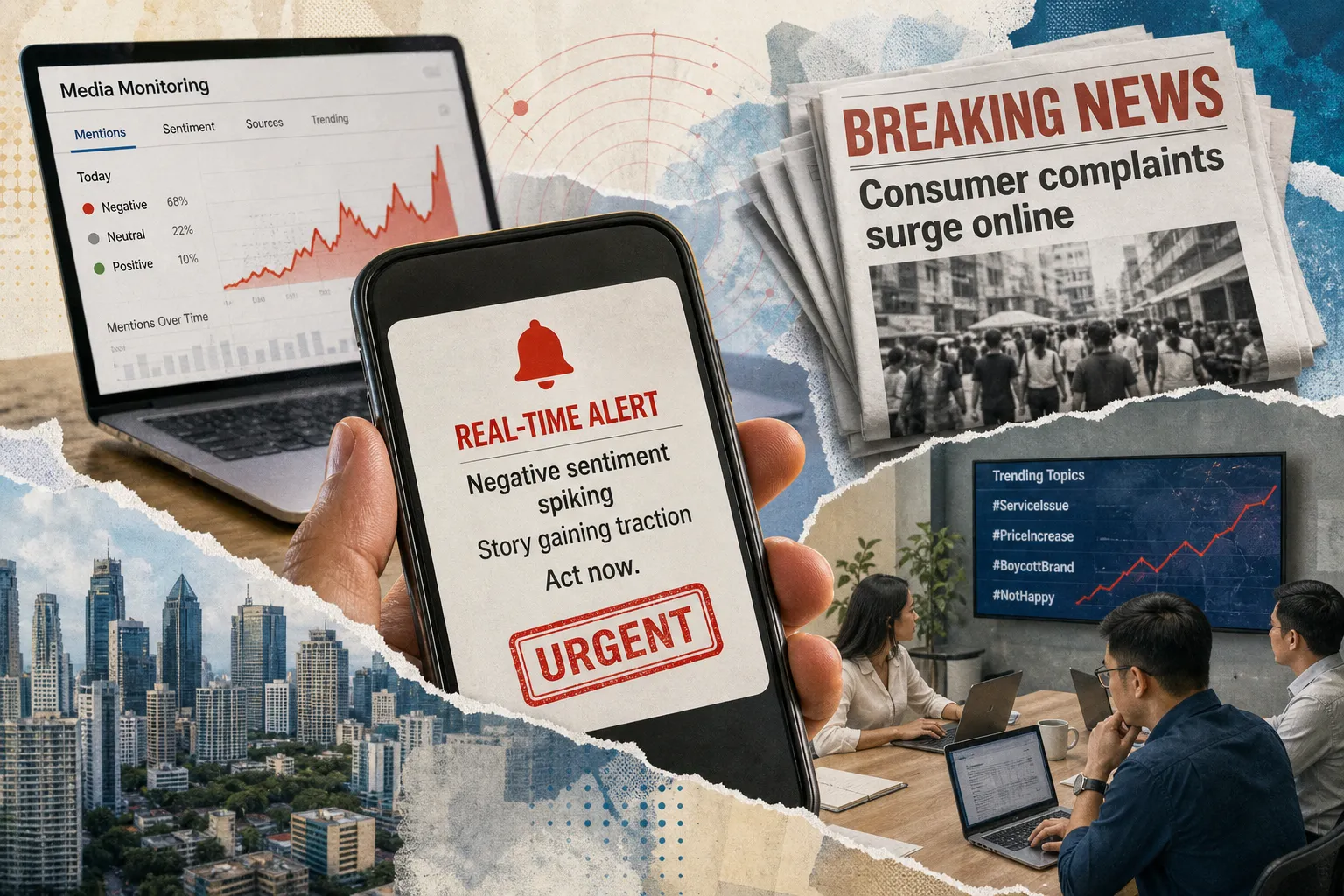
Showing up once means almost nothing. Brand visibility inside AI answers is unstable by design: most brands that appear in one AI answer don't reliably reappear in the next, let alone across repeated runs of the same prompt. Part of the reason is that AI Overview content for a given query changes often enough that citations get swapped out on a regular basis. A single optimized landing page won't hold that spot for long. Sustained visibility takes ongoing monitoring.
6. It's Becoming a Boardroom Metric, Not a Marketing Side Project
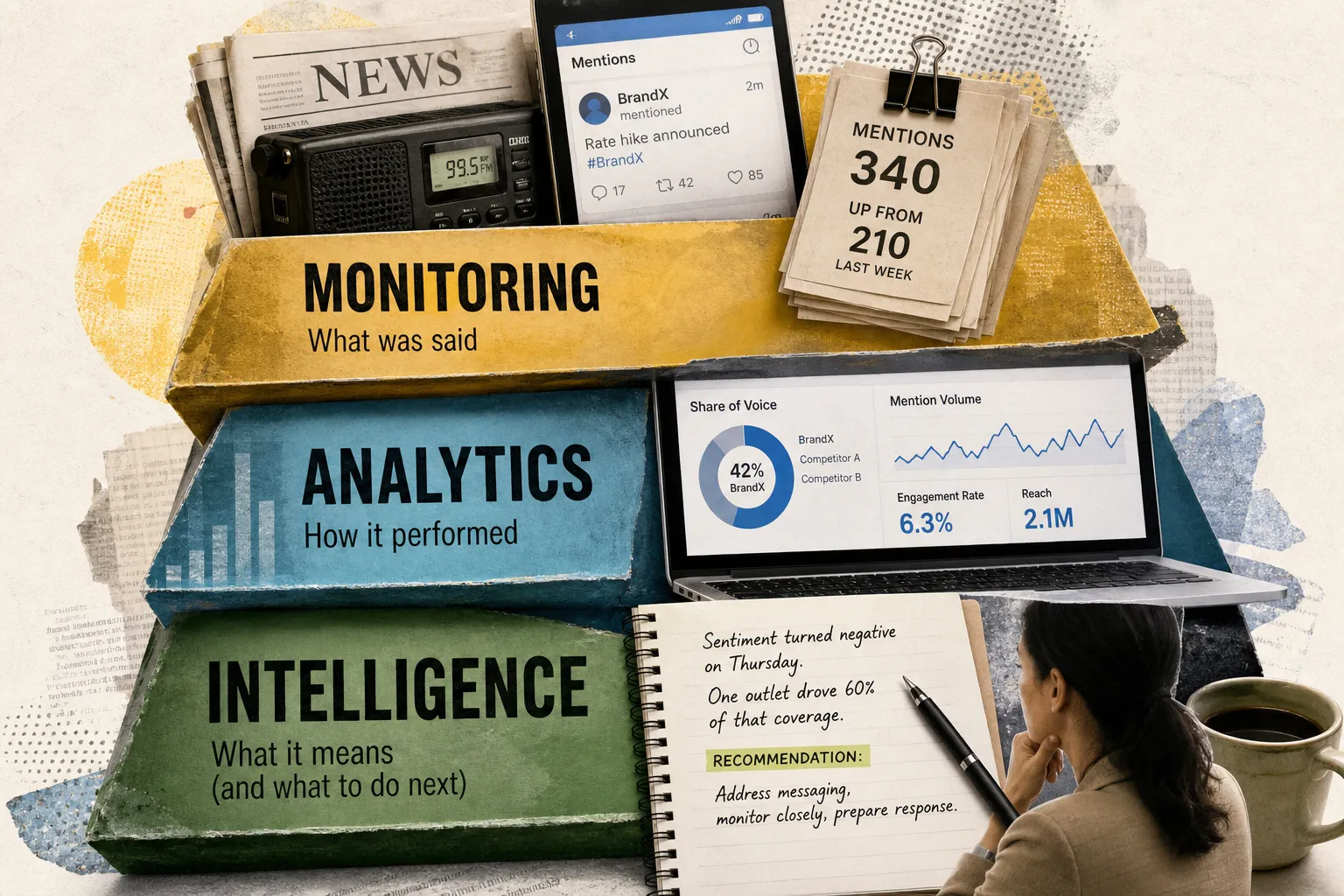
CMOs are starting to ask for this number the same way they ask for share of voice. AI share of voice measures a brand's mentions against its tracked competitors across a defined set of prompts, and the average brand mention rate across AI answers still sits low industry-wide. Reporting on it consistently is harder than it sounds, since no two AI visibility tools currently agree on how to define share of voice: some count mentions in the answer text, others only count source citations, others weight by position. That inconsistency matters, because a 2026 multi-source analysis found that 73% of B2B buyers already use AI tools during their research process, which makes this a leading indicator worth measuring properly, not a vanity metric. Teams already fluent in share of voice from traditional media measurement are best placed to apply that same rigor here.
7. Consumer Trust in AI Is Shifting, So Visibility Has to Be Earned Honestly
Chasing visibility at any cost can quietly work against a brand. Consumer sentiment toward AI answers is not moving in a straight line upward. A Q2 2026 survey by Fractl and Search Engine Land found the share of US consumers who call AI search more helpful than traditional search dropped from 82% to 54% in a single year, while the share who actively distrust AI answers grew from 3% to 17%. More pointedly for brand strategy, the same survey found the share of consumers who said heavy, visible AI use would decrease their trust in a favorite brand roughly doubled, from 20% to 40%. Visibility built on manufactured mentions or low-effort AI content risks the opposite of the intended effect. The brands that win this cycle will be the ones treated as genuinely credible sources.
The Bottom Line for Marketing and AI Search Teams
The case for AI search visibility is already backed by real numbers. McKinsey projects that $750 billion in US consumer spending will flow through AI-powered search by 2028, yet its own research finds that only about 16% of brands currently track their AI search visibility in any systematic way.
For Philippine brands, that gap is the opportunity. The answer space here is still forming, and the brands willing to monitor AI visibility continuously, rather than treat it as a one-time project, are the ones positioned to own it.
Turn Visibility Into Strategy
Knowing that AI search visibility matters is table stakes. Knowing where your brand stands right now, which AI engines mention it, which competitors get named instead, and which sources are shaping the answer, is where the real strategy work starts.
As AI reshapes how Philippine audiences discover and evaluate brands, the real-time discipline Media Meter already applies to media and social monitoring is a natural foundation for tracking this next layer of visibility. Our piece on media monitoring's shift into the AI era digs into how search and citations are changing the field, and our reports and analytics work shows what that looks like in practice. If you're weighing what AI visibility monitoring could mean for your brand, we're happy to talk it through.