Why Real-Time Alerts Matter in PH's Fast-Paced Media
Real-time alerts help Philippine PR teams detect sentiment shifts, prevent crises, and stay ahead of breaking stories. Here's how to set one up.

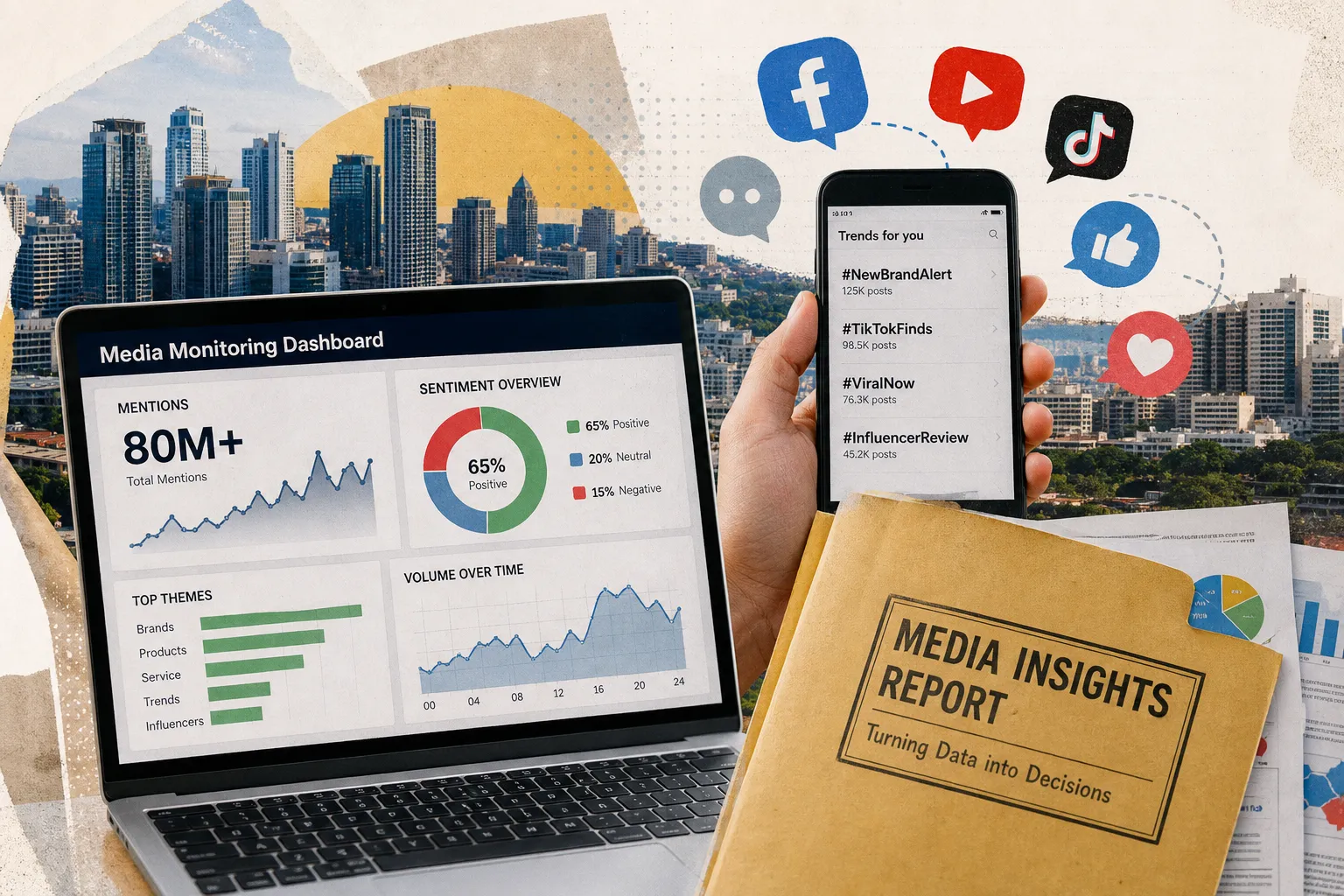
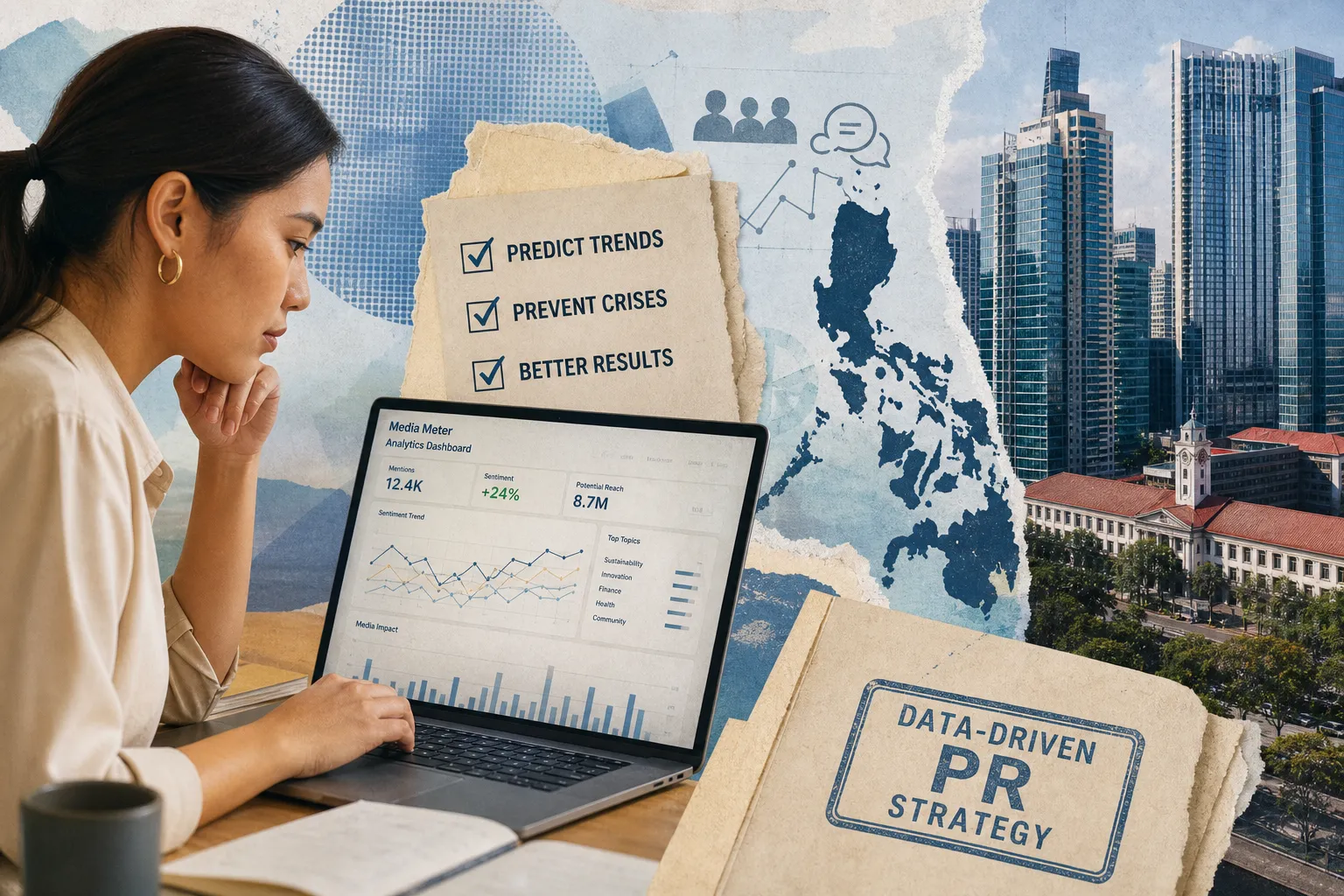
For public relations (PR) managers and corporate communications teams, real-time alerts have become essential to protecting brand reputation, making it possible to spot and respond to emerging stories, sentiment shifts, and potential crises as they happen. These predictive systems transform how Filipino brands monitor and manage their media presence.
Instead of reacting after the fact, real-time alerts help you anticipate which stories will gain traction, giving you precious time to prepare your response and stay ahead of the narrative.
But today's predictive alerts go beyond just collecting mentions. They forecast which stories will blow up by tracking three key factors:
- Who's talking (a complaint from a top influencer hits different than a random tweet)
- How fast content spreads (sudden surges in likes and shares signal viral potential)
- What patterns emerge (if certain topics triggered media storms before, the system flags similar situations fast).
This gives you precious time to respond before issues explode, turning potential disasters into manageable situations.
Practical Applications for Filipino Brands
Real-time alerts help Filipino organizations protect their reputation and identify opportunities faster than traditional monitoring methods. Here's how brands are leveraging these tools effectively.
Crisis Prevention
The best crisis management happens before issues escalate. Real-time monitoring alerts your team immediately when:
- Negative sentiment spikes around your brand
- Customer complaints cluster on specific topics
- Media outlets begin coverage that could impact your reputation
- Industry issues emerge that might affect your business
With tools like MediaWatch tracking print, online, and broadcast media simultaneously, brands receive notifications within minutes of publication, not hours or days later when damage may already be spreading.
Setting Up Your Alert System
An effective alert system balances comprehensive coverage with actionable insights. Here's a streamlined approach:
1. Define Key Monitoring Areas
- Brand and product mentions
- Executive names and official statements
- Competitor activities
- Industry trends and regulatory changes
After identifying what to monitor, translate these priorities into specific keyword combinations and filter rules.
2. Configure Smart Filters
Focus on what matters by setting alerts based on:
- Media type and source authority
- Sentiment scores (prioritizing negative mentions)
- Geographic relevance for local campaigns
- Engagement velocity on social platforms
Services like SharedView can track social media sentiment across Facebook, Twitter, Instagram and YouTube, while traditional media monitoring captures the full picture.
3. Establish Response Protocols
- Assign specific alert types to relevant team members
- Set clear response timelines for different scenarios
- Create pre-approved messaging templates
- Define escalation paths for critical issues
The key is building a system that informs without overwhelming but delivering the right information to the right people at the right time.
Take Action Today
In the Philippines' dynamic media landscape, real-time predictive alerts have evolved from a nice-to-have to a must-have tool. They provide an early warning system that allows brands to protect their reputation, seize opportunities, and maintain control of their narrative.
Ready to transform your media monitoring from reactive to proactive? See how Media Meter's real-time alert system can help your team track, respond, and lead with confidence in the fast-paced Filipino media landscape.