Clippings to Citations: Media Monitoring's AI Era
Media Monitoring is evolving fast, see how AI search and citations are reshaping tracking, measurement, and reporting for PH brands.

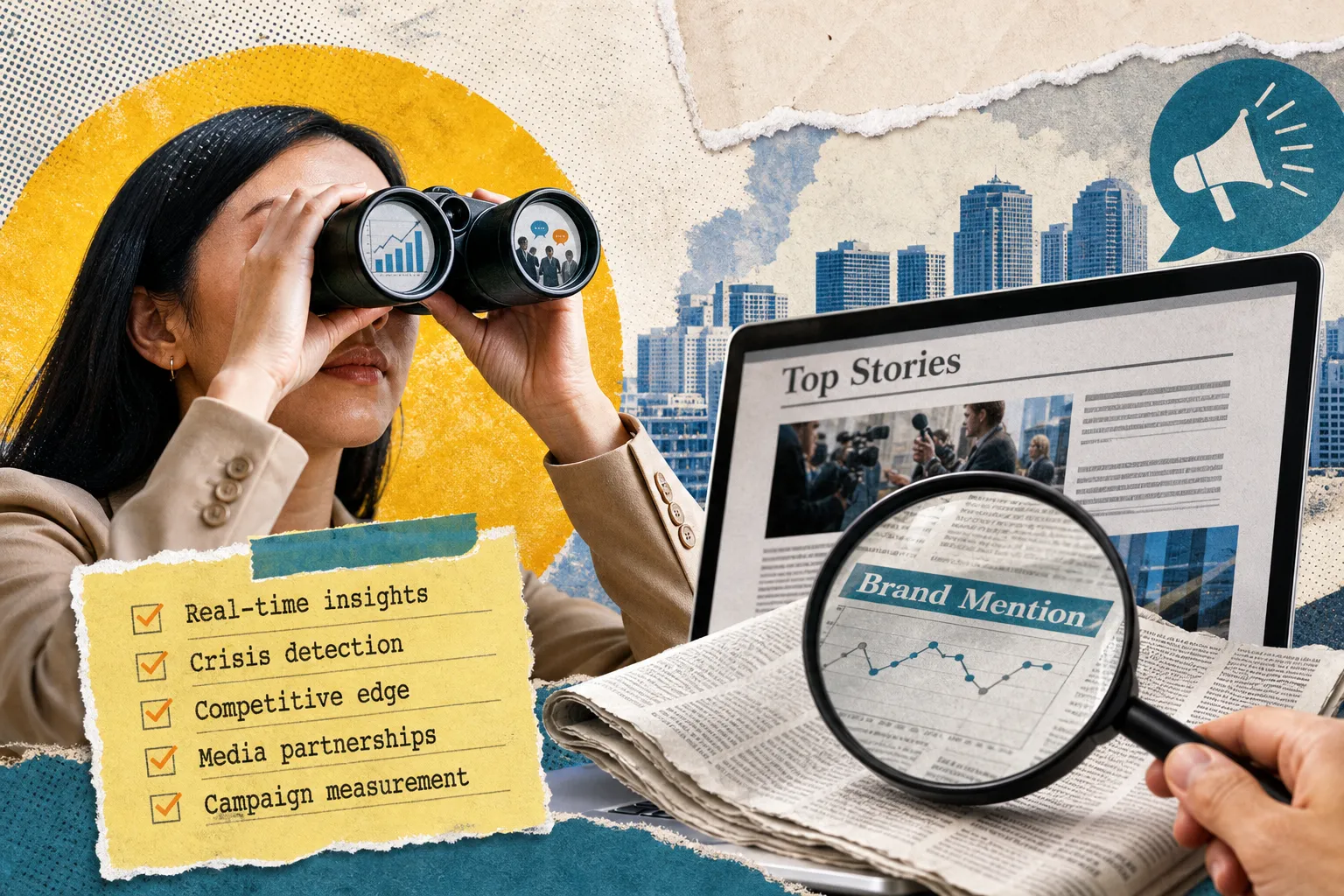
Your job used to be simple to explain: find the mention, save the mention, report the mention. It's older than you'd think, too. Henry Romeike is widely credited with founding the world's first press clipping agency in London in the mid-1800s (sources differ on the exact year), and by the 1930s, his company and Luce's Press Clipping Bureau together controlled roughly 80% of the entire US clipping business, built on paper, scissors, and paste. The format has changed every few decades since: agencies started recording radio and TV broadcasts in the 1960s, then began layering data analysis on top of raw monitoring in the 1970s, and the internet reshaped it again in the 1990s. The job itself never disappeared; it just kept following the coverage to wherever it moved next.
AI-generated answers are the latest place it's moved. Here are 6 shifts every social media analyst, media monitoring specialist, and media research specialist should have on their radar, and what's actually staying the same underneath all of it.
How Media Monitoring Evolve in AI Search
- The Click Is Disappearing
- How AI Engines Actually Choose Sources
- The Philippine AI-Search Reality
- The Monitoring Industry's Blind Spot
- Measurement Is Catching Up, Too
- What This Means for Your Next Report
1. The Click Is Disappearing
Search increasingly resolves before anyone reaches a website at all, including the ones you're tracking coverage on.
By the numbers:
- The overall zero-click rate reached roughly 68% in early 2026, meaning most Google searches now end without a single click to any external site
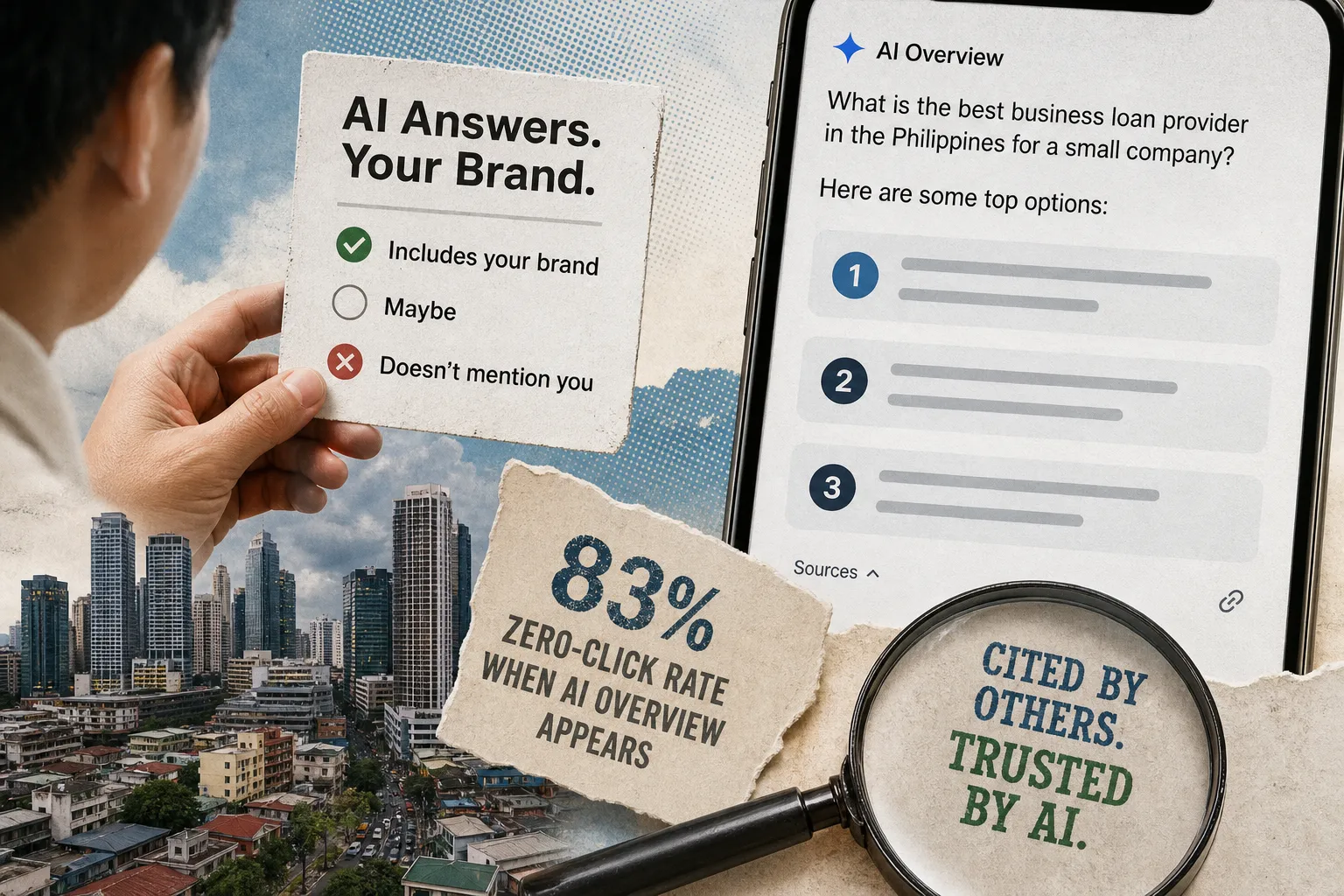
- When an AI Overview appears on the results page, that zero-click rate climbs to around 83%; inside Google's AI Mode, it reaches roughly 93%
- AI Overviews now show up on close to half of all Google searches, not a niche subset anymore
For anyone whose job involves proving that coverage exists and matters, that's a problem: a story can generate enormous reach inside an AI answer while sending zero traffic anywhere a pixel or a UTM tag could ever catch it.
2. Citations, Not Clippings: How AI Engines Actually Choose Sources
This part should reassure you more than it alarms you. Earned, third-party coverage, the exact material you've always been tracking, is disproportionately what AI systems lean on when they generate answers.
By the numbers:
- An estimated 84% of AI citations trace back to earned, third-party media rather than brand-owned pages
- Perplexity cites around 16 sources per answer, while ChatGPT cites roughly 7 but extracts far more from each one
- About 85% of brand mentions inside AI answers come from third-party pages rather than a brand's own website
The word "citation" gets thrown around loosely, so it helps to be precise about what it means. Think of it as a receipt attached to one specific claim inside a generated answer, not a ranking position, and not a reward for being the "best" page. Claude's web search tool, for example, surfaces up to about 150 characters of cited text per citation. AI systems are increasingly citing at the sentence or passage level, not the page level, which means the full clip you save today isn't the unit that matters most anymore. The one number, quote, or claim buried inside it might be what gets lifted out and reused months later.
This is exactly the kind of earned-coverage tracking Media Meter's MediaWatch is built for: sentiment, framing, and specific claims, not just raw mention counts. (See also sentiment analysis in PR for how tone gets tracked at scale, and brand mention monitoring for turning a single mention into a competitive signal.)
3. Manila Is Already There: The Philippine AI-Search Reality
This isn't a future trend you'll deal with eventually; it's already showing up in your reports. A Digital 2026 report found that 42.4% of Filipino internet users had used ChatGPT in the past month, the sixth-highest adoption rate in the world, and well above the 26.5% global average. That puts the Philippines ahead of several G7 economies, including Germany, Japan, and the US, on AI chatbot adoption.
For your desk specifically, that means a meaningful slice of the audience you used to think of as "search traffic" is now asking an AI system directly and getting an answer synthesized from whatever sources it trusts, with no guarantee your client's own materials are anywhere in that mix.
4. The Monitoring Industry's Blind Spot
Your tools probably haven't caught up on this part yet. A 2026 review of the media monitoring landscape found that almost none of the established platforms currently track what ChatGPT or Google AI Overviews are actually saying about a brand. The traditional strengths of tools like Meltwater and Cision (broadcast, print, journalist databases) simply don't extend to AI-generated answers yet.
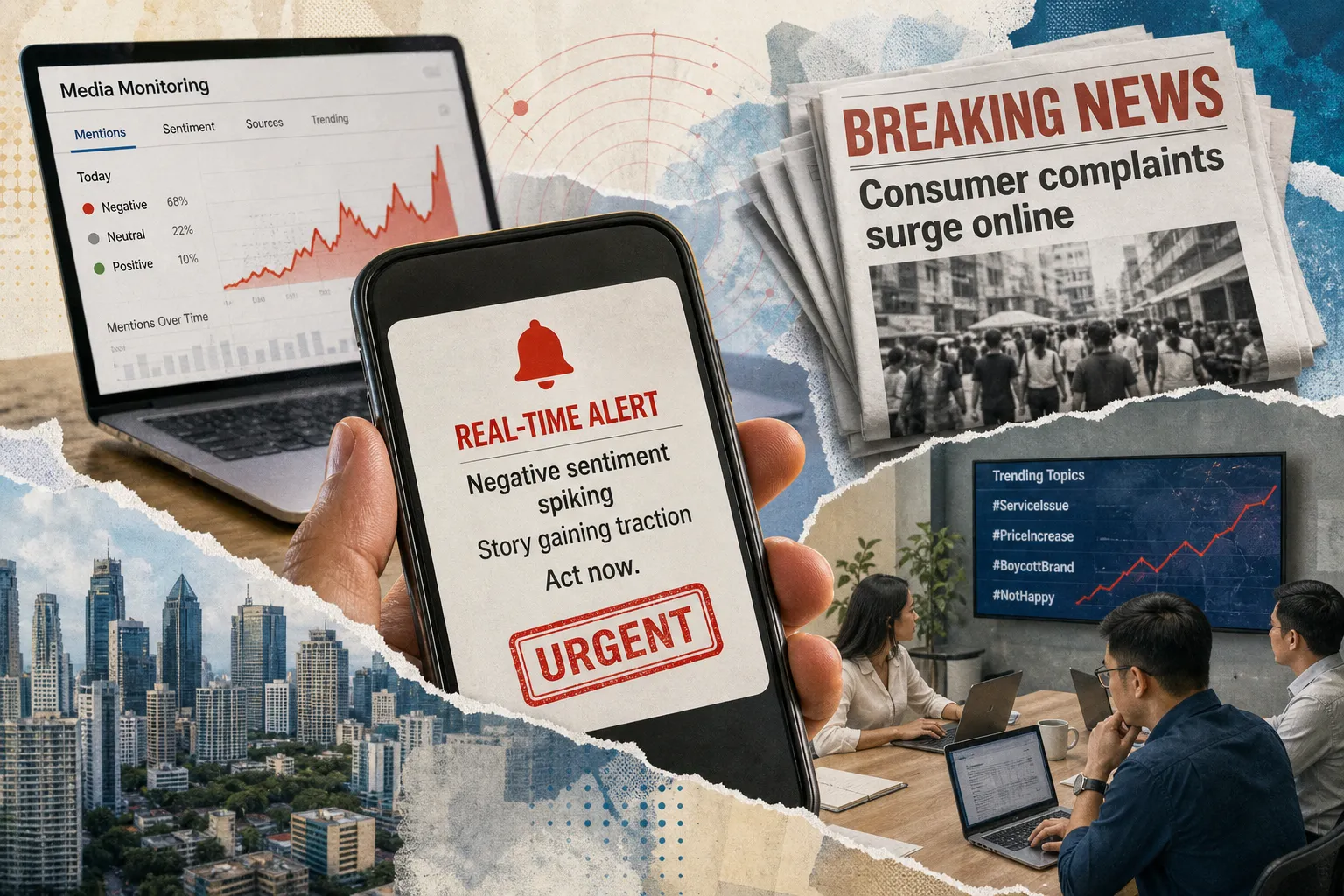
That gap has a real cost. One 2026 audit found that legacy vendors like Cision and Meltwater appeared inside AI-generated answers to communications-technology questions at strikingly high rates, 53% and 30% respectively, regardless of whether their actual product capabilities matched what was being asked. In practice, that means AI systems can confidently describe a brand inaccurately, and if you're not watching that layer, you have no way to catch it, let alone correct it.
The industry is starting to respond, though. Meltwater has rolled out a feature called GenAI Lens, built specifically to show how tools like ChatGPT describe a given brand, an early sign that AI-answer visibility is becoming a standard line item in monitoring platforms, not just an experimental add-on. (Weighing your own stack? See Media Meter's Meltwater alternatives breakdown for what to compare.)
5. Measurement Is Catching Up, Too
The industry has been here before, and the same people who fought to get AVE thrown out are the ones setting the rules this time.
AMEC, the organization behind the Barcelona Principles, launched a new set of GEO Principles in May 2026 at its Global Summit in Dublin, built specifically to guide how practitioners measure AI-led discovery. Those principles were deliberately built on the same foundation as Barcelona Principles 4.0 and AMEC's Integrated Evaluation Framework: objectives first, methods disclosed, outputs kept separate from actual outcomes.
That launch came with a warning worth remembering: after years spent pushing the industry away from AVE as a vanity metric, one measurement leader cautioned against rushing to replace it with a new, equally shallow AI-visibility score. A citation count on its own doesn't tell you whether that citation moved trust, reputation, or a business outcome. The same discipline that discredited Ad Value Equivalency applies just as much here.
6. What This Means for Your Next Report
A few things worth changing about how you work, starting now:
- Clipping isn't obsolete; it's upstream. If earned media is what AI engines cite most, then the coverage you're already tracking is indirectly shaping what AI systems say, too.
- Start checking the answer layer yourself. Until your tools close this gap, periodically running your brand or client through ChatGPT, Perplexity, and AI Overviews is now a legitimate, low-cost part of the job.
- Don't let "citation" replace "outcome" in your reporting. A citation is a signal, not a result; hold it to the same rigor you already apply to share of voice, sentiment, and story value.
- Localize the urgency. With Philippine ChatGPT adoption already ahead of most of the world, this isn't a someday problem for your PH clients; it's a this-quarter one.
Media monitoring has changed format before, from scissors to broadcast recorders to the open web, and it's changing format again. Your reporting should keep up with where the story is actually being told now. Media Meter helps you track mentions, analyze sentiment, and benchmark share of voice across the channels that matter, including the ones just starting to show up on the radar. Contact us or check out our report library to see what's possible.
The full report is open below.
We also emailed a PDF download link to your inbox — check your spam folder if it doesn't arrive in 2 minutes.