Flood control scandal, impeachment trial, and Marcos aid blitz: A day of polarized accountability in the Philippines
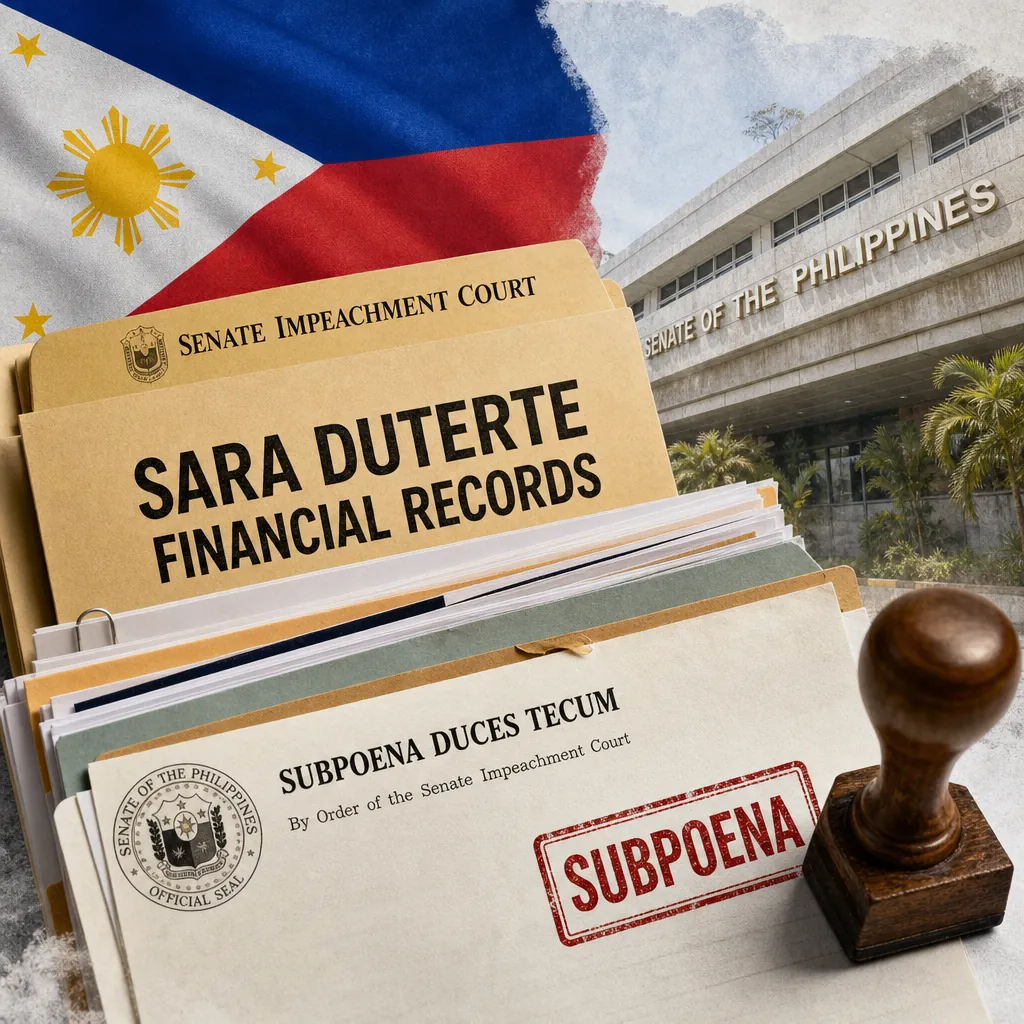
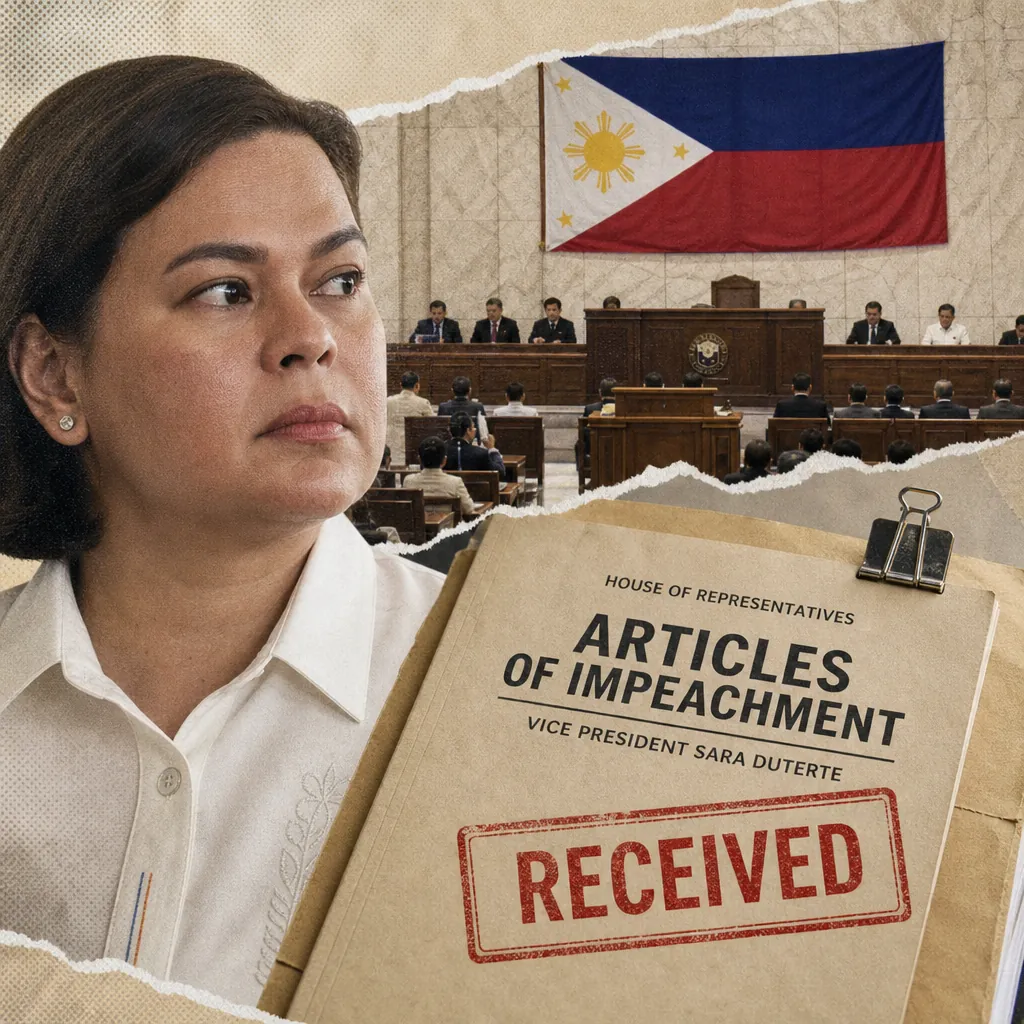
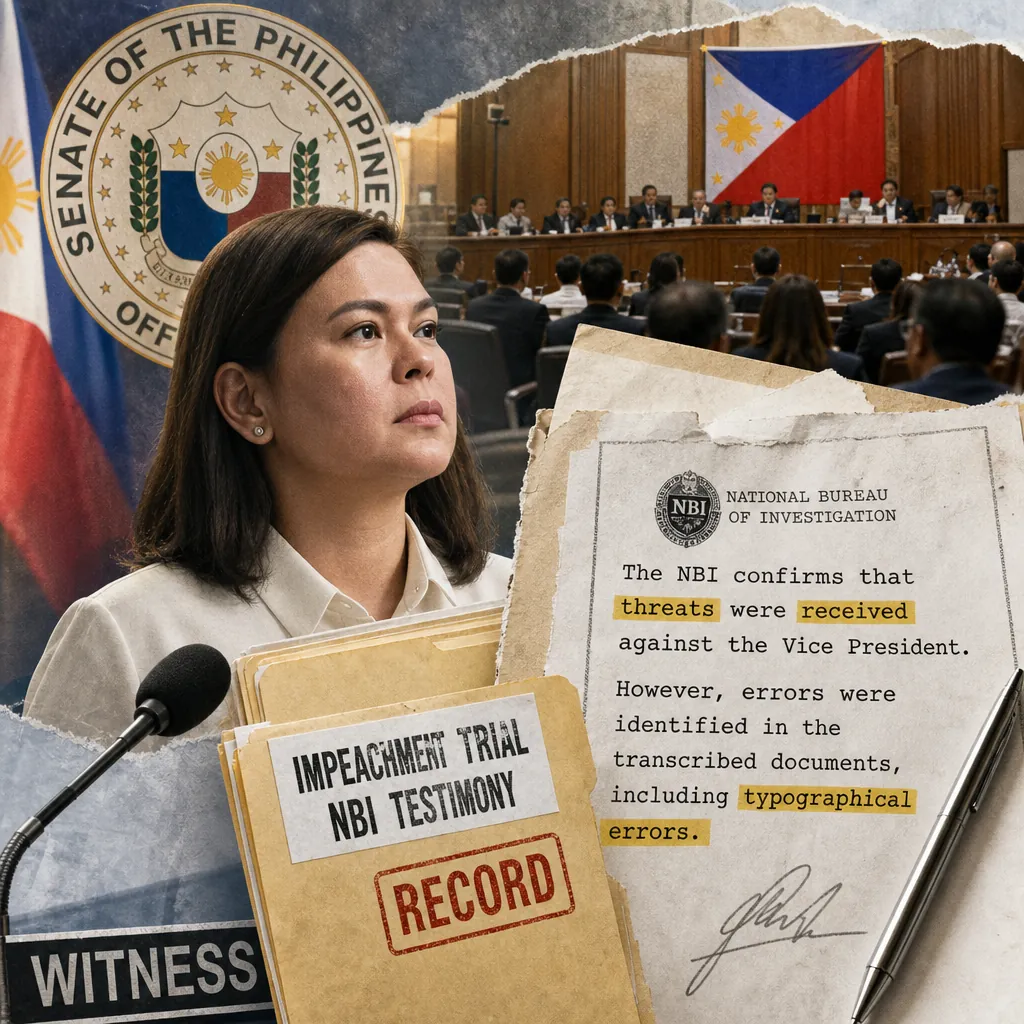
On June 29, 2026, the Philippine conversation was dominated by overlapping legal and political developments: the Ombudsman's plunder case against Sen. Marcoleta and state witness deal for ex-DPWH chief Bonoan, the dismissal of a P1-billion civil case against Romualdez, the pre-trial order for VP Sara Duterte's impeachment, and President Marcos's social aid launches in Mindanao. Public sentiment was deeply polarized, with widespread mockery and skepticism toward government actions.
The conversation on June 29, 2026, was a firestorm of overlapping legal and political developments that laid bare the deep fractures in public trust toward Philippine institutions. The day began with Ombudsman Jesus Crispin Remulla announcing a non-bailable plunder case against Senator Rodante Marcoleta for an alleged P75-million undeclared campaign donation, while simultaneously revealing that former Department of Public Works and Highways (DPWH) Secretary Manuel Bonoan would become a state witness in the sprawling flood control scandal [1][2]. By mid-morning, the Quezon City Regional Trial Court had dismissed a P1-billion civil case against former Speaker Martin Romualdez and others over flood control projects—on a technicality of unpaid filing fees—a ruling that critics immediately framed as a procedural escape for the powerful [3]. As if that were not enough, the Senate released the pre-trial order for the impeachment trial of Vice President Sara Duterte, setting a July 6 opening, while the Philippine National Police (PNP) declared it would arrest Senator Bato Dela Rosa if he appeared at the trial [4][5]. President Ferdinand Marcos Jr., meanwhile, was in Sulu and Zamboanga Peninsula launching the "Bawat Bayan Makikinabang" program, distributing P371.8 million in Socio-Civic Projects Fund (SCPF) assistance and opening Mindanao's first "Walang Gutom Kitchen" [6][7]. The day's events were not merely a sequence of headlines; they were a stress test of the administration's anti-corruption narrative, and the public's response—measured in likes, shares, and especially the mocking "haha" reactions that flooded Facebook—suggested that the government's message of accountability was being met with deep cynicism. Across platforms, the conversation was polarized: supporters celebrated the Marcoleta case as proof that no one is above the law, while critics pointed to the Romualdez dismissal and the Bonoan immunity deal as evidence of selective justice. The impeachment trial added another layer of partisan tension, with each procedural step scrutinized through a political lens. This snapshot examines the day's dominant narratives, the key voices driving them, and the implications for governance and public trust in the Philippines.
Key themes
- Plunder charges vs. Marcoleta and the "weaponization" accusation – The Ombudsman's announcement that it would file a non-bailable plunder case against Senator Rodante Marcoleta for an alleged P75-million undeclared campaign donation was the day's first major flashpoint [1]. Pro-administration voices framed it as a victory for accountability, but critics—including former presidential spokesperson Harry Roque—immediately labeled it a "tanim kaso" (frame-up) and accused the administration of using legal institutions to target political opponents while shielding allies [8]. The post from GMA News on Facebook garnered 11,105 likes and 3,953 comments, indicating intense public interest [9].
- Flood control case dismissal: Technicality or cover-up? – The Quezon City RTC's dismissal of the P1-billion civil case against Romualdez, Co, and Vargas on grounds of unpaid filing fees became a lightning rod for public anger [3]. Posts from major news outlets attracted hundreds of "haha" reactions—a form of mockery—with one Abante post receiving 840 haha and 309 angry reactions [10]. Critics argued that the dismissal was a procedural escape, not a vindication, and that it undermined the administration's anti-corruption messaging.
- Bonoan as state witness: Strategic necessity or selective justice? – The decision to grant former DPWH Secretary Manuel Bonoan immunity in exchange for testimony was met with deep skepticism [2]. Influential voices like @jesusfalcis tweeted that unless Bonoan's testimony leads to multiple senators and congressmen behind bars, the deal "leaves a bad taste in the mouth" [11]. ACT Teachers Rep. Antonio Tinio demanded full disclosure of the agreement's terms [12]. The high volume of "haha" reactions on Ombudsman posts (e.g., 364 on one update) signaled public disbelief that real accountability would follow [13].
- Impeachment trial preparations and arrest threats – The Senate's release of the pre-trial order for VP Sara Duterte's impeachment, with 92 trial days and 17 shared witnesses, set the stage for a closely watched trial starting July 6 [4]. The PNP's declaration that it would arrest Senator Bato Dela Rosa if he appeared triggered massive engagement: a Facebook post from @angbalitangayonfb received 1,945 haha and 665 angry reactions, the highest haha count in the dataset [5]. This indicated that many users viewed the arrest threat as either absurd or darkly humorous.
- Marcos social aid blitz met with mockery – President Marcos's simultaneous program launches in Sulu and Zamboanga Peninsula—including P371.8 million in SCPF assistance and the first Mindanao Walang Gutom Kitchen—were heavily promoted by official accounts [6][7]. However, posts from mainstream news outlets announcing the same events attracted disproportionately high "haha" reactions. A Manila Bulletin post quoting Marcos's confidence that the P200,000 per barangay fund "will not be plagued by corruption" received 310 haha reactions and only 11 love reactions [14]. This pattern suggested that the public treated the aid announcements with derision rather than appreciation.
- School safety and DepEd's reactive response – The hazing death of two Ateneo student-athletes in Aurora on June 8 continued to reverberate, with the DILG press briefing on the case drawing 12,884 likes and 8,227 comments [15]. DepEd announced it was studying the use of metal detectors in schools, while a celebrity bullying case filed by actress Yasmien Kurdi added urgency to the child protection narrative [16][17]. The PNP also confirmed it was identifying a student behind a viral alarming message, assuring the public there were no credible threats to Metro Manila schools [18].
- Tab Baldwin's DOLE hearing and foreign labor compliance – Former Ateneo coach Tab Baldwin admitted during a Department of Labor and Employment (DOLE) clarificatory hearing that he had never possessed an Alien Employment Permit (AEP) since starting work in the Philippines in 2013 [19]. His defense—that his permanent residency exempted him—was met with skepticism online. A GMA News post on the hearing drew 1,332 likes, 519 angry reactions, and 424 comments, indicating strong public frustration with perceived regulatory gaps [20]. DOLE issued a subpoena to Ateneo officials for a July 9 continuation [21].
- Jimmy Alapag's homecoming as NLEX head coach – Amid the political turmoil, the return of PBA legend Jimmy Alapag as NLEX Road Warriors head coach provided a rare moment of unified positive sentiment [22]. Posts celebrating his six-year NBA coaching stint and his return to the PBA drew thousands of likes and love reactions, with fewer than 20 negative reactions across all related content [23]. This sports narrative absorbed the vast majority of public engagement on a day otherwise dominated by political scandal.
How the narratives stack
Dominant – Within the captured set, the flood control scandal—encompassing the Marcoleta plunder case, the Romualdez dismissal, and the Bonoan state witness deal—was the most heavily covered and most intensely debated narrative. It generated the highest engagement across platforms, with multiple posts exceeding 10,000 likes and thousands of comments. The narrative was driven by a combination of official announcements, mainstream media reporting, and partisan commentary, and it directly challenged the administration's anti-corruption credibility. The public's response was overwhelmingly cynical, with "haha" reactions often outnumbering positive ones, suggesting that the government's message of accountability was not breaking through.
Counter-narrative – A persistent counter-narrative, amplified by opposition figures and political vloggers, framed the Marcoleta case and the Bonoan deal as evidence of selective justice. Former presidential spokesperson Harry Roque directly challenged the Iglesia ni Cristo (INC) to reject what he called a "tanim kaso" against Marcoleta, while retired Brigadier General Orlando De Leon sarcastically suggested making President Marcos a state witness [8][24]. This narrative argued that the administration was using anti-corruption tools to consolidate power and destroy political rivals, not to deliver systemic justice. It resonated strongly with audiences who saw the Romualdez dismissal as proof of impunity for allies.
Emerging – The impeachment trial of Vice President Sara Duterte is an emerging narrative that will likely dominate the news cycle for months. The pre-trial order released on June 29 set the stage for a closely watched trial, and the PNP's arrest threat against Senator Dela Rosa added a dramatic element [4][5]. The prosecution's framing—that grave threats are not protected by freedom of expression—gained traction, with one post from House prosecutor Terry Ridon receiving over 4,000 likes and 1,600 comments [25]. However, the defense's narrative that the case lacks evidence persists, and the trial threatens to further entrench political divisions.
Suppressed – The Marcos administration's social aid programs—the SCPF distribution and the Walang Gutom Kitchen launch—were intended to be the dominant story of the day, but they were largely overshadowed by the flood control scandal and impeachment news. Official accounts pushed the "Bawat Bayan Makikinabang" narrative heavily, but the public's response was muted or mocking. The story of the 81-year-old beneficiary of the Walang Gutom Kitchen in Cebu, which generated genuine sympathy and minimal negative reactions, was a rare bright spot that could have been amplified but was not [26]. This suggests that the administration's positive messaging is struggling to compete with the gravitational pull of corruption and political controversy.
Platform insights
- Facebook – Facebook was the main battleground for partisan sentiment, with major news pages (Abante, Tribune, News5, GMA News) driving high engagement. The flood control dismissal post on Abante alone drew 840 haha and 309 angry reactions, while the Marcoleta plunder post on GMA News garnered 11,105 likes and 3,953 comments [9][10]. The platform saw rapid polarization between administration defenders and critics, with comment sections becoming battlegrounds. Official government pages (PCO, PTV, RTVM) generated high love counts—up to 1,925 on one PCO post—but their messages were often undercut by the mocking reactions on reposts by third-party news outlets [27]. The "haha" reaction emerged as a tool of passive resistance, allowing users to express derision without engaging in lengthy arguments.
- Twitter (X) – Twitter acted as a real-time commentary space, with verified users like @jesusfalcis and @tinapperez providing instant analysis. The Marcoleta plunder story on @news5ph got 285 likes, but the most viral tweet was @jesusfalcis fact-checking the gaming ban debate (10,726 views) [28][29]. Discussions on Twitter were more analytical, focusing on procedural details and accusations of selective justice. The platform also hosted official clarifications from DepEd and PNP on school safety, but with lower engagement than Facebook. The hashtag #batasph was used by several Ombudsman-related posts, but it did not trend.
- YouTube – Long-form content dominated on YouTube, with channels like @tapwanlive (15,893 views, 1,231 likes) analyzing the plunder case, and @bisdakpilipinas (14,369 views, 2,676 likes) taking a pro-Duterte stance [30][31]. The high like-to-view ratio on the latter suggested a highly engaged, partisan audience. RTVM's live coverage of the Marcos events accumulated 12,074 and 11,942 views respectively, with positive like-to-view ratios [32]. The absence of haha or angry metrics on YouTube limited the expression of dissent, making it the most official-friendly platform. However, the impeachment-related vlogs by @mikecerveravlog (5,701 views) and @bengador2025 (3,200 views) showed that opposition content still found an audience [33][34].
- Reddit – Reddit featured deeper dives into the flood control scandal, with users like u/hyunbinlookalike predicting Marcoleta would "pull a Bato" (209 upvotes) and u/RoguePanda1008 complaining about DPWH projects affecting water supply in Manila [35][36]. The platform served as a space for grassroots grievances linked to the corruption narrative. A separate thread about an Indian travel creator's scathing review of the Philippines (916 upvotes, 251 comments) sparked debate on infrastructure and hospitality, indirectly tying into governance concerns [37].
Key voices and communities
- Government accountability advocates – This group includes senators, congressmen, and anti-corruption figures who frame the flood control scandal as a test of institutional integrity. Senator Panfilo Lacson said Bonoan "certainly has a lot to reveal" and called for restitution [38]. Representative Leandro Leviste advocated for Bonoan's state witness status, arguing the former DPWH chief's age and knowledge make his testimony critical [39]. ACT Teachers Rep. Antonio Tinio demanded full disclosure of the Bonoan agreement's terms [12]. These voices align with the administration's anti-corruption objectives but also push for transparency and due process.
- Opposition and defense alliances – A vocal coalition of former officials, lawyers, and political allies defends Senator Marcoleta and attacks the Ombudsman's actions as politically motivated. Former presidential spokesperson Harry Roque directly challenged the Iglesia ni Cristo to reject the "tanim kaso" against Marcoleta [8]. Former congressman Mike Defensor, also a respondent, denies any wrongdoing [40]. Political vlogger Noel Landero Sarifa posted that the administration is "ginagawang weapon ang kaso" against opposition figures [41]. This group's messaging portrays the Ombudsman's actions as selective and politically convenient.
- Mainstream news media and broadcasters – Major news organizations—including GMA News, Inquirer, ABS-CBN's ANC, News5, and The Manila Times—serve as the primary information conduits, producing high-engagement content that amplifies official announcements. Their coverage cuts across political lines, presenting both Ombudsman statements and reactions from accused parties. GMA News' reporting on the Marcoleta case on Facebook garnered over 11,000 likes and nearly 4,000 comments [9]. These outlets are essential for reaching broad public audiences and shaping the narrative.
- Skeptical public and political commentators – This diffuse group includes individual social media users, YouTubers, and Reddit contributors who express strong skepticism about the motives behind the investigations. Twitter user @jesusfalcis posted that unless Bonoan's testimony leads to multiple senators and congressmen behind bars, the immunity deal "leaves a bad taste in the mouth" [11]. A detailed Facebook post by one account explicitly called the anti-corruption drive an "illusion" that consolidates power rather than delivering justice [42]. This group's demand for genuine accountability can be harnessed by demonstrating that all accused—regardless of rank—face consequences.
- Iglesia ni Cristo and religious bloc influencers – While not as numerous in direct posts, the INC bloc appears as an influential audience through cross-referencing in content from both supporters and opponents. Marcoleta's known affiliation with INC makes the religious organization a critical stakeholder that can mobilize significant public support or opposition. Harry Roque's direct challenge to INC—asking if they will accept the "tanim kaso"—indicates that the religious bloc's reaction is seen as pivotal [8]. A YouTube channel titled "INC RERESBAKAN SI BOYING" garnered over 14,000 views and 429 comments, showing strong engagement from the bloc's base [31].
Narrative streams
The flood control scandal: A test of anti-corruption credibility
The flood control scandal narrative was the day's most dominant and most damaging for the administration's anti-corruption messaging. It unfolded on three tracks: the Marcoleta plunder case, the Romualdez civil case dismissal, and the Bonoan state witness deal. Each track fed into a broader public perception that the government's anti-corruption drive is selective and politically motivated.
The Marcoleta case was the most straightforward: the Ombudsman announced it would file plunder charges for an alleged P75-million undeclared campaign donation [1]. Pro-administration voices celebrated it as proof that no one is above the law. However, the timing—coming on the same day as the Romualdez dismissal—invited comparisons. Critics noted that Marcoleta is an opposition figure with ties to the INC, while Romualdez is a key administration ally. The contrast was not lost on the public: a Facebook post from @angbalitangayonfb featuring former congressman Kiko Barzaga's joke—"Kaya bagsak ang ekonomiya ng Pilipinas, pati gobyerno puro ad*k"—received 1,798 likes and 500 haha reactions, signaling deep public cynicism [43].
The Romualdez dismissal was perhaps the most damaging single event. The QC RTC threw out the P1-billion civil case on the grounds that the plaintiff had not paid the filing fee [3]. Legally, this is a procedural requirement that applies to all litigants. But in the court of public opinion, it was seen as a technicality that allowed powerful figures to escape accountability. Posts from major news outlets attracted hundreds of haha reactions—a form of mockery—with one Abante post receiving 840 haha and 309 angry reactions [10]. Malacañang responded through Press Officer Claire Castro, claiming "marami nang nagawa ang administrasyon" against flood control anomalies, but this provoked 77 haha reactions and only 4 angry, suggesting public skepticism [44].
The Bonoan state witness deal was the most controversial. Former DPWH Secretary Manuel Bonoan, who faces plunder charges alongside Senator Jinggoy Estrada, will be discharged as a respondent and become a state witness [2]. The Ombudsman argued that Bonoan's "institutional knowledge" is essential to building cases against higher-level officials. But critics immediately questioned why the highest-ranking DPWH official was being spared while others faced charges. @jesusfalcis tweeted: "Unless Bonoan's testimony will lead to multiple Senators and Congressmen behind bars, it leaves a bad taste in the mouth to give Bonoan immunity. He's one of the most guilty" [11]. ACT Teachers Rep. Tinio demanded full disclosure of the agreement's terms [12]. The high volume of haha reactions on Ombudsman posts (e.g., 364 on one update) signaled public disbelief that real accountability would follow [13].
For the administration, the flood control scandal narrative is a double-edged sword. On one hand, the Marcoleta case and the Bonoan deal demonstrate that the Ombudsman is actively pursuing high-profile corruption cases. On the other hand, the Romualdez dismissal and the perception of selective justice undermine the "no sacred cows" narrative that has been a central pillar of President Marcos Jr.'s public messaging. The challenge is to convince a skeptical public that the process is impartial and that the Bonoan deal will lead to convictions of truly powerful figures, not just lower-level scapegoats.
The impeachment trial: A political super-cycle begins
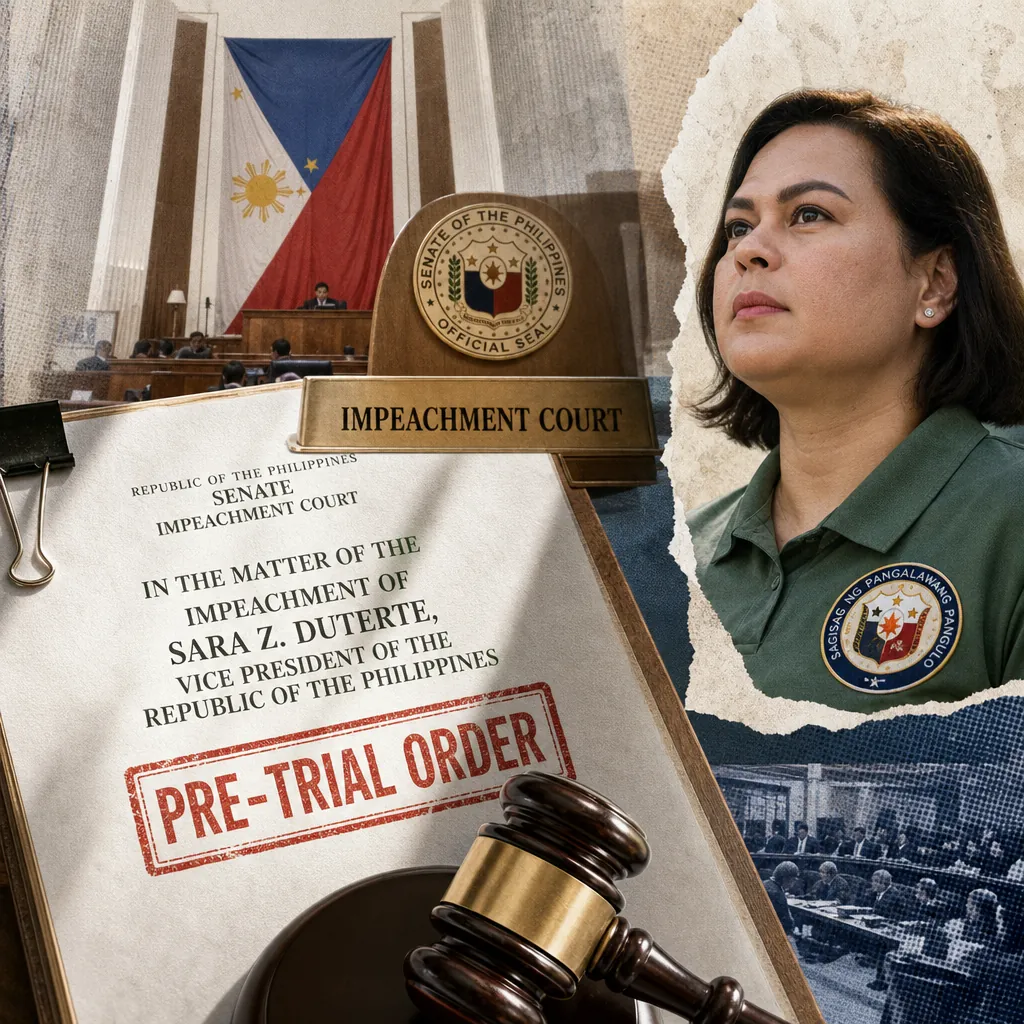
The impeachment trial of Vice President Sara Duterte is set to dominate the news cycle for months, and June 29 saw several key developments that set the stage for a high-stakes legal and political battle. The Senate released a 15-page pre-trial order approving 92 trial days—62 for the prosecution and 30 for the defense—and 17 shared witnesses [4]. Trial begins on July 6 at 2 p.m. on Mondays, Tuesdays, and Wednesdays until July 27, after which it shifts to 3 p.m. on Tuesdays, Wednesdays, and Thursdays [45].
The prosecution's framing gained traction on June 29. House prosecutor Terry Ridon rebutted the defense's freedom-of-expression claim, stating that "grave threats is basically one of the exceptions to freedom of expression" [25]. His post on News5 received 4,392 likes and 1,666 comments, indicating strong public interest in the legal arguments. Meanwhile, the defense's stance appeared to shift on one key issue: the opening of a sealed Bureau of Internal Revenue (BIR) box containing VP Duterte's tax records. House prosecutor Leila de Lima said the defense was now "not averse" to opening the box, but wanted it done in executive session [46]. The prosecution questioned the need for secrecy, with De Lima asking, "Why does an executive session still need to be held?" [46].
The most dramatic development was the PNP's declaration that it would arrest Senator Bato Dela Rosa if he appeared at the trial [5]. Dela Rosa, a former PNP chief and key Duterte ally, has been in hiding since May 2026 after the Senate leadership changed. The PNP's statement was met with widespread mockery: a Facebook post from @angbalitangayonfb received 1,945 haha and 665 angry reactions, the highest haha count in the dataset [5]. This suggested that many users viewed the arrest threat as either absurd or darkly humorous, reflecting deep partisan polarization and public skepticism about due process.
Senator Imee Marcos expressed concern that the trial could exceed 90 days, a comment that drew 24,814 views on X [47]. The trial's length and complexity mean it will likely crowd out other governance narratives and further entrench political divisions. For the administration, the trial is a high-risk, high-reward proposition: a successful conviction of VP Duterte would be a major political victory, but a prolonged or messy trial could damage the Senate's credibility and fuel accusations of political persecution.
Marcos social aid: A message lost in the noise
President Marcos Jr.'s June 29 visit to Sulu and Zamboanga Peninsula was intended to showcase the administration's commitment to grassroots development. The "Bawat Bayan Makikinabang" program distributed P371.8 million in Socio-Civic Projects Fund (SCPF) assistance to Zamboanga City and three provinces, with P200,000 per barangay allocated for scholarships and local projects [6][7]. The President also inaugurated Mindanao's first "Walang Gutom Kitchen" in Zamboanga City, a DSWD facility that will serve 150-200 beneficiaries daily with free nutritious meals [48].
Official accounts from the Presidential Communications Office (PCO), RTVM, PIA, and DSWD flooded feeds with live coverage starting early Monday morning [49][50]. The initial narrative was tightly controlled and celebratory, with headlines emphasizing "education as a right" and the opening of the kitchen [51][52]. RTVM's live coverage showed the President interacting with Bagong Pilipinas Presidential Scholars, and CHED announced the "Bagong Pilipinas Merit Scholarship 2026" with P45,000 annual stipends [53].
However, as the day wore on, a wave of sarcasm hit. Posts from local radio stations like Bombo Radyo and DZRH attracted hundreds of haha reactions. A Manila Bulletin post quoting Marcos's confidence that the P200,000 per barangay fund "will not be plagued by corruption" received 310 haha reactions and 117 comments, many critical [14]. One anonymous user posted cynically: "Paldo na naman ang mga maleta gang at mga buwaya nito," suggesting that the funds would be stolen [54]. This skepticism was echoed across multiple outlets: SunStar's report on the same event drew 303 haha reactions versus only 28 love reactions [55].
The Walang Gutom Kitchen was particularly vulnerable to mockery. While official DSWD posts received balanced engagement, news outlet posts on the kitchen launch accumulated hundreds of haha reactions. One post from @bncphl had 335 haha and 206 comments, while @news5everywhere's version got 288 haha and 174 comments [56][57]. The humor reactions suggested that many viewed the kitchen as a photo-op rather than a sustainable solution, especially given simultaneous reports of billion-peso corruption scandals in flood control projects.
The contrast between official framing and public reception was stark. On Facebook, the government's official pages (PCO, PTV, RTVM) generated high love counts—up to 1,925 on one PCO post [27]. But third-party news outlets that reposted the same stories attracted massive haha reactions. This pattern suggests that the official framing was accepted only by loyal followers, while broader audiences engaged through mockery—a form of passive resistance. The administration's positive messaging is struggling to compete with the gravitational pull of corruption and political controversy.
School safety and the DepEd's reactive response
The hazing death of two Ateneo student-athletes in Dipaculao, Aurora on June 8 continued to reverberate on June 29. The DILG press briefing on the case drew 12,884 likes and 8,227 comments, underscoring public demand for accountability [15]. DILG Secretary Jonvic Remulla clarified that the student-athlete victims would not be charged as respondents, and that the priority was holding accountable those who planned the fatal training [15]. He also indicated that the student manager and ball boys could be removed from the list of accused and made into witnesses [58].
DepEd announced it was studying the use of metal detectors in schools following House inquiries into recent violence [16]. The Cebu City LGU also announced it would purchase metal detectors for schools [59]. Meanwhile, actress Yasmien Kurdi filed a complaint with DepEd over her child's bullying incident, aired on the fast-talk show "Fast Talk with Boy Abunda," drawing 11,763 views and 193 likes [17]. The PNP separately confirmed it was identifying a student behind a viral alarming message and assured the public there were no credible threats to Metro Manila schools [18].
However, new threats emerged. Escalante National High School in Negros Occidental shifted to remote learning after a social media post alleging a school shooting plot [60]. Batangas City Integrated High School also suspended classes after threatening messages were posted on its official Facebook page [61]. These incidents reflect heightened concern following the deadly Tacloban City school attack on June 22, where two minors opened fire, killing three students and wounding at least 15 others [62].
The school safety narrative is a rapidly escalating priority requiring immediate policy action. The DepEd's metal detector consideration and the celebrity bullying case show that the issue is gaining traction beyond traditional news. However, the reactive nature of the response—coming after a tragedy—risks appearing insufficient. The administration has an opportunity to demonstrate decisive action by implementing concrete measures and communicating them clearly.
Tab Baldwin's DOLE hearing: Foreign labor compliance under scrutiny
Former Ateneo coach Tab Baldwin's clarificatory hearing at the Department of Labor and Employment (DOLE) on June 29 added a new dimension to the conversation on accountability. Baldwin admitted that he had never possessed an Alien Employment Permit (AEP) since starting work in the Philippines in 2013 [19]. His legal counsel argued that his permanent residency visa exempted him from the requirement [20].
The hearing was prompted by the tragic deaths of two Ateneo student-athletes during a team-building activity in Aurora on June 8. The PNP-CIDG had recommended charges against Baldwin and 10 others for violation of the Anti-Hazing Law [58]. During the DOLE hearing, Labor Secretary Francis Tolentino showed Baldwin a sample AEP and asked if he had ever seen one. Baldwin replied, "I do not have nor do I believe I ever have a card like that" [19].
The public reaction was sharply divided. A GMA News post on the hearing drew 1,332 likes, 519 angry reactions, and 424 comments [20]. The high number of angry reactions indicated strong frustration with perceived regulatory gaps or favoritism regarding foreign workers. Many commenters expressed anger that a high-profile foreign coach could work for over a decade without proper documentation, while ordinary Filipinos face strict compliance requirements.
DOLE issued a subpoena to Ateneo de Manila University officials for a July 9 continuation [21]. The case has broader implications for foreign worker regulation in the Philippines, particularly in sports and education. The administration has an opportunity to demonstrate regulatory diligence by pursuing the case transparently and issuing clear guidance on AEP requirements. However, the perception of selective enforcement—targeting Baldwin only after a tragedy—could undermine public trust in DOLE's commitment to consistent enforcement.
Conversation trajectory
- Escalation of corruption-focused narratives against both administration allies and opposition figures is accelerating – The simultaneous filing of a plunder case against Marcoleta and the procedural dismissal of the Romualdez civil case are creating a powerful dual narrative arc. Content highlighting the contrast between "swift action on an opposition senator versus a technical dismissal for an administration ally" is drawing high engagement. Expect this contrast to amplify in the next 7-10 days as the Marcoleta case is formally filed before the Sandiganbayan, with the administration's flood control accountability response becoming a sustained point of scrutiny. The Bonoan state witness deal will also face continued scrutiny, with calls for full disclosure of the agreement's terms likely to intensify.
- The impeachment trial of VP Sara Duterte will dominate the news cycle for months – The pre-trial order released on June 29 sets the stage for a closely watched trial starting July 6. Both camps are framing the trial in constitutional terms. The engagement on these posts is massive, and the conversation will intensify as trial days progress. The public's attention will pivot from procedural arguments to evidentiary presentation within two to three weeks. The PNP's arrest threat against Senator Dela Rosa adds a dramatic element that could trigger a major news event if he attempts to appear.
- School safety and the DepEd's response will remain a central narrative – Following the Tacloban school shooting and the Ateneo hazing deaths, public attention is converging on the department's capacity to protect students. The DepEd's metal detector consideration and the celebrity bullying case show that the issue is gaining traction. Expect advocacy groups and parent networks to amplify demands for comprehensive anti-hazing and anti-bullying enforcement, with social media campaigns using hashtags related to student safety gaining momentum.
- The Marcos social aid narrative will struggle to gain traction amid political noise – The administration's positive messaging on social programs is being drowned out by corruption and impeachment news. The high haha reactions on aid announcements suggest that the public is deeply skeptical of the government's ability to deliver funds without leakage. The administration may need to pivot to more transparent, data-driven communication to rebuild trust.
Key trigger events that will reshape this conversation include: the formal filing of the Marcoleta plunder case before the Sandiganbayan (expected this week, July 2-3), which will draw media and public attention to the Ombudsman's evidence; the opening of the Sara Duterte impeachment trial on July 6, which will trigger massive spikes in real-time commentary; the July 9 DOLE hearing with Ateneo officials regarding Tab Baldwin's employment status; and the potential development of the low-pressure area (LPA) into a tropical cyclone, which could temporarily redirect public attention toward disaster preparedness and government response [63][64].
Response guidance
Platform-specific approaches:
- Facebook – Deploy official explainer posts using Ombudsman spokesperson channels to clarify the legal basis for making a former respondent a state witness, emphasizing that this is a standard prosecutorial tool under the rules of court for complex corruption cases. Proactively manage comment sections on high-engagement posts by providing standardized replies that cite the signed cooperation agreement and the critical nature of Bonoan's insider knowledge. Use carousel posts to contrast the Bonoan agreement with the ongoing preliminary investigation involving other lawmakers, reinforcing that no one is above the law. For the Marcos aid narrative, deploy human-interest stories featuring beneficiaries of the scholarship program and the Walang Gutom Kitchen, using first-person testimonials to humanize the assistance and counter skepticism about fund utilization.
- Twitter (X) – Publish a concise, threaded summary of the Ombudsman's press conference, breaking down the specific charges against Sen. Marcoleta and the separate preliminary investigations for other senators. Respond directly to high-engagement tweets expressing skepticism by restating that the Ombudsman's duty is to gather evidence methodically, and that premature conclusions undermine due process. Pin a tweet to the Ombudsman's timeline with a link to the official statement and a FAQ graphic addressing the most viral criticisms: why Bonoan gets immunity, why DOJ findings were insufficient, and what comes next for Marcoleta. Use a consistent hashtag like #AccountabilityPH to aggregate official updates and counter disinformation.
- YouTube – Produce a short, FAQ-style video (under 5 minutes) hosted by a legal expert or Ombudsman spokesperson, explaining the legal mechanics of discharging a respondent to become a state witness, using the Bonoan case as an example. Create a timeline video that visually maps the flood control scandal investigation from the initial Senate hearings to the current filing of plunder charges, emphasizing that the state witness strategy is part of a larger effort to prosecute multiple layers of corruption. Optimize video titles around keywords like "Bonoan state witness explained," "Marcoleta plunder case details," and "Ombudsman flood control probe update" to ensure official content surfaces above partisan commentary.
- Reddit – Engage through official Ombudsman accounts or trusted partner legal experts in subreddits like r/Philippines and r/news, providing factual corrections in response to speculation about political deals. Amplify critical analysis from credible legal observers (e.g., Sen. Lacson's statement that Bonoan "has a lot to reveal") by sharing relevant excerpts and linking to official press releases, steering the conversation toward the substance of the evidence rather than conspiracy theories.
Key messages:
- "The decision to make former Secretary Bonoan a cooperating witness is a standard legal procedure that allows us to build stronger cases against the masterminds of the flood control anomalies. His testimony is critical to proving conspiracy and recovering public funds."
- "Charges of plunder against Sen. Marcoleta are based on evidence of P75 million in undeclared campaign donations, not on political affiliation. The Ombudsman's office conducts its own independent preliminary investigations to ensure solid case build-up."
- "No one is being shielded. The Ombudsman has made clear that Senators Escudero and Villanueva are under preliminary investigation, and other lawmakers identified as 'cong-tractors' will face charges as evidence warrants."
- "The flood control investigation is the largest anti-corruption effort in recent history, with over 200 complaints under fact-finding review. The public should have confidence that the process is methodical and impartial."
- "Education is a fundamental right, not a privilege. The administration is delivering this right through direct scholarships and the expansion of the Walang Gutom Kitchen network, with built-in transparency mechanisms to prevent misuse."
Sensitive topics to navigate:
- The state witness deal itself – Many commenters view Bonoan's immunity as letting a top official escape accountability. The response must emphasize that his insider knowledge is indispensable for convicting more culpable actors, and that his discharge requires judicial approval—not a secret executive deal. Avoid using language that sounds like a "reward"; instead frame it as a necessary strategic trade-off.
- Political motivations and selective justice – Accusations of a "tanim kaso" narrative (particularly from figures like Harry Roque) allege that the charges against Marcoleta are a political hit. The Ombudsman should repeatedly cite the evidence trail (campaign donation records, witness testimony) and refrain from engaging in partisan labeling, sticking to "probable cause" and "rule of law."
- Timeline inconsistencies – The decision to reject DOJ findings and conduct a separate preliminary investigation for Villanueva while fast-tracking Marcoleta's plunder case creates a perception of double standards. Communications must explain that each case has different evidentiary requirements—Marcoleta's case emerged from a separate investigation into campaign finance irregularities, not the flood control probe.
- Connection to student-athlete deaths – Avoid framing the DOLE hearing solely as a consequence of the drowning incident; emphasize that the review is part of broader institutional accountability while respecting the families' grief.
Response priorities:
- Clarify the Bonoan state witness rationale immediately through a unified press release and social media post, directly addressing the top public concern: why a former DPWH secretary gets immunity while others are pursued. Priority for the first 48 hours after announcement.
- Provide a plain-language explanation of the Marcoleta plunder case that focuses on the factual basis—P75 million in unreported donations during the 2025 elections—to counter the "political vendetta" narrative. Release this as a video or infographic within the same week.
- Manage expectations on the Escudero and Villanueva investigations by giving a clear, non-committal timeline (e.g., "preliminary investigation is ongoing") and reiterating that the Ombudsman will not prejudge or set target dates for filing. This prevents the narrative that some lawmakers are being deliberately delayed.
- Counter the "no accountability" narrative on flood control by deploying a consolidated list of actions taken since the SONA directive, including number of cases filed, suspects charged, and funds recovered. Use infographic format on Facebook and Twitter to make the data digestible.
- Provide real-time impeachment trial transparency by establishing a dedicated microsite or social media account that publishes official orders, exhibits, and schedules as released by the Senate. The pre-trial order released on June 29 is a good starting point.
See the full picture behind today's signals.
This report draws from Media Meter's MediaWatch, our real-time monitoring engine tracking 2,470+ Philippine sources across print, broadcast, digital, and social. Explore how the platform turns raw coverage into decision-grade intelligence, then see how it's configured for teams like yours — whether you're in PR agencies, corporate comms, government, or marketing.
Want more? Browse our Report Library for sector and crisis intelligence, or request a demo and we'll have your brand set up before the call.
Want this kind of intelligence on your brand?
This brief is built on the same MediaWatch methodology that runs continuously across every brand we monitor. See your competitive landscape, Impact Score, and narrative trajectory in a 30-minute demo.