Fuel price hikes loom as Middle East tensions rise
Philippine motorists face up to P5 per liter increases in fuel prices next week due to Middle East tensions, while business confidence dips and global food prices hit a four-year high.
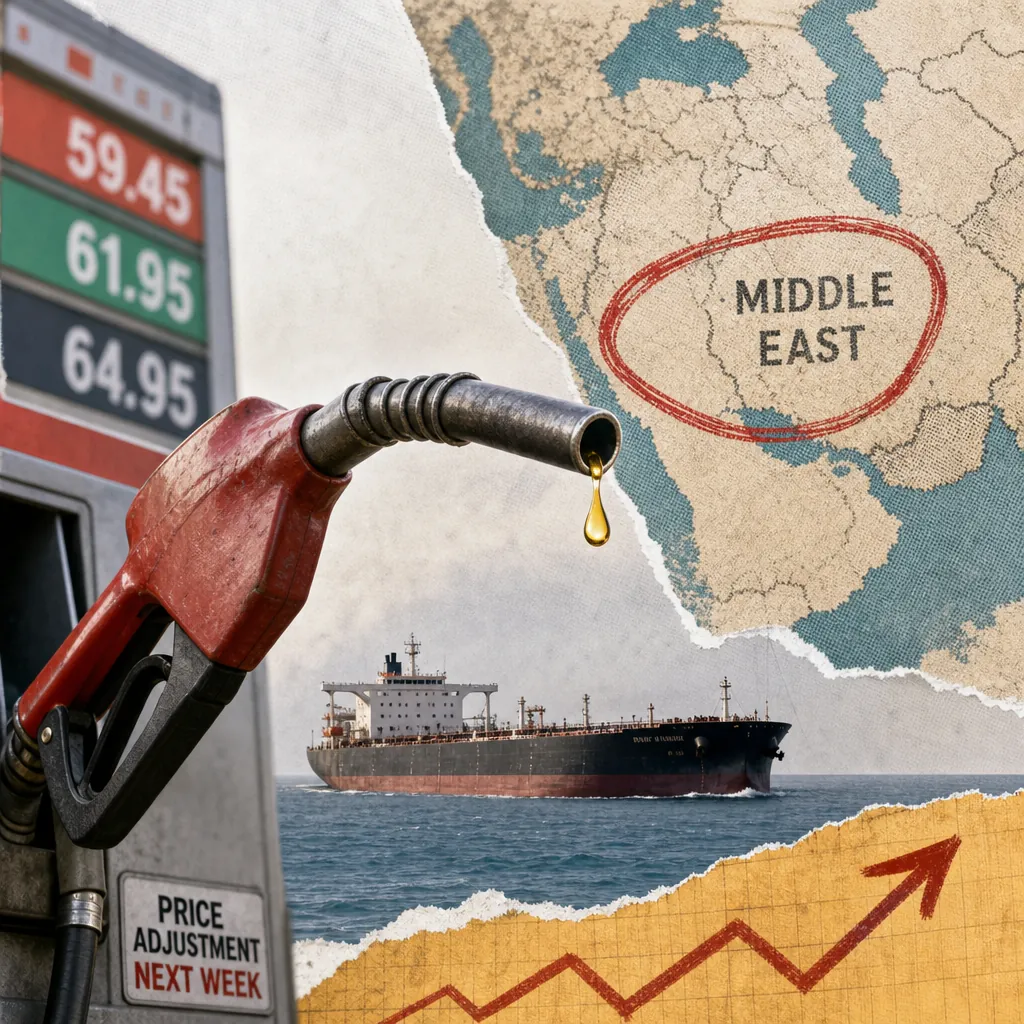
Motorists are bracing for another round of steep fuel price increases next week, with industry estimates pointing to a rise of P4.50 to P5 per liter for diesel and P4 to P4.50 for gasoline. The projected hikes, reported by multiple outlets on Friday, September 4, follow the resumption of hostilities between the United States and Iran over mining in the Strait of Hormuz, a critical passage for global oil shipments. Jetti Petroleum president Leo Bellas explained that oil prices rose as renewed tensions raised concerns about disruptions to energy flows from the Middle East, compounded by tightening global diesel inventories and refinery disruptions worldwide. 8 33 35
The estimates are based on four-day trading of the Mean of Platts Singapore, the pricing benchmark for refined fuels in Southeast Asia. The Department of Energy also signaled a "bigtime" hike, as reported by Bombo Radyo. 1 This comes after a period of relative calm and recent price cuts, making the sudden reversal particularly jarring for consumers already grappling with high inflation. The news dominated the day's coverage, with the Manila Times, Philstar, Panay News, and Bombo Radyo all carrying the story, collectively drawing coverage worth an estimated ₱1.2 million in advertising-equivalent value across the captured items. 8 33 35 1
The fuel price news arrives alongside a broader picture of economic strain. The central bank's Business Expectations Survey for July showed business confidence turning negative, as firms worried about Middle East tensions, rising oil prices, and inflation that could exceed the government's target. 12 Globally, the UN Food and Agriculture Organization reported that world food prices hit their highest level since late 2022, driven by adverse weather and war-related disruptions. 10 These developments paint a picture of an economy facing multiple cost pressures, with consumers and businesses alike feeling the pinch.
Key themes
- Fuel prices set to jump by up to P5 per liter next week — Industry estimates, based on international trading data, point to diesel rising P4.50 to P5 and gasoline P4 to P4.50 per liter, driven by renewed US-Iran hostilities and supply concerns. 8 33 35
- Business confidence turns negative in July — The central bank's survey shows the overall confidence index fell from neutral in June to negative in July, as firms cited Middle East tensions, oil prices, and inflation above the 4% target. 12
- Global food prices reach highest since 2022 — The UN FAO reports August food prices averaged 133.3 points, up from July's 130.8, the highest since November 2022, due to climate shocks and geopolitical tensions. 10
- DOH criticized over expired medicines — Senator Raffy Tulfo presented photos of allegedly buried expired medicines during a Senate budget hearing, questioning the agency's management of public funds. 4
- Davao inventors seek stronger support — The Davao Inventors Association calls for more government funding and help with patent applications to bring local innovations, including alternative fuel devices, to market. 2
- E-commerce shifts toward intentional buying — Lazada Philippines' Mega Sale kickoff highlighted how Filipino shoppers are becoming more discerning, and how sellers must adapt with trust and AI tools. 6
- Rainy season raises food safety concerns — Health experts warn of increased risk of diarrhea, cholera, and typhoid during heavy rains, urging proper hygiene and safe food preparation. 29 30
- Oatside's brand success reflects Gen Z marketing trends — The oat milk brand's meme-friendly campaigns and scarcity-driven demand illustrate how digital-native brands capture young consumers. 32
How the narratives stack
Dominant — The impending fuel price hike is the clear lead story, with multiple outlets reporting the same estimates from industry sources. The narrative is straightforward: global tensions are driving up costs, and Filipino consumers will bear the brunt at the pump. Within the captured set, this story drew the most coverage, with at least four separate articles from national and regional outlets. 8 33 35 1
Counter-narrative — Amid the doom and gloom, there are stories of innovation and resilience. Davao inventors are developing alternative fuel and energy devices, seeking support to bring them to market. 2 Climate-smart farming could cut emissions by 18%, according to state researchers. 23 These stories offer a longer-term, solutions-oriented counterpoint to the immediate cost pressures.
Emerging — The shift in consumer behavior toward intentional, trust-driven e-commerce is an emerging narrative. Lazada's event highlighted how AI and trust are becoming central to winning Filipino shoppers. 6 This suggests a structural change in retail that will have lasting implications for brands and platforms.
Under-covered — The story of Davao inventors, while covered by Sunstar, deserves more attention. It highlights a systemic issue: Filipino innovators struggle to commercialize their ideas due to lack of funding and patent support. This is a policy gap that could have long-term economic consequences, yet it received relatively little coverage compared to the fuel price story. 2
Platform insights
- Facebook — The fuel price hike story is likely to generate significant engagement on Facebook, where Filipino users frequently share and comment on economic news affecting household budgets. Posts from news pages like Bombo Radyo and Philstar often see high shares and reactions, especially when the news involves price increases.
- X (formerly Twitter) — The Oatside brand story and e-commerce trends are more likely to trend on X, where marketing and consumer culture discussions thrive. The brand's playful, meme-friendly approach is designed for this platform, and its scarcity-driven "sorry for being too popular" tweet from 2023 shows how X can amplify brand narratives. 32
- Reddit — While not directly covered in the monitoring, Reddit communities like r/Philippines often discuss economic issues. The fuel price hike and business confidence dip could spark threads on personal finance and cost of living. The platform's upvote system can surface personal anecdotes that humanize the impact of price increases.
- YouTube — Video content from news outlets and vloggers may cover the fuel price hike, with explainers on why prices are rising and tips for saving fuel. The Department of Energy's announcements are often picked up by news channels, and consumer advocacy videos can gain traction.
Key voices and communities
- Oil industry executives — Figures like Jetti Petroleum president Leo Bellas provide the technical estimates and explanations behind price movements. Their statements are widely quoted and shape the narrative. 33 35
- Government agencies — The Department of Energy and the central bank (BSP) are key voices. The DOE's confirmation of the hike and the BSP's Business Expectations Survey provide official data that anchors the economic narrative. 1 12
- Senators and policymakers — Senator Raffy Tulfo's scrutiny of the DOH's expired medicines highlights the role of legislative oversight in holding agencies accountable. His use of photos in a hearing is a powerful visual that can drive public outrage. 4
- Consumer advocates and motorists — Groups representing drivers and commuters often react to fuel price hikes, calling for government intervention or public transport fare adjustments. Their voices amplify the human impact of price increases.
- Business and innovation communities — The Davao Inventors Association and groups like SEARCA represent the push for innovation and sustainable development. Their calls for support resonate with audiences interested in long-term solutions. 2 28
Narrative streams
Fuel price hike: A direct hit on consumers and businesses
The projected fuel price increase is the most immediate and tangible economic story of the day. Industry estimates, based on four-day trading of the Mean of Platts Singapore, point to diesel rising P4.50 to P5 per liter and gasoline P4 to P4.50. 8 33 35 The cause is the resumption of hostilities between the US and Iran over mining in the Strait of Hormuz, a narrow waterway through which a significant share of the world's oil passes. The US strike on Larak, Iran's missile response, and renewed threats against Kharg Island have created renewed risk of escalation after more than a month of relative calm. 8
This is not just a story about global geopolitics; it has direct consequences for Filipino households and businesses. Higher fuel prices translate to higher transport costs, which ripple through the prices of goods and services. For businesses, especially those in logistics and manufacturing, fuel is a major input cost. The central bank's Business Expectations Survey for July already showed business confidence turning negative, with firms citing oil prices as a key concern. 12 The survey's overall confidence index fell from neutral in June to negative in July, meaning more businesses were pessimistic than optimistic about the economy's prospects. Fewer companies plan to hire new workers next year, reflecting expectations of slower growth and high inflation. 12
The read for the sector: Energy companies and downstream industries should prepare for a period of volatile input costs. For communicators, the key is to provide clear, timely information to consumers about price changes and the reasons behind them, while also highlighting any efforts to mitigate impacts, such as government subsidies or alternative energy investments.
Business confidence dips as inflation and global tensions weigh
The central bank's Business Expectations Survey (BES) for July 2026 shows a marked deterioration in business sentiment. The overall confidence index (CI) — a measure of how many businesses are optimistic versus pessimistic — fell to negative territory from neutral in June. 12 The survey, which polls businesses across the country, found that firms are worried about Middle East tensions, rising oil prices, and inflation that could exceed the central bank's 4% target ceiling. 12
This is a significant shift. A negative CI means more businesses expect the economy to worsen than improve. The survey also found that fewer companies plan to add new workers in the coming year, which could have implications for employment. However, some firms in the industry sector still expressed intentions to expand operations in certain areas, suggesting a mixed picture. 12
The read for the sector: The dip in confidence is a warning sign for economic growth. Businesses are likely to delay investments and hiring, which could slow the recovery. For communicators, this means messaging should acknowledge the challenges while emphasizing resilience and long-term opportunities. Companies may need to reassure stakeholders about their ability to navigate the current environment.
Global food prices at four-year high: A warning for import-dependent Philippines
The UN Food and Agriculture Organization (FAO) reported that world food prices rose in August to their highest level since late 2022. The FAO Food Price Index, which tracks monthly changes in a basket of internationally traded food commodities, averaged 133.3 points in August, up from July's revised reading of 130.8. 10 This is the highest score since November 2022, though still nearly 17% below the record peak from March 2022, after Russia's full-scale invasion of Ukraine. 10
The increase is driven by extreme heat and drought in Europe, the threat of a severe El Niño weather pattern, and trade upheaval caused by the Ukraine and Iran wars. Grain prices have hit three-year highs, and sugar reached a one-year peak. 10 For the Philippines, which imports a significant portion of its food, particularly rice and wheat, this is a concerning development. Higher global food prices will likely translate to higher domestic prices, adding to inflationary pressures.
The read for the sector: Food importers and retailers should anticipate cost increases and plan for potential supply chain disruptions. For communicators, it's important to monitor global food price trends and communicate any impacts on local prices transparently. There may also be opportunities to highlight efforts to boost local food production and reduce dependence on imports.
DOH under fire over expired medicines
Senator Raffy Tulfo presented photos during a Senate Finance Committee budget hearing showing what he alleged were expired medicines being buried by the Department of Health (DOH). 4 The photos, taken from the Office of Sen. Tulfo, were shown as the finance panel scrutinized the DOH's proposed budget for 2027. Tulfo said he has long criticized the DOH over billions of pesos worth of medicines that expire each year, calling it a waste of public funds. 4
The DOH has previously said that expired medicines are due to oversight and that some are returned to suppliers. However, Tulfo's presentation of photos showing medicines being buried suggests a more systemic problem. The issue raises questions about the DOH's procurement and inventory management, and whether public funds are being used efficiently.
The read for the sector: This is a reputational risk for the DOH and a reminder of the importance of transparent and accountable governance. For communicators in the public sector, the lesson is to proactively address issues of waste and mismanagement before they become public scandals. For pharmaceutical companies, this story may prompt closer scrutiny of their own supply chain and disposal practices.
Davao inventors: Innovation stifled by lack of support
The Davao Inventors Association Inc. (DIAI) is calling for stronger government support and wider public participation to help local inventors turn their ideas into marketable products. 2 Julieto Mejos, DIAI vice president, said local inventors are developing solutions to everyday problems, including alternative fuel and energy devices, but many projects struggle to move beyond the development stage because of limited funding and incomplete patent applications. 2
Mejos raised the concern during the Davao Peace and Security Press Corps Conference on Wednesday, September 2. He said many local inventors lag in filing formal applications with the Intellectual Property Office of the Philippines, a key step in securing legal protection and accessing government incentives. 2 "I truly believe that in Davao City, we have inventors already doing that. Only what is lacking is the backup support, financial support," he said. 2
The read for the sector: This story highlights a gap in the innovation ecosystem. While the Philippines has talented inventors, the lack of funding and patent support prevents them from commercializing their ideas. For the energy sector, this is particularly relevant, as alternative fuel and energy devices could contribute to energy security and sustainability. For communicators, there is an opportunity to highlight the need for policies that support innovation and to showcase local inventors as potential solutions to national challenges.
E-commerce evolution: Intentional buying and the role of AI
Lazada Philippines' "Power Up: Mega Season 2026 Kickoff" event brought together sellers and industry experts to discuss the changing habits of Filipino online shoppers. 6 The event highlighted that Filipino consumers are becoming more intentional, discerning, and mindful about their purchases, reshaping e-commerce from electronics to everyday essentials. 6 This shift is changing what sellers need to do to win and keep customers, with a growing emphasis on trust and the use of artificial intelligence (AI) tools.
Lazada showcased its latest AI-powered solutions designed to help sellers understand and cater to these evolving preferences. The event also underscored the importance of trust in e-commerce, as consumers become more cautious about product quality and authenticity. 6
The read for the sector: For e-commerce platforms and sellers, the message is clear: adapt or be left behind. Brands need to invest in AI tools to personalize experiences and build trust through transparent practices. For communicators, this means crafting messages that emphasize reliability, quality, and customer-centricity, and leveraging data to understand consumer behavior.
Rainy season health risks: A reminder for public health messaging
Health experts are warning that the rainy season brings increased risks of food and water contamination, leading to illnesses like diarrhea, cholera, and typhoid. 29 The Philippine National Nutrition Council notes that flooding and humid weather create conditions that make contamination more likely. 29 Beyond environmental risks, the season also changes eating habits, with comfort foods and street food placing strain on the digestive system. 29
Articles in the Daily Tribune provide practical advice on what to eat when suffering from gastroenteritis, emphasizing hydration and easy-to-digest foods. 30 This is a public health issue that requires clear communication to the public.
The read for the sector: For health communicators, this is a timely opportunity to reinforce messages about food safety, hygiene, and proper nutrition during the rainy season. For food and beverage brands, there may be a role in promoting safe food handling and offering products that support gut health.
Oatside: A case study in Gen Z brand building
The Business Mirror ran a feature on Oatside, an oat milk brand founded in Singapore that has captured the attention of Gen Z and young millennials in the Philippines. 32 The brand's success is attributed to its quirky, meme-friendly branding, playful campaigns, and a culture that appeals to digital natives. 32 Examples include apologizing on Twitter for being "too popular" when stocks ran out in Thailand, and partnering with Casetify on limited-edition tech accessories. 32
The story highlights how brands can build loyalty through authenticity and engagement, rather than traditional advertising. It also touches on the phenomenon of hoarding and reselling, which indicates strong demand.
The read for the sector: For consumer brands targeting younger demographics, Oatside's approach offers lessons in building a brand that resonates with online culture. For communicators, the key is to create shareable content and engage with consumers in a genuine, playful manner, while also managing supply and demand dynamics to avoid negative perceptions of scarcity.
Conversation trajectory
- Fuel price hike impact (next 1-2 weeks) — The immediate impact of the fuel price hike will be felt at the pump next week. Expect consumer reactions on social media, with calls for government intervention and adjustments to public transport fares. The Department of Energy's weekly price monitoring will be closely watched. Trigger events: actual price announcements by oil companies, any government response.
- Business confidence recovery (next 1-3 months) — The BSP's next Business Expectations Survey will show whether the negative sentiment persists. If fuel prices continue to rise and inflation stays above target, confidence may remain low. Trigger events: BSP policy meetings, inflation data releases.
- Global food prices and local inflation (next 3-6 months) — The FAO's monthly index will be monitored for further increases. The Philippines' import-dependent food system means global trends will likely feed into local prices. Trigger events: El Niño developments, harvest reports, government import decisions.
- DOH budget hearings (next few weeks) — The Senate budget deliberations will continue, with potential further scrutiny of the DOH's procurement and inventory practices. Trigger events: additional hearings, DOH responses, possible investigations.
- E-commerce trends (ongoing) — The shift toward intentional buying and AI adoption is a structural trend that will continue. Brands that fail to adapt may lose market share. Trigger events: major sales events, platform updates, consumer surveys.
Response guidance
- Fuel price communications — For energy companies and government agencies, provide clear, advance notice of price changes, explain the global factors driving them, and offer practical tips for consumers to manage fuel costs. Avoid defensive language; instead, focus on transparency and empathy.
- Business confidence messaging — For business groups and economic managers, acknowledge the challenges while highlighting resilience and long-term opportunities. Use data to provide a balanced view, and emphasize any government measures to address inflation and support businesses.
- Public health campaigns — For health agencies and NGOs, intensify messaging on food safety and hygiene during the rainy season. Use simple, actionable advice and leverage community leaders and social media to reach a wide audience.
- Innovation support advocacy — For industry associations and inventors, use the Davao story to advocate for policy changes, such as streamlined patent processes and increased funding for R&D. Highlight success stories to build public support.
- E-commerce brand building — For brands and platforms, invest in AI tools to personalize experiences and build trust. Create content that resonates with the intentional, discerning Filipino shopper, and be transparent about product quality and sourcing.
See the full picture behind today's signals.
This report draws from Media Meter's MediaWatch, our real-time monitoring engine tracking 2,470+ Philippine sources across print, broadcast, digital, and social. Explore how the platform turns raw coverage into decision-grade intelligence, then see how it's configured for teams like yours — whether you're in PR agencies, corporate comms, government, or marketing.
Want more? Browse our Report Library for sector and crisis intelligence, or request a demo and we'll have your brand set up before the call.
Want this kind of intelligence on your brand?
This brief is built on the same MediaWatch methodology that runs continuously across every brand we monitor. See your competitive landscape, Impact Score, and narrative trajectory in a 30-minute demo.