Independence Day 2026: Marcos-Gatchalian alliance, Duterte defiance, and WPS tensions
The 128th Philippine Independence Day was marked by President Marcos's public endorsement of Senator Gatchalian, Vice President Duterte's anti-corruption speech, China's sanctions on Defense Secretary Teodoro, and a rising earthquake death toll, revealing deep political polarization.
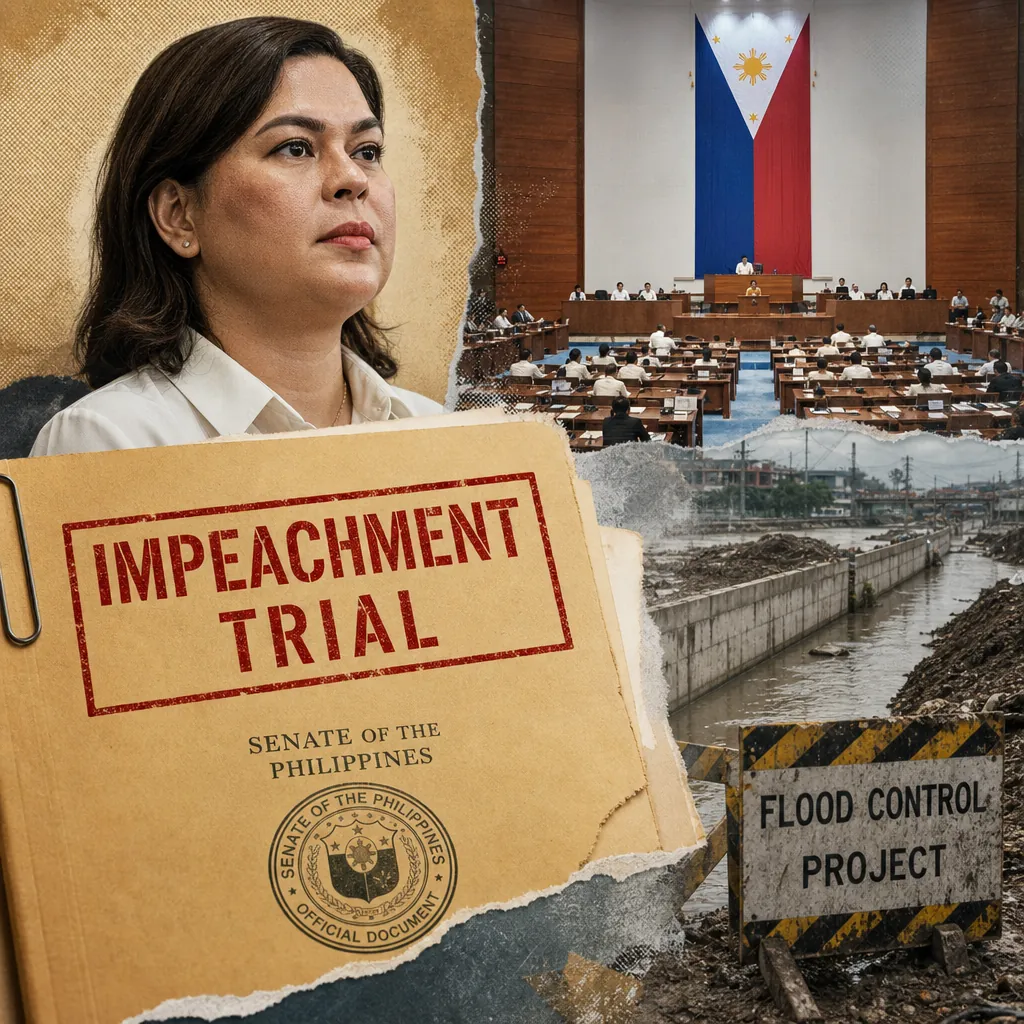
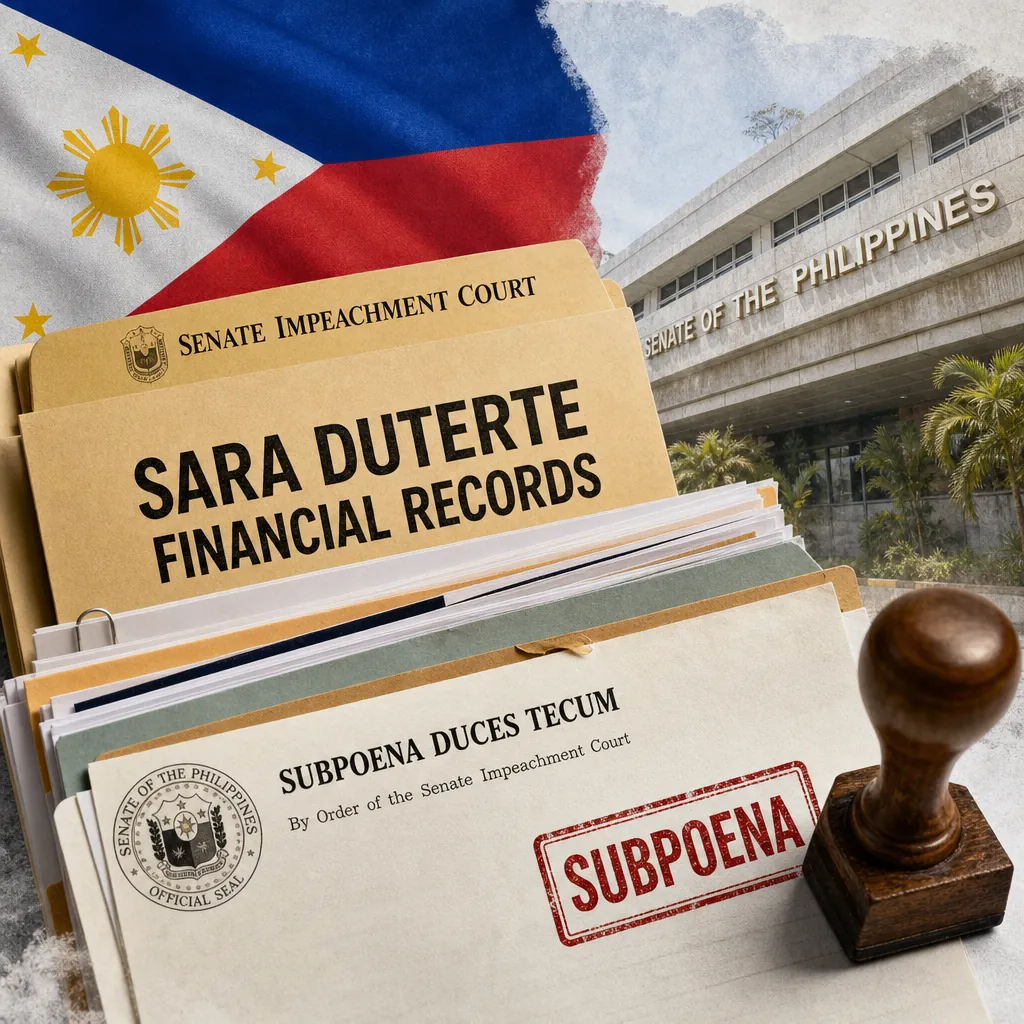
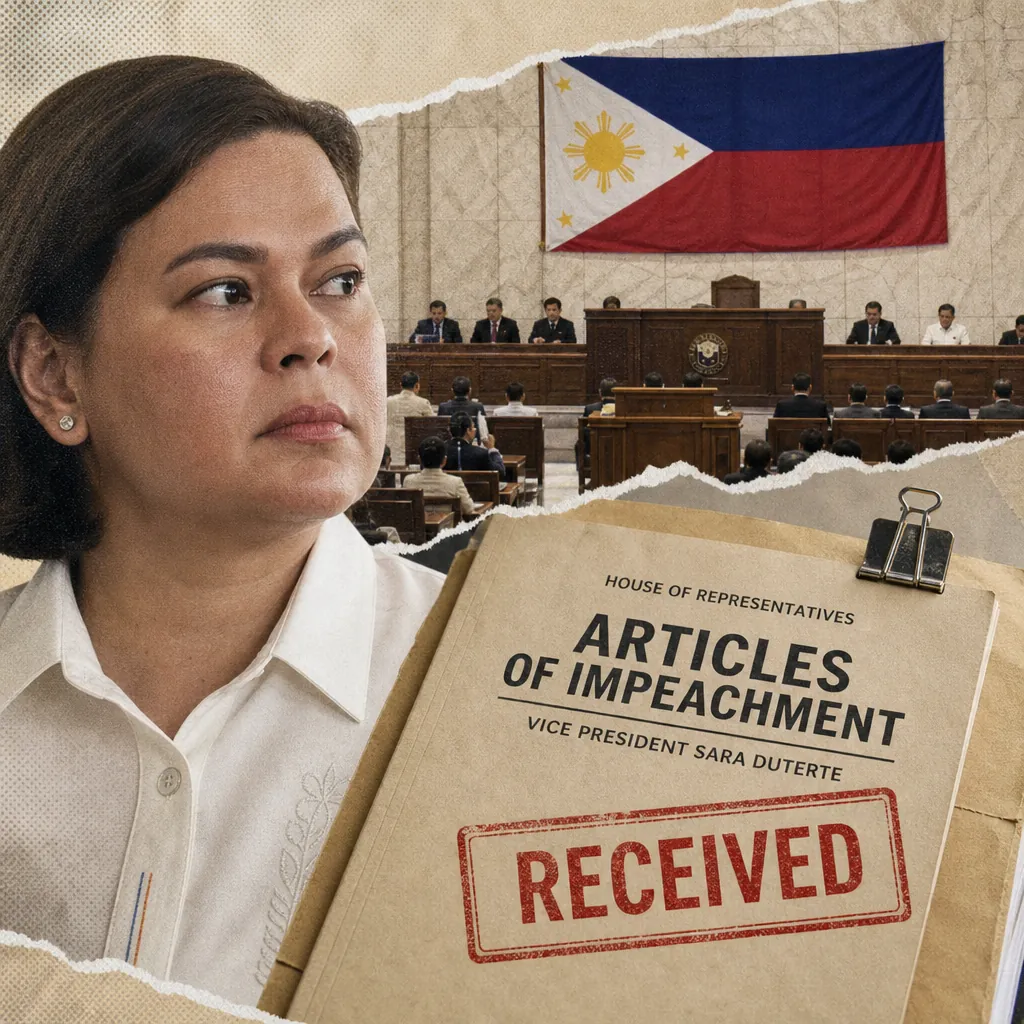
The 128th Philippine Independence Day on June 12, 2026, was a day of stark contrasts, with official ceremonies of unity competing against a backdrop of political infighting, territorial tensions, and a mounting natural disaster. The conversation was dominated by three major threads: President Ferdinand Marcos Jr.'s public recognition of Senator Sherwin Gatchalian as Senate President Pro Tempore, Vice President Sara Duterte's pointed anti-corruption message delivered from a separate celebration in Davao City, and China's sanctions on Defense Secretary Gilberto Teodoro Jr. over the West Philippine Sea dispute. These narratives unfolded alongside the rising death toll from the magnitude 7.8 earthquake that struck Mindanao on June 8, which had reached 55 by the end of the day. The convergence of these events created a complex information environment where the administration's message of national unity was challenged by visible political fractures and public skepticism, as reflected in the overwhelmingly mocking "haha" reactions on many official posts.
Conversation snapshot. The day's most engaged content was sharply polarized. President Marcos's Independence Day post on angbalitangayonfb received 1,800 likes but an extraordinary 24,543 "haha" reactions and 5,075 angry reactions, indicating widespread derision. Vice President Duterte's statement that she wants the public to see "how shameless BBM is" on ABS-CBN News garnered 9,912 likes and 2,706 comments, making it the highest-engagement post of the day. A Brigada News FM Manila post about Marcos recognizing Gatchalian drew 38,202 "haha" reactions and 5,105 angry reactions. In contrast, the PNP's report of peaceful Independence Day celebrations received only modest engagement, with one post earning 31 likes. The ABS-CBN News video of Duterte denying a power grab accumulated 22,092 views on YouTube, while a BNC segment on the Scarborough Shoal floating platform drew 7,127 views. The DOLE job fair posts, while positive, saw low engagement, with most receiving fewer than 20 likes.
Key themes
- Marcos-Gatchalian alliance and public mockery: President Marcos publicly recognized Senator Sherwin Gatchalian as Senate President Pro Tempore during the Independence Day rites at Quirino Grandstand, marking the first time he had done so since the Senate leadership shakeup on June 3. The crowd reportedly hissed at Gatchalian when he was introduced, and social media reactions were overwhelmingly negative, with one post receiving over 38,000 "haha" reactions. Senator Panfilo Lacson attempted to reframe the crowd reaction as "public acceptance," but his post gained little traction.
- Vice President Duterte's counter-narrative: Vice President Sara Duterte held a separate Independence Day celebration in Davao City, where she delivered a speech accusing corrupt government officials of acting "like syndicates" and stealing public funds. She explicitly stated she does not want to overthrow President Marcos but wants the public to "see until the end how shameless BBM is." Her posts generated thousands of likes and comments, creating a parallel narrative that competed with the official ceremony.
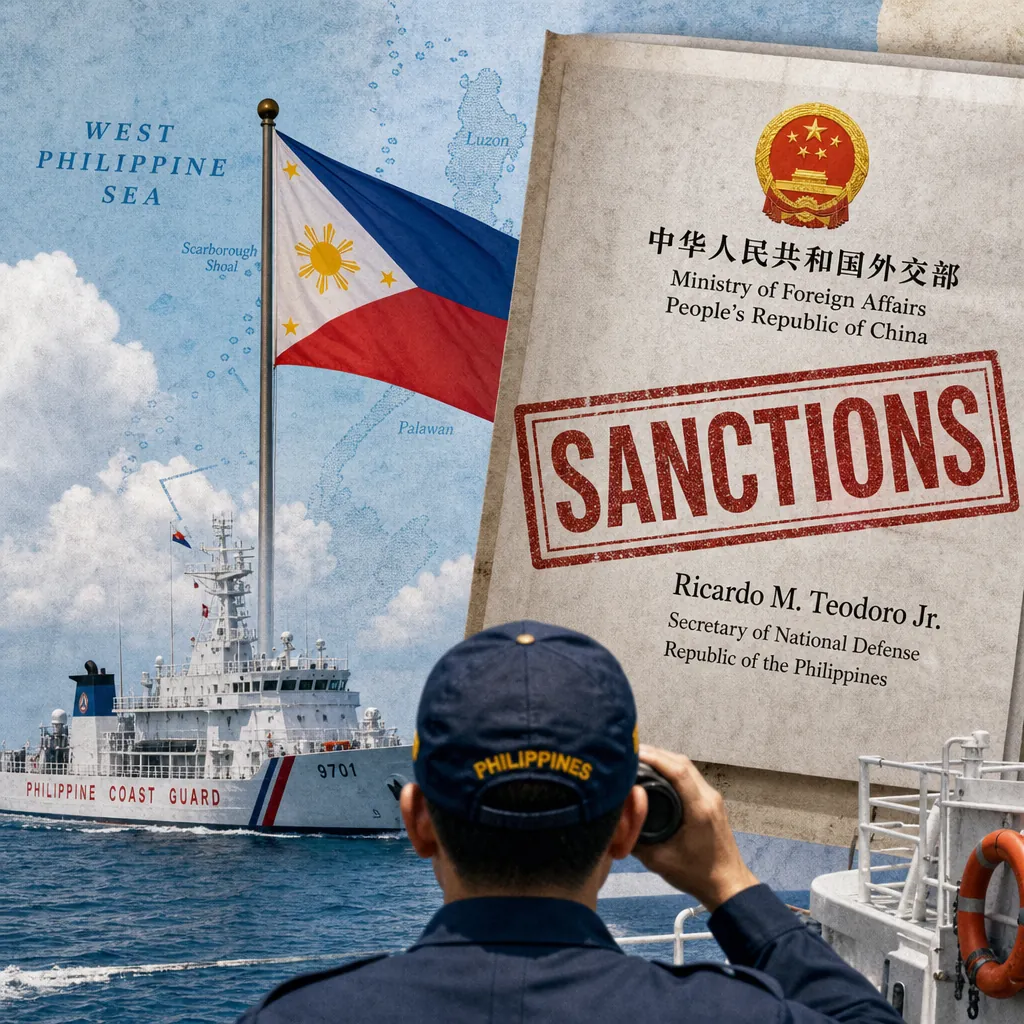
- China sanctions on Defense Secretary Teodoro: China announced sanctions against Defense Secretary Gilberto Teodoro Jr., his wife, and his son, barring them from entering mainland China, Hong Kong, and Macau, and prohibiting Chinese entities from doing business with them. Teodoro responded defiantly, stating he would continue his duty. The Philippine Coast Guard reframed the ban as a "citation for service," and the AFP publicly pledged full support. The story dominated WPS-related coverage.
- Mindanao earthquake death toll rises to 55: The NDRRMC reported that the death toll from the June 8 magnitude 7.8 earthquake had risen to 55, with 1,120 injured and 31 missing. Over 392,000 individuals across 352 barangays were affected, and 13 areas were under a state of calamity. Senator Erwin Tulfo called for a Blue Ribbon review of Mindanao infrastructure projects damaged by the quake, adding a legislative oversight angle.
- Pro-administration protests and public skepticism: Pro-Marcos groups staged a protest outside the Chinese Embassy in Makati, condemning Chinese aggression in the West Philippine Sea. However, the post about the protest received 641 "haha" reactions, suggesting many viewed it as performative. Duterte supporters also held a protest outside the Senate, placing a coffin to symbolize "democracy is dead," which drew thousands of reactions.
- DOLE job fairs as a positive narrative: The Department of Labor and Employment held nationwide "Trabaho Agad" job fairs on Independence Day, offering thousands of positions. Hundreds were hired on the spot, with individual success stories featured across state media. While engagement was low, the narrative provided a counterpoint to the political drama.
- AFP loyalty check controversy: Senator Panfilo Lacson's earlier remarks about growing frustration within military ranks that could be exploited for destabilization prompted Malacañang and the AFP to issue denials. The AFP called for the public to rely only on official channels to avoid "fake news." A Brigada News post on the denial received 347 "haha" reactions, indicating public skepticism.
How the narratives stack
Dominant narrative — The dominant narrative is the political polarization surrounding the Marcos-Gatchalian alliance and Vice President Duterte's opposition. The Independence Day events were framed not as a unified national celebration but as a stage for competing political messages. President Marcos's call for unity was met with widespread mockery, while Vice President Duterte's anti-corruption rhetoric resonated strongly with her base. The Senate leadership dispute, which has been ongoing since June 3, was thrust into the national spotlight, with the President's public endorsement of Gatchalian seen as a decisive but controversial move. The public's reaction, characterized by massive "haha" and "angry" reactions on official posts, suggests a deep erosion of trust in the administration's narrative of stability and unity.
Counter-narrative — The counter-narrative is that the administration is effectively managing multiple crises while projecting strength. The PNP's report of peaceful Independence Day celebrations, the AFP's unified stance against destabilization rumors, and the DOLE job fairs all support this view. The administration's supporters point to the successful deployment of 89,000 police personnel, the absence of major untoward incidents, and the tangible employment opportunities provided as evidence of competent governance. The declaration of CALABARZON as an insurgency-free region was also highlighted as a security achievement. However, this narrative struggles to gain traction against the more emotionally charged political content.
Emerging narrative — The emerging narrative is the intertwining of the West Philippine Sea dispute with domestic political legitimacy. China's sanctions on Defense Secretary Teodoro have created a "rally around the flag" effect among pro-administration groups, but the public's response has been mixed, with significant mockery of the protests. The issue is increasingly being used by both sides: the administration to project resolve, and the opposition to question the effectiveness of diplomatic approaches. The upcoming ASEAN-Russia Summit and the July 12 Arbitral Ruling anniversary are likely to amplify this narrative.
Suppressed narrative — The suppressed narrative is the human cost of the Mindanao earthquake. While the death toll and displacement figures were reported, they received far less engagement than the political stories. The focus on infrastructure reviews and fund reallocation, while important, has not translated into sustained public attention on the suffering of affected communities. The absence of detailed human-interest stories from the ground, compared to the saturation coverage of political events, suggests that the media and public are prioritizing political drama over humanitarian concerns.
Platform insights
Facebook was the primary battleground for emotional reactions and rapid narrative amplification. The platform's reaction buttons became a tool for expressing dissent, with "haha" reactions far outnumbering likes on many official posts. The Brigada News FM Manila post about Marcos recognizing Gatchalian received 38,202 "haha" reactions, while the ABS-CBN News post of Vice President Duterte's statement garnered 9,912 likes and 2,706 comments. State media pages like Radyo Pilipinas and PTV had low engagement, indicating that official messaging struggled to compete with content from independent outlets. The DOLE job fair posts, while positive, received minimal interaction, suggesting that audiences are more drawn to conflict than to service announcements.
YouTube served as a platform for longer-form coverage and passive consumption. The ABS-CBN News video of Vice President Duterte denying a power grab accumulated 22,092 views, while a BNC segment on the Scarborough Shoal floating platform drew 7,127 views. However, comment sections were sparse, indicating that YouTube was used more for information gathering than for discussion. State media videos, such as those from PTV, had very low viewership, reinforcing the pattern that official content fails to generate organic reach.
Twitter played a minimal role in the conversation, with most posts receiving fewer than 100 views and zero engagement. The platform was used primarily for breaking news headlines rather than sustained debate. This suggests that the conversation was largely confined to Facebook and YouTube, where reaction buttons and video formats allowed for richer engagement.
Key voices and communities
Pro-administration and state media — This group includes official accounts like PTV, Radyo Pilipinas, and the PNP, as well as pro-Marcos civic groups. They consistently push a narrative of unity, security, and effective governance. Their content receives low engagement but serves as the official record. The pro-Marcos protest at the Chinese Embassy was covered by multiple outlets, but the overwhelming "haha" reactions suggest that even this group's efforts are met with skepticism.
Vice President Duterte's camp and opposition — Vice President Sara Duterte's statements were amplified by major news outlets like ABS-CBN and News5, generating the highest engagement of the day. Her anti-corruption message resonated with her base, and her explicit criticism of President Marcos created a powerful counter-narrative. Duterte supporters also staged a protest outside the Senate, using a coffin to symbolize "democracy is dead." This group is highly mobilized and effective at shaping the conversation.
Mainstream news media — Outlets like ABS-CBN, GMA News, Inquirer, and News5 provided balanced coverage of the day's events, including both the official ceremonies and the protests. Their reporting on Vice President Duterte's statements and the public backlash against Gatchalian gave oxygen to opposition narratives. The media's framing choices are critical in shaping public perception, and their decision to amplify both sides of the political divide keeps the controversy alive.
Senate leadership blocs — The Gatchalian bloc, backed by President Marcos, is working to consolidate its legitimacy, while the Cayetano faction continues to assert its claim. Senator Lacson's attempt to frame the crowd reaction as acceptance was a notable but unsuccessful effort to support the Gatchalian narrative. The internal Senate dispute remains a source of instability and a distraction from legislative work.
Disaster response agencies — The NDRRMC, OCD, DSWD, and other agencies provided updates on the earthquake response, but their content was overshadowed by political news. The PNP's report of peaceful celebrations was a rare positive story, but it too received limited attention. These agencies are crucial for public safety but struggle to compete with the drama of political conflict.
Narrative streams
The Marcos-Gatchalian alliance and public backlash
President Marcos's decision to publicly recognize Senator Sherwin Gatchalian as Senate President Pro Tempore during the Independence Day rites was a significant political move. The Senate leadership has been in dispute since June 3, when 12 senators declared all elective positions vacant and elected Gatchalian as acting Senate president. Senator Alan Peter Cayetano maintains that he remains the legitimate Senate President, and the Supreme Court has not ruled on the merits of the case. By endorsing Gatchalian at a nationally televised event, Marcos signaled the executive branch's alignment with the Gatchalian bloc, a move that drew both strong approval and sharp backlash.
The public's reaction was overwhelmingly negative. A Brigada News FM Manila post about the recognition received 38,202 "haha" reactions and 5,105 angry reactions, far outnumbering positive reactions. A video from Philstar captured the crowd hissing at Gatchalian when he was introduced, a visceral reaction that became a central talking point. Senator Panfilo Lacson attempted to reframe the crowd reaction as "public acceptance," but his post gained only 5 likes and 3 "haha" reactions, indicating little traction.
The Gatchalian bloc has been working to consolidate its position, with Gatchalian signing payroll checks for Senate employees and meeting with House Speaker Faustino Dy III to coordinate disaster response. However, the public's mockery suggests that the leadership transition is not widely accepted. The dispute threatens to paralyze legislative work, particularly on the national budget and priority bills. The administration's message discipline, with Marcos emphasizing that "true leaders sacrifice self-interests," is an attempt to depersonalize the conflict, but the overwhelming "haha" reactions indicate that this framing is not resonating.
Vice President Duterte's Independence Day counter-narrative
Vice President Sara Duterte held a separate Independence Day celebration in Davao City, where she delivered a speech that directly challenged the administration's narrative. She accused corrupt government officials of acting "like syndicates" and stealing public funds, framing corruption as a threat to sovereignty. Her statement that she wants the public to "see until the end how shameless BBM is" became the most engaged post of the day, with 9,912 likes and 2,706 comments on ABS-CBN News.
Duterte's messaging was carefully calibrated. She explicitly denied wanting to overthrow President Marcos, stating that she is the constitutional successor and will defend the Constitution. This allowed her to criticize the administration without appearing to advocate for extra-constitutional action. Her anti-corruption framing resonated strongly with her base, and her physical presence in Davao City contrasted with President Marcos's ceremony in Manila, reinforcing perceptions of a divided leadership.
The timing of her remarks, on Independence Day, added symbolic weight. By linking corruption to the loss of freedom, she positioned herself as a defender of the nation's ideals against a corrupt administration. The high engagement on her posts, combined with the mockery directed at President Marcos's message, suggests that her narrative is gaining traction among a significant portion of the public.
China sanctions on Defense Secretary Teodoro and WPS tensions
China's announcement of sanctions against Defense Secretary Gilberto Teodoro Jr. and his family marked a significant escalation in the West Philippine Sea dispute. The sanctions, which bar Teodoro from entering mainland China, Hong Kong, and Macau, and prohibit Chinese entities from doing business with him, were imposed for his "irresponsible remarks" that allegedly undermined China's interests. Teodoro responded defiantly, stating that the sanctions are "typical" of how Beijing treats critics and that he will continue his duty.
The Philippine Coast Guard reframed the ban as a "citation for service," and the AFP publicly pledged full support. This created a unified front of defiance that resonated with pro-administration groups. Pro-Marcos supporters staged a protest outside the Chinese Embassy on Independence Day, but the post about the protest received 641 "haha" reactions, suggesting that many viewed it as performative rather than impactful.
The sanctions story intersected with the ongoing discovery of Chinese floating platforms in Scarborough Shoal. Malacañang reiterated its commitment to legal and diplomatic channels, but the public's response was mixed. The administration's reliance on diplomatic measures was met with skepticism, as reflected in the "haha" reactions on the Palace's statement. The issue is likely to intensify as the ASEAN-Russia Summit approaches and the July 12 Arbitral Ruling anniversary draws near.
Mindanao earthquake: rising death toll and infrastructure scrutiny
The death toll from the magnitude 7.8 earthquake that struck Mindanao on June 8 rose to 55, with 1,120 injured and 31 missing. Over 392,000 individuals across 352 barangays were affected, and 13 areas were under a state of calamity. The NDRRMC and OCD provided regular updates, but the conversation was quickly overshadowed by political news.
Senator Erwin Tulfo's call for a Blue Ribbon review of Mindanao infrastructure projects damaged by the quake added a legislative oversight angle. This built on earlier statements from Acting Senate President Gatchalian, who had called for a review of infrastructure safety. The focus on infrastructure accountability could shift the narrative from natural disaster to governance failure, particularly if the review uncovers evidence of poor construction or corruption.
The Comelec's openness to redirecting special election funds to Mindanao relief was a notable development, receiving over 3,500 views on YouTube. This pragmatic approach to resource allocation was one of the few positive stories of the day, but it too was overshadowed by the political drama.
DOLE job fairs: a positive but low-engagement narrative
The Department of Labor and Employment held nationwide "Trabaho Agad" job fairs on Independence Day, offering thousands of positions. Hundreds were hired on the spot, with individual success stories featured across state media. In Davao, 62 applicants were hired out of 761 registered by early afternoon, while in Las Piñas, 45 out of 351 applicants were hired on the spot. The job fairs were framed as a tangible manifestation of the administration's commitment to employment.
However, engagement on these posts was low, with most receiving fewer than 20 likes. The positive narrative struggled to compete with the more emotionally charged political content. The absence of any critical coverage suggests that the narrative was carefully curated, but the low engagement also indicates that it did not spark organic discussion. The job fairs remain a potential success story for the administration, but they need to be amplified more effectively to counter the dominant political narratives.
Conversation trajectory
The conversation is likely to remain dominated by the Senate leadership dispute and the Marcos-Duterte rift for the next 2-4 weeks. The June 18 pre-trial conference for Vice President Duterte's impeachment will be a critical trigger event, as it will set ground rules and potentially produce early evidence leaks. The ASEAN-Russia Summit on June 17-18 will also be a key moment, as President Marcos's handling of the Scarborough Shoal issue will be scrutinized. The earthquake response will continue to be a secondary narrative, but it could gain prominence if a major aftershock occurs or if the Blue Ribbon review uncovers significant findings.
The public's skepticism, as evidenced by the overwhelming "haha" reactions, is likely to persist. The administration's messaging of unity and stability is not resonating with online audiences, who are more engaged with conflict and criticism. The Vice President's anti-corruption narrative is likely to gain further traction, especially as the impeachment trial progresses. The WPS issue will remain a flashpoint, with China's sanctions on Teodoro providing a rallying point for pro-administration groups, but the public's mockery of the protests suggests that this narrative may not have broad appeal.
Key trigger events to watch include: the June 18 pre-trial conference for VP Sara's impeachment, the ASEAN-Russia Summit on June 17-18, the release of official DOLE post-event summary data, the next scheduled nationwide job fair, and any Supreme Court ruling on the Senate leadership question. Each of these events will provide a pivot point for narrative intervention.
Response guidance
For communicators tracking this conversation, the priority should be to address the perception of a divided leadership. The administration should consider issuing a coordinated statement that acknowledges both President Marcos's and Vice President Duterte's messages as complementary rather than contradictory, emphasizing that both are committed to fighting corruption and serving the nation. This could help prevent the narrative from solidifying into a binary choice between supporting Marcos or Duterte.
On the WPS issue, the administration should amplify the "defiance-resilience" narrative around Secretary Teodoro, using the AFP's public support as a springboard to project a unified executive-military front. However, it should avoid over-personalizing the issue to prevent the opposition from targeting individual officials. The upcoming ASEAN-Russia Summit provides an opportunity to showcase diplomatic engagement, but the administration must also demonstrate concrete actions to counter perceptions of passivity.
For the earthquake response, the administration should prioritize human-interest stories that put a face on the official numbers. The current focus on infrastructure reviews and fund reallocation is important but lacks emotional resonance. Partnering with local journalists to produce content on rescue and relief efforts could help shift the narrative from political drama to humanitarian concern.
On the Senate leadership dispute, the administration should avoid direct engagement with the Cayetano faction's claims and instead focus on legislative productivity. Highlighting concrete actions taken under Gatchalian's leadership, such as the payroll continuity and the disaster response coordination, can help reinforce the narrative of institutional stability.
Sensitive topics to navigate include the Vice President's "shameless BBM" remark, which should not be amplified but also not directly rebutted. The Duterte supporters' "democracy is dead" protest should be acknowledged as a legitimate expression of dissent while redirecting to the functioning democratic processes. The China sanctions on Teodoro should be framed as a badge of honor, but the administration should avoid triumphalist language that could be seen as provocative.
See the full picture behind today's signals.
This report draws from Media Meter's MediaWatch, our real-time monitoring engine tracking 2,470+ Philippine sources across print, broadcast, digital, and social. Explore how the platform turns raw coverage into decision-grade intelligence, then see how it's configured for teams like yours — whether you're in PR agencies, corporate comms, government, or marketing.
Want more? Browse our Report Library for sector and crisis intelligence, or request a demo and we'll have your brand set up before the call.
Want this kind of intelligence on your brand?
This brief is built on the same MediaWatch methodology that runs continuously across every brand we monitor. See your competitive landscape, Impact Score, and narrative trajectory in a 30-minute demo.