Senate leadership crisis, earthquake response dominate Philippine news
A deep dive into the June 9-10, 2026 conversation, covering the escalating Senate leadership feud, the Mindanao earthquake response, the flood control corruption scandal, and the looming impeachment trial of Vice President Sara Duterte.
The conversation on June 9 and 10, 2026, was dominated by two major, intersecting crises: the devastating magnitude 7.8 earthquake in Mindanao and an escalating leadership battle in the Philippine Senate. The earthquake, which struck off Sarangani on June 8, saw its death toll rise to 45 by June 10, with over 600 injured and 17 missing. The government's multi-agency response, led by President Ferdinand Marcos Jr., was a central narrative, with the Department of Social Welfare and Development (DSWD) distributing over P21 million in aid and the Department of Public Works and Highways (DPWH) assessing infrastructure damage. However, this humanitarian crisis was increasingly overshadowed by a bitter power struggle between the bloc of Acting Senate President Sherwin Gatchalian and that of Senator Alan Peter Cayetano. The dispute, which began with a contested leadership change on June 3, deepened on June 9 when Gatchalian ordered a work-from-home arrangement for Senate employees, citing a security threat flagged by the National Bureau of Investigation (NBI). Cayetano immediately questioned the threat's credibility, calling it a "political narrative" to distract from a flood control corruption probe his bloc was leading. This accusation was amplified by Senator Raffy Tulfo, who labeled Cayetano's faction the "Senate of the DDS" (Die-hard Duterte Supporters), a remark that drew thousands of laughing reactions on social media. The public's response to the leadership crisis was overwhelmingly cynical, with "haha" reactions dominating posts from major news outlets, signaling deep skepticism about the motives of both sides. The flood control scandal itself continued to evolve, with lawyer Levi Baligod admitting that two of his clients from the "Brave 18" had wrongly implicated Senator Loren Legarda, further eroding the whistleblowers' credibility. Meanwhile, contractor Curlee Discaya, through his lawyer, promised to name over 150 personalities allegedly involved in the scam, adding a new layer of anticipation and skepticism. The impeachment trial of Vice President Sara Duterte also moved forward, with a pre-trial conference set for June 18, though the leadership dispute raised questions about who would preside. The conversation was further enriched by a Pulse Asia poll showing 86% of Filipinos support alliances with like-minded nations to defend the West Philippine Sea, a topic that resurfaced with the Philippine Coast Guard confirming a Chinese floating structure at Scarborough Shoal. The overall mood was one of fragmented attention, with the public oscillating between grief for earthquake victims, mockery of political infighting, and cautious interest in corruption revelations.
Conversation snapshot. The conversation was highly fragmented across platforms. On Facebook, the most engaged posts were those with high emotional or humorous content. A post from News5Everywhere about the Gatchalian bloc's salary donation for earthquake victims drew 23,812 "haha" reactions, while a post from the same outlet about Senator Pangilinan's "checkmate" remark on Cayetano drew 22,924 "haha" reactions. The most-loved post was from ABS-CBN News, showing the Gatchalian bloc's salary donation, which earned 19,435 love reactions. On YouTube, ANC's Dateline Philippines segment on the earthquake and Senate crisis drew 14,283 views, while a video from UNTV News and Rescue on the impeachment pre-trial garnered 12,476 views. On Twitter, a post from TV Patrol about the Senate salary donation received 162,668 views, the highest on that platform. Reddit saw deep analysis, with a post on the impeachment pre-trial receiving 725 upvotes. The dominant emotional reaction across all platforms was "haha," indicating widespread public cynicism toward the political drama.
Key themes
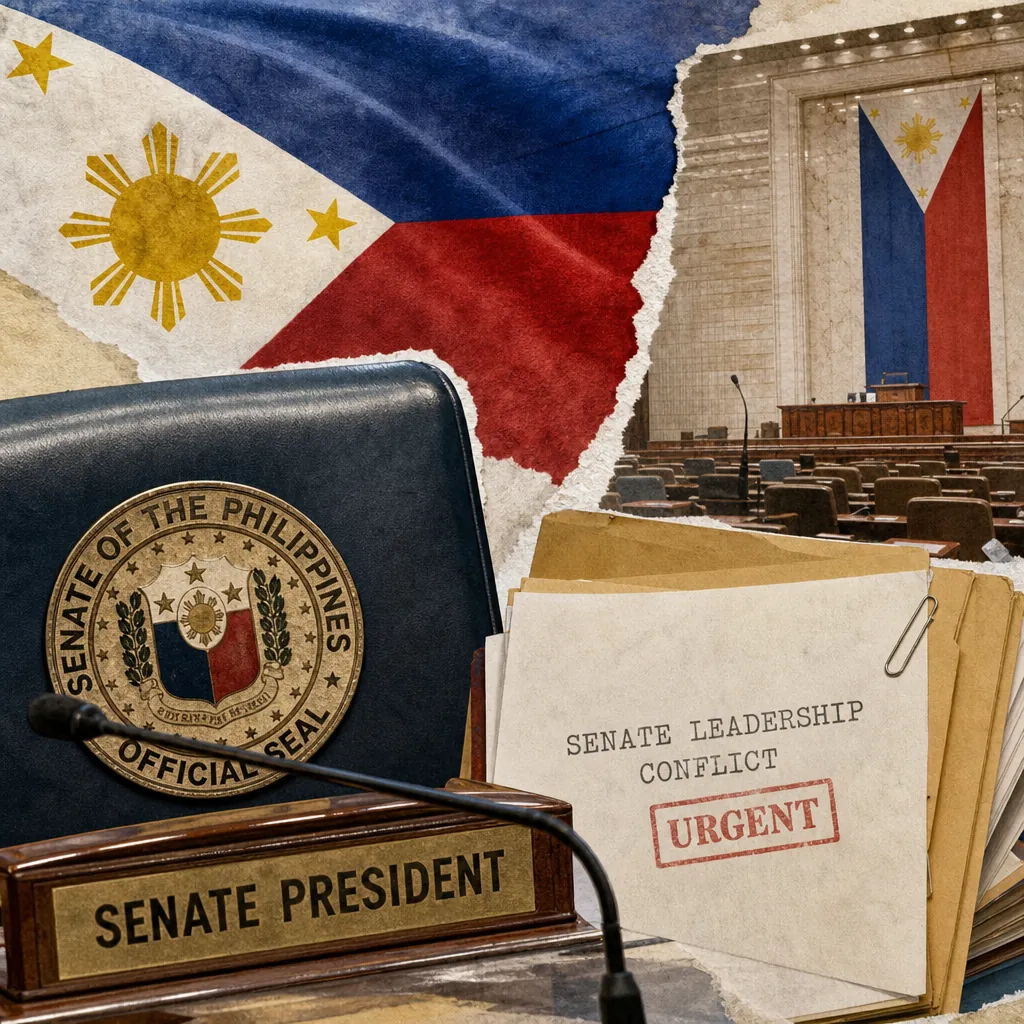
- Senate Leadership Crisis and Legitimacy Battle: The core narrative was the power struggle between the Gatchalian and Cayetano blocs. Gatchalian, recognized by Malacañang and the House of Representatives, ordered a work-from-home setup due to an NBI security threat. Cayetano challenged the threat's credibility, calling it a distraction from the flood control probe. The public largely viewed the dispute as farcical, with "haha" reactions dominating coverage.
- Mindanao Earthquake Response and Public Cynicism: The government's response to the magnitude 7.8 earthquake was a major theme, with President Marcos inspecting damaged schools and hospitals. However, public reception was mixed. While agency-led relief efforts (DSWD, PCG) drew positive reactions, political gestures like the Senate salary donation were met with overwhelming mockery, indicating a trust deficit.
- Flood Control Corruption Scandal and Credibility Erosion: The scandal continued to unfold, with lawyer Levi Baligod admitting his clients had wrongly implicated Senator Legarda. This admission was met with widespread mockery, further damaging the whistleblowers' credibility. Simultaneously, contractor Curlee Discaya promised to name 150 more personalities, keeping the story alive but under a cloud of skepticism.
- Impeachment Trial of Vice President Sara Duterte: The pre-trial conference was set for June 18, with Gatchalian confirming that 16 votes are needed for conviction. The leadership dispute raised questions about who would preside, with Senators Escudero and Pangilinan being considered. The House prosecution panel expressed readiness, while the defense pushed for dismissal.
- West Philippine Sea Tensions and Alliance Polling: The Philippine Coast Guard confirmed a Chinese floating structure at Scarborough Shoal, prompting a diplomatic protest from the Department of Foreign Affairs (DFA). A Pulse Asia poll showed 86% of Filipinos support alliances with like-minded nations to defend the West Philippine Sea, providing a strong public mandate for the administration's foreign policy.
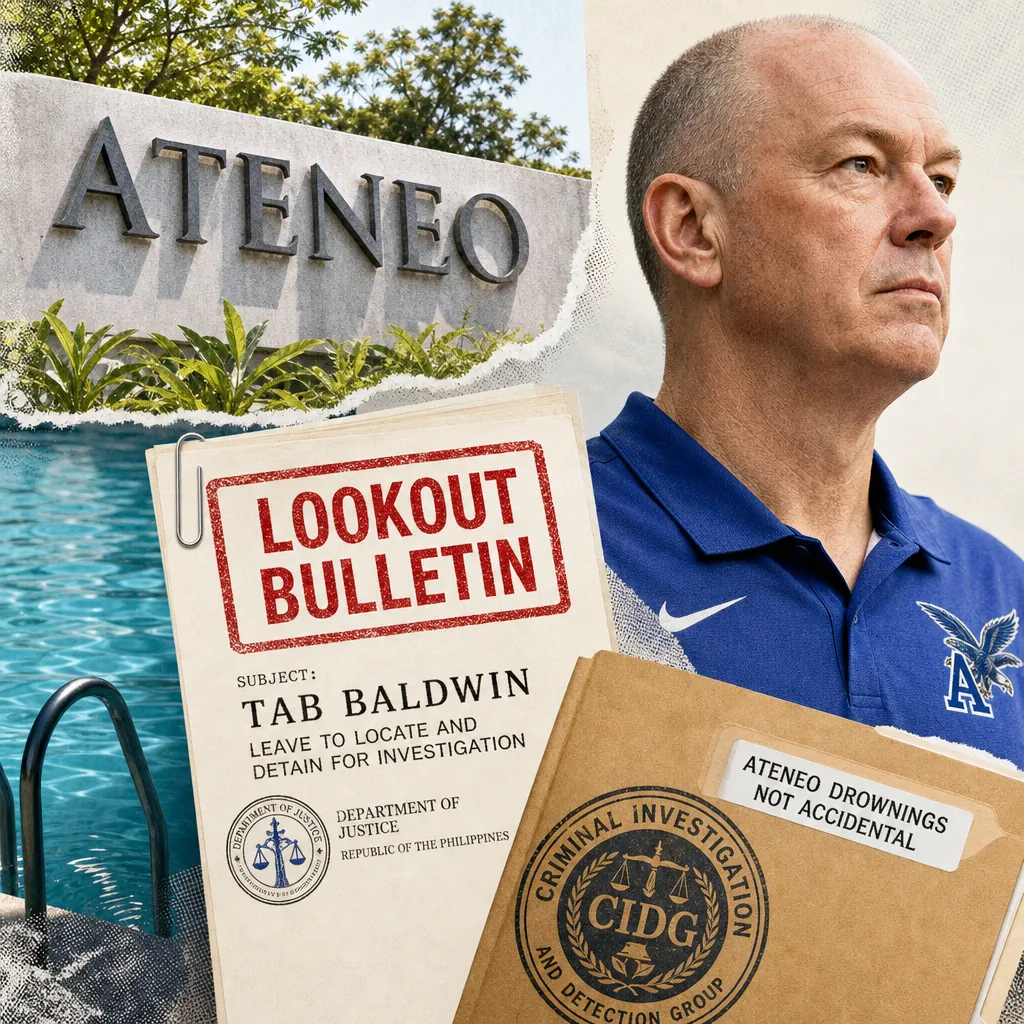
- Ateneo Drowning Tragedy and Sports Safety Reform: The drowning of two Ateneo basketball players during a team-building activity sparked a multi-agency investigation. The Department of Justice (DOJ) ordered the NBI to form a task force. The Philippine Sports Commission (PSC) convened a stakeholder panel to push for the Sports Coaching Act, framing the tragedy as a catalyst for systemic reform.
- Agricultural Smuggling and Price Cap Debate: The Department of Agriculture (DA) proposed extending the price cap on imported rice, while the Bureau of Customs (BOC) seized misdeclared carrots and abandoned red onions from China. Senator Kiko Pangilinan criticized the DA for allowing imports during harvest season, highlighting data-monitoring gaps.
- Economic Data and Infrastructure Wins: The Philippine Statistics Authority (PSA) reported the unemployment rate fell to 4.7% in April. President Marcos inaugurated two new school buildings in Quezon City, completed eight months ahead of schedule, a story that generated significant positive engagement. San Miguel Corp. announced the New Manila International Airport runway may be completed ahead of its 2028 target.
How the narratives stack
- Dominant narrative: The Senate leadership crisis and the Mindanao earthquake response were the two dominant, competing narratives. The leadership crisis, with its accusations of political maneuvering and security threats, generated the most emotional and cynical engagement. The earthquake response, while a serious humanitarian effort, was often viewed through a political lens, with public skepticism toward official announcements.
- Counter-narrative: The counter-narrative to the leadership crisis was the argument that the Gatchalian bloc's actions were legitimate and necessary for security. This was supported by institutional endorsements from Malacañang and the Supreme Court's dismissal of a petition questioning the June 3 session. However, this narrative was largely drowned out by public mockery.
- Emerging narrative: The flood control corruption scandal, despite its credibility issues, remained an emerging narrative with the potential to reshape the conversation. Discaya's promise to name 150 personalities and the ongoing investigations by the NBI and Ombudsman kept the story alive. The impeachment trial of VP Sara Duterte also emerged as a significant parallel track, with the pre-trial conference set for June 18.
- Suppressed narrative: The West Philippine Sea situation, despite its geopolitical significance, received relatively low engagement compared to domestic political stories. The Pulse Asia poll showing strong public support for alliances was a key data point that could have been amplified but was largely overshadowed. The agricultural smuggling and price cap issues, while important for food security, also struggled for attention.
Platform insights
- Facebook: The dominant platform for emotional and viral content. Posts with high "haha" reaction counts, such as those about the Senate salary donation and the "checkmate" remark, outperformed serious news. Official agency posts (DSWD, PCG) drew positive reactions (love, care), while political figures' posts were met with skepticism. The platform was the primary arena for public mockery of the leadership crisis.
- YouTube: Served as the platform for longer-form news analysis and official press conferences. ANC's Dateline Philippines and UNTV's coverage of the impeachment pre-trial drew thousands of views. However, comment sections were sparse, indicating passive consumption rather than active debate. Government-produced content, such as MMDA preparedness videos, had very low viewership.
- Twitter: Functioned as a real-time news feed for breaking updates and official statements. Posts from TV Patrol and ABS-CBN News on the Senate salary donation and the impeachment pre-trial drew high viewership. However, engagement (likes, retweets) was lower than on Facebook, and the platform lacked the depth of discussion seen on Reddit.
- Reddit: Hosted the most analytical and skeptical conversations. Threads on the impeachment pre-trial and the flood control scandal's witness scheme received hundreds of upvotes and dozens of comments. Users dissected legal arguments and questioned official narratives, providing a counterpoint to the emotional reactions on Facebook.
Key voices and communities
- Government Agencies and Official Sources: The PNP, DSWD, DPWH, PHIVOLCS, and OCD were the most trusted voices for disaster response updates. Their posts on relief operations and damage assessments drew high engagement, particularly from affected communities. The PNP's post on earthquake evacuations received over 20,000 likes.
- Senate Leadership Factions: The Gatchalian and Cayetano blocs were the primary drivers of the political narrative. Gatchalian's camp emphasized security and legitimacy, while Cayetano's camp framed the dispute as a fight against executive overreach. Their statements were amplified by allied media accounts and drew highly polarized reactions.
- Mainstream News Media: Outlets like ABS-CBN, GMA News, Philstar, Rappler, and Manila Bulletin were the primary information distributors. Their coverage shaped public perception of both the earthquake response and the Senate crisis. The tone varied, with some outlets (e.g., Rappler) providing more critical analysis, while others (e.g., PTV) were more supportive of the administration.
- Anti-Corruption Advocates and Whistleblower Supporters: Lawyer Levi Baligod and the "Brave 18" remained central to the flood control scandal narrative, though their credibility was under attack. Figures like Vico Sotto and Edu Manzano continued to call for accountability, drawing support from civic-minded audiences.
- Religious and Civil Society Groups: Faith leaders, including Fr. Robert Reyes and the Kingdom Keepers, entered the conversation, condemning Senator Cayetano's invocation of God and calling for integrity in the impeachment trial. Their posts drew significant engagement, adding a moral dimension to the political discourse.
Narrative streams
Senate Leadership Crisis and Security Threat
The Senate leadership crisis escalated dramatically on June 9 and 10. Acting Senate President Sherwin Gatchalian, citing an NBI intelligence report of a "very serious" security threat, ordered a work-from-home arrangement for Senate employees on June 10-11. Senator Alan Peter Cayetano immediately questioned the threat's credibility, calling the NBI "a clearly partisan agency" and suggesting the move was a distraction from a flood control probe his bloc was leading. Senator Ping Lacson warned of "rising frustration within parts of the armed forces," adding a layer of concern about military involvement. The public's response was overwhelmingly cynical, with posts from Philstar and GMA News drawing thousands of "haha" reactions. The Supreme Court's dismissal of a petition questioning the June 3 session that installed Gatchalian provided some legal clarity, but the political standoff continued. Senator Raffy Tulfo labeled Cayetano's faction the "Senate of the DDS," a remark that went viral. The Palace downplayed a video of First Lady Liza Araneta-Marcos chatting with Cayetano, calling it a "friendly chat." The crisis directly threatened the impeachment trial of Vice President Sara Duterte, with questions about who would preside. Gatchalian confirmed that 16 votes are needed for conviction, regardless of the leadership dispute. The conversation was marked by a deep public distrust of both blocs, with many viewing the security threat as a political tool.
Mindanao Earthquake Response and Political Optics
The magnitude 7.8 earthquake that struck off Sarangani on June 8 continued to dominate the news cycle, with the death toll rising to 45 by June 10. The government's response was a central narrative, with President Marcos personally inspecting damaged schools and hospitals in General Santos City, accompanied by DepEd Secretary Sonny Angara and DPWH Secretary Vince Dizon. The DSWD reported distributing over P21 million in humanitarian aid, including cash assistance and family food packs. The Philippine Coast Guard delivered modular tents and medical supplies to isolated areas. However, the public's reception of political figures' disaster visits was deeply divided. Posts about President Marcos's inspection drew a mix of love and "haha" reactions, while Vice President Sara Duterte's quieter visits to victims' wakes were met with more positive responses. The Senate's pledge to donate one month's salary was met with overwhelming mockery, with one post drawing 23,812 "haha" reactions. This cynicism extended to legislative pledges, with a post about Gatchalian awaiting an OCD assessment before committing funds drawing 283 "haha" reactions. The conversation highlighted a trust deficit where agency-led relief efforts were appreciated, but political gestures were viewed as performative. The earthquake also sparked a broader discussion about seismic preparedness, with PHIVOLCS recording over 2,000 aftershocks and warning of potential magnitude 8.2 earthquakes from active trenches. Posts about the "Big One" threat drew thousands of sad reactions, indicating deep public anxiety.
Flood Control Corruption Scandal: Retractions and New Allegations
The flood control corruption scandal continued to evolve, with significant developments on June 9 and 10. Lawyer Levi Baligod, representing the "Brave 18" former bodyguards, admitted that two of his clients had wrongly implicated Senator Loren Legarda in their affidavit. This admission was met with widespread mockery, with a Philstar post drawing 1,508 "haha" reactions. The NBI chief publicly questioned the credibility of the 18 bagmen, stating their testimonies appeared "coached and coordinated." This further eroded public trust in the whistleblowers. Simultaneously, a new thread emerged when contractor Curlee Discaya, through his lawyer, promised to name over 150 personalities allegedly involved in the scam, claiming to possess ledgers and photographs as evidence. This promise was met with cautious anticipation but also skepticism, as reflected in the 822 "haha" reactions on a GMA News post. The Senate hearing on the scandal, initially scheduled to continue, was postponed by the Cayetano bloc, adding to the procedural confusion. The scandal became deeply entangled with the Senate leadership crisis, with Cayetano accusing Gatchalian of using the security threat to divert attention from the probe. The conversation was characterized by a mix of mockery, anticipation, and a growing demand for concrete outcomes rather than more hearings.
Impeachment Trial of Vice President Sara Duterte
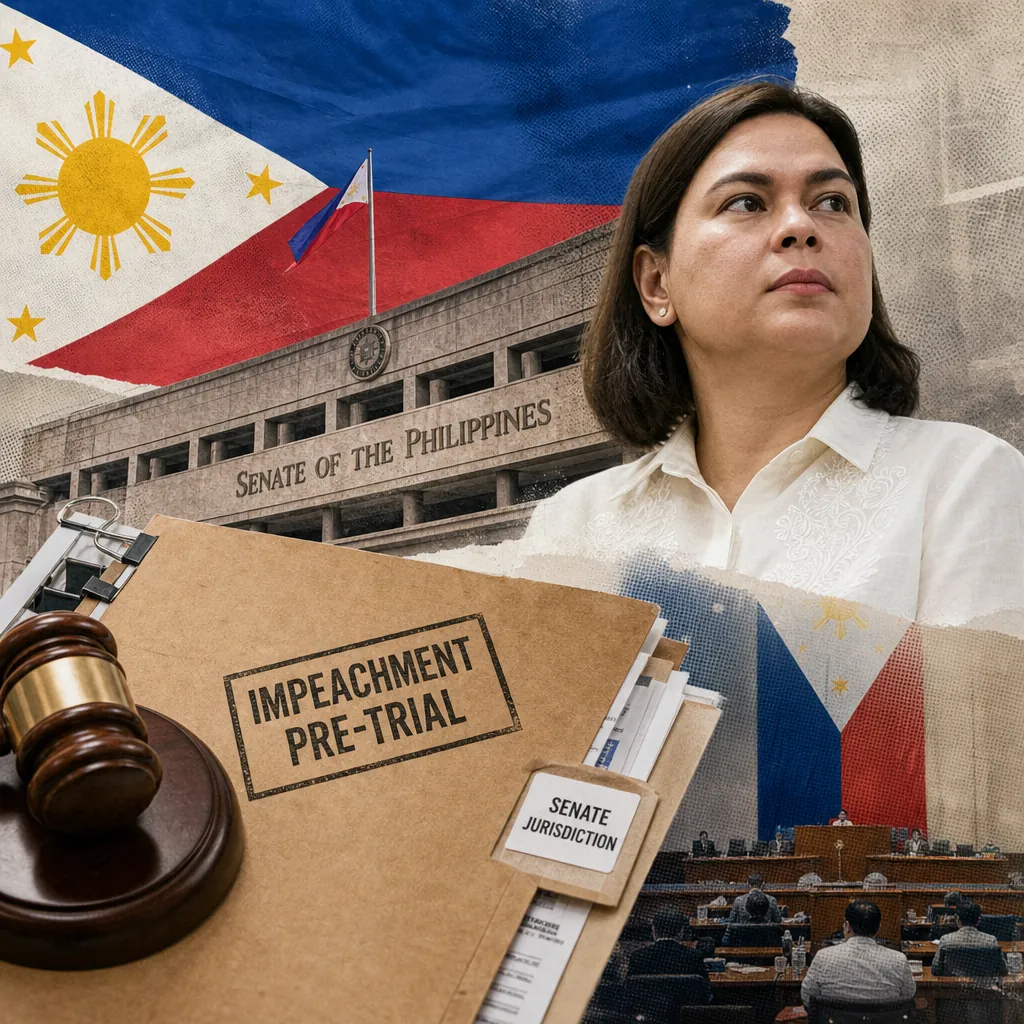
The impeachment trial of Vice President Sara Duterte moved forward as a parallel track to the leadership crisis. The pre-trial conference was set for June 18, with Acting Senate President Gatchalian confirming that 16 votes are needed for conviction, a constitutional mandate unaffected by the leadership dispute. The House prosecution panel, led by Rep. Zia Alonto Adiong, declared they had no "surprise witnesses" and challenged the defense to produce the mysterious "Mary Grace Piattos," whose signature appears on confidential fund receipts. This challenge became a viral meme, drawing 1,135 love and 637 "haha" reactions. The defense, led by VP Sara's camp, pushed for dismissal. The question of who would preside over the trial remained unresolved, with Senators Chiz Escudero and Kiko Pangilinan being considered. Religious groups, including the Kingdom Keepers, condemned Senator Cayetano's invocation of "God does not doubt me" as blasphemous, adding a moral dimension to the proceedings. The conversation was largely procedural, with the public showing more interest in the political drama surrounding the trial than the legal details.
West Philippine Sea: Floating Structure and Alliance Poll
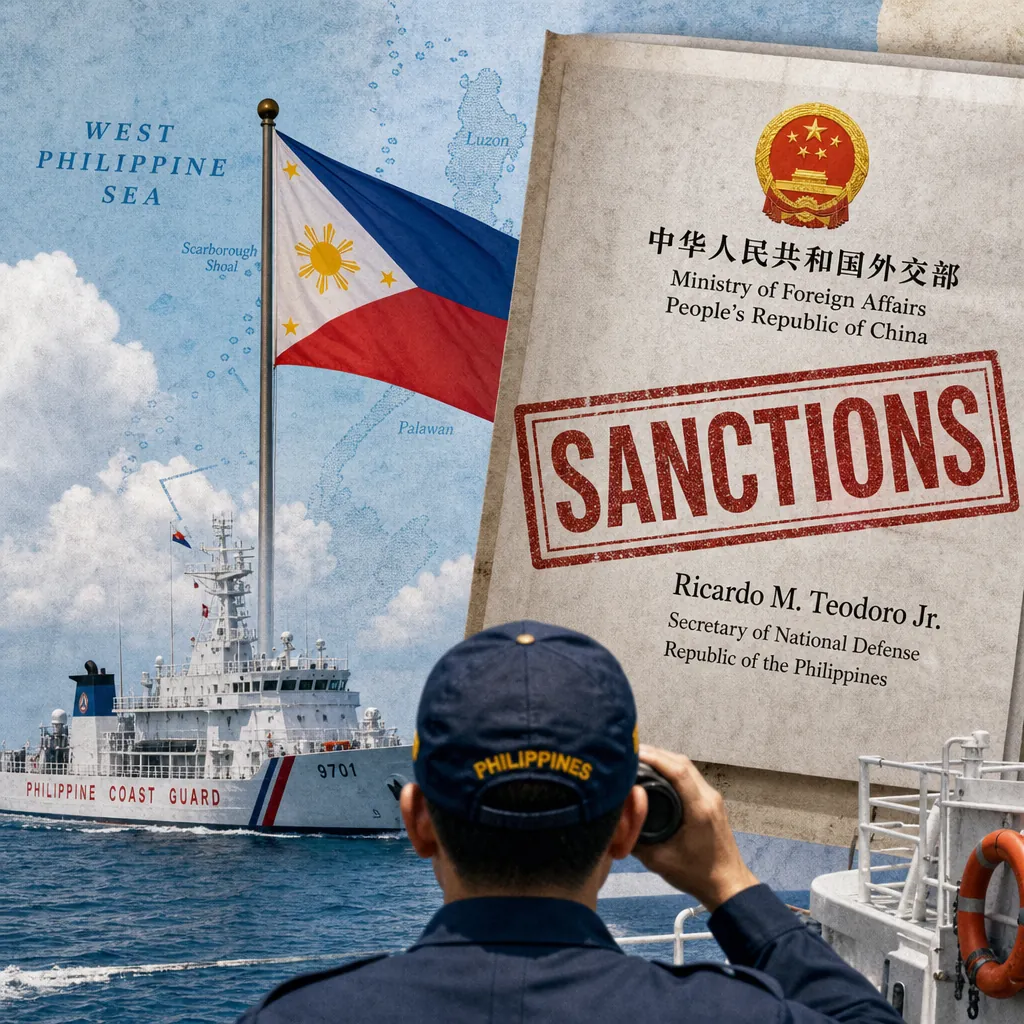
The West Philippine Sea issue resurfaced on June 10 when the Philippine Coast Guard confirmed a "moving structure" inside Bajo de Masinloc (Scarborough Shoal) with six Chinese personnel on board. The AFP Chief confirmed that the DFA had filed a diplomatic protest (démarche) demanding the structure's removal. China rejected the protest, reiterating its territorial claim. This development drew moderate engagement, with a GMA News YouTube video on the AFP press conference garnering 15,682 views and 481 likes. A Pulse Asia poll commissioned by Stratbase Institute, released on the same day, showed that 86% of Filipinos support forming alliances with like-minded nations (US, Japan, Australia, Canada, South Korea) to defend the West Philippine Sea. This poll provided a strong public mandate for the administration's foreign policy. However, the story was largely overshadowed by the domestic political crises. The conversation was characterized by a mix of anger toward China and skepticism about the government's response, with some users mocking the diplomatic protest as ineffective.
Conversation trajectory
The conversation is expected to evolve along several tracks over the next 2-4 weeks. The Senate leadership crisis is likely to be resolved through a majority vote or caucus, but the polarization could spill over into other legislative priorities, including the impeachment trial. The pre-trial conference on June 18 will be a key trigger event, forcing the Cayetano bloc to decide on participation under protest. The flood control scandal will continue to generate headlines as Discaya's promised revelations emerge, but the credibility of the whistleblowers will remain under scrutiny. The earthquake response will shift from immediate relief to long-term rehabilitation, with the release of damage assessments and the supplemental budget debate becoming focal points. The West Philippine Sea situation could escalate if further Chinese actions occur, particularly around the June 12 Independence Day celebrations. The public's deep cynicism toward political institutions is a persistent undercurrent that will shape the reception of all official messaging. Communicators should prioritize transparency, concrete actions over symbolic gestures, and clear, factual updates to rebuild trust.
Response guidance
- Platform approaches: On Facebook, deploy empathetic, community-centered responses from institutional pages, prioritizing acknowledgment of grief and commitment to accountability over defensive statements. Use comment moderation to steer conversations toward official sources. On Twitter, provide real-time updates from verified accounts, using concise threads that link to official press releases. On YouTube, produce short explainer videos on procedural matters (e.g., impeachment rules, security protocols) to educate the public and reduce reliance on speculative commentary.
- Key messages: Emphasize institutional continuity and the rule of law. For the Senate crisis, stress that the leadership follows clear rules and that the chamber remains focused on its constitutional duties. For the earthquake response, highlight the whole-of-government approach and tangible aid delivered. For the flood control scandal, reaffirm commitment to a thorough investigation while avoiding premature conclusions. For the impeachment trial, emphasize the fixed constitutional threshold and the independence of the process.
- Sensitive topics: Navigate the security threat narrative carefully, framing it as a standard precautionary measure based on intelligence, not a political tool. Address accusations of executive interference by emphasizing the separation of powers. Acknowledge public skepticism without being defensive, and focus on verifiable actions and outcomes.
See the full picture behind today's signals.
This report draws from Media Meter's MediaWatch, our real-time monitoring engine tracking 2,470+ Philippine sources across print, broadcast, digital, and social. Explore how the platform turns raw coverage into decision-grade intelligence, then see how it's configured for teams like yours — whether you're in PR agencies, corporate comms, government, or marketing.
Want more? Browse our Report Library for sector and crisis intelligence, or request a demo and we'll have your brand set up before the call.
Want this kind of intelligence on your brand?
This brief is built on the same MediaWatch methodology that runs continuously across every brand we monitor. See your competitive landscape, Impact Score, and narrative trajectory in a 30-minute demo.