Mindanao Quake, Price Hikes, and PBA Finals Dominate PH Conversation
A magnitude 7.8 earthquake in Mindanao, fuel price hikes, and the PBA Finals drive the Philippine conversation, with food brands like Jollibee and Mang Inasal facing crisis communication challenges.
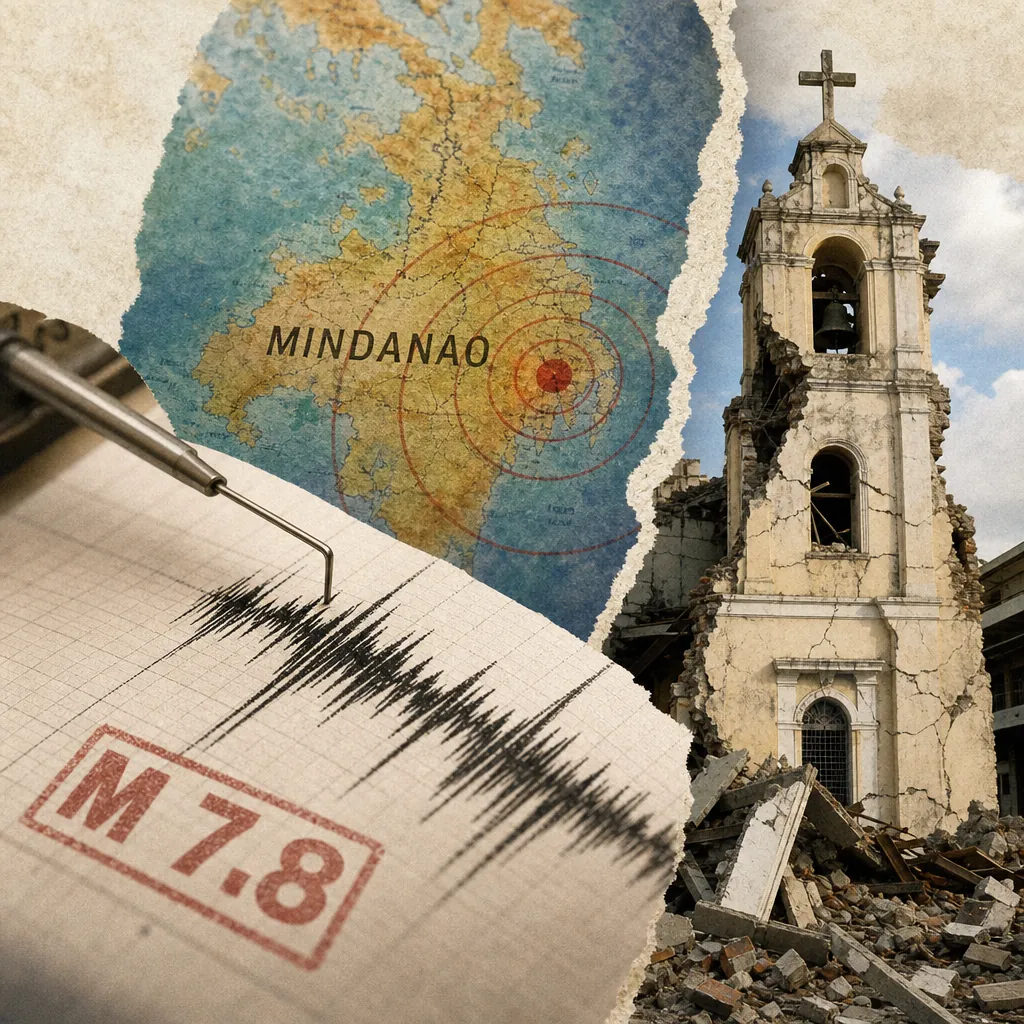
The Philippine conversation from June 8 to 10, 2026, was dominated by three major threads: the devastating magnitude 7.8 earthquake that struck Mindanao, a wave of fuel price hikes, and the PBA Commissioner's Cup Finals. These events intersected with food industry stakeholders in significant ways, from the collapse of a Jollibee branch in General Santos City to government price freezes and brand crisis communications.
Conversation snapshot. The earthquake narrative generated the highest engagement, with a Reuters video of the collapsed Jollibee building accumulating 36,906 views on Twitter. A magnitude 4.2 aftershock post by news5everywhere drew 479 likes, 240 shares, and 920 sad reactions. Fuel price announcements also sparked strong reactions: News5Everywhere's post on diesel hikes received 297 likes and 412 "haha" reactions, indicating public frustration. The PBA Finals conversation was equally vibrant, with a fan post about Ginebra's 2-1 lead garnering 1,858 likes and 428 love reactions. In contrast, brand-specific posts like Mang Inasal's safety announcement on Twitter received only 171 views and 1 like, while Greenwich Pizza's promotional post earned just 59 likes.
Key themes
- Earthquake devastation and Jollibee collapse – The 7.8 magnitude quake on June 8 caused widespread damage, including the collapse of a Jollibee restaurant in General Santos City. Reuters eyewitness video went viral, and the death toll rose to 41 by June 10. The incident became a symbol of the disaster's human and economic toll.
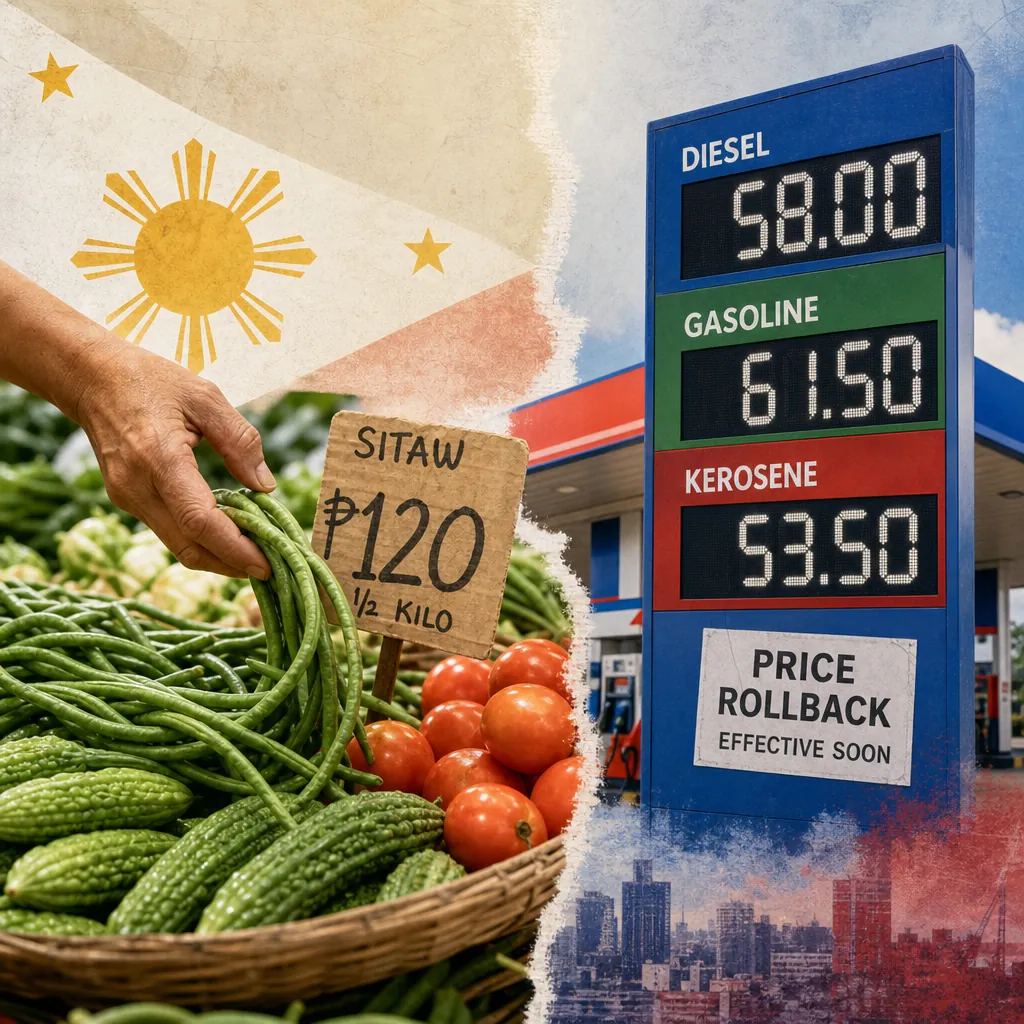
- Fuel price hikes and cost-of-living anxiety – On June 8, multiple news outlets reported diesel increases of P3.77 to P5.77 per liter and kerosene up to P8.10/L. The public reacted with sarcasm and frustration, as seen in the high "haha" reactions. The narrative expanded to include electricity rate increases and broader inflation concerns.
- Government price controls and relief measures – The Department of Agriculture recommended extending the P50/kilo price cap on imported rice, while the DTI imposed a 60-day price freeze on basic goods in earthquake-hit General Santos City. The NFA also sold subsidized rice in Batanes.
- Brand crisis communication – Mang Inasal announced branch closures on Twitter, emphasizing safety. Jollibee confirmed all employees were safe after the collapse. These responses were generally well-received but low in engagement compared to news coverage.
- PBA Finals as cultural touchstone – Ginebra's 2-1 series lead over TNT dominated sports conversation, with record viewership and emotional fan engagement. The series provided a positive counterpoint to the disaster and economic news.
- Looting at collapsed Jollibee sparks outrage – Videos of individuals taking items from the damaged Jollibee branch circulated on Twitter, drawing 989 views and condemnation. This shifted sentiment from empathy to anger.
- Agricultural price pressures – The Philippine Egg Board Association reported oversupply-driven farmgate price drops in eggs, though retail prices had not yet reflected the decline. Meanwhile, sardine prices were set to rise.
- Diaspora food culture and nostalgia – Coverage of a Filipino street food festival in California and a memorial post mentioning Delimondo corned beef highlighted the emotional resonance of food heritage.
How the narratives stack
Dominant narrative – The earthquake and its aftermath, including the Jollibee collapse, fuel price hikes, and government response, formed the primary story. The public's attention was split between disaster coverage and economic anxiety, with both narratives reinforcing a sense of crisis.
Counter-narrative – The PBA Finals offered a positive, unifying story of sportsmanship and fan loyalty. Ginebra's "Never Say Die" spirit and the record-breaking viewership provided a temporary escape from the grim news.
Emerging narrative – Food price inflation and government intervention are gaining momentum. The rice price cap extension and sardine price increase signal that cost-of-living concerns will persist, potentially leading to more consumer activism and brand scrutiny.
Suppressed narrative – The looting incident at the collapsed Jollibee branch received less attention than the disaster itself, but it raises questions about security and corporate responsibility in crisis zones. Similarly, the egg oversupply story, which could offer relief to consumers, was largely ignored.
Platform insights
Facebook – Dominated all conversations with the highest engagement. Official pages (PHIVOLCS, news5everywhere, GMA News) drove earthquake updates, while fan pages fueled PBA excitement. Sad and care reactions were prevalent on disaster posts, while love and haha reactions characterized sports and fuel price content.
Twitter – Served as a breaking news and visual evidence platform. Reuters' Jollibee collapse video and the looting clip gained significant views. However, engagement (likes, retweets) was lower than on Facebook, suggesting Twitter is used more for information scanning than discussion.
YouTube – News videos on the rice price cap and earthquake updates accumulated views but few comments, indicating passive consumption. The PBA Finals highlights, however, drew tens of thousands of views and active engagement.
Reddit – Hosted deeper analytical discussions, particularly around the earthquake (115 likes, 12 comments) and a removed post about cost-of-living pressures (22 likes, 24 comments). The platform's smaller PH user base limits its reach but offers high-quality discourse.
Key voices and communities
- Official agencies (PHIVOLCS, DTI, DA) – Authoritative sources for earthquake updates and price controls. Their posts generate moderate engagement but are critical for public safety and policy communication.
- National news media (ABS-CBN, GMA, Reuters) – Drive the narrative with high-engagement posts. Reuters' viral video of the Jollibee collapse exemplifies their power to shape global perception.
- Sports media and fan communities – PBA Finals coverage, led by outlets like ESPN and fan accounts, creates massive emotional engagement. The Ginebra brand benefits from deep fan loyalty.
- Food brands (Jollibee, Mang Inasal) – Their crisis communication is measured and safety-focused, but engagement is low compared to news. They must balance transparency with operational realities.
- Consumer public – Expresses anxiety through sad reactions on disaster posts and sarcasm (haha) on fuel price news. Their sentiment is a barometer for brand trust and economic mood.
Narrative streams
Earthquake and Jollibee collapse
The magnitude 7.8 earthquake on June 8 triggered a tsunami warning and caused widespread destruction. The collapse of a Jollibee restaurant in General Santos City became a defining image, with Reuters' video accumulating 36,906 views. By June 10, the death toll reached 41, with over 1,300 aftershocks recorded. The disaster prompted government price freezes and relief efforts, but also exposed vulnerabilities in infrastructure and brand safety.
Fuel price hikes and cost-of-living crisis
On June 8, the Department of Energy announced diesel hikes of P3.77 to P5.77 per liter and kerosene up to P8.10/L. The public reacted with dark humor (412 haha reactions on one post) and anger (46 angry reactions). The narrative expanded to include electricity rate increases and broader inflation concerns, with consumers linking fuel costs to food prices and transportation.
PBA Finals as cultural phenomenon
Barangay Ginebra's 2-1 series lead over TNT dominated sports conversation. Justin Brownlee's 41-point performance and the "Never Say Die" spirit resonated deeply, with fan posts receiving thousands of likes and love reactions. The series broke TV viewership ratings, underscoring its cultural significance.
Government price interventions
The Department of Agriculture recommended extending the P50/kilo price cap on imported rice, while the DTI imposed a 60-day price freeze in General Santos City. The NFA sold subsidized rice in Batanes. These measures were met with skepticism (5 haha reactions on the DA post) but provided a framework for consumer protection.
Brand crisis communication
Mang Inasal announced branch closures on Twitter, emphasizing safety. Jollibee confirmed all employees were safe after the collapse. These responses were appropriate but low in engagement, highlighting the challenge of cutting through the noise during a major crisis.
Conversation trajectory
Next 1-2 weeks: The earthquake aftermath will continue to dominate, with aftershocks and recovery efforts keeping the public's attention. Food brands in affected areas must maintain transparent communication about store operations and relief efforts.
Next 2-4 weeks: Fuel price hikes and the rice price cap extension will keep cost-of-living concerns front and center. Expect increased scrutiny on food pricing, with consumers comparing menu prices to government caps.
Next 4-6 weeks: The PBA Finals will conclude, shifting sports conversation to the offseason. However, the emotional connection between brands like Ginebra and fans offers long-term loyalty opportunities.
Trigger events: The NPCC decision on the rice price cap (expected June 11), further aftershocks, and any additional price hike announcements could reshape the conversation. Brands should prepare for rapid response.
Response guidance
Platform approaches: On Facebook, prioritize empathetic, safety-focused messaging during crises. Use Twitter for concise operational updates. YouTube is effective for long-form explainers on pricing or relief efforts. Reddit requires authentic, non-salesy engagement.
Key messages: Emphasize safety, transparency, and value. During disasters, communicate store closures and employee well-being. During price hikes, explain cost drivers and highlight value offerings.
Sensitive topics: Avoid appearing tone-deaf during crises. Do not mix promotional content with disaster coverage. When addressing price increases, acknowledge consumer frustration and avoid defensive language.
See the full picture behind today's signals.
This report draws from Media Meter's MediaWatch, our real-time monitoring engine tracking 2,470+ Philippine sources across print, broadcast, digital, and social. Explore how the platform turns raw coverage into decision-grade intelligence, then see how it's configured for teams like yours — whether you're in PR agencies, corporate comms, government, or marketing.
Want more? Browse our Report Library for sector and crisis intelligence, or request a demo and we'll have your brand set up before the call.
Want this kind of intelligence on your brand?
This brief is built on the same MediaWatch methodology that runs continuously across every brand we monitor. See your competitive landscape, Impact Score, and narrative trajectory in a 30-minute demo.