FIFA World Cup Stake Sale Sparks Global Soccer Revolt
A look at the day's conversation around FIFA's controversial plan to sell World Cup stakes, the PBA's thrilling games, and other key developments in sports, business, and policy.
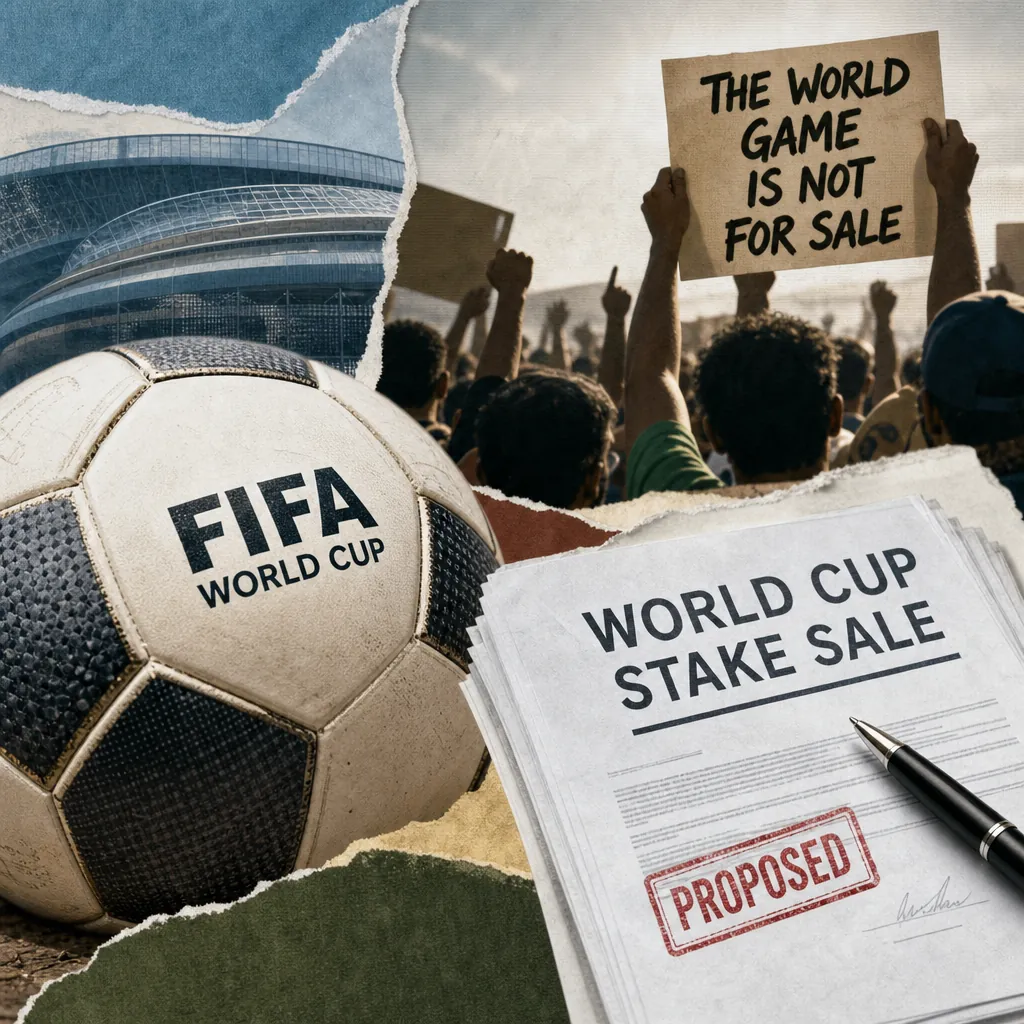
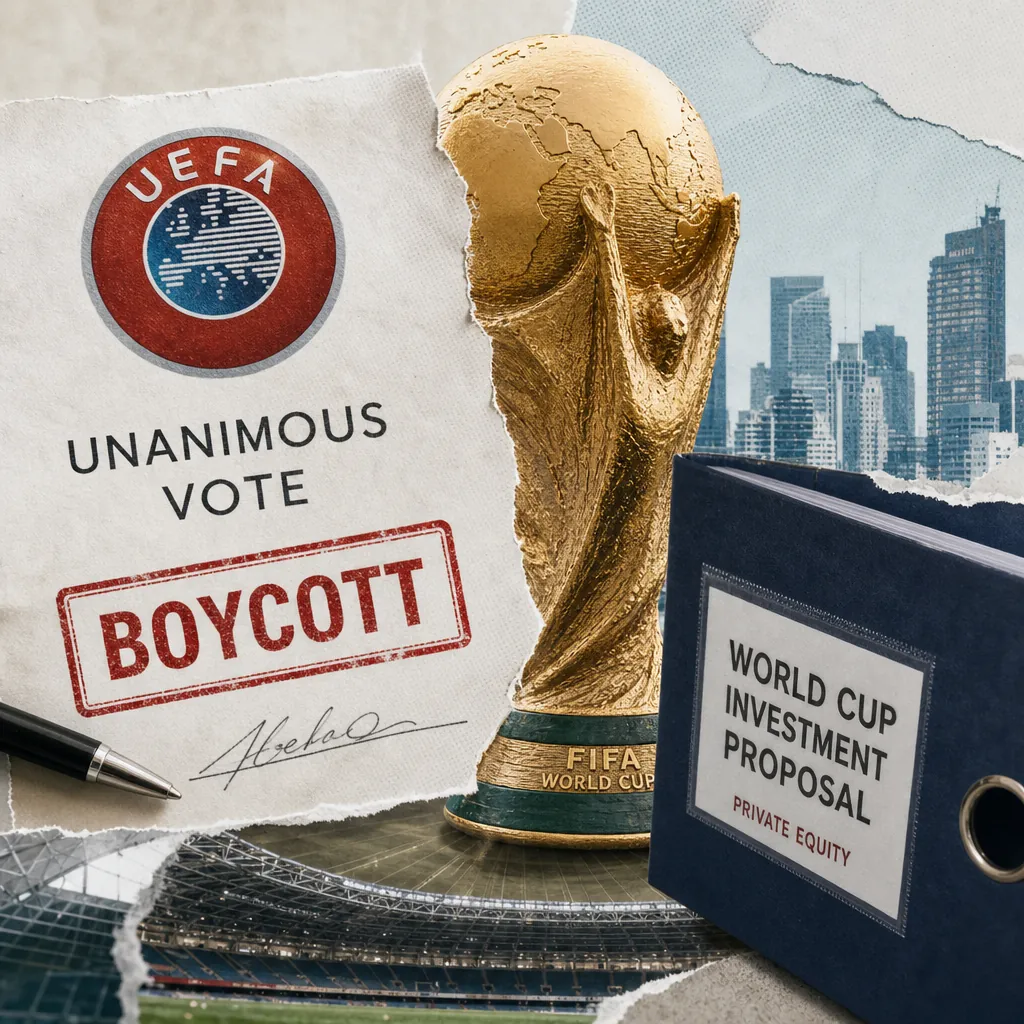
The global football community erupted in opposition this week as FIFA, the sport's world governing body, unveiled a plan to sell a stake in the commercial rights to the World Cup to private investors. The proposal, first reported by The Times, caught even FIFA's own council members off guard and has triggered a coordinated backlash from confederations, fan groups, and even FIFA's own senior advisor, who resigned in protest. The story dominated sports pages worldwide, with European football's governing body UEFA threatening a boycott of all FIFA competitions, and the Asian and North American confederations expressing solidarity. The controversy has raised fundamental questions about the governance of the sport and the commercialization of its most prized asset, with fans and officials alike declaring that "football is not for sale."
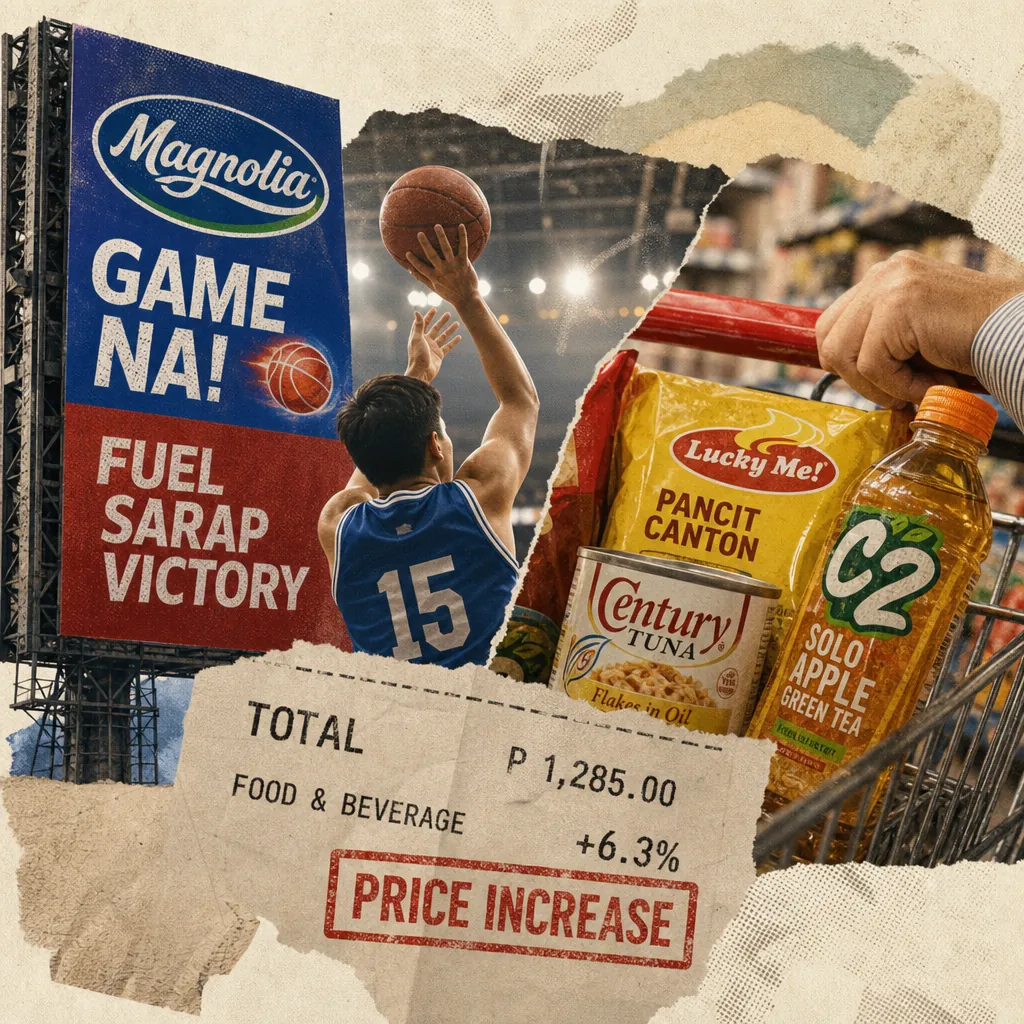
Meanwhile, in the Philippines, the PBA Governors' Cup continued to deliver high drama, with Rain or Shine's Adrian Nocum delivering a career-best performance to lift his team past Magnolia, and Barangay Ginebra bouncing back from a loss with a win over a depleted Meralco squad. These games drew significant attention from local sports fans, with detailed coverage in major Philippine dailies and online sports sites. The day's conversation also touched on a range of other topics, from the government's new electric vehicle incentive program to a recall of spoiled chicken in Baguio City, reflecting the diverse interests of the public.
This snapshot captures the day's most significant conversations across sports, business, and policy, highlighting the issues that are capturing public attention and shaping the discourse.
Key themes
- FIFA's World Cup Stake Sale Sparks Global Outrage: The proposal to sell a stake in the World Cup's commercial rights to private investors has united football's governing bodies in opposition, with UEFA threatening a boycott and FIFA's own senior advisor resigning in protest.
- PBA Governors' Cup Delivers Thrillers: Rain or Shine's Adrian Nocum scored a career-high 31 points, including the game-winning layup, to lift his team past Magnolia, while Barangay Ginebra bounced back with a win over a depleted Meralco squad.
- Philippines Positions Itself as EV Manufacturing Hub: The Department of Trade and Industry welcomed Executive Order 121, which establishes the Electric Vehicle Incentive Strategy (EVIS) program, offering fiscal support to manufacturers of hybrid and battery EVs.
- Fuel Prices: Rollback for Gasoline, Hike for LPG: Motorists can expect a slight decrease in gasoline and diesel prices next week, but LPG prices are set to rise due to renewed Middle East tensions.
- Retail Sector Warns of Closures Amid Wage Hike: The Philippine Amalgamated Supermarkets Association warned that the recent P85 daily minimum wage increase in Metro Manila could force small supermarkets to close, as they struggle with rising costs.
- Food Safety Concerns: Spoiled Chicken and ASF: Authorities in Baguio City confiscated nearly 260 kilograms of spoiled chicken, while nine pigs in Cebu City tested positive for African Swine Fever, highlighting ongoing food safety challenges.
- BTS Boycotts Grammys, Sparking Debate on Cultural Recognition: The K-pop group's decision not to submit their music for Grammy consideration has ignited a conversation about the awards' treatment of non-English music and the creation of niche categories.
- Digital Banks and the Transformation of Philippine Finance: A feature article in Malaya Business Insight explored how digital banks and mobile wallets have revolutionized the way Filipinos save, borrow, and pay, with trust shifting from marble bank branches to five-inch screens.
How the narratives stack
Dominant: The FIFA World Cup stake sale controversy is the dominant narrative in this day's coverage, both in terms of the volume of articles and the significance of the story. The proposal, which would see FIFA sell a stake in a new company controlling the commercial rights to the World Cup, has been met with widespread opposition from UEFA, the Asian Football Confederation (AFC), and CONCACAF, with all threatening to boycott FIFA competitions if the plan proceeds. The resignation of FIFA president Gianni Infantino's senior advisor, Carlos Cordeiro, who called the plan "a bad deal for football," has added to the pressure. The story has drawn extensive coverage across multiple outlets, including The Guardian, Reuters, and ABS-CBN News, with a combined advertising-equivalent value of over ₱2 million in the captured set, making it the most heavily covered story of the day.
Counter-narrative: While the FIFA controversy dominates, the PBA Governors' Cup games provide a counter-narrative of sporting excellence and local fandom. The thrilling finish between Rain or Shine and Magnolia, highlighted by Adrian Nocum's career night, and Ginebra's victory over Meralco, drew significant attention from Philippine sports fans. These stories, while not as globally consequential as the FIFA saga, are deeply relevant to the local audience and showcase the passion for basketball in the Philippines. The coverage of these games, including detailed game recaps and player interviews, underscores the PBA's role as a major cultural touchstone.
Emerging: The Philippines' push to become an EV manufacturing hub is an emerging narrative with significant long-term implications. The issuance of Executive Order 121, which establishes the Electric Vehicle Incentive Strategy (EVIS) program, has been welcomed by the Department of Trade and Industry as a landmark policy. The program offers time-bound, performance-based fiscal support to manufacturers of hybrid and battery EVs, with the goal of attracting investment and accelerating the local automotive industry's shift to electric mobility. This story, covered by Business Mirror and Manila Times, signals a strategic move by the government to position the country as a regional hub for EV production.
Suppressed: The story of the retail sector's struggles amid rising costs, particularly the warning from the Philippine Amalgamated Supermarkets Association that four supermarket operators are considering closing by the end of the year, received relatively little coverage compared to its potential impact. The P85 daily minimum wage increase in Metro Manila, while intended to help workers, has been described as "deadly" for smaller retailers already burdened by rent, electricity, and other expenses. This narrative, which highlights the tension between labor welfare and business viability, deserves more attention than it received in the day's coverage.
Platform insights
- Facebook: The PBA games generated significant buzz on Facebook, with fans sharing game highlights and discussing the performances of players like Adrian Nocum and RJ Abarrientos. Posts from sports pages like Sports Bytes Philippines and Inquirer Sports likely drew high engagement, with fans expressing excitement over the thrilling finishes. The FIFA controversy also sparked discussions, with fans and pundits sharing their opinions on the proposed stake sale.
- X (formerly Twitter): X was abuzz with real-time reactions to the PBA games, with hashtags like #PBA50 trending. Journalists and fans posted live updates, and clips of Nocum's game-winner were widely shared. The FIFA story also dominated the platform, with users expressing outrage and calling for Infantino's resignation. The platform's real-time nature made it a hub for immediate reactions and analysis.
- YouTube: Video content related to the PBA games, such as game highlights and post-game interviews, likely drew significant views on YouTube. The platform also hosted analysis videos on the FIFA controversy, with sports commentators offering their takes on the implications of the proposed stake sale. The visual nature of these stories made YouTube a key platform for engagement.
- Instagram: BTS's announcement of their Grammy boycott was a major topic on Instagram, with the group's individual posts drawing millions of likes and comments. The decision, which was communicated in Korean, was widely interpreted as a statement on cultural recognition. The platform also saw posts from NBA star Scotty Pippen Jr., who visited the Philippines and expressed admiration for the country's basketball culture.
Key voices and communities
- Football Fans and Fan Groups: Football Supporters Europe (FSE), a non-profit fan network, has been vocal in opposing FIFA's plan, with director Stuart Dykes stating, "Football is not for sale. It's a social good." Fans worldwide have rallied behind this sentiment, using social media to express their outrage and call for reform.
- PBA Fans and Sports Journalists: The PBA community, including fans and journalists like Rommel Fuertes Jr. of Inquirer Sports, played a key role in amplifying the excitement of the Governors' Cup games. Their real-time updates and post-game analysis helped drive engagement and keep the conversation alive.
- Government Officials and Industry Leaders: Trade Secretary Cristina Roque and other government officials have been key voices in promoting the EVIS program, framing it as a strategic investment in the country's manufacturing future. Industry leaders, such as Stephen Cua of the Philippine Amalgamated Supermarkets Association, have also weighed in on policy issues like the minimum wage hike.
- BTS and the ARMY: BTS's decision to boycott the Grammys has been a major topic of discussion, with the group's fandom, ARMY, mobilizing to support their stance. The group's message, delivered in Korean, has been interpreted as a powerful statement on cultural identity and recognition.
Narrative streams
FIFA's World Cup Stake Sale: A Governance Crisis
The proposal by FIFA to sell a stake in the commercial rights to the World Cup has sparked a global crisis in football governance. The plan, which would create a new company to control the World Cup's commercial rights and sell a stake to private investors, was first reported by The Times and caught many within FIFA off guard. The reaction has been swift and severe: UEFA, the governing body for European football, unanimously voted to boycott all FIFA competitions if the plan proceeds, a move that would have profound implications for the 2030 World Cup and the Women's World Cup. The Asian Football Confederation (AFC) and CONCACAF, the governing body for North and Central America, have also expressed opposition, with the AFC stating that a "World Cup boycott has entered public discourse."
FIFA president Gianni Infantino has come under intense pressure, with his senior advisor Carlos Cordeiro resigning in protest. Cordeiro, a former head of the US Soccer Federation, called the plan "a bad deal for FIFA's member associations, a bad deal for football, and a bad deal for the fans." FIFA's own chief operating officer has also issued a scathing rebuke. Despite the backlash, FIFA has vowed to press ahead with an "open and democratic" consultation, insisting that "nobody is selling football." However, the credibility of this claim is in doubt, given the widespread opposition and the lack of transparency in the proposal's development.
The controversy has raised fundamental questions about the governance of football and the balance between commercial interests and the sport's integrity. Fan groups like Football Supporters Europe have been vocal in their opposition, with director Stuart Dykes stating, "Football is not for sale. It's a social good. Its value is created by the fans and the players... And that value is not for FIFA to extract in the interest of private investors." The story has drawn extensive coverage, with articles in The Guardian, Reuters, and ABS-CBN News, among others, with a combined advertising-equivalent value of over ₱2 million in the captured set, making it the most heavily covered story of the day.
PBA Governors' Cup: Nocum's Heroics and Ginebra's Resilience
The PBA Governors' Cup continued to deliver high drama, with Rain or Shine's Adrian Nocum emerging as the hero of the day. Nocum scored a career-high 31 points, including the game-winning layup with 5.6 seconds remaining, to lift the Elasto Painters to a 98-97 victory over Magnolia. The win was Rain or Shine's third straight after an 0-2 start, and coach Yeng Guiao praised his young guard's growth: "I trust his instincts. Whether he drives or shoots, that's his decision... His decision-making has improved and he's much more consistent now." Nocum's performance was widely covered, with multiple articles in Inquirer, Philstar, and Sports Bytes Philippines, highlighting his clutch play and the team's resilience.
In the other game, Barangay Ginebra bounced back from a loss to Rain or Shine with an 84-75 win over a depleted Meralco squad. With key players Justin Brownlee and Scottie Thompson sidelined, import Riley Grigsby stepped up with 25 points and nine rebounds, while RJ Abarrientos added a conference-best 27 points. The win improved Ginebra's record to 2-2 in Group B. The coverage of these games, including detailed recaps and player quotes, underscores the PBA's significance in Philippine sports culture.
Philippines' EV Manufacturing Ambitions
The Philippine government's issuance of Executive Order 121, which establishes the Electric Vehicle Incentive Strategy (EVIS) program, has been welcomed by the Department of Trade and Industry (DTI) as a landmark policy. The program provides time-bound, performance-based fiscal support for the manufacture of hybrid and battery EVs, including passenger cars, commercial vehicles, and their parts and components. Trade Secretary Cristina Roque said the order "sends a clear signal to both foreign and local investors that the country is prepared to strengthen its position as a manufacturing hub for electric vehicles and related industries." The program fulfills the mandate of the Electric Vehicle Industry Development Act (EVIDA), which aims to boost domestic manufacturing capacity and accelerate the shift to electric mobility. The story, covered by Business Mirror and Manila Times, highlights the government's strategic push to attract investment in the EV sector.
Fuel Price Rollback and LPG Hike
Motorists can expect a measure of relief next week as pump prices are expected to decline for the first time after weeks of hefty increases. Industry estimates indicate gasoline prices may fall by P1.00 to P1.50 per liter, while diesel prices could decrease by P0.50 to P1.00 per liter. However, retail prices are still likely to remain near recent highs, with diesel ranging from P85.30 to P98.30 per liter and gasoline from P74.90 to P105.50 per liter. The rollback is attributed to cautious optimism over a US-Iran truce, which has outweighed geopolitical tensions in the Middle East. In contrast, liquefied petroleum gas (LPG) prices are set to rise in August due to renewed tensions in the region, with an increase of up to P27 per 11-kilogram tank possible. Republic Gas Corp. president Arnel Ty assured the public that LPG supply remains stable, with vendors procuring supplies from non-traditional countries like the United States.
Retail Sector's Struggle with Wage Hike
The Philippine Amalgamated Supermarkets Association (PAGASA) has warned that the recent P85 daily minimum wage increase in Metro Manila could prove "deadly" for smaller retailers. Stephen Cua, president of PAGASA, said that four supermarket operators, including one chain, are considering shutting down by the end of the year as rising wages compound the burden of rent, electricity, and other operating expenses. "Four members of mine have confided in me that they plan to close by end of the year. They're seriously considering," Cua said in an interview. While supermarket operators are not opposed to improving workers' pay, they believe that wage adjustments should be introduced gradually to allow businesses to adapt. The story, covered by BNC Bilyonaryo, highlights the tension between labor welfare and business viability.
Food Safety: Spoiled Chicken and ASF
Food safety concerns were in the spotlight with two separate incidents. In Baguio City, authorities confiscated nearly 260 kilograms of spoiled chicken from a meat shop at the public market following a consumer complaint. The City Health Services Office (CHSO) led the operation, which also involved the City Veterinary and Agriculture Office and the police. The spoiled chicken was seized after a resident reported that chicken purchased from the establishment emitted a foul odor even after cooking. In Cebu City, nine pigs tested positive for African Swine Fever (ASF) in Barangay Quiot. The pigs, owned by a backyard raiser, were culled to prevent the spread of the virus. Dr. Jessica Maribujoc, head of the city's Department of Veterinary Medicine and Fisheries, said the contamination was caused by local transmission and that the pigs were raised far from the general population, which helped contain the outbreak.
BTS's Grammy Boycott and Cultural Recognition
BTS's decision not to submit their music for consideration at the upcoming 69th Grammy Awards has sparked a global conversation about cultural recognition in the music industry. The seven members posted a collective message on their individual Instagram accounts, stating, "We have decided not to submit an entry for Grammy consideration this year. We hope music can be heard and loved for what it is, rather than being divided by region or language." The decision comes a month after the Recording Academy created a new Best Asian Pop Music Performance category, which many interpreted as a way to sideline K-pop artists from major categories like Album of the Year. The group's choice to relay their message in Korean was widely seen as a statement of their unwillingness to be marginalized. The story drew significant coverage, with articles in Billboard and Yahoo Philippines, and sparked debate among fans and critics alike.
Conversation trajectory
- FIFA's Stake Sale: A Tipping Point? (Observation window: 1-2 weeks) The coming days will be critical for FIFA as it faces mounting opposition from confederations and key figures. The resignation of Carlos Cordeiro and the threat of a UEFA boycott could force FIFA to reconsider the plan. If FIFA proceeds, it may face a full-blown crisis, with potential boycotts of the 2030 World Cup and the Women's World Cup. Watch for any signs of a compromise or a hardening of positions.
- PBA Governors' Cup: Momentum Shifts (Observation window: 1-2 weeks) Rain or Shine's three-game winning streak and Ginebra's bounce-back win have shifted the momentum in the PBA Governors' Cup. NLEX remains unbeaten at 4-0, but the competition is tight. Watch for how teams adjust to injuries and whether young players like Nocum can sustain their performances.
- EVIS Program: Investment Inflows (Observation window: 3-6 months) The EVIS program is expected to attract eligible manufacturers to establish or expand EV production facilities in the Philippines. The success of the program will depend on the actual investment and production commitments. Watch for announcements from both local and foreign companies about their plans to invest in the country's EV sector.
- Fuel Prices: Volatility Continues (Observation window: 1-2 weeks) Fuel prices remain volatile as markets balance geopolitical tensions in the Middle East against hopes of easing supply disruptions. The expected rollback in gasoline and diesel prices may be short-lived if tensions escalate. Watch for the Department of Energy's official price adjustments and any developments in the Middle East.
- Retail Closures: A Warning Sign (Observation window: 3-6 months) The warning from PAGASA that four supermarket operators are considering closing by the end of the year is a concerning signal for the retail sector. If these closures materialize, it could have ripple effects on employment and consumer access to goods. Watch for any government response to address the concerns of small retailers.
Response guidance
- For sports organizations and leagues: The FIFA controversy underscores the importance of transparent governance and stakeholder consultation. Leagues should engage with fans and players early in any major decision-making process to avoid backlash. In the PBA, highlighting the stories of emerging players like Adrian Nocum can help build narratives that resonate with fans.
- For government agencies and policymakers: The EVIS program is a positive step, but its success will depend on clear communication and consistent implementation. Engage with industry stakeholders to ensure the incentives are attractive and the process is streamlined. For the retail sector, consider a phased approach to wage increases to balance worker welfare with business viability.
- For consumer brands: Food safety incidents, such as the spoiled chicken recall and the ASF outbreak, highlight the importance of robust quality control and transparent communication. Brands should proactively address any concerns and demonstrate their commitment to consumer safety.
- For entertainment and music industry players: The BTS Grammy boycott is a reminder of the importance of cultural sensitivity and recognition. Awards shows and industry bodies should strive for inclusivity and avoid creating categories that can be perceived as marginalizing. Artists and labels should communicate their decisions clearly and respectfully.
- For communicators in the energy sector: Fuel price fluctuations are a sensitive topic for consumers. Provide clear, timely information about price changes and the factors driving them. Emphasize efforts to ensure supply stability and explore alternative sources to mitigate geopolitical risks.
See the full picture behind today's signals.
This report draws from Media Meter's MediaWatch, our real-time monitoring engine tracking 2,470+ Philippine sources across print, broadcast, digital, and social. Explore how the platform turns raw coverage into decision-grade intelligence, then see how it's configured for teams like yours — whether you're in PR agencies, corporate comms, government, or marketing.
Want more? Browse our Report Library for sector and crisis intelligence, or request a demo and we'll have your brand set up before the call.
Want this kind of intelligence on your brand?
This brief is built on the same MediaWatch methodology that runs continuously across every brand we monitor. See your competitive landscape, Impact Score, and narrative trajectory in a 30-minute demo.