Egg Recall, Coffee Entry, and e-Notarization Lead Day
A look at the day's conversations across food safety, business, and digitalization, from a major US egg recall to Compose Coffee's Philippine debut and the Supreme Court's e-notarization rules.
The day's conversation spanned several distinct threads, from a major food safety alert in the United States to a new coffee brand's arrival in the Philippines and a landmark step toward digital transactions. On the food front, the most pressing story was the escalation of a massive egg recall linked to a salmonella outbreak, which drew heavy coverage across online news outlets. Meanwhile, a separate recall of deli meats over listeria concerns and an ongoing investigation into a cyclosporiasis outbreak linked to lettuce added to the sense of unease around food safety. In the Philippines, the launch of South Korean coffee chain Compose Coffee at a major shopping mall captured attention, reflecting the country's growing coffee culture and the influence of Korean pop culture. Elsewhere, a feature on a working student's graduation resonated with many, and an opinion piece on the Supreme Court's new e-notarization rules signaled a potential shift in how business is done. These stories, while varied, collectively point to themes of safety, consumer choice, and modernization.
Key themes
- Food safety recalls dominate US headlines: The FDA's upgrade of a salmonella-linked egg recall to its highest risk level, along with a listeria-related meat recall and a cyclosporiasis outbreak investigation, underscored ongoing concerns about foodborne illness.
- Compose Coffee enters the Philippines: The South Korean value coffee chain opened its first local branch, tapping into the country's coffee culture and Korean wave.
- Digitalization breakthrough in the Philippines: The Supreme Court's accreditation of electronic notarization facilities was hailed as a long-awaited step toward fully digital transactions.
- Working student's triumph inspires: A feature on a cultural performer who graduated college while working went viral, highlighting the struggles and successes of working students.
- Shifting consumer preferences in family vehicles: An analysis suggested that Filipino families are increasingly considering MPVs over SUVs, driven by comfort, practicality, and fuel efficiency.
- Lopez Group reshuffling: Gabby Lopez's plans to invest in another Lopez company after selling a stake in Lopez Inc. signaled ongoing changes in the family conglomerate.
- Everyday food tips and nostalgia: Listicles on grocery staples unchanged since the 1970s and advice on air-frying hot dogs and storing leftovers drew engagement, reflecting a lighter side of food conversation.
How the narratives stack
Dominant: The egg recall story dominated the captured set, with multiple articles covering the FDA's upgrade to Class I status. This is a significant food safety issue with public health implications, and it drew substantial coverage across online news outlets. Within the items reviewed, it was the most prominent story, though it's important to note that this reflects the monitoring sample, not necessarily the entire day's coverage.
Counter-narrative: Amid the food safety concerns, the entry of Compose Coffee into the Philippines offered a positive, growth-oriented story. It highlighted consumer enthusiasm and market expansion, providing a contrast to the risk-focused recall news.
Emerging: The e-notarization rules represent an emerging trend toward digitalization in the Philippines. While not yet fully realized, this development could have far-reaching implications for business transactions, making it a story to watch.
Suppressed: The working student's graduation story, while heartwarming, received less coverage than the recalls or the coffee launch. Yet it speaks to a broader issue of educational access and the challenges faced by working students, a topic that deserves more attention.
Platform insights
- Facebook: The working student's appreciation post went viral on Facebook, with netizens expressing admiration and support. The platform's community features likely amplified the story, as users shared and commented on the post.
- X (formerly Twitter): While not explicitly mentioned, X is often a hub for real-time reactions to news like the egg recall. Users may have shared updates and expressed concerns about food safety.
- YouTube: The GAC MPV analysis from EveryTechEver suggests that video content on vehicle comparisons and reviews is popular, with viewers seeking detailed information before making purchasing decisions.
- Reddit: Food safety recalls and product recommendations often spark discussions on Reddit, where users share personal experiences and seek advice. The egg recall might have prompted threads on safe consumption practices.
Key voices and communities
- Food safety regulators and media: The FDA and USDA are central voices, with their announcements driving coverage. Media outlets like Yahoo Philippines and The Guardian (via Yahoo) amplified these updates to a wide audience.
- Coffee enthusiasts and K-culture fans: The Compose Coffee launch attracted attention from coffee lovers and fans of Korean culture, who are eager to try new international brands.
- Business and legal commentators: The e-notarization piece from Inquirer Plus speaks to a community interested in legal and business reforms, including compliance officers and digital economy advocates.
- Working students and educators: The viral graduation story resonated with students, educators, and families, highlighting the value of perseverance and the need for support systems.
- Automotive buyers and reviewers: The GAC MPV analysis targets Filipino families considering vehicle purchases, a community that values practical advice on comfort, cost, and efficiency.
Narrative streams
Egg Recall Escalates to Highest Risk Level
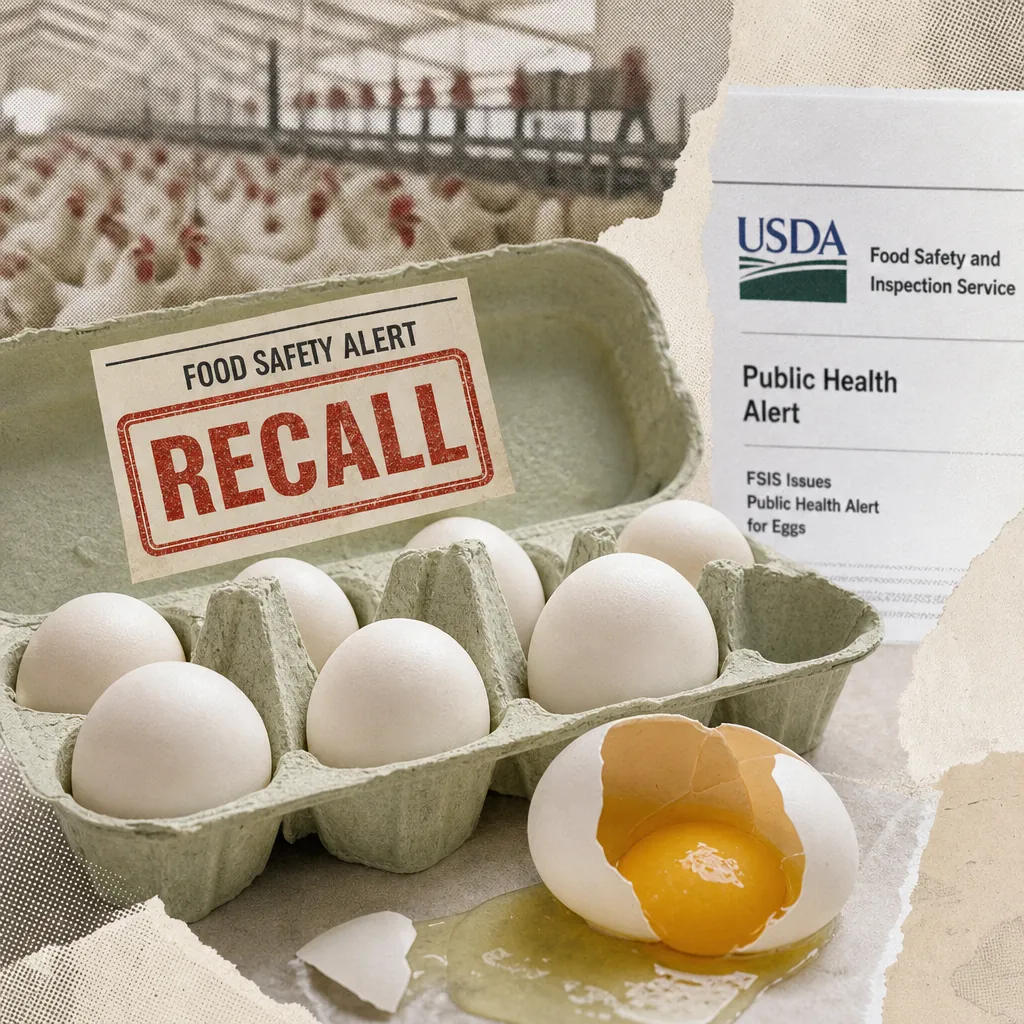
The most significant food safety story in the captured set was the escalation of a recall of over 1.6 million cartons of eggs to the FDA's highest risk level. The recall, initially announced in July, was upgraded to Class I on August 12, meaning there is a reasonable probability that consuming the eggs could cause serious health consequences or death. The eggs, sold at retailers like Kroger and Brookshire Grocery, have sell-by dates between July 20 and August 17, 2026. As of July 24, 98 people across 17 states had been infected with the outbreak strain of salmonella, with at least 25 hospitalized. No deaths have been reported. The outbreak has been traced to a Midwest supplier, though the specific brand was not named in the articles. This story drew heavy coverage, with multiple outlets reporting on the FDA's upgrade, reflecting the seriousness of the situation. For consumers, this is a reminder to check egg cartons for recall notices and to handle eggs safely. The coverage value of these articles was notable, with one piece alone worth an estimated ₱165,300 in advertising-equivalent value, indicating the story's prominence in the media landscape.
Listeria and Cyclosporiasis Add to Food Safety Concerns
In addition to the egg recall, two other food safety issues were covered. A recall of over 3,200 pounds of ready-to-eat pastrami and corned beef was announced by the USDA's Food Safety and Inspection Service due to possible listeria contamination. The products, including Midamar Halal Sliced Pastrami and Bea's Best Cooked Corn Beef Brisket, were produced on July 16 and have a 60-day shelf life. No illnesses have been confirmed, but the recall highlights the ongoing risk of listeria in deli meats. Separately, the FDA began inspecting a Taylor Farms plant in Mexico linked to a multistate outbreak of cyclosporiasis, a parasitic infection causing diarrhea and other symptoms. The outbreak has been linked to iceberg lettuce served at Taco Bell, and Taylor Farms removed lettuce from the market in July. These stories, while separate, collectively underscore the challenges of ensuring food safety across the supply chain. The coverage of these issues was substantial, with the listeria recall article carrying an estimated advertising-equivalent value of ₱128,400, and the cyclosporiasis piece ₱209,100.
Compose Coffee's Philippine Debut
South Korean coffee chain Compose Coffee officially entered the Philippine market, opening its first branch at Market! Market! in Bonifacio Global City, Taguig. The brand, which began in Busan in 2014, has grown into South Korea's second-largest value coffee chain, known for generous servings and accessible prices. The Philippine launch is its third international location, following Taiwan. Business development head Allan Tan cited the growing role of coffee in Filipinos' daily lives and strong local interest in Korean culture as key drivers. The launch was covered by Head Topics Online, with an estimated advertising-equivalent value of ₱496,824, indicating significant media attention. This story reflects the Philippines' vibrant coffee market and the continued influence of Korean pop culture on consumer preferences. For local coffee players, the entry of a value-focused international brand could intensify competition, but it also signals a growing market for affordable, quality coffee.
E-Notarization: A 25-Year Reform Takes Effect
An opinion piece in Inquirer Plus highlighted the Supreme Court's accreditation of three electronic notarization facilities (ENFs) on August 5, giving effect to the Rules on e-Notarization issued in 2025. This move removes a long-standing legal barrier to fully digital transactions in the Philippines. The Electronic Commerce Act of 2000 had contemplated electronic notarization, but in practice, documents often had to be printed, signed in ink, and notarized in person, creating a "structural excuse" for not digitizing. With e-notarization now possible, businesses and individuals can complete transactions entirely online, saving time and reducing paperwork. The article, with an estimated advertising-equivalent value of ₱320,624, argues that this is a significant step toward a digital economy. For the business sector, this could streamline processes like contract signing and loan approvals, making it easier to operate remotely. However, the adoption of e-notarization will depend on the readiness of notaries and the public to embrace digital tools.
Working Student's Graduation Story Goes Viral
A feature on Lenard Santos Mirandilla, a 25-year-old from Bulacan who graduated from Bulacan State University with a degree in Business Administration while working as a cultural dance performer and later as a luxury sales associate, resonated widely. His appreciation post for himself went viral, with netizens expressing admiration. The story, covered by Manila Bulletin Online, highlights the challenges faced by working students, including fatigue, lack of allowance, and balancing work and study. It also underscores the value of perseverance and the support of family. The article's estimated advertising-equivalent value was ₱473,792, reflecting its reach. This narrative speaks to broader issues of educational access and the financial pressures on students, a topic that resonates with many Filipino families.
GAC MPV: A New Family Car?
An analysis from EveryTechEver explored whether the modern MPV is becoming the new family car in the Philippines, challenging the long-standing dominance of midsize SUVs. The article argues that buyer priorities are shifting toward passenger comfort, cabin flexibility, everyday convenience, and fuel efficiency. It highlights the GAC MPV as an example, noting that the brand has experience in making MPVs. The piece, with an estimated advertising-equivalent value of ₱828,018, suggests that families are increasingly considering MPVs for their practicality and comfort. This reflects a broader trend in the automotive market, where electrification and changing family needs are influencing purchasing decisions. For automakers, this could signal a growing demand for versatile, fuel-efficient vehicles.
Lopez Group's Strategic Moves
Philstar reported that Gabby Lopez, after leading the Lopez family in investing ₱2.2 billion into ABS-CBN, is now looking to invest in another Lopez Group company. With an ₱11-billion war chest, Gabby is positioning himself as a "white knight" for the family conglomerate. The article notes that he sold his stake in Lopez Inc. to tycoon Ramon Ang for two reasons: to restore family peace and to channel resources into businesses aligned with the family's values. This story, with an estimated advertising-equivalent value of ₱718,220, highlights the ongoing restructuring within one of the Philippines' most prominent business families. The implications for the Lopez Group's future direction are significant, as Gabby's investments could shape the conglomerate's portfolio.
Conversation trajectory
- Food safety scrutiny to continue: Given the ongoing egg recall and the cyclosporiasis investigation, expect continued media attention on food safety in the coming weeks. The FDA's inspection of the Taylor Farms plant may yield further findings, and consumers will likely remain vigilant. Observation window: 2-4 weeks.
- Coffee market competition to intensify: Compose Coffee's entry could prompt other international brands to consider the Philippine market, and local players may respond with promotions or new offerings. Watch for announcements of additional branches or competitor reactions. Observation window: 1-3 months.
- E-notarization adoption to grow: As the Supreme Court's accreditation takes effect, more notaries and businesses may adopt e-notarization, leading to a gradual shift in how transactions are conducted. Monitor for updates on the rollout and any challenges. Observation window: 3-6 months.
- Lopez Group moves to watch: Gabby Lopez's next investment could signal the group's strategic priorities. Keep an eye on official announcements and any further stake sales or acquisitions. Observation window: 1-2 months.
Trigger events: Further FDA announcements on the egg recall or cyclosporiasis outbreak; Compose Coffee's expansion plans; Supreme Court updates on e-notarization; Lopez Group corporate filings.
Response guidance
For communicators in the food and beverage sector, the day's stories underscore the importance of proactive food safety communication. Brands should be prepared to address consumer concerns about recalls and contamination, providing clear guidance on affected products and safety measures. Transparency and quick response are key to maintaining trust. For those in the coffee industry, the entry of international brands highlights the need to differentiate on quality, price, and customer experience. Emphasizing local sourcing or unique offerings can help stand out. In the broader business community, the e-notarization development offers an opportunity to highlight digital transformation efforts. Communicators should educate stakeholders on the benefits and encourage adoption. Finally, the viral working student story reminds brands of the power of human interest narratives; sharing authentic stories of perseverance can resonate deeply with audiences. When addressing food safety, avoid alarmist language and focus on factual, actionable information. For digitalization, emphasize the convenience and efficiency gains. Overall, align messaging with the values of safety, innovation, and community support.
See the full picture behind today's signals.
This report draws from Media Meter's MediaWatch, our real-time monitoring engine tracking 2,470+ Philippine sources across print, broadcast, digital, and social. Explore how the platform turns raw coverage into decision-grade intelligence, then see how it's configured for teams like yours — whether you're in PR agencies, corporate comms, government, or marketing.
Want more? Browse our Report Library for sector and crisis intelligence, or request a demo and we'll have your brand set up before the call.
Want this kind of intelligence on your brand?
This brief is built on the same MediaWatch methodology that runs continuously across every brand we monitor. See your competitive landscape, Impact Score, and narrative trajectory in a 30-minute demo.