Ramon Ang buys into Lopez Inc.; Taylor Farms recalls
A daily snapshot of the business and consumer conversation, covering Ramon Ang's acquisition of a stake in Lopez Inc., Taylor Farms' salmonella recall, fuel price cuts, and other developments.
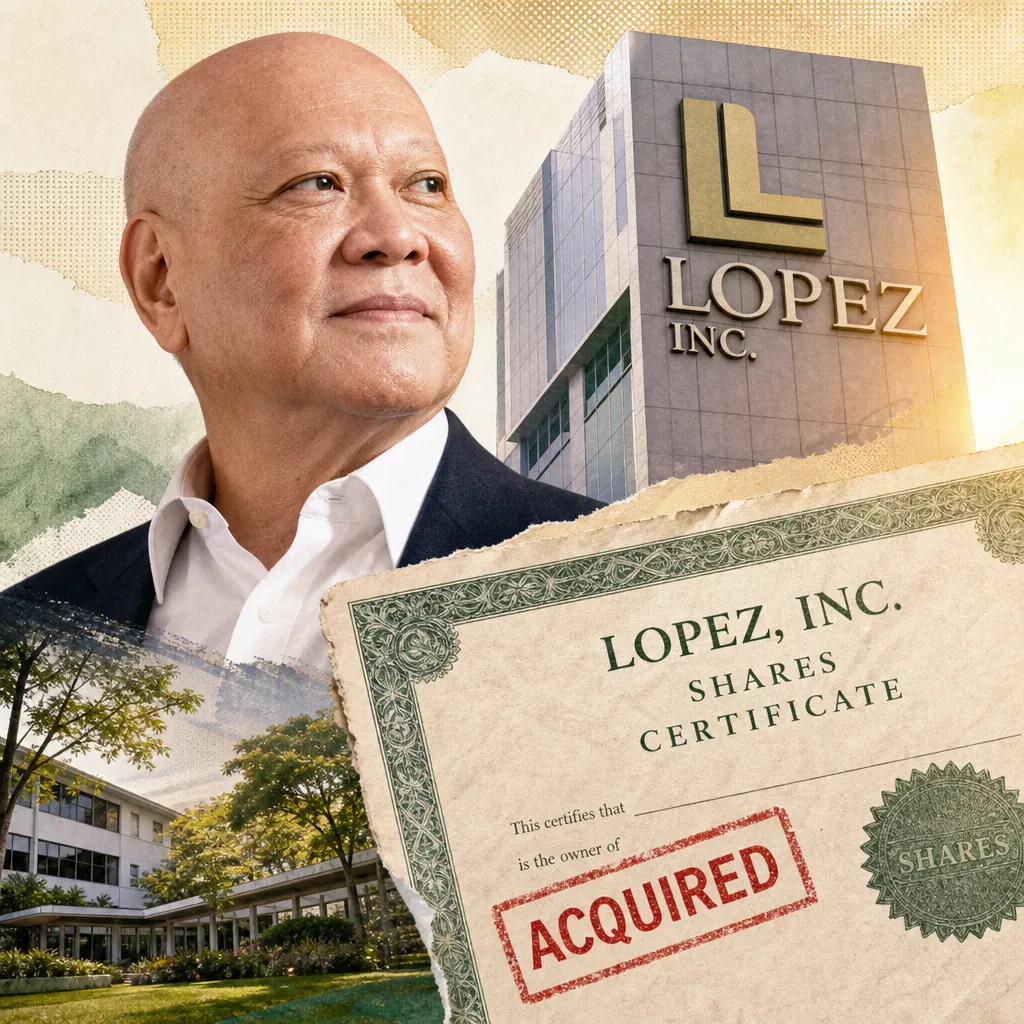
The day's conversation was anchored by two very different stories: a corporate power shift in the Philippines and a food-safety scare in the United States. On the corporate side, tycoon Ramon Ang's purchase of a 25.7% stake in Lopez Inc. from Eugenio "Gabby" Lopez III dominated the business pages, signaling a major realignment in one of the country's most prominent family conglomerates. On the consumer side, Taylor Farms' recall of products containing jalapeños due to potential salmonella contamination drew heavy coverage, raising questions about food safety and supply chain oversight. These two narratives, along with fuel price cuts, a stock market dip, and a flurry of lifestyle and entertainment items, shaped the day's media landscape.
Key themes
- Ramon Ang's strategic investment in Lopez Inc. — The acquisition of a significant minority stake by one of the Philippines' most influential businessmen reshapes the ownership structure of a media and infrastructure conglomerate, with implications for governance and future direction.
- Taylor Farms' salmonella recall — A major produce supplier recalls dozens of products containing jalapeños, linked to a multistate outbreak, raising consumer concerns about food safety and regulatory oversight.
- Fuel price rollback — Local oil companies announce significant cuts in gasoline, diesel, and kerosene prices, providing relief to consumers and businesses amid inflationary pressures.
- Stock market cautiousness — The Philippine Stock Exchange index slips on weak GDP growth and geopolitical tensions, with investors awaiting central bank policy signals.
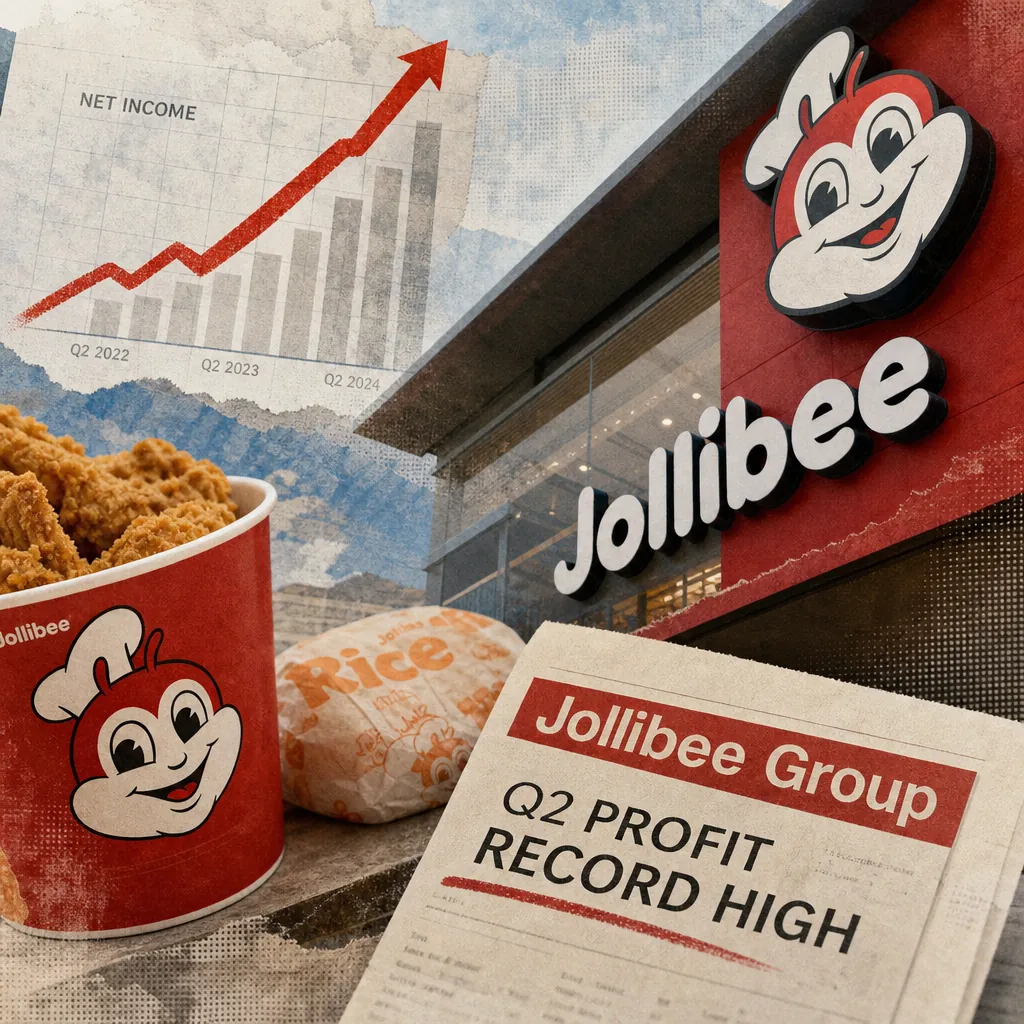
- Jollibee's Canadian expansion — The fast-food chain signs a franchise deal to open 16 stores in British Columbia, part of a broader push to nearly double its Canadian footprint.
- Consumer goods and excise taxes — Analysts warn that proposed higher excise taxes on sweetened beverages could squeeze margins for consumer companies, potentially leading to price increases.
- Local food and agriculture initiatives — From sago palm flour enterprises to coffee festivals, stories highlight efforts to promote sustainable, indigenous, and locally sourced food systems.
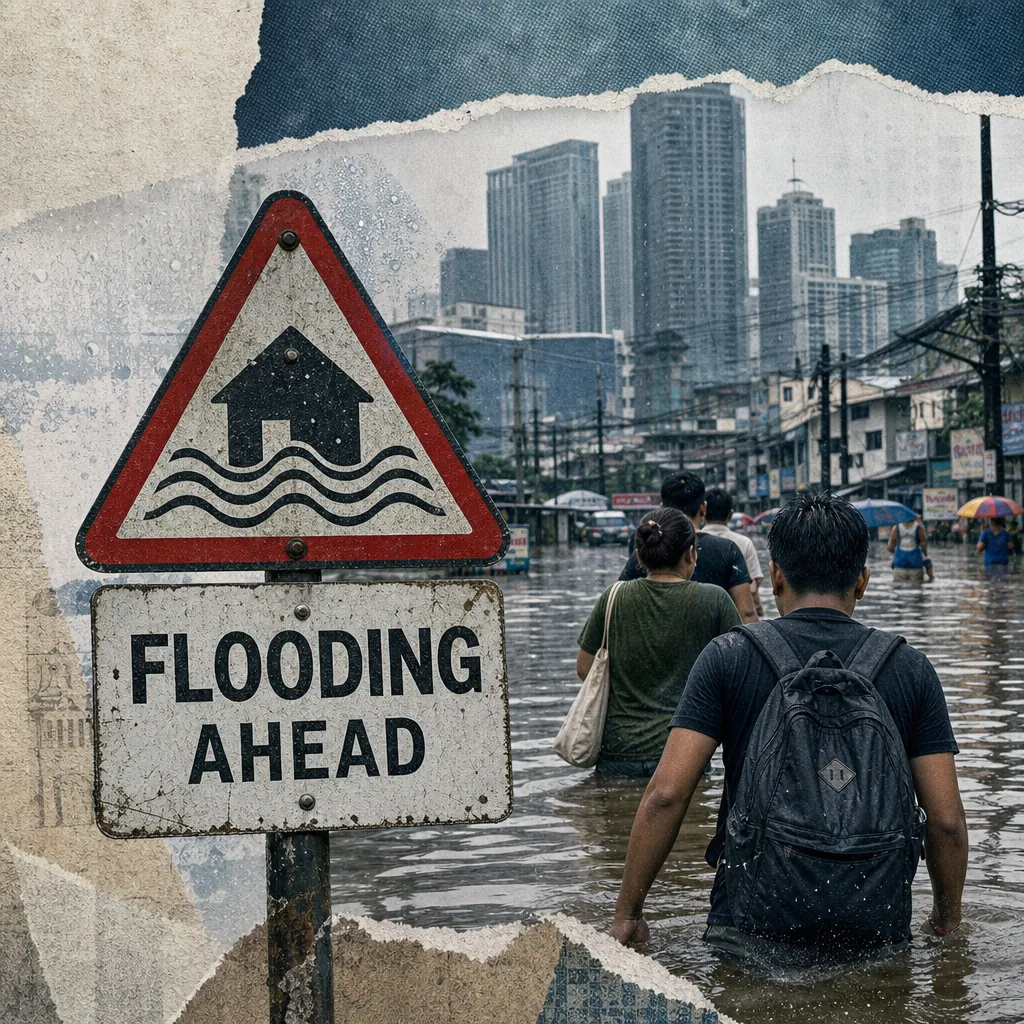
- Weather-related disasters and public safety — Heavy rains and landslides in Northern Luzon cause deaths and displacements, while a river pollution issue in Iloilo prompts calls for surveillance.
How the narratives stack
Dominant — Within the captured set, the Ramon Ang–Lopez Inc. deal is the dominant narrative. It received extensive coverage across multiple outlets, including the Inquirer, Manila Times, Philstar, and Head Topics, with a combined advertising-equivalent value of over ₱2 million. The story's significance lies in its potential to reshape the Lopez Group, which controls ABS-CBN, one of the Philippines' largest media networks, and other key businesses. The sale also signals an end to a family dispute that had been public and contentious.
Counter-narrative — The Taylor Farms recall serves as a counter-narrative, shifting attention to consumer safety and the vulnerabilities in the food supply chain. While not as heavily covered in the Philippine press, it drew substantial online news coverage, particularly from US-based outlets syndicated in the Philippines. The recall's connection to a larger salmonella outbreak and the company's history of recalls adds a layer of concern.
Emerging — The proposed excise tax on sweetened beverages is an emerging story. Analysts' warnings about margin pressures and potential price increases could have significant implications for consumer companies and household budgets. This story is likely to gain traction as the legislative process unfolds.
Suppressed — The story of the Iloilo River oil and grease contamination, and the city government's plan to install surveillance cameras, received limited coverage. This is a significant environmental and public health issue that deserves more attention, as it affects a major waterway and the communities that depend on it.
Platform insights
- Facebook — The platform saw a mix of news sharing and community engagement. Posts about the Ramon Ang deal and the Taylor Farms recall were widely shared, with users expressing opinions on corporate power and food safety. Local news pages and community groups also shared stories about the fuel price rollback and weather-related incidents, generating comments and reactions.
- X (formerly Twitter) — The platform was active with real-time updates and commentary on the stock market, the Lopez deal, and the Taylor Farms recall. Financial analysts and journalists used X to share insights and reactions, while consumers posted about the recall and its impact on their shopping. The platform also saw discussions about the AOC egg-freezing story, which trended due to its political and personal dimensions.
- YouTube — Video content on the day included news segments from Philippine broadcasters covering the Lopez deal and the fuel price rollback. Some vloggers and content creators also posted about the Taylor Farms recall, offering advice on what to avoid. The platform's engagement was lower than Facebook and X, but it served as a source for longer-form analysis.
- Reddit — While not a major platform for Philippine news, Reddit saw discussions in subreddits like r/Philippines and r/food about the Taylor Farms recall and the Jollibee expansion. Users shared links to articles and debated the implications of the deals and recalls.
Key voices and communities
- Business journalists and financial analysts — They provided the most detailed coverage of the Ramon Ang deal, the stock market, and the excise tax proposal. Their analysis helps investors and the public understand the implications of corporate moves and policy changes.
- Consumer advocacy groups and food safety experts — These voices were prominent in the Taylor Farms recall coverage, emphasizing the need for stricter oversight and transparency in the food supply chain. They also highlighted the company's history of recalls, raising questions about its safety record.
- Government officials and regulators — The Department of Energy's announcement of fuel price cuts and the Department of Finance's excise tax proposal were key official statements. Their communications shape public perception and market expectations.
- Local communities and environmental groups — In the Iloilo River story, local officials and residents voiced concerns about pollution and the need for action. Their advocacy is crucial for holding polluters accountable and protecting public health.
- Entertainment and lifestyle communities — Stories about celebrities, food promotions, and cultural events generated engagement on social media, providing a lighter counterpoint to the day's more serious news.
Narrative streams
Ramon Ang's acquisition of Lopez Inc. stake
Ramon Ang, president and CEO of San Miguel Corp., one of the Philippines' largest conglomerates, acquired a 25.7% stake in Lopez Inc. from the family branch led by Eugenio "Gabby" Lopez III. The sale was completed through Crème Investment Corp., the holding company for the Lopez family's stake. Gabby Lopez announced the deal on Monday, stating that it was driven by a desire to restore family peace and redirect resources toward businesses aligned with his branch's personal mission. "This dispute has not been good for any of us, or for the people who work in our companies," he said. "This allows us to take a step towards the restoration of family peace."
The transaction gives Ang a significant minority interest in Lopez Inc., which controls ABS-CBN, the country's largest media network, as well as interests in telecommunications, infrastructure, and other sectors. The other family branches retain the controlling majority and will continue to lead the group. The value of the deal was not disclosed.
This move is significant for several reasons. First, it marks a shift in the ownership structure of one of the Philippines' most influential family conglomerates. Second, it provides Gabby Lopez with capital to potentially support ABS-CBN, which has faced financial difficulties since losing its broadcast franchise in 2020. Third, it signals Ramon Ang's growing influence in the Philippine business landscape, as he already leads San Miguel and has interests in various industries.
The coverage of this story was extensive, with multiple outlets providing analysis and commentary. Philstar's column "Ramon Ang, the cavalry of one" framed Ang as a "white knight" saving the Lopez empire, while other reports noted that the other family branches are not selling their stakes. The story's advertising-equivalent value across the captured items was over ₱2 million, reflecting its prominence in the day's news cycle.
For the sector, this deal could lead to changes in how Lopez Inc. is governed and where it invests. It may also signal a trend of consolidation and strategic investment among Philippine conglomerates. The read for the sector is that family disputes can lead to significant ownership changes, and that external investors may see opportunities in such situations.
Taylor Farms' salmonella recall and food safety concerns
Taylor Farms, the largest producer of bagged salad mixes and pre-cut vegetables in the US, issued a voluntary recall of products containing jalapeños due to potential salmonella contamination. The recall was linked to fresh jalapeños supplied by Coast Citrus Distributors, which had earlier recalled the peppers. The company said it was not aware of any illnesses linked to its products, but the recall affected products sold at major retailers including Walmart, Target, Trader Joe's, Whole Foods, and Kroger in 26 states.
This recall comes amid a larger salmonella outbreak linked to jalapeños from Sinaloa, Mexico, which has sickened at least 345 people in 27 states and resulted in 36 hospitalizations. Restaurant chains including Chipotle and Qdoba have stopped using the peppers. Additionally, Taylor Farms is also linked to a cyclosporiasis outbreak traced to shredded iceberg lettuce, which has caused cases in 47 states and two deaths.
The coverage of this story was substantial, with multiple outlets reporting on the recall and its implications. USA Today noted that Taylor Farms supplies much of the lettuce and jalapeños sold in American supermarkets and fast-food restaurants, making the recall particularly concerning. Newsweek published a timeline of Taylor Farms' past recalls and outbreaks, highlighting a history of food safety issues dating back to 2009.
For consumers, this recall raises questions about the safety of pre-packaged produce and the effectiveness of regulatory oversight. The fact that Taylor Farms has been linked to multiple outbreaks over the years suggests systemic issues that may require stronger enforcement and better supply chain management. For the food industry, this story underscores the importance of traceability and rapid response to contamination risks.
Fuel price rollback
Local oil companies announced a significant rollback in fuel prices, effective August 11, 2026. Gasoline prices will drop by ₱4.70 per liter, diesel by ₱4.30 per liter, and kerosene by ₱4.88 per liter. This marks the second price drop after consecutive increases, providing relief to consumers and businesses.
The Department of Energy (DOE) announced the price adjustments, which will be implemented across all variants. The rollback is attributed to declining global oil prices and improved supply conditions. For consumers, this means lower transportation and logistics costs, which could help ease inflationary pressures. For businesses, particularly those in the transport and agriculture sectors, the savings could improve margins.
The coverage of this story was relatively light compared to the Lopez deal and the Taylor Farms recall, but it is significant for its direct impact on household budgets. The story was reported by ZIGWHEELS and Bombo Radyo Philippines, with a combined advertising-equivalent value of around ₱150,000.
Stock market cautiousness
The Philippine Stock Exchange index (PSEi) slipped 0.02% to close at 6,289.21 on Monday, as investors remained cautious following the country's weak second-quarter GDP growth. The market was also weighed down by geopolitical tensions, including Iran's denial of talks with the US concerning the Strait of Hormuz.
Brokerage Philstocks Financial Inc. said investors remained on the sidelines after the Philippines posted a "dismal" second-quarter gross domestic product performance. Attention now shifts to the Bangko Sentral ng Pilipinas' (BSP) next policy move, with expectations of a rate cut to support economic growth.
The stock market story is important for investors and the broader economy. A weak GDP reading suggests that the recovery is fragile, and the central bank's response will be crucial. The story was covered by the Inquirer, with an advertising-equivalent value of around ₱265,000.
Jollibee's Canadian expansion
Jollibee Foods Corp. (JFC) announced that its North American franchisor has signed an agreement to develop 16 Jollibee restaurants in British Columbia over the next five years. This marks the fast-food chain's franchise entry into the Canadian province, shifting from company-owned to franchise-led expansion.
The agreement was signed in July by JBM LLC with an experienced multi-brand food retail operator. JFC currently operates four company-owned restaurants in British Columbia. The deal follows a separate agreement in June for 10 restaurants in the Edmonton market, bringing JFC's committed franchise pipeline in Canada to 26 restaurants.
This expansion is part of JFC's strategy to pursue franchise-led growth while maintaining disciplined capital deployment. Canada is seen as an attractive market for Jollibee, supported by a strong Filipino community and growing demand for international cuisine.
The story was covered by BusinessWorld and Philstar, with a combined advertising-equivalent value of around ₱400,000. It highlights the brand's global ambitions and its ability to attract franchise partners.
Excise tax on sweetened beverages
The Department of Finance (DoF) has proposed to more than triple the excise tax on beverages containing caloric or noncaloric sweeteners to ₱20 per liter from ₱6. The tax on beverages using high-fructose corn syrup would rise to ₱40 per liter from ₱12. Both rates would be indexed by 5% annually.
Analysts warn that affected companies would likely absorb part of the additional taxes initially to limit the impact on demand, which could result in a hit on margins. BDO Securities President John Tristan D. Reyes said, "We expect most companies to try mitigating the initial impact on demand by absorbing some of the increased excise taxes, which could result to a hit on the..."
This proposal is part of the government's efforts to raise revenue and address health concerns related to sugar consumption. However, it could lead to higher prices for consumers and reduced sales volumes for companies. The story was covered by BusinessWorld, with an advertising-equivalent value of around ₱687,000.
Local food and agriculture initiatives
Several stories highlighted efforts to promote sustainable and locally sourced food systems. One story featured the Manobo community in Caraga, which established the country's first sago palm flour enterprise, showcasing indigenous knowledge and creating livelihood opportunities. Another story covered the Negros Island Coffee Fiesta, where the provincial government showcased locally grown coffee and promoted coffee tourism.
These stories reflect a growing interest in sustainable agriculture and the preservation of cultural heritage. They also highlight the potential for local products to compete in broader markets. The coverage was relatively light, but it provides a positive counterpoint to the food safety concerns raised by the Taylor Farms recall.
Weather-related disasters and public safety
The combined onslaught of Tropical Cyclones Maymay and Luis and the southwest monsoon (habagat) has caused severe flooding, landslides, and deaths in Northern and Central Luzon. The death toll has climbed to 15, with 13 injured and nine missing. The most severe incident occurred in Baguio City, where a hillside collapse buried 13 residents, killing four and leaving six missing.
The Philippine National Police (PNP) reported the casualties, but the Office of the Civil Defense (OCD) will provide official confirmation. The story was covered by the Manila Times and Daily Tribune, with a combined advertising-equivalent value of over ₱1 million.
This story is significant for its human toll and the ongoing rescue and recovery efforts. It also highlights the vulnerability of communities to extreme weather events, which are expected to become more frequent due to climate change.
Conversation trajectory
- Over the next 1–2 weeks: The Ramon Ang–Lopez Inc. deal will likely continue to generate analysis and speculation about the future direction of the Lopez Group. Watch for any announcements from Gabby Lopez about his family's new business ventures, and for any reactions from the other Lopez family branches.
- Over the next 1–3 months: The Taylor Farms recall and the broader salmonella and cyclospora outbreaks may lead to increased scrutiny of food safety regulations and corporate accountability. Watch for updates from the FDA and CDC, and for any lawsuits or legislative actions.
- Over the next 3–6 months: The proposed excise tax on sweetened beverages will be debated in Congress. Watch for industry lobbying efforts, public hearings, and potential amendments. The outcome will have significant implications for consumer companies and prices.
- Trigger events: Any further escalation of the Lopez family dispute, new developments in the foodborne illness outbreaks, or a surprise move by the BSP on interest rates could shift the conversation.
Response guidance
For communicators in the business and consumer sectors, the following guidance is relevant:
- Corporate governance and ownership changes: When major ownership changes occur, communicate transparently about the rationale and future plans. Address concerns about stability and continuity, and emphasize the benefits for stakeholders.
- Food safety and recalls: In the event of a recall, act quickly and communicate clearly about the affected products, the risks, and the steps being taken. Provide regular updates and be prepared to answer consumer questions. Highlight any corrective actions to rebuild trust.
- Fuel price changes: When prices drop, communicate the savings to consumers and businesses. Highlight the factors behind the change and any broader economic benefits.
- Tax policy proposals: For companies affected by proposed tax changes, engage with policymakers and communicate the potential impact on prices, jobs, and investment. Provide data and analysis to support your position.
- Weather-related disasters: For organizations involved in relief efforts, communicate your actions and how people can help. Coordinate with government agencies and provide accurate information to the public.
- Sustainability and local sourcing: For brands promoting sustainable practices, share stories that resonate with consumers, such as the sago palm enterprise and coffee festivals. Emphasize the social and environmental benefits.
Overall, the day's conversation reflects a mix of corporate, consumer, and public safety issues. Communicators should be prepared to address both the opportunities and challenges these stories present.
See the full picture behind today's signals.
This report draws from Media Meter's MediaWatch, our real-time monitoring engine tracking 2,470+ Philippine sources across print, broadcast, digital, and social. Explore how the platform turns raw coverage into decision-grade intelligence, then see how it's configured for teams like yours — whether you're in PR agencies, corporate comms, government, or marketing.
Want more? Browse our Report Library for sector and crisis intelligence, or request a demo and we'll have your brand set up before the call.
Want this kind of intelligence on your brand?
This brief is built on the same MediaWatch methodology that runs continuously across every brand we monitor. See your competitive landscape, Impact Score, and narrative trajectory in a 30-minute demo.