LTFRB Probes Taxi Drivers Over Thai Models Incident; LTO Summons Vice Mayor's Son in Fatal Crash
The Land Transportation Franchising and Regulatory Board (LTFRB) investigates taxi drivers accused of overcharging and stealing from two Thai models, while the Land Transportation Office (LTO) summons the son of a vice mayor involved in a fatal road crash in Marikina City. These incidents highlight ongoing concerns about transportation safety and accountability in the Philippines.
The Land Transportation Franchising and Regulatory Board (LTFRB) has launched an investigation into taxi drivers allegedly overcharging and stealing from two Thai models during their visit to the Philippines. The incident, which reportedly occurred on June 13, has drawn attention to the conduct of taxi operators and drivers. LTFRB Chairman Vigor Mendoza II stated that the agency would coordinate with the Philippine National Police (PNP) to identify the drivers and hold both them and the taxi operators accountable. "We will be coordinating with the Philippine National Police to get all the necessary information that could lead to the identification of the taxi drivers involved. On the part of the LTFRB, we will be providing the information needed for the identification of the operators and eventually holding all of them accountable," Mendoza said [1]. The LTFRB's probe extends beyond the two drivers directly involved, signaling a broader crackdown on transport contracting practices where drivers offer fixed fares instead of using meters. This practice, known as "contracting," is illegal under Philippine regulations and often targets tourists and unfamiliar passengers. The case has generated significant media coverage, with articles appearing in the Manila Times Online and Philstar Online, collectively worth an estimated ₱353,135 in advertising-equivalent value [1][2].
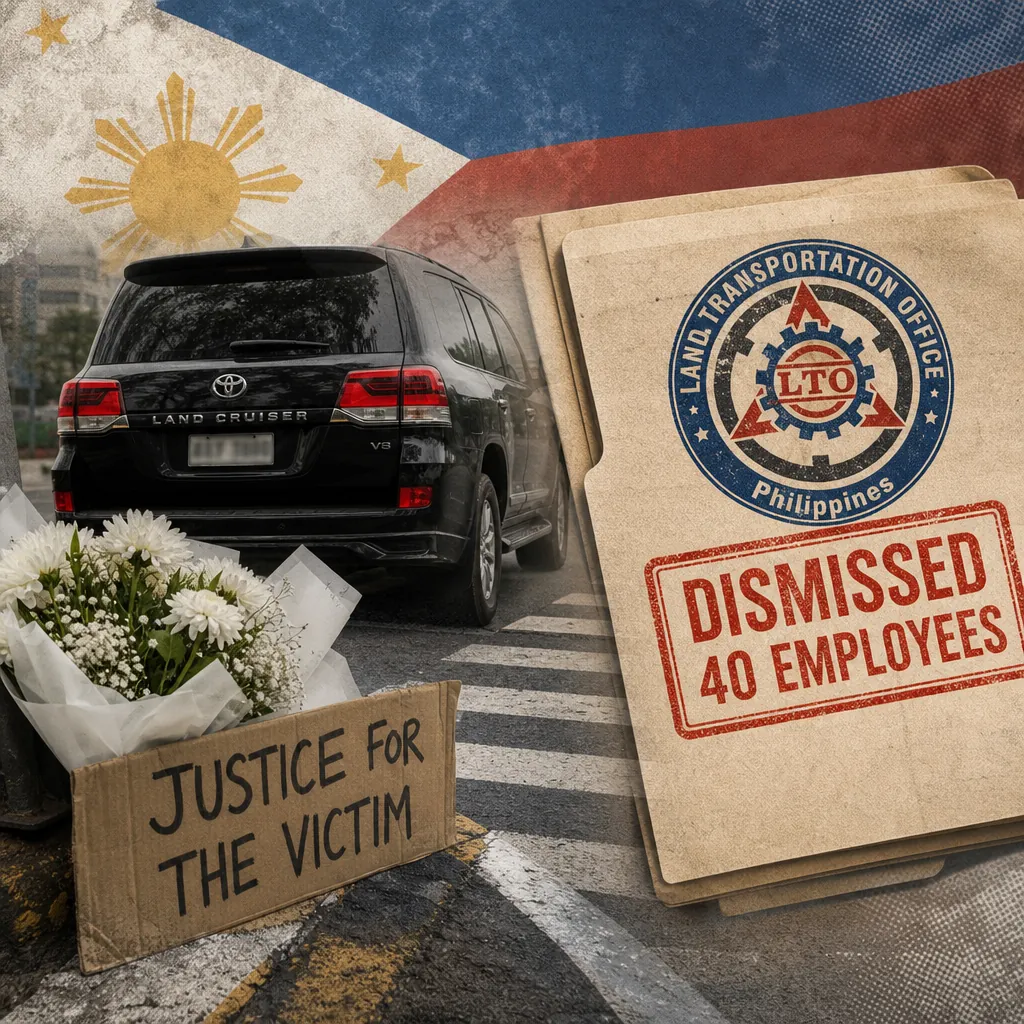
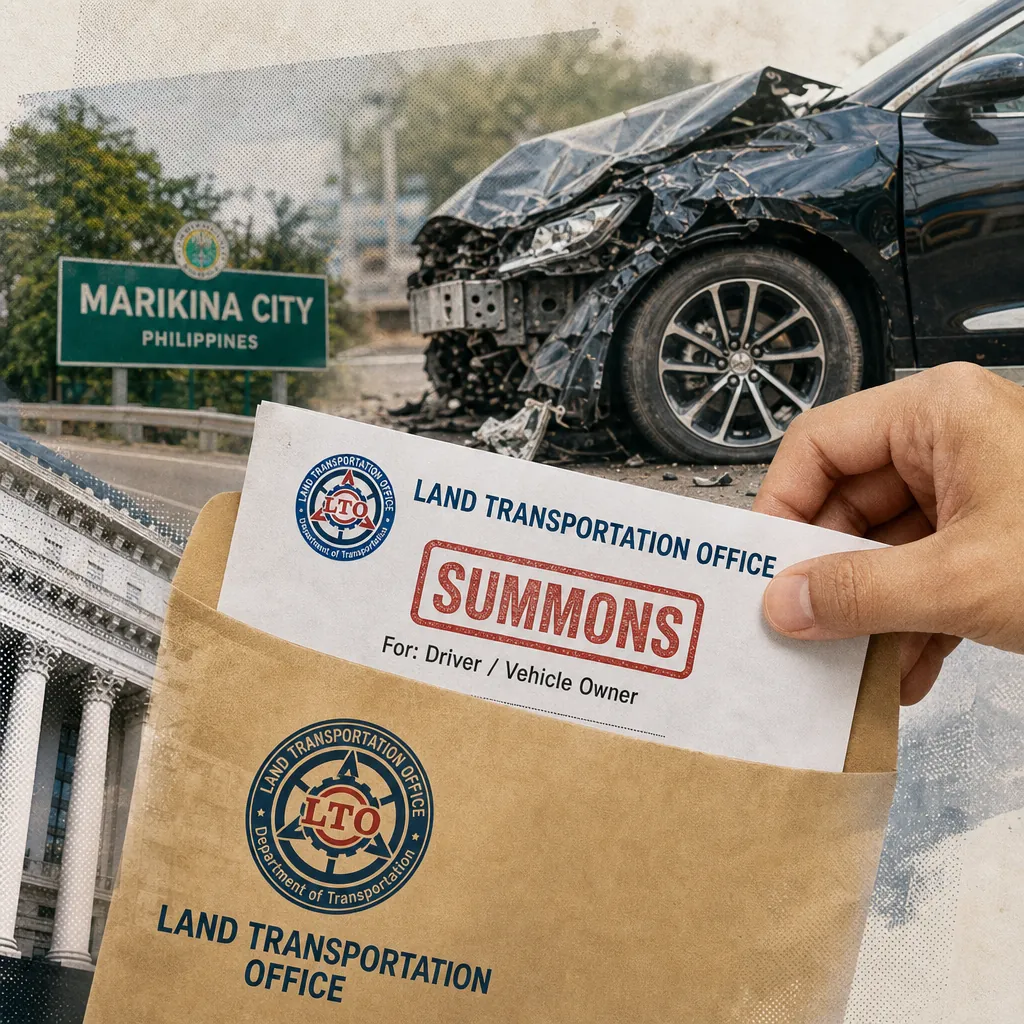
Separately, the Land Transportation Office (LTO) summoned the son of a vice mayor involved in a fatal road crash in Marikina City on June 13. The LTO issued a show cause order and placed the driver's license under a 90-day preventive suspension. According to the Marikina Police investigation, the SUV driver allegedly collided with a motorcyclist, who later died from injuries. The driver's blood alcohol concentration was recorded at 0.410%, well above the legal limit of 0.05% [3]. The incident has reignited public discourse on road safety and accountability for influential individuals involved in traffic violations. The LTO's swift action, including the suspension of the driver's license, signals a zero-tolerance approach to drunk driving and fatal accidents. The Inquirer Online article covering the story had an estimated advertising-equivalent value of ₱331,792 [3].
These two cases, occurring within the same week, underscore persistent issues in the Philippine transportation sector: the exploitation of passengers by taxi drivers and the dangers of drunk driving. The LTFRB and LTO's responses indicate a regulatory push to enforce existing laws and improve public safety. However, the effectiveness of these measures will depend on consistent implementation and public cooperation.
Key themes
- LTFRB cracks down on taxi contracting and theft – The LTFRB investigates taxi drivers accused of overcharging and stealing from two Thai models, vowing to hold both drivers and operators accountable. The probe highlights the illegal practice of offering fixed fares instead of using meters, which often targets tourists.
- LTO suspends license of vice mayor's son after fatal crash – The LTO summons the son of a vice mayor involved in a fatal road crash in Marikina City, placing his license under preventive suspension. The driver's blood alcohol concentration was 0.410%, far exceeding the legal limit.
- Drunk driving remains a critical road safety issue – The Marikina crash underscores the dangers of drunk driving, with the driver's high alcohol level contributing to the death of a motorcyclist. The incident renews calls for stricter enforcement of anti-drunk driving laws.
- Accountability for influential individuals – Both cases involve individuals with political connections (the vice mayor's son) and high-profile victims (Thai models), testing the regulators' commitment to impartial enforcement.
- Tourist safety concerns in Philippine transport – The taxi incident involving foreign models raises questions about the safety and reliability of public transportation for tourists, potentially affecting the country's tourism image.
- Regulatory coordination between LTFRB and PNP – The LTFRB's collaboration with the Philippine National Police to identify drivers and operators demonstrates inter-agency cooperation in enforcing transportation regulations.
- Media coverage amplifies public scrutiny – Both incidents received substantial media attention, with articles in major online outlets such as Manila Times, Philstar, and Inquirer, collectively worth over ₱684,000 in advertising-equivalent value, indicating high public interest.
How the narratives stack
Dominant – Within the captured set, the dominant narrative is the LTFRB's investigation into taxi drivers victimizing Thai models. This story appears in two separate articles (Manila Times Online and Philstar Online) and carries a combined advertising-equivalent value of ₱353,135. The narrative emphasizes regulatory action against illegal contracting and theft, with the LTFRB chairman personally vowing accountability. The involvement of foreign models adds a layer of international attention and potential reputational damage to the Philippine transport sector.
Counter-narrative – A counter-narrative emerges from the LTO's handling of the vice mayor's son's fatal crash. While the LTFRB story focuses on economic exploitation, the LTO case highlights the deadly consequences of drunk driving and the challenge of holding politically connected individuals accountable. The LTO's swift suspension of the driver's license counters perceptions of impunity, but the incident itself underscores persistent enforcement gaps.
Emerging – An emerging narrative is the broader issue of road safety and regulatory effectiveness in the Philippines. Both incidents, occurring within days of each other, point to systemic problems: taxi drivers exploiting passengers and drunk drivers causing fatalities. The public and media are likely to scrutinize whether these investigations lead to meaningful penalties or merely symbolic actions.
Suppressed – A suppressed narrative is the lack of comprehensive data on taxi-related complaints and drunk driving incidents. While these high-profile cases receive attention, routine violations often go unreported or unaddressed. The monitoring set does not include stories about everyday commuters' experiences or broader enforcement statistics, leaving a gap in understanding the full scope of the problem.
Platform insights
- Facebook – The LTFRB and LTO announcements are likely shared on official Facebook pages and news outlets' pages, generating comments from the public. Users express outrage over the taxi incident and call for stricter penalties. The vice mayor's son case sparks debates about privilege and justice. Engagement is high, with shares and comments reflecting public sentiment.
- X (formerly Twitter) – Short-form updates from news organizations and government agencies drive real-time conversation. Hashtags such as #LTFRB, #RoadSafety, and #TaxiScam trend as users share opinions and tag authorities. The Thai models incident attracts international attention, with users from Thailand and other countries weighing in.
- YouTube – News channels may produce video summaries of both incidents, with comment sections discussing the cases. The emotional impact of the fatal crash and the theft from tourists generates viewer reactions.
- Reddit – Philippine subreddits (e.g., r/Philippines) host discussions on the incidents, with users analyzing the legal implications and sharing personal experiences with taxi scams and drunk driving. The threads often include calls for systemic reform.
Key voices and communities
- LTFRB Chairman Vigor Mendoza II – As the lead regulator, Mendoza's statements set the tone for enforcement. His promise to hold operators accountable signals a tough stance, but his credibility depends on follow-through.
- LTO officials – The LTO's swift action in suspending the vice mayor's son's license positions the agency as proactive. However, critics may question whether similar actions are taken for ordinary citizens.
- Philippine National Police (PNP) – The PNP's role in identifying drivers and providing evidence is crucial. Their cooperation with LTFRB and LTO is a key factor in successful prosecution.
- Media outlets (Manila Times, Philstar, Inquirer) – These publications shape public perception by framing the incidents as failures of regulation or as examples of accountability. Their coverage influences the narrative's reach and tone.
- Public and netizens – Ordinary citizens and online commenters drive the conversation on social media, demanding justice and reform. Their engagement amplifies the stories and pressures authorities to act.
Narrative streams
LTFRB investigation into taxi drivers victimizing Thai models
The LTFRB's investigation stems from an incident on June 13, when two Thai models were allegedly overcharged and had items stolen by taxi drivers during their stay in the Philippines for an event. The drivers reportedly offered a fixed fare instead of using the meter, a practice known as "contracting," which is illegal under Philippine law. LTFRB Chairman Vigor Mendoza II announced the probe on June 26, stating that the agency would coordinate with the PNP to identify the drivers and gather evidence for administrative action against the taxi operators. "We will be coordinating with the Philippine National Police to get all the necessary information that could lead to the identification of the taxi drivers involved. On the part of the LTFRB, we will be providing the information needed for the identification of the operators and eventually holding all of them accountable," Mendoza said [1]. The LTFRB's investigation is not limited to the two drivers but extends to the operators, who may face penalties including suspension or revocation of their franchise. This case highlights the persistent problem of taxi drivers exploiting passengers, particularly tourists, by refusing to use meters and demanding inflated fares. The LTFRB has previously conducted crackdowns on such practices, but enforcement remains inconsistent. The involvement of foreign models raises the stakes, as negative experiences can deter tourism and damage the country's reputation. The coverage in Manila Times Online and Philstar Online, with a combined advertising-equivalent value of ₱353,135, indicates significant media interest [1][2]. For the sector, this incident underscores the need for stricter monitoring of taxi operations and better consumer protection mechanisms. The LTFRB's response, if followed by concrete penalties, could serve as a deterrent. However, without sustained enforcement, similar incidents are likely to recur.
LTO summons vice mayor's son in fatal road crash
On June 13, a fatal road crash occurred in Barangay Concepcion Dos, Marikina City, involving a sports utility vehicle (SUV) driven by the son of a vice mayor and a motorcycle rider. The motorcyclist succumbed to injuries. The LTO issued a show cause order against the SUV driver and placed his driver's license under a 90-day preventive suspension. According to the Marikina Police investigation, the SUV driver underwent an Alcohol Breath Analyzer test, which showed a Blood Alcohol Concentration of 0.410%, far exceeding the legal limit of 0.05% [3]. The LTO's action came on June 26, nearly two weeks after the incident, but the agency emphasized its commitment to accountability. The case has drawn attention due to the driver's political connections, raising questions about whether the response would have been as swift for an ordinary citizen. The LTO's preventive suspension is a standard procedure in fatal accidents, but the high alcohol level suggests potential criminal liability. The Inquirer Online article covering the story had an estimated advertising-equivalent value of ₱331,792 [3]. This incident highlights the ongoing problem of drunk driving in the Philippines, which contributes to a significant number of road fatalities. According to the Philippine Statistics Authority, road crashes are a leading cause of death, with alcohol impairment a major factor. The LTO's handling of this case will be closely watched as a test of its impartiality. For the sector, the incident reinforces the need for stricter enforcement of anti-drunk driving laws, including random breathalyzer tests and higher penalties. The involvement of a public official's family member adds pressure on regulators to demonstrate that no one is above the law.
Conversation trajectory
Over the next 4–6 weeks, the LTFRB and LTO investigations are likely to progress, with potential outcomes including fines, license suspensions, or criminal charges. The LTFRB's coordination with the PNP may lead to the identification of the taxi drivers and operators, possibly resulting in franchise revocation. The LTO case may proceed to court, with the vice mayor's son facing charges for reckless imprudence resulting in homicide. Public attention will remain high, especially if the cases involve influential individuals. Trigger events include the release of official investigation reports, court hearings, or statements from the victims' families. If the regulators fail to deliver tangible penalties, public trust may erode, leading to calls for broader reforms. Conversely, decisive action could strengthen the agencies' credibility and deter future violations.
Response guidance
Communicators in the transportation sector should emphasize the following:
- Transparency: Regularly update the public on investigation progress and outcomes to build trust.
- Enforcement: Highlight concrete actions taken, such as license suspensions or franchise revocations, to demonstrate accountability.
- Education: Launch campaigns on passenger rights and the dangers of drunk driving to prevent future incidents.
- Collaboration: Showcase inter-agency cooperation (LTFRB, LTO, PNP) as a model for effective regulation.
- Sensitive topics: Avoid blaming victims or making excuses for violations. Focus on systemic improvements rather than individual cases.
Want this kind of intelligence on your brand?
This brief is built on the same MediaWatch methodology that runs continuously across every brand we monitor. See your competitive landscape, Impact Score, and narrative trajectory in a 30-minute demo.