Floods, PBA postponements, and economic strains dominate
A daily snapshot of Philippine news and social conversation, covering severe flooding and its disruptions, PBA game postponements, economic concerns, and other notable stories.
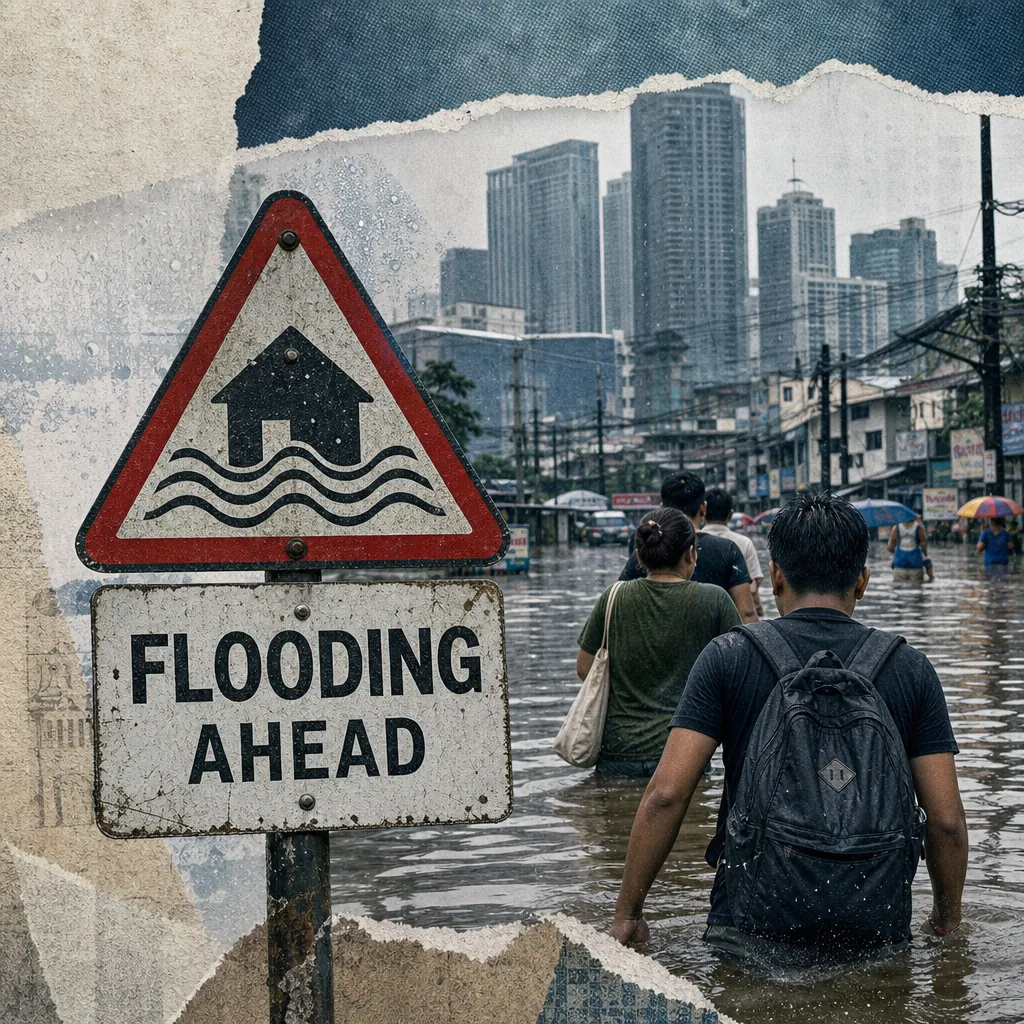
The day's conversation was dominated by the relentless southwest monsoon, or "habagat," which brought severe flooding across Metro Manila and nearby provinces, forcing the postponement of PBA games, disrupting transport, and raising concerns about infrastructure and public safety. Alongside the weather, economic anxieties simmered over sluggish GDP growth, rising inflation, and the plight of hog raisers and workers awaiting a wage hike. Meanwhile, the Philippine Reclamation Authority's move to forfeit illegally reclaimed land in Taguig drew attention, as did the electronics industry's upbeat export forecast. Social media buzzed with a mix of practical concerns, humor, and calls for government action, reflecting a public grappling with both immediate crises and longer-term economic pressures.
Key themes
- Severe flooding disrupts daily life and sports – The southwest monsoon caused widespread flooding in Metro Manila and nearby areas, leading to the postponement of PBA games, suspension of clearing operations on Kennon Road, and a transport strike cancellation. The public shared safety concerns and frustrations over the recurring flooding.
- PBA navigates weather and venue issues – The league postponed Sunday games and moved Tuesday's doubleheader to Antipolo due to a leaking roof at Ninoy Aquino Stadium. Teams like San Miguel Beer and Converge made headlines with roster changes and dominant performances.
- Economic strain: slow growth, high inflation – The Philippines' GDP grew only 2.3% in the first half of 2026, while inflation hit 6.2%, squeezing household budgets. Commentary highlighted the disconnect between macroeconomic figures and everyday realities.
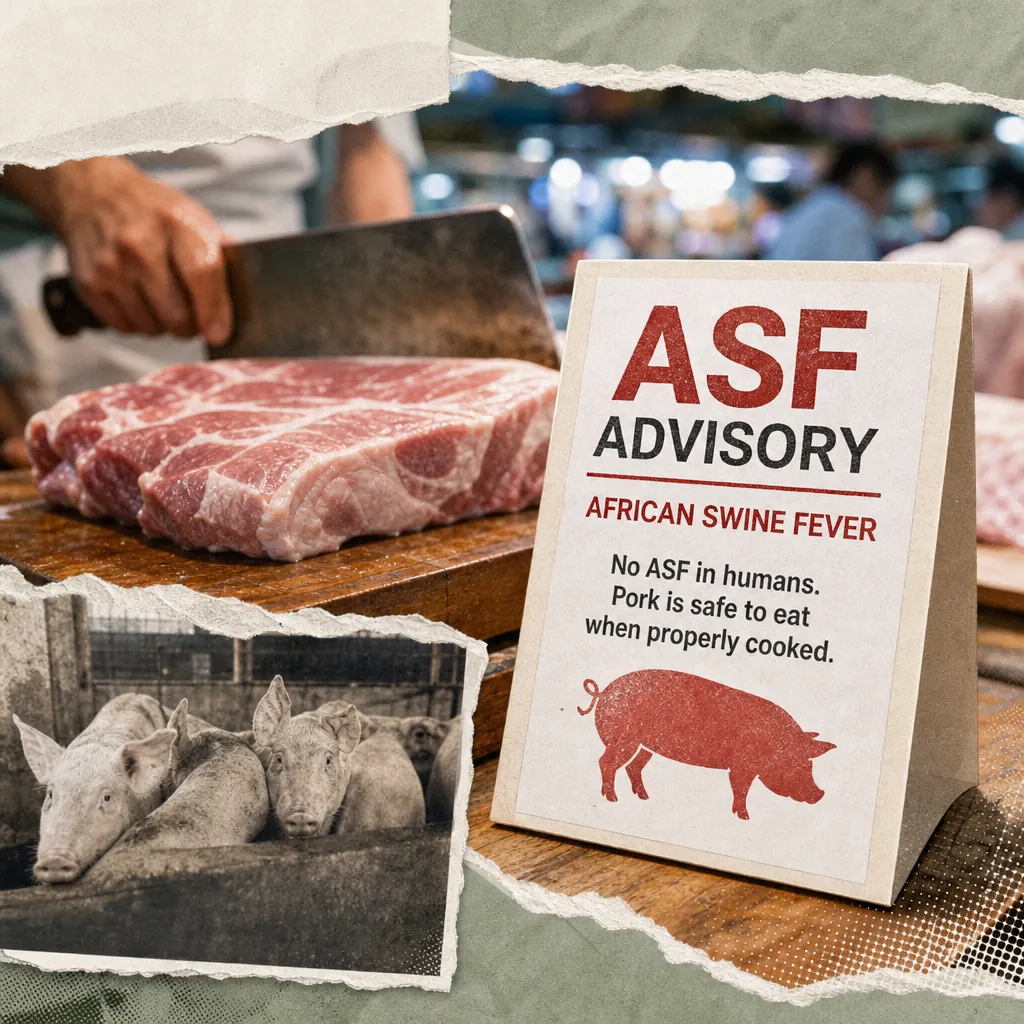
- Hog raisers in Iloilo seek government aid – Farmgate prices fell below production costs, prompting a municipal resolution urging provincial intervention. The lingering impact of African swine fever and expensive inputs compounded the crisis.
- Wage hike blocked by court order – A temporary restraining order halted the implementation of an P85 minimum wage increase in Metro Manila, sparking calls for due process and concern for workers' livelihoods.
- PRA moves to forfeit illegally reclaimed Taguig land – Senator Lacson revealed that the Philippine Reclamation Authority confirmed no permits were issued for reclamation in Taguig, leading to potential forfeiture and plunder charges against contractors.
- Electronics exports expected to grow 10% – The Semiconductor and Electronics Industries in the Philippines Foundation raised its 2026 forecast to $54 billion, driven by AI and data center demand, signaling a bright spot in the economy.
- Retail and business registration show resilience – DTI reported a 9% jump in business name registrations, led by wholesale and retail, while the OFR Awards celebrated retail excellence, suggesting underlying entrepreneurial activity despite economic headwinds.
How the narratives stack
- Dominant: The severe flooding and its cascading disruptions dominated both news coverage and social conversation. The postponement of PBA games, the cancellation of a transport strike, and the hazardous conditions on Kennon Road were all direct consequences of the weather. This narrative was reinforced by the sheer volume of articles and the public's immediate concern for safety and property.
- Counter-narrative: Amid the gloom, the electronics industry's optimistic export forecast and the surge in business registrations offered a counterpoint, suggesting that certain sectors remain resilient and growth-oriented. This narrative, while less prominent, provided a hopeful angle in an otherwise challenging day.
- Emerging: The PRA's move to forfeit illegally reclaimed land in Taguig emerged as a significant development, with potential implications for local governance and corruption accountability. The story, which included allegations of "ghost" flood control projects, could gain traction as investigations proceed.
- Suppressed: The plight of hog raisers in Iloilo, while covered by local media, received less national attention compared to the flooding and economic stories. This under-covered story highlights the struggles of agricultural communities that are often overlooked in broader economic discussions.
Platform insights
- Facebook: The primary platform for public reaction to the flooding, with users sharing safety updates, photos of submerged streets, and appeals for government assistance. The cancellation of the transport strike by MANIBELA was announced via Facebook, and the post likely generated significant engagement as commuters expressed relief and concern.
- X (formerly Twitter): Used for real-time updates on PBA postponements and venue changes, with fans and sports journalists sharing news and reactions. The hashtag #PBA likely trended as the league announced the schedule adjustments.
- YouTube: Likely featured news clips and vlogs documenting the flooding and its impact, as well as sports highlights from the San Miguel Beer game. The visual nature of the flooding made video content particularly compelling.
- Reddit: While less prominent in the Philippines, Reddit communities may have discussed the economic implications of the GDP and inflation figures, with users sharing personal experiences of rising prices and stagnant wages.
Key voices and communities
- Government officials and agencies: Senator Panfilo Lacson, Agriculture Secretary Francisco Tiu Laurel, and the PBA leadership were key voices, providing official statements on reclamation, sugar industry events, and game postponements. Their statements shaped the news agenda.
- Sports fans and commentators: The PBA community, including fans, coaches, and players, drove conversation around game postponements, team performances, and roster changes. Their engagement on social media kept the league in the spotlight despite the weather.
- Business and industry groups: Seipi president Dan Lachica and the Philippine Retailers Association represented the business sector, offering optimistic forecasts and celebrating industry achievements. Their voices provided a counterpoint to the day's negative news.
- Advocacy groups and workers: MANIBELA, the transport group, and hog raisers in Iloilo represented the concerns of workers and agricultural producers. Their calls for government intervention highlighted the human impact of economic and weather-related challenges.
- General public: The public's voice was evident in social media posts about flooding, commuting difficulties, and economic pressures. Their experiences and frustrations underscored the day's dominant narratives.
Narrative streams
Severe flooding and its cascading disruptions
The southwest monsoon, enhanced by Typhoon Maymay, dumped relentless rain on Metro Manila and nearby provinces, causing severe flooding that disrupted daily life. The PBA postponed its Sunday doubleheader at Ninoy Aquino Stadium, citing safety concerns for fans, players, and staff. The league also moved Tuesday's games to Ynares Center in Antipolo after the Ninoy Aquino Stadium experienced roof leaks during a previous game, causing a nearly hour-long delay. The flooding also forced the suspension of clearing operations on Kennon Road in Benguet, where mud and rock debris made the road hazardous. The Department of Public Works and Highways (DPWH) temporarily halted work due to unsafe conditions, leaving the road passable only for residents in certain areas. The transport group MANIBELA canceled its planned strike on August 10, prioritizing the safety of drivers and their families amid the flooding. The group had been demanding a fare increase of P5 to P10 from the current P13 minimum, citing rising fuel prices due to Middle East tensions. The cancellation was announced on Facebook, and the group said it would announce a new date later. The flooding also prompted humorous yet pointed commentary, such as a satirical piece about the La Mesa Dam being monitored by "seventeen men" saying "malapit na" (it's near), highlighting public frustration with the perceived lack of preparedness. The article, published by Manila News PH, used satire to critique the government's flood monitoring efforts, drawing attention to the dam's proximity to spilling level.
PBA navigates weather and venue issues
The PBA's handling of the weather disruptions became a story in itself. The league postponed Sunday's games between Rain or Shine and Phoenix, and Barangay Ginebra and Blackwater, with no immediate rescheduling announced. The decision was made "in light of the severe weather conditions," emphasizing safety as the top priority. Additionally, Tuesday's doubleheader featuring Converge against Terrafirma and NLEX versus TNT was moved from Ninoy Aquino Stadium to Ynares Center in Antipolo, Rizal, after the Manila venue experienced roof leaks during Friday's game between Magnolia and Meralco. The leak caused a delay of almost an hour before the game resumed, with Magnolia eventually winning 105-88. The venue change was announced on Sunday, and tickets purchased for the affected games were automatically refunded. Meanwhile, San Miguel Beer's dominant 131-79 victory over the Macau Giant Pandas on Saturday showcased the team's strength, with coach Leo Austria praising his bench players for contributing 84 points. The win moved San Miguel within half a game of Group A leader NLEX. Converge, on the other hand, brought in Cameron Clark as a new import to snap a three-game losing streak, replacing Jamaal Franklin, whose return lasted only three games. Clark, a familiar face in the PBA, was set for his fourth stint, having previously played for NLEX and San Miguel Beer.
Economic strain: slow growth, high inflation
The Philippine economy's first-half performance drew commentary, with GDP growth at 2.3% and inflation at 6.2%. An editorial in the Manila Bulletin highlighted the "double squeeze" on families: the economy is not growing fast enough to create jobs, while prices are rising faster than incomes. The piece argued that families experience the economy through grocery bills, fares, and utility costs, not abstract percentages. The editorial called for policies that address both growth and inflation, emphasizing the need for better-paying jobs and lower costs of living. The figures, which come from different reporting periods, converge in a painful reality for ordinary Filipinos. The article also noted that the inflation figure lags by a month, but the combined effect is clear: purchasing power is eroding, and opportunities are scarce.
Hog raisers in Iloilo seek government aid
Hog raisers in Iloilo are facing severe economic distress as farmgate prices fall below production costs. The municipal council of Leon passed a resolution urging Governor Arthur Defensor Jr. to provide relief measures and market safeguards. Council member Hilario Taño, who filed the resolution, highlighted the impact of low live-weight prices, escalating operating expenses, and the lingering effects of African swine fever (ASF). The resolution warned that the local swine industry is in crisis, with raisers unable to recover their capital. Data from the Leon Municipal Agriculture Office showed that farmgate prices have dropped, while the cost of feeds and veterinary supplies remains high. The resolution calls for provincial intervention to protect thousands of backyard and commercial producers from further losses. This story, covered by Panay News, underscores the challenges facing the agricultural sector, which often struggles to compete with imports and rising input costs.
Wage hike blocked by court order
Workers in Metro Manila are still waiting for an P85 minimum wage increase after a temporary restraining order (TRO) halted its implementation. The first tranche of P60 was supposed to take effect on July 25, with the remaining P25 scheduled for January 2027. The TRO, issued by the court, prevents the wage order from being enforced while employers challenge it. An editorial in the tabloid PM argued that while the increase would not solve poverty, it would provide immediate relief to families struggling with high costs. The editorial emphasized the importance of respecting the legal process but urged that disputes be resolved through proper mechanisms, not shortcuts like TROs. Employers have expressed concerns about the cost of the increase, including potential layoffs and impacts on other regions. The editorial called for a balance between workers' needs and business viability, but stressed that the wage board's decision should be upheld.
PRA moves to forfeit illegally reclaimed Taguig land
Senator Panfilo Lacson revealed that the Philippine Reclamation Authority (PRA) has started proceedings to forfeit illegally reclaimed land in Taguig City. In a radio interview, Lacson said the PRA confirmed that the Taguig government had not secured a single permit for the reclamation. The PRA, which is mandated to regulate reclamation and issue permits, is moving toward a board resolution to start forfeiture proceedings. Lacson argued that if reclamation is done without a permit, the logical conclusion is that the land should be forfeited in favor of the national government. He also mentioned that contractors behind 32 "ghost" flood control projects would face plunder charges for billing the government using recycled photographs. The story, covered by multiple outlets including the Manila Times and Philstar, highlights issues of local governance and corruption. The reclaimed land may be benefiting residents, as former Senate President Alan Peter Cayetano claims, but Lacson stressed that proper procedures and laws must be followed.
Electronics exports expected to grow 10%
The Semiconductor and Electronics Industries in the Philippines Foundation (Seipi) raised its 2026 export forecast to $54 billion, a 10% growth from 2025's $49.64 billion. Seipi president Dan Lachica said the revised forecast was driven by stronger-than-expected performance and continued demand from AI and data centers, particularly for servers and networking systems. In 2025, electronics exports surged 16%, exceeding Seipi's initial forecast of 5%. Lachica admitted, "We honestly did not expect 16 percent," citing geopolitical conflicts and supply chain disruptions that had clouded the outlook. The growth is expected to be supported by demand for equipment used in AI and data centers. This positive news provides a counterpoint to the day's economic gloom, suggesting that the Philippines remains competitive in the global electronics market.
Retail and business registration show resilience
Despite economic challenges, business registrations with the Department of Trade and Industry (DTI) rose by nearly 9% in the seven months through July, reaching 769,623. New registrations accounted for 85% of the total, with the wholesale and retail trade sector leading at 55%. The accommodation and food service sector ranked second, followed by real estate and manufacturing. This surge suggests entrepreneurial activity remains robust, particularly in consumer-facing sectors. The Outstanding Filipino Retailers (OFR) Awards 2026, held after the National Retail Conference and Expo, celebrated the country's top retailers for innovation, customer experience, and sustainability. The event, organized by the Philippine Retailers Association, highlighted the industry's resilience and commitment to excellence. These stories, covered by Manila Bulletin and AKUURA, indicate that while the economy faces headwinds, the retail sector is adapting and growing.
Conversation trajectory
- Over the next 24-48 hours: The immediate focus will remain on the weather and its aftermath. As floodwaters recede, attention will shift to cleanup efforts, damage assessment, and any government response. The PBA will announce rescheduled dates for postponed games, and fans will watch for updates on venue changes. The transport strike cancellation may lead to discussions about fare hikes, with MANIBELA likely to announce a new date.
- Over the next 1-2 weeks: The PRA's forfeiture proceedings against Taguig land will likely develop, with possible board resolutions and legal challenges. The electronics export forecast may attract investor attention, potentially boosting market sentiment. The wage hike TRO case could see court hearings, and workers' groups may stage protests if the issue drags on. The hog raisers' situation in Iloilo may prompt provincial action, with possible relief packages or market interventions.
- Over the next 1-3 months: The economic narrative will be shaped by upcoming GDP and inflation data for the third quarter. If growth remains sluggish and inflation persists, public pressure on the government may increase. The sugar industry convention in August could produce policy recommendations, while the retail sector's momentum may continue, supported by holiday season spending. The PBA season will progress, with teams jockeying for playoff positions, and the league's handling of weather disruptions may influence its reputation.
Trigger events to watch: The PRA board's resolution on forfeiture, the court's decision on the wage TRO, the resumption of transport strikes, and the release of new economic data. Any major weather event could reignite flooding concerns, while corporate earnings reports from electronics firms could validate or challenge the export forecast.
Response guidance
- For government agencies: Communicate clearly and proactively about flood response and recovery efforts. Use social media to provide real-time updates on road conditions, public transport, and relief operations. Address public concerns about infrastructure resilience and long-term solutions to flooding. For the PRA, ensure transparency in the forfeiture process and explain the legal basis to the public.
- For businesses: Acknowledge the challenges posed by the weather and economic conditions, but highlight resilience and adaptability. For retailers, emphasize the value of local products and services, and consider promotions that ease consumer burdens. For electronics firms, leverage the positive export forecast to attract investment and talent. For the PBA, prioritize fan safety and communication, and consider flexible scheduling to minimize disruptions.
- For advocacy groups: Use the flooding and economic strain to push for policy changes, such as better flood control, wage increases, and support for farmers. Frame messages around human impact and urgency, and use social media to mobilize support. For transport groups, coordinate with authorities to ensure safety during strikes, and communicate fare hike demands clearly.
- Sensitive topics: Avoid downplaying the severity of flooding or economic hardship. Be empathetic and solution-oriented. When discussing corruption, focus on due process and accountability. When addressing wage issues, balance worker needs with business viability. Avoid politicizing the weather or economic data; instead, focus on practical solutions and collective action.
See the full picture behind today's signals.
This report draws from Media Meter's MediaWatch, our real-time monitoring engine tracking 2,470+ Philippine sources across print, broadcast, digital, and social. Explore how the platform turns raw coverage into decision-grade intelligence, then see how it's configured for teams like yours — whether you're in PR agencies, corporate comms, government, or marketing.
Want more? Browse our Report Library for sector and crisis intelligence, or request a demo and we'll have your brand set up before the call.
Want this kind of intelligence on your brand?
This brief is built on the same MediaWatch methodology that runs continuously across every brand we monitor. See your competitive landscape, Impact Score, and narrative trajectory in a 30-minute demo.