School safety, political accountability, and infrastructure dominate a day of overlapping crises
On June 25, 2026, Philippine social and news media converged around three major threads: the Tacloban school shooting and subsequent policy responses, escalating legal battles involving senators and former officials, and the government's flood control and infrastructure challenges. The day also saw significant coverage of seafarer welfare, disaster response, and weather events.
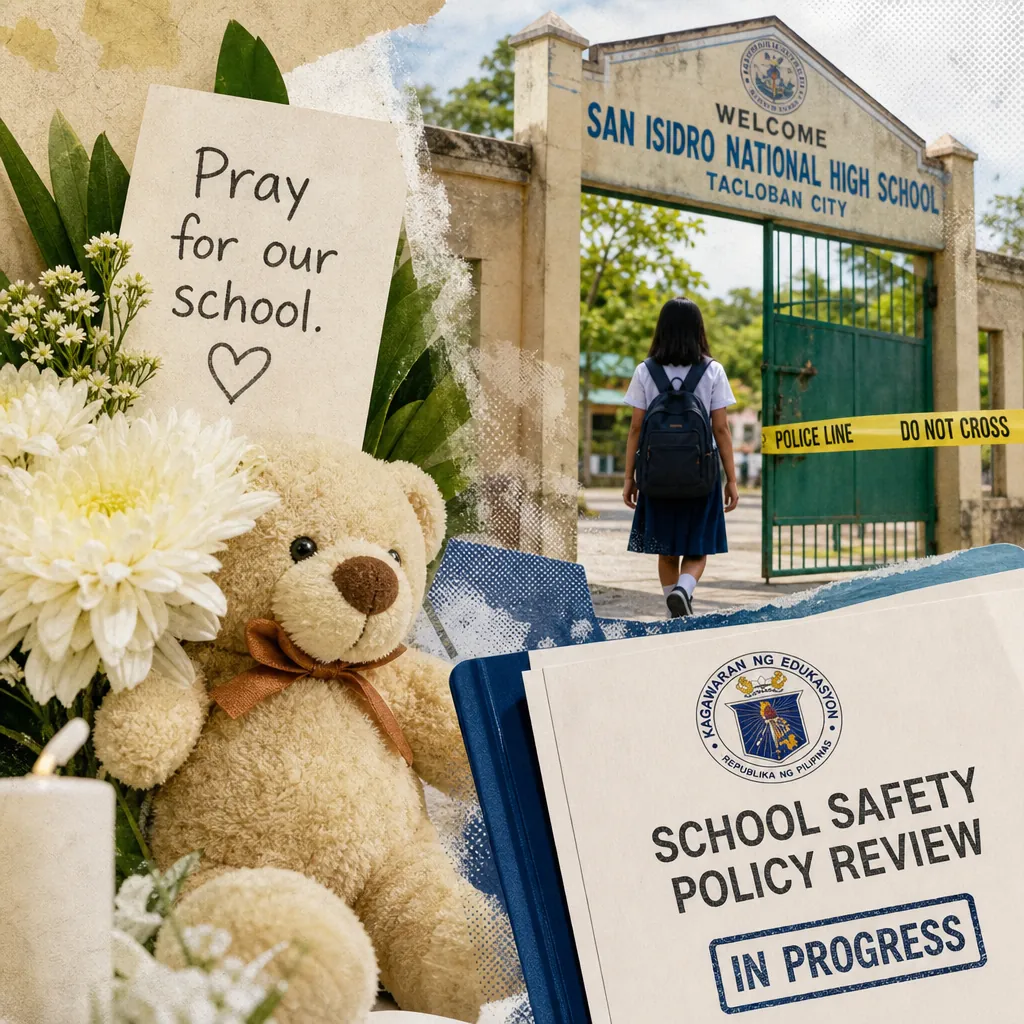
The conversation on June 25, 2026, was shaped by a dense convergence of crises and accountability narratives. The Tacloban school shooting, which killed three students on June 22, continued to dominate public discourse as the government rolled out a multi-agency response. Interior Secretary Jonvic Remulla held a press briefing confirming that a second planned attack in Tolosa, Leyte, had been thwarted due to a tip from Senator Bam Aquino. The briefing, livestreamed on YouTube, drew over 30,000 views and 292 likes, signaling intense public interest. Remulla proposed amendments to gun laws, a ban on the violent video game "GoreBox," and reforms to the Juvenile Justice Act. The Department of Education (DepEd) announced it would hire more guidance counselors, and the Philippine National Police (PNP) said it would increase visibility in schools through weekly participation in flag ceremonies. The Juvenile Justice and Welfare Council (JJWC) opposed lowering the minimum age of criminal responsibility, arguing that harsher laws do not deter youth violence. Meanwhile, a viral Facebook post mourning a student named Rene amassed 4,587 likes and 11,320 sad reactions, capturing the nation's grief.
Simultaneously, political and legal accountability stories unfolded. Former Senator Antonio Trillanes IV filed a cyber libel complaint at the Department of Justice against Senators Alan Peter Cayetano and Rodante Marcoleta, along with 18 self-described former bodyguards, over statements made during a Senate hearing. The post by GMA News on Facebook garnered 13,084 likes and 3,916 "haha" reactions, indicating public mockery. The Office of the Ombudsman ordered Cayetano, Senator Robin Padilla, and former Senate Sergeant-at-Arms Mao Aplasca to submit counter-affidavits in an obstruction of justice complaint related to the escape of Senator Bato dela Rosa. The Bureau of Internal Revenue (BIR) announced that the Department of Justice had found probable cause to file 44 criminal tax evasion cases totaling over P1.68 billion against three former Department of Public Works and Highways (DPWH) officials linked to anomalous flood control projects. The Sandiganbayan denied Senator Jinggoy Estrada's bid to consolidate his plunder and graft cases. The National Bureau of Investigation (NBI) filed human trafficking charges against the wife of former Congressman Mike Defensor over a raided KTV bar in Pasig City. Defensor responded with a social media video claiming the case was fabricated to silence him about irregularities in flood control projects, a post that drew over 3,500 likes and 3,753 "haha" reactions.
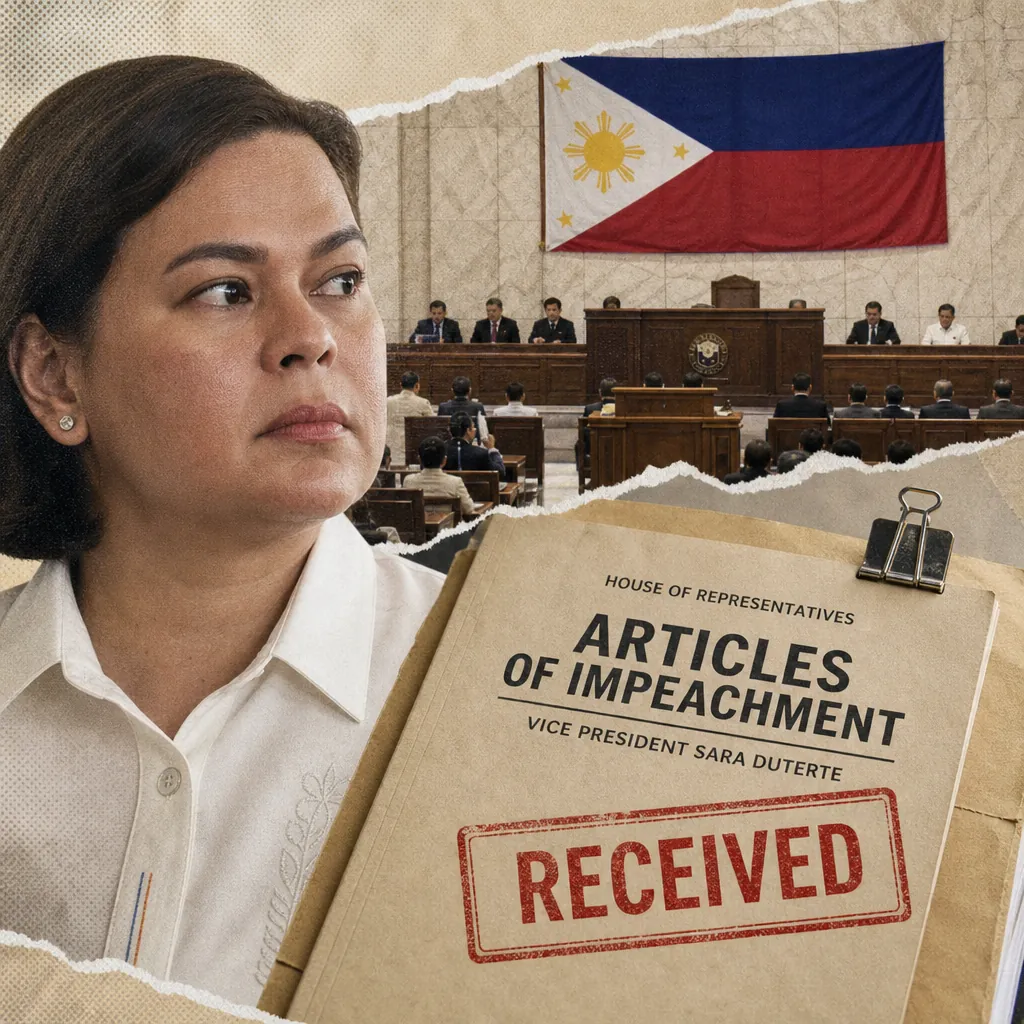
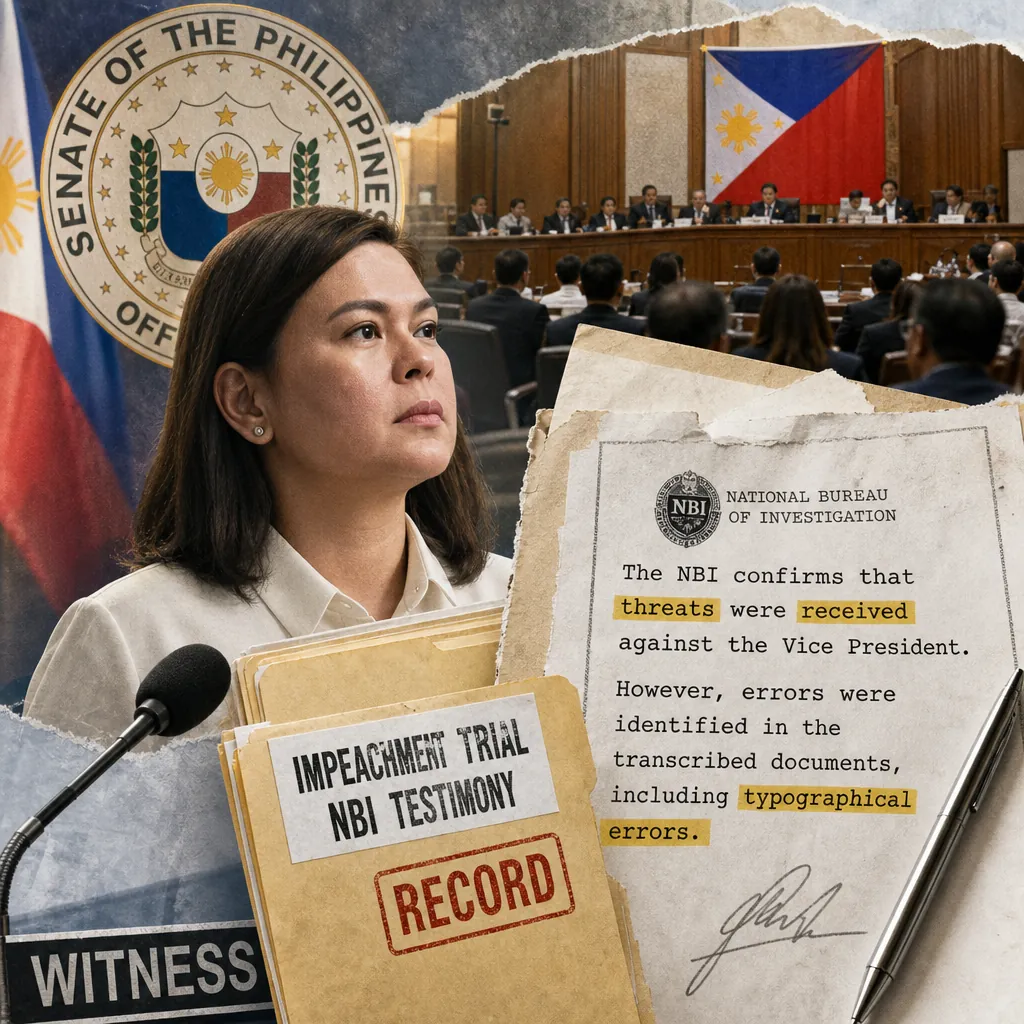
The impeachment pre-trial of Vice President Sara Duterte concluded, with the House prosecution panel thanking the Senate impeachment court for completing the marking of documentary evidence. The trial proper is set to begin on July 6. The prosecution included a witness listed as "Mary Grace Piattos," a name that sparked widespread mockery and debate. Palace Press Officer Claire Castro defended the administration's focus, denying that the impeachment trial was overshadowing the flood control probe.
Infrastructure and flood control remained a key theme. President Ferdinand Marcos Jr. ordered the Department of Transportation to resolve right-of-way issues hampering the LRT-1 Cavite Extension. The DPWH announced the rehabilitation of 36 pumping stations, including the Padre Faura station along Roxas Boulevard, which had been non-operational for nearly a year. The MMDA deployed 10,000 TUPAD workers for cleanup and flood mitigation. The completion of the long-delayed Udalo Bridge in Occidental Mindoro was celebrated with 3,002 likes on Facebook. However, the Angat Dam water level continued to drop, nearing the critical 160-meter mark, raising concerns about water supply.
On the weather front, Severe Tropical Storm Francisco exited the Philippine Area of Responsibility (PAR), while Tropical Storm Gardo (international name Higos) entered PAR but was projected to stay far from land. PAGASA's official bulletin on Twitter received 6,153 views. The enhanced southwest monsoon (habagat) was expected to bring rains to Luzon and Western Visayas.
Seafarer welfare was highlighted on the Day of the Filipino Seafarer. President Marcos released a message honoring seafarers, which drew 2,898 likes but also 6,572 "haha" reactions, suggesting mixed public sentiment. The Maritime Industry Authority (MARINA) and the Department of Foreign Affairs (DFA) signed a memorandum of agreement to integrate the eApostille system with MARINA's MeCAV platform, aiming to reduce documentary verification time. Meanwhile, 81 Filipino seafarers remained stranded in the Strait of Hormuz due to Middle East tensions, with MARINA confirming evacuation plans.
Disaster response continued for the magnitude 7.8 earthquake that struck Mindanao on June 8. The DSWD reported distributing 631,297 family food packs and over P26.9 million in emergency cash transfers to 4,023 families. Vice President Sara Duterte and former Senator Kiko Pangilinan both visited affected areas, sparking partisan debates on social media about the sincerity of their visits. A post defending Pangilinan against accusations of politicking received 110 likes and 142 love reactions, but also 16 "haha" reactions, reflecting the polarized environment.
Key themes
- School safety and youth violence prevention: The Tacloban shooting and the averted Tolosa attack triggered a wave of policy proposals, including gun law amendments, a ban on violent video games, juvenile justice reform, and increased hiring of school counselors. The public response was marked by grief and skepticism, with viral posts expressing both sorrow and cynicism.
- Political accountability and legal battles: Multiple legal actions were filed or advanced, including Trillanes' cyber libel complaint against Cayetano and Marcoleta, the Ombudsman's order against Cayetano and Padilla, and the BIR's tax evasion cases against former DPWH officials. These developments generated high engagement, often with mocking reactions.
- Impeachment trial of Vice President Sara Duterte: The pre-trial phase concluded, with the prosecution marking thousands of exhibits and the defense preparing for cross-examination. The inclusion of a witness named "Mary Grace Piattos" became a focal point of public amusement and debate.
- Flood control and infrastructure challenges: The government faced scrutiny over flood control corruption, with the Palace acknowledging that cautious fund releases had slowed infrastructure spending. The DPWH moved to rehabilitate pumping stations, and the President ordered the resolution of LRT-1 right-of-way issues.
- Weather and disaster preparedness: Twin tropical cyclones Francisco and Gardo dominated weather news, with PAGASA and NDRRMC providing regular updates. The public showed anxiety despite assurances of no landfall, as reflected in sad reactions on Facebook posts.
- Seafarer welfare and crisis: The Day of the Filipino Seafarer was marked by both celebration and concern, as 81 seafarers remained stranded in the Strait of Hormuz. The government highlighted digitalization efforts to improve document processing.
- Earthquake response and partisan divides: The Mindanao earthquake response continued, with DSWD distributing aid. Political visits by Vice President Duterte and Senator Pangilinan sparked partisan debates on social media, with accusations of photo opportunities versus genuine assistance.
How the narratives stack
Dominant: The school safety narrative, driven by the Tacloban shooting and the averted Tolosa attack, dominated both news coverage and social media engagement. The DILG press conference, DepEd's counselor hiring plan, and the JJWC's stance on juvenile justice all contributed to a sustained policy debate. The emotional resonance of the tragedy, captured by the viral post about Rene, made this the most impactful story of the day.
Counter-narrative: The political accountability thread, including the Trillanes cyber libel complaint and the Ombudsman's order, provided a counterpoint focused on elite corruption and legal maneuvering. This narrative attracted high engagement, often with mocking reactions, and kept the spotlight on Senate infighting and the flood control scandal.
Emerging: The impeachment trial of Vice President Duterte, while still in pre-trial, is emerging as a major narrative that will intensify in July. The "Mary Grace Piattos" witness has already generated significant public interest and mockery, and the trial proper is expected to dominate headlines.
Suppressed: The positive infrastructure stories, such as the Udalo Bridge completion and the pumping station rehabilitation, received lower engagement compared to crisis narratives. The Palace's acknowledgment that cautious spending had slowed infrastructure growth suggests that these successes are being overshadowed by corruption allegations.
Platform insights
- Facebook: The dominant platform for emotional engagement and partisan debate. The viral post about Rene's story received 11,320 sad reactions, while the Trillanes cyber libel post garnered 13,084 likes and 3,916 "haha" reactions. Political visits to earthquake-affected areas also sparked polarized reactions, with posts about Vice President Duterte and Senator Pangilinan receiving both love and haha reactions.
- Twitter: Served as a breaking-news hub for official updates and rapid sharing. PAGASA's tropical cyclone bulletin received 6,153 views, and GMA News' coverage of the Trillanes complaint was widely shared. The platform was also used for real-time updates on the impeachment pre-trial and the Ombudsman's order.
- YouTube: The primary outlet for official press conferences and long-form analysis. The DILG press briefing on the averted school attack drew over 30,000 views, while the RTVM video of President Marcos' Bawat Bayan Makikinabang event in Koronadal City received 579 views. Independent weather vloggers also attracted significant viewership, with one video on Gardo's path garnering 24,685 views.
- Reddit: Featured more analytical and speculative discussions. A post about the averted school shooting in Leyte received 567 upvotes and 135 comments, while a query about Special Power of Attorney for OFW documents highlighted practical bureaucratic challenges.
Key voices and communities
- Government agencies and officials: DILG Secretary Jonvic Remulla, DepEd Secretary Sonny Angara, PNP Chief Gen. Jose Melencio Nartatez Jr., and Palace Press Officer Claire Castro were the most visible official voices, driving the school safety and accountability narratives. Their statements were widely covered by media and generated significant engagement.
- Political figures and legal actors: Former Senator Antonio Trillanes IV, Senators Alan Peter Cayetano and Robin Padilla, and Vice President Sara Duterte were central to the legal and political narratives. Trillanes' cyber libel complaint and the Ombudsman's order kept the spotlight on Senate controversies.
- Media and news outlets: ABS-CBN, GMA News, Manila Bulletin, Philippine Star, Rappler, and regional outlets like Bombo Radyo and RMN Cebu were the primary amplifiers of news. Their posts drove the highest engagement, particularly on Facebook and YouTube.
- Civil society and advocacy groups: The Juvenile Justice and Welfare Council (JJWC) and the Liberal Party (LP) weighed in on school safety and political accountability. The JJWC opposed lowering the age of criminal responsibility, while the LP condemned AI-generated videos targeting Senator Pangilinan.
- Affected communities and individual voices: The family of the Tacloban victims, represented by the viral post about Rene, and the mother of Ateneo student-athlete Rene Baterbonia, who gave a sworn statement to the CIDG, added emotional weight to the conversation.
Narrative streams
School safety and the Tacloban shooting aftermath
The Tacloban school shooting, which occurred on June 22, continued to dominate the conversation on June 25. DILG Secretary Remulla held a press briefing confirming that a second planned attack in Tolosa, Leyte, had been prevented due to a tip from Senator Bam Aquino. Remulla proposed three key reforms: amending gun laws to hold gun owners liable for improper storage, banning the violent video game "GoreBox," and reforming the Juvenile Justice Act to address the use of minors in crimes. The briefing was livestreamed on YouTube and drew over 30,000 views, indicating strong public interest.
DepEd Secretary Sonny Angara convened a multi-agency security briefing with the PNP, NBI, and Cybercrime Investigation and Coordinating Center (CICC) to strengthen school safety measures nationwide. The PNP announced it would enhance visibility in schools by participating in weekly flag ceremonies and educational activities. The JJWC, however, opposed lowering the minimum age of criminal responsibility, arguing that studies show harsher laws do not deter youth violence.
On social media, a Facebook post mourning a student named Rene went viral, amassing 4,587 likes and 11,320 sad reactions. The post captured the nation's grief and frustration, with the author writing, "Rene has become a symbol of that resentment." The emotional response highlighted the public's demand for justice and systemic change.
Political accountability: Trillanes, Cayetano, and the Ombudsman
Former Senator Antonio Trillanes IV filed a 25-page cyber libel complaint at the Department of Justice against Senators Alan Peter Cayetano and Rodante Marcoleta, along with 18 self-described former bodyguards, over statements made during a June 4 Senate hearing. Trillanes accused the respondents of "manufactured lies" and violating the Cybercrime Prevention Act. The post by GMA News on Facebook garnered 13,084 likes and 3,916 "haha" reactions, indicating strong public mockery toward the accused.
Simultaneously, the Office of the Ombudsman ordered Senators Cayetano and Robin Padilla, along with former Senate Sergeant-at-Arms Mao Aplasca, to submit counter-affidavits in an obstruction of justice complaint filed by the coalition Tindig Pilipinas. The complaint stemmed from the May 2026 shooting incident and the subsequent escape of Senator Bato dela Rosa from the Senate premises. The Ombudsman's 15-day deadline became a focal point for commentary, with ABS-CBN News reporting the story with 22,801 views and 736 likes.
These legal actions were part of a broader accountability push that also included the BIR's filing of 44 criminal tax evasion cases totaling over P1.68 billion against three former DPWH officials. The cases, approved by the DOJ, involved significant discrepancies between declared income and actual expenditures. The Sandiganbayan also denied Senator Jinggoy Estrada's bid to consolidate his plunder and graft cases, allowing the cases to proceed separately.
Impeachment pre-trial concludes, trial set for July 6
The five-day pre-trial conference for Vice President Sara Duterte's impeachment concluded on June 25, with the House prosecution panel thanking the Senate impeachment court for completing the marking of documentary evidence. The prosecution submitted thousands of exhibits, and the defense confirmed its readiness for cross-examination. The trial proper is set to begin on July 6, with the court operating from Monday to Wednesday at 2 p.m..
A notable development was the inclusion of a witness listed as "Mary Grace Piattos" on the prosecution's list. The name, which appears to be a pseudonym, sparked widespread mockery and debate on social media. The Philippine Statistics Authority (PSA) confirmed that no such name exists in its records, leading to speculation about the witness's identity. The defense camp, led by Atty. Michael Poa, said they would defer to the impeachment court on the matter.
Palace Press Officer Claire Castro defended the administration's focus, denying that the impeachment trial was overshadowing the flood control probe. She suggested that Senator Cayetano should check Facebook for updates on the investigation, a remark that drew further attention to the political tensions.
Flood control and infrastructure: Corruption, delays, and rehabilitation
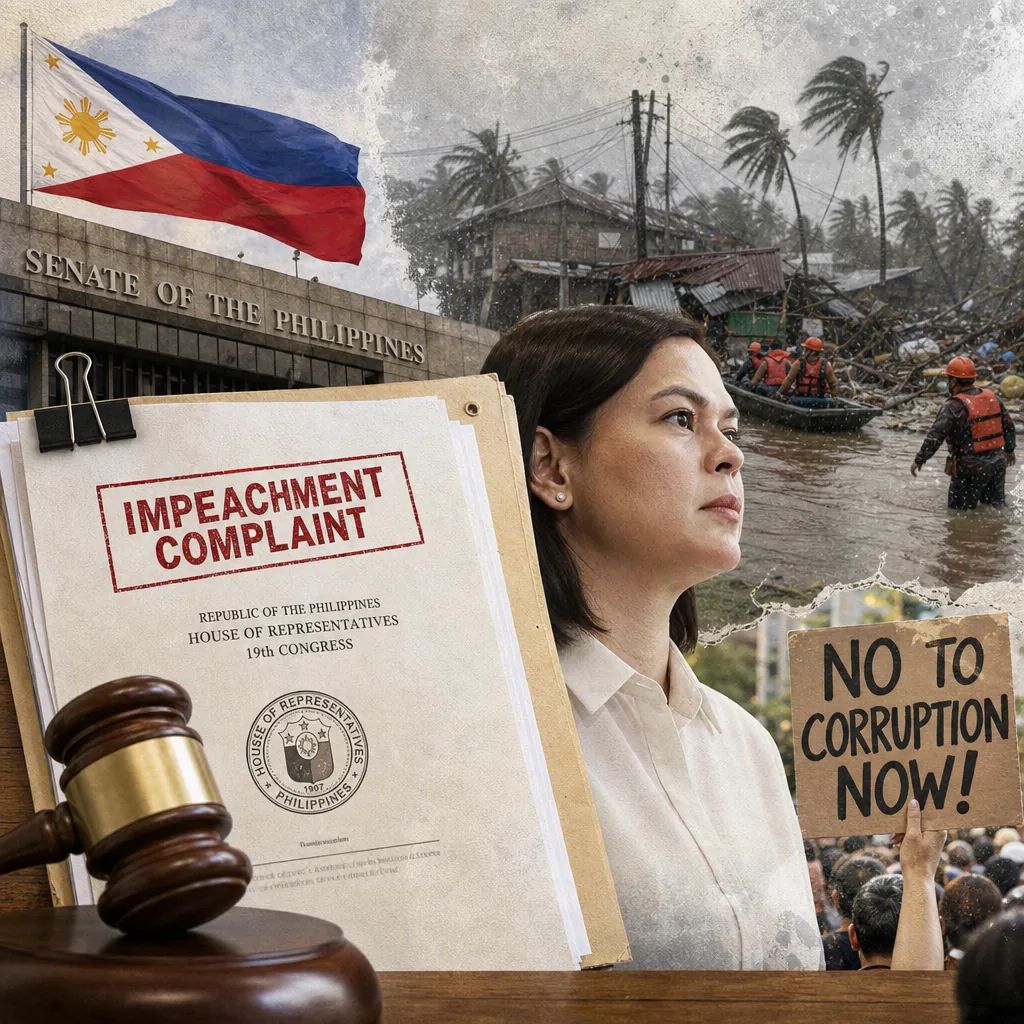
The flood control scandal remained a persistent undercurrent, with the Palace acknowledging that cautious fund releases had slowed infrastructure spending. Palace Press Officer Castro said that the government needed to spend more on infrastructure, but that the DPWH had become extremely cautious after tighter rules were enforced following the multibillion-peso flood control scandal last year.
President Marcos ordered the Department of Transportation to resolve right-of-way issues hampering the LRT-1 Cavite Extension. The DPWH announced the rehabilitation of 36 pumping stations, including the Padre Faura station along Roxas Boulevard, which had been non-operational for nearly a year. The MMDA deployed 10,000 TUPAD workers for cleanup and flood mitigation.
The completion of the long-delayed Udalo Bridge in Occidental Mindoro was celebrated with 3,002 likes on Facebook, providing a positive counterpoint to the corruption narrative. However, the Angat Dam water level continued to drop, nearing the critical 160-meter mark, raising concerns about water supply for Metro Manila.
Weather: Twin cyclones and monsoon rains
Severe Tropical Storm Francisco exited the Philippine Area of Responsibility (PAR) on the evening of June 25, while Tropical Storm Gardo (international name Higos) entered PAR but was projected to stay far from land. PAGASA's official bulletin on Twitter received 6,153 views, making it the most-viewed single post in the dataset. The enhanced southwest monsoon (habagat) was expected to bring rains to Luzon, Panay, and Negros Occidental.
Public sentiment on Facebook showed anxiety, with a Cebu-based radio station post receiving 75 sad reactions despite assurances of no landfall. Independent weather vloggers on YouTube attracted significant viewership, with one video on Gardo's path garnering 24,685 views.
Seafarer welfare: Celebration amid crisis
The Day of the Filipino Seafarer was marked by both celebration and concern. President Marcos released a message honoring seafarers, which drew 2,898 likes but also 6,572 "haha" reactions, suggesting mixed public sentiment. The MARINA and DFA signed a memorandum of agreement to integrate the eApostille system with MARINA's MeCAV platform, aiming to reduce documentary verification time for seafarers.
However, 81 Filipino seafarers remained stranded in the Strait of Hormuz due to Middle East tensions, with MARINA confirming evacuation plans. The contrast between the celebratory messaging and the real-world crisis highlighted the challenges facing the sector.
Earthquake response: Aid distribution and partisan divides
The response to the magnitude 7.8 earthquake that struck Mindanao on June 8 continued, with the DSWD reporting the distribution of 631,297 family food packs and over P26.9 million in emergency cash transfers to 4,023 families. The DSWD also deployed mobile kitchens and conducted airlifts to remote communities.
Political visits by Vice President Sara Duterte and former Senator Kiko Pangilinan sparked partisan debates on social media. A News5 post about Vice President Duterte's visit to Balut Island received 597 likes, 737 love reactions, and 546 "haha" reactions, indicating a mix of support and mockery. A post defending Pangilinan against accusations of politicking received 110 likes and 142 love reactions, but also 16 "haha" reactions, reflecting the polarized environment.
Conversation trajectory
- School safety reforms will intensify over the next 3-4 weeks: The Tacloban shooting and the averted Tolosa attack have created a rare alignment of public concern and political will. Congress is expected to hold hearings on proposed gun law amendments, juvenile justice reform, and the ban on violent video games. The JJWC's opposition to lowering the age of criminal responsibility will likely spark further debate.
- Legal and political accountability will escalate in July: The Ombudsman's 15-day deadline for Cayetano and Padilla to submit counter-affidavits will likely lead to a new wave of accusations and counter-accusations by mid-July. The impeachment trial of Vice President Duterte, starting July 6, will dominate national discourse and could divert attention from other governance issues.
- Flood control and infrastructure will remain under scrutiny: The Palace's acknowledgment of cautious spending and the ongoing rehabilitation of pumping stations will keep the flood control narrative alive. The Angat Dam water crisis, with levels nearing the critical 160-meter mark, will add urgency to water security discussions.
- Weather and disaster preparedness will be a recurring theme: The twin cyclones and the enhanced monsoon will keep disaster preparedness in the spotlight. The public's emotional response, as seen in the sad reactions on Facebook, suggests that anxiety about weather events is high.
- Seafarer welfare will be tested by the Strait of Hormuz crisis: The situation of 81 stranded seafarers could become a reputational risk if evacuation plans stall. The government's digitalization efforts, such as the MeCAV-eApostille integration, may help offset negative narratives.
Key trigger events: The Ombudsman's preliminary investigation decisions on the obstruction complaints (mid-July), the start of the impeachment trial (July 6), the release of the Post-Disaster Needs Assessment for the Mindanao earthquake (within 2-3 weeks), and the next PAGASA advisory on the monsoon (within 24-36 hours).
Response guidance
- School safety: Prioritize clear, factual messaging on the government's response to the Tacloban shooting and the averted Tolosa attack. Highlight the multi-agency coordination and the proposed reforms, but avoid overpromising. Acknowledge public grief and skepticism with empathy.
- Political accountability: Avoid engaging in partisan debates. Focus on the legal processes and the importance of due process. Use the Ombudsman's order and the BIR's tax evasion cases as examples of ongoing accountability.
- Impeachment trial: Maintain a neutral tone, emphasizing that the trial is a constitutional process. Avoid commenting on the merits of the case or the "Mary Grace Piattos" witness. Instead, reinforce that all evidence will be examined fairly.
- Flood control and infrastructure: Proactively release updates on pumping station rehabilitation and the LRT-1 extension. Use the Udalo Bridge completion as a positive example of project delivery. Address the Angat Dam crisis with transparent information on conservation measures.
- Weather and disaster preparedness: Issue localized advisories for the enhanced monsoon, emphasizing that while storms may not make landfall, indirect effects like flooding are still possible. Use the NDRRMC's #BawatSegundoMahalaga hashtag consistently.
- Seafarer welfare: Provide regular updates on the stranded seafarers in the Strait of Hormuz, including evacuation plans and certificate extensions. Highlight the digitalization efforts as a tangible improvement.
- Earthquake response: Amplify the DSWD's aid distribution numbers and human-interest stories to counter accusations of photo opportunities. Frame all political visits as part of a unified national response.
Want this kind of intelligence on your brand?
This brief is built on the same MediaWatch methodology that runs continuously across every brand we monitor. See your competitive landscape, Impact Score, and narrative trajectory in a 30-minute demo.