Impeachment, disaster, and corruption: A day of converging crises in the Philippines
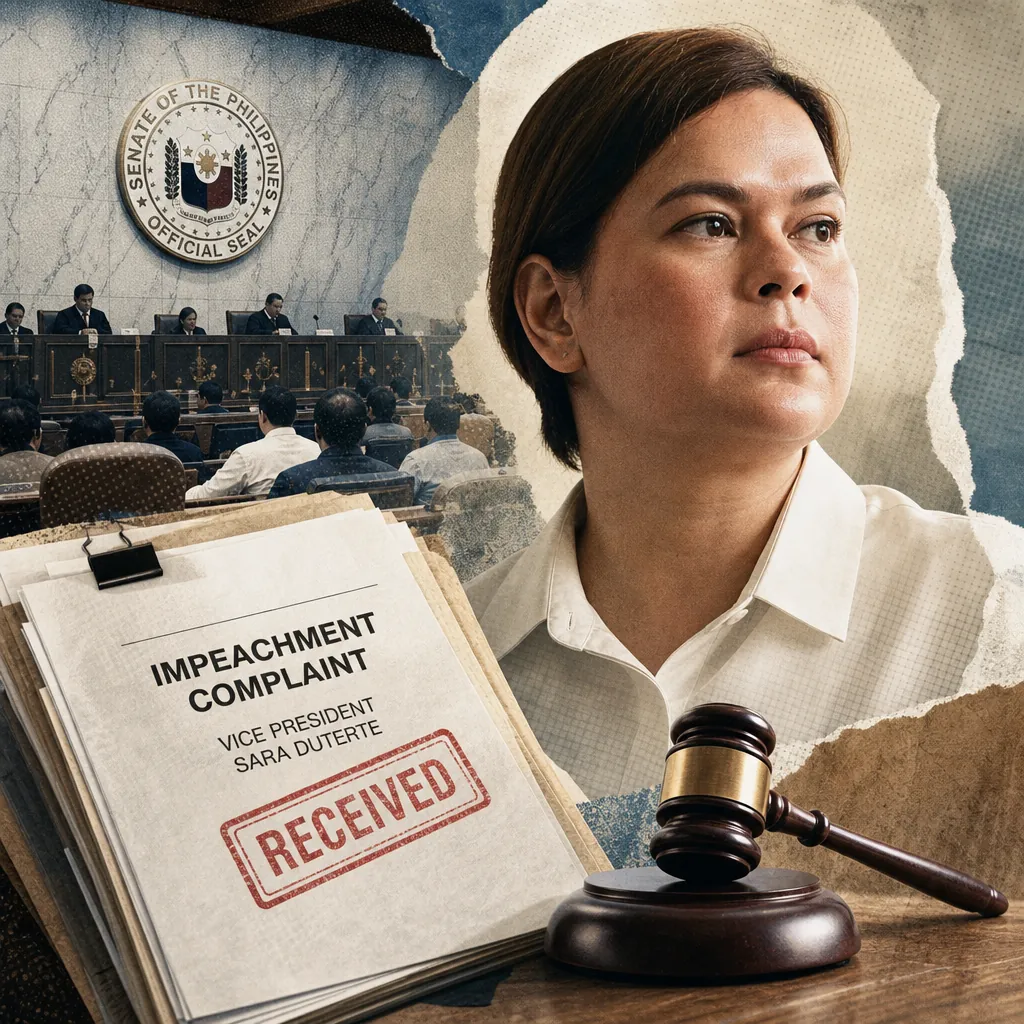
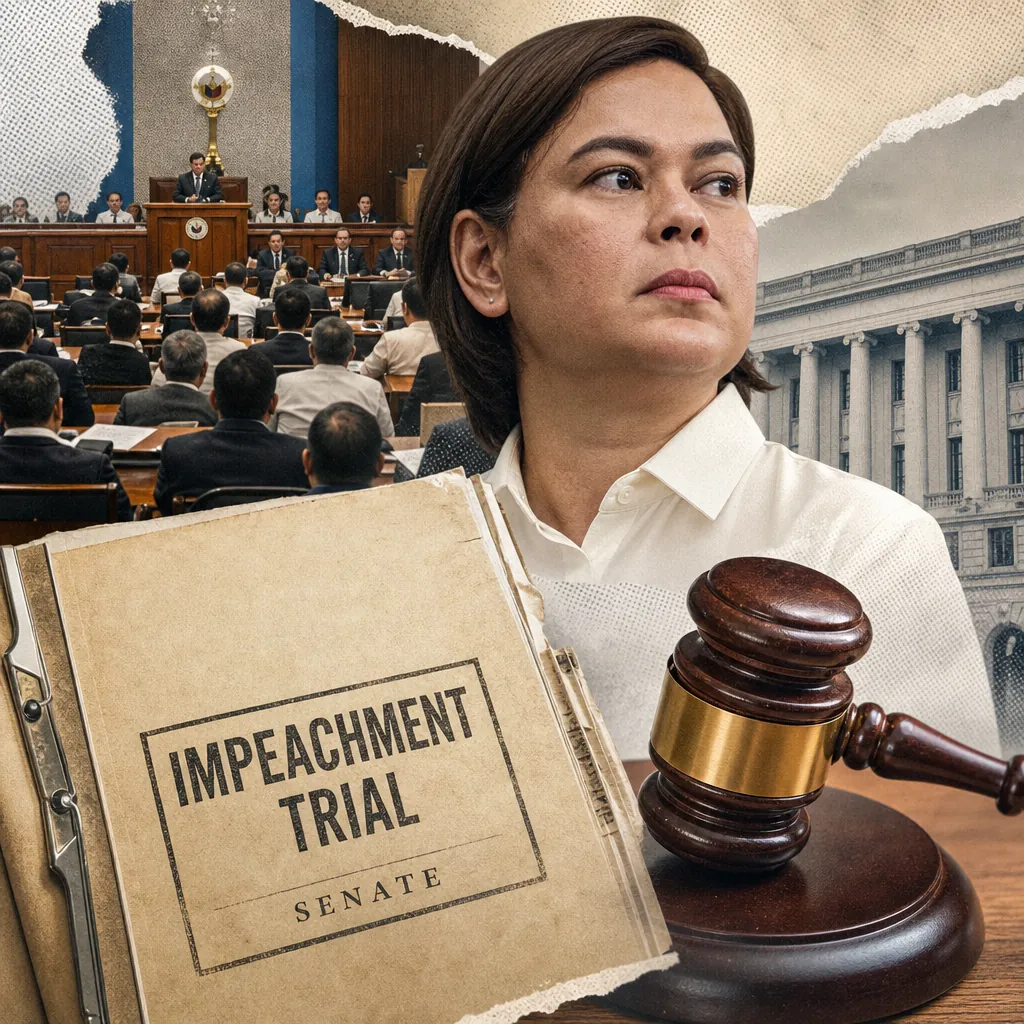
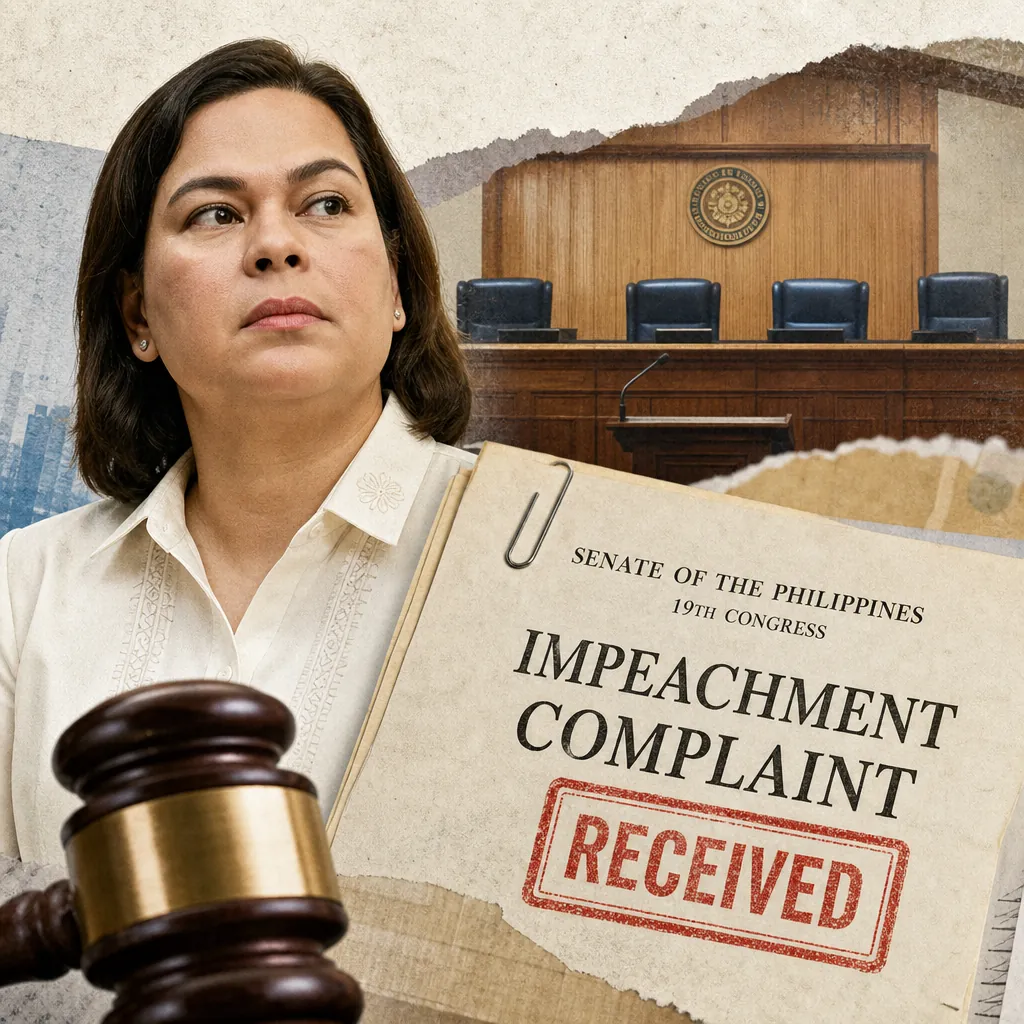
The July 11, 2026 conversation was dominated by the first week of VP Sara Duterte's impeachment trial, the deadly aftermath of Typhoon Inday, and a surge in anti-corruption discourse, revealing deep public cynicism and a government under multi-front pressure.
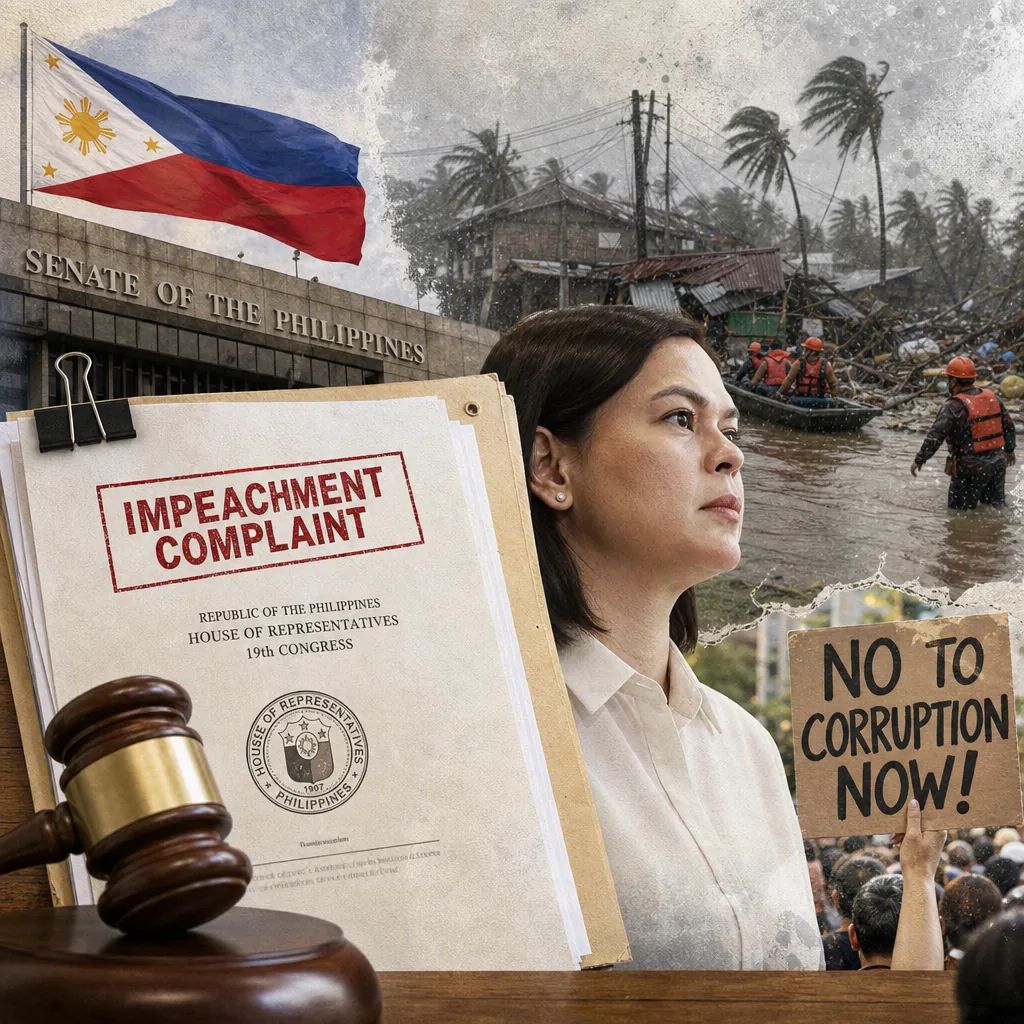
The conversation on July 11, 2026, was not a single story but a convergence of crises, each generating its own intense, often overlapping, public discourse. The dominant narrative was the first week of the impeachment trial of Vice President Sara Duterte, which has become a national spectacle. Running parallel was the grim aftermath of Typhoon Inday, with a rising death toll and widespread destruction, and a sharp escalation in anti-corruption rhetoric, led by the Ombudsman's call for politicians to end conflicts of interest. The public's response across these threads was marked by deep polarization, cynicism, and a palpable sense of a system under strain, with the impeachment trial and the disaster response competing for attention and the corruption narrative fueling widespread mockery of official pronouncements.
Key themes
- Impeachment trial as a procedural and political battleground: The first week of the trial saw the prosecution successfully enter key evidence, including the contested video of VP Duterte's alleged threats. The defense's strategy of arguing the threat was "justified" by an alleged assassination plot ("Oplan Romanov") was widely seen as backfiring, with legal analysts noting it conceded the act itself. The trial has become a focal point for partisan division, with the public largely mocking the defense's arguments and the Senate's internal procedural disputes.
- Typhoon Inday's deadly toll and the test of government response: The death toll from Typhoon Inday and the enhanced southwest monsoon rose to at least 17, with landslides and floods devastating communities in Mindanao. The government's response, coordinated by DSWD, DPWH, and local LGUs, was visible and generated some positive engagement, but the scale of the tragedy and the destruction of infrastructure also fueled criticism and calls for better flood control.
- Ombudsman's anti-corruption call met with public mockery: Ombudsman Jesus Crispin Remulla's statement urging politicians to choose between business and government service was met with an overwhelmingly sarcastic response on social media. The dominant "haha" reaction on Facebook posts signaled deep public cynicism, with many viewing the statement as performative rather than a sign of real enforcement.
- Red-tagging of a trial prosecutor sparks backlash: A red-tagging attack by former official Lorraine Badoy against private prosecutor Atty. Amando Virgil Ligutan backfired, generating widespread condemnation and a strong defense of the lawyer. This incident highlighted the continued toxicity of red-tagging as a political tactic and the public's growing resistance to it.
- Convergence of legal proceedings against Duterte allies: The Sandiganbayan's denial of Senator Jinggoy Estrada's request to attend the impeachment trial and the ongoing detention of Senator Rodante Marcoleta on plunder charges reinforced a narrative of a coordinated legal offensive against the Duterte bloc, feeding the opposition's claims of "weaponized law."
- Economic anxiety over oil prices and unemployment: The Iran-Israel-USA conflict's impact on global oil markets triggered intense domestic concern, with posts about imminent fuel price hikes generating high engagement and a mix of anger and dark humor. This economic pain point intersected with the impeachment coverage, as critics linked energy crisis management to government competence.
- Mayon Volcano's prolonged eruption adds to the multi-hazard landscape: Mayon Volcano's sulfur dioxide emissions hit a 16-year high, and lava effusion continued for the 187th consecutive day. This ongoing volcanic activity, alongside the typhoon, created a compounding disaster scenario that tested inter-agency coordination and public trust in hazard management.
How the narratives stack
Dominant: The impeachment trial of Vice President Sara Duterte is the single most dominant narrative, consuming the majority of media and social media attention. The prosecution's early momentum and the defense's perceived missteps have shaped a public conversation that is heavily skewed toward accountability, though deeply polarized. The trial's outcome is seen as a test of institutional integrity and a potential inflection point for the 2028 elections.
Counter-narrative: The opposition and Duterte loyalists, led by figures like Harry Roque and Salvador Panelo, are actively framing the trial as a "political vendetta" and a "propaganda proceeding." They argue that the legal actions against Duterte allies (Estrada, Marcoleta) are part of a coordinated effort to eliminate political rivals. This narrative, while less dominant in mainstream engagement, is highly effective within its base and creates a persistent undercurrent of distrust.
Emerging: The anti-corruption discourse, sparked by the Ombudsman's statement and the DPWH procurement complaint, is an emerging narrative with significant potential. The public's overwhelmingly cynical response suggests that any official anti-corruption messaging will be met with deep skepticism unless backed by visible, timely enforcement actions. This narrative could coalesce into a broader critique of governance if concrete cases emerge.
Suppressed: The positive governance stories, such as the BIR's digital award, the Mindanao Railway relocation, and the DOJ's new anti-bullying initiative, are being completely overshadowed by the impeachment and disaster coverage. The administration's "Build Better More" and "Bagong Pilipinas" narratives are struggling to break through the noise, representing a missed opportunity to shape public perception.
Platform insights
- Facebook: The primary battleground for emotional and polarized engagement. The impeachment trial, the typhoon's human toll, and the Ombudsman's statement all generated massive reaction counts, with "haha" reactions dominating on posts about the trial and the Ombudsman, signaling widespread mockery and cynicism. "Sad" reactions were concentrated on disaster-related content, reflecting genuine grief. Facebook is where the public's visceral, unfiltered sentiment is most visible.
- Twitter: Functioned as a real-time news distribution channel for official statements and breaking news. Engagement was lower than on Facebook, but the platform was crucial for amplifying official positions from the Palace, DFA, and other agencies. The platform also hosted more analytical commentary from legal experts and journalists.
- YouTube: Served as the primary source for long-form content, including live trial coverage, PAGASA press briefings, and partisan analysis. High viewership on pro-defense videos (e.g., "PINIPILIT GAWING KRIMEN" with 150k views) and prosecution-focused legal analysis (e.g., Dean Mel Sta. Maria's post) demonstrated the platform's role in catering to specific, engaged audiences.
- Reddit: Hosted more analytical and critical discussions, particularly around the impeachment trial and the West Philippine Sea. The platform's user base leaned toward skepticism of the defense and support for the prosecution, with detailed legal analysis and historical comparisons. Reddit also served as a space for sharing survey data and news articles.
Key voices and communities
- House Prosecution Panel and Progressive Lawmakers: This group, including Reps. Gerville Luistro, Leila de Lima, and Chel Diokno, drives the impeachment narrative through coordinated media appearances and press briefings. Their messaging emphasizes constitutional accountability and evidence, and they have successfully controlled the public narrative in the trial's first week.
- Duterte Family and Loyalist Voices: This community, encompassing VP Sara Duterte, her legal team, and allies like Senators Robin Padilla and Bong Go, frames the trial as political persecution. Their messaging is amplified by high-viewership YouTube channels and Facebook pages, creating a powerful counter-narrative that resonates with a dedicated base.
- Government Disaster Response Agencies: DSWD, PAGASA, OCD, and DPWH are the authoritative voices on the typhoon response. Their posts on prepositioned supplies, rescue operations, and infrastructure updates generate significant engagement, particularly when they show visible, on-the-ground action. This group represents a rare arena of cross-faction approval.
- Anti-Corruption and Governance Watchdogs: This group includes the Ombudsman, legal advocacy groups like the Crimes and Corruption Watch International, and individual analysts. Their content, while often lower in engagement, carries significant weight in shaping the policy environment and can trigger official investigations.
- Online Public and Political Commentators: The general public on Facebook and Reddit is the most vocal and emotionally charged group. Their reactions—from mockery to grief to anger—provide a real-time barometer of public sentiment. This group is deeply polarized, with the impeachment trial and corruption narratives generating the most intense division.
Narrative streams
The impeachment trial: A test of institutions and a spectacle of division
The first week of the impeachment trial of Vice President Sara Duterte has been a masterclass in legal strategy and a stark display of political division. The prosecution, led by House prosecutors, has methodically built its case around Article IV (grave threats), successfully entering into evidence the authenticated video of Duterte's November 2024 press conference where she allegedly threatened the lives of President Marcos Jr., the First Lady, and former Speaker Romualdez. The defense's strategy, which hinged on arguing that the threat was a "justified" response to an alleged assassination plot ("Oplan Romanov"), has been widely criticized by legal analysts as a strategic blunder. Former FEU Law Dean Mel Sta. Maria noted that the defense's argument effectively conceded the act itself, handing the prosecution a powerful argument that the Vice President believes she operates above the law. This analysis, shared widely on Facebook, garnered over 100 reactions and 93 shares, reflecting strong approval from the prosecution's camp.
The trial has also exposed deep internal divisions within the Senate. The election of Senator Francis Escudero as presiding officer and his ruling that 16 votes are needed for conviction have been points of contention. Senator Imee Marcos publicly questioned the role of Senate President Gatchalian as a "co-presiding officer," while Senator Robin Padilla's use of Google during the trial and his public comments on video authentication have raised concerns about impartiality. The Sandiganbayan's denial of Senator Jinggoy Estrada's request to attend the trial, ruling it would "make a mockery of the purposes of preventive detention," has further reduced the number of potential votes for the defense. The public's response has been heavily polarized, with pro-prosecution content generating thousands of "haha" reactions, signaling mockery of the defense's arguments, while pro-defense YouTube videos have amassed hundreds of thousands of views, indicating a dedicated and engaged supporter base. The trial's outcome remains uncertain, but its first week has solidified its place as the dominant political narrative, with the potential to reshape the country's political landscape.
Typhoon Inday: A test of disaster response amid a political storm
The aftermath of Typhoon Inday and the enhanced southwest monsoon has created a parallel crisis, with the death toll rising to at least 17 and over 309,000 residents affected in Maguindanao del Sur alone. The government's response, coordinated by DSWD, DPWH, and local LGUs, has been visible and generated some positive engagement. A post showing DSWD and the Philippine Army jointly distributing food packs in Antique, explicitly tied to the #BagongPilipinas framework, received 18 likes and 4 love reactions. The DPWH's video of pumping stations operating in Manila garnered over 2,100 likes, demonstrating public appreciation for visible action. However, the scale of the tragedy has also fueled criticism. A post reporting the death toll of 17 from the Office of Civil Defense accumulated 4,370 sad reactions and 783 comments on Facebook, reflecting deep public grief. The destruction of a temporary bridge in Maguindanao del Norte and reports of damaged flood control projects in Occidental Mindoro have reinforced a narrative of infrastructure vulnerability, directly challenging the administration's "Build Better More" messaging. The convergence of the typhoon with the impeachment trial has created a dual-crisis environment, where the government's disaster response competence is being scrutinized alongside its political management. For the Palace communications team, the disaster response offers a rare opportunity to demonstrate operational competence and empathy, but it also risks being overshadowed by the impeachment drama.
The Ombudsman's call for decency: A cry in the wilderness?
Ombudsman Jesus Crispin Remulla's statement on July 11, urging politicians to choose between business and government service, was intended as a call for ethical standards. Instead, it was met with an overwhelming wave of public mockery. A Facebook post from DWIZ News, carrying his quote "Magnegosyo ka kung gusto mo, pero huwag kang magpo-politika," accumulated 4,774 "haha" reactions and 725 "angry" reactions, alongside over 1,000 comments. The dominant sentiment was not support but derision, with many users expressing the view that the statement was performative and unlikely to lead to real enforcement. This reaction was reinforced by a separate post about a complaint filed against six DPWH 7 officials for alleged procurement violations, which, while lower in engagement, provided a concrete example of the very conflicts of interest Remulla was decrying. The Ombudsman's statement, rather than inspiring confidence, has become a symbol of the public's deep-seated cynicism toward anti-corruption rhetoric. For any government client, this signals that mere statements are insufficient; the public demands visible, timely enforcement actions to restore trust. The challenge for the administration is to bridge the gap between rhetoric and reality, a task made more difficult by the simultaneous impeachment trial, which is already consuming the public's attention and political capital.
Red-tagging backfires: The Ligutan case
The red-tagging of private prosecutor Atty. Amando Virgil Ligutan by former official Lorraine Badoy has backfired spectacularly. Badoy's post, which linked Ligutan to communist groups, was met with immediate and widespread condemnation. A post defending Ligutan and condemning red-tagging received over 2,200 likes, 2,800 "haha" reactions, and 2,100 comments, indicating a mix of mockery and anger directed at Badoy. Ligutan himself dismissed the allegations as "baseless," and the National Union of People's Lawyers (NUPL) denied he was a member. The incident has become a flashpoint in the broader impeachment narrative, with many users framing it as a dangerous tactic that undermines due process. The swift and forceful pushback against the red-tagging attempt suggests that the public's tolerance for such tactics is waning, and that any official or figure who engages in them risks significant reputational damage. For the administration, this incident underscores the importance of maintaining a principled stance against red-tagging, as any perceived tolerance could erode credibility and fuel opposition narratives.
Conversation trajectory
- Impeachment trial to intensify as new witnesses are called: The trial is expected to continue for weeks, with the prosecution set to present NBI Regional Director Jeremy Lotoc as its next witness. The testimony of OVP Chief of Staff Zuleika Lopez, who has been subpoenaed, is highly anticipated and could be a pivotal moment. The trial's trajectory will be shaped by the court's rulings on evidence admissibility and the defense's ability to counter the prosecution's narrative. Expect the conversation to remain highly polarized, with the "haha" reaction pattern persisting as a dominant mode of public engagement.
- Post-typhoon recovery to shift focus to infrastructure and accountability: As Typhoon Inday exits PAR, the conversation will shift from immediate response to damage assessment and recovery. The NDRRMC's consolidated damage report, expected within 48 hours, will be a key trigger event. The destruction of flood control projects and the continued hardship of fisherfolk in the West Philippine Sea will likely fuel a narrative of infrastructure vulnerability and government accountability. This could create a window for opposition voices to link the disaster to broader governance failures.
- Anti-corruption discourse to gain momentum if concrete actions follow: The Ombudsman's statement has created a high level of public expectation. If the Ombudsman's office announces concrete investigations or charges against specific politicians in the coming weeks, the narrative could shift from mockery to cautious support. However, if no visible actions follow, the cynicism will deepen, further eroding trust in anti-corruption institutions. The DPWH procurement complaint is a case to watch, as it could serve as a test case for the Ombudsman's resolve.
- Economic anxiety to persist as oil prices rise: The expected increase in fuel prices will sustain the economic anxiety narrative, potentially leading to protests and heightened demands for government relief. This economic pain point will intersect with the impeachment and disaster narratives, as critics may link the government's crisis management to its overall competence. The administration's ability to manage this multi-front pressure will be a key test of its communications and policy capabilities.
Key trigger events to watch: The continuation of the impeachment trial with new witnesses (ongoing), the release of the NDRRMC's post-typhoon damage assessment (within 48 hours), the next weekly oil price adjustment (every Monday), and any new Ombudsman investigation or filing (within 2-3 weeks).
Response guidance
For communicators across the government and private sectors, the current environment demands a multi-pronged strategy that acknowledges the public's cynicism while demonstrating tangible action.
- For Malacañang and government agencies: The impeachment trial is a dominant narrative that cannot be ignored, but the administration should avoid being drawn into daily commentary. Instead, focus on reinforcing the rule-of-law and due-process frames, using the CBCP's call for accountability as a neutral anchor. The disaster response offers a critical opportunity to demonstrate operational competence and empathy. Amplify visible, on-the-ground actions (e.g., DSWD food pack distribution, DPWH clearing operations) with human-interest stories. Proactively address the infrastructure vulnerability narrative by framing repairs and upgrades as part of the "Build Better More" program. On anti-corruption, avoid making broad statements; instead, let the Ombudsman's office lead with concrete actions. Coordinate messaging across agencies to ensure consistency and avoid conflicting signals.
- For BPI, PLDT, and Smart: The economic anxiety over fuel prices and inflation is a direct threat to consumer sentiment. Proactively communicate any cost-mitigation efforts (e.g., energy efficiency programs, fixed-rate plans) and highlight digital transformation wins (e.g., BIR's digital award) to demonstrate stability. Monitor social media for mentions of service disruptions or rate hikes, and prepare rapid-response scripts that acknowledge customer concerns while explaining the broader economic context. The impeachment trial and disaster coverage will dominate the news cycle, so any corporate messaging should be carefully timed to avoid being drowned out.
- For all clients: The public's cynicism toward official pronouncements is at an all-time high. Any communication must be backed by verifiable actions and data. Avoid defensive or tone-deaf messaging, as it will be met with mockery. Instead, adopt a transparent, empathetic tone that acknowledges the public's frustrations while outlining concrete steps being taken. The red-tagging incident is a clear warning: any association with such tactics will be met with swift backlash. Maintain a principled stance against red-tagging and other forms of online vilification.
See the full picture behind today's signals.
This report draws from Media Meter's MediaWatch, our real-time monitoring engine tracking 2,470+ Philippine sources across print, broadcast, digital, and social. Explore how the platform turns raw coverage into decision-grade intelligence, then see how it's configured for teams like yours — whether you're in PR agencies, corporate comms, government, or marketing.
Want more? Browse our Report Library for sector and crisis intelligence, or request a demo and we'll have your brand set up before the call.
Want this kind of intelligence on your brand?
This brief is built on the same MediaWatch methodology that runs continuously across every brand we monitor. See your competitive landscape, Impact Score, and narrative trajectory in a 30-minute demo.