Zamboanga shooting reshapes school safety, gun law debate
The August 19 conversation was dominated by the Ateneo de Zamboanga school shooting, which triggered a wave of policy responses on gun control, school security, and social media regulation. Public reaction was heavily skeptical, with widespread mockery of official statements. The day also saw the impeachment trial of Vice President Sara Duterte, a recanted testimony in a flood control scandal, and severe weather response efforts.
The August 19 conversation was dominated by the Ateneo de Zamboanga school shooting, which triggered a wave of policy responses on gun control, school security, and social media regulation. Public reaction was heavily skeptical, with widespread mockery of official statements. The day also saw the impeachment trial of Vice President Sara Duterte, a recanted testimony in a flood control scandal, and severe weather response efforts.
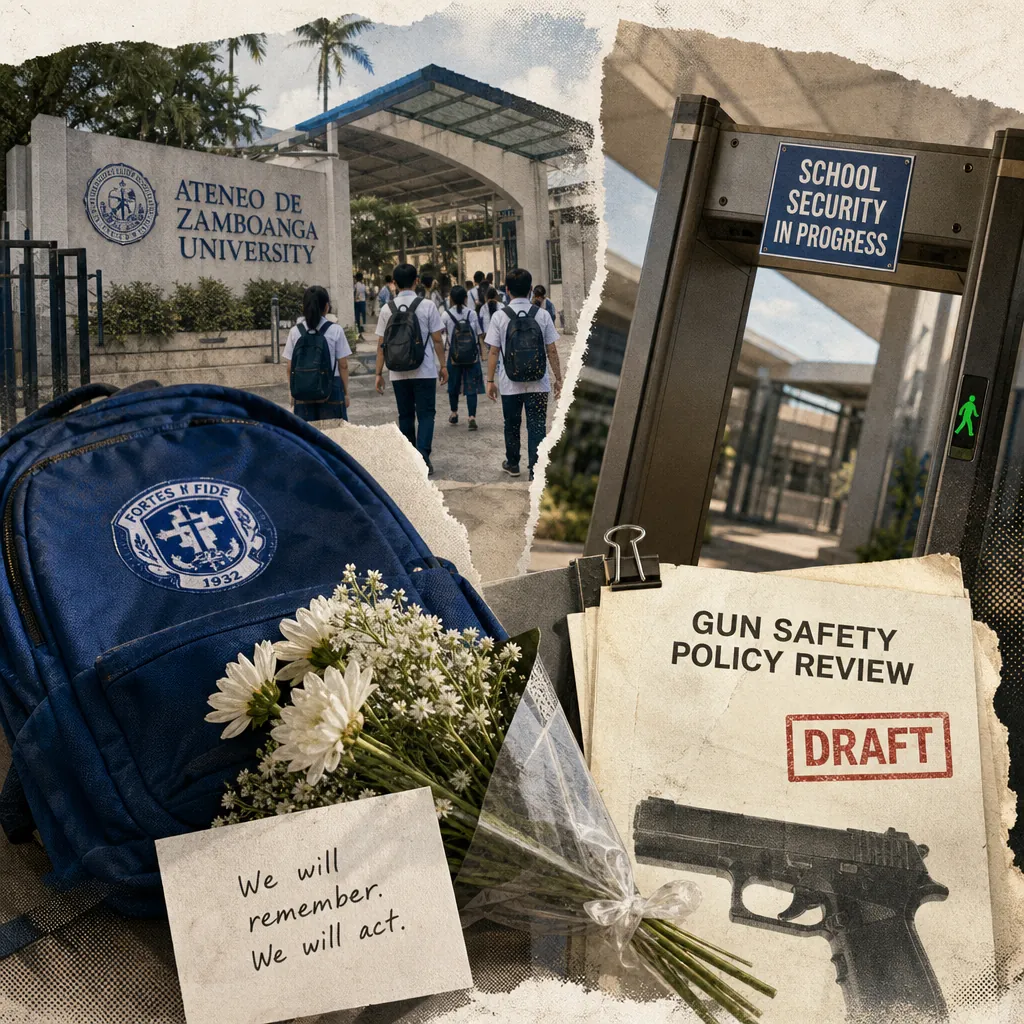
The Ateneo de Zamboanga University shooting, which killed two students, one of them the alleged shooter, became the day's central event. It prompted immediate calls for stricter gun laws, a review of school security protocols, and a renewed push for a social media ban for minors. The public response was notably cynical, with many reacting with mockery to political statements, including Senator Robin Padilla's suggestion that martial law would be preferable to "no law." The conversation quickly shifted from mourning to a policy blame game, with lawmakers and officials proposing various legislative fixes.
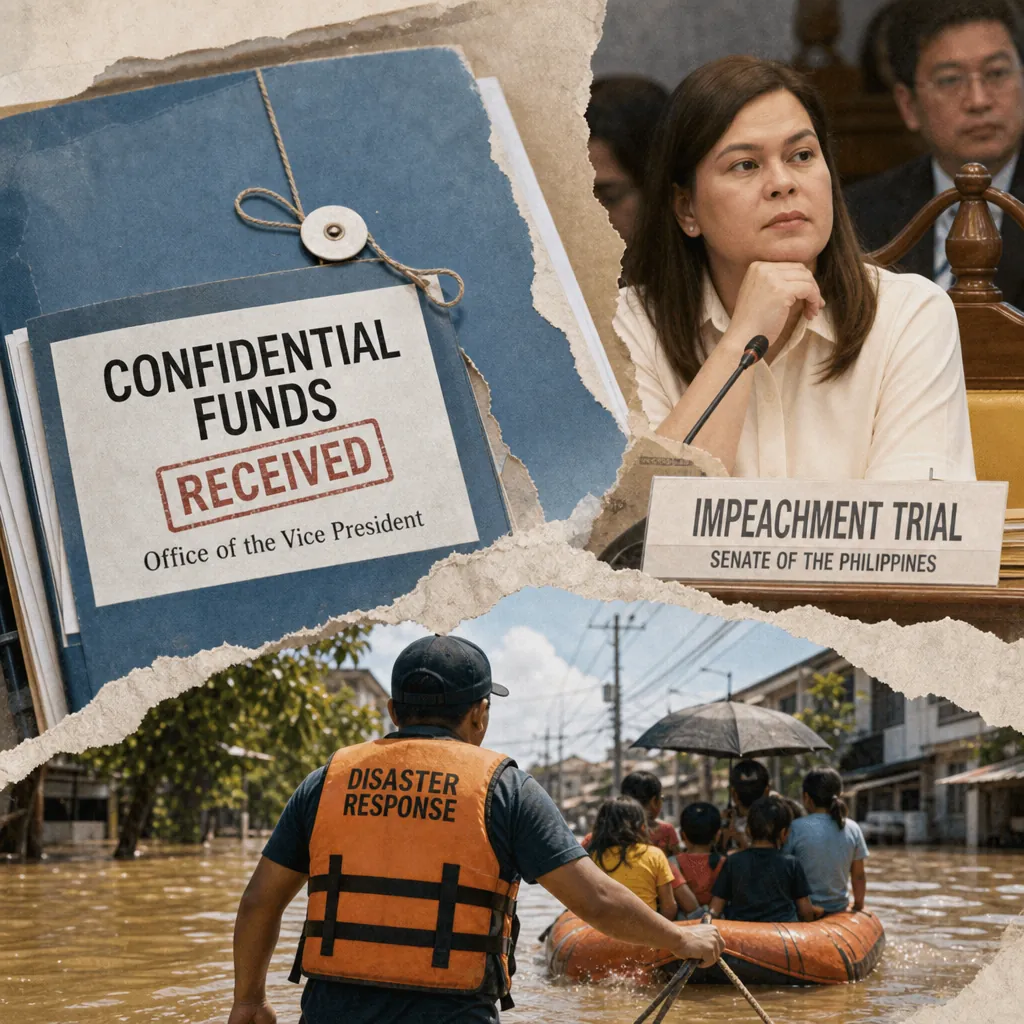
In parallel, the impeachment trial of Vice President Sara Duterte continued to generate significant engagement, though much of it was derisive. The trial was canceled for two consecutive days due to weather, and reports of senators taking a "lounge break" fueled perceptions of the proceedings as unserious. The prosecution also introduced new angles, including scrutiny of Duterte's foreign trips and a potential "star witness." The day also saw the recantation of testimony by Orly Guteza in the flood control scandal, which was framed as a political conspiracy on social media.
Key themes
- School shooting sparks immediate policy responses: The Ateneo de Zamboanga shooting led to calls for stricter gun laws, school security enhancements, and a social media ban for minors. Senators and officials proposed various measures, but public reaction was largely skeptical, with many viewing the responses as political posturing rather than substantive reform.
- Public mockery of official statements: A recurring pattern across the day was the use of "haha" reactions on Facebook to mock government and political figures. Posts featuring President Marcos's flood briefing, Senator Padilla's martial law comments, and Vice President Duterte's statements all drew more laughter reactions than likes, indicating widespread public derision.
- Impeachment trial seen as farcical: The impeachment trial of Vice President Sara Duterte was perceived by many as unserious, with weather-related cancellations and reports of senators taking breaks drawing mockery. The prosecution's new angles, including scrutiny of Duterte's foreign trips, added a financial dimension to the proceedings.
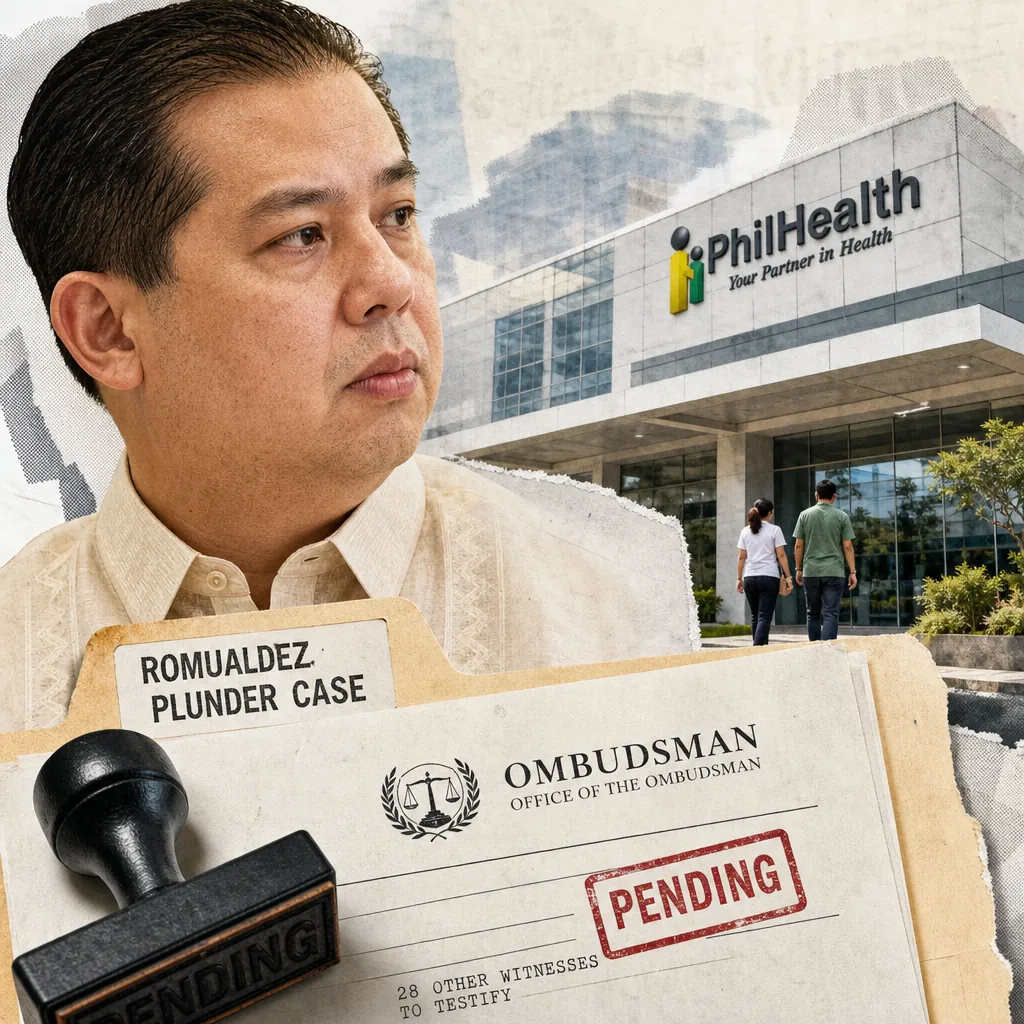
- Flood control scandal recantation framed as conspiracy: Orly Guteza's recantation of his testimony against former House Speaker Martin Romualdez was framed on social media as a coordinated political maneuver. Posts accusing Senator Rodante Marcoleta of coaching the testimony drew high engagement, with the narrative shifting from legal development to political conspiracy.
- Severe weather response under scrutiny: The southwest monsoon brought heavy rains and flooding, with the government's response drawing criticism. President Marcos's briefing was met with mockery, while local government actions like class suspensions were viewed more favorably. The weather also disrupted the impeachment trial and other government functions.
- Confidential funds controversy persists: The DepEd confidential funds issue remained a flashpoint, with a Reddit post criticizing a news outlet for linking school shootings to the funds drawing significant engagement. The public connected the shooting to the funds controversy, creating a volatile narrative around school safety and financial governance.
- Economic pressures emerge: The peso hit a record low near 62 to the dollar, and inflation was projected to remain above 6% for the rest of the year. These economic concerns added to the day's sense of crisis, though they received less attention than the political and security stories.
How the narratives stack
Dominant: The school shooting and its policy aftermath dominated the day's conversation. The incident triggered a wave of responses from lawmakers and officials, but public reaction was heavily skeptical. The narrative quickly shifted from mourning to a policy blame game, with the social media ban emerging as a prominent but controversial response. The high volume of "haha" reactions on related posts indicated that the public viewed these legislative efforts with cynicism.
Counter-narrative: The government's institutional response, including the NBI investigation, DILG proposals for school security, and Malacañang's budget assurances, formed a counter-narrative of proactive action. However, these posts received low engagement, suggesting that the public was more interested in political posturing than administrative solutions. The counter-narrative struggled to gain traction against the dominant narrative of public skepticism.
Emerging: The recantation of Orly Guteza's testimony in the flood control scandal emerged as a significant story, particularly on Reddit. The narrative was framed as a political conspiracy, with accusations of witness coaching against Senator Marcoleta and former Rep. Defensor. This story has the potential to escalate as it moves from niche political forums into mainstream coverage.
Under-covered: The economic pressures facing the country, including the peso's record low and persistent inflation, received relatively little attention compared to the political and security stories. These issues have long-term implications for the public and the administration, but were overshadowed by the day's more dramatic events.
Platform insights
- Facebook: Facebook was the primary battleground for emotional and reactionary engagement. The platform's reaction buttons, particularly "haha," were used extensively to mock official statements. Posts from government agencies and news outlets drew significant engagement, but the reaction counts often revealed a hostile or dismissive reception. The platform amplified both official messaging and public skepticism, creating a polarized environment.
- Reddit: Reddit served as the hub for critical analysis and partisan commentary. Users actively framed the day's events through a political lens, with posts about the recantation and confidential funds drawing high upvotes. The platform showed a distinct anti-administration bias, with users using terms like "DDS Tsinador" to categorize political figures. Reddit's engagement patterns indicated a highly motivated and politically aware user base.
- Twitter/X: Twitter functioned as a rapid-fire news feed for official statements and breaking updates, but with limited user engagement. Posts from government agencies and news outlets received minimal likes or comments, though they served as authoritative references. The platform was used more for information dissemination than discussion, with substantive oppositional content drawing more engagement than administrative announcements.
Key voices and communities
- Government and institutional communicators: Official accounts from Malacañang, the PCO, and various agencies disseminated the administration's messaging on flood response, school security, and the budget. Their posts drew significant engagement, but often with negative reactions, indicating a credibility gap with the public.
- Legislative voices and policy advocates: Senators and House members used the shooting to advance policy agendas, including gun reform and social media regulation. Their posts drew mixed reactions, with some generating significant mockery. This group was key in shaping the day's policy narrative.
- Opposition and accountability watchdogs: Reddit-based communities and opposition-leaning commentators actively scrutinized government actions, framing the day's events as evidence of systemic mismanagement. Their posts drew high engagement, particularly on the recantation and confidential funds issues.
- Concerned citizens and affected communities: Individuals directly affected by the weather and the shooting focused on practical concerns like class suspensions and emergency response. Their engagement was more localized and less political, with posts about local government actions drawing positive reactions.
- Health and public safety advocates: A smaller group focused on public health concerns, including vaccination advocacy and the risks of leptospirosis during the flooding. Their content drew modest but consistent engagement, highlighting the intersection of weather and health issues.
Narrative streams
School shooting triggers gun reform and social media ban push
The Ateneo de Zamboanga University shooting, which killed two students, one of them the alleged shooter, became the day's central event. The incident prompted immediate calls for stricter gun laws, with Senator Loren Legarda urging "stricter enforcement of our gun laws and stronger safeguards to keep firearms out of our schools." Senator Erwin Tulfo called for legislation holding firearm owners criminally liable when their negligence results in minors gaining access to guns. The shooting also revived the push for a social media ban for minors, with Senate President Win Gatchalian and Vice President Sara Duterte both endorsing the measure. However, public reaction was heavily skeptical, with posts about the ban drawing more "haha" reactions than likes. The public viewed these legislative responses as political posturing rather than substantive reform, with many questioning the connection between social media and gun violence. The read for the sector is that the public is fatigued with reactive legislation that does not address root causes like mental health and gun access, and any policy response must be framed around evidence-based solutions rather than political theater.
Impeachment trial seen as farcical amid delays and mockery
The impeachment trial of Vice President Sara Duterte continued to generate significant engagement, though much of it was derisive. The trial was canceled for two consecutive days due to weather, and reports of senators Bong Go and Mark Villar taking a "lounge break" fueled perceptions of the proceedings as unserious. A Facebook post about the lounge break drew 119 "haha" reactions against just 35 likes, indicating widespread mockery. The prosecution introduced new angles, including scrutiny of Duterte's foreign trips and a potential "star witness" in Ramil Madriaga. The public's reaction to these developments was largely dismissive, with posts about the star witness drawing 241 "haha" reactions. The read for the sector is that the public perceives the trial as a political farce rather than a serious legal process, which erodes trust in the Senate and the broader judicial system. Communications teams must emphasize the procedural integrity of the trial and avoid engaging with the mockery directly.
Flood control scandal recantation framed as political conspiracy
Orly Guteza's recantation of his testimony against former House Speaker Martin Romualdez became a significant story, particularly on Reddit. Guteza, a retired Marine, admitted in an affidavit that he had no personal knowledge of the alleged cash deliveries to Romualdez and blamed Senator Rodante Marcoleta and former Rep. Mike Defensor for allegedly conspiring to fabricate the story. The narrative was framed as a political conspiracy, with posts accusing Marcoleta of "coaching" the testimony drawing high engagement. A Reddit post labeling Marcoleta a "DDS Tsinador" received 184 upvotes, indicating strong resonance with anti-administration audiences. The story was amplified by GMA News, though Twitter engagement was minimal. The read for the sector is that the recantation is being used as a political weapon, with the narrative shifting from the underlying corruption allegations to a meta-story about witness credibility and political manipulation. This could have implications for future testimony credibility in similar investigations.
Severe weather response draws criticism and mockery
The southwest monsoon brought heavy rains and flooding, with the government's response drawing significant criticism. President Marcos led a situation briefing on the flooding, but a Facebook post showing him at the MMDA headquarters drew 4,451 "haha" reactions against just 357 likes, indicating widespread public derision. The President's claim that flood levels were receding faster was met with skepticism, with users mocking the "hanggang tuhod na lang" (waist-deep) framing. The PNP's deployment of 689 police officers and rescue of 180 individuals drew more positive engagement, suggesting that operational responses were viewed more favorably than policy-level commentary. The read for the sector is that the public is deeply skeptical of the administration's flood management claims, and credibility-building requires visible, tangible changes rather than technical explanations. Communications teams should focus on specific, quantifiable rescue and relief efforts rather than long-term infrastructure promises.
Confidential funds controversy persists amid school safety concerns
The DepEd confidential funds issue remained a flashpoint, with a Reddit post criticizing a news outlet for linking school shootings to the funds drawing significant engagement. The user wrote, "To even ask if these unspeakable acts committed by troubled children are justification for Lustay's DepEd CF scam is an insult to the students who lost their lives," a sentiment that resonated strongly. DILG Secretary Jonvic Remulla's refusal to comment on the issue was met with derision, with users mocking his evasiveness. The public connected the shooting to the funds controversy, creating a volatile narrative around school safety and financial governance. The read for the sector is that any attempt to justify the confidential funds through security incidents will backfire badly, and the department must proactively separate the school safety narrative from its funding requests. Responses should focus on transparent accountability metrics and concrete violence-prevention programs.
Conversation trajectory
- School shooting policy responses to intensify over next 2-3 weeks: The immediate aftermath of the shooting will shift from raw tragedy coverage toward legislative and administrative responses. Senate hearings on gun reform and the 2027 budget deliberations will provide vehicles for security funding discussions. Expect intensified scrutiny of the "Robin Padilla Law" and its perceived connection to crime surges. Observation window: 2-3 weeks.
- Impeachment trial procedural scrutiny to dominate within 7-10 days: The conversation is transitioning from the substance of the charges toward public scrutiny of the trial's mechanics and pace. The "process legitimacy" narrative will likely become dominant, especially if trial delays persist. The prosecution's new angles, including foreign trips and witness credibility, will sustain engagement. Observation window: 7-10 days.
- Recantation story to expand into mainstream coverage within 5-7 days: The recantation is currently concentrated in Reddit and Twitter with limited engagement, but the presence of news amplifier reposts suggests emerging mainstream pickup. The framing battle over "who manipulated whom" will intensify as opposition-aligned accounts seek to rehabilitate the original testimony's credibility. Observation window: 5-7 days.
- Weather-related governance scrutiny to continue as monsoon persists: The typhoon season's impact on government operations has spawned a secondary conversation about crisis responsiveness. The public's patience is wearing thin regarding disaster response narratives, particularly as the weather death toll climbs. The approaching tropical cyclone threat adds another variable. Observation window: 1-2 weeks.
Trigger events: The resumption of the impeachment trial (scheduled within days) will reset the news cycle and dominate political coverage. The DepEd's implementation timeline for school-level class resumption decisions will test the credibility of decentralization. The House budget deliberations on flood control amendments will provide an official venue for criticism of the current infrastructure approach. Any official statement from the House or Speaker Romualdez's office responding to the recantation would legitimize the narrative and potentially shift it toward formal investigation territory.
Response guidance
School safety messaging: For government communicators, pivot immediately from reactive statements to proactive narrative control. Publish a clear, itemized breakdown of how the 2027 budget will enhance school security across DepEd, DILG, and LGUs. This counters the perception of improvised responses and positions the administration as having a coordinated plan. Avoid connecting the confidential funds issue to school safety, as this will backfire.
Impeachment trial communications: Prepare a reactive communication plan that emphasizes senatorial diligence, not just procedural delays. The "lounge break" narrative is damaging the Senate's prestige. Highlight the substantive work being done during suspension days, such as the Ombudsman's subpoenas on reclamation projects, to demonstrate that the legislative body remains actively engaged in oversight.
Flood response messaging: Shift messaging from infrastructure promises to specific, quantifiable rescue and relief efforts. The public's adverse reaction to announcements about future basins indicates that technical explanations are not resonating. Focus on the 180 rescues by the PNP and the 201mm of rainfall absorbed. This factual, operational framing can counter the "haha" sentiment by demonstrating immediate action.
Social media ban advocacy: For legislative stakeholders advancing the social media ban, recalibrate the public messaging strategy. The current approach is generating more mockery than support. Reframe the proposal around provider-side accountability and parental controls rather than blanket prohibition, which is being interpreted as government overreach. This is time-sensitive, as the legislative window will close as public memory of the shooting fades.
Confidential funds handling: For DepEd and related agencies, proactively separate the school safety narrative from the confidential funds request. Release a proactive statement detailing school security measures funded by existing, transparent budgets. Any attempt to justify the funds through violence will be met with immediate backlash. Position responses around transparent accountability metrics and concrete violence-prevention programs.
See the full picture behind today's signals.
This report draws from Media Meter's MediaWatch, our real-time monitoring engine tracking 2,470+ Philippine sources across print, broadcast, digital, and social. Explore how the platform turns raw coverage into decision-grade intelligence, then see how it's configured for teams like yours — whether you're in PR agencies, corporate comms, government, or marketing.
Want more? Browse our Report Library for sector and crisis intelligence, or request a demo and we'll have your brand set up before the call.
Want this kind of intelligence on your brand?
This brief is built on the same MediaWatch methodology that runs continuously across every brand we monitor. See your competitive landscape, Impact Score, and narrative trajectory in a 30-minute demo.