Acosta admits P500M released to unbonded Lachica
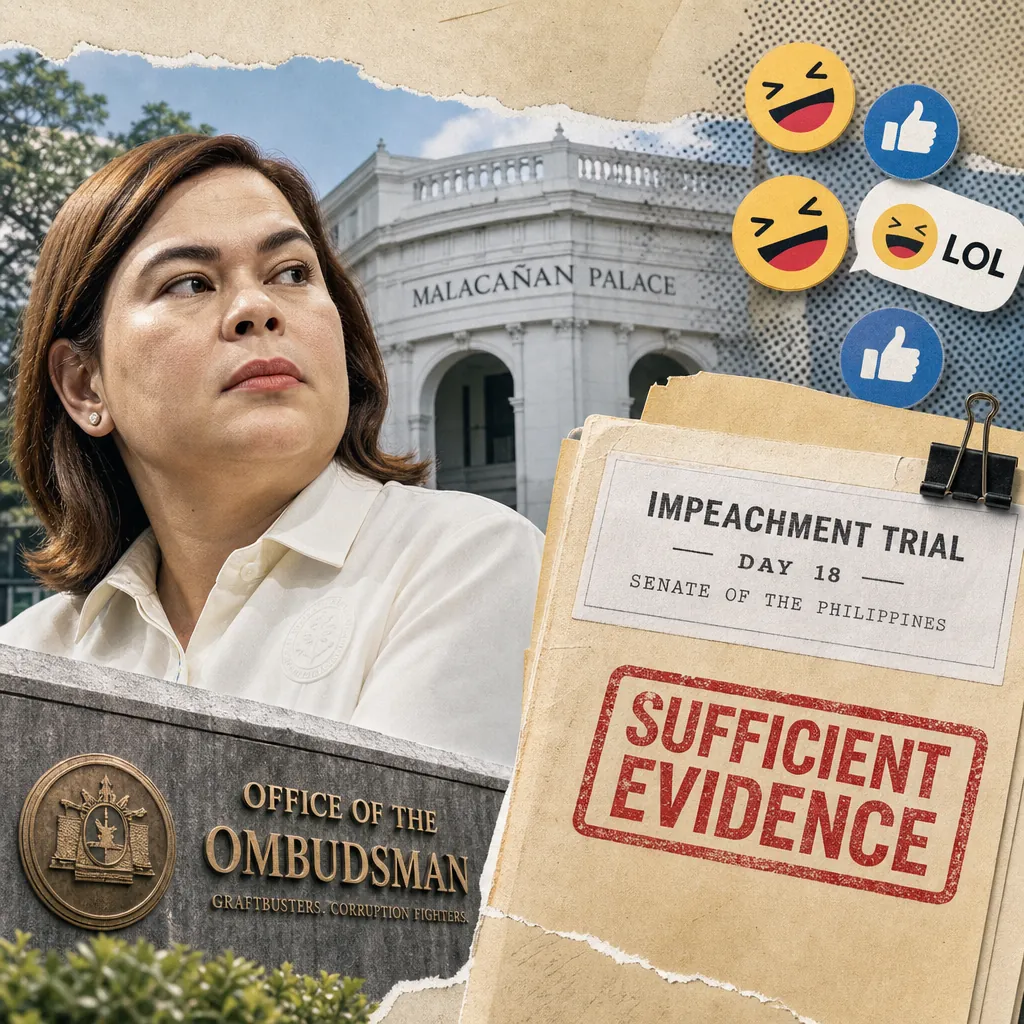
Day 17 of the Sara Duterte impeachment trial centered on former disbursing officer Gina Acosta's testimony that she released P500 million in confidential funds to an unbonded security officer, drawing heavy engagement and expanding the probe toward military officials.
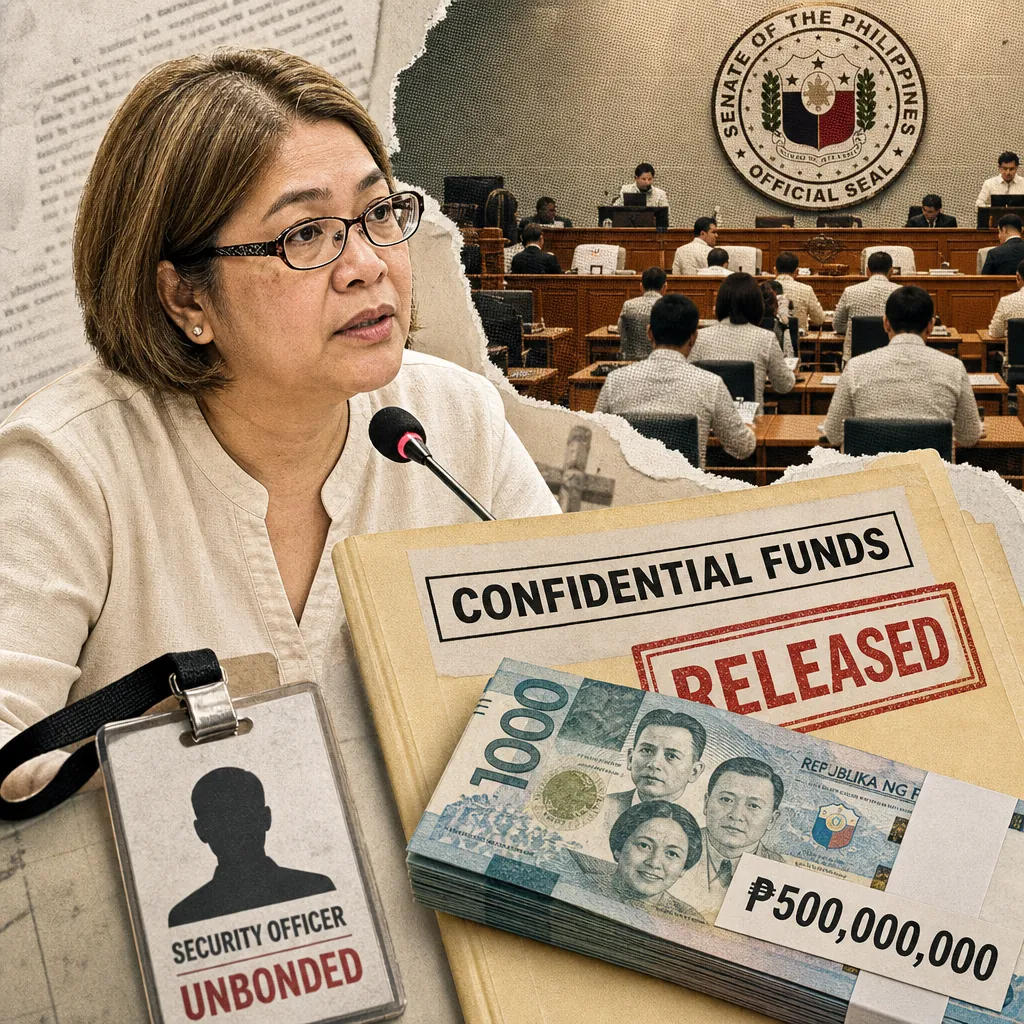
The 17th day of Vice President Sara Duterte's impeachment trial on Monday, August 24, turned on a single admission: Gina Acosta, the former special disbursing officer of the Office of the Vice President (OVP), testified that she released P500 million in confidential funds to Col. Raymund Dante Lachica, the vice president's security officer, even though he was not covered by a fidelity bond as government rules require. The testimony, delivered before the Senate impeachment court, dominated Filipino social media and the day's news coverage, drawing heavy engagement across Facebook, X, and YouTube. The Manila Times banner story put it plainly: "OVP released P500M to unbonded official." The admission reframed the trial's focus from the vice president herself to the mechanics of how confidential funds moved through her office, and it opened a new line of inquiry into military involvement in fund disbursement.
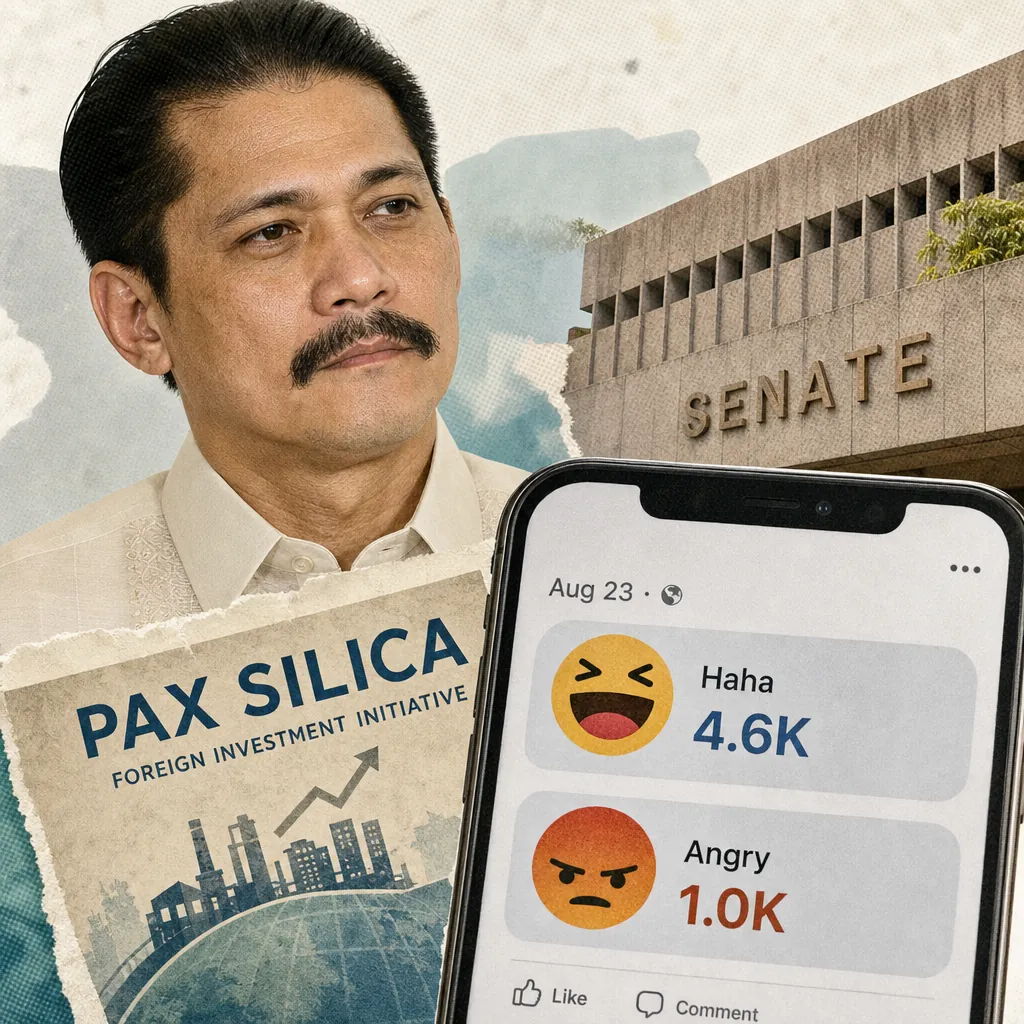
The day's conversation was not confined to the courtroom. Senator Raffy Tulfo's moment of sympathy toward Acosta — "NAAAWA AKO SA 'YO" (I feel sorry for you) — became the single most-engaged post in the captured set, drawing 1,026 likes and 516 comments on Facebook and 6,134 views on X. At the other end of the emotional spectrum, Senator Vicente Sotto III's interjection "Ayoko na marinig 'yong template" (I don't want to hear that template anymore) captured growing judicial fatigue with Acosta's repetitive answers, earning 375 likes and 112 comments on Facebook. These two moments — sympathy and frustration — framed the day's central tension: was Acosta a scapegoat caught in a larger scheme, or a coached witness hiding behind rehearsed answers?
The trial's scope also widened. The prosecution asked the Senate to subpoena three Armed Forces of the Philippines (AFP) officials — Col. Manaros Boransing II, Col. Magtanggol Panopio, and Col. Adonis Bajao — for Wednesday, August 26, signaling that the investigation was moving beyond civilian disbursing officers into military channels. The request came after the prosecution announced that Edward Fajarda, a former Department of Education (DepEd) disbursing officer, had suffered a stroke and could not appear as scheduled; his testimony was moved to September 7. The subpoena request drew 1,415 views on X, while a related post on Ridon's comment that Acosta "will surely be arrested" drew 1,279 views.
Key themes
- Acosta admits releasing P500M to unbonded Lachica: The former OVP disbursing officer testified that Vice President Duterte ordered the release of P500 million in confidential funds to Col. Raymund Dante Lachica, who was not covered by a fidelity bond as required. The admission was the day's central news, carried by the Manila Times banner and multiple Inquirer stories.
- Tulfo's sympathy becomes the most-engaged moment: Senator Raffy Tulfo's "NAAAWA AKO SA 'YO" drew 1,026 likes and 516 comments on Facebook and 6,134 views on X, becoming the top-performing post in the captured set and reframing Acosta from potential wrongdoer to possible scapegoat.
- Sotto's frustration signals judicial fatigue: Senator Vicente Sotto III's "Ayoko na marinig 'yong template" earned 375 likes and 112 comments on Facebook, reflecting growing impatience with Acosta's repetitive answers and raising questions about the defense's strategy.
- Prosecution seeks subpoenas for three AFP officials: The request to subpoena Col. Manaros Boransing II, Col. Magtanggol Panopio, and Col. Adonis Bajao signaled the investigation's expansion into military channels, drawing 1,415 views on X.
- Acosta's "template answers" seen as coaching: Public prosecutor Joel Chua said Acosta's repetitive answers "seem to be coached," a claim that drew heavy coverage worth an estimated ₱718,956 in advertising-equivalent value in the captured set.
- Lapid's question about a namesake lightens proceedings: Senator Lito Lapid broke his silence to ask whether a real "Lapid" received funds, prompting laughter and 56 "haha" reactions on Facebook — a moment that underscored how absurd the acknowledgment receipts had become.
- PCO dismisses alleged Duterte-Marcos meeting as "fake news": Presidential Communications Office Secretary Cesar Chavez and defense counsel Michael Poa both denied reports that Duterte requested a private meeting with President Marcos, with the X post drawing 1,506 views.
- Fajarda's testimony moved to September 7: The prosecution's witness, former DepEd disbursing officer Edward Fajarda, suffered a stroke and cannot appear; his testimony was rescheduled, a delay some framed as a tactical win for the defense.
How the narratives stack
Dominant: The dominant narrative in the captured set was Acosta's admission about the P500 million release to an unbonded Lachica. This was the day's banner story across the Manila Times and Inquirer, and it drove the most substantial engagement on social media. The admission shifted the trial's focus from the vice president's alleged involvement to the mechanics of fund disbursement, and it raised the stakes by implicating a military officer. Within the captured set, this story drew the heaviest coverage, including the Manila Times banner (worth an estimated ₱541,836 in advertising-equivalent value) and multiple Inquirer stories.
Counter-narrative: The counter-narrative, driven largely by Tulfo's sympathy and the defense's framing, cast Acosta as a "small fish" caught in a larger political web. Tulfo's comment that Acosta "did not take even a single centavo" resonated strongly online, and the emotional engagement around her testimony suggested public sympathy was shifting away from the vice president and toward the witness. This narrative competed with the prosecution's framing of Acosta as a coached witness, with Chua's "template answers" comment drawing heavy coverage.
Emerging: The emerging narrative was the expansion of the investigation into military channels. The prosecution's request to subpoena three AFP officials signaled that the trial was moving beyond civilian disbursing officers, and the appearance of new names in acknowledgment receipts fueled speculation about the breadth of the scheme. This thread drew steady engagement on X, where posts on the subpoena accumulated over 1,400 views.
Under-covered: The under-covered story in the captured set was the parallel accountability narrative around Senator Loren Legarda, who is on medical leave while the Ombudsman investigates alleged corruption involving her family. The writeup noted that Legarda's four medical leaves and the alleged ghost solar projects drew engagement but remained separate from the core impeachment conversation. This story placed low in the captured set, though it carries potential to intersect with the impeachment narrative.
Platform insights
- Facebook: Facebook was the primary venue for emotional engagement. Tulfo's sympathetic remark drew 1,026 likes and 516 comments, while Sotto's frustration drew 375 likes. Posts from traditional media like Inquirer and Daily Tribune maintained steady traction, but the most shared content was emotionally resonant rather than informational. The platform also captured lighter moments, such as Lapid's question, which drew 56 "haha" reactions.
- X (Twitter): X evolved into the hub for real-time legal analysis and political commentary. Posts from outlets like Inquirer and Balita PH received moderate engagement but high view counts — the Tulfo quote alone amassed 6,134 views. The platform also captured more critical takes, including Ridon's prediction of a jail sentence for Acosta, which drew 1,279 views. The subpoena request drew 1,415 views, indicating sustained interest in the trial's expansion.
- YouTube: YouTube served as the archival platform for full trial clips. The Tulfo moment drew 1,465 views, and the Lachica confidentiality exchange accumulated 1,156 views, indicating sustained interest from users seeking unfiltered testimony. Engagement numbers were lower than on Facebook or X, but the platform captured the longest-form content.
Key voices and communities
- Impeachment trial watchers and political news consumers: The largest and most active group, consuming and amplifying live trial coverage from major news publishers. Engagement is heavily concentrated on emotional reaction content — posts quoting senator-judges receive thousands of likes and hundreds of comments. The audience is highly polarized, with reaction counts showing both sympathetic responses toward witnesses and strong engagement with prosecutorial narratives.
- Institutional and political commentators: Political figures, legal analysts, and organized political voices who use social media to advance interpretative narratives. Their posts are fewer but strategically positioned, often linking trial developments to broader governance or accountability themes. One commentator's assertion that a witness will be arrested circulated widely.
- Senator-judge stakeholders and their support networks: The senators themselves and organized supporter communities who circulate sympathetic or critical content about individual senators' trial performance. Tulfo's sympathetic comment became the highest-engagement single post in the dataset, while Lapid's uncharacteristic participation generated substantial humorous engagement.
- Accountability advocates and institutional critics: A smaller but persistent voice using trial moments to advance broader critiques of government corruption and confidential fund misuse. Their content often highlights witness admissions or new names emerging from acknowledgment receipts, framing the trial as revealing "systemic abuse."
- Institutional representatives and parallel stories: Voices focused on adjacent political developments, most notably Senator Legarda's medical leave and the Ombudsman's investigation into her family's alleged corruption. Their content interweaves with the impeachment trial because senators sit as judges while simultaneously facing their own accountability issues.
Narrative streams
Acosta admits P500M released to unbonded Lachica
The day's central development was Acosta's admission that she released P500 million in confidential funds to Col. Raymund Dante Lachica, the vice president's security officer, despite knowing he was not bonded. The Manila Times banner story led with this admission, noting that it violated government rules on the use of such funds. Acosta initially insisted that Lachica merely "implemented" the confidential funds released to him, but later acknowledged that he "disbursed" the money during the implementation of the OVP's confidential activities. The distinction matters because a fidelity bond is a form of insurance that protects the government against loss caused by an employee's dishonest acts; releasing funds to an unbonded officer means the government has no recourse if the money is misused. The admission also implicated Vice President Duterte directly, as Acosta testified that Duterte had ordered the release. The read for the sector: this testimony moves the trial from questions about Acosta's conduct to questions about the vice president's direct involvement in a potential violation of fund-disbursement rules, raising the stakes for the defense and for public perception of the OVP's financial stewardship.
Tulfo's sympathy reframes Acosta as scapegoat
Senator Raffy Tulfo's "NAAAWA AKO SA 'YO" became the most-engaged moment of the day, drawing 1,026 likes and 516 comments on Facebook and 6,134 views on X. Tulfo's comment that Acosta "did not take even a single centavo" contrasted sharply with Senator Risa Hontiveros' pressing questions on accountability — Acosta acknowledged she would be responsible for any mistake while asserting that Vice President Duterte knew what she was doing. The emotional resonance of Tulfo's sympathy recontextualized Acosta from potential wrongdoer to possible scapegoat, a framing that could redirect public anger away from the accused and toward the system that enabled the fund flows. The read for the sector: emotionally charged moments from senator-judges have the power to reshape public perception of a witness, and communicators should track which statements generate the strongest resonance, as they may influence how the trial's fairness is perceived.
Sotto's frustration and the "template" problem
Senator Vicente Sotto III's interjection "Ayoko na marinig 'yong template" (I don't want to hear that template anymore) captured growing judicial fatigue with Acosta's repetitive answers, earning 375 likes and 112 comments on Facebook. The prosecution amplified this sentiment, with public prosecutor Joel Chua saying Acosta's answers "seem to be coached." Senate impeachment court spokesperson Reginald Tongol offered a counterpoint, citing Supreme Court decisions that "minor inconsistencies in the testimony actually strengthen the credibility of the testimony," while "sobrang plakado" (too perfect) answers go against credibility. The read for the sector: the perception of rehearsed or evasive testimony can erode public confidence in the defense's narrative, and the prosecution is actively framing Acosta's demeanor as evidence of coaching, which could shape how the trial's fairness is judged.
Prosecution seeks subpoenas for three AFP officials
The prosecution's request to subpoena three AFP officials — Col. Manaros Boransing II, Col. Magtanggol Panopio, and Col. Adonis Bajao — signaled the investigation's expansion into military channels. The request came after the prosecution announced that Edward Fajarda, a former DepEd disbursing officer, had suffered a stroke and could not appear; his testimony was moved to September 7. The subpoena request drew 1,415 views on X, and related posts on the expansion accumulated over 1,200 views. The move suggests the prosecution is probing whether military officers were involved in disbursing confidential funds, which carries significant political risk for the armed forces. The read for the sector: the trial is broadening from a paper trail exercise to an examination of active military participation, and stakeholders in the defense and security sector should prepare for heightened public discourse around military involvement in confidential fund management.
Lapid's question and the absurdity of acknowledgment receipts
Senator Lito Lapid broke his silence to ask whether a real "Lapid" received funds, prompting laughter and 56 "haha" reactions on Facebook. The question came after the prosecution presented acknowledgment receipts bearing unusual names, including one "Antonio Pagong" purportedly receiving P100,000 for the purchase of information. Lapid's quip — "Magpapasalamat po ako sa defense kung totoo na nabigyan ang kamag-anak ko" (I would thank the defense if it is true that my relative was given the funds) — briefly lightened the proceedings but underscored how absurd the acknowledgment receipts had become. The read for the sector: lighter moments are becoming shareable content, potentially humanizing the trial for broader audiences, but they also highlight the apparent lack of documentation rigor in confidential fund disbursement, which fuels public skepticism about government financial stewardship.
PCO and defense dismiss alleged Duterte-Marcos meeting as "fake news"
Presidential Communications Office Secretary Cesar Chavez and defense counsel Michael Poa both denied reports that Vice President Duterte requested a private meeting with President Marcos, with the X post drawing 1,506 views. Poa said he had "a chance to talk to the Vice President" and that "talagang fake news siya" (it is really fake news), comparing it to earlier rumors about the defense team. The denial indicates that the administration is actively trying to control the narrative outside the courtroom. The read for the sector: the trial is increasingly being viewed through a political lens, with supporters and critics of the administration using procedural developments to advance broader narratives, and communicators should track the consistency and effectiveness of these narrative-control efforts.
Conversation trajectory
- Emotional and humanizing narratives will intensify over the next 1–2 weeks: The testimony of Gina Acosta is generating significant empathetic engagement, particularly around Tulfo's sympathetic remark. Expect this emotional layer to intensify as the trial continues, potentially reshaping public perception of the trial's stakes and complicating purely legal messaging strategies.
- Frustration with repetitive testimony and procedural delays will fuel calls for reform: The prosecution's inability to present Edward Fajarda until September 7, coupled with Sotto's "template" comment, indicates growing impatience among both senator-judges and the public. Monitor whether this frustration translates into public pressure for the prosecution to streamline its case presentation, which could alter trial pacing within the next 1–2 weeks.
- Expansion toward military and political figures will accelerate within 2–3 weeks: The prosecution's request to subpoena three AFP officials signals a deliberate broadening of the inquiry. Within 2–3 weeks, expect heightened public discourse around military involvement in confidential fund disbursement, which will have direct implications for stakeholders monitoring defense and security sector reputations.
- Side narratives will compete for attention: Concurrent controversies, such as Senator Loren Legarda's extended medical leave amid Ombudsman graft investigations, are creating parallel accountability narratives that could fragment public attention. These secondary storylines will likely compete for attention with the main trial in the coming weeks.
Trigger events: The rescheduled testimony of Edward Fajarda on September 7 represents the prosecution's next major evidentiary move in the DepEd confidential funds case. The Senate's handling of the AFP subpoena request in the coming days will signal whether military accountability becomes a central trial theme. The Ombudsman's ongoing preliminary investigation into Legarda's alleged ghost solar projects could introduce a competing corruption narrative that draws attention away from the impeachment trial.
Response guidance
Monitor emotional moments closely: Track which senator-judge statements generate the strongest public resonance and how those moments shift across platforms. Emotionally charged content, such as Tulfo's sympathy, consistently outperforms procedural updates and can reshape public perception of witnesses and the trial's fairness.
Prepare messaging on witness credibility: The "template answers" narrative is gaining traction, with the prosecution framing Acosta's demeanor as evidence of coaching. Communicators should be ready to address questions about witness credibility with language that emphasizes the trial's rigor and the court's commitment to due process.
Track the military expansion: The subpoena of AFP officials signals extension of the trial into military channels. Stakeholders in the defense and security sector should monitor military-affiliated responses and prepare messaging that emphasizes institutional protocols and accountability.
Separate parallel accountability narratives: Discussions involving separate investigations of other public officials, such as the Legarda case, may inadvertently conflate distinct cases. Any commentary should carefully separate these matters to avoid confusion and reputational spillover.
Emphasize due process and independence: For government communications teams, emphasizing due process and the independence of all ongoing investigations would likely resonate with both accountability advocates and institutional commentators.
See the full picture behind today's signals.
This report draws from Media Meter's MediaWatch, our real-time monitoring engine tracking 2,470+ Philippine sources across print, broadcast, digital, and social. Explore how the platform turns raw coverage into decision-grade intelligence, then see how it's configured for teams like yours — whether you're in PR agencies, corporate comms, government, or marketing.
Want more? Browse our Report Library for sector and crisis intelligence, or request a demo and we'll have your brand set up before the call.
Want this kind of intelligence on your brand?
This brief is built on the same MediaWatch methodology that runs continuously across every brand we monitor. See your competitive landscape, Impact Score, and narrative trajectory in a 30-minute demo.