Duterte Trial: Palace Conviction Claim Draws Mockery
The 18th day of Vice President Sara Duterte's impeachment trial saw testimony on confidential fund irregularities, a Palace declaration of sufficient evidence that drew widespread mockery online, and a parallel Ombudsman anti-corruption push.
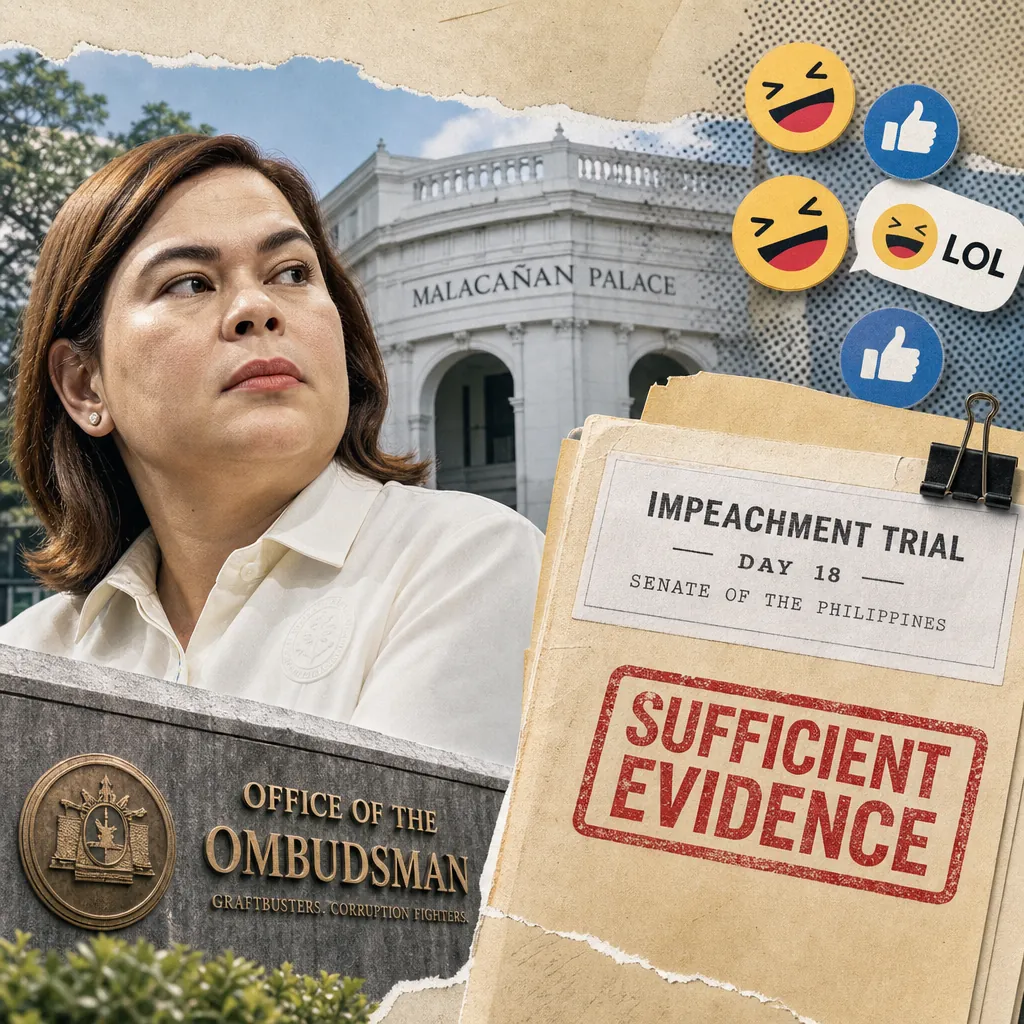
The 18th day of Vice President Sara Duterte's impeachment trial on August 25 moved from procedural wrangling to substantive testimony, then to a political flashpoint that dominated social media. The day's most consequential development was Malacañang's declaration that the prosecution had presented sufficient evidence for conviction—a statement that drew more than 4,900 laughing reactions on Facebook, signaling widespread public skepticism of the executive branch's involvement in the legislative process. The trial itself featured testimony from Lemuel Ortonio, the Office of the Vice President's (OVP) Assistant Chief of Staff, who admitted that Duterte personally determined the ₱125 million confidential fund amount requested in August 2022, before the required physical and financial plan was completed. This revelation, along with the disclosure that the entire fourth-quarter allocation was disbursed within an 11-day window, fueled the prosecution's narrative of irregular processes. Meanwhile, the Office of the Ombudsman pursued a parallel anti-corruption track, confirming lifestyle checks on 107 government officials and the creation of a budget-monitoring committee targeting the Department of Public Works and Highways (DPWH). The day's conversation, captured across Facebook, Twitter, and Reddit, reflected deep political polarization, with the Palace's confidence met with mockery and the trial's procedural decorum questioned. This snapshot examines the day's key themes, the narratives that dominated, and the implications for government accountability and public trust.
Key themes
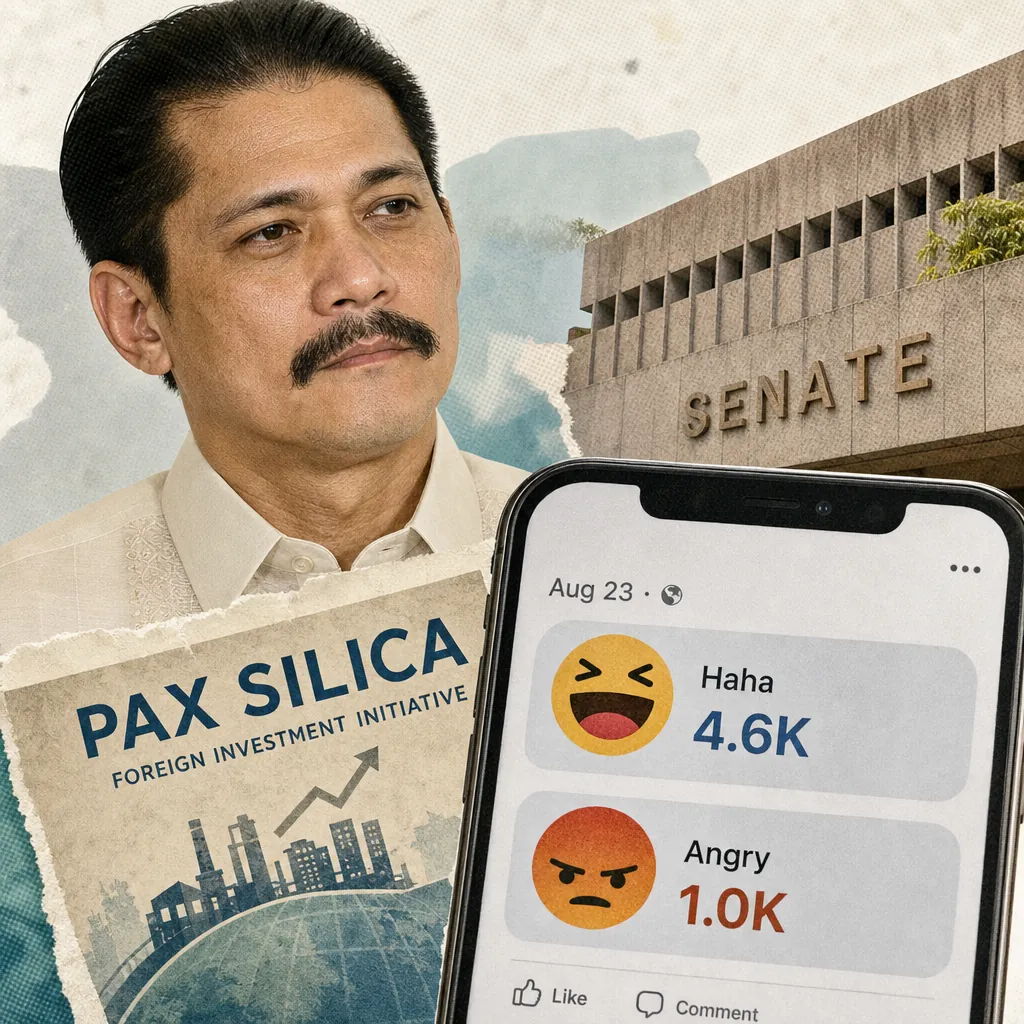
- Palace conviction claim draws mockery, not belief: Malacañang's statement that the prosecution's evidence was sufficient for conviction generated over 4,900 "haha" reactions on Facebook, outnumbering anger by roughly 80-to-1, indicating public perception of the statement as political theater rather than judicial fact.
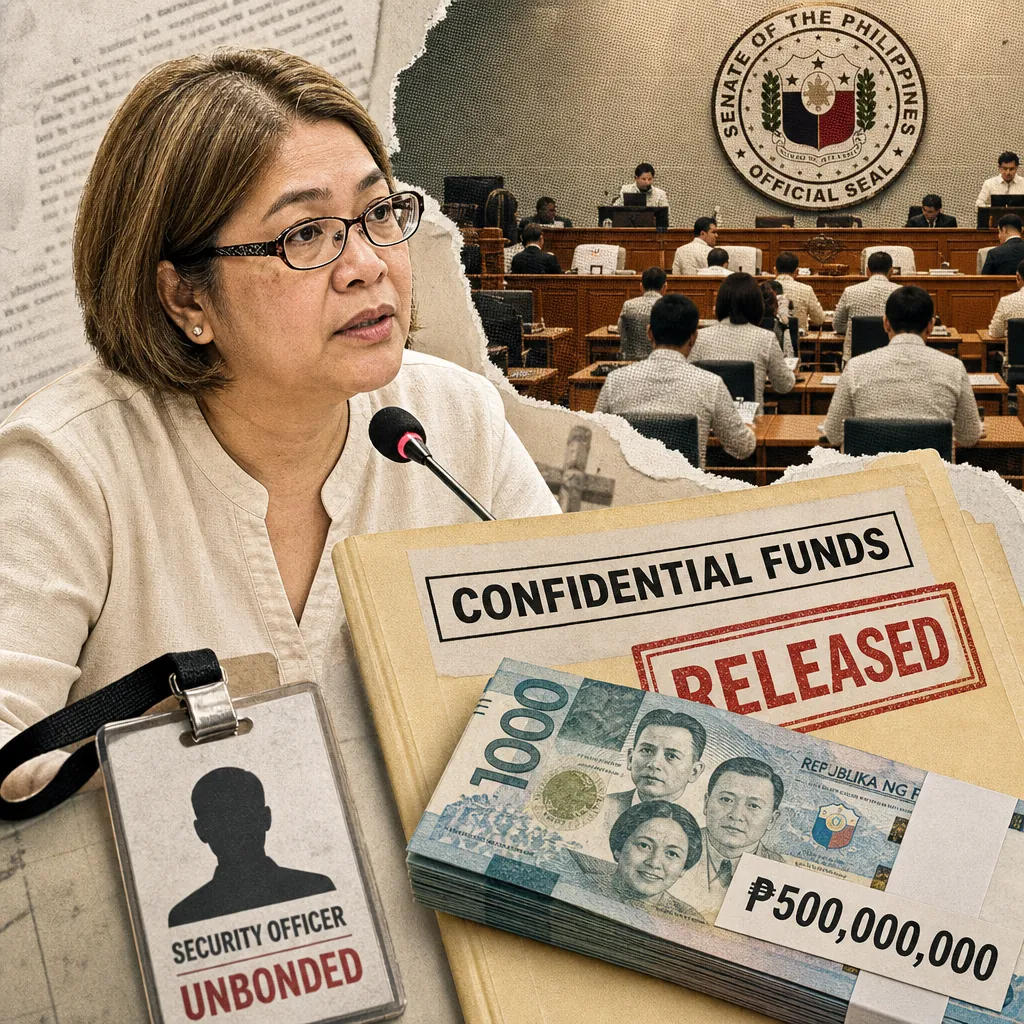
- Ortonio testimony exposes fund irregularities: OVP Assistant Chief of Staff Lemuel Ortonio testified that Vice President Duterte personally set the ₱125 million confidential fund amount before supporting documents were completed, and that the entire fourth-quarter allocation was disbursed within 11 days.
- Witness credibility becomes central battleground: The prosecution signaled it was "more inclined" not to call Col. Raymund Lachica, the former head of Duterte's security detail, despite his public statement that he had "never refused to appear or testify," which drew over 1,000 likes on Facebook.
- Ombudsman expands anti-corruption drive: The Ombudsman confirmed lifestyle checks on 107 government officials and the creation of a committee to monitor agency budgets, particularly targeting the DPWH, signaling a parallel enforcement track beyond the impeachment trial.
- COA flags auditor shortage and zero IT budget: The Commission on Audit admitted a shortage of field auditors, with only two assigned to the DPWH's Bulacan office at the center of the flood control scandal, while lawmakers criticized the zero budget for COA's information technology plan.
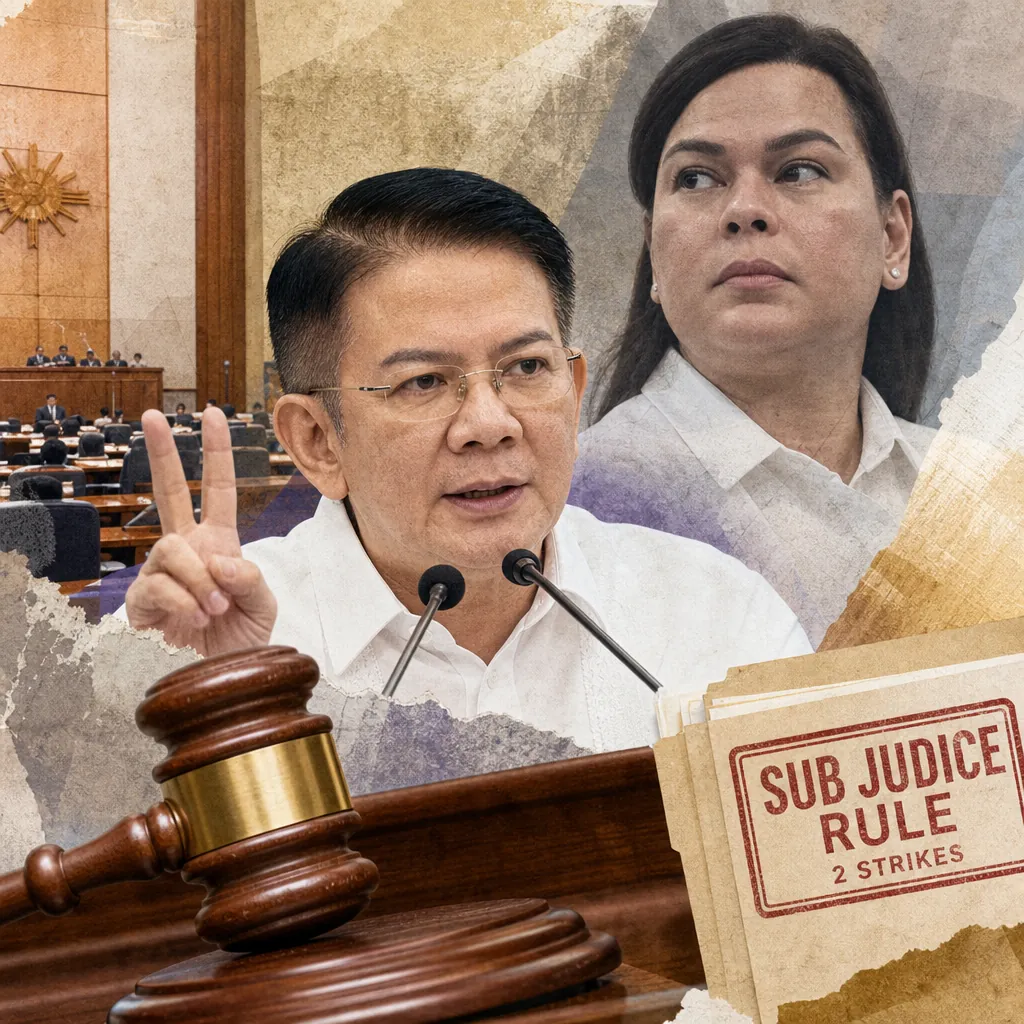
- Defense objects to 'scam' and 'mastermind' language: The impeachment court struck the words "scam" and "mastermind" from the record after defense counsel Kristine Ferrer argued they were inappropriate for a "solemn" proceeding, a move that drew ironic commentary on Reddit.
- Confidential fund rules face review: The Commission on Audit announced plans to propose amendments to the joint circular governing confidential and intelligence funds, citing issues that surfaced during the impeachment trial.
- AFP investigation into military officers submitted to Ombudsman: The Armed Forces of the Philippines completed its investigation into Col. Lachica and Col. Dennis Nolasco, both linked to confidential fund handling, and submitted its resolution to the Ombudsman.
How the narratives stack
Dominant: The impeachment trial of Vice President Sara Duterte, specifically the prosecution's case regarding confidential fund misuse, dominated the day's conversation across all platforms. The narrative evolved from procedural coverage to substantive evidentiary details, with Ortonio's testimony driving public discourse. The Palace's declaration of sufficient evidence became the day's most viral moment, but the overwhelming "haha" reaction suggests the administration's messaging may be reinforcing skepticism among certain audiences. Within the captured set, this story drew the most items and the highest engagement, making it the clear dominant narrative.
Counter-narrative: The Ombudsman's expanded anti-corruption activities—lifestyle checks on 107 officials and the creation of a budget-monitoring committee—served as a parallel accountability story. This narrative was less emotionally charged but framed the government as actively addressing corruption beyond the impeachment trial. However, the absence of viral engagement indicated this institutional story was overshadowed by the trial's spectacle.
Emerging: The potential testimony of Col. Raymund Lachica emerged as a volatile variable. His public statement of readiness to testify drew significant engagement, but the prosecution's reported inclination not to call him introduced uncertainty about the case's strength. The AFP's submission of its investigation into Lachica and Nolasco to the Ombudsman added a forward-looking legal dimension.
Under-covered: The Commission on Audit's shortage of field auditors and the zero budget for its information technology plan received limited social media attention but carry significant implications for government oversight. With only two auditors assigned to the DPWH's Bulacan office at the center of the flood control corruption scandal, the COA's capacity to detect irregularities is compromised. This story placed low in the captured set but warrants closer monitoring.
Platform insights
- Facebook: The primary battleground for emotional and political reactions. The Palace's conviction statement generated a massive spike in "haha" reactions, outnumbering all other emotional responses combined, indicating a dominant sentiment of mockery or disbelief. The platform also hosted peak engagement for Lachica's statement and Ortonio's salary disclosure, making it the epicenter of public sentiment amplification.
- Twitter: Functioned as a rapid news ticker, with official accounts and outlets posting updates on the Ombudsman and DOJ actions. The conversation here was more news-driven and less opinionated, with posts about the DOJ reviewing the Quiboloy extradition request and the separate grave threats trial against Duterte accumulating minimal engagement, yet serving to broaden the legal context for users following the story closely.
- Reddit: Hosted the most critical and analytical discourse. The top post of the day was a satirical take on the trial's "solemnity," which drew 55 likes and 13 comments, with users dissecting the hypocrisy of the proceedings. Reddit's smaller but more concentrated user base led to deeper dives into the legal inconsistencies revealed by Ortonio, particularly the 11-day disbursement of ₱125 million.
Key voices and communities
- Anti-Duterte Accountability Advocates: Politically engaged citizens and opposition-leaning accounts on Facebook and Twitter who amplify prosecution narratives. Their content consistently frames the confidential funds controversy as evidence of systemic corruption, with engagement levels notably higher when posts reference Malacañang's statements or witness testimony against Duterte. They emphasize procedural irregularities such as the 11-day disbursement and the absence of supporting documents.
- Pro-Duterte Support Base: Loyalist accounts and individuals defending the Vice President, primarily active on Facebook. Their presence is characterized by high emotional engagement, particularly using reaction buttons like "angry" and "haha" on posts critical of the Palace or prosecution. They frame the impeachment as a politically motivated attack, highlighting defense counsel's objections to "loaded terms" and questioning the credibility of prosecution witnesses.
- Institutional Accountability Watchers: Citizens and professionals interested in governance and audit outcomes, following the Ombudsman's expanded anti-corruption activities. Their attention is focused on institutional processes rather than partisan politics, showing moderate engagement with Ombudsman announcements on Twitter. They track developments like the motion to inhibit Justice Ronald Moreno from the Revilla malversation case, demonstrating sustained interest in judicial accountability.
- Mainstream Media and Legacy News Outlets: Traditional news organizations including Inquirer, Manila Bulletin, and Rappler serve as primary information conduits, generating the highest reach through their YouTube and Facebook platforms. Their influence stems less from opinion leadership and more from their role as authoritative sources that other stakeholders cite and redistribute. Their coverage decisions significantly shape which trial developments gain traction across all platforms.
- Defense and Security Community Observers: A smaller but strategically important cluster that follows developments involving military officers linked to confidential fund controversies, particularly Col. Lachica's potential testimony. Their interest centers on how the AFP handles accusations against its personnel and whether military officers will be called to testify. The AFP's statement deferring to the Ombudsman on officer investigations generated notable engagement with 58 "haha" reactions.
Narrative streams
Palace's conviction claim meets public mockery
Malacañang's declaration that the prosecution had presented sufficient evidence for conviction was the day's most viral moment. A Facebook post carrying this statement accumulated 1,799 likes, 4,986 "haha" reactions, and over 1,000 comments, with laughter outnumbering anger by roughly 80-to-1. This overwhelming mockery suggests that many users viewed the Palace's confidence as either ironic or politically orchestrated, reflecting a deep public cynicism toward the executive branch's involvement in the impeachment process. The Palace's active engagement in framing the prosecution's case risks being perceived as executive interference in a legislative process, especially among audiences already skeptical of administration motives. For communicators, this signals that official statements from Malacañang on the trial are being met with widespread disbelief, and any stakeholder aligned with the administration should anticipate this skepticism.
Ortonio's testimony exposes fund irregularities
Lemuel Ortonio, the OVP's Assistant Chief of Staff, appeared as a hostile witness and provided a decisive turning point. He admitted that Vice President Duterte personally determined the ₱125 million confidential fund amount requested in August 2022, and that the request was made before the required physical and financial plan was completed. He also revealed that he worked under Salary Grade 29 yet provided ₱150,000 from his own pocket for excess confidential expenses, a detail that sparked widespread disbelief and mockery. Ortonio confirmed that the signatures on two confidential fund documents were different, directly fueling allegations of irregular documentation. The revelation that the entire fourth-quarter allocation was disbursed within an 11-day window reinforced the prosecution's narrative of irregular processes. This testimony shifted the conversation from procedural coverage to substantive evidentiary details, making witness credibility the central battleground.
The Lachica question: strategic ambiguity
The possibility of Col. Raymund Dante Lachica testifying was a persistent undercurrent throughout the day. Lachica, the former head of Duterte's security detail, publicly stated he had "never refused to appear or testify," a statement widely shared on Facebook with 1,061 likes. However, lead prosecutor Gerville Luistro indicated she was "more inclined" not to call him, citing that the testimony of special disbursing officer Gina Acosta had already shown irregularities. This indecision itself became a narrative vulnerability, with speculation about the prosecution's confidence in its existing evidence. The AFP's submission of its investigation into Lachica and Nolasco to the Ombudsman added another layer, suggesting potential legal consequences beyond the trial. For observers, the decision on whether to call Lachica could reshape public perception within 1-2 weeks, making it the single most volatile variable in the near term.
Ombudsman's parallel anti-corruption drive
The Office of the Ombudsman confirmed that 107 government officials were under lifestyle checks and that a new committee would be created to monitor agency budgets, particularly targeting the DPWH. This development was framed by users as a parallel anti-corruption push, though skeptics noted the Ombudsman's simultaneous active monitoring of the impeachment trial for potential future cases, which some interpreted as a politically charged move. The Ombudsman's Director for Finance, Christopher Lim, assured proper fund use, directly responding to public concerns about the office's own spending. This narrative was less emotionally charged but served as a counter-narrative, suggesting the government was actively addressing corruption beyond the impeachment trial. However, the absence of viral engagement indicated that this institutional story was overshadowed by the trial's spectacle. For government clients, this convergence of accountability initiatives suggests a period of heightened scrutiny for all public fund expenditures.
COA's capacity concerns and zero IT budget
The Commission on Audit admitted a shortage of field auditors, with only two assigned to the DPWH's First District Engineering Office of Bulacan, which has been at the center of the flood control corruption scandal. Akbayan Rep. Percive Cendaña hit out at the zero budget given to COA's Information System Strategic Plan, which would have funded IT and digitization initiatives to speed up auditing. Cendaña argued that this zero funding undermines COA's autonomy as a constitutional commission and hampers its work in safeguarding public funds. The COA also announced plans to propose amendments to the joint circular governing confidential and intelligence funds, citing issues that surfaced during the impeachment trial. This story received limited social media attention but carries significant implications for government oversight capacity.
Conversation trajectory
- Escalation of Palace vs. defense narrative tension: Malacañang's public assertion that the prosecution has presented sufficient evidence for conviction has generated significant emotional engagement, with reactions heavily skewed toward mockery and anger. Expect this adversarial dynamic to deepen within the next 3-5 session days, creating heightened reputational risk for all parties involved.
- Witness credibility becoming the central battleground: The testimony of OVP personnel, particularly regarding the absence of supporting documents and the 11-day disbursement, has crystallized into a clear prosecution narrative. The defense's signal that it may call Colonel Lachica introduces a volatile variable that could reshape public perception within 1-2 weeks. The prosecution's reported inclination not to call him suggests internal uncertainty about his potential impact.
- Ombudsman actions broadening the accountability conversation: The Ombudsman's confirmation of active lifestyle checks on 107 officials and the creation of a budget-monitoring committee signals an expanding corruption narrative beyond the impeachment trial itself. The confirmation that an active unit is monitoring the trial for future case filings adds a forward-looking legal dimension that will likely sustain conversation momentum well beyond the trial's conclusion.
- COA's capacity constraints may fuel further scrutiny: The admission of an auditor shortage and the zero budget for IT could become a secondary narrative, especially if linked to the DPWH corruption scandal. Lawmakers' criticism of the zero budget may gain traction as the budget hearings continue, potentially framing the administration as undermining oversight.
Trigger events to watch:
- The defense's final decision on whether to present Lachica as a witness within the coming week, as his testimony could either corroborate or undermine the prosecution's timeline.
- The Ombudsman's next public update on the lifestyle check results, given its potential to expand the corruption narrative beyond the OVP into other agencies.
- The DOJ's resolution on the extradition request for Quiboloy, which could redirect public attention toward a related but distinct accountability story.
- The House Committee on Appropriations' deliberations on the COA budget, which could amplify the zero IT budget issue.
Response guidance
Monitor engagement signals on Facebook: Track reaction counts on posts related to the impeachment trial and confidential funds narrative, particularly where "haha" reactions significantly outnumber "angry" reactions. The disparity indicates a skeptical or mocking audience segment that requires calibration of official messaging rather than confrontational responses.
Prepare pre-emptive FAQ-style responses: For high-engagement comment threads discussing the Ombudsman's lifestyle checks and budget monitoring committees, develop clear, factual explanations of these processes to address public interest in accountability mechanisms.
Engage with Reddit's deliberative audience: Provide neutral explanatory content in response to posts critiquing the trial's decorum and the use of "loaded terms" by prosecutors, focusing on the legal standards for impeachment proceedings without taking sides on the guilt or innocence question.
Track the Lachica decision closely: Prepare scenario-based monitoring frameworks for the Lachica decision within the next 48-72 hours, as his potential testimony represents the single most volatile variable in the near term. Early scenario planning allows for rapid response regardless of the outcome.
Monitor the intersection of accountability stories: Track the convergence of the impeachment trial with other accountability stories (Quiboloy extradition, Revilla malversation case, COA budget issues) to identify broader patterns in public discourse about government integrity that may inform communications strategies.
Avoid endorsing partisan positions: When addressing historical comparisons (e.g., confidential funds under different administrations), provide factual context without endorsing implied criticisms. The comparison between Robredo's zero confidential funds and Duterte's allocations touches on politically sensitive territory.
See the full picture behind today's signals.
This report draws from Media Meter's MediaWatch, our real-time monitoring engine tracking 2,470+ Philippine sources across print, broadcast, digital, and social. Explore how the platform turns raw coverage into decision-grade intelligence, then see how it's configured for teams like yours — whether you're in PR agencies, corporate comms, government, or marketing.
Want more? Browse our Report Library for sector and crisis intelligence, or request a demo and we'll have your brand set up before the call.
Want this kind of intelligence on your brand?
This brief is built on the same MediaWatch methodology that runs continuously across every brand we monitor. See your competitive landscape, Impact Score, and narrative trajectory in a 30-minute demo.