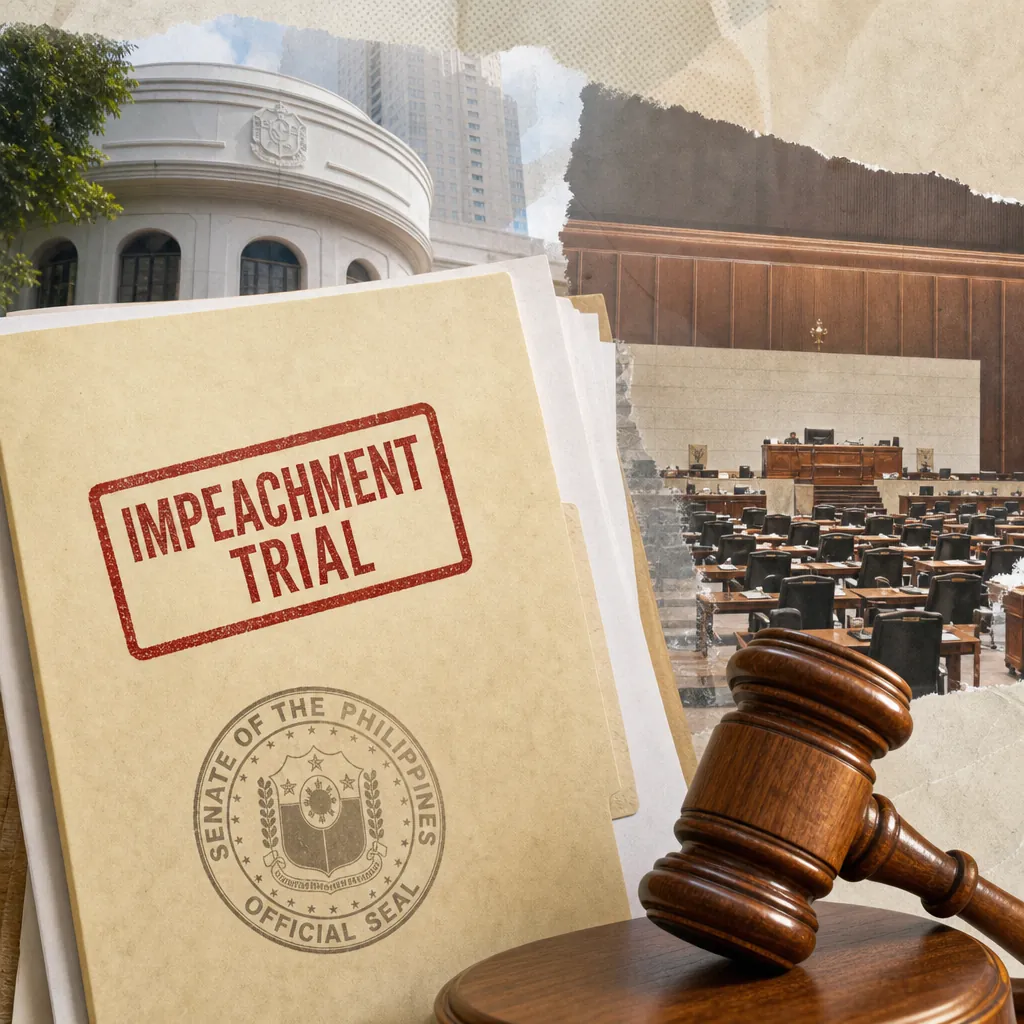
Impeachment Trial Dominates as Recantations and WPS Row Fuel Debate
A daily snapshot of Philippine political conversation on August 6, 2026, centered on the impeachment trial of Vice President Sara Duterte, with key developments including witness recantations, the West Philippine Sea dispute, and government responses.
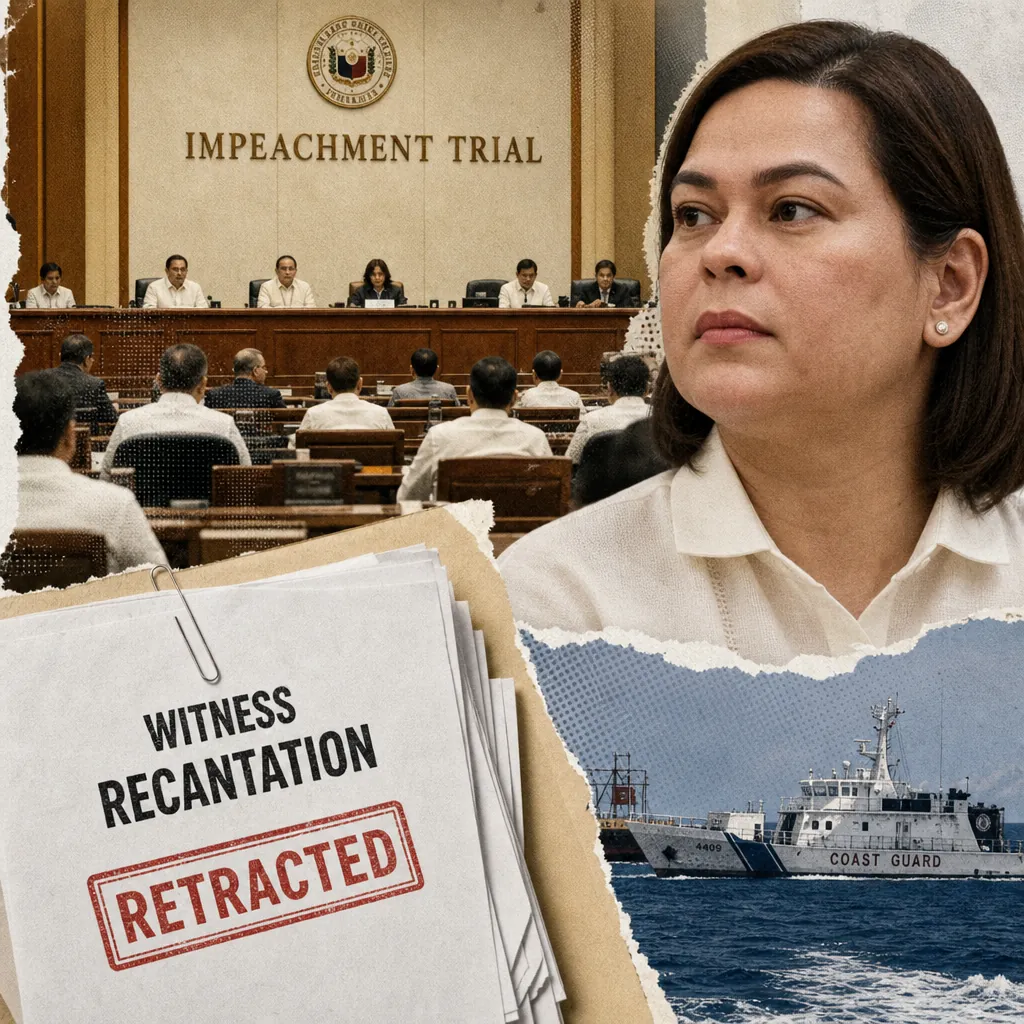
The conversation on August 6, 2026, was dominated by the impeachment trial of Vice President Sara Duterte, a political earthquake that has split the nation. The day's discourse was a multi-front storm, with the trial's procedural maneuvers, the explosive "maleta boys" recantation scandal, and a heated West Philippine Sea dispute between Duterte and Defense Secretary Gilberto Teodoro Jr. all vying for public attention. Social media platforms buzzed with engagement, while news outlets churned out a steady stream of updates, analyses, and opinion pieces. The sheer volume and intensity of the conversation underscored a nation deeply polarized and hungry for accountability, yet also weary of the constant political warfare.
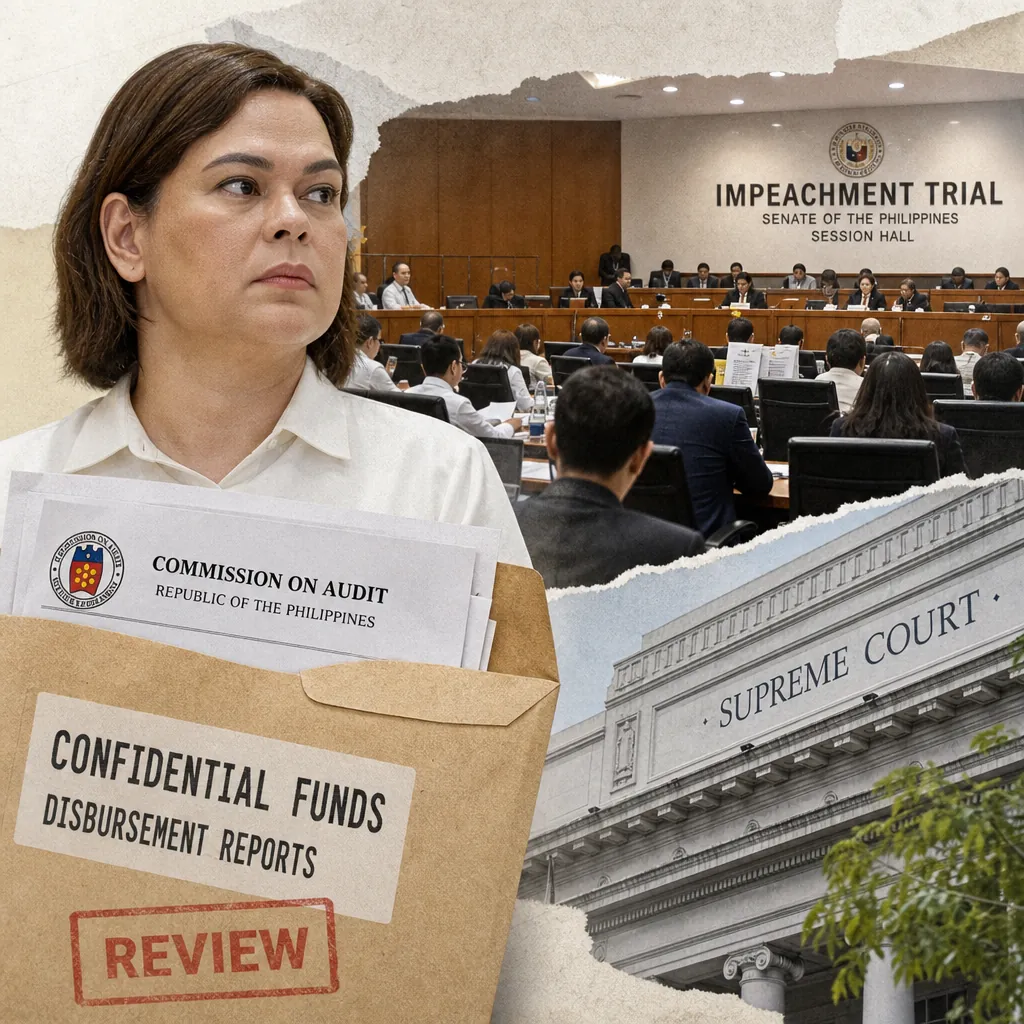
The impeachment trial, which stems from allegations of misuse of confidential funds, has become a proxy for a larger battle over governance, transparency, and the rule of law. The prosecution, led by Batangas Rep. Gerville Luistro, is arguing that Duterte, as the accountable officer, must answer for irregularities in the disbursement of P125 million in confidential funds in 2023. The defense, meanwhile, portrays the trial as a politically motivated witch hunt. This fundamental clash of narratives played out across every platform, with each camp marshaling facts, legal arguments, and emotional appeals to sway public opinion.
Beyond the trial itself, the day's conversation revealed a deeper crisis of trust. The recantation of the "maleta boys"—individuals who had previously accused politicians of corruption—threw the credibility of all testimony into question. The public's reaction was a mixture of cynicism and fatigue, with many expressing doubt about the authenticity of both the original accusations and the recantations. This erosion of trust, coupled with the government's own battles against disinformation, painted a picture of a political landscape where truth itself has become a casualty.
Key themes
- Impeachment Trial and Confidential Funds Accountability: The trial of Vice President Sara Duterte over alleged misuse of confidential funds dominated the day's news and social media. The prosecution's case, built on testimony from state auditor Roderick Wamil, argues that Duterte is accountable for the funds' disbursement. The defense counters that the funds were lawfully used and that the trial is politically motivated. This theme is the gravitational center of the day's conversation, with every development scrutinized and debated.
- "Maleta Boys" Recantation and Credibility Crisis: A major subplot involved the recantation of sworn statements by some of the 18 individuals who had previously accused politicians of corruption. Rosebert Maupan, one of the "maleta boys," claimed they were paid by Atty. Levito Baligod to fabricate stories. This development sparked intense debate about the authenticity of testimony and the manipulation of witnesses, further eroding public trust in the political process.
- West Philippine Sea and Political Finger-Pointing: Vice President Duterte's challenge to Defense Secretary Teodoro to name alleged pro-China officials escalated into a major political row. Duterte's remark that even the President is suspect due to the lack of a specific list drew significant engagement. This theme highlights the intersection of national security and political rivalry, with retired generals and other groups weighing in on the need to defend sovereignty.
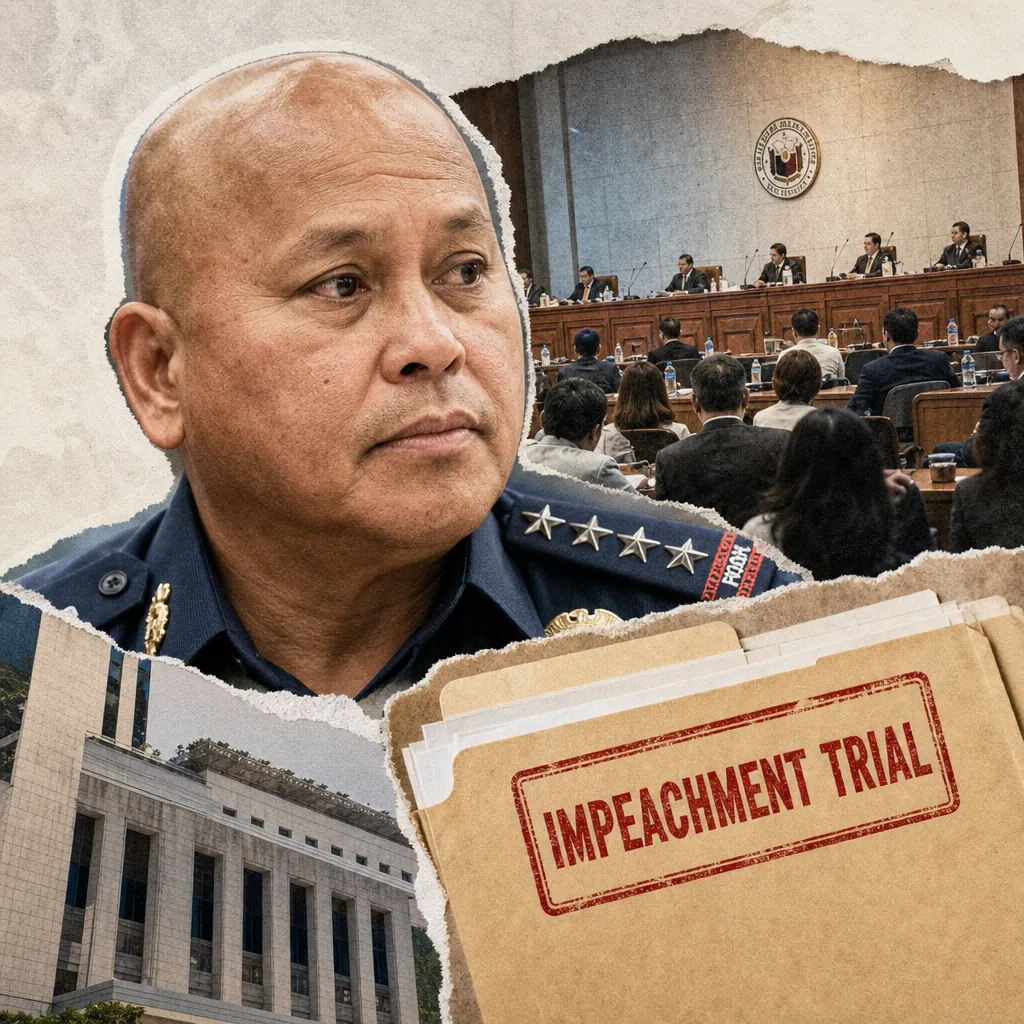
- Government Response and Disinformation Battle: The Palace, through Press Officer Claire Castro, pushed back against criticism and launched an investigation into fake news about Senator Bato dela Rosa's alleged arrest. The government also faced scrutiny over its handling of the impeachment trial, with accusations of interference. This theme underscores the administration's efforts to control the narrative and combat misinformation.
- Economic Pressures and Labor Market: Amid the political turmoil, economic news provided a counterpoint. Inflation slowed to 6.2% in July, but unemployment rose to 4.9% in June. The government rolled out fuel discounts and cash aid for transport workers, while labor groups fought to protect a minimum wage hike. These issues, while less prominent in the political conversation, remain critical to ordinary Filipinos.
- Disaster Response and Public Safety: The effects of Tropical Depression Maymay and the southwest monsoon led to class suspensions, landslides, and deaths. The government's disaster response, including PNP chief Nartatez's orders for damage checks, was a focus. This theme highlights the ongoing challenges of climate-related emergencies and the need for effective public safety measures.
- International Relations and Extradition: The US request to extradite Apollo Quiboloy, the detained televangelist, drew reactions from Senator Risa Hontiveros and others. The process, involving the DFA and DOJ, was explained in detail. This theme touches on international justice and the Philippines' obligations under treaties.
- Housing and Social Services: The House approved a bill expanding options for socialized housing, and various government programs aimed at livelihood and education were highlighted. These stories, while less sensational, reflect the government's policy agenda and its efforts to address social needs.
How the narratives stack
Dominant: The impeachment trial of Vice President Sara Duterte is the dominant narrative, both in terms of news coverage and social media engagement. Within the captured set of articles, the trial-related stories, including the confidential funds issue and the prosecution's case, drew the highest advertising-equivalent value, with the Manila Times' piece on the audit notice alone worth an estimated ₱687,848. The social writeup also shows intense engagement, with posts about the trial and related issues garnering thousands of likes and comments. This narrative is not just about the trial itself but about the broader battle for accountability and the public's trust in institutions.
Counter-narrative: The counter-narrative, largely pushed by pro-Marcos administration loyalists and Duterte's defense team, frames the impeachment as a politically motivated attack. This is evident in posts defending the Vice President and questioning the prosecution's evidence. The "maleta boys" recantation story serves as a key element of this counter-narrative, suggesting that the accusations against Duterte are part of a fabricated scandal. This narrative is particularly strong on Facebook, where loyalists use satire and direct rebuttals to counter opposition claims.
Emerging: An emerging narrative is the West Philippine Sea dispute, which has the potential to escalate into a major political crisis. Vice President Duterte's challenge to Defense Secretary Teodoro, and her implication that even President Marcos is suspect, has introduced a volatile national security angle. This could destabilize the administration's WPS narrative and expose internal government divisions. The conversation is likely to intensify as more officials and groups weigh in.
Suppressed: A story that is under-covered relative to its importance is the rising unemployment rate and the struggles of ordinary Filipinos. While the political drama dominates the headlines, the economic data showing 4.9% unemployment and the impact of inflation on daily life receive less attention. This is a significant issue that could have long-term political consequences, but it is being overshadowed by the impeachment trial.
Platform insights
- Facebook: Facebook was the primary battleground for partisan debate. Posts about the impeachment trial and the "honey trap" story drew high engagement, with one post speculating about the lawyers involved receiving 806 likes and 365 "haha" reactions. The sentiment shifted from serious to sarcastic as the day progressed, with users mocking the administration's involvement. Facebook also served as a rallying point for both pro- and anti-Duterte camps, with comment threads often devolving into heated arguments.
- Reddit: Reddit hosted the most detailed and critical discussions. Users provided long-form analysis of the trial's legal aspects and the credibility of witnesses. The "maleta boys" recantation thread surged to 567 likes, with users debating the authenticity of the reversal. Reddit's sentiment was predominantly negative and accusatory, with a focus on systemic corruption and the need for accountability. The platform also connected local issues, like Davao's infrastructure problems, to the national corruption narrative.
- Twitter/X: Twitter acted as the news wire, with rapid-fire updates on trial proceedings and government responses. Posts were concise, often linking to full articles, and demonstrated high engagement through views. For example, a story about the "honey trap" plot accumulated over 11,000 views. The sentiment was more reactive, with users sharing headlines and adding brief commentary. Twitter also served as a platform for official clarifications, such as posts clarifying COA's powers regarding confidential funds.
- YouTube: While not explicitly mentioned in the writeup, YouTube likely played a role in disseminating longer-form content, such as press briefings and analysis videos. The writeup mentions DPWH Secretary Dizon using Facebook and YouTube to call out unfinished projects, indicating that YouTube is used for official communications and public engagement.
Key voices and communities
- Anti-Duterte Accountability Advocates: This loose coalition of progressive voices, opposition supporters, and governance watchdogs is highly active across Twitter, Facebook, and Reddit. They frame the impeachment and confidential funds issues as tests of democratic integrity. Their content frequently references Senator Risa Hontiveros, prosecution witnesses, and COA findings. They are the primary drivers of anti-administration discourse and will likely shape how confidential fund issues evolve in public opinion.
- Pro-Marcos Administration Loyalists: Supporters of the current administration, including those aligned with the Palace and congressional leadership, actively push back against impeachment proceedings. Their presence is strongest on Facebook, where they employ a mix of direct rebuttals and satirical commentary. They position the impeachment trial as politically motivated and emphasize procedural fairness. They also rally behind Defense Secretary Teodoro on the West Philippine Sea issue.
- Duterte Family Support Base: Concentrated in Davao-oriented communities, this group remains highly loyal to the Duterte family. They frame the Vice President as a victim of political maneuvering and question the credibility of prosecution witnesses. Their reactions to the trial will influence regional sentiment and potentially affect broader political stability.
- Mainstream News Media and State Institutions: Traditional news outlets including GMA News, Philippine Daily Inquirer, and UNTV provide ongoing coverage of the impeachment trial and related governance issues. Their reporting is largely factual but serves as the primary source material for both advocacy and loyalist groups. They set the agenda and provide the factual base for all stakeholder groups.
- General Public Sentiment and Anecdotal Critics: Beyond organized camps, a broader segment of casual social media users engages with governance issues through personal anecdotes, satirical commentary, and lived experience. Their contributions are less coordinated but highly revealing of grassroots sentiment. They express frustration with corruption, inefficiency, and the cost of living, often using humor to process serious criticisms.
Narrative streams
The Impeachment Trial: A Battle Over Confidential Funds
The impeachment trial of Vice President Sara Duterte is the day's central narrative, with the prosecution and defense locked in a fierce battle over the use of confidential funds. The prosecution, led by Batangas Rep. Gerville Luistro, presented state auditor Roderick Wamil as a key witness. Wamil testified that the Office of the Vice President (OVP) withdrew the full P125-million confidential fund allocation for each of the first three quarters of 2023, and that Duterte is the accountable officer for these disbursements. The prosecution argues that the funds were not properly liquidated and that Duterte violated Joint Circular 2015-01, which governs the release, disbursement, and liquidation of confidential and intelligence funds.
The defense, however, has pushed back, arguing that the funds were used for legitimate purposes, including medical and food aid. They also question the credibility of Wamil, noting that he faced tough questioning from Senator-judge Imee Marcos. The defense's strategy appears to be to portray the trial as a politically motivated attack, a narrative that resonates with Duterte's supporters.
The public's engagement with this narrative is intense. A Facebook post about the prosecution's anticipation of testimony from former special disbursing officers drew 1,195 likes and 372 comments. On Reddit, users debated the legal nuances, with many expressing support for the prosecution's call for accountability. The conversation has evolved from procedural details to a broader critique of the "government we deserve," as highlighted by a post quoting DPWH Secretary Vince Dizon.
The coverage of this trial in the captured set of articles is substantial. The Manila Times' piece on the audit notice, which details the COA's findings, drew an estimated advertising-equivalent value of ₱687,848, making it one of the most valuable items in the set. The Inquirer's article on Luistro's praise for Wamil also drew significant value at ₱742,392. This indicates that the trial is not only a social media phenomenon but also a major news story that commands significant media resources.
The "Maleta Boys" Recantation: A Crisis of Credibility
The recantation of the "maleta boys"—individuals who had previously accused politicians of corruption—has thrown the credibility of all testimony into question. Rosebert Maupan, one of the recanters, claimed that they were paid by Atty. Levito Baligod to fabricate stories. This development has been seized upon by Duterte's supporters as evidence that the accusations against her are part of a fabricated scandal.
The public's reaction has been one of deep cynicism. A Reddit post on the recantation surged to 567 likes, with users debating whether the recantations are genuine or coerced. Some users sarcastically commented on the flip, questioning the Palace's involvement. The narrative has become a cyclical pattern: allegations, denial, recantation, and legal counter-moves.
This story has significant implications for the impeachment trial. If the recantations are believed, they could undermine the prosecution's case. However, the counter-narrative that the recantations are themselves coerced or incentivized is equally powerful. The public is left in a state of confusion, unsure of whom to believe.
The coverage of this story in the captured set is less extensive than the trial itself, but it is present. The Inquirer's article on the talent manager identifying lawyers in the "honey trap" case, which is related to the broader theme of fabricated testimony, drew an estimated advertising-equivalent value of ₱363,636. This suggests that the media is paying attention to the credibility crisis, even if it is not the lead story.
West Philippine Sea: A Political Powder Keg
Vice President Duterte's challenge to Defense Secretary Teodoro to name alleged pro-China officials has escalated into a major political row. Duterte's remark, "Suspek kahit ang Presidente natin, kasali sa suspek doon kasi walang pangalan, walang listahan ng pangalan," which translates to "Even our President is a suspect because there's no name, no list of names," drew 326 likes and 133 comments on Reddit. This statement has been interpreted as an attack on President Marcos Jr., implicating him in the alleged pro-China sympathies.
The conversation has evolved into a broader discussion about national security and political rivalry. Retired generals, through the Association of General and Flag Officers (AGFO), have expressed support for the Department of National Defense's position, emphasizing that defending national sovereignty is a non-negotiable duty. This adds a layer of institutional weight to the debate.
The coverage of this story in the captured set includes the Manila Times' article on retired generals supporting the DND stance, which drew an estimated advertising-equivalent value of ₱203,448. The Inquirer's article on the Palace's reaction to the heckling of President Marcos also touches on the WPS issue indirectly, as the heckling occurred during a visit to Davao City.
This narrative is likely to intensify in the coming weeks, as it taps into deep-seated concerns about national sovereignty and the government's handling of the West Philippine Sea dispute. It also exposes internal divisions within the administration, which could have significant political consequences.
Government Response and Disinformation Battle
The Palace, through Press Officer Claire Castro, has been actively responding to the impeachment trial and related issues. Castro dismissed Vice President Duterte's claim that the ICC is a lapdog of the Marcos administration as "baseless" and "nonsense," prompting Duterte to urge Castro to be professional. This exchange has become a sub-narrative, with the public debating the conduct of government officials.
The government is also battling disinformation. The Presidential Communications Office (PCO) has launched an investigation into fake news about Senator Bato dela Rosa's alleged arrest, which was spread by allies of the senator. The PCO's Anti-Fake News Desk is checking whether the posts are malicious. This highlights the government's efforts to control the narrative and combat misinformation.
The coverage of this story in the captured set includes the Daily Tribune's article on the Palace hunting down the Bato arrest peddler, which drew an estimated advertising-equivalent value of ₱95,142. The Inquirer's article on Castro's reaction to the student heckling also drew value at ₱219,996.
This narrative is important because it shows the administration's vulnerability to disinformation and its attempts to respond. The public's skepticism toward official communications is a recurring theme, and the government's efforts to project transparency may not be enough to counter the deep-seated distrust.
Economic Pressures and Labor Market
Amid the political turmoil, economic news provided a counterpoint. Inflation slowed to 6.2% in July, down from 6.4% in June, driven by slower increases in transport and fuel costs. However, the unemployment rate rose to 4.9% in June, up from 4.8% in May, as more than a million additional job seekers entered the labor market. The government rolled out fuel discounts and cash aid for transport workers, while labor groups fought to protect a minimum wage hike.
The coverage of these issues in the captured set is substantial. The Inquirer's article on the June jobless rate drew an estimated advertising-equivalent value of ₱355,320. The Manila Times' article on DOLE's job campaigns drew ₱189,608. The Daily Tribune's article on the DoTr's fuel discounts drew ₱119,382.
These economic issues, while less prominent in the political conversation, are critical to ordinary Filipinos. The rising unemployment rate, in particular, could have long-term political consequences, as it affects the livelihoods of millions. The government's response to these challenges will be closely watched.
Disaster Response and Public Safety
The effects of Tropical Depression Maymay and the southwest monsoon led to class suspensions, landslides, and deaths. At least four people were killed in separate landslides in Benguet and Rizal. The government's disaster response, including PNP chief Nartatez's orders for damage checks, was a focus. The coverage of these events in the captured set includes the Manila Times' article on the landslides, which drew an estimated advertising-equivalent value of ₱568,132.
This theme highlights the ongoing challenges of climate-related emergencies and the need for effective public safety measures. The public's attention to these issues is often overshadowed by political drama, but they remain a priority for many Filipinos.
International Relations and Extradition
The US request to extradite Apollo Quiboloy, the detained televangelist, drew reactions from Senator Risa Hontiveros and others. Hontiveros said "it's about time" for Quiboloy to be extradited to face trial on child sex trafficking and other charges. The process, involving the DFA and DOJ, was explained in detail. The coverage of this story in the captured set includes the Manila Times' article on the US wanting Quiboloy extradited, which drew an estimated advertising-equivalent value of ₱426,272.
This theme touches on international justice and the Philippines' obligations under treaties. It also has domestic political implications, as Quiboloy was a close ally of former President Rodrigo Duterte. The extradition process is likely to be closely watched in the coming months.
Conversation trajectory
Over the next 2-3 weeks, the impeachment trial will continue to dominate the conversation, with the evidentiary phase likely to reshape public sentiment on confidential funds and accountability standards. The testimony of former aides and other witnesses could substantially alter public perception. The "maleta boys" recantation story is likely to evolve, with potential legal actions from either camp. The West Philippine Sea dispute may escalate, with more officials and groups weighing in. The government's battle against disinformation will continue, with verification becoming a key conversational currency.
Trigger events to watch include: the scheduled testimony of former aides in the impeachment trial (expected within the next 1-2 weeks), which could substantially alter public perception of the confidential fund allegations; the continuation of the Senate hearing on the fare suspension petitions, which will draw attention to transportation issues; and the aftermath of Typhoon Maymay and the enhanced monsoon season, which will interject disaster response narratives into the broader political conversation.
Response guidance
For government communications teams, prioritize issuing rapid, fact-based clarifications on any impeachment-related or confidential funds developments. The high-engagement post asserting that confidential funds are not safe from disclosure indicates a public appetite for procedural clarity that the administration can meet with authoritative explanations.
For the Palace specifically, the pattern of comments accusing it of meddling in the impeachment process presents a risk that must be countered with consistent messaging on non-interference and respect for due process. Public remarks should avoid appearing partial, as this is a fast-emerging negative narrative.
For all clients, the recantation by the "maleta boys" highlights the instability of witness statements and allegations in the current environment. Communications teams should focus on verifying any claims related to their sectors and be prepared to respond to recycled or contradictory narratives from this source.
For private sector clients, particularly those in telecommunications and banking, the current conversation offers a cautionary moment about information integrity and public trust. The "honey trap" narrative and the recantation dynamics both illustrate how quickly claimed evidence can shift, suggesting value in proactive messaging that emphasizes transparency and verification processes.
Monitoring the WPS discourse is also advisable, as the administration's security posture may generate regulatory or reputational implications across sectors.
See the full picture behind today's signals.
This report draws from Media Meter's MediaWatch, our real-time monitoring engine tracking 2,470+ Philippine sources across print, broadcast, digital, and social. Explore how the platform turns raw coverage into decision-grade intelligence, then see how it's configured for teams like yours — whether you're in PR agencies, corporate comms, government, or marketing.
Want more? Browse our Report Library for sector and crisis intelligence, or request a demo and we'll have your brand set up before the call.
Want this kind of intelligence on your brand?
This brief is built on the same MediaWatch methodology that runs continuously across every brand we monitor. See your competitive landscape, Impact Score, and narrative trajectory in a 30-minute demo.