ASF outbreaks, sugar pest, and oil rollback shape a tense food-cost landscape
A day of converging pressures: African swine fever spreads in Negros, a sugarcane pest threatens sugar supply, and an oil price rollback offers modest relief. Meanwhile, government initiatives promote local food brands abroad and consumer research signals a shift toward 'full-feeling' meals.
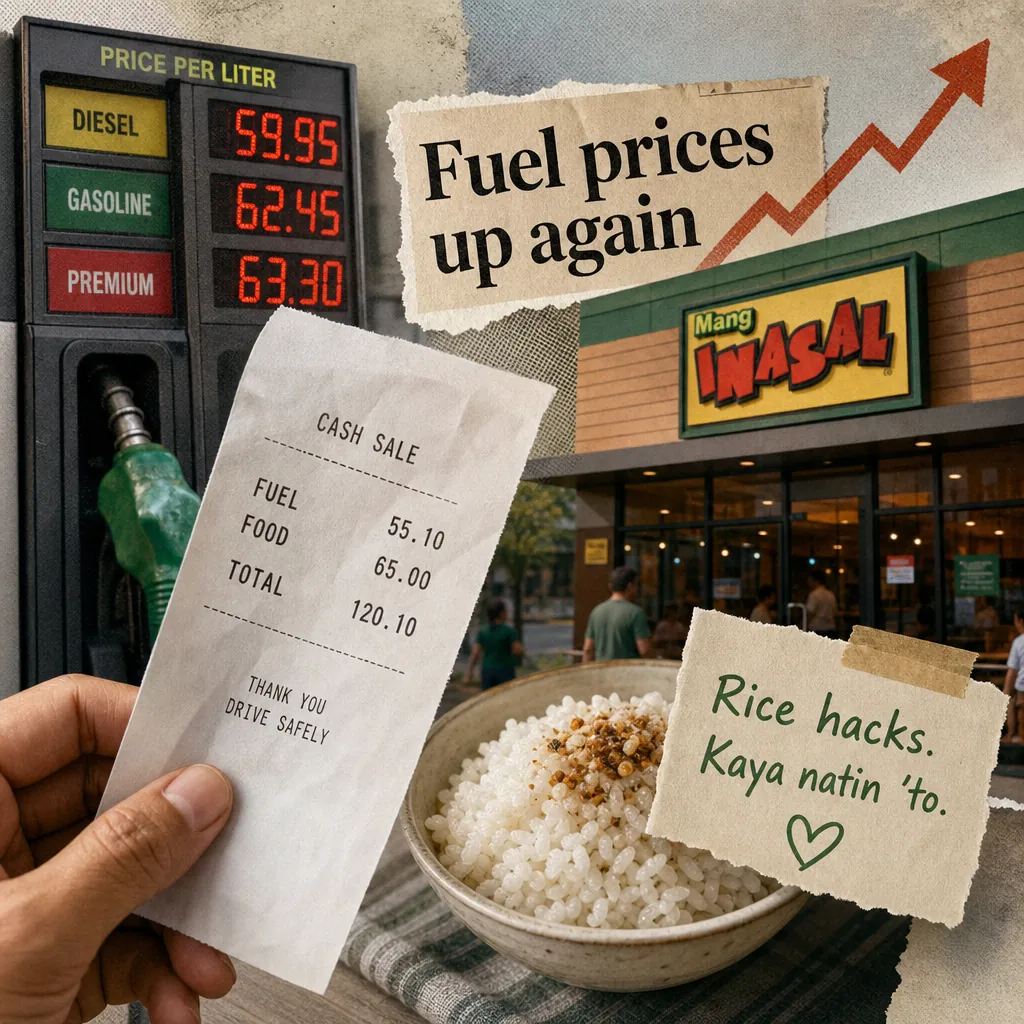
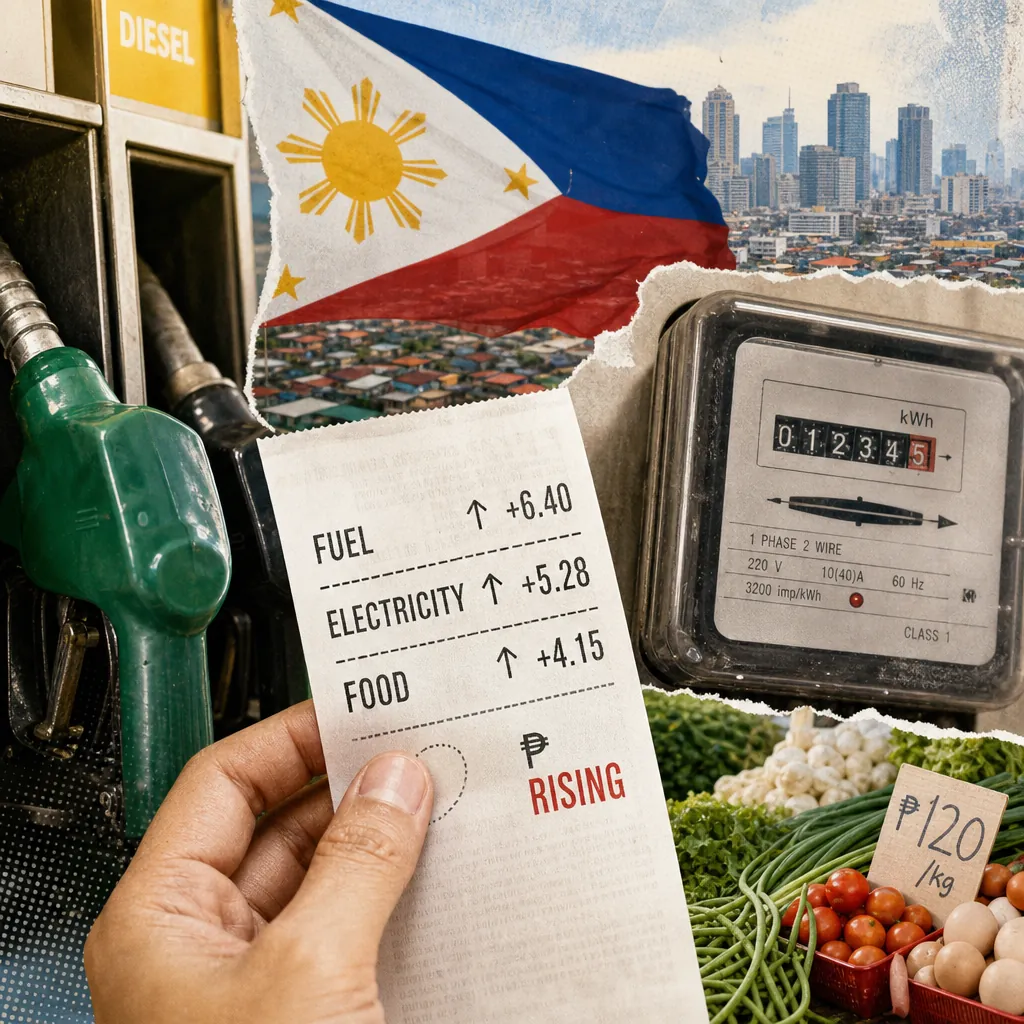
The conversation on June 25, 2026, was dominated by two agricultural supply shocks—African swine fever (ASF) in Negros Occidental and a pest infestation in Negros sugarcane fields—that together raised the temperature on food-price anxiety. An anticipated oil price rollback on June 30 provided a rare piece of good news, generating the highest engagement of any food-related post, with over 4,000 reactions and 434 comments on a single Facebook post from TV Patrol. Consumers instinctively linked fuel relief to food costs, with one commenter writing, "Sana bumaba na rin presyo ng pagkain, hindi lang gasolina" ("I hope food prices also go down, not just gasoline").
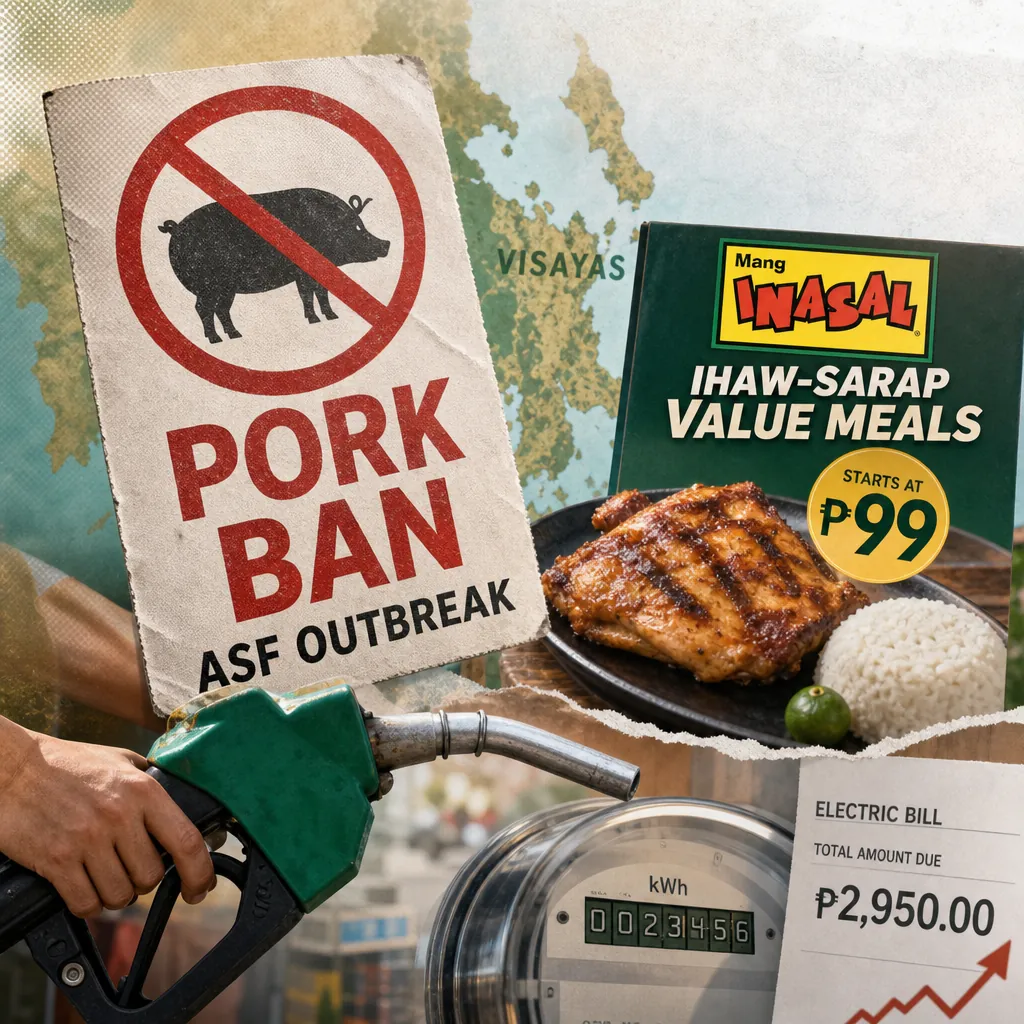
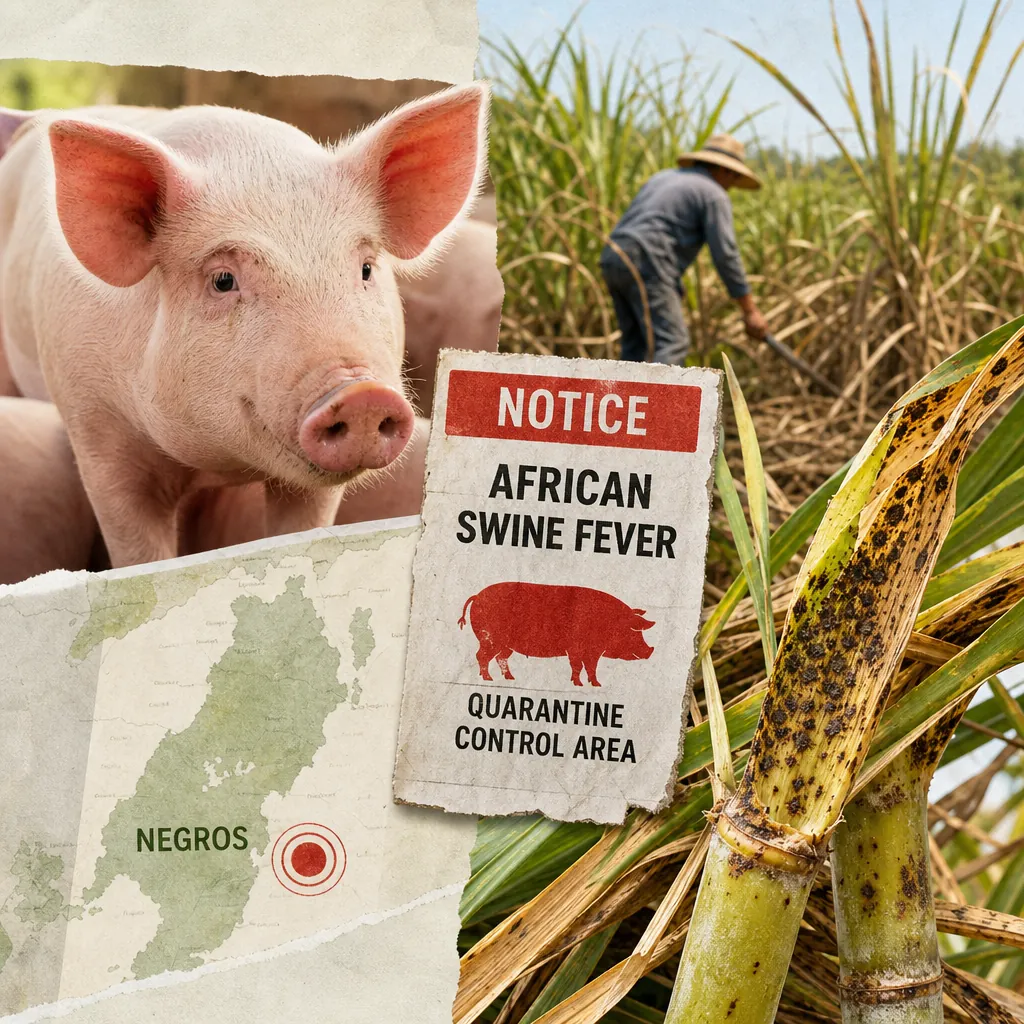
The ASF situation sharpened considerably. Reports confirmed that over 1,200 pigs had died in Negros Occidental between May 22 and June 20, with laboratory-confirmed cases in San Enrique town. The provincial government of Capiz immediately banned the entry of live pigs, pork, and pork products from Iloilo and Negros Island. Bacolod City reactivated its ASF Task Force, and Aklan imposed its own temporary ban. The pork supply disruption is already visible: pork prices in Bacolod have dropped as sellers try to clear inventory, but the medium-term outlook points to tight supply and higher costs.
On the sugar front, the Sugar Regulatory Administration (SRA) reported that nearly 13,800 hectares of sugarcane in Negros Island Region are infested with red-striped soft-scale insect. Separately, Agriculture Secretary Francisco Tiu Laurel Jr. ordered a halt to the importation of feedstock—including molasses, sugar, sugarcane, and sugar syrups—for bioethanol production, a move intended to protect the domestic sugar industry. The order, Sugar Order No. 4, closes a loophole that had allowed such imports under the Biofuels Act of 2006.
Amid these pressures, the Department of Trade and Industry (DTI) continued its push to promote Philippine food brands abroad. It showcased premium food products in Singapore during the 128th Independence Day reception, featuring artisanal chocolates, crispy kangkong chips, and specialty snacks. In New York, the Philippine Coconut Authority hosted "The Filipino Table: A Coconut Feast," promoting coconut-based products under the Coconut Philippines brand. Domestically, the DTI's Bagong Pilipinas pavilion at Cosmobeauté Philippines 2026 generated P58.54 million in sales for MSMEs, including coconut-based cosmetics and halal-certified beauty products.
On the consumer research front, a Philstar News post reported that Chowking's internal study found Filipino consumers increasingly seek a "full-feeling" meal that combines taste, completeness, and budget—beyond traditional notions of affordability and busog (fullness). The post received minimal engagement (2 likes, 1 comment), suggesting that such strategic insights have not yet penetrated the broader public conversation, which remains focused on immediate price concerns.
Key themes
- ASF spreads across Western Visayas, triggering bans and task forces – Over 1,200 pigs died in Negros Occidental in one month, with confirmed ASF cases in San Enrique. Capiz, Bacolod, and Aklan imposed bans or reactivated task forces to contain the disease.
- Sugar pest threatens supply, while bioethanol feedstock imports halted – The SRA reported a red-striped soft-scale insect infestation on nearly 13,800 hectares of sugarcane in Negros. Separately, Agriculture Secretary Tiu Laurel banned feedstock imports for bioethanol to protect local sugar farmers.
- Oil price rollback sparks hope for food cost relief – TV Patrol's announcement of an expected June 30 rollback drew over 4,000 reactions and 434 comments, with consumers expressing hope that lower fuel costs would translate to lower food prices.
- Government promotes Philippine food brands globally – DTI-led events in Singapore and New York showcased local products, from coconut-based dishes to artisanal snacks, aiming to expand export markets.
- MSMEs generate P58.5M at beauty trade show – The DTI's Bagong Pilipinas pavilion at Cosmobeauté Philippines 2026 helped micro, small, and medium enterprises achieve significant sales, highlighting coconut and halal-certified products.
- Consumer research signals shift toward 'full-feeling' meals – Chowking's study found that satisfaction now hinges on taste, completeness, and budget, not just low price or large portions. The insight has not yet gained viral traction.
- Low agricultural productivity remains a structural concern – An opinion piece in the Manila Times argued that low productivity is a decades-long trend, not merely a result of recent shocks, and called for a serious strategy in the upcoming SONA.
How the narratives stack
Dominant – Within the captured set, the dominant narrative is the twin agricultural supply shock: ASF in Negros and the sugar pest. These stories generated the most news coverage and direct policy responses (bans, task forces, import halt). The oil price rollback, while generating high social engagement, is a one-off event rather than a sustained story.
Counter-narrative – Government-led initiatives to promote Philippine food brands abroad and support MSMEs offer a positive, forward-looking alternative to the price-anxiety narrative. The DTI's Singapore and New York events, the Cosmobeauté sales, and the ASPIRE ube exposition all frame the sector as resilient and globally competitive.
Emerging – The "full-feeling" consumer insight from Chowking is an emerging narrative that could reshape how QSR brands communicate value. If amplified by other brands or research, it may shift the conversation from price-only competition to holistic meal satisfaction.
Suppressed – The structural issue of low agricultural productivity, raised in the Manila Times opinion piece, is under-covered relative to its importance. The piece argues that decades of underinvestment, not just recent shocks, are to blame, but this perspective has not gained traction in the day's conversation.
Platform insights
- Facebook – Dominant platform for food-price conversations. TV Patrol's oil rollback post drew the highest engagement (4,000+ reactions, 434 comments), with users sharing personal stories about fuel costs and food prices. The ASF and sugar pest stories also appeared here, but with lower engagement. Facebook is where consumers express cost-of-living anxiety most directly.
- Twitter – Agricultural alerts from the SRA and news outlets received minimal engagement (0–3 likes), suggesting that niche commodity news struggles to gain traction without viral packaging. However, official accounts like PHIVOLCS and DTI use Twitter for announcements, making it a channel for real-time policy updates.
- Reddit – A single post about crude oil at $69/barrel by a Filipino Redditor garnered 65 upvotes and 41 comments, indicating some appetite for macro-level price drivers among the platform's users. Food-specific discussions were absent.
Key voices and communities
- Government agencies (DTI, DA, SRA) – These are the primary sources of authoritative information on policy changes, trade promotions, and agricultural alerts. Their posts carry high credibility but often low engagement, creating a gap between official messaging and public awareness.
- Regional news outlets (Inquirer, Philstar, Daily Tribune, Daily Guardian) – They amplify both national and local stories, with Inquirer and Philstar covering the ASF bans and sugar pest in depth. Their reporting shapes the narrative for a broad audience.
- Agricultural producers and industry groups – The SRA and local government units (Capiz, Bacolod, Aklan) are active in issuing orders and task force reactivations. Their voices are critical in shaping the supply-side story.
- Consumers and small retailers – Represented through comments on the oil rollback post and the sari-sari store theft stories, this group is highly sensitive to price changes and vocal about their expectations. Their sentiment is a leading indicator of brand reputation risk.
- Food brands and researchers – Chowking's research post, though low-engagement, signals that major QSR players are investing in consumer psychology to stay relevant. This group's insights may influence future marketing strategies.
Narrative streams
African swine fever spreads across Western Visayas
The ASF situation escalated sharply on June 25. Reports confirmed that 1,213 pigs died in Negros Occidental between May 22 and June 20, representing 4% of the province's hog population. San Enrique Mayor Jilson Tubillara confirmed that about 500 pigs died in her town, with laboratory-confirmed ASF cases. In response, Capiz Governor Fredenil Castro signed Executive Order No. 21, banning the entry of live pigs, pork, and pork products from Iloilo and Negros Island. Bacolod City Mayor Greg Gasataya issued an executive order reconstituting the ASF Task Force, and Aklan imposed its own temporary ban. The coverage, worth an estimated P107,190 in advertising-equivalent value for the Philstar article and P289,784 for the Inquirer article, underscores the seriousness of the outbreak. For QSRs and processed meat brands like Jollibee, Purefoods, and Magnolia, this signals potential supply tightness and price increases in pork within 4–6 weeks. The bans may also disrupt distribution channels, forcing brands to source from unaffected regions or consider imports.
Sugar pest and bioethanol import ban threaten supply
The SRA reported that 13,797.59 hectares of sugarcane in Negros Island Region are infested with red-striped soft-scale insect. The tweet from BusinessMirror received zero engagement, but the underlying issue is significant: sugar is a key ingredient for beverages, baked goods, and processed foods. Separately, Agriculture Secretary Tiu Laurel issued Sugar Order No. 4, banning the importation of feedstock (molasses, sugar, sugarcane, sugar syrups) for bioethanol production. The order, released on June 25 but dated May 22, closes a loophole in the Biofuels Act of 2006 that had allowed such imports. The Inquirer article covering the ban had an estimated advertising-equivalent value of P299,040. For beverage manufacturers (Coca-Cola Philippines, Nescafe) and bakery chains (Red Ribbon, Greenwich), higher sugar costs could squeeze margins. The ban on feedstock imports may also affect bioethanol producers, potentially increasing fuel costs indirectly.
Oil price rollback offers temporary relief
The announcement of an expected oil price rollback on June 30, driven by sustained declines in global crude prices, generated the highest engagement of any food-related post on June 25. TV Patrol's Facebook post received 3,998 reactions and 434 comments, with users expressing hope that lower fuel costs would lead to lower food prices. One commenter wrote, "Sana bumaba na rin presyo ng pagkain, hindi lang gasolina". The post's estimated advertising-equivalent value was not provided, but its engagement far exceeded other food-related content. For food brands, this creates a window to communicate value: promotions tied to "gas savings" or "affordable treats" could resonate. However, the relief is temporary, and consumers remain vigilant about other staples.
Government promotes Philippine food brands globally
The DTI continued its push to expand the global footprint of Philippine food brands. In Singapore, the Philippine Trade and Investment Centre partnered with leading food brands to present artisanal chocolates, crispy kangkong chips, and specialty snacks during the 128th Independence Day reception. The event introduced Singaporean government ministers and foreign diplomats to Philippine products. In New York, the Philippine Coconut Authority hosted "The Filipino Table: A Coconut Feast," promoting coconut-based products under the Coconut Philippines brand. The Daily Guardian articles covering these events had estimated advertising-equivalent values of P150,591 and P144,228, respectively. Domestically, the DTI's Bagong Pilipinas pavilion at Cosmobeauté Philippines 2026 generated P58.54 million in sales for MSMEs, featuring coconut-based cosmetics and halal-certified products. These initiatives signal strong government support for local food brands and could be leveraged by companies like Magnolia, Red Ribbon, or Datu Puti for co-branded campaigns.
Consumer research: the 'full-feeling' meal
Chowking's internal research, shared by Philstar News, found that Filipino consumers now define a satisfying meal as one that balances taste, completeness, and budget—a concept the brand calls "full-feeling". The post received only 2 likes and 1 comment, indicating that the academic framing did not resonate with the general public. However, the insight itself is significant: it suggests that value messaging centered solely on busog (fullness) is losing effectiveness. For QSR brands like Jollibee, Mang Inasal, and Chowking itself, this points to an opportunity to emphasize holistic satisfaction in marketing. The lack of viral traction also implies that such strategic pivots are still invisible to average consumers, who remain focused on tangible concerns like price and portion size.
Low agricultural productivity: a structural challenge
An opinion piece in the Manila Times argued that low agricultural productivity is a decades-long trend, not merely a result of recent shocks like typhoons, ASF, and fertilizer price increases. The author called for a serious strategy in President Marcos Jr.'s upcoming fifth State of the Nation Address (SONA). The article had an estimated advertising-equivalent value of P536,480. While this perspective did not generate social media engagement, it represents a critical voice in the policy conversation. For food companies, the piece underscores the need to engage with long-term solutions, such as investing in local sourcing and farmer partnerships, rather than reacting only to immediate crises.
Conversation trajectory
- ASF-driven pork supply tightness (4–6 weeks) – The confirmed deaths and bans will likely reduce pork supply, pushing up prices. QSRs and processed meat brands should prepare contingency messaging and consider alternative protein promotions.
- Sugar price pressure (2–3 months) – The pest infestation and feedstock import ban may tighten sugar supply, affecting beverage and bakery costs. Brands should monitor SRA production forecasts and consider transparent communication if prices adjust.
- Oil rollback as a messaging window (1–2 weeks) – The June 30 rollback offers a brief opportunity to align promotions with consumer relief. Brands should act quickly before attention shifts back to other cost pressures.
- Government trade promotions as positive narratives (ongoing) – DTI's international events and MSME support programs provide a steady stream of positive stories that brands can associate with, especially around heritage and local sourcing.
- 'Full-feeling' concept may gain traction (3–6 months) – If other brands or research institutions echo Chowking's findings, the concept could become a new value paradigm. Early adopters may gain a competitive edge.
Trigger events to watch: The June 30 oil price rollback; the SRA's mid-July sugar production forecast; further ASF confirmations in new areas; the July 27 SONA, where agricultural policy may be outlined; and the launch of DTI's "Minute to Millions" show in late Q3.
Response guidance
- Address ASF and sugar supply concerns proactively – Issue joint industry statements with DA and SRA acknowledging challenges and outlining steps (e.g., biosecurity, import monitoring). Transparency builds trust and reduces backlash if prices rise.
- Leverage the oil rollback for value messaging – Launch limited-time promotions or bundles that highlight affordability, using language that connects fuel savings to meal savings. Avoid overpromising; frame as a temporary gesture.
- Amplify government partnership stories – Co-create content around DTI's international promotions or MSME support, positioning your brand as a champion of Filipino food heritage and local sourcing.
- Prepare for shrinkflation scrutiny – With consumers hypervigilant about prices, any reduction in portion size or increase in price must be communicated clearly. Preempt negative comparisons by reaffirming product size stability.
- Engage food vloggers for heritage recipes – Partner with home-cooking influencers to create content that bridges tradition and convenience, such as semi-homemade kits or "dampa at home" concepts.
- Monitor social sentiment for early warning – Track keywords like "shrinkflation," "presyo," and "value meal" to detect shifts in consumer mood. Respond quickly to emerging complaints with empathy and facts.
Want this kind of intelligence on your brand?
This brief is built on the same MediaWatch methodology that runs continuously across every brand we monitor. See your competitive landscape, Impact Score, and narrative trajectory in a 30-minute demo.