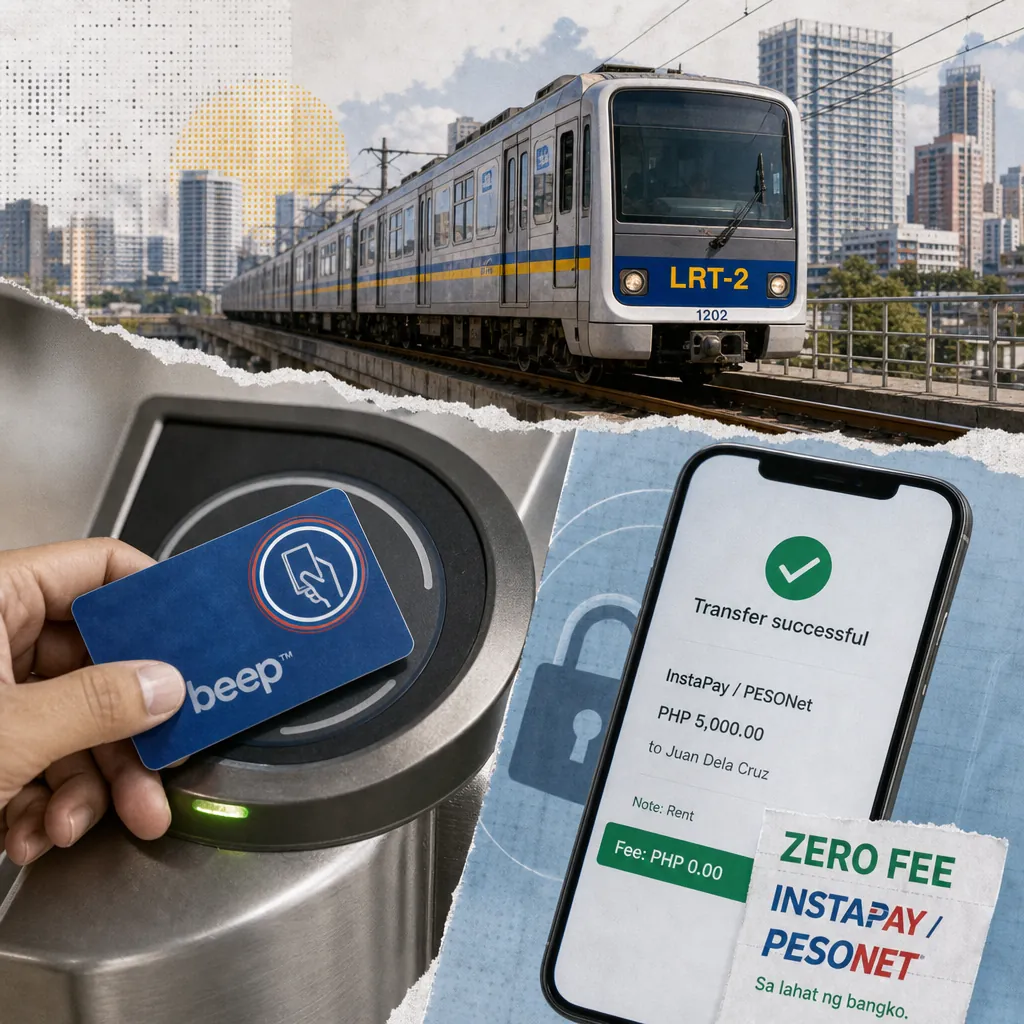
BPI's permanent fee waiver and GCash's record IPO reshape Philippine digital banking landscape
BPI permanently waives InstaPay and PESONet transfer fees starting July 1, sparking consumer celebration and competitive pressure on rival banks. Meanwhile, GCash parent Mynt files for a record P92.3 billion IPO, and the BSP releases voluntary AI governance principles for financial institutions.
The conversation around digital banking in the Philippines exploded on June 29, 2026, when news broke that BPI would permanently remove InstaPay and PESONet transfer fees across all its digital platforms starting July 1. The announcement, first reported by InsiderPH and amplified by major news outlets including ABS-CBN News, Rappler, and GMA News, triggered an immediate wave of overwhelmingly positive reactions across Facebook, Twitter, and Reddit [1][2]. Within hours, BPI's official Facebook post garnered over 4,025 likes, 3,546 shares, and 8,855 love reactions, signaling a rare moment of near-universal consumer approval for a bank policy change [3]. The announcement comes just weeks after BSP Circular No. 1238 and Finance Secretary Frederick Go's public push for lower digital transfer fees, with Go himself welcoming BPI's move as building on Landbank's earlier pioneering fee waiver [4]. By mid-afternoon, the conversation had expanded into competitive analysis and deeper discussions about the strategic implications for the entire Philippine banking landscape.
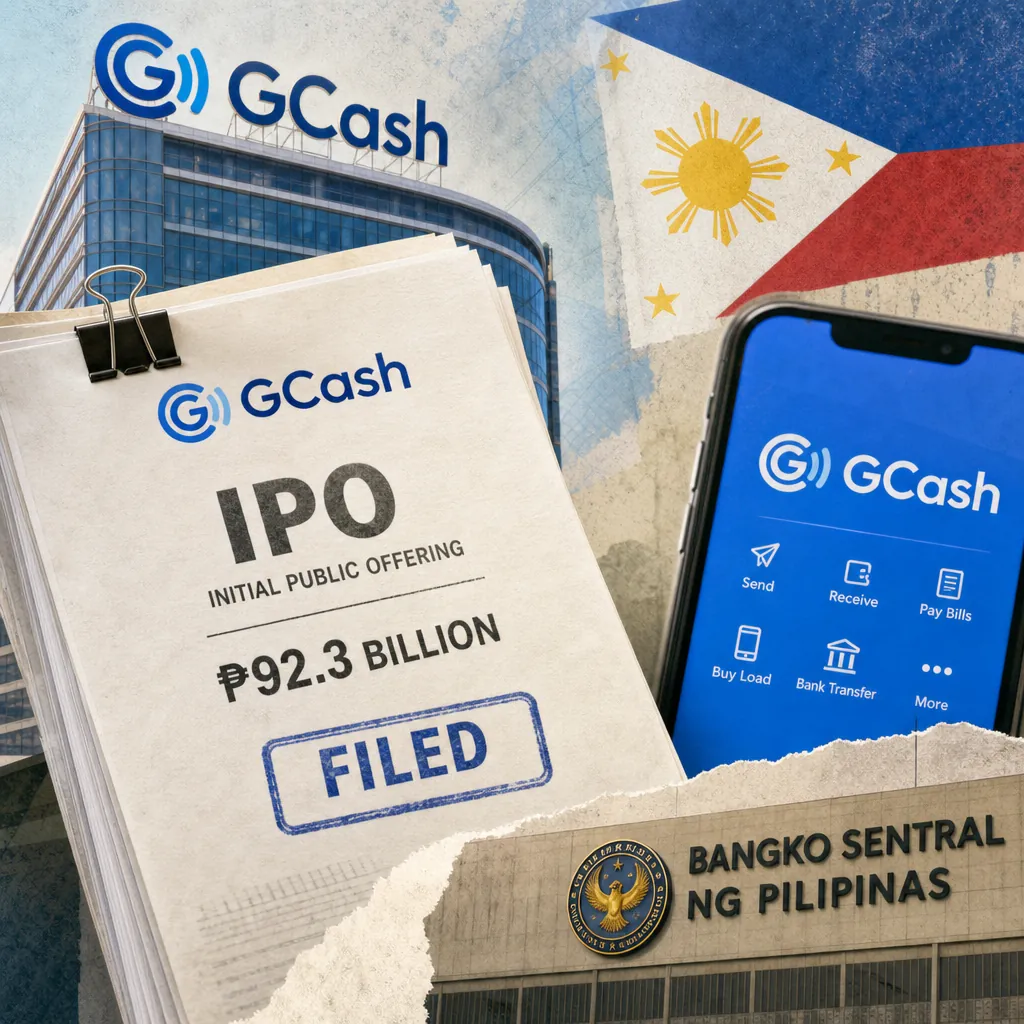
Simultaneously, a separate but related narrative gained traction: GCash parent Mynt Inc. filed for a P92.32 billion initial public offering (IPO) with the Securities and Exchange Commission (SEC), targeting a Q4 listing [5]. The news broke on June 29 as well, with Globe Telecom shares surging 9% following the announcement [6]. This created a broader conversation about the Philippine digital finance ecosystem reaching an inflection point. The Bangko Sentral ng Pilipinas (BSP) also released voluntary governance principles for the use of artificial intelligence (AI) in financial services, laying out expectations for how banks should manage the risks of the fast-growing technology without stifling innovation [7].
Key themes
- BPI fee waiver triggers consumer celebration and competitive pressure — The initial wave of posts on the morning of June 29 was dominated by unbridled enthusiasm. A post by @phdigitalbanks on Facebook quickly accumulated 5,660 likes, 10,204 love reactions, and 3,233 wow reactions [1]. A representative user comment captured the sentiment: "BPI permanently removing transfer fees for instapay and Pesonet starting July 1! Just wow BPI. ❤️ MBT and BDO beke nemen" [8]. This call-out to Metrobank and BDO foreshadowed the competitive pressure theme that would dominate later discussions. On Reddit, a post by u/technobry titled "BPI removes InstaPay and PESONet transfer fees for good" garnered 900 upvotes and 72 comments within hours, becoming the top post on the subreddit [9]. Users celebrated the end of the P10 InstaPay and P50 PESONet charges that had been standard across the industry, with many expressing hope that other banks would follow suit.
- GCash IPO filing signals fintech maturity — Mynt Inc., the operator of GCash, formally kicked off what could become the biggest stock market debut in Philippine history after filing papers for an IPO that could raise as much as P92.3 billion later this year [5]. The proposed offering consists of up to 8.03 billion common shares, with an overallotment option of up to 1.2 billion additional secondary shares. The transaction includes up to 1.61 billion new shares to be issued by Mynt through a primary offer and as many as 6.42 billion existing shares to be sold by current shareholders [10]. Globe Telecom, the largest shareholder of Mynt with about a 34% stake, saw its shares surge 6.94% to close at P1,925 each [6]. The IPO is widely seen as a validation of the Philippine fintech sector and a potential catalyst for further digital finance adoption.
- BSP releases voluntary AI governance framework for banks — The BSP released Memorandum M-2026-031, "Governance Principles for Artificial Intelligence in Financial Services," a voluntary guidance paper intended to help BSP-supervised institutions develop AI stewardship policies and risk management frameworks [7]. The guidance establishes five core principles under the "STARS" framework: Sustainability, Transparency, Accountability, Responsibility (Social Fairness), and Security. Under sustainability, institutions are encouraged to develop AI systems that generate long-term value while minimizing environmental impacts through energy-efficient computing and reduced electronic waste, and to invest in workforce development and human-centered AI [11]. The BSP stressed that the principles are voluntary and nonbinding, saying they are meant to promote the ethical and responsible use of AI rather than limit technological advancement [12].
- Competitive pressure on rival banks intensifies — As the day progressed, analysis shifted to what BPI's move means for other banks. A detailed post by @stocksmartsph on Facebook framed BPI's move as "the most decisive opening shot" in the Philippine deposit war, arguing that zero-fee transfers are a customer acquisition investment rather than a cost center [13]. The post highlighted that GCash and Maya already charge zero for peer-to-peer transfers, making BPI's traditional fee structure a competitive disadvantage. By late afternoon, users began tagging other banks directly. China Bank responded on Facebook with an extended promotional post: "Did someone say EXTENDED? 😱 We're keeping your InstaPay transfers lighter for longer. Our InstaPay fee remains affordable at P5 per transfer via My CBC until September 30, 2026!" [14]. This reaction underscored that banks like China Bank are trying to offer reduced fees but cannot match BPI's permanent zero-fee commitment.
- BSP policy alignment and financial inclusion narrative — A parallel thread emerged around the regulatory context. Finance Secretary Frederick Go, who is also a BSP Monetary Board member, publicly welcomed BPI's decision, noting that it builds on his earlier push for Landbank to waive fees [4]. The BSP's circular encouraging market-based pricing was widely cited as the catalyst. On June 28, just a day before, the Bangko Sentral had rolled out new rules to make digital transactions more affordable and accessible while lifting the moratorium on InstaPay and PESONet fee increases [15]. This timing led to speculation that BPI's announcement was coordinated with the central bank's policy direction. The conversation connected BPI's 175th anniversary on August 1 with the symbolism of the country's oldest bank embracing digital inclusion, as noted by multiple commenters on the Kaskasan Buddies post [16].
- Operational issues and persistent scam concerns — Amid the celebration, less positive narratives persisted. Metrobank experienced a system outage earlier on June 29, posting an update at 8:30 PM stating that ATMs, online banking, and debit cards were restored [17]. Meanwhile, a user @docligot reported being unable to transfer via InstaPay into GCash from multiple banks, with GCash support providing standard troubleshooting steps [18]. A Reddit post by u/LazyBananaPeach raised alarm about a phishing email impersonating Landbank online banking, asking "Is this a scam?" to which the community confirmed it was a fraudulent attempt [19]. These threads served as a reminder that while fee elimination is positive, digital banking security and reliability remain top consumer concerns.
- Fitch downgrades Philippine banking sector outlook — Fitch Ratings slashed the Philippine banking sector's 2026 outlook from "neutral" to "deteriorating," citing the confluence of a US-Iran conflict driving energy shocks, persistent inflation eroding household purchasing power, and a projected economic slowdown [20]. The rating agency's particular focus on unsecured credit card receivables—now comprising 8% of total system lending—was flagged as a canary in the coal mine, as unsecured consumer debt is often the first to sour when economic conditions worsen [20]. The BSP said it is ready to take "appropriate action" in response to the downgrade [20].
- Philippines faces risk of losing investment-grade ratings — Monetary Board member Benjamin Diokno warned that the Philippines faces the risk of losing its investment-grade sovereign credit ratings under twin threats of the oil shock and a prolonged flood-control corruption scandal [21]. "I think it's a good idea to assume that there is a risk, so we need to do the right thing," Diokno said in an interview with One News "Money Talks." "We cannot be complacent and say they will continue to give us this rating, investment rating, because the rating agencies are reviewing our activities here" [21]. This followed Fitch Ratings' affirmation of the country's BBB investment-grade rating but with a negative outlook revision amid rising risks from global energy shocks and external pressures [21].
How the narratives stack
Dominant — BPI's permanent fee waiver and the GCash IPO filing are the two dominant narratives of the day, each generating significant consumer and investor attention. BPI's announcement dominated social media with overwhelmingly positive sentiment, while the GCash IPO dominated business news coverage. The BSP's AI governance framework also received substantial coverage across multiple outlets, reflecting the central bank's proactive stance on emerging technology. Within the captured set, these three stories account for the majority of items and the highest advertising-equivalent values.
Counter-narrative — The Fitch downgrade of the Philippine banking sector outlook and the warning from Monetary Board member Benjamin Diokno about the risk of losing investment-grade ratings provide a cautionary counterpoint to the celebratory tone of the fee waiver and IPO news. These stories highlight the external pressures facing the Philippine economy, including energy shocks, inflation, and geopolitical tensions, which could undermine the positive momentum in digital banking.
Emerging — The BSP's AI governance framework is an emerging narrative that signals the central bank's intention to shape the responsible adoption of AI in financial services. While the principles are voluntary, they establish expectations for banks to develop AI stewardship policies and risk management frameworks. This could become a more prominent topic as banks increasingly deploy AI in customer service, fraud detection, and other operations.
Suppressed — The operational issues and scam concerns that surfaced on the same day as BPI's announcement received relatively less attention compared to the fee waiver and IPO news. Metrobank's system outage and the Landbank phishing alert are important reminders of the ongoing challenges in digital banking security and reliability, but they were largely overshadowed by the positive narratives. These issues deserve more attention from both banks and regulators to ensure that the push for digital inclusion does not come at the expense of consumer protection.
Platform insights
- Facebook — The primary platform for consumer celebration, with BPI's official post receiving 4,025 likes, 8,855 love reactions, and 499 comments [3]. The emotional response was overwhelmingly positive, with love and wow reactions far outpacing other reaction types. Facebook also hosted the most detailed analytical post by @stocksmartsph, which framed the fee waiver in strategic terms and sparked competitive discussion among users tagging other banks [13]. China Bank's defensive response post also generated engagement, though with more amused reactions than genuine appreciation [14].
- Reddit — Became the hub for deeper analysis and community reaction. The top post by u/technobry garnered 900 upvotes and 72 comments, with subthreads debating the implications for other banks and the sustainability of zero-fee models [9]. Reddit also hosted personal finance stories like u/uniquexoxo sharing how they closed credit cards during hardship and are now rebuilding, showing the human side of banking decisions. The Landbank phishing alert post also received community engagement, with users confirming the scam and sharing advice [19].
- Twitter — Served as the news distribution channel, with ABS-CBN News's tweet reaching 335,638 views and 8,862 likes [2]. Finance Secretary Go's welcome of the move was tweeted by multiple outlets, adding regulatory validation to the narrative. Twitter also captured real-time service complaints, such as the InstaPay transfer failure into GCash [18].
- YouTube — Financial vloggers and news outlets covered the BPI fee waiver and GCash IPO, though engagement data is not available for these videos. The coverage by creators like @jaxreyes_ and @tiyopilo suggests that the topic is reaching financially literate audiences who value detailed analysis [22].
Key voices and communities
- Retail digital banking consumers — This group dominates the conversation with the highest volume of engagement across Facebook and Reddit, particularly in response to BPI's fee waiver announcement [1]. Their content is overwhelmingly positive, with users expressing excitement and directly challenging other banks to follow suit [8]. On Facebook, BPI's official post alone garnered over 4,000 likes and 8,800 love reactions, while Reddit threads on the same topic accumulated hundreds of upvotes and dozens of enthusiastic comments [3][9]. Primary narrative: Consumers frame the waiver as a victory for digital banking affordability and a clear competitive differentiator, often tagging rival banks like BDO and Metrobank with calls to "beke nemen" (follow suit) [8].
- News media and financial information providers — Major Philippine news outlets including ABS-CBN News, Inquirer, Rappler, GMA News, and Philstar all covered BPI's announcement with high viewership and engagement [2][23]. Their headlines focused on the "permanent" and "unconditional" nature of the waiver, framing it as a landmark in digital banking [2]. ABS-CBN's tweet reached over 335,000 views and 8,800 likes, indicating broad public interest [2]. Media consistently emphasized alignment with BSP's push for fair pricing and financial inclusion, quoting BPI President TG Limcaoco and Finance Secretary Frederick Go [4][24].
- Traditional bank competitors — Competing banks have remained publicly silent on BPI's move but their actions reveal a defensive posture. China Bank immediately extended its InstaPay fee reduction (P5 per transfer) through September 30 [14]. Meanwhile, Metrobank experienced a service outage on the same day, with their update post generating only 1,233 views and one like, suggesting customers were frustrated [17]. BDO and other universal banks have not yet announced any matching policy. The competitive narrative is one of being caught off guard, with user comments directly challenging "MBT and BDO beke nemen" [8].
- Government and regulatory stakeholders — The Bangko Sentral ng Pilipinas (BSP), Finance Secretary Frederick Go, and the Department of Information and Communications Technology (DICT) have all publicly endorsed BPI's fee waiver [4][25]. Finance Secretary Go, a member of the BSP Monetary Board, explicitly welcomed the move and noted his earlier push for Landbank to waive fees [4]. BSP Circular No. 1238 is cited as the regulatory basis for encouraging reasonable pricing [13]. Government voices frame the fee waiver as a direct result of their policy direction, reinforcing the narrative that BPI is aligned with national financial inclusion goals.
- Financial influencers and content creators — A small but highly impactful group of finance-focused content creators and analysts amplified BPI's story with detailed strategic commentary. Accounts like stocksmartsph and kaskasanbuddies produced in-depth posts analyzing the revenue trade-off, deposit war dynamics, and competitive implications [13][16]. These posts, while lower in raw engagement than mass media, generated highly targeted shares among financially literate audiences. Influencers frame the fee waiver not as a cost cut but as a customer acquisition investment that prioritizes CASA deposits and lifetime value over short-term fee income [13].
Narrative streams
BPI's permanent fee waiver: A strategic masterstroke in the deposit war
BPI's decision to permanently waive InstaPay and PESONet transfer fees starting July 1 has been widely interpreted as a strategic move to defend its deposit base against the rising threat of digital wallets like GCash and Maya. The bank's President, Jose Teodoro Limcaoco, told The Manila Times that the move would be "good for financial inclusion and to promote cashless transactions" [26]. The waiver applies to transfers made through the BPI mobile app, online banking platform, VYBE, BanKo, and BizKo, benefiting more than 9.5 million enrolled users [26]. Previously, BPI charged P10 per InstaPay transaction and P50 for PESONet transfers made through its mobile app [27].
The strategic analysis by @stocksmartsph made clear that the move is about deposit franchise growth, not fee income, which aligns with the broader trend of banks competing on platform stickiness rather than per-transaction revenue [13]. The post argued that "every peso BPI previously charged for an interbank transfer was a peso of friction pushing a digitally native Filipino toward a fintech wallet instead of a bank account" [13]. This perspective is widely shared among business-focused audiences and positions BPI's move as a decisive opening shot in the Philippine deposit war.
The timing of the announcement, just days after BSP Circular No. 1238 encouraged market-based pricing for electronic fund transfers, suggests coordination with the central bank's policy direction [15]. Finance Secretary Frederick Go's public welcome of the move further reinforces this alignment [4]. The conversation also connected BPI's 175th anniversary on August 1 with the symbolism of the country's oldest bank embracing digital inclusion [16].
GCash IPO: A landmark moment for Philippine fintech
Mynt Inc.'s filing for a P92.3 billion IPO represents a watershed moment for the Philippine fintech industry. The proposed offering, which could become the largest in Philippine history, consists of up to 8.03 billion common shares, with an overallotment option of up to 1.2 billion additional secondary shares [5]. The transaction includes up to 1.61 billion new shares to be issued by Mynt through a primary offer and as many as 6.42 billion existing shares to be sold by current shareholders [10]. The final offer price will be determined through a book-building process, with the IPO targeted for the fourth quarter of 2026 [10].
Globe Telecom, the largest shareholder of Mynt with about a 34% stake, saw its shares surge 6.94% to close at P1,925 each, while Ayala Corp., which also holds interests in Mynt, gained 2.37% [6]. The IPO is expected to provide a significant boost to the Philippine Stock Exchange, which has been seeking a blockbuster listing to attract investor interest [5].
However, some market watchers have raised questions about who stands to benefit most from the IPO. Trading Edge chief investment strategist Ron Acoba noted that only around P16.1 billion—or roughly 17%—of the expected proceeds would come from newly issued shares that provide fresh capital for the business, with the majority going to existing shareholders selling their stakes [28]. This has sparked debate about whether the IPO truly benefits the company's growth or primarily provides an exit for early investors.
BSP's AI governance framework: Balancing innovation and risk
The BSP's release of voluntary governance principles for AI in financial services reflects the central bank's proactive approach to managing the risks of emerging technology without stifling innovation. The guidance, issued through Memorandum No. M-2026-031, establishes five core principles under the "STARS" framework: Sustainability, Transparency, Accountability, Responsibility (Social Fairness), and Security [7].
BSP Deputy Governor Lyn Javier said that financial institutions should establish AI governance frameworks tailored to the "nature, extent, scale, complexity and materiality of their AI systems" as the bank acknowledges that financial institutions are at different stages of AI maturity [11]. The BSP stressed that the principles are voluntary and nonbinding, saying they are meant to promote the ethical and responsible use of AI rather than limit technological advancement [12]. At the same time, it said it would continue to monitor developments in the field and issue regulations when necessary to address emerging risks [12].
The guidance addresses key risks such as data privacy concerns, bias leading to unfair and discriminatory practices, and misuse of technology [11]. It recommends that financial institutions formalize AI governance frameworks that reflect the extent and complexity of their use of these technologies in their operations [29]. This is particularly relevant as banks increasingly deploy AI in customer service, fraud detection, credit scoring, and other critical functions.
Competitive pressure and the deposit war
BPI's fee waiver has intensified competitive pressure on rival banks, with consumers explicitly calling out BDO, Metrobank, and others to follow suit. China Bank's response—extending its reduced InstaPay fee of P5 per transfer until September 30—was seen as a defensive move rather than a strategic innovation [14]. The post attracted more amused reactions than genuine appreciation, as users noted that a temporary reduction cannot match BPI's permanent zero-fee commitment [14].
Metrobank's system outage on the same day as BPI's announcement created a visible contrast, with the bank's update post generating only 1,233 views and one like [17]. This juxtaposition underscores the importance of operational reliability as a competitive differentiator, especially as banks compete on cost. The outage also highlights the risks of digital transformation, where system failures can quickly erode customer trust.
The broader deposit war narrative is driven by the recognition that fee income from interbank transfers is becoming less sustainable as consumers increasingly expect free transactions. GCash and Maya already offer zero fees for peer-to-peer transfers, putting pressure on traditional banks to match or risk losing digitally native customers [13]. BPI's move is widely seen as a strategic investment in customer acquisition and retention, prioritizing long-term deposit growth over short-term fee revenue.
External pressures: Fitch downgrade and investment-grade risk
Fitch Ratings' decision to slash the Philippine banking sector's 2026 outlook from "neutral" to "deteriorating" serves as a sobering counterpoint to the positive news around digital banking [20]. The rating agency cited the confluence of a US-Iran conflict driving energy shocks, persistent inflation eroding household purchasing power, and a projected economic slowdown as key risks [20]. Fitch's particular focus on unsecured credit card receivables—now comprising 8% of total system lending—was flagged as a canary in the coal mine, as unsecured consumer debt is often the first to sour when economic conditions worsen [20].
Monetary Board member Benjamin Diokno warned that the Philippines faces the risk of losing its investment-grade sovereign credit ratings under twin threats of the oil shock and a prolonged flood-control corruption scandal [21]. "I think it's a good idea to assume that there is a risk, so we need to do the right thing," Diokno said. "We cannot be complacent and say they will continue to give us this rating, investment rating, because the rating agencies are reviewing our activities here" [21].
The BSP has said it is ready to take "appropriate action" in response to the downgrade, but the external pressures remain significant [20]. The peso has become one of Asia's weakest currencies, pressured by a hawkish US Federal Reserve and a strengthening dollar [30]. MUFG Bank said that further BSP policy tightening could help cushion the peso's fall, but this remains contingent on external factors, particularly the absence of another energy price shock [31].
Conversation trajectory
- Accelerating fee war among traditional banks: BPI's permanent zero-fee announcement has triggered immediate public pressure on competitors, with users explicitly calling out other banks to follow suit. One comment directly appealed to "MBT and BDO beke nemen" [8], while Reddit users expressed anticipation that other banks will now have to respond. China Bank has already extended its reduced InstaPay fee of P5 until September 30 [14], but BPI's unconditional permanent waiver sets a new baseline. Expect at least 2-3 major banks to announce comparable fee reductions or waivers within the next 4-6 weeks to avoid losing digital-first customers.
- GCash IPO narrative will reframe fintech vs. bank competition: Mynt's filing for a P92.3 billion IPO (potentially the largest in Philippine history) adds a new dimension to the conversation [5]. With GCash processing $17 trillion in annual transaction value and 39.1 million monthly active users, the market is increasingly positioning it as a direct competitor to traditional banks rather than just a payment channel. BPI's fee waiver is widely interpreted as a strategic move to defend its deposit base against GCash's zero-fee ecosystem. The IPO timeline (targeting Q4 2026) will likely intensify comparative content—banks vs. fintechs—and spark debates about customer loyalty, safety, and value.
- Digital banking reliability concerns emerging as a counter-narrative: While BPI celebrates fee-free transfers, Metrobank experienced a service outage on the same day, with its official account posting an "UPDATE as of June 29, 2026, 8:30 PM" that services were restored [17]. GCash also faced InstaPay transfer issues, with users reporting failures to send money into the wallet [18]. This juxtaposition creates a growing conversation about trade-offs: lower fees versus service reliability. As banks compete on cost, outage frequency and support responsiveness will become increasingly visible differentiators in consumer discussions.
- BSP regulatory push formalizing the pricing framework: The fee waiver aligns with BSP Circular No. 1238 and Finance Secretary Frederick Go's public target of reducing transfer fees to P2-5 per transaction [13]. The BSP has also lifted the moratorium on InstaPay/PESONet fee increases while mandating "reasonable and market-based pricing" [15]. This dual signal—lower floor but no cap—suggests regulators are prodding banks to compete on price rather than imposing fixed tariffs. Anticipate sustained regulatory attention on fee structures throughout 2026 (likely 12-18 months), with periodic industry scorecards or public rankings that will fuel consumer advocacy conversations.
Key trigger events that will reshape this conversation include: the July 1, 2026 implementation date when BPI's free transfers go live (already generating extremely high engagement with over 335K views on one announcement alone) [2]; the GCash IPO roadshow and listing timeline later in 2026 (creating natural comparison points between bank and fintech value propositions) [5]; and any BSP public statements or new circulars following the fee moratorium lift (expected within 1-2 months based on recent signal) [15]. Each event will likely produce intense social media spikes lasting 72-96 hours.
Response guidance
Platform-specific approaches:
- Facebook: Acknowledge the momentum by sharing a proactive statement that frames your bank's commitment to affordable digital banking, without directly copying BPI. Users are actively comparing and tagging banks like "MBT and BDO beke nemen" [8], so silence will be interpreted as unwillingness to compete. Use public groups and high-engagement comment threads to respond to direct comparisons with a simple, positive message: "We hear our customers and are continuously improving our digital services." Avoid defensive language. Post a short video or infographic highlighting your existing fee structures, loyalty perks, or added-value services (e.g., higher interest rates, cashback) to differentiate beyond just transfer fees.
- Twitter: Monitor mentions of your bank alongside #BPI, #InstaPay, #PESONet. When users express frustration about fees, reply with a brief acknowledgment and a link to your current rate or a teaser about upcoming improvements. Speed matters here, as the narrative is already dominated by BPI's announcement. Engage with finance news accounts and analysts who have published breakdowns of BPI's move. Share a thoughtful comment that positions your bank's strategy as "focused on holistic value, not just zero fees," citing your own customer benefits.
- Reddit: In subreddits like r/phinvest, users are celebrating BPI's move and asking "Sana sumunod na din yung ibang banks" [9]. Insert a non-promotional comment from an official account that says: "We are reviewing our fee structure and will share updates soon." This buys time and shows responsiveness. Avoid directly engaging in upvote battles. Instead, use a separate text post that explains your bank's broader digital strategy (e.g., savings rate, app features) to reframe the conversation around total customer value.
- YouTube: The BPI fee waiver is being covered by financial vloggers and news outlets [22]. Sponsor or collaborate with trusted creators to produce a "comparison" video that objectively presents your bank's fee options, security features, and customer support—avoiding direct attack on BPI. In comment sections of BPI-related videos, post a concise response that acknowledges the good news while inviting viewers to check your bank's latest offers.
Key messages:
- "We are committed to making digital banking more affordable and will continue to evaluate our fees to stay competitive and customer-focused." This directly addresses the public pressure seen in comments like "BPI removes InstaPay and PESONet transfer fees... Sana sumunod na din yung ibang banks" [9].
- "Our customers' needs go beyond transfer fees—we offer [specific benefit, e.g., higher savings rate, free checkbook, 24/7 support] that adds real value to everyday banking." This counters the narrow focus on fee elimination.
- "We support the BSP's goal of financial inclusion and are building our own innovations to serve all Filipinos better." [1] Aligns with regulator sentiment without copying BPI's exact move.
- "Permanent fee waivers require sustainable business models. We are investing in digital efficiency to eventually pass on savings to customers – watch this space." This addresses the "forever" claim and hints at future changes without immediate commitment.
Sensitive topics to navigate:
- Accusations of being uncompetitive: If users call you out directly (e.g., "MBT and BDO beke nemen" [8]), avoid ignoring or deleting comments. Acknowledge the feedback and state you are reviewing your fee policies. Do not promise a timeline unless you are ready to match.
- Permanent vs. temporary pricing: BPI's "permanent" waiver sets a high bar. Any temporary or conditional fee reduction may be seen as insufficient. Frame your strategy as "phased improvements" to manage expectations.
- Revenue implications: Analysts have noted that BPI is sacrificing short-term fee income for long-term deposit growth [13]. Do not publicly criticize BPI's move; instead, emphasize that your bank is balancing cost efficiency with customer value to ensure sustainability.
Response priorities:
- Acknowledge and buy time: Within 48 hours, publish a brief statement on your official social media channels and website acknowledging the industry shift. Use language like "We hear the call for lower fees and are actively reviewing our pricing to better serve you." This prevents the narrative from solidifying that your bank is indifferent.
- Highlight existing value differentiators: Immediately amplify the features that set your bank apart—such as higher interest rates on savings, robust reward programs, or superior app security—through targeted ads and organic posts. China Bank, for example, extended a P5 InstaPay fee promo [14]. If you have similar offers, promote them now.
- Prepare a competitive fee adjustment: Conduct a rapid internal analysis to see if a partial or full fee waiver is financially viable. If you decide to match or reduce fees, announce it within two weeks to reclaim some narrative. If not, prepare a strong value-based counter-narrative (e.g., "no hidden charges, higher ATM availability, better interest on savings").
See the full picture behind today's signals.
This report draws from Media Meter's MediaWatch, our real-time monitoring engine tracking 2,470+ Philippine sources across print, broadcast, digital, and social. Explore how the platform turns raw coverage into decision-grade intelligence, then see how it's configured for teams like yours — whether you're in PR agencies, corporate comms, government, or marketing.
Want more? Browse our Report Library for sector and crisis intelligence, or request a demo and we'll have your brand set up before the call.
Want this kind of intelligence on your brand?
This brief is built on the same MediaWatch methodology that runs continuously across every brand we monitor. See your competitive landscape, Impact Score, and narrative trajectory in a 30-minute demo.