EV Charging Mandate, Luxury Car Scandal, and Road Tragedies
The Philippine automotive conversation on August 22, 2026, was shaped by a new government mandate for EV charging stations, a celebrity luxury car scandal involving Derek Ramsay, and two tragic road incidents that dominated public emotion. Social media engagement centered on traffic disruptions and safety enforcement, while news media covered regulatory and product developments.
The day's automotive conversation in the Philippines was a study in contrasts: a regulatory push for electric vehicle infrastructure, a celebrity scandal over a misdeclared luxury car, and two road tragedies that drew the heaviest public emotion. On the news side, the Department of Energy (DOE) announced it would release a circular this month requiring buildings with at least 20 parking slots to dedicate five percent of them to electric vehicle (EV) charging stations, a move anchored on the Electric Vehicle Industry Act. Meanwhile, actor Derek Ramsay publicly denied being a smuggler after the Bureau of Customs flagged his Porsche 918 Spyder for alleged misdeclaration, a story that rippled across entertainment and news outlets. But the most visceral public response came from the discovery of a mother and her two children found shot dead inside a vehicle in Bulacan, a tragedy that generated hundreds of thousands of views and thousands of reactions, and a separate three-vehicle collision in Mandaluyong that injured four. Social media also buzzed over EDSA traffic slowdowns from asphalt paving, with one post drawing over 100 reactions, and a police advisory on speedometer functionality that hinted at enforcement priorities.
Key themes
- DOE to require EV charging stations in parking lots: The Department of Energy will issue a circular this month mandating that buildings with at least 20 parking slots dedicate five percent to EV charging, a move that could accelerate the country's slow EV infrastructure rollout.
- Derek Ramsay denies smuggling allegations over Porsche: The actor said he bought the car in good faith and never imported it, after the Bureau of Customs alleged it was declared as a cheaper model, leading to a tax shortfall.
- Bulacan tragedy dominates public emotion: The deaths of a mother and two children found inside a vehicle drew massive engagement, with over 152,000 views on one TV Patrol report and thousands of reactions on Facebook, as the public grappled with speculation and misinformation.
- Road safety incidents spur enforcement actions: The LTFRB summoned a jeepney driver for counterflowing, and a motorcycle rider was critically injured in a Cebu collision, highlighting ongoing road safety concerns.
- Traffic disruptions and commuter frustration: EDSA paving caused slowdowns, drawing humorous but resigned reactions on social media, reflecting a public that is accustomed to infrastructure-related delays.
- Automakers push electrified and aftersales offerings: Mitsubishi unveiled the Outlander PHEV, Lexus refreshed its UX and RZ models, and Ford promoted its Family Guarantee aftersales program, signaling a competitive push in the premium and electrified segments.
- Insurance coverage evolution signals: An Indian Supreme Court ruling mandating comprehensive motor insurance for all occupants drew attention, hinting at potential regulatory shifts in the Philippines.
How the narratives stack
- Dominant: The Bulacan tragedy was the most emotionally resonant story of the day, dominating social media engagement and broadcast coverage. The discovery of a mother and her two children shot dead inside a vehicle in Bulacan generated over 152,000 views on TV Patrol's YouTube report and thousands of reactions on Facebook, with the public demanding answers and the family pleading against misinformation. This story, while not directly about the automotive industry, shaped public perception of vehicles as potential sites of tragedy, a narrative that automotive stakeholders must monitor.
- Counter-narrative: Amid the tragedy, the DOE's EV charging mandate offered a forward-looking, policy-driven story about the industry's future. The circular, expected this month, requires buildings with at least 20 parking slots to dedicate five percent to EV charging, a move that could address one of the biggest barriers to EV adoption in the Philippines. This narrative provides a constructive counterpoint to the day's darker stories.
- Emerging: The Derek Ramsay luxury car scandal is emerging as a significant story with potential regulatory and reputational implications. The Bureau of Customs alleged the Porsche 918 Spyder was misdeclared as a cheaper model, leading to a tax shortfall of around P33 million. This story could fuel public scrutiny of luxury vehicle imports and the enforcement of customs and LTO regulations.
- Under-covered: The Indian Supreme Court ruling on insurance coverage for all vehicle occupants received minimal engagement but represents a potential regulatory trend that could influence Philippine insurance practices. This story is under-covered in local discourse but warrants monitoring for its long-term implications.
Platform insights
- Facebook: Facebook was the emotional epicenter for the Bulacan tragedy, with the family's anti-misinformation appeal receiving over 1,500 reactions and the police's "case not closed" statement drawing nearly 2,800 reactions. The platform also hosted the most speculative content, including posts about suicide and reenactment plans. For traffic stories, Facebook posts like the EDSA paving update drew 105 likes and 37 haha reactions, showing that commuters use the platform for real-time information and venting.
- YouTube: YouTube was the primary source for breaking news on the Bulacan tragedy, with TV Patrol's report amassing over 152,000 views and GMA's 24 Oras segments adding over 103,000 views. The platform saw high viewership but lower engagement in comments, indicating passive consumption of tragic content.
- Twitter: Twitter served as a distribution channel for news alerts, with the EDSA traffic story gaining 792 views but minimal interaction. The platform was also where the Derek Ramsay story first appeared, hinting at its role in celebrity news.
- Reddit: Reddit had minimal automotive-related activity, with one post removed by moderators and another personal narrative about drunk driving that touched on road safety but was not industry-focused.
Key voices and communities
- Mainstream broadcast news networks: ABS-CBN, GMA, and NET25 drove the Bulacan tragedy narrative, with their YouTube and Facebook posts generating the most substantial reach. Their framing of the vehicle as a crime scene has implications for how audiences perceive car safety.
- Regional and hyperlocal news outlets: CLTV36 and RMN Bataan provided localized depth on the Bulacan case, with one regional outlet's post on police statements drawing nearly 2,800 likes. These outlets often identify specific vehicle details, such as the silver MPV, which ties directly to auto industry tracking.
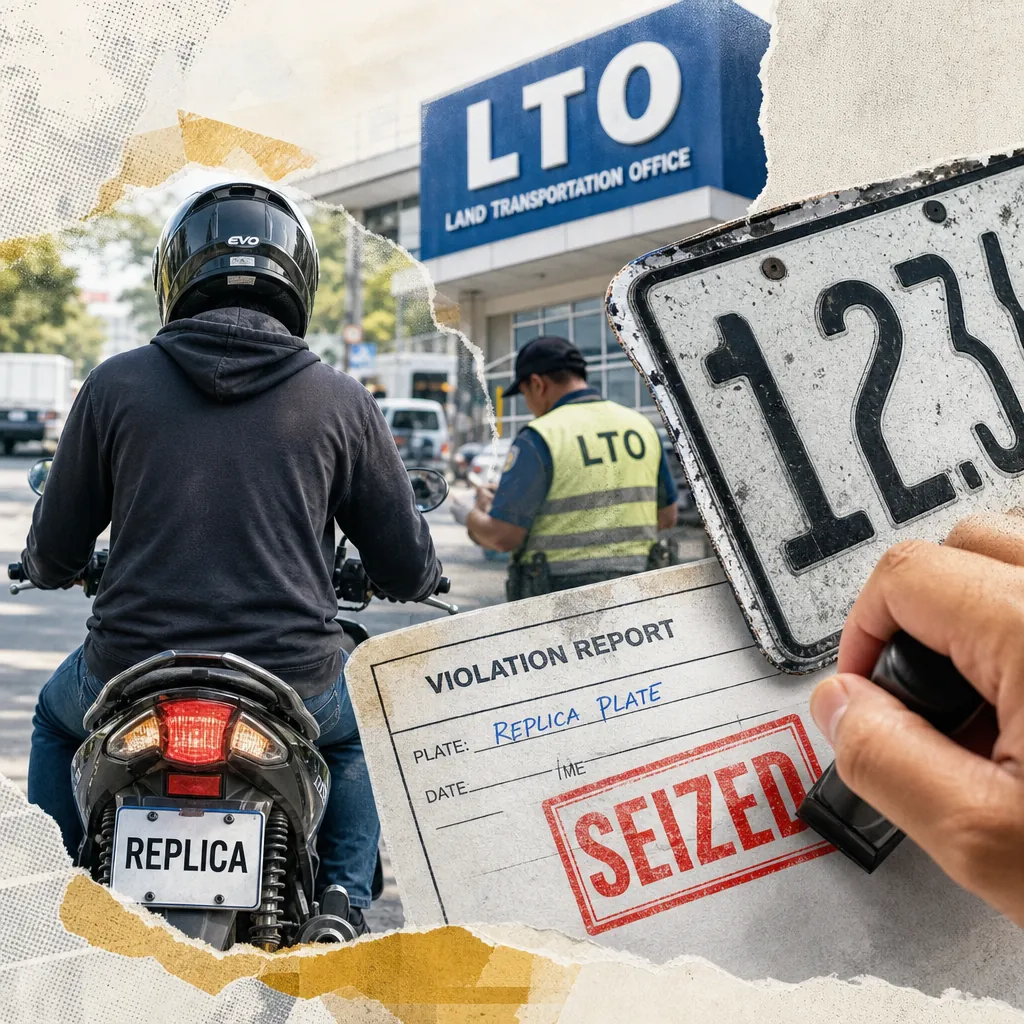
- Government agencies and regulators: The DOE, LTO, LTFRB, and MMDA are key voices shaping the regulatory environment. The DOE's EV charging mandate and the LTO's crackdown on improvised plates signal enforcement priorities that affect vehicle owners and dealers.
- Celebrity and entertainment figures: Derek Ramsay and Ellen Adarna's cryptic posts drew attention to the luxury car scandal, with Ramsay's denial amassing significant engagement. This community influences public narratives around vehicle ownership and accountability.
- General public and concerned citizens: Individual commenters on Facebook and YouTube showed strong emotional investment in the Bulacan tragedy, with sad reactions dominating. Their interaction patterns signal which story angles generate the most public concern.
Narrative streams
DOE's EV charging mandate: A step toward infrastructure readiness
The Department of Energy (DOE) announced it will release a circular this month requiring all public and private buildings with at least 20 parking slots to dedicate five percent of them to electric vehicle (EV) charging stations. This is anchored on Section 17 of the Electric Vehicle Industry Act, a law that aims to promote EV adoption by ensuring the necessary infrastructure exists. Currently, there are only about 1,600 registered EV charging stations in the Philippines, most in Luzon, which is a major barrier to EV ownership. The circular will guide installation, addressing technical considerations like condominium layouts and electrical capacity. For the automotive sector, this is a significant regulatory development that could accelerate EV sales, but it also places a burden on building owners and may require coordination with power utilities. The read for the sector: automakers and dealers should prepare for increased demand for EVs as charging infrastructure becomes more accessible, but they must also advocate for clear technical standards to ensure the mandate is implementable.
Derek Ramsay's Porsche scandal: Luxury imports under scrutiny
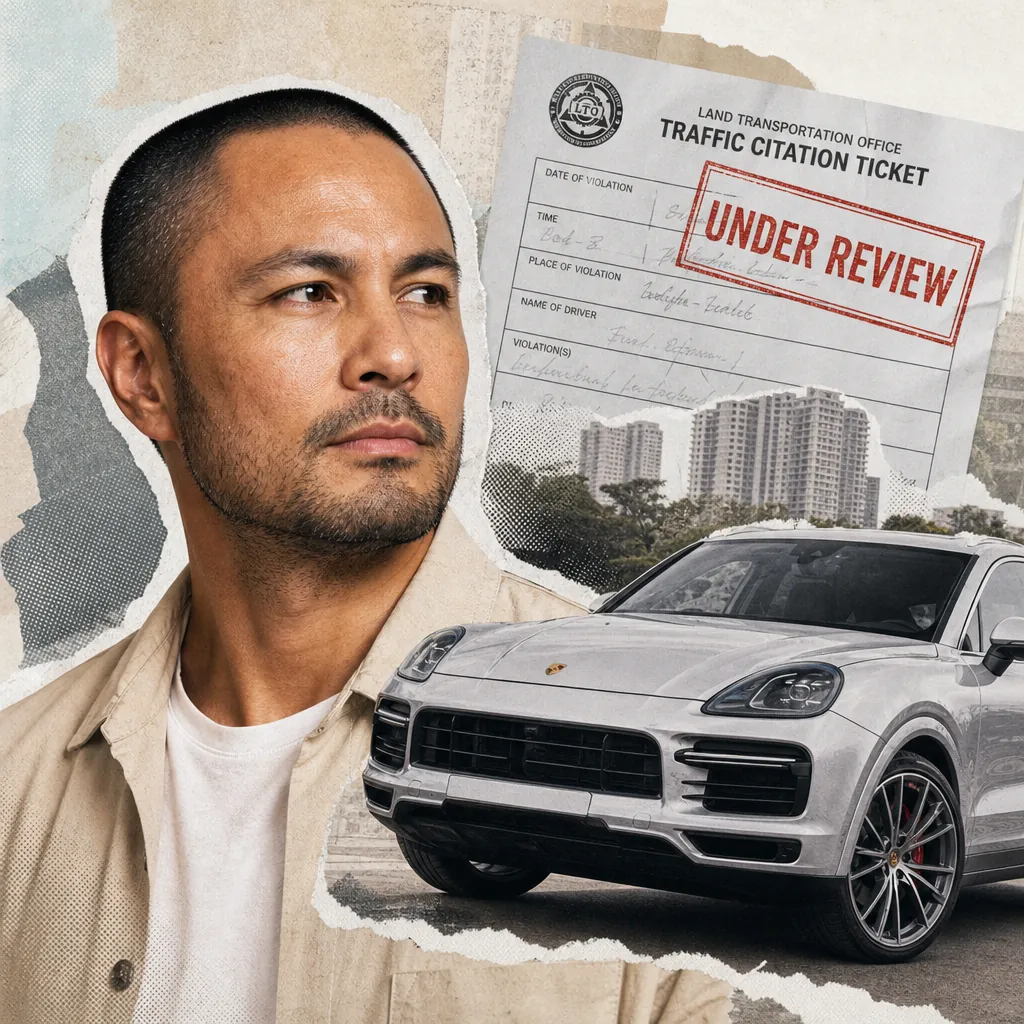
Actor Derek Ramsay publicly denied being a smuggler after the Bureau of Customs (BOC) alleged that his Porsche 918 Spyder was misdeclared in import documents as a cheaper Porsche Boxster. The BOC said only around P2 million in import taxes were paid, instead of approximately P35 million due for the vehicle. Ramsay said he purchased the car four years ago from Jhon Lee of JWORKS using his own money, believing it was tax-paid and legally registered. He also faces an LTO investigation over an alleged fake license plate. This story has drawn significant media attention, with multiple outlets covering his Instagram statement. The read for the sector: this case highlights the risks of buying luxury vehicles through intermediaries and the importance of verifying import documentation. It could prompt stricter enforcement of customs and LTO regulations, affecting dealers and importers of high-end vehicles.
Bulacan tragedy: Public grief and the fight against misinformation
The discovery of a 31-year-old mother and her two children, aged 9 and 4, found shot dead inside a silver MPV in Bulacan on August 20 dominated the day's conversation. Initial reports on August 21 detailed gunshot wounds to the victims' temples, and TV Patrol's broadcast that evening amassed over 152,000 views. GMA's 24 Oras raised the possibility of filicide-suicide, which fueled speculation across social media. By Saturday, the family publicly appealed for an end to false claims, a plea that drew over 1,500 Facebook reactions. Police Regional Office 3 Director PBGen. Jess Mendez confirmed the case was not closed, generating nearly 2,800 reactions. The read for the sector: while not directly automotive, this tragedy reinforces the emotional weight of vehicles as settings for crime, which could subtly influence consumer perceptions of safety, particularly for family-oriented vehicles like MPVs. Automotive brands should avoid any engagement with this story and focus on empathetic, responsible messaging if asked.
Road safety enforcement: LTFRB summons counterflowing jeepney driver
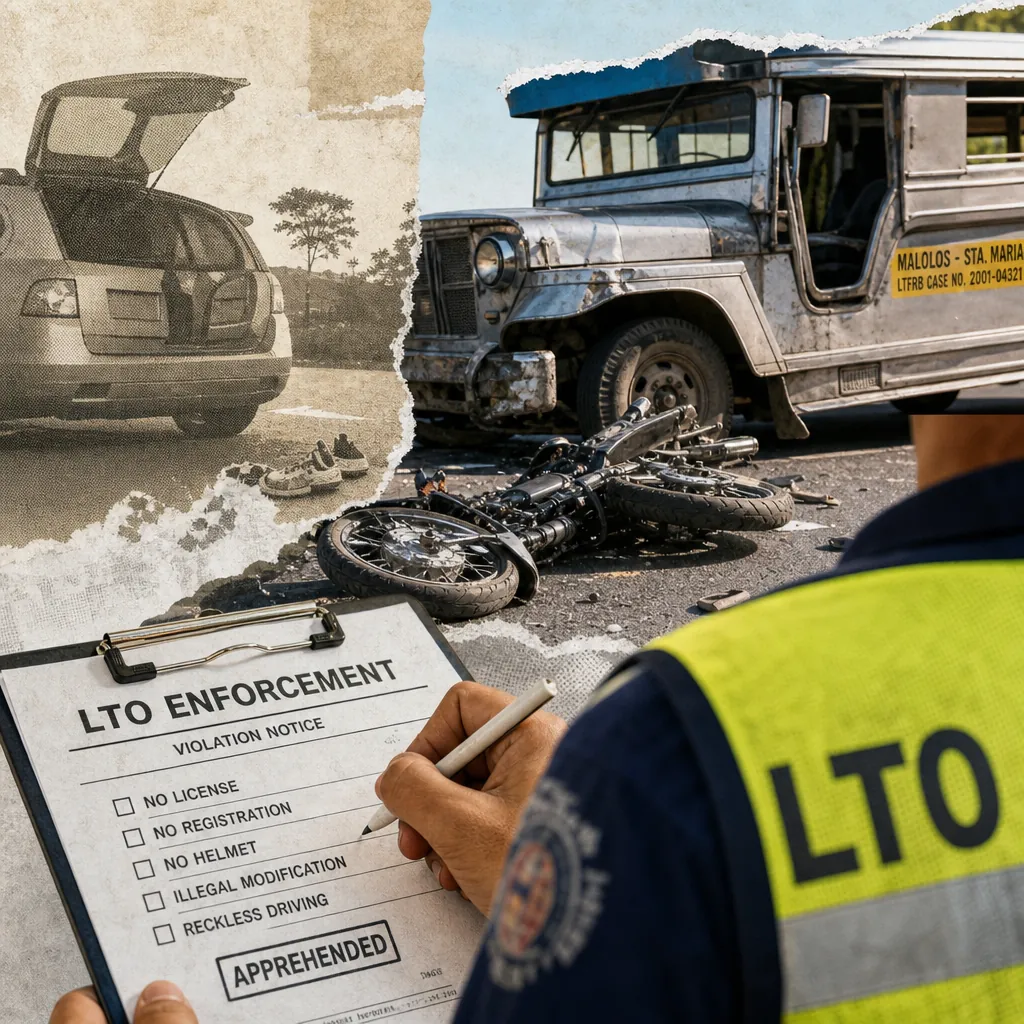
The Land Transportation Franchising and Regulatory Board (LTFRB) issued a show-cause order against the operator of a passenger jeepney caught counterflowing along Quirino Highway in Quezon City. Acting Chairman Greg Pua Jr. said the driver put other road users at risk and that the LTFRB would not tolerate such behavior. This action was prompted by a netizen's video posted on social media. Separately, a 59-year-old motorcycle rider was critically injured in Cebu City after allegedly running a red light and colliding with another motorcycle. These incidents highlight ongoing road safety challenges and the role of social media in holding drivers accountable. The read for the sector: enforcement agencies are increasingly responsive to public reports, and automotive stakeholders should support road safety campaigns to align with public expectations.
Traffic disruptions and commuter sentiment: EDSA paving draws resigned humor
The EDSA traffic slowdown caused by asphalt paving near Estrella drew significant engagement on social media, with a Facebook post accumulating 105 likes, 37 haha reactions, and 11 comments. The Twitter version gained 792 views. The humorous reactions suggest public resignation rather than outrage, but the conversation could shift to criticism if disruptions persist. For automotive brands, this means commuter frustration is a constant backdrop that can affect customer experience, especially for aftersales appointments. The read for the sector: brands should acknowledge traffic realities in their communications and offer flexible service options to mitigate inconvenience.
Automaker product and aftersales pushes: Mitsubishi, Lexus, Ford
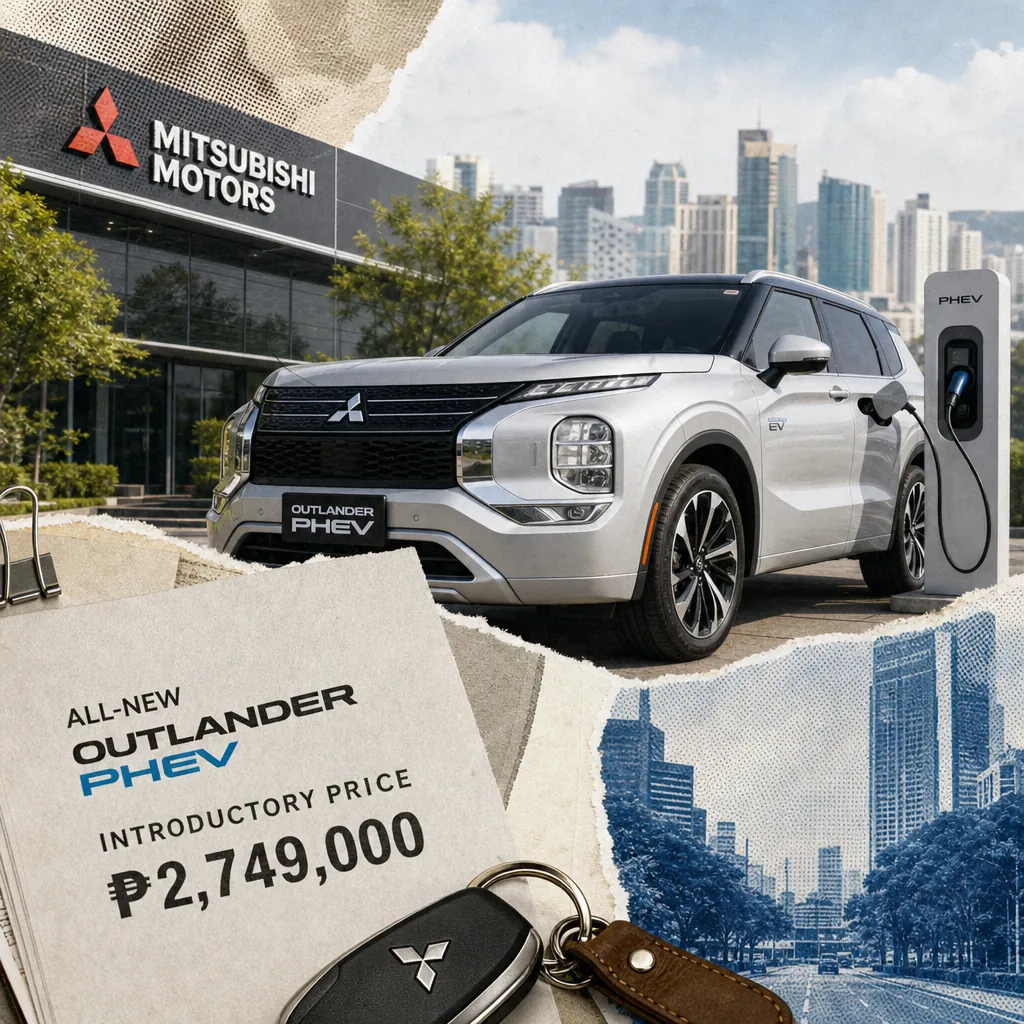
Mitsubishi Motors Philippines officially unveiled the all-new Outlander plug-in hybrid electric SUV at Solaire Resort Quezon City, marking its first PHEV in the local market. The Outlander PHEV is Japan's bestselling PHEV in the SUV segment. Lexus refreshed its UX and RZ models, adding wireless charging and other tech upgrades, with prices starting at P2,958,000 for the UX 300h Premier. Ford Philippines promoted its Ford Family Guarantee aftersales program and a raffle for fuel vouchers for customers who avail of periodic maintenance. These moves indicate a competitive push in the premium and electrified segments, with brands vying for customers through product innovation and aftersales perks. The read for the sector: the market is shifting toward electrified vehicles, and brands that invest in both product and service experience will be better positioned.
Conversation trajectory
- EV charging mandate implementation (next 1-3 months): The DOE circular is expected this month, and its implementation will be closely watched. Expect discussions on technical standards, building compliance, and the impact on EV sales. Trigger: release of the circular and any subsequent guidelines.
- Derek Ramsay case developments (next 2-4 weeks): The BOC and LTO investigations are ongoing. Further statements from Ramsay or authorities could fuel public debate on luxury imports and tax evasion. Trigger: any official findings or charges.
- Bulacan investigation updates (next 1-2 weeks): Police are conducting reenactments and collecting evidence, including dash cam footage. The release of official findings could shift public perception. Trigger: police announcement of conclusions or release of dash cam footage.
- Holiday season traffic surge (late November): Traffic disruption narratives will intensify as the holiday season approaches, creating opportunities for brands to offer route planning and alternative mobility messaging. Trigger: start of the Christmas rush.
- Monthly sales data releases: The next CAMPI-TMA sales data release will provide a clearer picture of industry momentum, especially for electrified vehicles. Trigger: release of September sales data.
Response guidance
- EV charging mandate: For automakers and dealers, prepare communications that highlight the benefits of EV ownership and the expanding charging network. Collaborate with building owners and the DOE to ensure smooth implementation. Key message: "We support the government's push for EV infrastructure and are committed to making electric mobility accessible to all Filipinos."
- Luxury car scandal: Avoid commenting on the Derek Ramsay case unless directly asked. If asked, emphasize the importance of compliance with customs and LTO regulations. Key message: "We encourage all vehicle owners to ensure their vehicles are properly documented and registered."
- Road tragedies: Maintain a stance of observance and restraint. Do not engage with the Bulacan tragedy or the Mandaluyong collision from brand accounts. If road safety must be addressed, reinforce general safety commitments without referencing specific incidents. Key message: "Road safety is a shared responsibility, and we are committed to advancing vehicle safety technologies."
- Traffic disruptions: Acknowledge commuter inconvenience and provide practical tips for navigating roadworks. Avoid praising specific government projects. Key message: "We understand that road repairs cause delays, and we encourage motorists to check real-time traffic updates before heading out."
- Aftersales and product promotions: Leverage the positive news around product launches and aftersales programs to engage customers. Highlight the value of regular maintenance and the benefits of electrified vehicles. Key message: "Owning a Ford means never having to worry about where, when, or how you get the care your vehicle deserves."
See the full picture behind today's signals.
This report draws from Media Meter's MediaWatch, our real-time monitoring engine tracking 2,470+ Philippine sources across print, broadcast, digital, and social. Explore how the platform turns raw coverage into decision-grade intelligence, then see how it's configured for teams like yours — whether you're in PR agencies, corporate comms, government, or marketing.
Want more? Browse our Report Library for sector and crisis intelligence, or request a demo and we'll have your brand set up before the call.
Want this kind of intelligence on your brand?
This brief is built on the same MediaWatch methodology that runs continuously across every brand we monitor. See your competitive landscape, Impact Score, and narrative trajectory in a 30-minute demo.