Flooding, Corruption Anger Dominate as Monsoon Hits
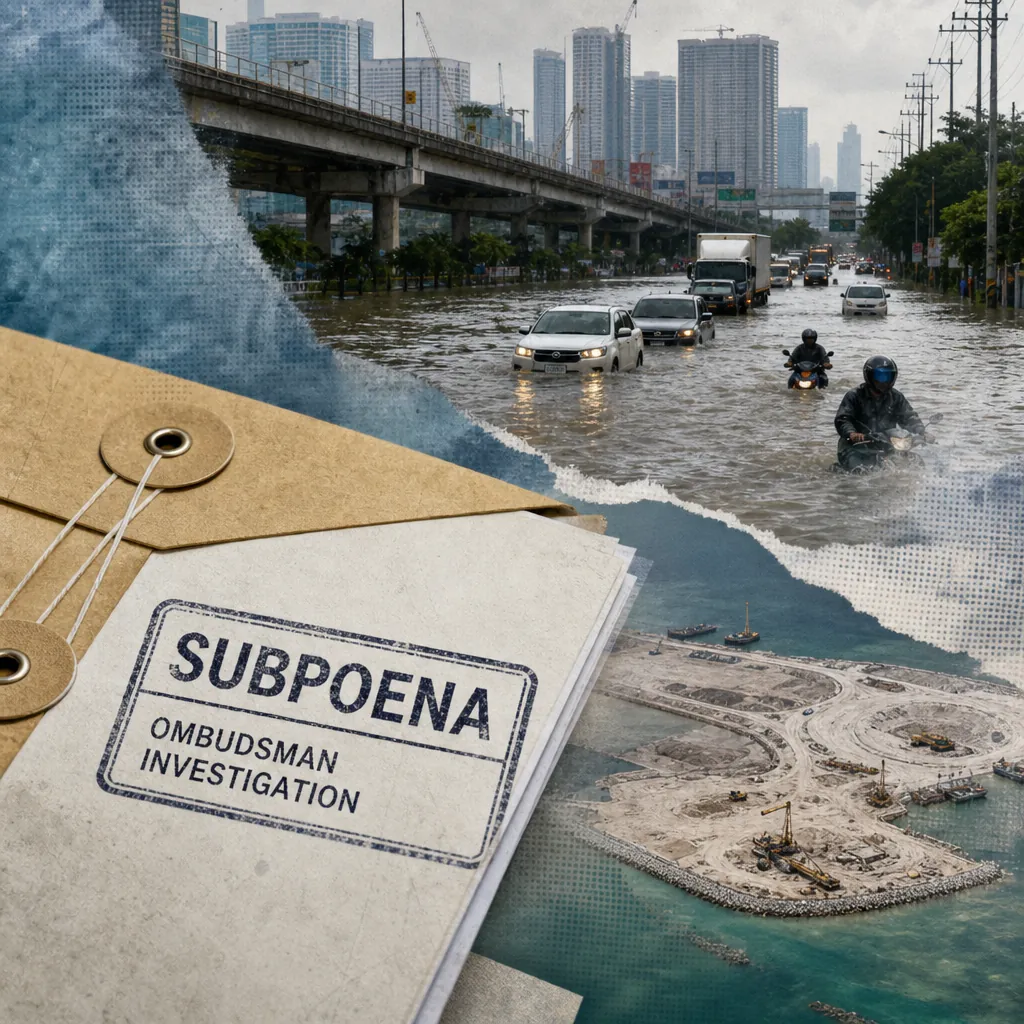
Heavy monsoon rains caused widespread flooding across Luzon, prompting work suspensions and evacuation, while public anger over corruption and flood control failures dominated social media and news coverage.
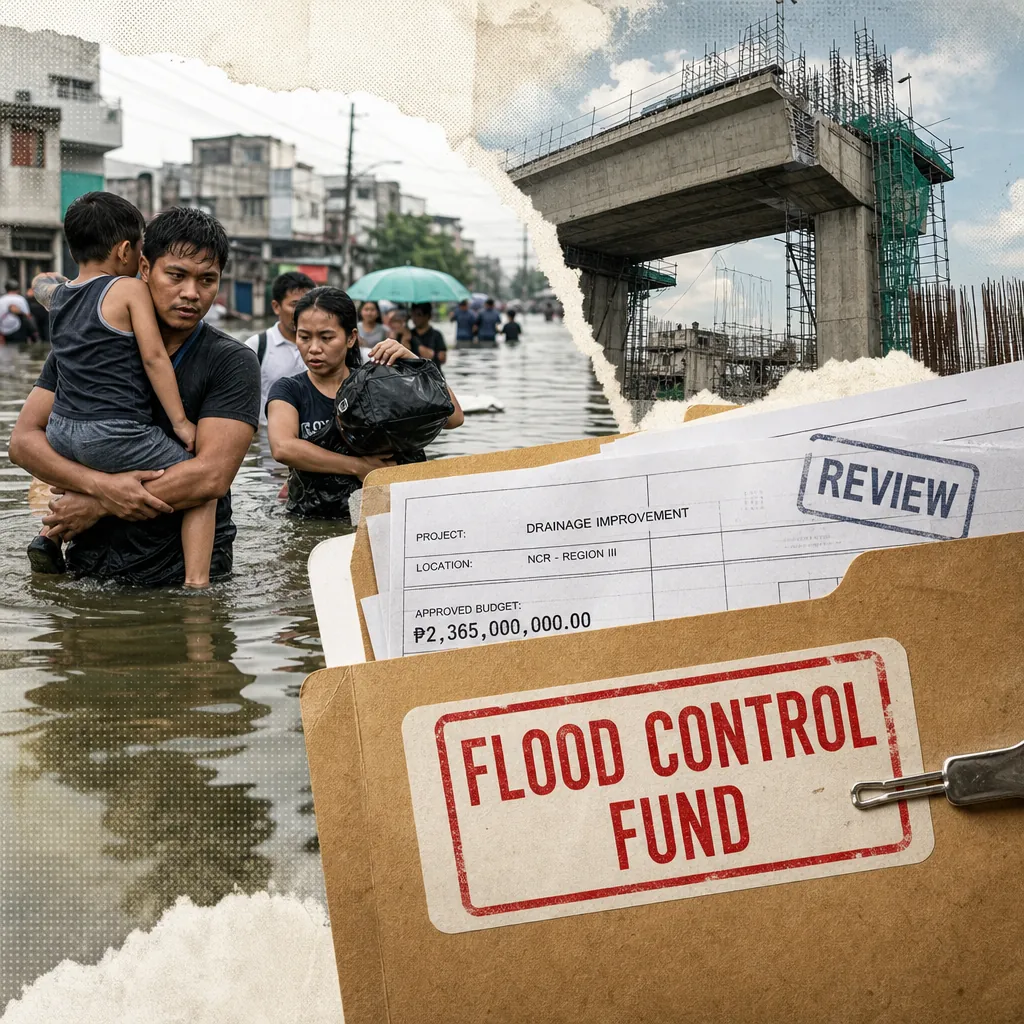
The southwest monsoon, known locally as Habagat, unleashed torrential rains across Luzon on August 17–18, 2026, flooding streets, suspending classes and work, and forcing thousands into evacuation centers. The deluge quickly became more than a weather story: it ignited a wave of public anger over corruption and the government's failure to deliver on flood-control promises, with celebrities, politicians, and ordinary citizens all weighing in. The day's conversation was defined by this collision of a natural disaster and a political crisis of confidence, playing out across news pages and social media feeds alike.
In Quezon City, residents of Barangay Tatalon waded through chest-deep water as the San Juan River overflowed, a scene that carried bitter irony. Just two months earlier, President Ferdinand "Bongbong" Marcos Jr. had stood in that same barangay and declared that families should no longer fear their homes flooding, after inspecting a completed portion of the P482.5-million G. Araneta Drainage Improvement Project. By Monday afternoon, the barangay's flood gauge had climbed from five feet to nearly eight feet, and a video posted by the official Barangay Tatalon page showed residents struggling through the murky water. The Daily Tribune's headline captured the public mood: "BBM's flood promise meets 8-foot reality".
Actor John Arcilla channeled that frustration into a viral Facebook post on Tuesday, August 18. Sharing a video of a commuter on a flooded bus, he wrote: "Marami ng mga namatay na kababayan natin sa baha. Mas importante ba talaga yung tigas ng ulo ninyo na bumoto ng mga IDOL nyo DAHIL GUSTO NYO LANG kahit KURAKOT, kaysa buhay ng mga kababayan natin?" (Many of our countrymen have died in the flood. Is the stubbornness of your heads in voting for your IDOLS because YOU JUST WANT TO, even if they are CORRUPT, more important than the lives of our countrymen?). The post, reported by Bandera Inquirer Online, struck a nerve, drawing thousands of reactions and shares as it circulated across Facebook and other platforms.
Meanwhile, the government scrambled to respond. Malacañang ordered alternative work arrangements for government offices in 18 areas on Wednesday, August 19, including the National Capital Region, and suspended classes at all levels in public and private schools in those areas. The Department of Health (DOH) issued reminders on preventing leptospirosis, a bacterial disease spread through floodwater, urging anyone who had waded through floods to consult a doctor about preventive antibiotics. The Department of the Interior and Local Government (DILG) directed local government units to intensify preparations for floods and landslides, noting that over 17,000 barangays had moderate to very high susceptibility to these hazards from August 17 to 19.
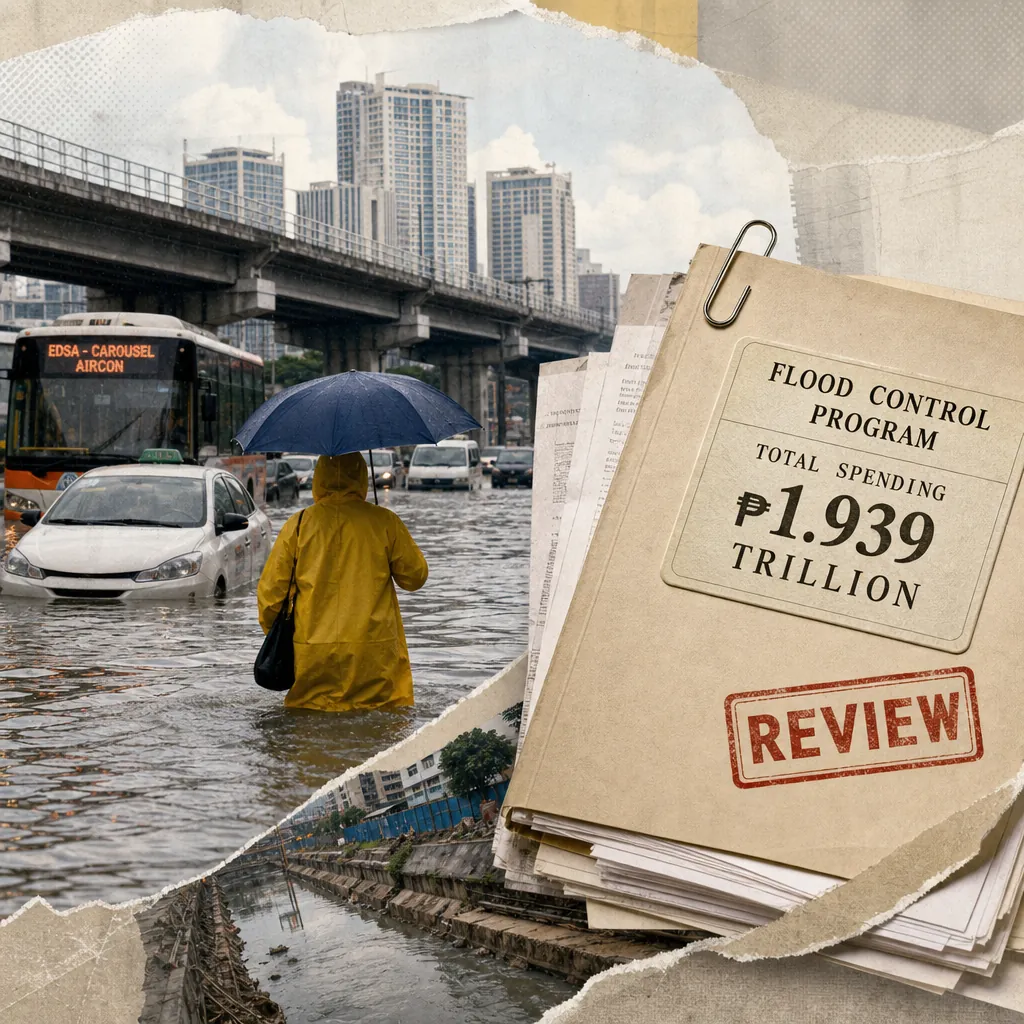
But the official response did little to quell the anger. Senator Panfilo Lacson pointed out that the government had spent P1.939 trillion on flood control over the years, yet flooding remained uncontrolled. A Philstar.com column titled "Baha ng korapsyon" (Flood of corruption) declared, "Hindi lang ulan ang bumabagsak ngayon. Pati galit ng taong matagal nang niloloko" (It's not just rain falling now. It's also the anger of people who have been fooled for a long time). The column argued that if flood-control funds were stolen or wasted, the rain was not to blame—corrupt officials and contractors were.
Amid the flood crisis, another tragedy unfolded in Zamboanga City. A Grade 9 student at Ateneo de Zamboanga University-Junior High School opened fire, killing two students and wounding nine others, before being killed himself. The suspect, identified as Jalani, livestreamed the attack on social media. The incident reignited debates over gun laws, internet regulation, and youth mental health, and it intersected with the ongoing impeachment trial of Vice President Sara Duterte, as lawmakers debated whether the Department of Education (DepEd) should receive confidential funds. Manila Rep. Joel Chua, a prosecutor in the trial, argued that security should be handled by law enforcement, not the education department: "Unang-una, may mga tamang ahensya o departamento na tumitingin pagdating dito sa mga security. So ang focus dapat ng DepEd ay sa pag-aaral, sa curriculum ng ating mga estudyante" (First, there are proper agencies or departments that handle security. So the focus of DepEd should be on education, on the curriculum of our students).
On the economic front, the Philippine Stock Exchange Index (PSEi) inched up 0.05 percent to close at 6,264.70, as bargain hunters offset losses driven by Middle East uncertainty and weaker remittance growth. Meanwhile, several companies announced major investments: Victorias Milling Company proposed a P200-million expansion of its bioethanol plant to meet growing domestic demand; Aboitiz Economic Estates unveiled plans to expand its LIMA Estate in Batangas by 500 hectares and invest P7 billion in a seven-tower office pipeline; and AREIT, Inc. targeted year-end approval for a P17.33-billion property-for-share swap with Ayala Land. These business stories, however, were largely overshadowed by the flood crisis and its political fallout.
Key themes
- Flooding paralyzes Luzon, displaces thousands: Heavy monsoon rains triggered widespread flooding across Metro Manila and nearby provinces, forcing evacuations and suspending work and classes. In Lian, Batangas, 96 families (318 individuals) took shelter in evacuation centers. In Bulacan, 116 barangays were submerged.
- Public anger over corruption and failed flood control: The flooding reignited public fury over the government's inability to solve perennial flooding despite massive spending. Senator Lacson cited P1.939 trillion spent on flood control, and columns and social media posts blamed corrupt officials for the crisis.
- Celebrity voices amplify the outrage: Actor John Arcilla's viral Facebook post directly challenged voters who support corrupt politicians, drawing widespread engagement and media coverage. Other celebrities and public figures joined the chorus of criticism.
- Government scrambles to respond: Malacañang ordered alternative work arrangements in 18 areas, suspended classes, and directed agencies to fast-track flood-control projects. President Marcos ordered a "holistic approach" to flooding, but acknowledged there are no overnight solutions.
- School shooting in Zamboanga sparks safety debate: A Grade 9 student at Ateneo de Zamboanga livestreamed a shooting that killed two and wounded nine, prompting calls for stricter gun laws and better youth mental health services. The incident also fueled debate over DepEd's confidential funds.
- Health risks rise with floodwaters: The DOH warned of leptospirosis and urged flood-exposed individuals to seek preventive antibiotics. The agency also listed steps to avoid infection, as floodwaters created ideal conditions for the disease.
- Businesses push ahead despite crisis: Amid the floods, companies announced major investments—Victorias Milling's bioethanol expansion, Aboitiz's LIMA estate growth, and AREIT's asset swap—signaling continued economic activity. The stock market edged higher on bargain hunting.
- Calls for accountability dominate discourse: Editorials and columns demanded accountability for the misuse of flood-control funds, with some calling for investigations and prosecutions. The public's trust in government promises eroded further.
How the narratives stack
Dominant: The dominant narrative of the day was the flood crisis and its political fallout. The combination of devastating floods, the stark contrast with President Marcos's earlier promises, and the public's anger over corruption dominated both news coverage and social media conversation. The story was led by the human toll—evacuations, stranded commuters, and the fear of disease—but it was inseparable from the political anger that boiled over. This narrative was amplified by celebrity voices like John Arcilla and by pointed columns that blamed government corruption for the recurring disaster.
Counter-narrative: A counter-narrative emerged from the government, emphasizing swift action and long-term solutions. President Marcos ordered a "holistic approach" to flooding, and Public Works Secretary Vince Dizon stressed that "holistic solutions take time. There are no overnight solutions to this flooding problem". The Palace also highlighted alternative work arrangements and the activation of evacuation centers as evidence of responsiveness. This narrative sought to manage expectations and shift blame away from the administration, but it struggled to gain traction against the visual evidence of flooded streets and the public's memory of broken promises.
Emerging: An emerging narrative centered on the school shooting in Zamboanga and its implications for youth safety and online regulation. The fact that the suspect livestreamed the attack raised urgent questions about social media platforms' role in amplifying violence and the need for better mental health support for students. This story, while separate from the floods, tapped into a broader anxiety about safety and the well-being of young Filipinos, and it intersected with the ongoing impeachment trial of Vice President Sara Duterte over her use of confidential funds at DepEd.
Under-covered: A significant under-covered story was the economic resilience and investment activity happening despite the crisis. While the floods dominated headlines, companies like Victorias Milling, Aboitiz, and AREIT were making major moves that would shape the economy in the coming years. The stock market's slight gain on bargain hunting also went largely unnoticed amid the flood coverage. These stories received coverage in business sections but were overshadowed in the broader public conversation, leaving a gap in understanding the country's economic trajectory during a time of crisis.
Platform insights
- Facebook: Facebook was the primary platform for both official updates and public outrage. The Barangay Tatalon page's video of residents wading through chest-deep water was widely shared, and John Arcilla's post drew thousands of reactions and comments. Government agencies like PAGASA and the DOH used Facebook to disseminate rainfall warnings and health advisories, which were also shared extensively. The platform served as a real-time information hub and an outlet for frustration, with users posting photos and videos of flooded streets and demanding accountability.
- X (formerly Twitter): X was a hotbed of political commentary and real-time updates. Hashtags related to the floods and the school shooting trended, with users sharing news links and expressing anger at the government's handling of the crisis. The platform also saw debates over the DepEd confidential funds issue, with netizens weighing in on the impeachment trial. X's fast-paced nature made it a key space for breaking news and public sentiment, though the volume of posts was lower than on Facebook.
- YouTube: YouTube served as a platform for longer-form content, including news reports and vlogs. The livestreamed school shooting in Zamboanga was a major topic, with news outlets and commentators analyzing the incident. YouTube also hosted videos of flooded areas, which were often embedded in news articles and shared on social media. The platform's role was more passive, serving as a repository for video evidence and analysis rather than a space for direct engagement.
- Reddit: Reddit's Philippine subreddits (e.g., r/Philippines) saw discussions on the floods and the school shooting, with users sharing news articles and engaging in debates about government accountability and gun control. The platform's community-driven format allowed for more in-depth discussions, though the volume of activity was lower than on mainstream social media. Reddit users often provided context and historical comparisons, such as past flood-control projects and their failures.
Key voices and communities
- Government officials and agencies: President Marcos, Public Works Secretary Vince Dizon, and the DILG were central voices, issuing directives and updates on flood response. PAGASA provided critical weather forecasts and warnings, while the DOH offered health guidance. Their messaging was largely reactive, aiming to reassure the public and coordinate relief efforts.
- Celebrities and public figures: Actor John Arcilla emerged as a powerful voice of public anger, using his platform to challenge voters and politicians alike. Other celebrities, such as Edward Barber, who announced his engagement, provided lighter content that offered some respite from the crisis. Their influence helped amplify the conversation beyond political circles.
- Politicians and lawmakers: Senator Panfilo Lacson's statement on the P1.939 trillion spent on flood control was a key moment, framing the issue as a failure of governance. Manila Rep. Joel Chua's comments on DepEd's confidential funds added a political dimension to the school shooting. These voices shaped the policy debate and provided fodder for public discourse.
- Media outlets and columnists: Major outlets like Inquirer, Philstar, and Daily Tribune provided extensive coverage, with columnists like those writing "Baha ng korapsyon" and "Trillions down the drain" articulating the public's frustration. Their editorials and opinion pieces set the tone for the day's narrative, framing the floods as a man-made disaster.
- Ordinary citizens and netizens: The public was not just a passive audience; they were active participants, posting videos, sharing information, and demanding accountability. The Barangay Tatalon video and countless other user-generated posts humanized the crisis and drove the emotional response. Their voices, amplified by social media, were a powerful force in shaping the day's conversation.
Narrative streams
Flooding exposes the gap between promises and reality
The flooding that hit Metro Manila and nearby provinces on August 17–18 was not just a natural disaster; it was a political event. President Marcos had visited Barangay Tatalon in June to inaugurate the P482.5-million G. Araneta Drainage Improvement Project, promising that "during the rainy season, houses are no longer flooded". Yet on Monday, the barangay's flood gauge reached eight feet, and residents were evacuated through chest-deep water. The Daily Tribune's headline, "BBM's flood promise meets 8-foot reality," encapsulated the public's sense of betrayal.
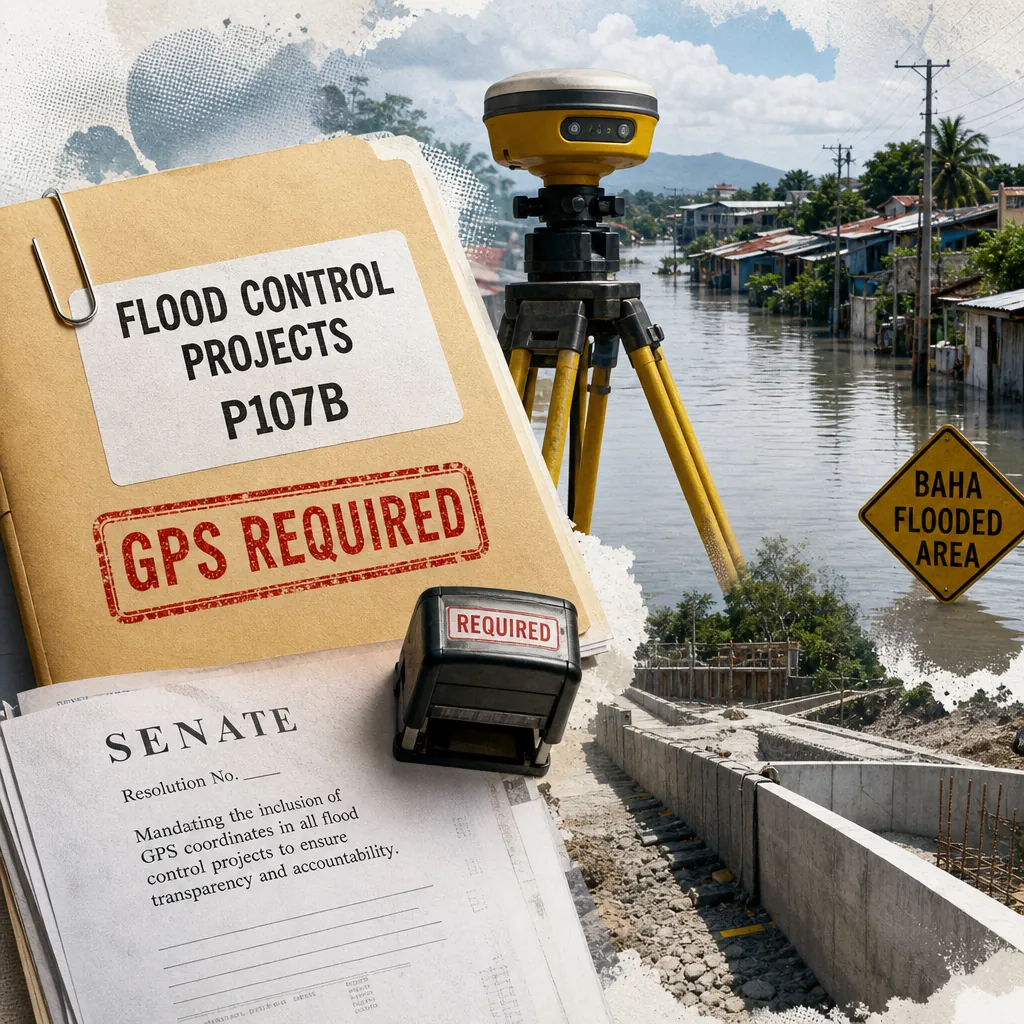
Senator Panfilo Lacson added fuel to the fire by revealing that the government had spent P1.939 trillion on flood control over the years, yet flooding remained uncontrolled. This figure, widely shared on social media, became a rallying point for critics who argued that the money had been wasted or stolen. A Philstar column titled "Baha ng korapsyon" (Flood of corruption) went further, accusing corrupt officials and contractors of pocketing funds meant for flood-control projects. The column's language was visceral: "Kung may mga pondong inilaan para sa flood control na ninakaw, sinayang o pinagsabwatan ng mga tiwaling opisyal at ganid na kontratista, hindi ulan ang dapat sisihin. Sila! Mga kurap ang dapat managot" (If there were funds allocated for flood control that were stolen, wasted, or conspired on by corrupt officials and greedy contractors, the rain is not to blame. They are! The corrupt must be held accountable).
The government's response—ordering alternative work arrangements, suspending classes, and fast-tracking flood-control projects—was seen by many as too little, too late. Public Works Secretary Vince Dizon's admission that "holistic solutions take time" was met with skepticism, as residents recalled decades of broken promises. The narrative that emerged was one of systemic failure: despite trillions spent, the country remained vulnerable to flooding, and the poor bore the brunt of the consequences.
Read for the sector: For the construction and infrastructure sector, this narrative signals a growing public demand for accountability and transparency in flood-control projects. Companies involved in such projects may face increased scrutiny and pressure to deliver results, as the public and politicians alike call for better planning and execution. The government's promise of a "holistic approach" could lead to new contracts and opportunities, but also to greater oversight and potential legal challenges if projects fail to meet expectations.
School shooting reignites debates on safety and youth
The shooting at Ateneo de Zamboanga University-Junior High School on August 18 was a tragic reminder of the vulnerabilities in the country's education system. A Grade 9 student, identified as Jalani, opened fire, killing two students and wounding nine others before being killed. The suspect livestreamed the attack on social media, adding a disturbing new dimension to the tragedy.
The incident immediately sparked debates on gun control, internet regulation, and youth mental health. The Department of the Interior and Local Government (DILG) confirmed the livestream, and officials noted that the suspect's alleged addiction to the online game Roblox was not yet confirmed. This detail fueled concerns about the influence of violent content on young minds, though officials cautioned that the investigation was ongoing.
The shooting also intersected with the impeachment trial of Vice President Sara Duterte, who had used confidential funds during her tenure as DepEd secretary. Lawmakers like Manila Rep. Joel Chua argued that the incident did not justify giving DepEd confidential funds, as security should be handled by law enforcement agencies. Chua said, "Unang-una, may mga tamang ahensya o departamento na tumitingin pagdating dito sa mga security. So ang focus dapat ng DepEd ay sa pag-aaral, sa curriculum ng ating mga estudyante" (First, there are proper agencies or departments that handle security. So the focus of DepEd should be on education, on the curriculum of our students). This position was echoed by other prosecutors, who saw the shooting as a law enforcement issue, not an education one.
The tragedy also prompted calls for expanded psychosocial services for youth and stricter regulation of social media platforms that could amplify violent acts. The Business Mirror's coverage noted that the shooting "sparked another frenzy of hand-wringing over how such violence can be avoided by measures like stricter gun laws, internet and social-media regulation and expanded psychosocial services for youth".
Read for the sector: For the education sector, this narrative underscores the urgent need for comprehensive safety measures in schools, including mental health support and crisis response protocols. It also highlights the ongoing debate over the role of technology in youth violence, which could lead to new regulations on online platforms and gaming. Schools may need to invest in security infrastructure and training, while policymakers face pressure to address the root causes of such violence.
Economic resilience amid the storm
While the floods dominated headlines, the business community continued to move forward with significant investments. Victorias Milling Company (VMC) proposed a P200-million expansion of its bioethanol plant, aiming to increase production capacity from 49,140 metric tons to 65,520 metric tons per year. The company cited a growing national demand for fuel ethanol, which had reached approximately 840 million liters, while local production remained at only around 390 million liters. This supply gap was largely met through imports, exposing the country to international price volatility. VMC's expansion was seen as a step toward energy self-sufficiency and a boost to the local sugar industry.
Aboitiz Economic Estates announced plans to expand its LIMA Estate in Batangas by 500 hectares, bringing the total area to 1,600 hectares, and to invest P7 billion in a seven-tower office pipeline. The expansion would be used primarily for industrial development, with a commercial business district planned for the side facing Maharlika Highway. The company expected to break ground on the first 100 hectares by the end of the year and bring about 100 hectares of new inventory to the market annually over the next five years.
AREIT, Inc. targeted year-end approval for its P17.33-billion property-for-share swap with Ayala Land, which would involve issuing 462.48 million new shares at P37.48 each in exchange for six properties, including Glorietta 4. The transaction was expected to be approved by the Securities and Exchange Commission by the end of 2026, with additional listing of shares planned for the first quarter of 2028.
The stock market also showed resilience, with the PSEi inching up 0.05 percent to close at 6,264.70 on Tuesday, as bargain hunters offset losses driven by Middle East uncertainty and weaker remittance growth. Philstocks Financial research manager Japhet Tantiangco noted that investors weighed geopolitical risks after the US-Iran ceasefire ended without an extension, but late buying in select index heavyweights allowed the index to finish higher.
Read for the sector: For the real estate, energy, and financial sectors, these developments signal continued investor confidence in the Philippine economy despite the challenges. The expansion of industrial estates and the push for energy self-sufficiency could create new opportunities for construction, logistics, and related industries. However, the flood crisis may also prompt businesses to reconsider their risk exposure, particularly in flood-prone areas, and to invest in more resilient infrastructure.
Health risks emerge from floodwaters
The Department of Health (DOH) issued a reminder on Tuesday about the risk of leptospirosis, a bacterial disease spread through floodwater contaminated with animal urine. The DOH urged individuals who had waded through floodwaters to consult a doctor about taking antibiotics, even if they had no exposed wounds. The agency listed basic steps: consult the nearest health center immediately after wading through floodwater, ask about prophylactic medication such as doxycycline, do not self-medicate without a physician's clearance, avoid walking or wading through floodwater, and cover open wounds with waterproof bandages if contact is unavoidable.
The warning came as floodwaters receded in some areas, leaving behind a trail of mud and debris that could harbor bacteria. The DOH's advisory was widely shared on social media, with netizens tagging friends and family who had been affected by the floods. The risk of leptospirosis was a serious concern, as the disease could be fatal if left untreated.
In addition to leptospirosis, the floods raised concerns about waterborne diseases, dengue, and other health risks. The DOH's proactive messaging was seen as a positive step, but public health experts warned that the true impact of the floods on health would only be known in the coming weeks.
Read for the sector: For the healthcare sector, this narrative highlights the importance of public health preparedness and communication during natural disasters. The DOH's advisory demonstrated the need for clear, actionable guidance to prevent disease outbreaks. Healthcare providers may see an increase in consultations for flood-related illnesses, and there may be a greater demand for vaccines and prophylactic treatments. The government's response to health risks will be closely watched, as any failure could exacerbate the public's anger.
Conversation trajectory
- Flood response and accountability (next 1–2 weeks): As floodwaters recede, the focus will shift to the government's response and the extent of damage. Expect continued public scrutiny of flood-control projects and calls for accountability. The release of damage assessments and the government's rehabilitation plans will be key signals. If the government fails to deliver on its promises, public anger could intensify, potentially leading to protests or political fallout.
- School shooting investigation (next 1–2 weeks): The investigation into the Ateneo de Zamboanga shooting will unfold, with authorities examining the suspect's background, the livestream, and any potential links to online games. The findings could influence policy debates on gun control and internet regulation. The impeachment trial of Vice President Sara Duterte may also be affected, as the shooting could be used as evidence in arguments over DepEd's handling of security.
- Economic indicators (next 1–4 weeks): The stock market's performance and corporate earnings will be watched for signs of resilience or weakness. The PSEi's slight gain on Tuesday was a positive signal, but geopolitical tensions and domestic challenges could weigh on investor sentiment. The government's infrastructure spending, including flood-control projects, will be a key driver of economic activity.
- Health outcomes (next 2–4 weeks): The health impact of the floods will become clearer as cases of leptospirosis and other waterborne diseases are reported. The DOH's surveillance and response efforts will be critical. A spike in cases could add to the public's frustration and put additional strain on the healthcare system.
- Trigger events: Key events to watch include the release of the final damage assessment from the National Disaster Risk Reduction and Management Council (NDRRMC), the next hearing in the impeachment trial, the SEC's decision on AREIT's asset swap, and the first reports of leptospirosis cases. Any of these could shift the narrative and dominate the news cycle.
Response guidance
- Flood-related communications: For government agencies and NGOs, prioritize clear, actionable information on safety, health, and relief efforts. Use multiple platforms, including Facebook and local radio, to reach affected communities. Emphasize empathy and accountability, acknowledging the public's frustration while outlining concrete steps being taken.
- Corporate communications: For businesses, especially those in infrastructure and real estate, address the flood crisis directly. Highlight any contributions to relief efforts and demonstrate a commitment to building resilient infrastructure. Avoid defensive messaging; instead, focus on long-term solutions and transparency.
- Crisis management: For organizations involved in flood-control projects, be prepared for increased scrutiny. Proactively share project updates, timelines, and budgets. Engage with community stakeholders and address concerns about project effectiveness. Consider partnering with independent auditors to build trust.
- Social media engagement: For all communicators, monitor social media sentiment closely. Respond to public concerns promptly and authentically. Use visuals, such as infographics and videos, to convey information effectively. Avoid tone-deaf content that could be perceived as insensitive to the crisis.
- Sensitive topics: Be cautious when discussing the school shooting and the impeachment trial. Stick to verified facts and avoid speculation. For education-related communications, emphasize the importance of student safety and mental health support. For political topics, maintain neutrality and focus on the issues rather than personalities.
See the full picture behind today's signals.
This report draws from Media Meter's MediaWatch, our real-time monitoring engine tracking 2,470+ Philippine sources across print, broadcast, digital, and social. Explore how the platform turns raw coverage into decision-grade intelligence, then see how it's configured for teams like yours — whether you're in PR agencies, corporate comms, government, or marketing.
Want more? Browse our Report Library for sector and crisis intelligence, or request a demo and we'll have your brand set up before the call.
Want this kind of intelligence on your brand?
This brief is built on the same MediaWatch methodology that runs continuously across every brand we monitor. See your competitive landscape, Impact Score, and narrative trajectory in a 30-minute demo.