Flooding, reclamation probes dominate as monsoon woes eclipse housing gains
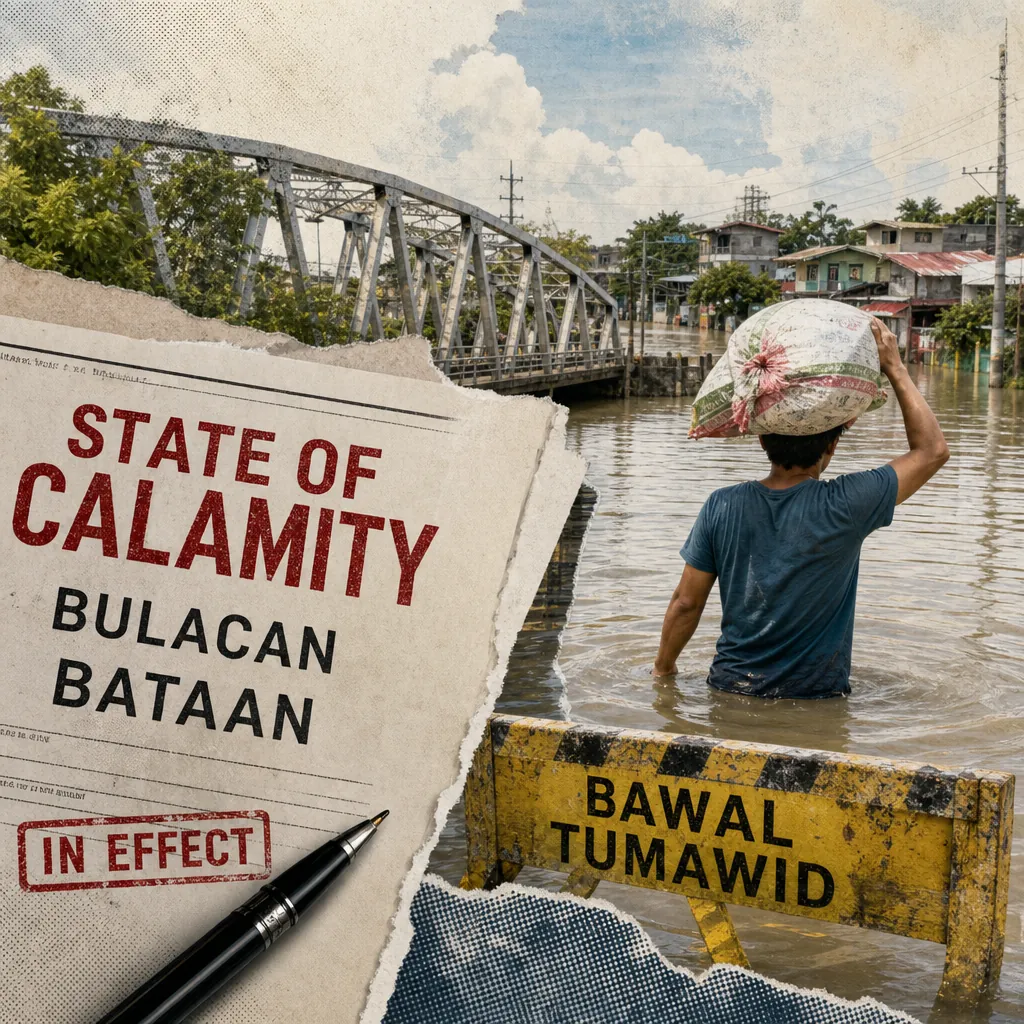
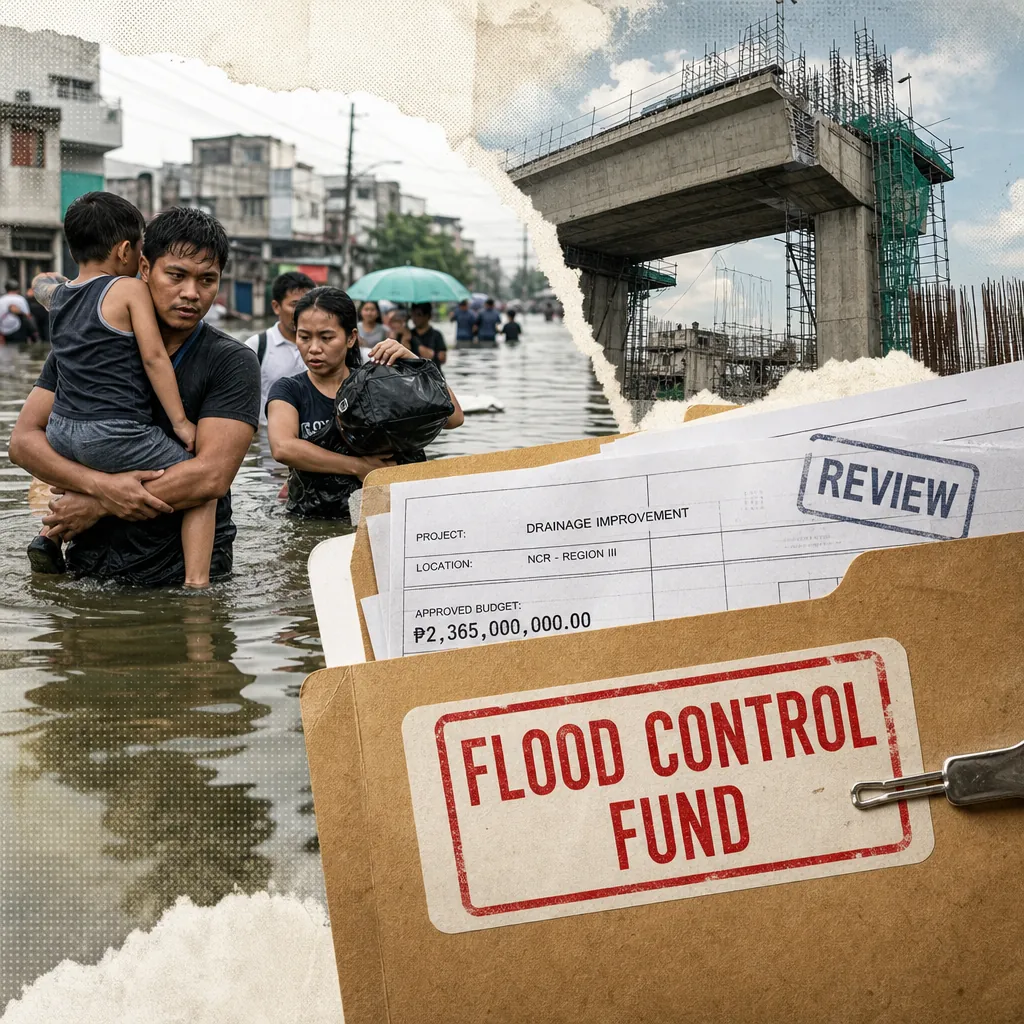
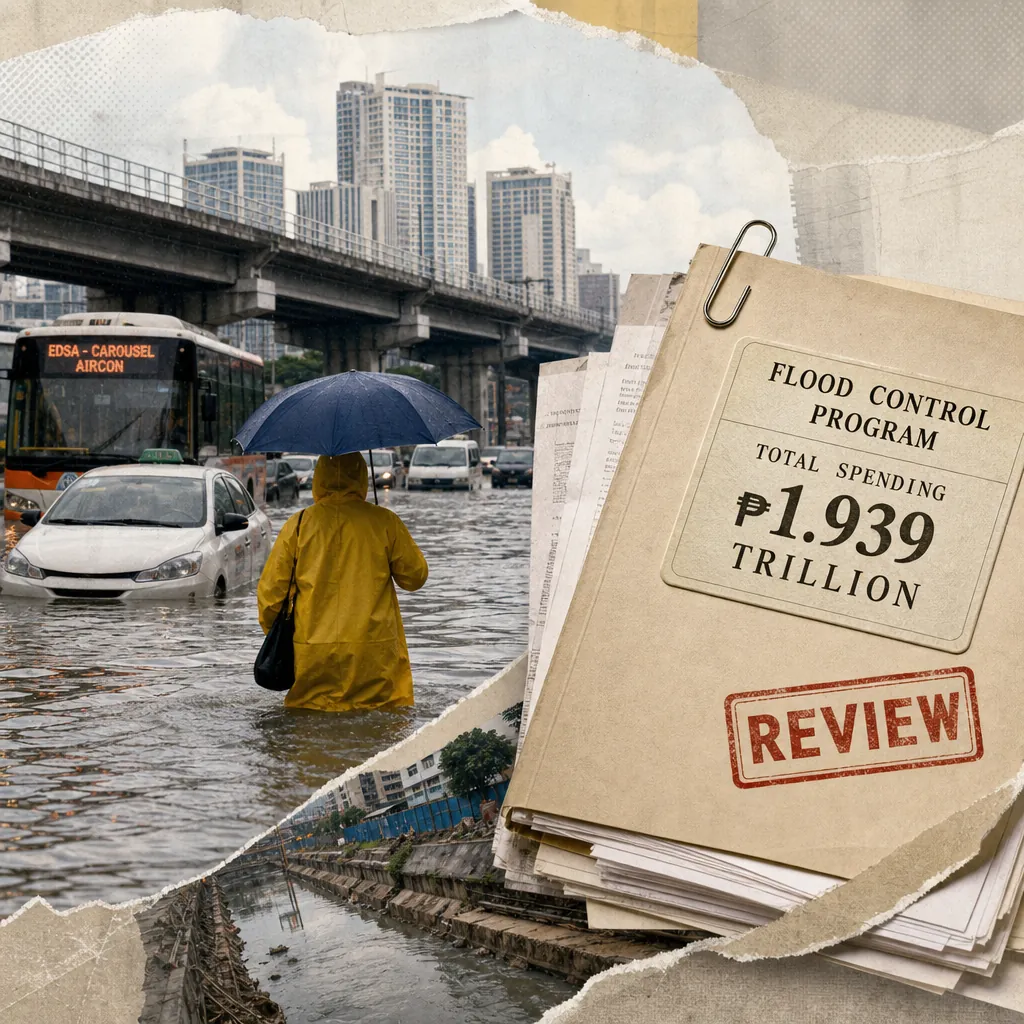
On August 19, 2026, heavy monsoon rains triggered widespread flooding in Metro Manila and nearby provinces, sparking public criticism of government response and infrastructure. The day also saw the Ombudsman issue subpoenas over alleged illegal reclamation projects in Taguig, while housing and development news took a backseat.
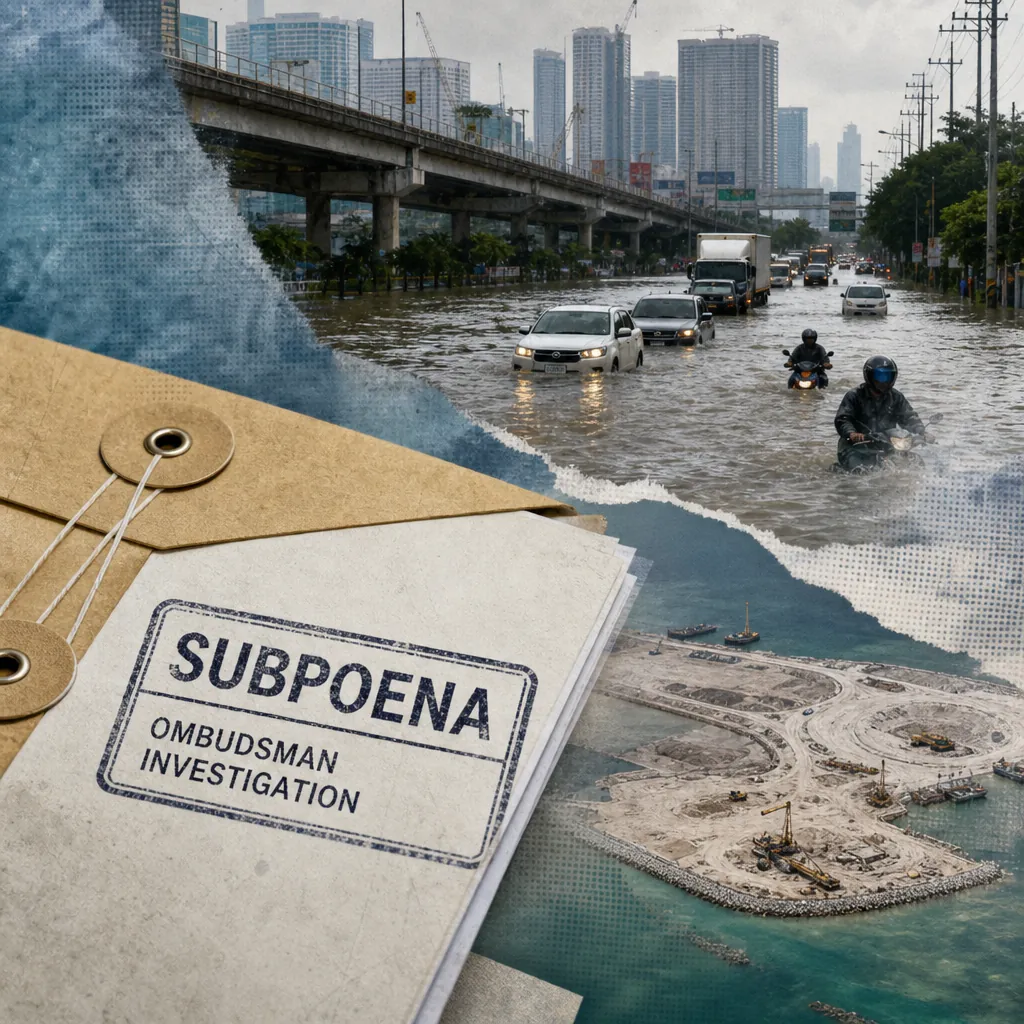
The conversation on August 19, 2026, was dominated by two interconnected crises: the relentless southwest monsoon flooding that paralyzed parts of Metro Manila and nearby provinces, and the formal escalation of a government probe into alleged illegal reclamation projects along the Taguig shoreline of Laguna Lake. While the day's news cycle also carried housing and development stories—including a major affordable housing turnover in Naga and a Cebu developer's regulatory hurdles—these were eclipsed by the public's focus on flood-related suffering and governance failures. The day's narrative arc moved from raw, on-the-ground reports of submerged roads and stranded commuters to pointed political criticism of leadership, and finally to legal scrutiny of land-use decisions that many see as exacerbating flood risks. This convergence of environmental disaster, political accountability, and regulatory action created a volatile public discourse that property developers and stakeholders must navigate carefully.
The flooding narrative began early with social media posts documenting impassable roads in Valenzuela and Quezon City, the closure of San Lazaro Hospital's outpatient department, and two houses swept away in Naujan, Oriental Mindoro. A Reddit post sarcastically mocked a political slogan, "SERYOSO BA?! May baha na nga, tapos ang solusyon mo pagliparin kami?!" (Are you serious?! There's already a flood, and your solution is to fly us?!), capturing the public's frustration with perceived tone-deafness from officials. By midday, the conversation sharpened into a critique of leadership, with a Reddit thread questioning the mayoral viability of a prominent figure for 2028, drawing 41 likes and 82 comments. The thread detailed how college students in the University Belt were stranded until noon before class suspensions were announced, with the original poster asking, "If this is how he handles emergencies, does he really deserve a seat in 2028?" This marked a turning point: the discussion shifted from describing floods to evaluating leadership competence under pressure.
In the afternoon, the narrative expanded to include the national government's response. President Ferdinand Marcos Jr. was quoted as saying floodwaters had receded to "hanggang tuhod na lang" (knee-deep only) compared to previous two-story-high levels, attributing improvement to pumping stations and larger pipes. This directly contradicted the lived experiences shared by netizens earlier in the day, such as reports from MacArthur Highway in Valenzuela and Sto. Domingo in Quezon City where roads remained impassable. The resulting tension between official optimism and citizen-reported reality became a dominant theme, with the presidential claim being scrutinized against viral flood photos and videos. Simultaneously, Senator Panfilo Lacson confirmed that the Office of the Ombudsman had issued subpoenas to the Department of Public Works and Highways (DPWH) and other agencies for records on eight alleged illegal reclamation projects in the Taguig portion of Laguna Lake. This development directly connected the flooding to unresolved regulatory questions around land conversion and lake management, deepening the risk narrative for any developer operating near the lake's perimeter.
Key themes
- Flooding as a governance and location risk: The day began with routine disaster reporting, but the Laguna Lake warning and subsequent Ombudsman subpoenas on illegal reclamation reframed flooding as a regulatory failure, not just a weather event. The Reddit thread on mayoral competence amplified this reframing, receiving 51 comments and clearly tying infrastructure failures to political accountability. For any client with exposure near Laguna Lake or Taguig reclamation areas, the public conversation on August 19 signals that flood risk is now inseparable from questions of legal compliance and government oversight.
- Development optimism vs. public skepticism: The SMDC and McKinley Hill promotional posts received no engagement, a silence that underscores the public's limited appetite for commercial messaging during a crisis news day. In contrast, the reclamation controversy generated significant reaction—the English-language version of the Lacson announcement drew 19 comments, with 47 "haha" reactions indicating public derision toward the implicated parties, while the Filipino-language version drew 5 comments and 11 "haha" reactions. This stark engagement gap signals that audiences are more animated by accountability narratives than project hype, suggesting PR strategies for property clients must lead with transparency and compliance messaging.
- Commute burden as a silent pressure point: A single Reddit post about BGC-to-Rizal commute times, though lacking engagement, surfaced a persistent concern for workforce housing and location-based marketing claims. The post's existence indicates ongoing user interest in accessibility data, a factor that developers of mixed-use projects in BGC or nearby areas may need to address more explicitly in their messaging.
- Official messaging vs. on-the-ground reality: A clear divergence emerged between presidential communications emphasizing improvement and citizen-reported conditions. Official statements highlighted flood levels reduced from "two stories" to "knee-deep" with faster recession attributed to infrastructure upgrades. Meanwhile, user-generated content continued documenting impassable roads and stranded residents. This contrast created fertile ground for skepticism, with the highest-engagement post explicitly questioning institutional handling and future electoral implications.
- Regulatory enforcement on reclamation moves from rumor to formal action: The confirmation that the Office of the Ombudsman has officially issued subpoenas to the DPWH and other agencies for records on eight illegal reclamation projects in the Taguig portion of Laguna Lake shifts this matter from speculative commentary to an active legal process. Notably, the public response on social platforms skews heavily toward mockery rather than alarm, with one post receiving 47 "haha" reactions compared to just 2 "angry" responses, suggesting a significant portion of the audience views these investigations as performative or unlikely to produce meaningful consequences.
- Flood governance disputes escalate to intergovernmental confrontations: The public exchange between a provincial governor and a former government official during a livestreamed event, which drew substantial engagement of 230 upvotes and 99 comments, signals that flooding discussions are becoming political battlegrounds rather than purely infrastructure concerns. This pattern is particularly relevant for real estate developers in Bulacan and nearby provinces, where flood narratives increasingly carry political undertones that could influence zoning decisions, infrastructure spending priorities, and public perception of property values in affected areas.
- Housing and development news takes a backseat: Despite significant housing stories—such as the turnover of 110 affordable homes in Naga City and Cebu Landmasters' plan to launch 11 projects worth P25 billion—these received minimal social media attention compared to the flood and reclamation narratives. This suggests that during crisis periods, even positive industry developments struggle to gain traction, and communicators should time their announcements accordingly.
How the narratives stack
Dominant: The dominant narrative of the day was the flooding crisis and its governance implications. This was driven by the sheer volume of on-the-ground reports, the emotional weight of stranded students and collapsed homes, and the political accountability angle that resonated across Reddit and Facebook. The presidential statement about knee-deep flooding became a flashpoint, with citizens using social media to rebut official claims with photographic evidence. Within the captured set, this narrative drew the most engagement and coverage, with multiple news articles and social posts dedicated to the floods.
Counter-narrative: The official government messaging, amplified by Malacañang and supportive accounts, framed the flooding response as progress, emphasizing that floods receded faster due to pumping stations and larger pipes. This counter-narrative sought to contextualize the severity of the rainfall (201 millimeters in five hours) and highlight infrastructure investments. However, it struggled to gain traction against the lived experiences of citizens, and the "hanggang tuhod" comment was met with widespread skepticism.
Emerging: The reclamation investigation emerged as a significant secondary narrative, with the Ombudsman's subpoenas signaling formal legal action. While public reaction was mixed—with a notable share of mocking reactions—the story has the potential to escalate into a major regulatory and reputational issue for developers with exposure in Taguig or Laguna Lake areas. The convergence of flooding and reclamation probes creates a powerful narrative about environmental mismanagement and legal non-compliance.
Under-covered: The housing and development stories, including the Naga City affordable housing turnover and Cebu Landmasters' regulatory compliance efforts, received minimal social media attention. These positive developments were overshadowed by the crisis narratives, but they represent important industry signals that may gain traction once the floodwaters recede. The commute-related Reddit post, while low-engagement, also highlights an under-served conversation about accessibility and location-based decision-making.
Platform insights
- Facebook: Hosted both the promotional and political content, but the political posts on reclamation subpoenas drew substantial reactions, including 47 "haha" responses on the English-language Lacson post, while property promos received zero engagement—demonstrating that Facebook users in this dataset prioritize controversy over commercial content. The platform also served as a space for cultural commentary, such as the Vince Maristela fire truck post and the critique of netizens demanding Pia Wurtzbach intervene on the floods.
- Reddit: Provided the most critical commentary, with the U-Belt suspension thread drawing 51 comments, but also hosted the commute question that reflects daily functional concerns for property end-users, showing the platform's role as a space for both political judgment and practical experience-sharing. The Bulacan flood governance thread, featuring a confrontation between Governor Daniel Fernando and Ronald Llamas, drew 230 upvotes and 99 comments, making it the highest-engagement item in the cluster.
- Twitter: Functioned as the real-time news wire, with posts serving as timestamped evidence of infrastructure failures, such as the San Lazaro Hospital closure and impassable roads. The platform's brevity allowed for rapid dissemination of situational updates, but it lacked the deliberative analysis seen on Reddit. The presidential statements were also primarily transmitted via Twitter, making it the site where official messaging met public pushback most directly.
Key voices and communities
- Politically Engaged Citizen Activists: This vocal segment dominates the conversation around governance and infrastructure failures, operating primarily across Reddit and Facebook with high emotional resonance. Their engagement levels remain substantial, with a Reddit thread on the Bulacan flood drawing 230 upvotes and 99 comments, while the Ombudsman subpoena narrative on Facebook pulled 38 likes and 47 haha reactions—indicating widespread public skepticism toward the reclamation projects being investigated. Their participation is driven by frustration with government accountability rather than property-specific concerns, but this sentiment spills directly into perception of flood-prone developments and regulatory oversight.
- Mainstream Media Outlets and Journalists: Traditional news organizations serve as the aggregator for institutional announcements, with the Lacson reclamation subpoena story appearing across Facebook platforms and drawing 61 total reactions. Their framing of the Ombudsman investigation into eight illegal reclamation projects in the Taguig portion of Laguna Lake establishes the regulatory narrative that other stakeholder groups react to, positioning them as the agenda-setters within this conversation cluster.
- Government Agency and LGU Partners: Public sector actors appear as both subjects and drivers of the conversation, with the Office of the Ombudsman's subpoena action against the DPWH representing direct regulatory activity affecting reclamation projects. Senator Lacson's confirmation of the subpoenas positions the legislative branch as a transparency advocate, while the DPWH becomes the scrutinized entity. Their messaging emphasizes legal accountability for unauthorized waterfront developments near Taguig.
- Commuter and Locational Intelligence Seekers: A smaller but strategically valuable cluster of conversations centers on practical commuting and location-based queries, exemplified by a Reddit post asking about BGC-to-Cainta/Taytay travel times for corporate employees on 8am–5pm shifts. While engagement is minimal—1 like and no comments—the existence of this query signals ongoing consideration of residential locations relative to BGC employment hubs, providing insight into buyer consideration sets for Rizal-side developments.
- Displaced Residents and Affected Commuters: This stakeholder group consists of individuals directly experiencing flooding impacts across Metro Manila and nearby provinces, primarily active on Twitter and Reddit where they document real-time conditions and vent frustrations. Their influence derives from authentic, on-the-ground reporting that frequently gets picked up by news outlets, with posts showing modest engagement but high informational value for crisis monitoring.
Narrative streams
Flooding exposes infrastructure gaps and political accountability
The day's most prominent narrative stream centered on the flooding crisis and its immediate human impact. Reports of submerged roads in Valenzuela and Quezon City, the closure of San Lazaro Hospital's outpatient department, and two houses swept away in Naujan, Oriental Mindoro, painted a picture of systemic vulnerability. The Reddit thread questioning the mayoral viability of a prominent figure for 2028 drew 41 likes and 82 comments, with the original poster detailing how college students were stranded in the U-Belt after suspension announcements came too late. The post asked, "If this is how he handles emergencies, does he really deserve a seat in 2028?" This framing tied immediate failures to long-term electoral consequences, a pattern that could extend to any official associated with infrastructure projects.
The presidential statement that floodwaters had receded to "hanggang tuhod na lang" (knee-deep only) compared to previous two-story-high levels became a flashpoint. Official data cited 201 millimeters of rain in five hours, but citizens countered with photos and videos of impassable roads. This disconnect between official messaging and on-the-ground reality created a credibility gap that could undermine trust in both government and private sector communications. For property developers, this means that any marketing claims about flood resilience will be scrutinized against real-world conditions, and the "hanggang tuhod" benchmark may be revived as evidence of empty promises if water levels exceed knee-height in any township development.
The read for the sector: Developers with projects in flood-prone areas must proactively document elevation strategies, drainage systems, and flood mitigation investments. The public mood is unforgiving of vague reassurances during active disasters, and any perceived complacency could damage reputations. The conversation also signals that flood risk is now inseparable from governance accountability, so developers should align their messaging with transparent, verifiable data.
Ombudsman subpoenas escalate reclamation probe
A second major narrative stream emerged from the confirmation that the Office of the Ombudsman had issued subpoenas to the DPWH and other agencies for records on eight alleged illegal reclamation projects in the Taguig portion of Laguna Lake. Senator Panfilo Lacson revealed that the Philippine Reclamation Authority (PRA) had also submitted drone images of the reclamation sites, and that subpoenas were sent to the Land Registration Authority, Taguig Registry of Deeds, DPWH, and PRA. This formal legal action shifts the reclamation issue from speculation to an active investigation, creating direct uncertainty for any development near Laguna Lake shorelines.
Public reaction on social media was notably mixed, with a significant share of mocking reactions. One Facebook post drew 47 "haha" reactions compared to just 2 "angry" responses, suggesting that many users view the investigation as performative or unlikely to produce meaningful consequences. This cynicism pattern indicates that while regulatory actions generate conversation volume, they may not automatically translate into fear-driven buyer behavior unless followed by visible arrests, project halts, or demolition orders within the next 6-10 weeks.
The read for the sector: Developers with exposure in Taguig, BGC, or Laguna Lake-adjacent areas should conduct an immediate internal audit of permitting and environmental compliance documentation. The investigation could affect permitting timelines, buyer confidence, and the perceived legitimacy of existing reclamation projects. Proactive transparency is essential to avoid being swept into the political fallout, and clients should prepare holding statements that emphasize compliance and environmental responsibility.
Housing and development news takes a backseat
Despite the crisis narratives, the day also carried significant housing and development news. The turnover of 110 affordable homes in Naga City under a partnership between Pag-IBIG Fund, Ayala Land's socialized housing arm BellaVita, and the Naga City government highlighted efforts to make homeownership accessible to government workers. The homes, priced at P350,000 each, were acquired through Pag-IBIG housing loans at a subsidized interest rate of three percent per year for the first five years under the Expanded Pambansang Pabahay para sa Pilipino (4PH) Program. Mayor Leni Robredo described the project as a long-held aspiration, noting that affordability had been a major obstacle.
Meanwhile, Cebu Landmasters Inc. (CLI) announced it would proceed with 11 planned second-half launches worth an estimated P25 billion, after addressing regulatory requirements that had delayed some projects. The Department of Human Settlements and Urban Development (DHSUD) had issued notices of deficiency for several CLI applications for licenses to sell, citing incomplete documentary submissions and discrepancies in building permit classifications. CLI's statement emphasized that it had used the first half of the year to complete the necessary requirements.
These stories received minimal social media attention compared to the flood and reclamation narratives, reflecting the public's focus on crisis. However, they represent important industry signals: the Naga housing project demonstrates the potential for public-private partnerships to address affordable housing, while CLI's experience highlights the regulatory hurdles developers face. The read for the sector: During crisis periods, even positive industry developments struggle to gain traction, so communicators should time their announcements accordingly and be prepared to pivot to resilience and compliance messaging.
Commute and accessibility concerns persist
A quieter but strategically relevant narrative stream centered on commuting and accessibility. A Reddit post asking BGC employees about commute times from Cainta and Taytay, Rizal, on 8am–5pm schedules drew minimal engagement—1 like and no comments—but its existence signals ongoing consideration of residential locations relative to employment hubs. The post's phrasing, "Hello! Asking sa mga corpo peeps na working sa BGC, gano katagal ang commute nyo from Rizal to BGC and vice versa on a shift like 8am-5pm?" captures the practical concerns of mid-level professionals evaluating housing options.
This low-engagement but high-intent signal suggests that potential buyers are actively evaluating trade-offs between affordable provincial housing and accessibility to employment hubs. The read for the sector: Developers targeting the Rizal-Cainta-Taytay corridor should leverage this interest with targeted content addressing commute times, transport options, and lifestyle tradeoffs relative to BGC employment. Highlighting shuttle services, proximity to transport hubs, and mixed-use conveniences could differentiate projects in this competitive market.
Conversation trajectory
- Regulatory enforcement on reclamation is now moving from rumor to formal action, with visible public skepticism: The confirmation that the Office of the Ombudsman has officially issued subpoenas to the DPWH and other agencies for records on eight illegal reclamation projects in the Taguig portion of Laguna Lake shifts this matter from speculative commentary to an active legal process. Notably, the public response on social platforms skews heavily toward mockery rather than alarm, with one post receiving 47 "haha" reactions compared to just 2 "angry" responses, suggesting a significant portion of the audience views these investigations as performative or unlikely to produce meaningful consequences. This cynicism pattern indicates that while regulatory actions will generate conversation volume, they may not automatically translate into fear-driven buyer behavior unless followed by visible arrests, project halts, or demolition orders within the next 6-10 weeks.
- Flood governance disputes are escalating from community complaints to intergovernmental confrontations: The public exchange between a provincial governor and a former government official during a livestreamed event, which drew substantial engagement of 230 upvotes and 99 comments, signals that flooding discussions are becoming political battlegrounds rather than purely infrastructure concerns. This pattern is particularly relevant for real estate developers in Bulacan and nearby provinces, where flood narratives increasingly carry political undertones that could influence zoning decisions, infrastructure spending priorities, and public perception of property values in affected areas. Expect within the next 3-5 weeks for this discourse to generate more pointed questions about developer contributions to flood mitigation, especially for master-planned communities in flood-prone corridors.
- Lifestyle-driven conversation around commuting to major business districts is creating comparison pressure for residential developments: A growing thread of discussion from employees working in BGC asking about commute times from Rizal and surrounding provinces indicates that daily mobility friction is becoming a deciding factor in residential choices. This is a low-engagement but high-intent signal; the single question post with minimal interaction reflects active information-seeking behavior rather than broad discussion, suggesting that potential buyers are evaluating trade-offs between affordable provincial housing and accessibility to employment hubs. Over the next 1-2 months, this pattern will likely intensify as more workers share commute horror stories, which could inadvertently favor developments with dedicated shuttle services or those closer to emerging transport infrastructure like the Metro Manila Subway or expressway extensions.
- Institutional accountability narratives are converging spatial and political dimensions: The intersection of the reclamation subpoenas (targeting Taguig, a known political stronghold) and the flood governance dispute (involving Bulacan officials) creates a meta-narrative about government oversight of land development that affects multiple client sectors simultaneously. This convergence suggests that regulatory and infrastructure discussions will increasingly be framed through political lenses, which is critical for developers with projects in areas where local government transitions or election cycles could alter enforcement priorities or approval processes.
Key trigger events that will reshape this conversation include: the Ombudsman's formal investigation into the eight illegal reclamation projects, which may produce additional subpoenas, public hearings, or preliminary findings that would likely shift public sentiment from mockery to genuine concern for affected property owners and adjacent developments; the continued southwest monsoon season peaking through September, which will likely generate additional flooding incidents that feed into the political accountability discourse and create immediate reputational pressure for developers in affected areas; and the gradual return to office work schedules, which could intensify commute-related content and elevate the importance of transit-oriented developments in buyer consideration sets.
Response guidance
Flood resilience messaging: For developers with projects in flood-prone areas, proactively publish location-specific flood mitigation documentation, including elevation plans, drainage partnerships, and historical flood maps. The public mood is unforgiving of vague reassurances during active disasters, so lead with verifiable data and concrete actions. Avoid campaign-style taglines or promotional content during crisis windows, as the "Lipad Hermosa" example demonstrates how slogan-first messaging backfires catastrophically when citizens feel unsafe.
Reclamation compliance narratives: For any Taguig or Laguna Lake-adjacent projects, prepare factual statements demonstrating regulatory compliance and environmental impact assessments. Proactive transparency is essential to avoid being swept into the political fallout of the investigation. Avoid commenting on the investigation's merits; instead, focus on existing project milestones, community impact stories, and compliance with environmental standards. Conduct an immediate internal audit of permitting and environmental compliance documentation for any projects involving reclaimed land or foreshore areas.
Commute and accessibility content: For residential developers targeting the BGC commuter market, develop communication assets highlighting commute efficiency, shuttle services, and accessibility improvements. This segment is actively gathering information and will likely make purchasing decisions within the next 2-3 months, making this a prime window for targeted messaging about the actual cost-benefit of choosing developments with better transport connectivity. Avoid overpromising commute times; focus on infrastructure investments.
Crisis communication protocols: Given the high emotional resonance of flood and reclamation topics, prepare a rapid-response protocol for the immediate aftermath of any flood incident near your properties. Acknowledge the severity of the situation first, provide context for the extreme weather event, and emphasize continuous improvement while acknowledging current limitations. Focus on concrete actions and operational responses, not slogans. Monitor the political escalation in flood governance closely, as any new statements from involved officials could rapidly shift public sentiment and require quick-response positioning for affected client properties.
See the full picture behind today's signals.
This report draws from Media Meter's MediaWatch, our real-time monitoring engine tracking 2,470+ Philippine sources across print, broadcast, digital, and social. Explore how the platform turns raw coverage into decision-grade intelligence, then see how it's configured for teams like yours — whether you're in PR agencies, corporate comms, government, or marketing.
Want more? Browse our Report Library for sector and crisis intelligence, or request a demo and we'll have your brand set up before the call.
Want this kind of intelligence on your brand?
This brief is built on the same MediaWatch methodology that runs continuously across every brand we monitor. See your competitive landscape, Impact Score, and narrative trajectory in a 30-minute demo.