Monsoon floods, reclamation row dominate Aug. 30
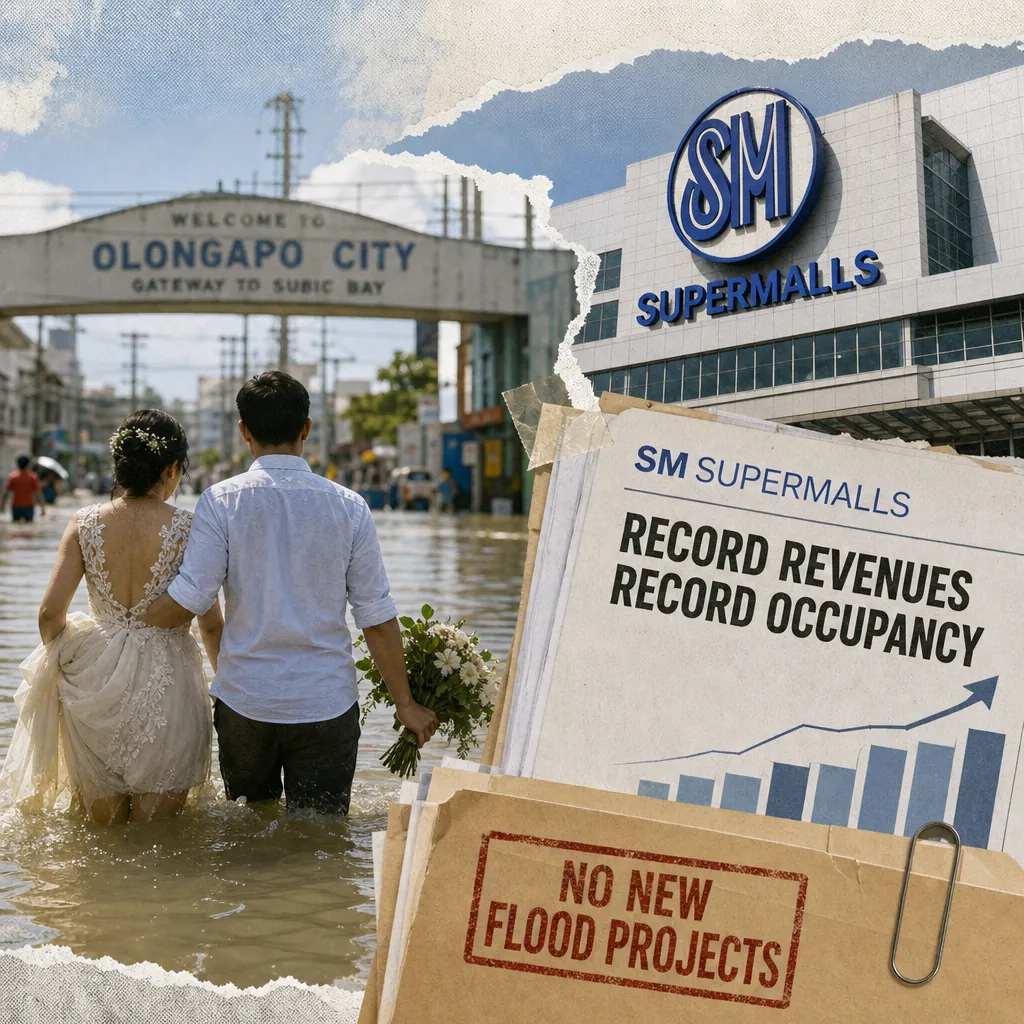
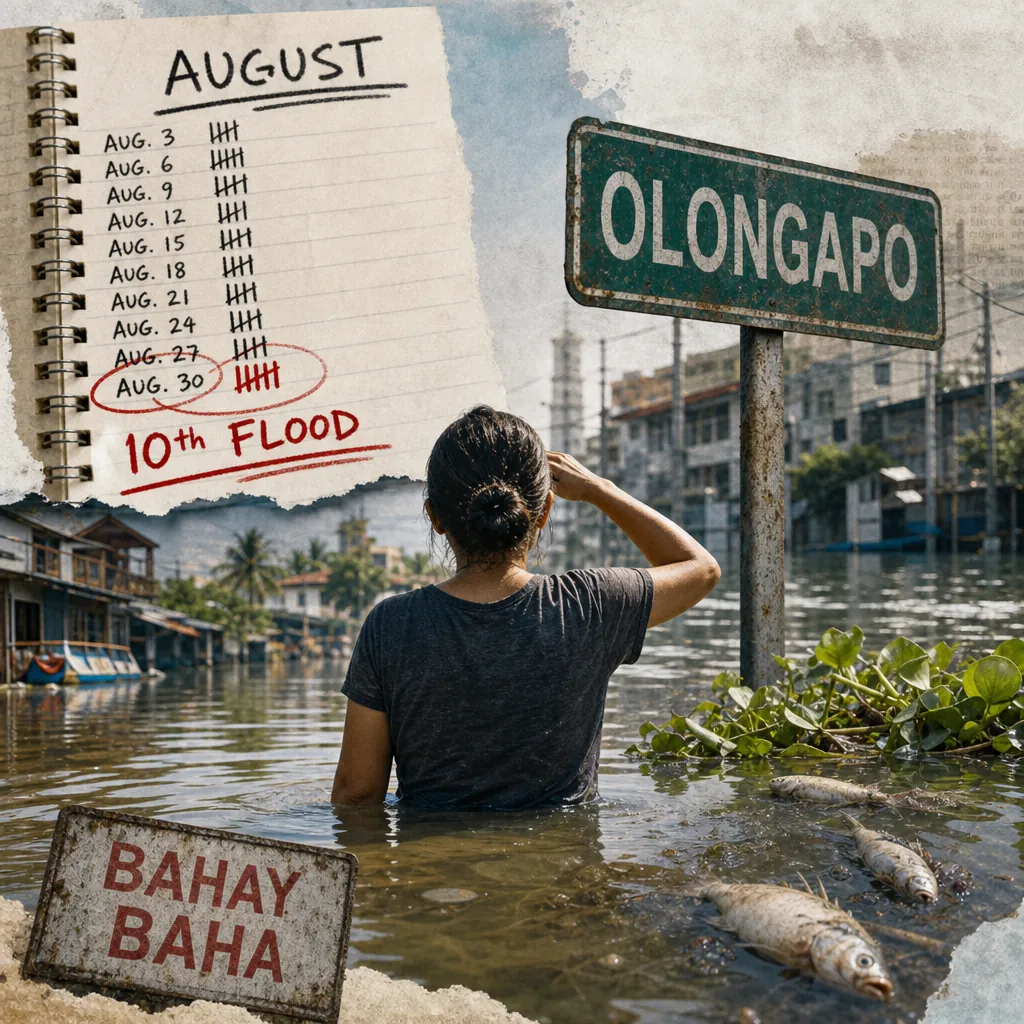
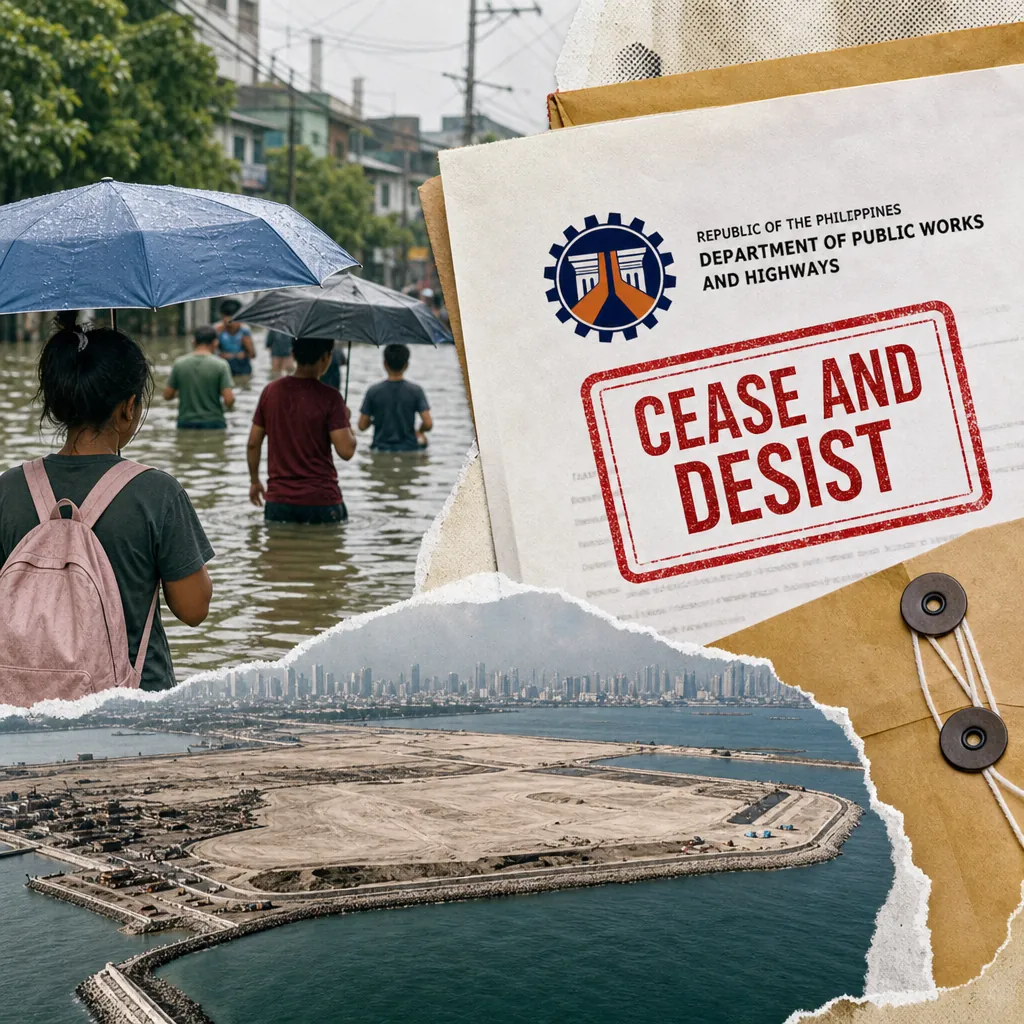
The southwest monsoon's flooding across Luzon and the DPWH's cease-and-desist orders on Taguig reclamation projects dominated the day's conversation, drawing heavy public engagement and extensive news coverage.
The southwest monsoon's flooding across Luzon and the DPWH's cease-and-desist orders on Taguig reclamation projects dominated the day's conversation, drawing heavy public engagement and extensive news coverage.
Sunday, August 30, opened with a convergence of environmental and political flashpoints across Luzon, and by midday, the conversation had crystallized into two distinct but interlocking narratives. The first, driven by the announcement from DPWH Secretary Vince Dizon, confirmed cease-and-desist orders against alleged illegal reclamation projects linked to Laguna de Bay in Taguig City.12 This was immediately amplified on Reddit, where a post tied the order directly to Senator Alan Peter Cayetano, framing it as backed by both the DPWH and the President himself.3 The post drew 392 upvotes and 21 comments within hours, signaling that the political dimension of reclamation—not just the environmental one—was primed to dominate user engagement.
Simultaneously, a second narrative was hardening around the catastrophic flooding in Pampanga and Bulacan. A Facebook post showed a bedridden senior citizen being rescued by balsa in San Fernando, while another captured a rescuer carrying an infant inside a plastic bag to safety.45 These visceral rescue videos accumulated 633 and 61 likes respectively, but the tone shifted sharply toward frustration when a post highlighted that PELCO III had suspended power restoration at the Sto. Tomas Substation because access roads, including MacArthur Highway, were impassable.6 By late morning, a Reddit user had already connected the dots, asking, "Wala pa bang plans for major flood control protests ulit this year?", and pointed to Marikina's improved flood control as evidence that public pressure could yield results.7
The afternoon deepened the political edge of the conversation. A Reddit thread titled "Two different administration. Two different flood control projects. A disastrously empty result." mocked ₱7 billion in Pampanga flood control spending under the current administration, citing a PCO news release that marked the project's inauguration.8 The post, with 15 upvotes and 14 comments, resonated because it linked the visible failure of infrastructure to a broader accountability deficit, inviting comparisons between the Marcos Jr. and Duterte eras. Meanwhile, the DPWH CDO story expanded on Facebook, where one post accumulated 162 likes and 95 comments, with 280 "haha" reactions—an indication that netizens were treating the government's enforcement action with a mixture of vindication and mockery.2 This sentiment was echoed in a separate Twitter thread where DPWH's action was shared with the caption about illegal reclamation in Taguig.9
Key themes
- Flooding in Pampanga and Bulacan draws viral rescue coverage and public anger: The southwest monsoon's flooding across Central Luzon generated visceral rescue videos and widespread criticism of failed flood-control projects. A Reddit thread comparing two administrations' flood projects drew engagement by questioning ₱7 billion in spending.8
- DPWH's cease-and-desist orders on Taguig reclamation projects become a political flashpoint: The enforcement action against alleged illegal reclamation in Laguna de Bay was quickly tied to Senator Alan Peter Cayetano on Reddit, drawing hundreds of reactions and thousands of views across platforms.32
- Senator Lacson reveals fraudulently issued titles on reclaimed Taguig land: Senator Panfilo Lacson disclosed that four parcels of allegedly illegally reclaimed land in Taguig are covered by fraudulently issued titles, with four other parcels missing from Land Registration Authority digital files. The documents will be turned over to the Ombudsman.4255
- Infrastructure failures—impassable NLEX, MacArthur Highway, and suspended power—highlight economic disruption: The flooding rendered major roads impassable and forced PELCO III to suspend power restoration at the Sto. Tomas Substation, severing mobility and power in a key economic corridor. The NLEX closure post drew the highest raw engagement of any single post in the dataset, with 3,558 views.126
- 8.4 million people affected by monsoon and cyclones, with 32 deaths reported: The National Disaster Risk Reduction and Management Council reported that 8.4 million individuals, or 2.4 million families, have been affected by the southwest monsoon and recent cyclones Luis, Maymay, and Neneng. Approximately 122,500 individuals are in evacuation centers.18
- First Gen and Alliance Global Group seal 25-MW geothermal supply deal: The Lopez-led First Gen Corp. secured an agreement to supply over 25 megawatts of geothermal power to AGI's properties in Metro Manila, Iloilo, Davao, and Laguna, supporting AGI's 2035 carbon neutrality target. The deal covers Megaworld township developments, Venice Grand Canal Mall, ArcoVia City, Richmonde Hotel Iloilo, Davao Finance Center, and Emperador Distillers plants.2031
- Ayala Land's sustainability push gains recognition: Ayala Land Inc. climbed 117 places to rank 369th globally in TIME's World's Most Sustainable Companies 2026, emerging as the only Philippine real estate developer on the list. The company also reported diverting 44% of waste from landfills in 2025, surpassing its 30% target.9740
- Calls for flood control protests resurface ahead of September anniversaries: A Reddit user proposed annual protest days on September 21, echoing last year's flood control rallies, signaling that public patience is wearing thin among engaged citizens.7
How the narratives stack
Dominant: The flooding in Pampanga and Bulacan, driven by the southwest monsoon, dominated the day's conversation across both social media and news coverage. The narrative combined visceral rescue videos on Facebook, political analysis on Reddit, and breaking news alerts on Twitter, creating a multi-platform story of infrastructure failure and public anger. The news coverage in the captured set was extensive, with multiple outlets reporting on the 8.4 million affected individuals, impassable roads, and the broader monsoon impact.1889 The social conversation was equally intense, with rescue videos drawing hundreds of reactions and Reddit threads questioning government spending on flood control.8
Counter-narrative: The DPWH's cease-and-desist orders on Taguig reclamation projects, while initially a regulatory action, evolved into a political flashpoint. Senator Lacson's revelation of fraudulently issued titles added a corruption angle, while Senator Cayetano defended the Laguna Lakeshore project in a Facebook livestream. The public's response, marked by 280 "haha" reactions on one Facebook post, suggested skepticism about the enforcement's sincerity.284
Emerging: The sustainability push by major developers, particularly Ayala Land's recognition in TIME's list and First Gen's geothermal supply deal with AGI, represents a quieter but significant narrative. These stories position renewable energy and sustainable practices as competitive advantages, potentially differentiating compliant developers from those associated with regulatory violations.9720
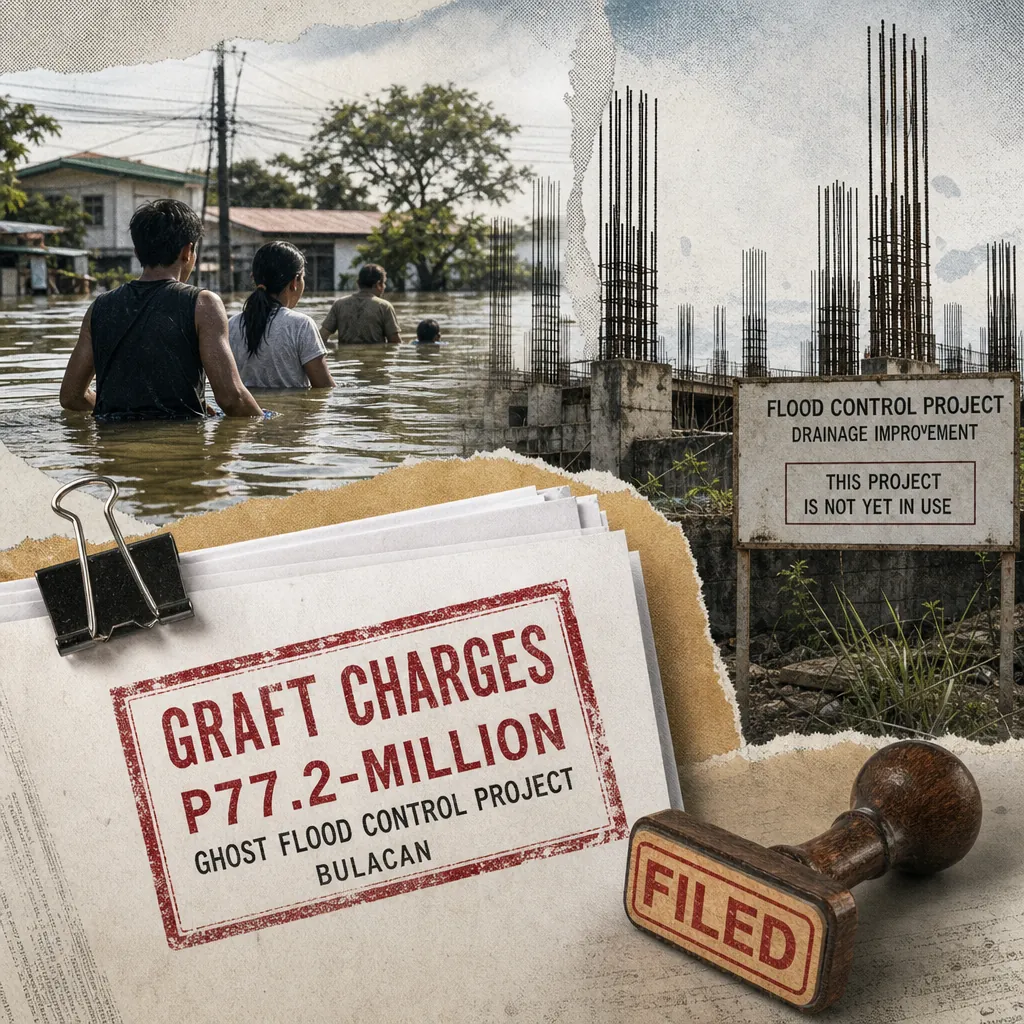
Under-covered: The Ombudsman's charges against former Ako Bicol congressman Zaldy Co and former DPWH officials over a ₱77.2-million "ghost project" in Bulacan—a flood control structure that was paid for but never built—received relatively little social media attention despite its direct relevance to the flood narrative. This story connects the flooding to corruption in infrastructure spending, a theme that could gain traction as the conversation evolves.61
Platform insights
- Reddit: Reddit functioned as the political analysis engine of this story. It was on Reddit that the Cayetano link was first asserted, the protest call was framed, and the cross-administration comparison was drawn.378 The platform's upvote system rapidly surfaced the most politically charged angles, and its comment sections served as forums for strategic debate rather than simple outrage.
- Facebook: Facebook was the emotional ground zero, dominated by rescue videos and human-interest posts. The viral infant-in-plastic-bag video earned 633 likes and 83 shares, while the senior citizen rescue drew 61 likes and 15 shares.45 These posts created the initial shock and empathy that later colored the more analytical criticism on Reddit, and the platform also carried the bulk of reaction-based sentiment, including the 280 "haha" reactions on the DPWH post.2
- Twitter/X: Twitter served as the breaking-news wire, with official and semi-official accounts posting raw alerts about the DPWH CDO, election results in Cavite, and road closures.13112 The platform had fewer original opinions but high amplification of facts, with the NLEX closure post receiving the highest views count (3,558).12 Twitter's role here was to establish the timeline of events that other platforms later editorialized.
Key voices and communities
Flood-Affected Residents and Local Communities: Residents in Pampanga, Bulacan, and nearby provinces are the most emotionally engaged stakeholder group in this conversation, largely active on Facebook where their rescue videos and flood documentation generate significant reactions.5 A viral video of an infant being evacuated using a plastic bag and basin drew over 600 likes and 80 shares, illustrating the compelling nature of their first-hand accounts.5 Their content consistently captures the severity of flooding, including stranded senior citizens and impassable roads like MacArthur Highway.46
Political and Government Accountability Watchers: This group includes politically engaged social media users across Reddit and Twitter who actively monitor government officials and public works projects, particularly around reclamation, flood control, and regulatory enforcement.3 Their content on the DPWH cease-and-desist order against alleged illegal reclamation in Laguna de Bay drew hundreds of reactions on Facebook and thousands of views on Twitter.29 They demonstrate strong influence by amplifying news from major outlets like Manila Bulletin to drive public scrutiny of officials such as Senator Alan Peter Cayetano.3
Media Outlets and Journalistic Sources: Major Philippine news organizations and their digital platforms serve as primary amplifiers in this conversation, including Manila Bulletin, PNA, and PCO news releases that provide official context.28 Their Facebook and Twitter posts generate significant reach, with one DPWH-related post on Facebook receiving 162 likes and 280 haha reactions, reflecting public skepticism toward the administration's reclamation enforcement.2 Their reporting bridges official statements and public sentiment, making them essential for understanding policy developments and community reactions.9
Regional Government and Agency Representatives: Local government units and national agencies like DPWH and the Department of Agrarian Reform appear primarily at the administrative level, issuing updates on enforcement actions and community programs.214 Their content includes capacity-building training announcements for agrarian reform beneficiaries in Romblon, signaling ongoing government initiatives in rural areas.14 However, their visibility remains limited relative to the volume of critical citizen-generated content, limiting their ability to shape the dominant narrative.5
Narrative streams
Flooding in Pampanga and Bulacan exposes infrastructure failures and fuels public anger
The southwest monsoon's flooding across Central Luzon on August 30 generated the day's most intense public engagement, with viral rescue videos and impassable roads dominating social media. A Facebook post showing a bedridden senior citizen being rescued by balsa in San Fernando drew 61 likes and 15 shares, while a video of a rescuer carrying an infant inside a plastic bag to safety accumulated 633 likes and 83 shares.45 These visceral images of human suffering created an emotional foundation for the more analytical criticism that followed.
The infrastructure failures were concrete and widespread. The Bulacan Provincial Disaster Risk Reduction and Management Office reported that parts of NLEX and MacArthur Highway were impassable, with knee-deep floodwaters in Meycauayan City's Barangay Libtong.16 PELCO III suspended power restoration at the Sto. Tomas Substation because access roads were impassable, severing both mobility and power in a key economic corridor.6 The NLEX closure post on Twitter drew 3,558 views, the highest raw engagement of any single post in the dataset.12
The scale of the disaster was confirmed by official reports. The National Disaster Risk Reduction and Management Council reported that 8.4 million individuals, or 2.4 million families, have been affected by the southwest monsoon and recent cyclones Luis, Maymay, and Neneng, with 32 deaths linked to the weather disturbances.18 The Office of Civil Defense reported 646 areas across seven regions were flooded, with Central Luzon as the most affected.89
The political dimension emerged quickly. A Reddit thread titled "Two different administration. Two different flood control projects. A disastrously empty result." mocked ₱7 billion in Pampanga flood control spending under the current administration, explicitly naming Masantol, Macabebe, and Minalin as perennial victims.8 The post resonated because it linked the visible failure of infrastructure to a broader accountability deficit, inviting comparisons between the Marcos Jr. and Duterte eras. A Facebook post about the Pampanga Pottery shop going "back to zero" added an economic injury layer, registering 19 likes and 138 "sad" reactions.11
The read for the sector: For property developers with exposure in Pampanga, Bulacan, and other flood-prone areas, the recurring flood imagery could depress buyer confidence, especially for house-and-lot products advertised as ready-for-occupancy. The impassable MacArthur Highway and suspended power at the Sto. Tomas Substation should be treated as early signals of accessibility and liveability concerns that could affect preselling sentiment in those catchments.126
DPWH's cease-and-desist orders on Taguig reclamation projects become a political flashpoint
The Department of Public Works and Highways (DPWH) issued cease-and-desist orders on allegedly illegal reclamation projects in Taguig City, with Secretary Vince Dizon confirming the action on Sunday. Dizon said the orders were served on Aug. 20 following a directive from the Office of the President through the Philippine Reclamation Authority (PRA), which is under the said office. "Let's just discuss and if there is any problem there, then let's determine the way forward," Dizon told reporters in an interview after his inspection of the Tumana pumping station in Marikina City.49
The political framing exploded on Reddit, where a post tied the order directly to Senator Alan Peter Cayetano, framing it as backed by both the DPWH and the President himself. The post drew 392 upvotes and 21 comments within hours.3 The story metastasized into a public referendum on the administration's credibility, evidenced by the flood of "haha" reactions on the main Facebook post—280 in total, alongside 162 likes and 95 comments.2
Senator Panfilo Lacson added a corruption angle, revealing that four parcels of allegedly illegally reclaimed land in Taguig City are covered by titles that were fraudulently issued, and his team intends to turn over these documents to the Office of the Ombudsman for formal investigation. In addition, four other parcels do not appear in the digital records of the Land Registration Authority (LRA), raising further concerns about irregularities in the titling process for reclaimed properties along the Taguig side of Laguna Lake.4255 Lacson stated that he released the initial findings of his investigation to counter accusations from Senator Alan Peter Cayetano that the earlier disclosures were "fake news."55
Senator Cayetano defended the Laguna Lakeshore project in a Facebook livestream, pointing to the significant development of the portion of Laguna Lake covered by Taguig City in recent years and its vast potential that has not yet been utilized. He insisted that the projects are steps to protect the lake against erosion, pollution, and squatters, and mentioned the C6 road dike as protection for the lakeshore.84
The read for the sector: The rapid coupling of the DPWH CDO with Senator Cayetano's name on Reddit demonstrates how quickly a regulatory action can become a reputational crisis for a public figure. For developers with exposure to lakefront properties in Taguig, the public's memory of illegal reclamation is now sharp and partisan. The 280 "haha" reactions on the main DPWH Facebook post signal that the public views this enforcement with deep skepticism, likely expecting either a delayed implementation or a reversal under political pressure.2 This is a sentiment trend worth tracking for communications teams preparing messaging on any related public-private partnership.
First Gen and AGI's geothermal deal signals sustainability as a competitive differentiator
First Gen Corp. secured a deal to supply over 25 megawatts of geothermal power to key properties and facilities of Alliance Global Group, Inc. (AGI) across Metro Manila, Iloilo, Davao, and Laguna. The renewable energy supply will come from First Gen's geothermal facilities in Albay and Sorsogon.2031 The agreement covers Megaworld Corp. township developments in Taguig City, Venice Grand Canal Mall in McKinley Hill, ArcoVia City in Pasig City, Richmonde Hotel Iloilo in Iloilo City, Davao Finance Center in Davao City, and Emperador Distillers, Inc. plants in Santa Rosa and Biñan, Laguna.81
"Electricity usage comprises a significant portion of conglomerate-wide carbon emissions. Our ability to harness more renewable energy to support our operations without compromising efficiency or service delivery will greatly reduce our carbon footprint and help us get closer to our goal of achieving carbon net zero," Megaworld Head of Sustainability said.81 Carlo Vega, chief customer engagement officer at First Gen, said, "Transitioning to geothermal energy, the only (renewable energy) source that can run baseload capacity, is not just a cost optimization measure, but also a means to manage risk and to do something good for the planet."68
This deal aligns with a broader sustainability push in the sector. Ayala Land Inc. climbed 117 places to rank 369th globally in TIME's World's Most Sustainable Companies 2026, emerging as the only Philippine real estate developer on the list. The company also reported diverting 44% of waste from landfills in 2025, surpassing its 30% target, and targeting 40% diversion this year as it pursues zero waste to landfills by 2030.9740
The read for the sector: Sustainability is becoming a competitive differentiator in Philippine real estate. Developers who can demonstrate credible environmental commitments—whether through renewable energy supply deals or waste diversion targets—can position themselves favorably against competitors associated with regulatory violations. This is particularly relevant given the reclamation controversy, where compliant players can differentiate themselves from those linked to illegal activities.
Ombudsman charges over ₱77.2-million 'ghost project' in Bulacan connect corruption to flooding
The Office of the Ombudsman charged former Ako Bicol congressman Zaldy Co and several former Department of Public Works and Highways (DPWH) officials with malversation and graft over a ₱77.2-million flood control project in Bulacan that was declared completed and paid for but was nowhere to be found during inspection.61 At the center of the case is a supposed riverbank protection structure along the Balagtas River in Barangay San Juan, Balagtas, Bulacan, which was awarded to SYMS Construction Trading. Government records indicated that construction began on Feb. 24, 2025 and was completed on May 2 of the same year. But Ombudsman investigators said an inspection found no trace of the supposedly completed structure.61
This story connects directly to the flooding narrative, as it suggests that some flood-control structures meant to protect communities existed mainly on paper. A BusinessMirror opinion column on Heroes Day noted that "some of the flood-control structures meant to stand between that rain and those rooftops existed mainly on paper—ghost projects, substandard builds, money paid out for concrete that was never poured correctly, or never poured at all."76
The read for the sector: This story, while under-covered on social media, has the potential to gain traction as it connects flooding to corruption in infrastructure spending. For government-facing communications, it reinforces the need to demonstrate concrete outcomes from infrastructure investments, not just announcements of spending. The ghost project narrative could resurface in any coverage of flood control failures, adding a corruption angle to the accountability deficit.
Monsoon's economic toll: GSIS emergency loans and infrastructure damage
The Government Service Insurance System (GSIS) has earmarked nearly ₱4.4 billion in emergency loans for 166,789 active members and pensioners across nine areas in Luzon that were affected by recent typhoons and the southwest monsoon. The allocation forms part of the state pension fund's continuing effort to provide immediate financial relief to government employees and pensioners hit by successive weather disturbances that triggered widespread flooding and displacement in several provinces.29
The economic toll is significant. The BusinessMirror reported that the combined effects of serial weather disturbances and the enhanced southwest monsoon have left 31 dead, with damage to infrastructure estimated at no less than ₱6 billion and to farms, ₱2.3 billion. At least 117 cities and towns were placed under a state of calamity.75
The read for the sector: The economic disruption from the monsoon extends beyond immediate flood damage. For banks and financial institutions, repeated flooding in areas with active housing loans could trigger reputational questions about responsible lending. For telecom and utility providers, the suspension of power restoration at the Sto. Tomas Substation highlights infrastructure vulnerability that could mirror network outage complaints. The GSIS emergency loans provide a template for how institutions can respond to disaster-affected communities.
Conversation trajectory
Flood vulnerability is becoming a dominant purchase consideration: The convergence of widespread flooding in Pampanga, Bulacan, and surrounding provinces with active reclamation controversies is shifting conversation from isolated incident reports toward systemic risk assessment for property investments.15 Posts documenting submerged subdivisions, impassable access roads, and stranded residents are generating substantial engagement, with rescue operation content receiving notable shares and reactions.154 Expect continued growth in conversations about flood-prone developments, particularly for projects near Laguna de Bay, Pampanga river basins, and low-lying Bulacan municipalities, with this trajectory likely intensifying over the next 2-3 months as the monsoon season peaks.8
Regulatory enforcement discourse will expand beyond reclamation into broader development scrutiny: The cease-and-desist orders against alleged illegal reclamation in Taguig City, backed by both the DPWH and presidential authority, are generating significant public attention.32 The high ratio of laughing reactions compared to other response types suggests public skepticism about enforcement follow-through, which may predict future conversations about zoning compliance, environmental clearances, and development approvals across Metro Manila and fringe areas.2 This discourse will likely expand within 4-6 weeks to include discussions about other major developments, particularly in reclaimed areas like Entertainment City and the Bay Area.12
Infrastructure accessibility is emerging as a key differentiator in property discussions: The flooding of major thoroughfares, including portions of NLEX and MacArthur Highway, has direct implications for township developments and residential communities that market accessibility as a primary selling point.126 Posts highlighting impassable roads leading to residential areas are generating significant view counts, signaling that commute reliability will feature prominently in property evaluations and resale value discussions.12 This conversation trend will likely strengthen through October as weather disturbances continue, making infrastructure resilience a recommended focus for clients with developments in flood-prone corridors.
Crisis response performance is becoming a reputational marker for developers and local governments: The viral content showing rescue operations, including the use of improvised flotation devices for infants and elderly residents, is shifting public attention toward the quality and speed of emergency response in residential communities.54 This creates both risk and opportunity for property developers whose communities are featured in either positive or negative rescue narratives, with engagement metrics suggesting that these stories maintain topical relevance for extended periods.
Trigger events to watch: The formal investigation outcomes from the DPWH cease-and-desist orders could trigger broader discussions about development moratoriums and property value impacts in affected areas within the next 4-8 weeks.21 The annual commemoration of major flood control protests expected in September will likely resurface accountability questions, particularly as some areas report worsening conditions compared to the previous year.7 Additionally, the potential for additional weather disturbances in the coming weeks will sustain flood-related property conversation momentum, especially with the ongoing suspension of power restoration efforts demonstrating infrastructure fragility.6
Response guidance
Flood risk communication: Prepare flood risk communication materials for developer clients within the next 7-10 days, before the September protest anniversary conversation shifts focus toward government accountability.87 Develop messaging frameworks that acknowledge flood concerns while highlighting concrete mitigation measures, elevation strategies, and community response protocols—content that addresses the demonstrated public anxiety while protecting client reputations.15
Regulatory enforcement messaging: Treat the Laguna de Bay reclamation cease-and-desist as a credibility test rather than a win. The high "haha" reaction count suggests the public sees this as politically motivated or belated. Recommend issuing a supplemental statement that emphasizes long-term environmental compliance checks across all lake-area projects, names no individuals but commits to transparent audit timelines, and pairs this with concrete flood-control expenditure milestones in Pampanga.28
Infrastructure status communication: For telecom and utility clients, monitor the Sto. Tomas Substation suspension closely as a proxy for disaster-response capacity. If flooding disrupts power to telecom infrastructure, expect similar social criticism. Pre-position a rapid-response playbook that acknowledges service gaps while highlighting restoration efforts, using localized community updates rather than national-level messaging, as the most engaged content this period is hyper-local rescue coverage.615
Sustainability positioning: For developers with sustainability credentials, proactively communicate renewable energy adoption, waste diversion achievements, and flood-resilience design features. The First Gen-AGI geothermal deal and Ayala Land's TIME recognition provide positive examples that can differentiate compliant players from those associated with regulatory violations.2097
Protest mobilization awareness: Monitor the "annual protest day" proposal on Reddit, which indicates potential for coordinated public demonstrations around September 21. Avoid language that appears to suppress dissent; instead, emphasize openness to stakeholder engagement and transparency in infrastructure planning.7
See the full picture behind today's signals.
This report draws from Media Meter's MediaWatch, our real-time monitoring engine tracking 2,470+ Philippine sources across print, broadcast, digital, and social. Explore how the platform turns raw coverage into decision-grade intelligence, then see how it's configured for teams like yours — whether you're in PR agencies, corporate comms, government, or marketing.
Want more? Browse our Report Library for sector and crisis intelligence, or request a demo and we'll have your brand set up before the call.
Want this kind of intelligence on your brand?
This brief is built on the same MediaWatch methodology that runs continuously across every brand we monitor. See your competitive landscape, Impact Score, and narrative trajectory in a 30-minute demo.