Flood damage and ghost project graft charges dominate
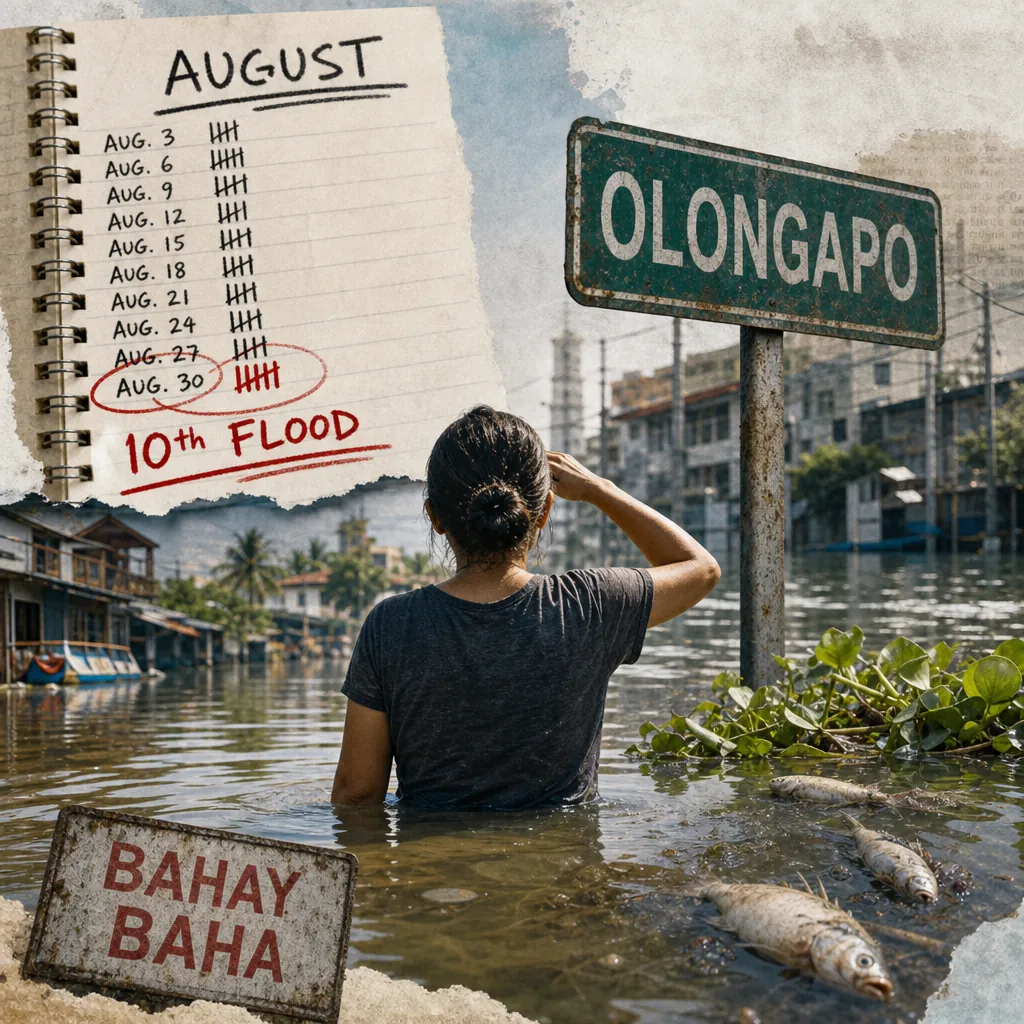
Severe flooding in Central Luzon and Zambales, captured in viral videos, coincided with the Ombudsman filing graft charges over a P77.2-million ghost flood control project in Bulacan. The day's conversation linked physical disaster to systemic corruption, with additional scrutiny on illegal reclamation titles in Laguna Lake.
A bridge collapsing into rampaging floodwaters in Barangay Anunas, Angeles City, opened the day's conversation on August 28, 2026. The video, shared by J A Delos Reyes, drew 686 reactions and 141 comments on Facebook, immediately framing the narrative around infrastructure vulnerability and extreme weather.1 Within hours, the story expanded geographically: a house was swept away in Lubao, Pampanga, and river levels rose in Tapuac River, Zambales, where a family was seen trying to save their goat from floodwaters.23 The emotional resonance of these clips, particularly the family's rescue attempt which drew 635 reactions, anchored public sentiment in real-time catastrophe and personal loss, setting the stage for more systemic critiques later in the day.2
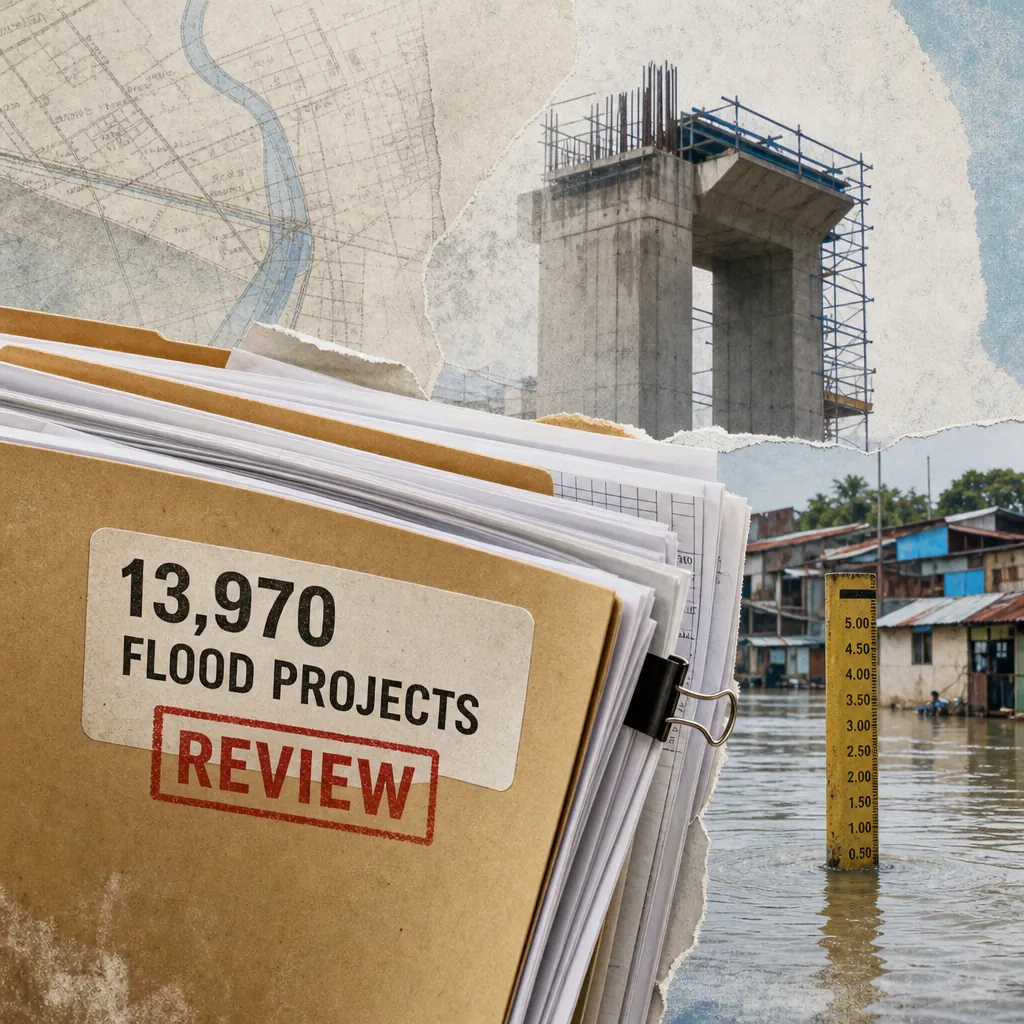
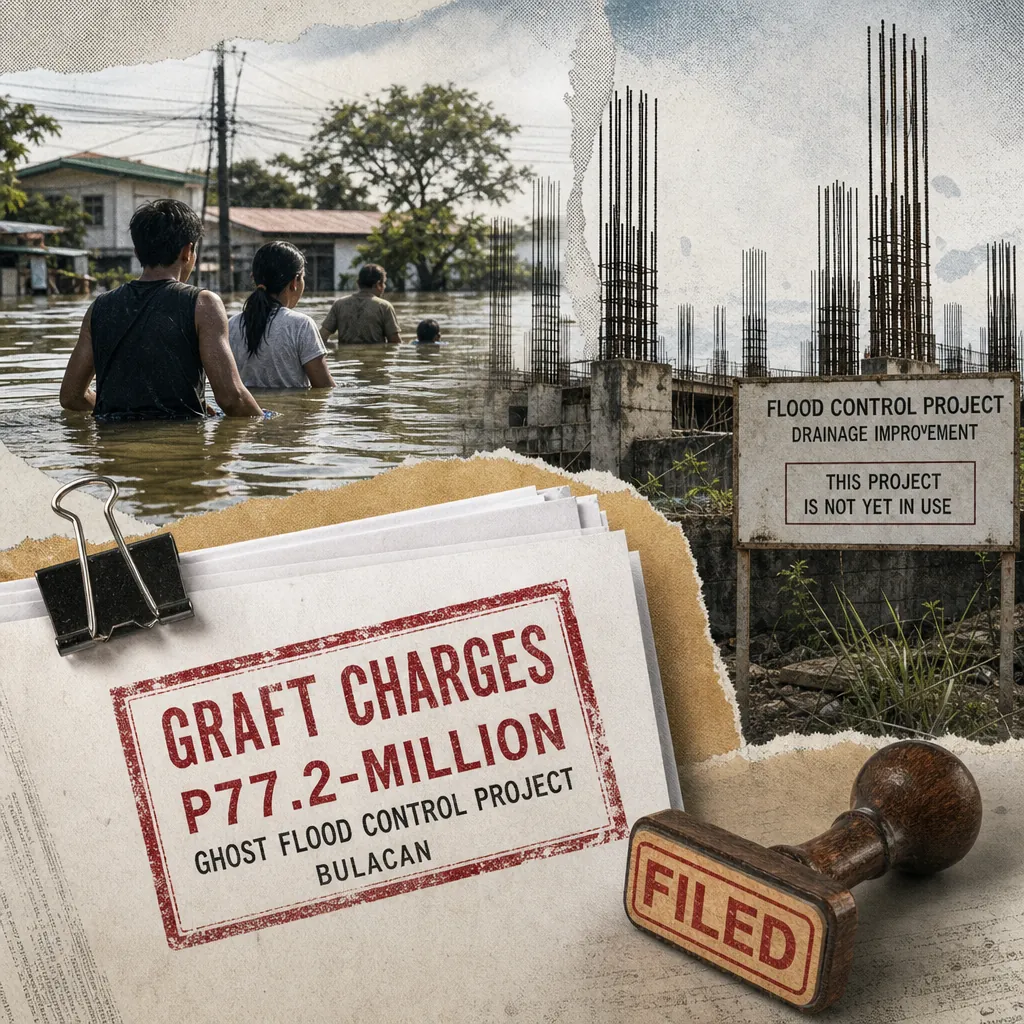
Parallel to the visceral flood coverage, a separate investigative narrative surfaced, focused on government accountability for flood control failures. On the same day, the Office of the Ombudsman filed graft and malversation charges against fugitive former Ako Bicol party-list Rep. Zaldy Co and several DPWH Bulacan 1st District officials over a P77.2-million "ghost" flood control project in Balagtas, Bulacan.4 Reddit users picked up the story, with posts on r/Philippines accumulating over 25 upvotes, noting that the project was certified 100% complete in May 2025 but a physical inspection found the structure did not exist.5 The narrative on Reddit quickly shifted from mere reporting to critical commentary on systemic corruption, with users highlighting the Ombudsman's finding of an "implied conspiracy" involving kickbacks and the repeated approvals of payments despite glaring irregularities.4 This thread connected the physical flooding visible on social media to the bureaucratic failures that allowed funds for flood mitigation to be embezzled, creating a powerful causal narrative by mid-day.
As the day progressed, the conversation on Facebook expanded beyond the immediate disaster to include broader commentary on environmental and regulatory failures. A post regarding the Land Registration Authority investigating land titles covering 38.83 hectares of illegal reclamation in Laguna Lake near Taguig City drew engagement, though with a notably cynical reaction, as reflected in the 10 "haha" reactions against only 14 likes.6 This specific development is critical for monitoring because it touches on title issues, zoning, and government oversight—core risk areas for real estate stakeholders. Simultaneously, a separate thread emerged questioning a "sandstorm" phenomenon in the Manila Bay area, with Inquirer.net posting a video explainer that garnered 348 views on YouTube but a muted response on Facebook.78 While the sandstorm narrative remained ambiguous, its presence in the conversation intersected with the flood coverage to paint a picture of environmental instability and infrastructural anxiety, a narrative that is particularly relevant for property developers and investors monitoring project viability in flood-prone and reclamation-dependent areas.
Key themes
- Bridge collapse and house swept away in Pampanga draw over 1,300 combined reactions — Raw video of a bridge collapsing in Angeles City and a house being destroyed in Lubao, Pampanga, dominated the morning, generating hundreds of reactions and comments each. These visuals established the human and material toll of the flooding and set a somber tone for the day.13
- Family rescuing a goat from floodwaters in Zambales earns 635 reactions — A video of a family trying to save their goat from rising river levels in Botolan, Zambales, became an emotional anchor, humanizing the disaster and driving empathy-driven sharing. It reinforced perceptions that certain locations carry hidden environmental risks.2
- Ombudsman files graft charges over P77.2-million ghost [flood control project](https://media-meter.com/report-library/flood-control-corruption-cases-dominate-aug-28-news "Flood control corruption cases dominate aug 28 news") in Bulacan — The Office of the Ombudsman charged fugitive former Rep. Zaldy Co and DPWH Bulacan 1st District officials over a flood control project certified 100% complete in May 2025 but found not to exist. The story gained traction on Reddit and Twitter, with users linking the corruption to the day's flooding.45
- Reddit users connect physical flooding to systemic corruption — On r/Philippines, users discussed the Ombudsman's finding of an "implied conspiracy" involving kickbacks, framing the disaster as a "man-made" failure. This analytical thread created a powerful causal narrative that linked the day's events.54
- Land Registration Authority investigates 38.83 hectares of illegal reclamation titles in Laguna Lake — The LRA's probe into titles covering illegal reclamation near Taguig drew a cynical public reaction on Facebook, with more "haha" reactions than likes. This bureaucratic story holds long-term strategic significance for land development and title integrity.6
- Manila Bay "sandstorm" explainer draws modest attention — Inquirer.net posted a video explainer on an unusual environmental phenomenon in Manila Bay, which garnered 348 views on YouTube. The uncertainty itself creates reputational risk for developments in the Bay Area, Entertainment City, and Aseana corridor.78
- Local community and disaster-affected residents are the most active conversation cluster — Residents directly impacted by flooding and infrastructure collapse drove the highest engagement, sharing real-time footage of bridge failures, submerged homes, and rescue attempts. Their experiences directly influence perceptions of location safety and flooding risk.12
- Anti-corruption and governance watchdogs frame the issue through accountability — News agencies and legal observers emphasized the ghost project's fabricated completion certificates and kickback schemes, underscoring concerns about oversight failures. This cluster signals heightened regulatory and public scrutiny of infrastructure projects.4
How the narratives stack
Dominant — The dominant narrative of the day was the intersection of physical flooding and government corruption. The visceral flood videos from Pampanga and Zambales drew the highest engagement, while the Ombudsman's charges over the ghost project provided a systemic explanation. On Reddit, users explicitly connected the two, creating a "man-made disaster" storyline. Within the captured set, this combined narrative dominated both social engagement and news coverage, with the flood videos drawing over 1,300 reactions and the corruption story appearing across multiple platforms.145
Counter-narrative — A quieter but persistent counter-narrative focused on community and economic development, exemplified by the #LocallyMade event at Ayala Malls Circuit Makati. This story, shared by Manila Bulletin, drew only 7 likes but 13 shares, suggesting a niche but shareable positive story that could balance the flood and corruption news dominating regional feeds.11
Emerging — The Land Registration Authority's investigation into illegal reclamation titles in Laguna Lake is an emerging narrative with long-term strategic significance. While engagement was low (14 likes), the topic's legal and financial implications mean any amplification could trigger broader anxiety about title security across all developers. The cynical public reaction suggests a lack of trust in the resolution of such issues.6
Under-covered — The Manila Bay "sandstorm" phenomenon received modest attention (348 views on YouTube) but remains unresolved. The uncertainty itself creates reputational risk for developments in the Bay Area, and the story could amplify if connected to ongoing reclamation disputes or land title issues. This story placed low in the captured set but warrants monitoring.78
Platform insights
- Facebook — Served as the primary emotional battleground, where raw video content of the disaster drove massive engagement and set the initial tone of crisis. The bridge collapse video drew 686 reactions and 141 comments, making it the most interacted-with piece of content. The platform also hosted the most detailed breakdown of the corruption charges against Zaldy Co, though engagement on those posts was considerably lower than the disaster footage.14
- Reddit — Functioned as the analytical and critical hub, where users engaged with the corruption story more substantively. The posting of the graft charges for the Bulacan flood project led to discussions focused on the "implied conspiracy" and the broader implication of ghost projects, with users connecting the Ombudsman's findings to the visible flooding elsewhere. Posts accumulated over 25 upvotes.5
- YouTube — Hosted the Inquirer explainer on the Manila Bay "sandstorm," which had limited immediate traction (348 views). This platform played a supporting role, providing explanatory journalism that could serve as a corrective to misinformation.7
- Twitter/X — Served primarily as a dissemination point for breaking news alerts, linking back to more detailed reports on other platforms. The flood-related posts from Pampanga drew modest views (322 on the collapsing house post, 693 on the corruption charges), indicating a niche audience that includes journalists and industry watchers.39
Key voices and communities
1. Local Community and Disaster-Affected Residents — Residents directly impacted by severe flooding and infrastructure collapse form the most active conversation cluster, driven primarily by real-time footage of bridge failures, submerged homes, and rescue attempts. Their engagement reached a bridge collapse video that drew a substantial audience of 686 reactions and 141 comments, making it the most interacted-with piece of relevant content by a significant margin. Similar posts documenting livestock rescues and rapidly rising rivers in Zambales also generated hundreds of reactions, indicating a regional network of concerned citizens sharing ground-level conditions. Primary narrative: Community members emphasize immediate physical danger, property loss, and the inadequacy of existing flood control infrastructure.1210
2. Anti-Corruption and Governance Watchdogs — Institutional accountability voices, including news agencies and legal observers, are surfacing allegations of systemic fraud in flood control spending, with a focus on the P77.2 million "ghost" project in Bulacan. The story has cross-platform visibility, appearing on Reddit with 25 upvotes and on Twitter with nearly 700 views, indicating moderate but organized interest from politically engaged audiences. These observers emphasize that the project was certified 100% complete despite no structure existing on site, underscoring concerns about oversight failures. Primary narrative: This group frames the issue through the lens of government accountability, alleging kickback schemes and implied conspiracy involving implicated public officials and contractors.459
3. Mainstream Media and Broadcast Outlets — Traditional news organizations are actively shaping the narrative through institutional reporting, with major outlets providing authoritative explanations of events such as the Manila Bay sandstorm phenomenon and flood-related developments. Despite lower community engagement compared to citizen content, these sources generate consistent multi-platform presence, including YouTube segments and Facebook reposts. Their reporting frequently includes official statements, law enforcement updates, and expert commentary, lending credibility to ongoing stories. Primary narrative: Mainstream outlets emphasize factual reporting, explanatory journalism, and verification of claims, often serving as a checkpoint for virality-driven misinformation.789
4. Political and Policy Commentators — A smaller but strategically important cluster includes political figures, legal observers, and those following government investigations into anomalous public spending and land title issues. This group engages through shareable posts and discussion threads, with a particular interest in the 38.83 hectares of illegal reclamation in Laguna Lake and related land title investigations being conducted by the Land Registration Authority. While engagement volume is lower than other clusters, the conversation reaches decision-makers in government and regulatory bodies, making the influence disproportionate to the numbers. Primary narrative: Focus centers on legal accountability, property rights integrity, and the intersection of land management with broader governance concerns.64
Narrative streams
Bridge collapse and house swept away in Pampanga draw over 1,300 combined reactions
The day's most engaging content was raw video of infrastructure failure and property destruction. A bridge collapsing in Barangay Anunas, Angeles City, shared by J A Delos Reyes, drew 686 reactions and 141 comments on Facebook, making it the most interacted-with piece of content in the captured set.1 A separate video showed a house being swept away in Lubao, Pampanga, shared by abantenews on Twitter, drawing 322 views.3 These incidents amplify existing anxieties about construction quality, drainage capacity, and disaster resilience—concerns that resonate strongly with prospective buyers of mid-rise and high-rise developments in flood-prone areas like Bulacan, Cavite, and Laguna. The emotional weight of these visuals reinforces perceptions that certain locations carry hidden environmental risks. For the real estate sector, this narrative means developers with projects in Central Luzon or flood-prone areas should publish specific elevation data, drainage infrastructure investments, and past flood incident records to counter the visceral impact of viral disaster footage with concrete engineering facts.13
Family rescuing a goat from floodwaters in Zambales earns 635 reactions
A video of a family trying to save their goat from rising floodwaters in Botolan, Zambales, drew 635 reactions and 51 comments, humanizing the disaster and driving empathy-driven sharing.2 The emotional resonance of this clip anchored public sentiment in real-time catastrophe and personal loss, setting a somber tone that would later connect to accusations of government negligence. This narrative thread established the "why" behind public anger. For developers, this content reinforces the importance of transparent flood risk assessments and community resilience programs aimed at the most affected areas in Pampanga, Zambales, and Laguna. The high engagement on flooding and infrastructure failure content indicates a public hunger for safety information and location-specific risk communication.2
Ombudsman files graft charges over P77.2-million ghost flood control project in Bulacan
The Office of the Ombudsman filed graft and malversation charges against fugitive former Ako Bicol party-list Rep. Zaldy Co and several DPWH Bulacan 1st District officials over a P77.2-million "ghost" flood control project in Balagtas, Bulacan.4 The project was certified 100% complete in May 2025, but a physical inspection found the structure did not exist. The Ombudsman's finding of an "implied conspiracy" involving kickbacks delivered in advance to Co became a key reference point. Co is also facing charges for a separate P289.5-million project in Oriental Mindoro, painting a picture of systemic corruption.4 This story, amplified across multiple platforms including Reddit and Twitter, centers on allegations of nonexistent structures, fabricated completion certificates, and kickbacks.9 While not directly targeting private developers, this narrative poisons the well for infrastructure-adjacent announcements—particularly any public-private partnerships or township projects reliant on government flood control or drainage commitments. The implication that public works projects may be systematically compromised could spill over into skepticism about developer claims regarding flood mitigation and site preparation. For clients in the Bulacan region, this warrants a briefing document with factual responses that dissociate their projects from the alleged anomalies while affirming support for thorough investigations.45
Reddit users connect physical flooding to systemic corruption
On r/Philippines, users engaged with the corruption story more substantively, with posts accumulating over 25 upvotes.5 The discussion focused on the "implied conspiracy" and the broader implication of ghost projects, with users connecting the Ombudsman's findings to the visible flooding elsewhere. This thread created a powerful causal narrative by mid-day, linking the physical flooding visible on social media to the bureaucratic failures that allowed funds for flood mitigation to be embezzled. Reddit users are engaging critically (22-25 likes with comments), and their discussion patterns may reveal emerging questions about whether developers are accountable for flood resilience in their project areas. This analytical thread should feed into client advisories, particularly for those with projects in flood-prone provinces.54
Land Registration Authority investigates 38.83 hectares of illegal reclamation titles in Laguna Lake
The Land Registration Authority is investigating land titles covering 38.83 hectares of illegal reclamation in Laguna Lake near Taguig City.6 The post drew a notably cynical reaction on Facebook, with 10 "haha" reactions against only 14 likes, suggesting public skepticism or cynical amusement towards the authorities' actions. This specific development is critical for monitoring because it touches on title issues, zoning, and government oversight—core risk areas for real estate stakeholders. The cynical public reaction suggests a lack of trust in the resolution of such issues. For investors in REITs like AREIT or MREIT, or those with exposure to masterplanned communities in the area, this underscores the necessity of deep due diligence on land titles, reclamation permits, and zoning classifications, as any reclassification or legal challenge could directly impact asset valuations. While current engagement is low, the topic's legal weight means any future amplification could create unnecessary panic without a coordinated response framework.6
Manila Bay "sandstorm" explainer draws modest attention
Inquirer.net posted a video explainer on an unusual environmental phenomenon in Manila Bay, variously described as a "sandstorm" or something else, which garnered 348 views on YouTube but a muted response on Facebook.78 While the initial interest appears moderate, the uncertainty itself creates reputational risk for developments in the Bay Area, Entertainment City, and Aseana corridor. Questions about air quality, construction dust, or unusual weather patterns could unsettle buyers considering pre-selling units in these locations, particularly those marketed on lifestyle and health benefits. The unresolved "sandstorm" story creates an informational vacuum that could be filled with speculation harmful to Bay Area developments. A proactive, data-backed explanation—whether about construction activity, wind patterns, or regional weather—would position a client as transparent and authoritative, particularly for pre-selling buyers who may be researching the area's livability.78
Community and economic development as a positive counter-narrative
The #LocallyMade event at Ayala Malls Circuit Makati, shared by Manila Bulletin, drew only 7 likes but 13 shares, suggesting a niche but shareable positive story.11 This conversation stream is unlikely to drive crisis-level attention, but it provides a positive counter-narrative that could be leveraged during periods when infrastructure or legal issues dominate discussion. Community-focused, positive economic activity reinforces developer commitment to local partnerships and physical spaces. This content can be selectively amplified to balance the flood and corruption news dominating regional feeds.11
Conversation trajectory
- Flood-related infrastructure failures will increasingly attach to developer reputations (2-4 weeks) — The collapse of a bridge in Angeles City and a house swept away in Lubao, Pampanga during the same weather event is generating significant traction, with the bridge collapse post alone drawing substantial engagement and hundreds of shares. Expect this narrative to expand into questions about whether nearby residential developments—particularly in Pampanga, Bulacan, and Laguna—have adequate drainage and flood mitigation, especially for projects marketed as "flood-free" or located near river systems. This trend will likely intensify with the onset of the typhoon season, directly impacting developers with ongoing projects in flood-prone provinces.1310
- Government anti-corruption investigations will create spillover risk for housing-related infrastructure projects (1 month) — The Ombudsman's filing of graft and malversation charges over a PHP 77.2-million "ghost" flood control project in Balagtas, Bulacan has amplified scrutiny of DPWH project implementation, with the story gaining traction across multiple platforms and drawing notable comment activity. This conversational thread creates indirect but material risk for real estate stakeholders—particularly in Bulacan and Central Luzon—as buyers and investors may begin asking whether adjacent infrastructure promised as part of township or subdivision developments actually exists, or whether it was subject to similar anomalies. Expect this to become a more prominent narrative as the Sandiganbayan cases progress and additional "ghost project" investigations are announced.459
- Environmental phenomena near key urban developments will drive speculative conversation (2-3 weeks) — A widely-shared video segment questioning whether a "sandstorm" or other environmental event occurred around Manila Bay has generated curiosity-driven engagement, including a dedicated news explainer. While the initial interest appears moderate, this type of environmental anomaly conversation tends to amplify when connected to ongoing reclamation disputes or land title issues—particularly given the simultaneous news of the Land Registration Authority investigating titles over 38.83 hectares of alleged illegal reclamation in Laguna Lake near Taguig. This convergence could trigger a 3-5× engagement increase if environmental and legal threads merge, creating reputational exposure for developers with Bay Area, Entertainment City, and Laguna Lake-facing projects.76
- Destination and lifestyle developments will remain secondary but stable narratives (ongoing) — Content around retail and lifestyle activations at major mixed-use properties continues to generate low-level engagement, suggesting steady but not explosive interest in the experiential aspects of Philippine townships. This conversation stream is unlikely to drive crisis-level attention, but it provides a positive counter-narrative that could be leveraged during periods when infrastructure or legal issues dominate discussion.11
Trigger events to watch:
- Ongoing Sandiganbayan proceedings related to the Balagtas flood control case, which could surface new evidence or additional implicated projects in the coming months.4
- The LRA investigation into the Laguna Lake land titles will likely produce findings that intersect with existing reclamation debates, potentially reigniting scrutiny of shoreline developments.6
- The continuation of the southwest monsoon season, which is likely to produce additional flooding incidents and infrastructure failures in Central Luzon and Metro Manila over the next several weeks, is the most imminent risk trigger based on current weather-related content patterns.101
Response guidance
Flood resilience communication — Proactively address flood resilience in marketing and FAQ content. Given the high-engagement visuals of flooding and bridge collapse in Pampanga and nearby provinces, developers with projects in Central Luzon or flood-prone areas should publish specific elevation data, drainage infrastructure investments, and past flood incident records. This counters the visceral impact of viral disaster footage with concrete engineering facts. Prepare proactive communication within the next 3-5 days that addresses drainage infrastructure, flood mitigation investments, and post-turnover support for homeowners.13
Ghost project narrative spillover — Monitor and respond to the "ghost project" narrative's spillover. The Bulacan corruption case, while government-focused, invites public cynicism about whether private developers verify public infrastructure claims before launching townships. For projects near Bulacan or those marketing government partnerships, consider issuing clarifications on your own due diligence processes regarding flood control and site preparation, without directly referencing the Ombudsman case to avoid drawing unnecessary attention. Prepare a briefing document for clients in the Bulacan region with factual responses that dissociate their projects from the alleged anomalies while affirming support for thorough investigations.45
Land title integrity protocol — Develop a reactive communications protocol for potential questions about land title validity following the LRA investigation. Although current engagement is low, the topic's legal weight means any future amplification could create unnecessary panic without a coordinated response framework. Recommend proactive client communications that reassure stakeholders about title verification processes without commenting on the specifics of the ongoing investigation. Emphasize that title integrity is foundational to any property transaction and encourage buyers to verify titles through the Registry of Deeds and the Land Registration Authority's online services.6
Manila Bay environmental FAQ — Prepare a rapid-response FAQ on Manila Bay environmental concerns. The unresolved "sandstorm" story creates an informational vacuum that could be filled with speculation harmful to Bay Area developments. A proactive, data-backed explanation—whether about construction activity, wind patterns, or regional weather—would position your client as transparent and authoritative, particularly for pre-selling buyers who may be researching the area's livability.78
Sensitive topics to navigate — Avoid dismissing flooding events as isolated; instead, frame responses around verifiable project-level flood mitigation measures and government infrastructure improvements. Engage with factual information only on corruption cases, avoid speculation about ongoing cases, and emphasize the distinction between the accused individuals and the broader legitimate construction industry. For land title concerns, reassure stakeholders about title verification processes without commenting on the specifics of the ongoing investigation.146
See the full picture behind today's signals.
This report draws from Media Meter's MediaWatch, our real-time monitoring engine tracking 2,470+ Philippine sources across print, broadcast, digital, and social. Explore how the platform turns raw coverage into decision-grade intelligence, then see how it's configured for teams like yours — whether you're in PR agencies, corporate comms, government, or marketing.
Want more? Browse our Report Library for sector and crisis intelligence, or request a demo and we'll have your brand set up before the call.
Want this kind of intelligence on your brand?
This brief is built on the same MediaWatch methodology that runs continuously across every brand we monitor. See your competitive landscape, Impact Score, and narrative trajectory in a 30-minute demo.