Pax Silica Debate Dominates as Church, Lawmakers Raise Concerns
The proposed Pax Silica AI hub in Tarlac sparks debate over governance, energy, and community impact, while other news covers crime, politics, and development.
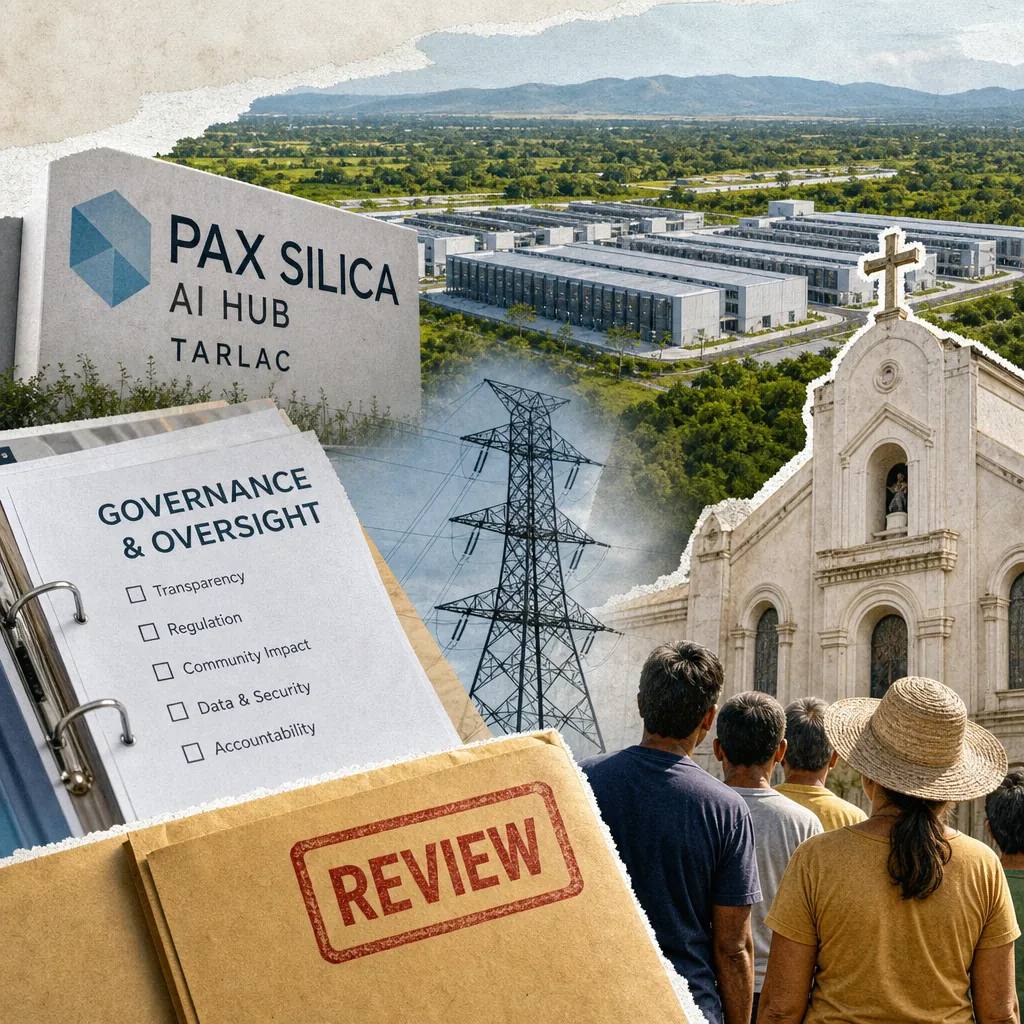
The day's conversation in the Philippines is dominated by the proposed Pax Silica artificial intelligence and semiconductor hub in Tarlac, a project that has drawn both strong support and vocal opposition. The debate highlights deep questions about governance, energy consumption, and the rights of indigenous communities, making it the most significant story of the day. Meanwhile, other news covers crime, politics, and development, painting a picture of a nation grappling with progress and its consequences.
Key themes
- Pax Silica: A Transformative Opportunity or a Threat? The proposed AI hub in Tarlac is the day's biggest story, with business groups like the Management Association of the Philippines (MAP) expressing support while the Catholic Church's social action arm, Caritas Philippines, and some lawmakers voice strong opposition. The debate centers on the project's potential economic benefits versus its environmental and social costs.
- Energy and Water Concerns Loom Large Critics, including ACT Teachers party-list Rep. Antonio Tinio, warn that the 1,619-hectare data center could consume as much electricity as 100,000 households, potentially straining the national grid. Questions about where the project's water supply will come from also remain unanswered.
- Who Governs the Data? A key issue raised by the Manila Times is the lack of clarity on who will govern the data at the Pax Silica hub. The Philippines reportedly turned down a US request for diplomatic immunity, but the details of data governance and control remain unclear.
- Indigenous Communities at Risk Caritas Philippines emphasizes that the site is home to Aeta Indigenous families, farmers, and rural communities whose rights and livelihoods must be protected. The Church's opposition in its "present form" underscores the need for community consultation and safeguards.
- Government Pushes Forward Despite the concerns, the US and Philippine governments are moving fast on the project. US Ambassador Lee Lipton and Executive Secretary Ralph Recto met to discuss the Luzon Economic Corridor and Pax Silica, signaling strong bilateral commitment.
- Crime and Justice in the Headlines Several crime stories dominate the news, including the arrest of a murder suspect in Laguna, the killing of a Bulacan State University professor, and the arrest of 18 wanted persons in northern Metro Manila. These stories reflect ongoing concerns about public safety.
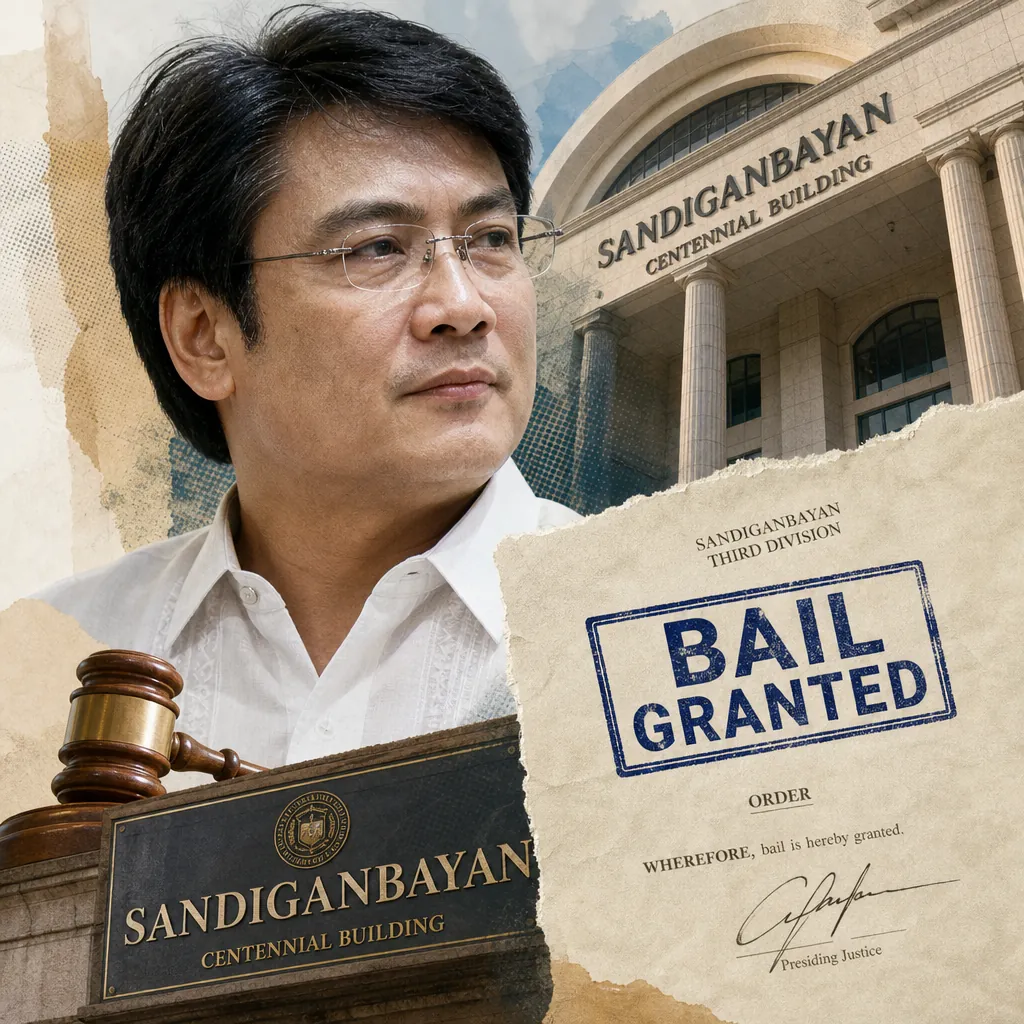
- Revilla Bail Controversy Former Senator Bong Revilla's release on bail in a malversation case has sparked controversy, with Ombudsman Jesus Crispin Remulla questioning why Revilla has not yet returned P124.5 million in civil liabilities from a previous plunder case. The issue raises questions about accountability and the justice system.
- Development and Infrastructure Projects Positive development stories include the expansion of the School-Based Feeding Program, which will boost the local dairy industry, and the Enhanced Community Mortgage Program (ECMP) providing housing for informal settler families. These initiatives highlight the government's focus on social welfare.
How the narratives stack
- Dominant: The Pax Silica debate is the dominant narrative, with multiple articles from various outlets covering the project's potential benefits and drawbacks. The story's prominence is evident in the number of articles and the diversity of voices, from business groups to the Catholic Church.
- Counter-narrative: The opposition to Pax Silica, led by Caritas Philippines and lawmakers like Antonio Tinio, provides a strong counter-narrative. They argue that the project is "voracious" and "unnecessary," and that it could harm the environment and local communities.
- Emerging: The issue of data governance and the potential for a modular nuclear power plant to meet the project's energy needs is an emerging narrative. This could become a major point of contention as more details emerge.
- Suppressed: The concerns of indigenous communities, particularly the Aeta, are often mentioned but not deeply explored in the coverage. The human impact on these communities is a story that deserves more attention.
Platform insights
- Facebook: The Searca talk show's "Climate Detectives" episode garnered 55,000 views on Facebook, indicating strong engagement with educational content. This platform is also used by Generika Drugstore to share heartwarming stories, showing its role in community building.
- X (formerly Twitter): US Ambassador Lee Lipton used X to announce his meeting with Executive Secretary Ralph Recto, highlighting the platform's use for official announcements and diplomatic messaging.
- TikTok: A viral TikTok video showing actors Elijah Canlas and Thea Astley together sparked speculation about their relationship, demonstrating the platform's power in driving celebrity gossip and entertainment news.
- YouTube: While not explicitly mentioned, the presence of video content from various sources suggests YouTube remains a key platform for news and entertainment.
Key voices and communities
- Government Officials: President Ferdinand Marcos Jr., Executive Secretary Ralph Recto, and US Ambassador Lee Lipton are key voices pushing the Pax Silica agenda. Their statements frame the project as a priority for economic growth and national security.
- Business Groups: The Management Association of the Philippines (MAP) supports Pax Silica but calls for safeguards. Their voice represents the business community's interest in economic opportunities.
- Religious and Civil Society: Caritas Philippines, led by Bishop Gerardo Alminaza, opposes the project in its present form, advocating for the rights of indigenous communities and environmental protection. This voice represents moral and social concerns.
- Lawmakers and Politicians: Rep. Antonio Tinio and Ombudsman Jesus Crispin Remulla are vocal critics, raising concerns about energy consumption and corruption, respectively. Their voices add political weight to the opposition.
- Journalists and Media: The Manila Times and other outlets are actively questioning the details of Pax Silica, particularly data governance. Their investigative reporting is crucial in holding the government accountable.
Narrative streams
Pax Silica: The Battle for Tarlac's Future
The Pax Silica project, a US-backed initiative to build a 1,619-hectare AI and semiconductor hub in New Clark City, Tarlac, is the day's most contentious story. The project is part of the Luzon Economic Corridor, a broader effort to boost economic development in the region. Proponents, including the Management Association of the Philippines (MAP), see it as a "transformative opportunity" to create quality jobs and strengthen the country's position in the global economy. However, Caritas Philippines, the Catholic Church's social action arm, opposes the project "in its present form," citing unanswered questions about control, energy and water requirements, and the impact on Aeta Indigenous families and farmers. Rep. Antonio Tinio of ACT Teachers party-list called it "voracious" and "unnecessary," warning that it could consume the country's energy supply and lead to the importation of a modular nuclear power plant. The debate underscores the tension between economic development and social and environmental justice.
The Energy Dilemma: Powering the AI Hub
A central concern in the Pax Silica debate is the project's massive energy consumption. The International Energy Agency noted that the data center could consume as much electricity as 100,000 households. Rep. Tinio warned that this could strain the national grid and potentially lead to the establishment of a modular nuclear power plant. The government has not yet provided clear answers on how it will meet the project's energy demands, leaving room for speculation and concern. This issue is likely to become a major point of contention as the project progresses.
Data Governance: The Unanswered Question
The Manila Times raised a critical question that the President's State of the Nation Address left out: who will govern the data at the Pax Silica hub? While the Philippines reportedly turned down a US request for diplomatic immunity, the details of data governance and control remain unclear. This lack of transparency is a significant concern for critics, who worry about national sovereignty and data privacy. The answer to this question will be crucial in determining the project's legitimacy and public acceptance.
Community Impact: The Human Cost
Caritas Philippines emphasized that the site is not empty land but home to Aeta Indigenous families, farmers, and rural communities. The Church's statement insists that their rights and livelihoods "must come before corporate and geopolitical interests." This narrative highlights the human cost of the project, which is often overshadowed by economic arguments. The lack of community consultation and the potential displacement of these communities are major ethical concerns that need to be addressed.
Crime and Justice: A Nation's Struggle
Beyond Pax Silica, the day's news is filled with crime stories that reflect broader societal issues. The killing of a Bulacan State University professor, the arrest of a murder suspect in Laguna, and the apprehension of 18 wanted persons in northern Metro Manila are just a few examples. These incidents highlight the challenges law enforcement faces in maintaining public safety. The Ombudsman's questioning of Bong Revilla's bail and the unpaid P124.5 million in civil liabilities also raise questions about accountability and the justice system's effectiveness.
Development and Social Welfare: Positive Steps
Amid the controversies, there are positive development stories. The expansion of the School-Based Feeding Program, which will provide meals to over 4.5 million public school learners, is expected to boost the local dairy industry with over P3 billion allocated for locally produced milk. The Enhanced Community Mortgage Program (ECMP) is providing secure land tenure and decent housing for informal settler families, with over 700 individuals in Isabela receiving checks for land acquisition. These initiatives show the government's commitment to social welfare and economic development.
Conversation trajectory
- Pax Silica: The Debate Intensifies (Next 1-2 weeks) As more details emerge about the project's energy and water requirements, and as the government pushes forward with its plans, the opposition is likely to grow. The Catholic Church's stance and the concerns of indigenous communities will continue to be a focal point. Expect more articles and social media posts questioning the project's transparency and impact.
- Energy Policy: Nuclear Power on the Table (Next 1-3 months) If the government considers a modular nuclear power plant to meet Pax Silica's energy demands, this will become a major policy debate. The public's reaction to nuclear power, which has historically been met with skepticism in the Philippines, will be a key factor. Watch for statements from the Department of Energy and other agencies.
- Data Governance: A Growing Concern (Next 1-2 months) The question of who governs the data at Pax Silica is unlikely to go away. As the project moves forward, expect more calls for transparency and accountability. The government's response to these calls will shape public perception and trust.
- Crime and Justice: Continued Scrutiny (Ongoing) The Revilla bail controversy and the Ombudsman's comments suggest that corruption and accountability will remain hot topics. The public's reaction to these issues could influence the political landscape in the coming months.
- Trigger Events:
- Official announcement of Pax Silica's energy and water plans
- Any statement from the Aeta community or indigenous groups
- The Sandiganbayan's decision on Revilla's civil liabilities
- New developments in the investigation of the BSU professor's killing
Response guidance
For communicators in the Philippines, the Pax Silica debate offers several lessons. First, transparency is crucial. The government and its partners should proactively address concerns about energy, water, and data governance to build public trust. Second, community engagement is essential. Consulting with indigenous communities and addressing their concerns can mitigate opposition and ensure that the project benefits all stakeholders. Third, balancing economic development with social and environmental responsibility is key. Highlighting the project's potential to create jobs and boost the economy is important, but it must be accompanied by clear safeguards for the environment and local communities. Finally, monitoring public sentiment on social media is vital. The debate is playing out online, and communicators should be prepared to respond to questions and criticisms in real-time. By adopting a proactive, transparent, and inclusive approach, communicators can help shape a more positive narrative around Pax Silica and other development projects.
See the full picture behind today's signals.
This report draws from Media Meter's MediaWatch, our real-time monitoring engine tracking 2,470+ Philippine sources across print, broadcast, digital, and social. Explore how the platform turns raw coverage into decision-grade intelligence, then see how it's configured for teams like yours — whether you're in PR agencies, corporate comms, government, or marketing.
Want more? Browse our Report Library for sector and crisis intelligence, or request a demo and we'll have your brand set up before the call.
Want this kind of intelligence on your brand?
This brief is built on the same MediaWatch methodology that runs continuously across every brand we monitor. See your competitive landscape, Impact Score, and narrative trajectory in a 30-minute demo.