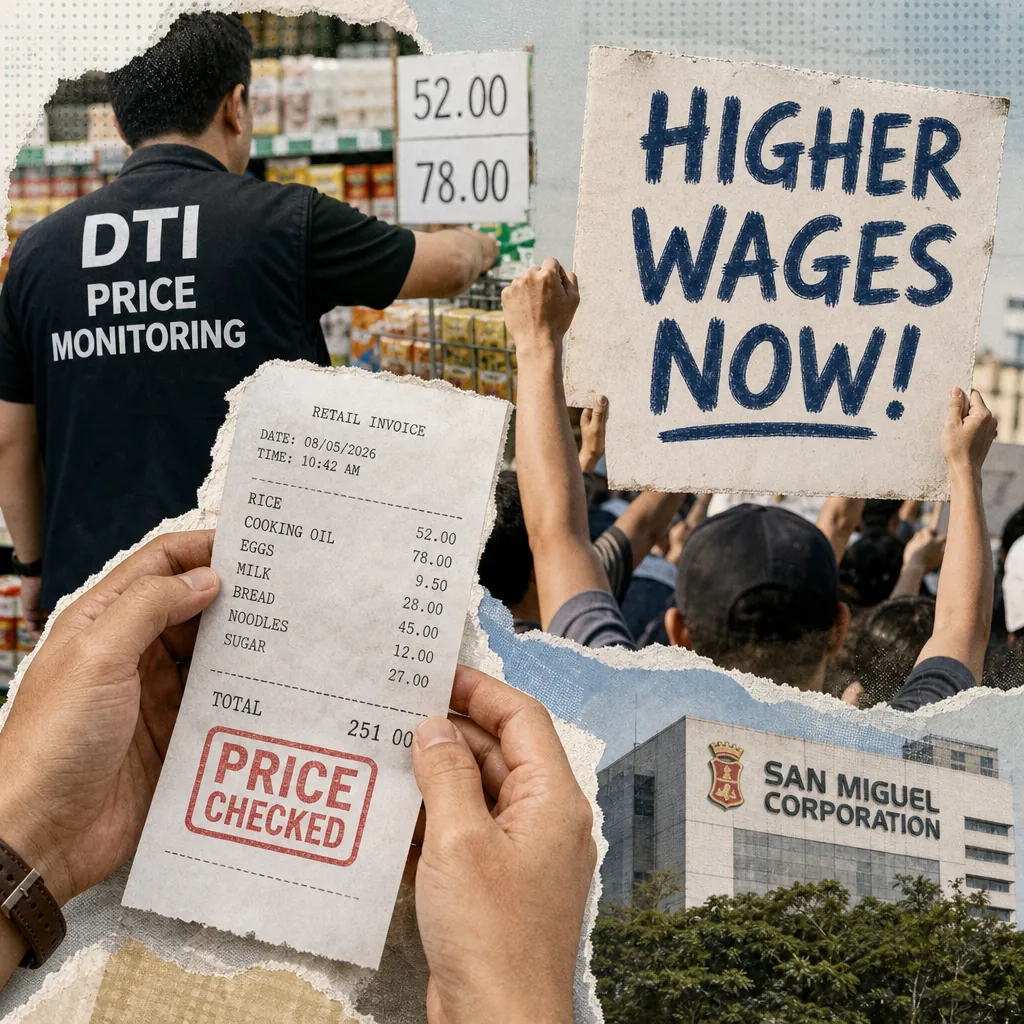
PH Braces for El Niño, Tariffs, and ASF
A daily snapshot of Philippine news covering agriculture, trade, and consumer issues, including the DA's stance on rice imports, US tariffs, and the spread of African swine fever.
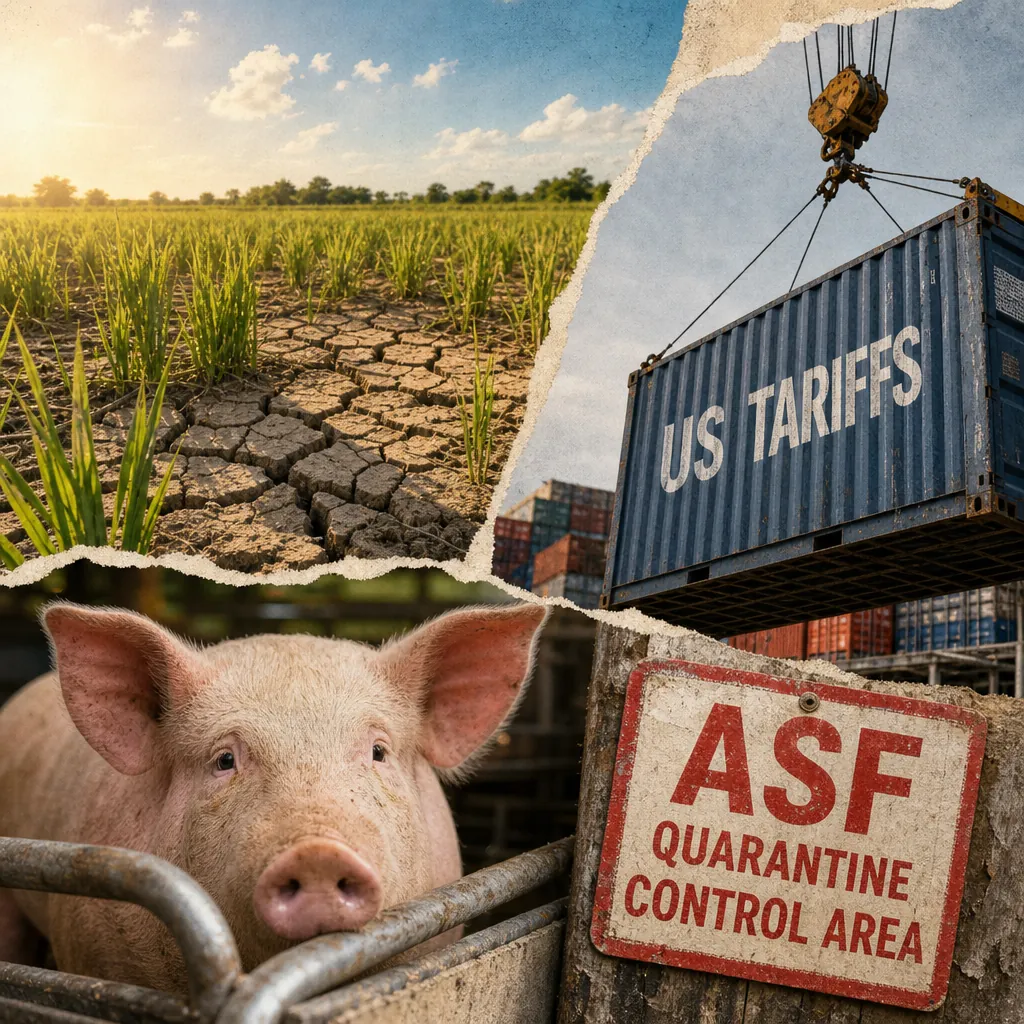
The day's conversation in the Philippines was dominated by three interlocking pressures on the economy and daily life: the government's decision to keep importing rice despite farmer protests, the new US tariff on Philippine goods, and the steady spread of African swine fever in the Visayas. Each story drew heavy coverage across online news outlets, with the rice import decision and the tariff drawing the most attention. The social conversation, while quieter, added a human layer—viral stories of a working student inside a mascot costume and a father reviewing his son's engineering notes reminded readers of the individual stakes behind these policy debates.
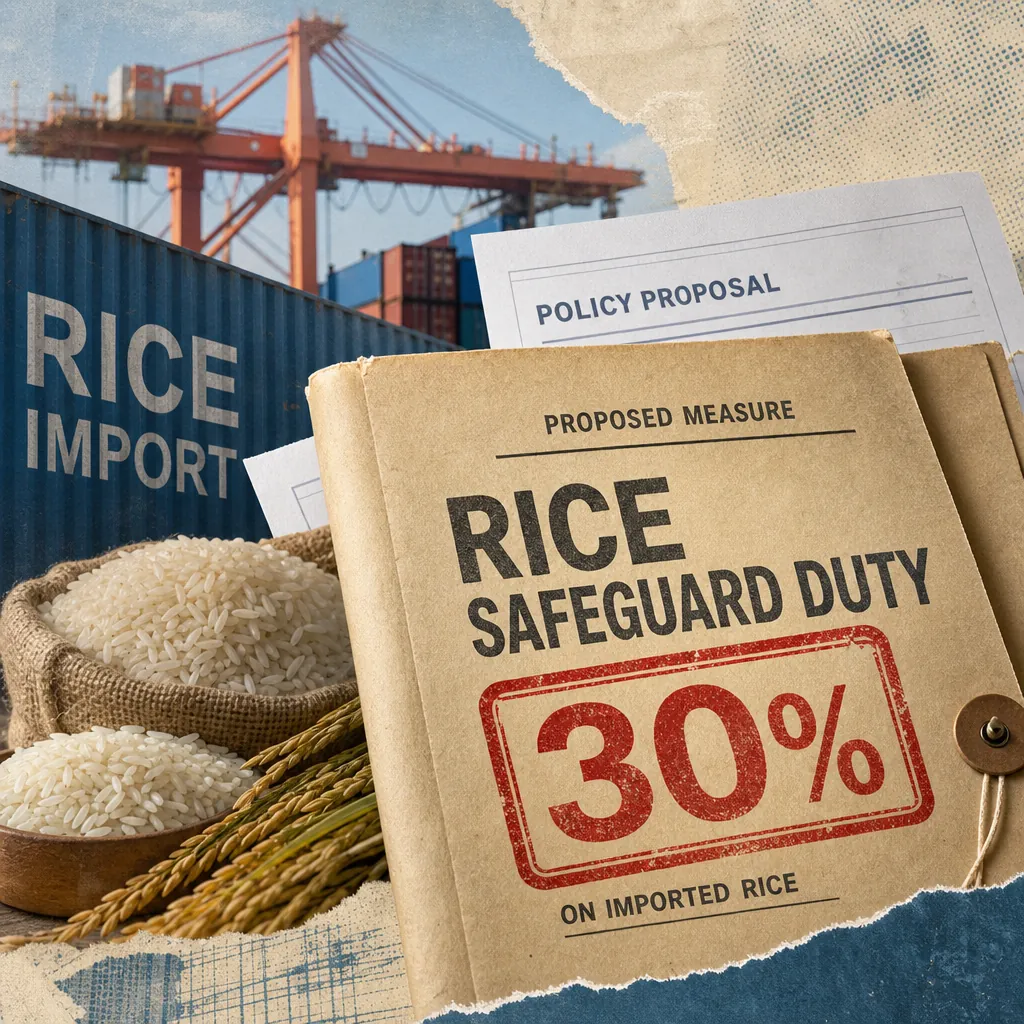
On the rice front, Agriculture Secretary Francisco Tiu Laurel Jr. was unequivocal: there will be no import ban. Speaking to reporters on Tuesday, he argued that the country must build buffer stocks ahead of a strong El Niño expected to hit in November or December. Rice imports have already reached 3.3 million metric tons, and the DA is betting that this stockpile will protect consumers from price spikes in the first half of 2027. Farmers' groups, however, are pushing back, calling for a 30% safeguard duty to protect local growers from oversupply and falling farm-gate prices. The tension between consumer protection and farmer welfare is a recurring theme in Philippine agricultural policy, and this decision puts the DA firmly on the side of consumers—for now.
The US tariff story is a separate but related pressure point. On July 24, the US imposed a 12.5% tariff on Philippine goods, up from the previous 10% baseline, citing concerns about forced labor in supply chains. Analysts quoted in BusinessWorld and other outlets said the impact would be manageable because key exports like electronics and agricultural products are exempt. But garments and leather goods, which employ many low-skilled workers, are not exempt, and experts warn of job losses in those sectors. The tariff is part of a broader US action against 60 trading partners, and the Philippines is now navigating a more protectionist global environment.
Meanwhile, African swine fever continues to spread in [Negros Occidental](https://media-meter.com/report-library/asf-outbreak-in-negros-occidental-threatens-pork-supply-and-prices "Asf outbreak in negros occidental threatens pork supply and prices"), with the number of affected local government units rising to 17. Three new towns—Isabela, La Castellana, and Binalbagan—reported cases, but Governor Eugenio Jose Lacson stressed that the situation is more manageable than previous outbreaks. Only 2,338 hog deaths have been recorded out of a total hog population of 90,981 in affected areas. The city of Guihulngan in Negros Oriental has imposed minimum prices for live hogs and pork to protect farmers from collapsing prices. The disease is a constant threat to the Philippine hog industry, which is a major source of livelihood for many rural families.
These three stories—rice, tariffs, and ASF—are not isolated. They reflect a country grappling with the effects of climate change, global trade tensions, and disease outbreaks, all while trying to protect the most vulnerable. The day's coverage, captured across a range of online news outlets, shows a nation in a defensive crouch, preparing for a difficult year ahead.
Key themes
- No rice import ban despite farmer protests: The Department of Agriculture (DA) confirmed it will not restrict rice imports, prioritizing buffer stocks ahead of El Niño. Farmers' groups had called for a 30% safeguard duty to protect local prices, but the DA argues that the country needs the imports to ensure food security.
- US tariff on Philippine goods: manageable but with risks: The new 12.5% tariff, imposed over forced labor concerns, exempts electronics and agriculture but hits garments and leather goods. Analysts say the overall impact is manageable, but vulnerable sectors could face job losses.
- African swine fever spreads in Negros: The number of ASF-affected areas in Negros Occidental rose to 17, with three new towns reporting cases. Authorities say the outbreak is more controlled than previous ones, but the economic toll on hog raisers continues.
- El Niño preparations dominate agricultural policy: The DA's decision on rice imports is part of a broader strategy to prepare for a strong El Niño, which is expected to bring drier conditions and threaten food production. The government is building buffer stocks to cushion the impact.
- Consumer spending slowdown: A Visa study on Philippine consumer spending, highlighted in a Manila Bulletin column, suggests that money is moving more slowly through households. This is a 'gut issue' that affects daily life and could signal broader economic strain.
- Foodpanda supports riders during rainy season: The delivery platform earmarked P20 million to compensate riders for slower travel and longer routes during the rainy season. This is a practical response to the challenges of the monsoon, which is also affecting class suspensions and daily commutes.
- Apple Pay launches in the Philippines: The digital payments landscape expanded with Apple Pay's entry, initially available to cardholders of four banks. This reflects the country's growing shift toward cashless transactions, a trend that has implications for financial inclusion.
- Human interest stories resonate: Viral stories of a working student inside a capybara mascot and a father reviewing his son's notes highlight the sacrifices of Filipino families. These stories drew significant engagement and provided a counterpoint to the policy-heavy news of the day.
How the narratives stack
Dominant: The rice import decision is the dominant narrative in the captured set, with multiple outlets covering the DA's stance. The story is significant because it directly affects food prices and farmer livelihoods, and it sets the stage for the El Niño season. The coverage, worth an estimated ₱415,000 in advertising-equivalent value across the items reviewed, reflects the story's importance to the public.
Counter-narrative: Farmers' groups are pushing back against the DA's decision, calling for safeguard duties to protect local producers. This counter-narrative is present in the coverage but is not as prominent as the government's position. It represents the ongoing tension between agricultural protectionism and consumer welfare.
Emerging: The US tariff story is emerging as a major concern, with analysts warning of job losses in vulnerable sectors. While the immediate impact is seen as manageable, the long-term effects on the garment and leather industries could be significant. This narrative is likely to grow as more details emerge.
Suppressed: The consumer spending slowdown, highlighted in a Manila Bulletin column, is a story that is not getting the attention it deserves. The Visa study suggests that households are feeling the pinch, but this is buried in a column rather than leading the news. This is a 'gut issue' that could have political and economic consequences.
Platform insights
- Facebook: The primary platform for news sharing and community discussion. Posts about class suspensions due to Tropical Depression Maymay and the ASF outbreak in Negros drew significant engagement, with users sharing updates and expressing concern. The human interest stories, such as the working student and the father's sacrifice, also performed well, generating emotional reactions and shares.
- X (formerly Twitter): Used for real-time updates and reactions, particularly on the rice import decision and the US tariff. Hashtags like #WalangPasok and #MaymayPH trended as users shared class suspension announcements. The platform also saw discussions on the FIFA controversy, which, while not directly related to the Philippines, drew attention from sports fans.
- YouTube: The platform for longer-form content, including the viral video of the working student inside the capybara mascot. This video, featured on GMA News, showcased the student's balancing act between work and online classes, and it resonated with viewers who appreciated his dedication.
- TikTok: The source of the viral video of the father reviewing his son's engineering notes. The video, shared by user 'sang,' drew millions of views and sparked a wave of emotional responses, with users sharing their own stories of parental sacrifice. TikTok's algorithm amplified the story, making it one of the day's most engaging pieces of content.
Key voices and communities
- Department of Agriculture (DA): Led by Secretary Francisco Tiu Laurel Jr., the DA is the central voice on the rice import decision. Their framing is one of preparedness and consumer protection, emphasizing the need for buffer stocks ahead of El Niño.
- Farmers' groups: These groups, including those pushing for a 30% safeguard duty, represent the counter-narrative. They argue that the DA's policy hurts local farmers by flooding the market with cheap imports, driving down farm-gate prices.
- Analysts and economists: Voices like former Tariff Commissioner George Manzano provide expert analysis on the US tariff's impact. Their framing is measured, noting the exemptions for key sectors but warning of risks to vulnerable industries.
- Local government officials in Negros: Governors and mayors in Negros Occidental and Negros Oriental are key voices on the ASF outbreak. They provide updates on the spread of the disease and implement measures like minimum price orders to protect local economies.
- Consumers and netizens: The general public, particularly on social media, plays a significant role in amplifying human interest stories and expressing concerns about rising costs and food safety. Their engagement shapes the emotional tone of the conversation.
Narrative streams
Rice imports and El Niño preparedness
The Department of Agriculture's decision to continue rice imports is a calculated bet on El Niño preparedness. Secretary Tiu Laurel's statement, "There will be no import ban, definitely," was reported by multiple outlets, including Inquirer and Panay News. The DA's logic is straightforward: with a strong El Niño expected in November or December, the country needs to stockpile rice to avoid shortages and price spikes in the first half of 2027. Rice imports have already reached 3.3 million metric tons, and the DA is confident that this buffer will protect consumers.
However, this policy has a cost. Farmers' groups argue that the influx of imported rice depresses farm-gate prices, making it harder for local growers to earn a living. They have called for a 30% safeguard duty, which would raise the price of imported rice and make local produce more competitive. The DA has rejected this, saying it would undermine the goal of building buffer stocks. The tension is a classic dilemma: protect consumers from high prices or protect farmers from low prices. The DA has chosen consumers, but the political fallout may be significant.
The El Niño itself is a looming threat. The DA is preparing for drier conditions that could reduce agricultural output, particularly for rice, which is water-intensive. The buffer stocks are meant to bridge the gap until the next harvest. This is a long-term strategy, but it depends on the accuracy of weather forecasts and the government's ability to manage the logistics of storage and distribution.
US tariff and export resilience
The US tariff on Philippine goods, imposed on July 24, is a new challenge for the country's exporters. The 12.5% tariff, up from 10%, is part of a broader US action against 60 trading partners over forced labor concerns. The Philippines is not alone, but the tariff could still hurt specific sectors.
Analysts quoted in BusinessWorld and Head Topics say the impact is manageable because electronics and agricultural products are exempt. These are the Philippines' top exports, so the tariff's bite is softened. However, garments and leather goods are not exempt, and these sectors are labor-intensive. If they lose competitiveness, companies may be forced to cut jobs, which would hit low-skilled workers hardest.
Former Tariff Commissioner George Manzano noted that if semiconductor exports continue to be exempt, the overall impact should be manageable. But he also urged market diversification, suggesting that the Philippines should not rely too heavily on the US market. The tariff is a reminder of the geopolitical risks in trade, and the Philippines is now navigating a more protectionist global environment.
The government's response has been to continue negotiations, including the Canada-Philippines Free Trade Agreement, which is seen as a way to diversify trade partners. The third round of talks in Ottawa was described as "very successful," and the goal is to stabilize the text by September. This is part of a broader strategy to reduce dependence on any single market.
African swine fever in Negros
African swine fever continues to spread in Negros Occidental, with the number of affected areas rising to 17. Three new towns—Isabela, La Castellana, and Binalbagan—reported cases, but Governor Eugenio Jose Lacson said the situation is more manageable than previous outbreaks. Only 2,338 hog deaths have been recorded out of a total hog population of 90,981 in affected areas, a mortality rate of about 2.6%.
The lower mortality rate is attributed to lessons learned from past outbreaks. Biosecurity measures, such as restricting the movement of hogs and improving sanitation, have been implemented. The disease is not spreading as rapidly as before, which is a positive sign. However, the economic impact is still significant. Hog raisers face declining prices as consumers become wary of pork, and the city of Guihulngan has imposed minimum prices to protect farmers.
The ASF outbreak is a reminder of the vulnerability of the Philippine hog industry, which is a major source of livelihood for many rural families. The government's response has been to contain the disease and support affected farmers, but the long-term solution may require more investment in biosecurity and disease surveillance.
Consumer spending and the 'gut issues'
A Manila Bulletin column by a former politician highlighted a Visa study on Philippine consumer spending, which found that money is moving more slowly through households. This is a 'gut issue' that affects daily life, and the column argues that it deserves more attention than abstract macroeconomic indicators.
The study suggests that consumers are feeling the pinch, likely due to inflation and rising costs. This is reflected in the popularity of budget-friendly content, such as no-cook snack recipes and leftover rice ideas, which were also in the day's coverage. The consumer spending slowdown could have broader implications for the economy, as consumption is a major driver of growth.
The column's author, writing under the pseudonym 'Of Trees and Forest,' argues that politicians should focus on these gut issues rather than vague talk about democracy and sustainability. This is a call to address the real concerns of ordinary Filipinos, which are often overlooked in policy debates.
Human interest stories and social media
Amid the policy-heavy news, human interest stories provided a counterpoint and drew significant engagement on social media. The story of Nico Justin Dulay, a 19-year-old working student who balances his online classes while performing as a capybara mascot in a Pampanga mall, was featured on GMA News. His dedication to his studies and his joy in making people happy resonated with viewers, earning admiration and support.
Similarly, a viral TikTok video showed a father quietly reviewing his son's engineering notes and laptop during the son's short break. The son, who goes by 'sang,' shared the video with a caption about his father's sacrifices, and it touched a nerve. The video drew millions of views and sparked a wave of emotional responses, with users sharing their own stories of parental sacrifice.
These stories highlight the resilience and determination of Filipino families, and they serve as a reminder of the human stakes behind economic policies. They also demonstrate the power of social media to amplify personal narratives and create a sense of community.
Conversation trajectory
Over the next 4-6 weeks, the rice import issue is likely to remain in the spotlight as El Niño approaches. The DA's decision to continue imports will be tested by the actual weather patterns and the impact on farm-gate prices. If farmers' groups escalate their protests, the story could gain more traction. Watch for any adjustments to the import policy or new support measures for farmers.
The US tariff story will evolve as more details emerge about its impact on specific sectors. The garment and leather industries are the most vulnerable, and any announcements of job losses or factory closures will be significant. The government's trade diversification efforts, including the Canada FTA, will also be monitored.
ASF is a persistent threat, and the situation in Negros could change quickly. The number of affected areas may continue to rise, but the mortality rate is a key indicator. If the disease spreads to other regions, the economic impact could be more severe. Watch for updates from the Department of Agriculture and local governments.
Consumer spending is a slow-burning issue that could become more prominent if the economic slowdown deepens. The Visa study is a leading indicator, and future data on inflation and retail sales will be important. If consumers continue to tighten their belts, this could become a major political issue.
Trigger events to watch: the first significant El Niño-related weather disturbance, any new ASF cases outside Negros, the fourth round of Canada-Philippines FTA talks in September, and the release of new consumer spending data.
Response guidance
For communicators in the agriculture and trade sectors, the key is to balance transparency with empathy. On the rice import issue, the DA should clearly explain the rationale for its policy, while acknowledging the concerns of farmers. Providing data on buffer stock levels and El Niño projections can help build trust.
On the US tariff, businesses should proactively communicate their strategies for managing the impact, such as diversifying markets or improving efficiency. They should also advocate for government support, such as retraining programs for workers in affected sectors.
For ASF, local governments should continue to provide regular updates on the situation, emphasizing the measures being taken to control the disease. They should also highlight the support available to affected farmers, such as financial assistance and biosecurity training.
On social media, brands and organizations should engage with human interest stories that resonate with the public, as these can build goodwill and humanize their operations. However, they should be careful not to appear tone-deaf to the economic struggles of ordinary Filipinos.
Finally, communicators should be prepared for the possibility of a consumer spending slowdown. They should monitor economic indicators and adjust their messaging to address concerns about affordability and value. In times of uncertainty, clear and honest communication is more important than ever.
See the full picture behind today's signals.
This report draws from Media Meter's MediaWatch, our real-time monitoring engine tracking 2,470+ Philippine sources across print, broadcast, digital, and social. Explore how the platform turns raw coverage into decision-grade intelligence, then see how it's configured for teams like yours — whether you're in PR agencies, corporate comms, government, or marketing.
Want more? Browse our Report Library for sector and crisis intelligence, or request a demo and we'll have your brand set up before the call.
Want this kind of intelligence on your brand?
This brief is built on the same MediaWatch methodology that runs continuously across every brand we monitor. See your competitive landscape, Impact Score, and narrative trajectory in a 30-minute demo.