Philippine Food Price Squeeze: LPG, Sugar Pest, and Policy Responses
A snapshot of the June 16-17 conversation on Philippine food prices, covering karinderya struggles with LPG costs, a sugar pest outbreak, and government and industry responses.
The conversation around food prices in the Philippines on June 16-17, 2026, was driven by a mix of news reports and government announcements, with little direct social media engagement. The dominant thread was the persistent high cost of cooking fuel (LPG) preventing small eateries from lowering meal prices, even as global crude oil prices fell to a three-month low. This was layered with a new threat: a pest outbreak in sugarcane fields that could push sugar prices higher. Meanwhile, the government and private sector announced measures to support farmers and stabilize supply, including mass-producing a fungus to fight the pest and expanding credit for onion farmers. The conversation was largely one-way, with news outlets broadcasting information and minimal public commentary, but the cumulative picture is one of a multi-front cost squeeze on food businesses and consumers.
Conversation snapshot. The most-viewed item was a GMA News report on karinderya operators unable to lower prices due to high LPG, which drew 832 views and 16 likes on YouTube. A separate GMA News video on global crude oil hitting a three-month low received 121 views and 3 likes. A DZRH News report on stable beef prices at Blumentritt Market got only 35 views and no likes. A PTV report on the Sugar Regulatory Administration's (SRA) emergency measures against a sugarcane pest had just 8 views. The only high-engagement post was an unrelated Reddit thread about a Pride event boycott, which garnered 588 likes and 221 comments. Across all food-related posts, comments were zero, indicating that the conversation was purely informational broadcast, not interactive discussion.
Key themes
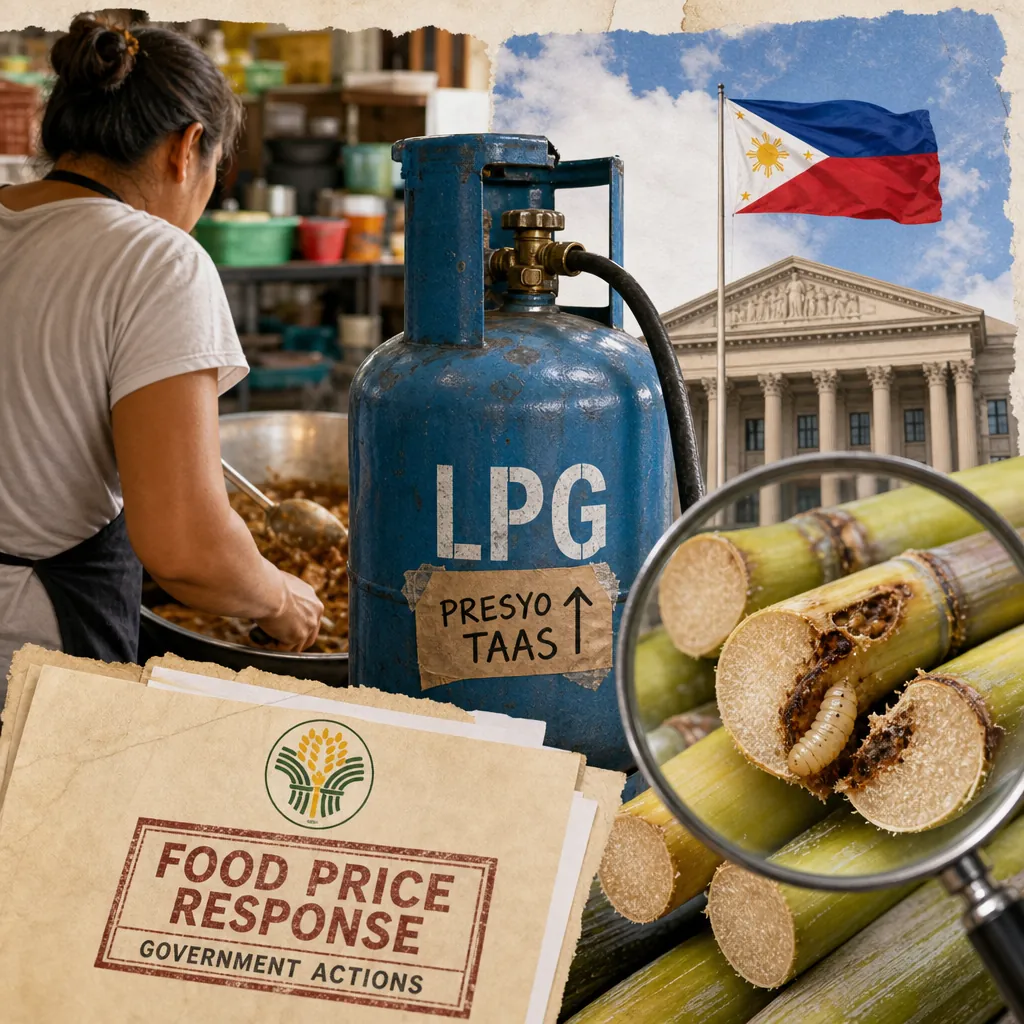
- Karinderya price rigidity and LPG passthrough lag – A GMA News report on June 16 highlighted that karinderya (small eatery) operators could not lower meal prices because LPG (liquefied petroleum gas) costs remained high, despite global crude oil prices dropping to a three-month low. This illustrates a delayed passthrough effect: global price drops take time to reach local consumers, leaving small businesses and their customers squeezed in the interim.
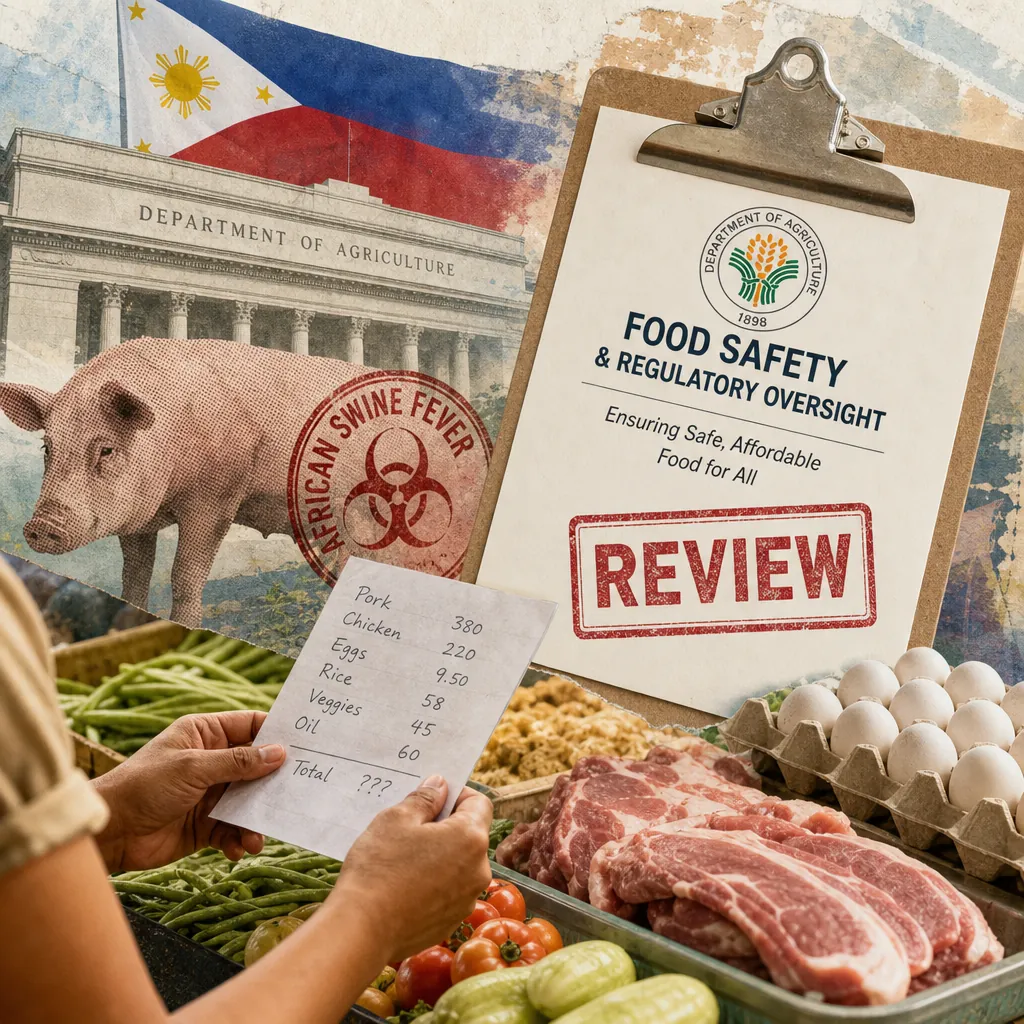
- Beef price stability as a rare positive – On June 17, DZRH News reported that beef prices at Blumentritt Market in Manila had not moved, offering a counterpoint to the general inflation narrative. While this post had minimal engagement, it signals that some protein categories remain stable, which could be leveraged by fast-food chains for value meal promotions.
- Sugar supply threat from red-striped soft scale insect – The Sugar Regulatory Administration (SRA) announced emergency measures against a red-striped soft scale insect (RSSI) outbreak in Negros Occidental, a major sugar-producing region. The pest can reduce sugar content by nearly 50%, threatening domestic sugar supply and potentially raising prices for sweetened products. The Department of Agriculture (DA) ordered mass production of a natural fungus to combat the pest, targeting coverage of 75,000 hectares.
- Government and private sector support for farmers – The DA's biocontrol initiative was complemented by a partnership between BPI Direct BanKo and the Jollibee Group Foundation, which provided over 200 onion farmers in Nueva Ecija and Ilocos Sur with PHP 24.8 million in loans. This program connects smallholders to institutional markets, reducing reliance on informal lenders.
- Economic resilience and inclusive growth – At the Jollibee Group Mid-Year Economic Briefing on June 16, Department of Economy, Planning, and Development (DEPDev) Secretary Arsenio Balisacan said the Philippines' sound macroeconomic fundamentals and resilient domestic demand position it well to withstand global uncertainties, but stressed the need for reforms to ensure inclusive growth.
- Senate leadership change and legislative priorities – On June 17, Senator Sherwin Gatchalian was elected Senate President, ending a weeks-long leadership deadlock. Gatchalian pledged to prioritize bills addressing high prices of basic goods, oil, and preparations for a potential Super El Niño, as well as aid for earthquake victims in Mindanao.
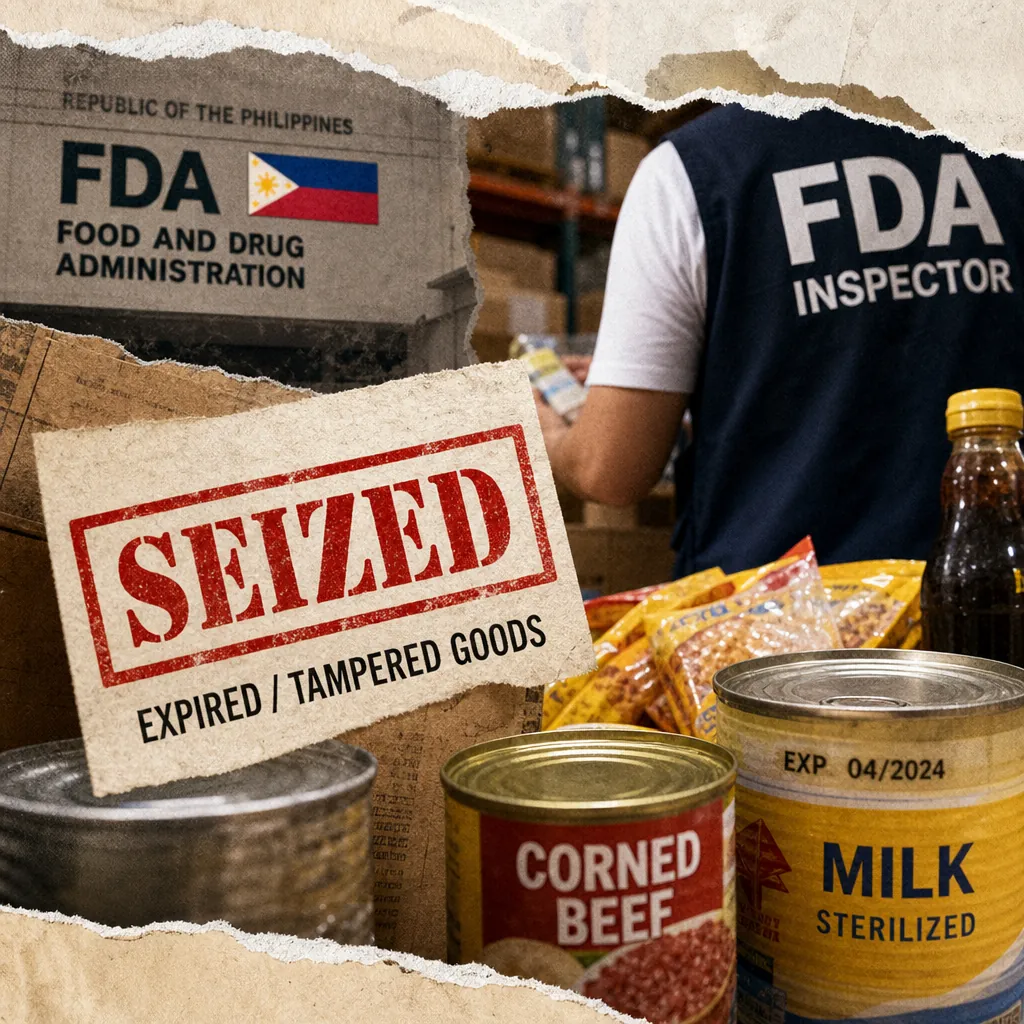
- Food safety enforcement in Manila – Manila Mayor Isko Moreno announced the arrest of five vendors selling approximately PHP 950,000 worth of expired food products in Quiapo. The raid underscores ongoing efforts to protect consumers from foodborne illnesses amid economic hardship.
How the narratives stack
Dominant narrative – The dominant story is that Philippine food prices remain stubbornly high for consumers and small businesses, despite some easing in global commodity costs. The karinderya LPG story encapsulates this: global crude oil is down, but LPG prices have not yet fallen, so meal prices stay up. This creates a sense of unfairness and frustration, as consumers see global trends not reflected in their daily expenses. The narrative is reinforced by the sugar pest threat, which adds a forward-looking risk of further price increases for sweetened products.
Counter-narrative – A counter-narrative of stability and resilience exists, though it is much quieter. Beef prices at Blumentritt Market have not moved, offering a rare anchor of affordability. Government and private sector initiatives, such as the DA's biocontrol program and BanKo-Jollibee farmer financing, signal proactive efforts to manage supply and support producers. The DEPDev's positive economic outlook also counters the gloom, suggesting the economy can weather global shocks.
Emerging narrative – An emerging narrative is the intersection of food prices with broader political and economic governance. The Senate leadership change, with Gatchalian prioritizing price concerns and disaster preparedness, indicates that food inflation is becoming a political priority. The DA's aggressive response to the sugar pest, including mass-producing a fungus, shows government willingness to use scientific solutions to protect supply chains. This could evolve into a story about effective governance mitigating food price pressures.
Suppressed narrative – The suppressed narrative is the direct impact of food prices on the most vulnerable populations, particularly low-income consumers and small vendors. While the karinderya story touches on this, there is little conversation about how families are coping, what they are cutting back on, or the nutritional consequences. The voices of consumers and small business owners are largely absent from the public discourse, which is dominated by news reports and official statements. This gap means the human cost of the price squeeze is under-covered.
Platform insights
YouTube – All four food-related posts originated on YouTube, each as a news segment from GMA News, DZRH News, or PTV. Engagement was extremely low: views ranged from 8 to 832, likes from 0 to 16, and comments were zero across all posts. This indicates that YouTube served as a one-way broadcast channel for news dissemination, not a platform for discussion or debate. The audience consumed the information passively, without reacting or engaging. This pattern is typical for hard news segments on YouTube, where viewers watch but rarely comment.
Reddit – The only high-engagement post in the dataset was a Reddit thread about a drag queen boycott of a Pride event, which received 588 likes and 221 comments. This post is unrelated to food prices, but its high engagement contrasts sharply with the food-related content, suggesting that Reddit users were focused on socio-political issues rather than inflationary food concerns on these dates. The platform's potential for food price discussion was untapped.
No other platforms – No activity was detected on Facebook, Twitter, or other social media platforms for the food price keywords. This could be due to the specific monitoring parameters or a genuine absence of conversation. The lack of cross-platform discussion means the narrative was entirely shaped by traditional news media, with no amplification or challenge from social media users.
Key voices and communities
- Traditional news media (GMA News, DZRH, PTV) – These outlets are the primary drivers of the conversation, publishing reports that frame the issues. GMA News' karinderya segment was the most-viewed, setting the tone for the day. Their framing emphasizes the disconnect between global price drops and local price stickiness, and they serve as the main source of information for the public.
- Government agencies (DA, SRA, DEPDev) – The Department of Agriculture and the Sugar Regulatory Administration are key voices on the supply side, announcing measures to combat the sugar pest and support farmers. The Department of Economy, Planning, and Development provides the macroeconomic context, projecting resilience but calling for reforms. These agencies shape the narrative of proactive governance.
- Private sector (Jollibee Group Foundation, BanKo) – The Jollibee Group Foundation and BPI Direct BanKo are notable for their farmer financing program, which positions them as partners in addressing food price pressures at the source. The Jollibee Group also hosted the economic briefing where DEPDev spoke, linking the company to broader economic discourse.
- Small food businesses (karinderya operators) – Though not posting directly, karinderya owners are central subjects of the news coverage. Their inability to lower prices despite stable or declining wholesale costs highlights persistent margin pressures from LPG and other operating expenses. They represent the frontline of food price transmission and are portrayed as price takers caught between high input costs and customer price sensitivity.
- Local government (Manila City) – Manila Mayor Isko Moreno's announcement of the seizure of expired goods adds a food safety dimension, showing local enforcement efforts. This voice reinforces the message that authorities are protecting consumers, even as prices remain high.
Narrative streams
Karinderya price rigidity and the LPG passthrough lag
The central narrative stream began on June 16 with a GMA News report titled "Ilang karinderya, hindi pa kayang magbaba ng presyo ng pagkain dahil sa mataas pa ring presyo ng LPG" (Some eateries still cannot lower food prices due to high LPG prices). The report explained that despite global crude oil prices hitting a three-month low on the same day, small eateries still faced high cooking fuel costs, preventing them from reducing meal prices. This illustrates a classic passthrough lag: global commodity price changes take time to filter through to local retail prices, especially for LPG, which is subject to local distribution costs and pricing cycles. For consumers, this means no immediate relief at the karinderya level, even as global markets signal lower costs. The report drew 832 views but zero comments, indicating it was consumed as information rather than sparking debate. The narrative implies that budget-conscious Filipinos should not expect meal prices to drop soon, and that small vendors are caught in a margin squeeze.
Sugar pest outbreak and government response
On June 17, a PTV report detailed the Sugar Regulatory Administration's (SRA) emergency measures against a red-striped soft scale insect (RSSI) outbreak in Negros Occidental. The pest, first detected in the Philippines in 2022, feeds on sugarcane sap and promotes sooty mold, reducing photosynthesis and sugar content by up to 50%. The SRA had verified about 4,600 hectares of affected fields, with reports suggesting over 30% of planted areas in Negros Occidental and Negros Oriental were infested, and spread noted in Iloilo, Capiz, Leyte, and parts of Mindanao. In response, Agriculture Secretary Francisco Tiu Laurel Jr. ordered the mass production of a naturally occurring fungus (a biocontrol agent) to suppress the pest, targeting coverage of 75,000 hectares. The DA pledged additional funding for production, AI-based detection, and monitoring. This narrative stream introduces a forward-looking risk: if the pest is not contained, sugar supply could tighten, pushing up prices for sweetened products like soft drinks, baked goods, and confectionery. The low engagement on the PTV report (8 views) suggests the public is not yet aware of this threat, but it could become a major story if crop damage escalates.
Farmer financing and supply chain support
A positive narrative stream emerged from the partnership between BPI Direct BanKo and the Jollibee Group Foundation, which expanded financing for onion farmers under the Foundation's Farmer Entrepreneurship Program (FEP). The program provides loans tailored to crop cycles, with competitive rates and fast processing, to farmers who are members of cooperatives that have supplied the Jollibee Group for at least two years. So far, over 200 farmers in Nueva Ecija and Ilocos Sur have received PHP 24.8 million in loans, helping them invest in seeds, fertilizer, and equipment while reducing reliance on high-interest informal lenders. This narrative positions the private sector as a solution to agricultural supply constraints, potentially stabilizing prices for key ingredients like onions. It also aligns with the government's push for inclusive growth, as highlighted at the Jollibee Group economic briefing.
Economic outlook and policy priorities
At the Jollibee Group Mid-Year Economic Briefing on June 16, DEPDev Secretary Arsenio Balisacan delivered a keynote message emphasizing the Philippines' strong macroeconomic fundamentals, resilient domestic demand, and growing services sector. He acknowledged global risks—geopolitical tensions, trade disruptions, financial uncertainty, and climate-related risks—but said the country is in a stronger position to withstand them. However, he stressed the need to broaden the growth base through stronger investment, innovation, productivity, and industrial transformation, and to contain inflation risks. This narrative stream provides the macroeconomic context for the food price conversation: the government is aware of the challenges and is pursuing reforms, but the benefits may take time to reach consumers. The briefing was held just before the Senate leadership change, where new Senate President Sherwin Gatchalian pledged to prioritize bills addressing high prices of basic goods and oil, as well as disaster preparedness. This links the food price narrative to the political agenda, suggesting that legislative action may be forthcoming.
Conversation trajectory
The conversation is likely to develop along several tracks in the coming weeks:
- LPG price adjustment (next 1-2 weeks): The next LPG price announcement, typically at month-end, will be a key trigger. If LPG prices drop significantly, the karinderya narrative may shift from "cannot lower prices" to "finally passing on savings." If they remain high, consumer frustration could intensify, potentially leading to more vocal complaints on social media. Brands and policymakers should prepare for either scenario.
- Sugar pest escalation (next 4-6 weeks): The SRA's preliminary crop damage assessment, expected within 3-4 weeks, will quantify the sugar supply risk. If damage is severe, sugar prices could rise, affecting a wide range of products. The current low public awareness means there is a window for proactive communication by sugar-dependent brands about sourcing adjustments or price holds.
- Senate action on price concerns (next 2-3 months): With Gatchalian as Senate President and a stated priority on addressing high prices, legislative measures such as increased agricultural funding or price controls could be proposed. This could shift the narrative from private sector responsibility to government accountability.
- Farmer financing expansion (ongoing): The BanKo-Jollibee program may expand to more provinces and crops, as hinted in reports. Success stories from participating farmers could generate positive media coverage, counterbalancing the negative price narrative.
Key trigger events that would reshape the conversation include: a major LPG price cut, a significant sugar price hike, a natural disaster affecting agricultural areas, or a high-profile government announcement on food price interventions.
Response guidance
For communicators in the food sector, the following approaches are recommended:
- Acknowledge the LPG passthrough lag transparently. Rather than promising immediate price cuts, explain the timeline for global crude oil drops to reach local LPG prices. This builds trust and manages expectations. Use simple infographics or short videos to illustrate the supply chain.
- Proactively communicate about sugar supply. Even though the pest story has low engagement, brands that rely on sugar should prepare statements about their sourcing strategies and any steps taken to mitigate price increases. This positions them as responsible and forward-thinking.
- Highlight price stability where it exists. The stable beef price at Blumentritt Market is a rare positive data point. Fast-food chains could leverage this by promoting beef-heavy value meals, reinforcing the message that some items remain affordable.
- Support small vendors through partnerships. Large QSRs and food companies could explore bulk LPG purchasing programs or co-branded value meal campaigns with karinderyas. This would address the core issue while building grassroots goodwill.
- Engage with the economic resilience narrative. The DEPDev's positive outlook offers an opportunity to frame brand messaging around long-term stability and investment in local supply chains. Avoid alarmist language; instead, emphasize collaboration with farmers and government.
Sensitive topics to navigate include: directly criticizing LPG pricing (which could be seen as attacking suppliers), making promises about future prices that may not materialize, and appearing to profit from inflation. Always focus on what the brand is doing to help, not on what others are doing wrong.
See the full picture behind today's signals.
This report draws from Media Meter's MediaWatch, our real-time monitoring engine tracking 2,470+ Philippine sources across print, broadcast, digital, and social. Explore how the platform turns raw coverage into decision-grade intelligence, then see how it's configured for teams like yours — whether you're in PR agencies, corporate comms, government, or marketing.
Want more? Browse our Report Library for sector and crisis intelligence, or request a demo and we'll have your brand set up before the call.
Want this kind of intelligence on your brand?
This brief is built on the same MediaWatch methodology that runs continuously across every brand we monitor. See your competitive landscape, Impact Score, and narrative trajectory in a 30-minute demo.