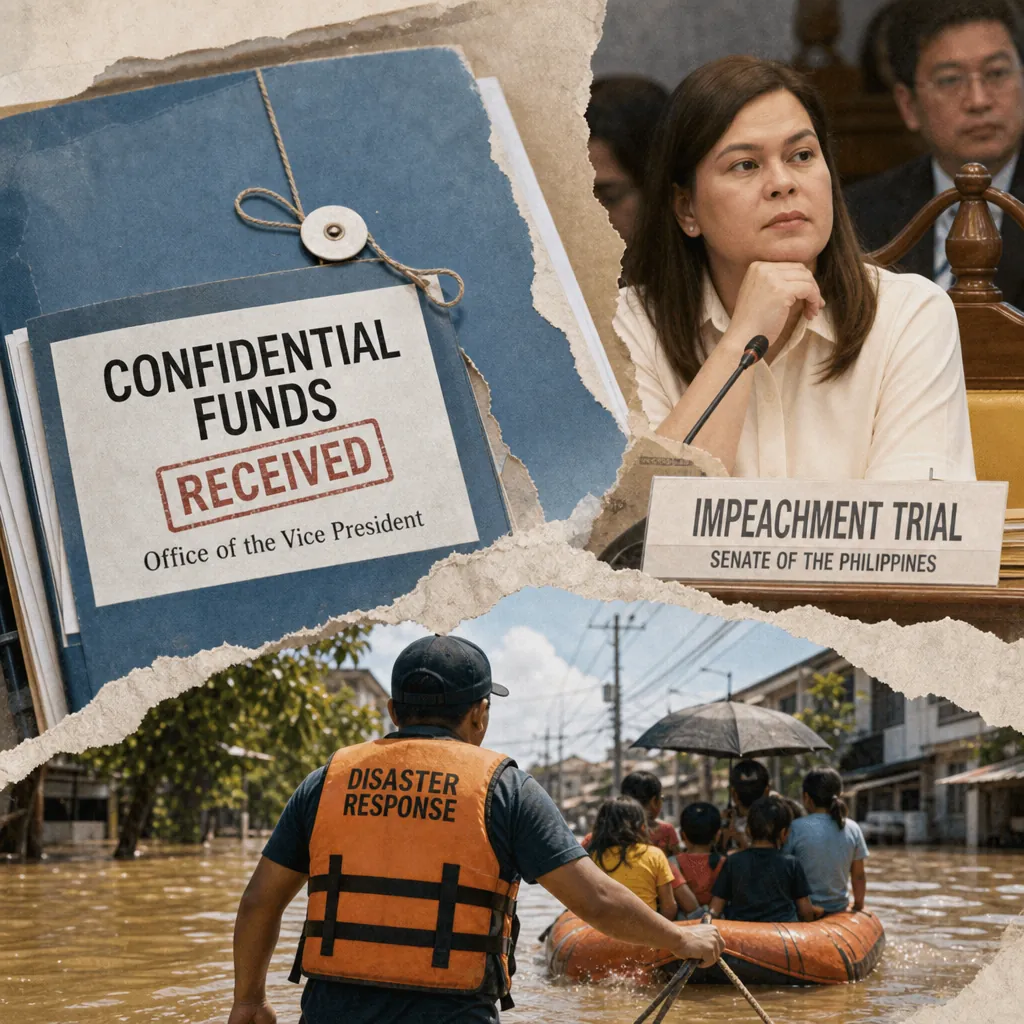
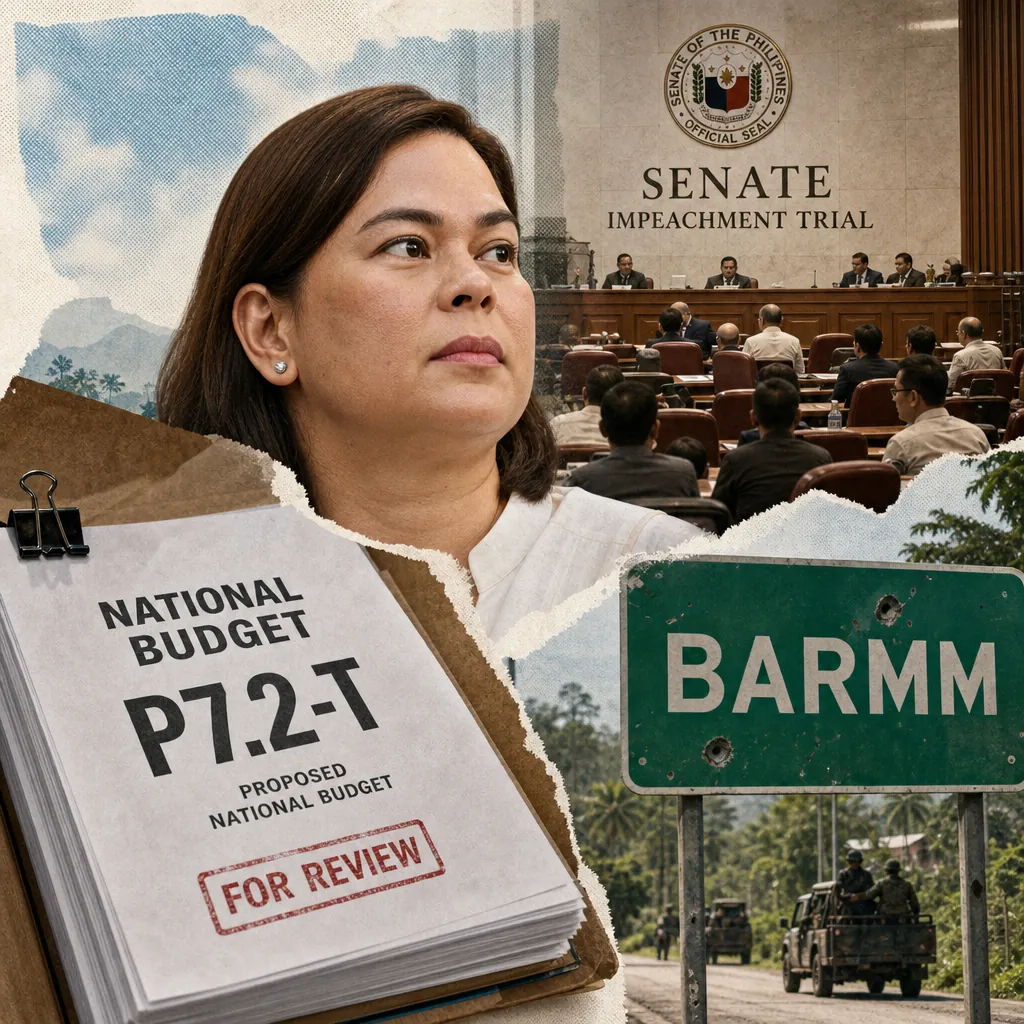
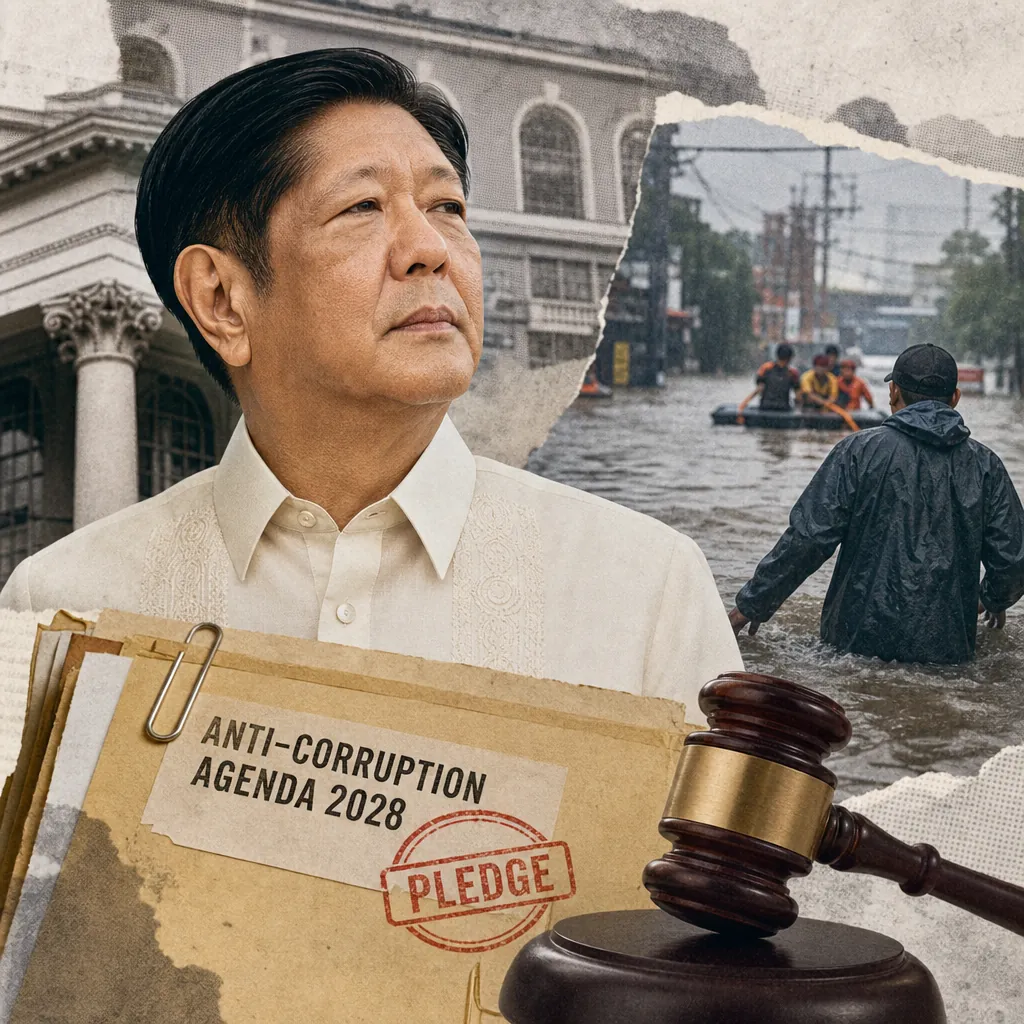
Senate fund scrutiny, impeachment trial dominate PH discourse
A daily snapshot of Philippine governance and accountability conversations, centered on the impeachment trial of Vice President Sara Duterte, the P24-billion Senate leadership fund controversy, and public reactions to emergency response failures.
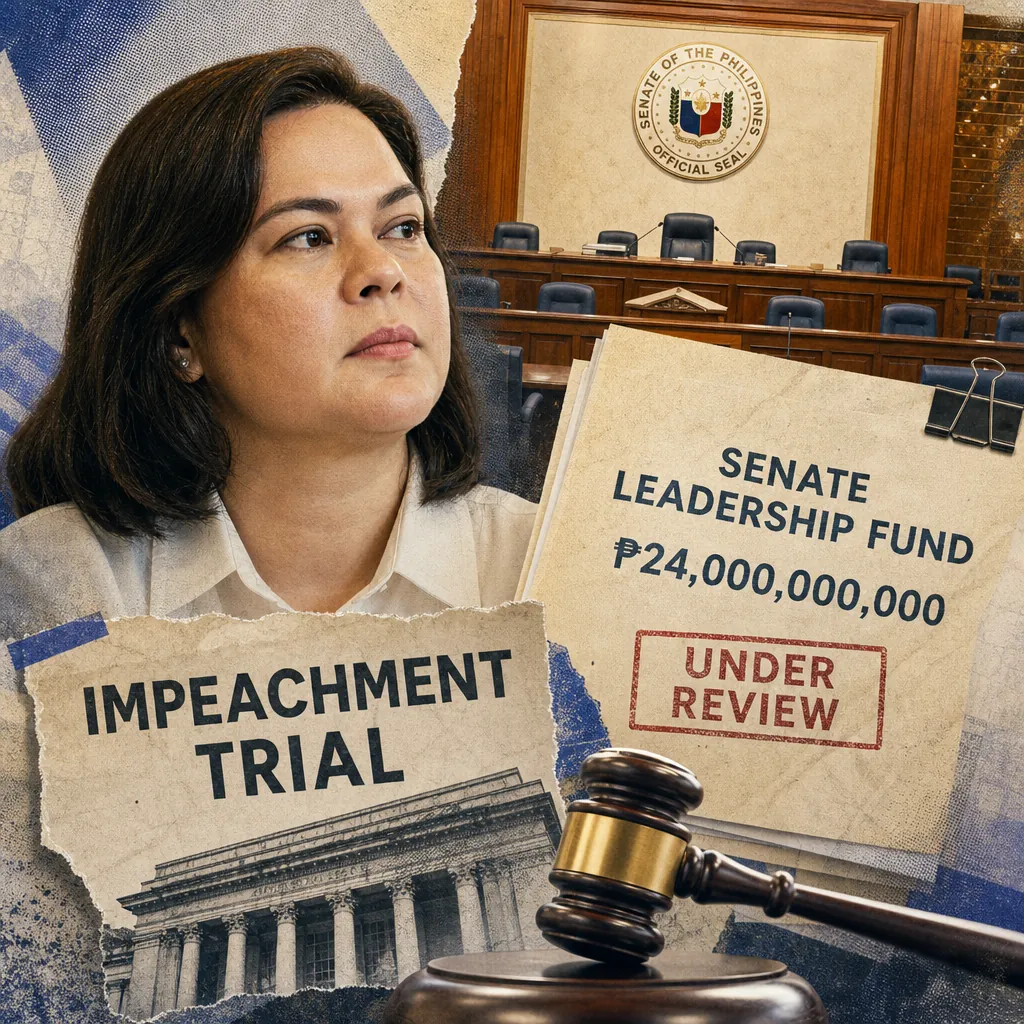
The day's conversation on August 16 was dominated by two intertwined narratives: the impeachment trial of Vice President Sara Duterte and a new fiscal accountability challenge aimed at the Senate itself. Early morning posts focused on procedural angles, with a lawmaker pushing for the sub judice rule—a legal principle that restricts public comments on ongoing cases to protect the integrity of proceedings—to apply to the Vice President. This quickly gave way to more adversarial commentary as Manila Representative Bienvenido Abante Jr. became the most prolific voice, questioning both the Vice President's conduct and the trial's integrity. The turning point came mid-morning when Abante introduced the P24 billion Senate leadership funds into the discourse, alleging that senators needed to explain their use of these funds—a move that strategically reframed the conversation from a singular focus on Duterte's confidential funds to a broader critique of legislative fiscal transparency.
By midday, sentiment on Facebook had shifted noticeably toward mockery and skepticism. A post from Senate President Sherwin Gatchalian about enforcing a "no confidential and intelligence fund policy" for non-enforcement agencies drew only 3 likes and a single comment, signaling public fatigue with institutional posturing. The most significant metric of the day appeared when Abante's comment about senator-judges not being blinded by "political loyalty" accumulated 99 "haha" reactions and 42 likes on Facebook, revealing that social media users were treating the trial's legitimacy claims with derisive humor rather than serious engagement. This sentiment was compounded by a satellite narrative that emerged in the afternoon, when showbiz insider Ogie Diaz floated Senator Erwin Tulfo as his preferred vice-presidential candidate for 2028, earning 78 "haha" reactions—a clear indication that audiences were actively mixing political commentary with entertainment discourse as the day wore on.
Meanwhile, a separate but chronologically significant thread emerged around the DILG's investigation into a mishandled 911 call in Taguig City. The narrative began with a viral report of an elderly patient's delayed response, followed by the Taguig LGU expressing condolences to the bereaved family. By late afternoon, the DILG's official vow of an "exhaustive investigation" on Facebook drew a striking 174 "haha" reactions alongside 56 comments and 23 sad reactions, revealing a deeply polarized response where some users found the situation darkly comedic while others expressed genuine grief. This thread demonstrated how a single service failure could rapidly erode public trust in government institutions, even when those institutions issue formal investigative commitments.
Key themes
- Impeachment Trial Legitimacy and the "Political Cataract" Debate: This thread opened with procedural calls for the sub judice rule, then evolved through repeated statements from Abante throughout the morning questioning whether senator-judges could remain impartial. The narrative reached its emotional peak by mid-afternoon on Facebook, where a post stating that "political cataract" should not prevail among senator-judges drew substantial engagement, including 68 comments and 99 "haha" reactions, indicating that users were actively debating the trial's fairness while simultaneously mocking its theatrical elements. A notable sub-thread emerged when Abante compared Duterte's use of confidential funds to "ghost projects," a comparison that drew limited engagement on Twitter but spawned a dedicated Facebook post with 19 "haha" reactions—suggesting that the comparison resonated more as a punchline than as substantive criticism.
- Senate Fiscal Accountability and the P24 Billion Leadership Funds: This thread began when Abante first raised the P24 billion figure on Twitter, citing former DPWH Secretary Manuel Bonoan as the source. The narrative gained traction slowly on Facebook, with an early post drawing 38 "haha" reactions before a subsequent post attracted 14 comments and 16 likes, suggesting moderate but sustained interest. The thread folded into the larger Senate budget oversight narrative later in the day when Gatchalian assured the public of rigorous scrutiny of the national budget, though this institutional reassurance generated minimal engagement, underscoring a public skepticism toward legislative promises.
- Emergency Response Failures and Public Outrage: A separate but chronologically significant thread emerged around the DILG's investigation into a mishandled 911 call in Taguig City. The narrative began with a viral report of an elderly patient's delayed response, followed by the Taguig LGU expressing condolences to the bereaved family. By late afternoon, the DILG's official vow of an "exhaustive investigation" on Facebook drew a striking 174 "haha" reactions alongside 56 comments and 23 sad reactions, revealing a deeply polarized response where some users found the situation darkly comedic while others expressed genuine grief. This thread demonstrated how a single service failure could rapidly erode public trust in government institutions, even when those institutions issues formal investigative commitments.
- Weather Disruptions and Class Suspensions: The southwest monsoon, or "habagat," continued to batter Luzon, leading to class suspensions in parts of Cavite and Batangas on August 17. Baguio City recorded more than 1,400 millimeters of rainfall in just 10 days, equivalent to about a month's worth of rain, according to Pagasa. The weather also disrupted Senate operations, with the chamber working from home due to the monsoon. This theme intersected with education access, as a senator proposed a 20% discount on mobile load for students, arguing that recurring weather disruptions make affordable connectivity a policy priority.
- BARMM Political Realignment and Security Concerns: The attempted ambush of BARMM Interim Chief Minister Abdulraof Macacua and the entry of three governors into the Bangsamoro Federalist Party (BFP) signaled both fragility and strategic mobilization ahead of the September 14 parliamentary elections. Condemnation posts from Lanao del Sur representatives drew consistent commentary, with one post receiving 9 likes and 9 comments. The dual narrative—threat and consolidation—paints BARMM as both fragile and strategically mobilizing.
- Consumer Welfare and Education Access Proponents: This emerging coalition coalesces around a senator's proposal for a 20% mobile load discount for students, combined with a related push to hire 10,000 school counselor associates. While the telecom discount proposal drew a high volume of mocking reactions—285 "haha" responses and 126 comments—it generated substantive discussion around connectivity costs for students. The counselor hiring initiative, by contrast, received little traction, indicating lower public awareness of mental health resourcing gaps.
- Maritime Enforcement and Smuggling Blotters: This community tracks law enforcement actions across the country's waterways, with posts covering cigarette smuggling busts and fuel smuggling arrests by the PNP Maritime Group and Philippine Coast Guard. Engagement is moderate but appreciative, with the P21 million cigarette interception drawing 12 likes and 4 shares on Facebook. The core messaging celebrates operational successes while implicitly critiquing the scale of smuggling networks.
- Economic and Fiscal Policy Debates: Several articles and posts touched on economic issues, including the proposed tax exemption threshold increase, the release of P9.75 billion for free higher education, and the government's free rice distribution program. These stories drew moderate engagement, with the free rice program generating some discussion about its sustainability and potential for political patronage.
How the narratives stack
Dominant: The impeachment trial of Vice President Sara Duterte and the associated P24 billion Senate leadership fund controversy dominated the conversation, both in terms of volume and engagement. Within the captured set, this narrative drew the most posts and the highest engagement figures, particularly on Facebook where "haha" reactions proliferated. The trial's procedural angles—sub judice rule, senator-judge impartiality—and the fiscal accountability challenge to the Senate were the day's most consequential developments, with implications for all branches of government.
Counter-narrative: The emergency response failures, particularly the Taguig 911 call mishandling, served as a counter-narrative to the political drama. While the impeachment trial dominated, the 911 story drew significant emotional engagement, with a mix of anger, mockery, and grief. This narrative highlighted systemic failures in public service delivery, contrasting with the political posturing of the trial. The DILG's investigation vow became a subject of mockery rather than reassurance, indicating deep public skepticism toward institutional responses.
Emerging: The intersection of policy proposals with populist appeal, such as the 20% mobile load discount for students, is an emerging narrative. While initially met with mockery, the proposal generated substantive discussion about connectivity costs and educational access. Similarly, the early speculation about 2028 vice-presidential candidacies, including Senator Erwin Tulfo, signals the beginning of personality-driven political narratives well ahead of the electoral cycle. These emerging threads could gain traction if paired with more serious policy analysis.
Suppressed: The story of the forest ranger's death in the line of duty, which drew substantial sympathy and sadness reactions, was under-covered relative to its emotional resonance. While the incident highlighted the risks faced by environmental enforcement personnel and the under-resourcing of such roles, it received less attention than political scandals. Similarly, the maritime enforcement successes, such as the cigarette smuggling bust, were positive law enforcement stories that received modest engagement but could serve as counterpoints to the cynicism surrounding political figures.
Platform insights
- Facebook: Served as the primary battleground for sentiment expression, where engagement patterns revealed the public's preferred emotional framing. The platform saw the most dramatic evolution, shifting from early morning serious discourse to mid-day mockery, with the eventual insertion of showbiz narratives about Senator Padilla and Tulfo's 2028 prospects demonstrating how quickly serious political conversations degrade into entertainment-oriented commentary. The high "haha" counts on serious governance issues were the most telling metric of the day, suggesting that Filipino audiences have developed a reflexive, dismissive humor toward institutional accountability claims.
- Twitter: Early morning posts dominated by news link sharing with minimal engagement, acting primarily as an announcement channel. The platform saw its highest activity around Abante's impeachment-related statements, though even his tweets drew only 115 to 131 views. The thread on Brian Poe's legislative award attracted 9,390 views but only 1 like, illustrating that Twitter users were reading political content without actively engaging with it. Twitter remains the primary space for breaking political news and statement distribution.
- YouTube: Limited activity observed on the specified date, with only one directly relevant video post appearing—a Portuguese-language medical discussion unrelated to Philippine political topics, indicating that video platforms were not a major venue for this conversation cycle. Any content uploaded regarding the impeachment trial or government fund utilization should be logged for sentiment trends, as the comment sections on political videos tend to amplify polarizing perspectives.
Key voices and communities
- Legislative Oversight Advocates: This stakeholder group consists primarily of House representatives and allied institutional voices driving accountability narratives around executive spending and the impeachment process. Their content concentrates heavily on confidential fund usage, leadership fund transparency, and the conduct of senator-judges in the Sara Duterte trial. The group's Facebook posts consistently outperform their Twitter equivalents, with one post on judicial impartiality drawing over 40 likes and nearly 100 reaction responses, indicating a receptive audience for anti-abuse messaging. Primary narrative: The dominant framing is that public scrutiny of the Vice President's confidential funds has eroded her popularity, and that senators must explain the reported P24 billion in leadership funds disclosed by a former DPWH secretary. This narrative positions legislative oversight as the safeguard against executive fiscal abuse.
- Incident-Response and Public Safety Observers: This community coalesces around reported failures in emergency response and public safety systems, with particular focus on the Taguig 911 call controversy and a fatal forest ranger incident. Facebook posts about the 911 handling generated 66 likes, 8 shares, and over a dozen angry reactions, signaling public frustration with government responsiveness. The DILG's vowed investigation post drew even stronger sentiment, with 174 "haha" reactions reflecting perceived institutional irony. Primary narrative: The group's messaging emphasizes systemic failure in public service delivery, using specific incidents to illustrate broader weaknesses in coordination between national agencies, LGUs, and emergency hotlines.
- Political Transition and Coalition Watchers: This cluster centers on the BARMM leadership dynamics, the attempted ambush of interim Chief Minister Abdulraof Macacua, and the shifting allegiances among regional governors. Posts referencing the Bangsamoro peace process and the security directive from the Palace generated modest but concentrated engagement from policy-focused followers, with several posts drawing double-digit comment threads. Primary narrative: The attempted assassination is framed as an attack on the entire peace process, while the entry of three governors into a federalist party signals potential realignment ahead of the BARMM elections. This dual narrative—threat and consolidation—paints BARMM as both fragile and strategically mobilizing.
- Consumer Welfare and Education Access Proponents: This emerging coalition coalesces around a senator's proposal for a 20% mobile load discount for students, combined with a related push to hire 10,000 school counselor associates. While the telecom discount proposal drew a high volume of mocking reactions—285 "haha" responses and 126 comments—it generated substantive discussion around connectivity costs for students. The counselor hiring initiative, by contrast, received little traction, indicating lower public awareness of mental health resourcing gaps. Primary narrative: The messaging frames digital access as a basic educational necessity, arguing that recurring weather disruptions to in-person classes make affordable connectivity a policy priority.
- Maritime Enforcement and Smuggling Blotters: This community tracks law enforcement actions across the country's waterways, with posts covering cigarette smuggling busts and fuel smuggling arrests by the PNP Maritime Group and Philippine Coast Guard. Engagement is moderate but appreciative, with the P21 million cigarette interception drawing 12 likes and 4 shares on Facebook. Primary narrative: The core messaging celebrates operational successes while implicitly critiquing the scale of smuggling networks, with each bust presented as evidence of ongoing systemic challenges.
Narrative streams
The Impeachment Trial and the Sub Judice Debate
The impeachment trial of Vice President Sara Duterte continued to dominate the political conversation, with a key procedural development: the push for the sub judice rule to apply to all parties, including the Vice President herself. The sub judice rule, also known as Rule 18, restricts public comments and disclosures concerning the merits of an ongoing case to protect its integrity. House prosecution spokesperson Ace Barbers emphasized that the rule must bind everyone involved, regardless of position or political affiliation. Barbers also criticized Duterte's continued absence from the trial, stating, "The Vice President repeatedly said she would face the issues against her and let the proper forum decide. Apparently, when the proper forum finally arrived, she decided she had other plans." This statement drew significant engagement on Facebook, with users reacting with a mix of agreement and mockery. The trial's legitimacy was further questioned by Abante's comments about "political loyalty" blinding senator-judges, which drew 99 "haha" reactions—a clear sign that the public was treating the trial's fairness claims with derisive humor. The conversation around the trial is expected to intensify as proceedings resume, with each new piece of evidence or procedural development likely to generate real-time engagement spikes.
The P24 Billion Senate Leadership Fund Controversy
A significant fiscal accountability narrative emerged when Manila Rep. Bienvenido Abante Jr. called on senators to explain the allocation of a P24 billion "leadership fund" in the 2025 national budget. The revelation came from former DPWH Secretary Manuel Bonoan during a Sandiganbayan hearing on the plunder and graft case against former Sen. Ramon Revilla Jr. Abante questioned the fund's public purpose, where it appears in the budget, and which agency implemented it. This narrative strategically shifted scrutiny from the Vice President's confidential funds to the Senate's own spending, creating a dual-track accountability challenge. On social media, the topic drew moderate engagement, with posts attracting "haha" reactions and comments, indicating public skepticism toward legislative transparency. The issue is likely to gain traction as budget deliberations for 2027 approach, with senators facing pressure to explain their use of these funds. This narrative also intersects with broader concerns about political patronage, as economist Cielo Magno warned that special funds like the Local Government Support Fund (LGSF) could become tools for political patronage ahead of the 2028 presidential elections.
Emergency Response Failures and Public Trust
The mishandled 911 call in Taguig City became a flashpoint for public anger over emergency response failures. The Taguig Command Center defended its response, saying the national 911 hotline failed to provide a complete address despite repeated requests. The DILG vowed an "exhaustive investigation," but the public response on social media was heavily critical, with "haha" reactions dominating the discussion. This incident highlighted the disconnect between national and local emergency systems, as the 911 hotline operates separately from Taguig City's direct emergency hotlines. The emotional intensity of the response—combining anger, mockery, and grief—suggests rapid viral potential for similar public safety failures. The DILG's commitment to an investigation should be amplified with clear timelines to rebuild trust, but the public's reflexive mockery indicates deep-seated skepticism toward institutional promises.
Weather Disruptions and Educational Access
The southwest monsoon continued to disrupt daily life, with class suspensions in parts of Cavite, Batangas, and Agusan del Sur. Baguio City recorded more than 1,400 millimeters of rainfall in 10 days, equivalent to a month's worth of rain, according to Pagasa. These disruptions have renewed calls for alternative learning modalities and highlighted the digital divide. Senator Erwin Tulfo's proposal for a 20% discount on mobile load for students drew high engagement, with 285 "haha" reactions and 126 comments, but also substantive discussion about connectivity costs. The proposal, while initially met with mockery, could gain legislative traction if paired with more serious cost-recovery analysis. The weather also affected government operations, with the Senate working from home due to the monsoon, and the impeachment trial resuming Tuesday. The intersection of weather, education, and connectivity is an emerging narrative that could shape policy discussions in the coming weeks.
BARMM Political Realignment and Security
The attempted ambush of BARMM Interim Chief Minister Abdulraof Macacua and the entry of three governors into the Bangsamoro Federalist Party (BFP) signaled both fragility and strategic mobilization ahead of the September 14 parliamentary elections. Lanao del Sur Rep. Zia Alonto Adiong condemned the attack, saying it threatened not just Macacua's life but also the region's peace process. The BFP, the newest regional political party, consolidated its forces with the oaths of Governors Tucao Mastura, Datu Ali Midtimbang, and Ysmael Sali, along with Basilan Vice Gov. Hadjiman Hataman-Saliman. This dual narrative—threat and consolidation—paints BARMM as both fragile and strategically mobilizing. The conversation around the peace process and security is likely to intensify as the elections approach, with potential implications for regional stability narratives.
Economic and Fiscal Policy Debates
Several economic stories drew attention, including the proposed increase in the personal income tax exemption threshold from P250,000 to P350,000, which could benefit 3.13 million Filipinos. Finance Secretary Frederick Go said the proposal would add about 1.2 million Filipinos to the tax-exempt group, increasing the number from about five million to 6.2 million. The government also released P9.75 billion for free higher education for 108 state universities and colleges, covering arrears for academic years 2022-2025. Additionally, the free rice distribution program for nearly 8 million families continued, with Executive Secretary Ralph Recto assuring sufficient funding until year-end. These stories drew moderate engagement, with the free rice program generating some discussion about its sustainability and potential for political patronage. Economist Cielo Magno warned that the growing Local Government Support Fund (LGSF) should not be distributed at the discretion of the executive branch, as it could become a patronage tool ahead of the 2028 elections.
Conversation trajectory
Over the next 2-3 weeks, the impeachment trial's procedural angles are likely to dominate, with the sub judice debate and senator-judge conduct being the most active conversation drivers. The resumption of the trial will generate real-time engagement spikes with each new piece of evidence or procedural development. The P24 billion leadership fund controversy is expected to expand into broader coverage of Senate budget allocations, particularly as budget deliberations for 2027 approach. The Senate's upcoming budget deliberations, given the leadership funds controversy and the call for the Vice President to appear, will be a significant flashpoint within the next 4-8 weeks.
The emotional register of comments on the Vice President's standing is moving toward derision, with "haha" reactions dominating. This pattern suggests the public's perception is hardening, and narratives framing her as politically weakened will likely generate increasingly amplified engagement over the next 30-60 days. The emergency response failures, particularly the Taguig 911 issue, may prompt additional agency investigations or policy adjustments, and public anger has not dissipated. The aftermath of the BARMM leadership ambush attempt is poised to elevate security and peace process conversations, with potential implications for regional stability narratives.
Trigger events that will reshape this conversation include: the resumption of the impeachment trial proceedings, which will likely generate real-time engagement spikes with each new piece of evidence or procedural development; the Senate's upcoming budget deliberations, particularly given the leadership funds controversy and the call for the Vice President to appear; and the aftermath of the BARMM leadership ambush attempt, which is poised to elevate security and peace process conversations.
Response guidance
For stakeholders associated with the legislative branch, proactively pre-empt the P24 billion leadership fund narrative by developing a clear, factual explainer on the allocation's purpose and oversight. The substantial public engagement on this topic suggests ignoring it will allow the "haha" and "angry" sentiment to define the story. For agencies involved in public safety and welfare, continue to emphasize frontline worker sacrifices and rapid crisis response. The emotional resonance of the forest ranger story, contrasted with the critical 911 call reaction, indicates the public distinguishes between individual sacrifice and systemic failure; highlighting the former can build reputational capital.
Given the sub judice rule debate, advise clients to strictly avoid commenting on the merits of the impeachment case. All public communications should focus on procedural integrity and the importance of due process to prevent being drawn into the polarized political fray. For telecommunications clients, the student discount proposal is a prime opportunity to engage with a positive, populist policy discussion, but it requires swift reaction given the initial "haha" sentiment may evolve into a more serious demand for action if the proposal gains legislative traction.
For government sector clients, prepare responses to the viral Taguig Unified 911 handling issue, which has generated strong negative sentiment and demands for accountability. The DILG's commitment to an investigation should be amplified with clear timelines. For banking clients, monitor any cross-contamination of narratives around government fund usage, especially the P24 billion Senate leadership funds revelation, which may shape public perception of financial stewardship more broadly.
On Facebook, monitor and prepare for the dissemination of impeachment trial updates across political pages, as posts concerning Vice President Sara Duterte's confidential funds and the sub judice rule are generating engagement with mixed sentiment reactions. Recommend clients track comment sections on these posts for emerging narratives around "political loyalty" versus "constitutional process." On Twitter, track the amplification of impeachment-related hashtags and keywords, as Twitter remains the primary space for breaking political news and statement distribution. Monitor the spread of the ATOM statement regarding the President's wealth comments, as this targets the administration's narrative directly and may require coordinated response preparation.
Sensitive topics to navigate include impeachment trial impartiality—avoid making any statements that could be construed as endorsing or condemning the proceedings. Focus on the process itself, emphasizing fairness and the rule of law. Statements referencing "political cataract" or direct critiques of specific figures should be avoided. Confidential and intelligence funds: Address concerns about fund utilization without venturing into speculative territory. Emphasize that existing oversight mechanisms are being strengthened to prevent abuse. Public safety and emergency response failures: The Taguig 911 issue involves a reported fatality and has generated significant negative sentiment. Communications should prioritize empathy for the affected family while clearly outlining corrective actions being taken by authorities.
See the full picture behind today's signals.
This report draws from Media Meter's MediaWatch, our real-time monitoring engine tracking 2,470+ Philippine sources across print, broadcast, digital, and social. Explore how the platform turns raw coverage into decision-grade intelligence, then see how it's configured for teams like yours — whether you're in PR agencies, corporate comms, government, or marketing.
Want more? Browse our Report Library for sector and crisis intelligence, or request a demo and we'll have your brand set up before the call.
Want this kind of intelligence on your brand?
This brief is built on the same MediaWatch methodology that runs continuously across every brand we monitor. See your competitive landscape, Impact Score, and narrative trajectory in a 30-minute demo.