Marcos anti-corruption pledge, monsoon crisis dominate PH discourse
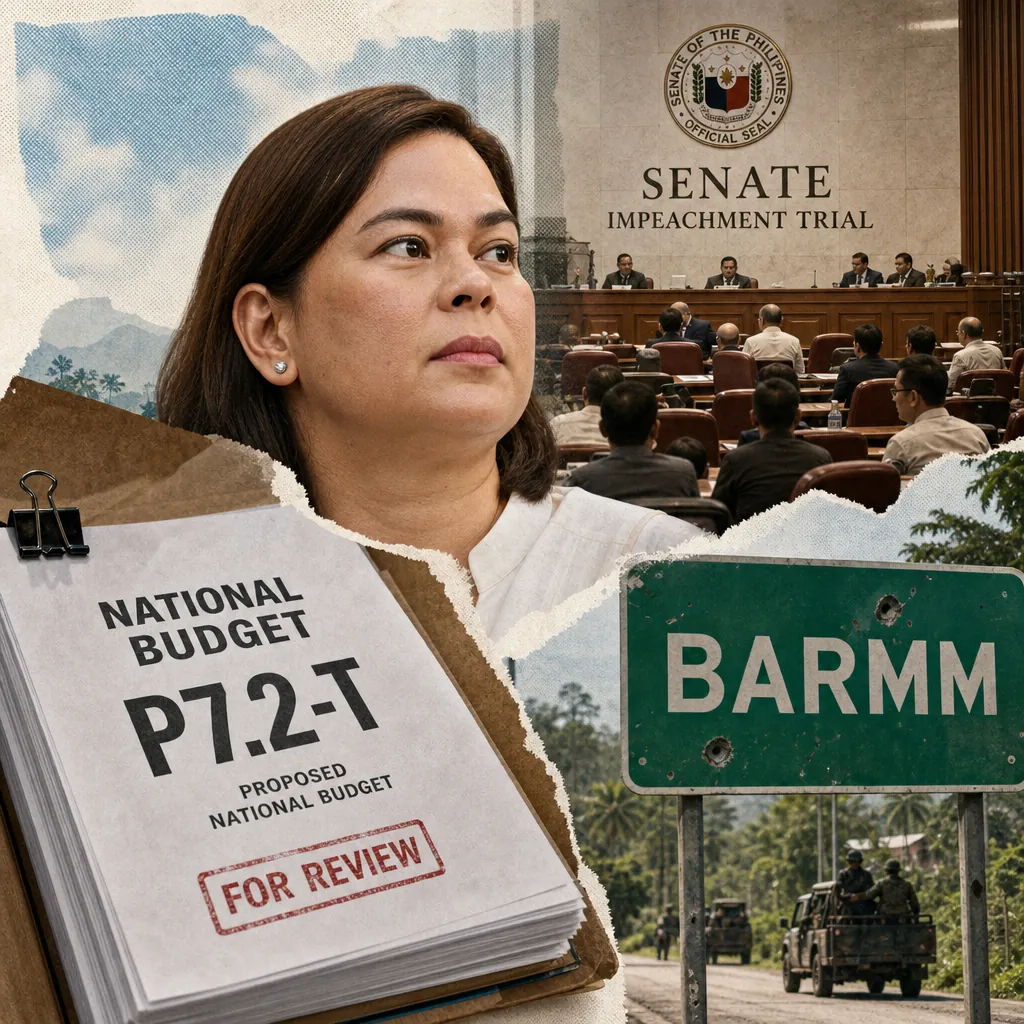
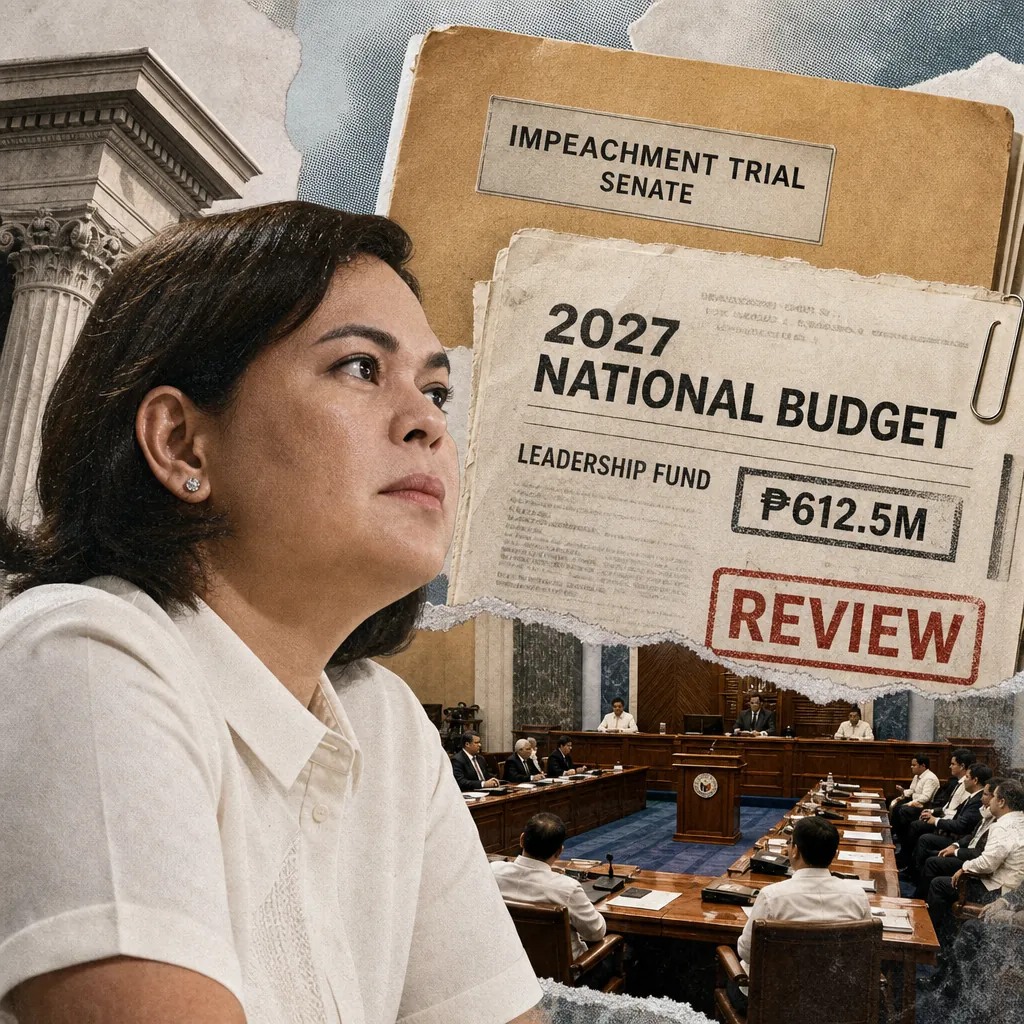
A snapshot of the day's conversation in the Philippines, where President Marcos's anti-corruption pledge for 2028, the impeachment trial of Vice President Sara Duterte, and the severe weather crisis dominated social media and news coverage.
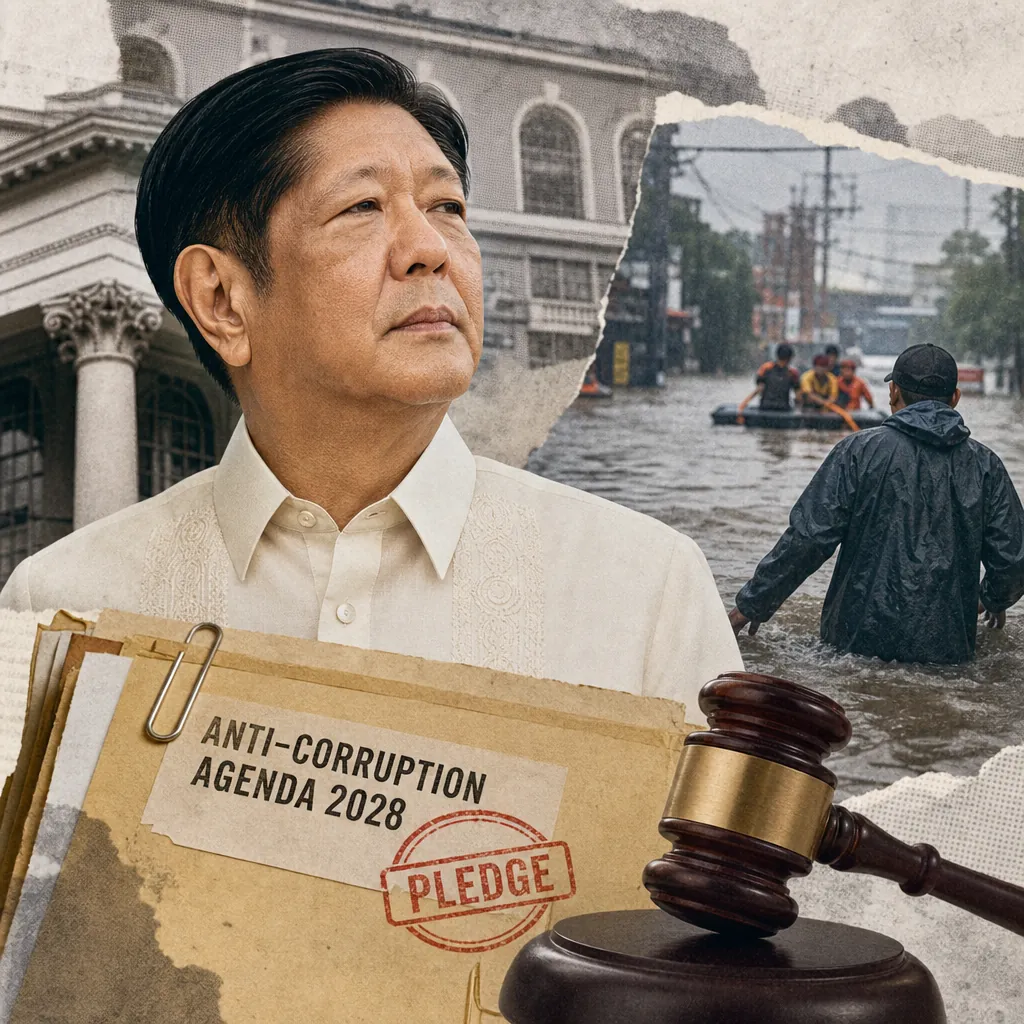
The day's conversation in the Philippines was a study in contrasts: a nation grappling with a weather emergency that has upended millions of lives, even as its political class jockeyed for position ahead of the 2028 presidential race. On August 14, the public's attention swung between the immediate, visceral threat of the southwest monsoon (habagat) and the more abstract, yet equally gripping, drama of corruption allegations and impeachment proceedings. The emotional weight of the day leaned heavily toward the weather, with social media reactions dominated by sadness and anxiety. But the most consequential news, in terms of long-term political impact, came from President Ferdinand Marcos Jr.'s remarks at a press luncheon, where he signaled his intent to back a successor committed to his anti-corruption drive. These two threads—the humanitarian crisis and the political maneuvering—intertwined throughout the day, shaping a national conversation that was both anxious and cynical.
The weather story unfolded with a grim sense of scale. The Philippine Atmospheric, Geophysical, and Astronomical Services Administration (PAGASA) warned that the southwest monsoon, enhanced by Tropical Cyclone Maymay, would intensify over the weekend, bringing heavy rains to Luzon. The National Disaster Risk Reduction and Management Council (NDRRMC) reported that over four million people had been affected by three converging weather systems. The Department of Education (DepEd) announced that 8.4 million learners and over 365,000 personnel had seen their classes disrupted, with 12,477 public schools suspending in-person sessions. These figures, shared across social media, triggered a wave of public concern, with a PAGASA forecast post on Facebook drawing 44 likes and 79 "sad" reactions—a telling indicator of the public's emotional state. The conversation was not just about the rain; it was about the government's response, the safety of schoolchildren, and the long-term consequences for education.
In parallel, the political narrative was dominated by President Marcos's statements at the Foreign Correspondents Association of the Philippines (FOCAP) luncheon. He declared it was "very, very early" to discuss his 2028 endorsement but made clear he would back a candidate who would sustain his administration's anti-corruption drive. This was a carefully calibrated message, positioning anti-corruption as his legacy issue. However, it was immediately undercut by a separate revelation: Marcos admitted he had "neglected" his duties as co-executor of his father's estate, which owes billions of pesos in unpaid estate taxes. This admission, reported by the Inquirer, drew a mix of mockery and anger on social media, with one post about the estate tax drawing 154 "haha" reactions on Facebook. The contrast between the President's anti-corruption rhetoric and his family's unresolved tax liabilities became a central point of tension in the day's discourse.
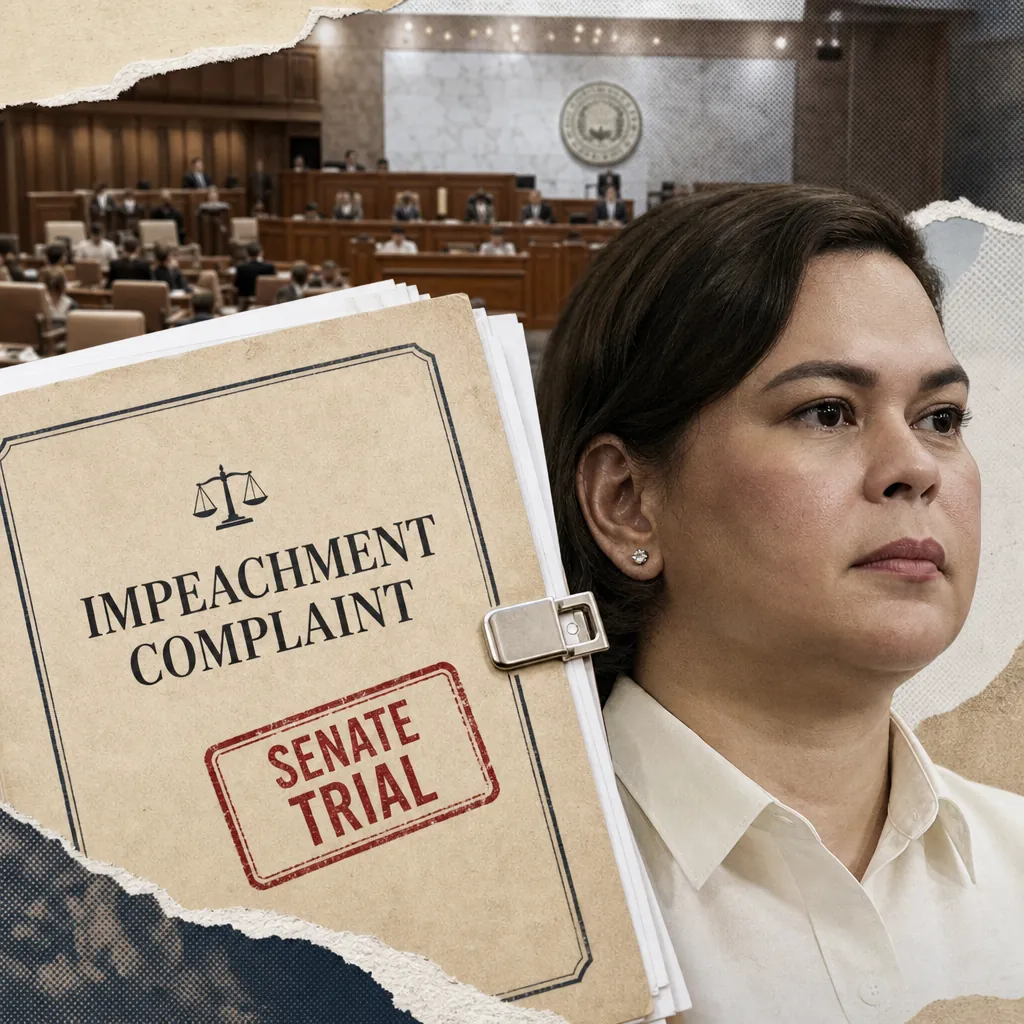
The third major thread was the ongoing legal saga of Vice President Sara Duterte. Her camp filed a motion to quash the grave threats case against her, arguing lack of jurisdiction and asking the court to defer any arrest warrant. This was accompanied by a warning from her lawyer that prosecuting a sitting vice president could "open the floodgates" for other impeachable officials. Meanwhile, House prosecutors, led by Rep. Terry Ridon, warned that a gag order on the impeachment trial could fuel fake news, creating an "information vacuum." This warning, amplified by the Manila Bulletin's Twitter feed, drew nearly 2,300 views, indicating strong public interest in the tension between legal proceedings and the right to information. The day also saw the Sandiganbayan announce that a dozen witnesses would testify in the plunder case against Senator Rodante Marcoleta, a story that drew 576 likes and 264 "haha" reactions on Facebook—a sign that the public viewed the case with more ridicule than sympathy.
Key themes
- Weather Crisis and Public Anxiety: The southwest monsoon, enhanced by Tropical Cyclone Maymay, has affected over four million people, disrupted education for 8.4 million learners, and triggered widespread flooding. Social media reactions, particularly on Facebook, were dominated by "sad" and "angry" emojis, reflecting public distress and concern over the government's response.
- Marcos's Anti-Corruption Legacy and 2028 Succession: President Marcos declared he would endorse a 2028 successor who would continue his anti-corruption drive, framing it as his legacy. This was a preemptive move to shape the political narrative, but it was complicated by his admission of neglecting his father's estate tax duties, which drew public mockery.
- Impeachment Trial and Information Control: House prosecutors warned that a gag order on the impeachment trial of Vice President Sara Duterte could fuel fake news, creating an "information vacuum." This sparked a debate about transparency versus judicial integrity, with the public showing high interest in the proceedings.
- Vice President Duterte's Legal Battles: Duterte's camp filed a motion to quash the grave threats case, arguing lack of jurisdiction and seeking to defer any arrest warrant. Her lawyer warned that prosecuting a sitting vice president could set a dangerous precedent for other impeachable officials.
- Corruption Scandals and Public Cynicism: Stories about the P24-billion "leadership fund" in the DPWH budget, the COA's potential fraud audit of confidential funds, and Senator Marcoleta's plunder case drew significant engagement, but the public's reaction was often mockery ("haha" reactions) rather than outrage, indicating deep cynicism toward political figures.
- Law Enforcement and Public Safety: The NBI rescued 174 workers from a steel facility in Davao City with reported radioactive concerns, and a former beauty queen and five Russian women from a human trafficking ring in Makati. These stories drew high engagement, particularly the Davao rescue, which generated 498 comments on Facebook, reflecting public concern over workplace safety and exploitation.
- Economic Concerns Amidst the Crisis: The Philippine economy grew only 2.3% in the second quarter, the weakest in 16 years outside the pandemic, and the BSP signaled it would go easy on rate hikes. This economic anxiety was compounded by the weather crisis, which threatened to further disrupt economic activity.
- Geopolitical Tensions and Sovereign Rights: President Marcos addressed the Ayungin Shoal provisional understanding with China, insisting it does not diminish Philippine sovereign rights. This was a sensitive topic, with the public wary of any perceived concession to China.
How the narratives stack
Dominant: The dominant narrative of the day was the convergence of the weather crisis and the political maneuvering around the 2028 succession. The weather story held the broadest emotional resonance, with over four million affected and 8.4 million learners disrupted, drawing the most significant public engagement on social media. However, the political narrative, centered on Marcos's anti-corruption pledge and the impeachment trial, was the most consequential in terms of long-term impact. Within the captured set of articles and social posts, these two threads dominated the conversation, with the weather story generating the most emotional reactions and the political story generating the most analytical commentary.
Counter-narrative: The counter-narrative came from critics who pointed out the contradictions in the administration's anti-corruption stance. The most prominent example was the revelation that Marcos had neglected his duties as co-executor of his father's estate, which owes billions in unpaid taxes. This was amplified by opposition figures like ACT Teachers Rep. Antonio Tinio, who slammed the Palace's claim that Marcos was unaware of the P24-billion "leadership fund," saying it was an "insult to the intelligence of the Filipino people." This counter-narrative framed the administration as hypocritical, undermining its anti-corruption messaging.
Emerging: An emerging narrative was the public's shift from outrage to mockery in response to corruption stories. The "haha" reactions on posts about Senator Marcoleta's plunder case and the estate tax issue suggest a growing cynicism, where the public no longer expects accountability but instead treats these stories as entertainment. This could have implications for how the government communicates its anti-corruption efforts, as the public may be desensitized to such messaging.
Suppressed: A story that received less attention than it deserved was the economic crisis. The Philippine economy grew only 2.3% in the second quarter, the weakest in 16 years outside the pandemic, and the BSP signaled it would go easy on rate hikes. This was a significant development, but it was overshadowed by the weather and political stories. The economic anxiety, if left unaddressed, could become a major issue in the coming months, especially as the weather crisis further disrupts economic activity.
Platform insights
- Facebook: Facebook was the primary platform for emotional engagement and substantive discussion. Posts about the weather and the Davao City worker rescue generated the most significant engagement, with comments and varied reaction emojis. The "sad" reactions on the PAGASA forecast post and the "haha" reactions on corruption stories highlighted the platform's role as a space for visible, diverse public sentiment. Facebook also hosted the most intense political debates, with posts about the impeachment trial and the Marcoleta case drawing hundreds of comments.
- Twitter (X): Twitter served as a real-time news ticker, with posts about the NDRRMC and the impeachment trial quickly accumulating hundreds to thousands of views. The conversation evolved through retweets of news headlines, with minimal direct user engagement in the form of replies. Twitter was where breaking news was consumed rapidly, but the substantive discussion happened elsewhere, particularly on Facebook.
- YouTube: YouTube carried official news roundups, such as INQToday, with moderate engagement. Videos about the Marcos 2028 statement and the Sara Duterte oral arguments drew thousands of views but fewer comments, suggesting that YouTube audiences were present but less actively engaged in the political back-and-forth compared to text-based platforms.
Key voices and communities
- Government Accountability Advocates: This group, including COA-watchers and anti-corruption advocates, drove the conversation around institutional integrity. They focused on the COA's potential fraud audit of confidential funds and the DPWH budget insertions, framing these as tests of the administration's commitment to accountability. Their content drew hundreds of reactions, indicating strong public investment in these storylines.
- Political Opposition and Pro-Impeachment Voices: This community was vocal in supporting legal actions against Vice President Sara Duterte, emphasizing her "selective attendance" at her impeachment trial and the broader implications of her legal troubles. Their content, often mocking, drew significant engagement, particularly on Facebook, where "haha" reactions dominated.
- Marcos Administration Supporters: This group amplified the President's anti-corruption messaging and his commitment to a 2028 successor. They pushed back against criticisms of the Marcos family's estate tax issues, framing them as personal matters. Their presence was strongest on YouTube and Twitter, where they reinforced official narratives.
- Anti-Corruption and Plunder Case Followers: This cluster focused on the legal proceedings against Senator Rodante Marcoleta, with discussions centered on the Sandiganbayan's hearing schedule. Their engagement was notable on Facebook, where posts about the case drew hundreds of reactions, with "haha" and "angry" reactions dominating, indicating a mix of mockery and frustration.
- Media and Political Commentary Circles: Mainstream media accounts and political commentators served as primary disseminators of news, shaping the daily agenda through consolidated roundups. Their framing of "top stories" set the tone for public conversation, and their choices determined which issues received amplified attention.
Narrative streams
The Weather Crisis: A Test of Government Response
The weather crisis was the day's most emotionally charged narrative. PAGASA's warning that the southwest monsoon would intensify over the weekend set the stage, followed by the NDRRMC's report that over four million people had been affected by three converging weather systems. The Department of Education's announcement that 8.4 million learners had been disrupted was a focal point for public concern, with many taking to social media to express anxiety about the academic year and the safety of school facilities. The public's emotional response, heavily skewed toward "sad" reactions, signaled a potential reservoir of discontent that could manifest in criticism of the government's preparedness and response speed. This was compounded by reports of flooding in Valenzuela City and the rescue of a fisherman off Romblon, which highlighted the ongoing dangers. The government's response, including the DSWD's release of P37.3 million in relief items to Ilocos, was noted but did little to assuage public anxiety. The narrative is likely to intensify as the weather is expected to worsen, and the public will be watching closely for signs of effective crisis management.
Marcos's Anti-Corruption Pledge and the 2028 Succession
President Marcos's statement at the FOCAP luncheon that he would endorse a 2028 successor who would continue his anti-corruption drive was the day's most consequential political development. This was a preemptive move to shape the narrative around his legacy, framing anti-corruption as the defining issue of his administration. However, the message was immediately complicated by his admission that he had "neglected" his duties as co-executor of his father's estate, which owes billions in unpaid estate taxes. This contradiction was seized upon by critics, who accused the administration of hypocrisy. The conversation around the 2028 succession also included speculation about Vice President Sara Duterte's political future, with a political analyst noting that her public trust remained strong despite her impeachment trial. The administration's supporters sought to counter this by emphasizing the President's commitment to anti-corruption, but the estate tax issue remained a persistent thorn. This narrative is likely to evolve as potential candidates begin positioning themselves, and the administration will need to demonstrate measurable anti-corruption achievements to back up its rhetoric.
The Impeachment Trial: A Battle for Information Control
The impeachment trial of Vice President Sara Duterte was a major thread, with House prosecutors warning that a gag order could fuel fake news. This warning, delivered by Rep. Terry Ridon, was a strategic move to preempt any restrictions on public statements, framing them as a threat to transparency. The public's interest in this issue was evident, with the Manila Bulletin's Twitter post on the subject drawing nearly 2,300 views. The debate over the sub judice rule—which restricts public comment on ongoing cases—highlighted the tension between judicial integrity and the public's right to information. The prosecution's fear of an "information vacuum" suggested an awareness that the information battle was as significant as the legal one. Meanwhile, Vice President Duterte's camp filed a motion to quash the grave threats case, arguing lack of jurisdiction and seeking to defer any arrest warrant. Her lawyer warned that prosecuting a sitting vice president could "open the floodgates" for other impeachable officials, a legal argument that could have broader implications. This narrative is expected to intensify as the Senate Impeachment Court issues its guidelines on public statements, and both sides will be vying to control the narrative.
Corruption Scandals and Public Cynicism
The day saw several corruption-related stories that drew significant engagement but also revealed a deep public cynicism. The Sandiganbayan's announcement on Senator Marcoleta's plunder case drew 576 likes and 264 "haha" reactions on Facebook, indicating that the public viewed the case with more ridicule than sympathy. Similarly, the revelation of the P24-billion "leadership fund" in the DPWH budget, which Marcos claimed he was unaware of, was met with skepticism. ACT Teachers Rep. Antonio Tinio slammed the Palace's claim, saying it was an "insult to the intelligence of the Filipino people." The COA's potential fraud audit of confidential funds under the OVP and DepEd added another layer to this narrative, with an opinion piece in the Manila Bulletin arguing that "secrecy should never be synonymous to weak accountability." The public's reaction to these stories, characterized by mockery rather than outrage, suggests a shift in how corruption is perceived. This could have implications for the government's anti-corruption messaging, as the public may be desensitized to such stories. The challenge for communicators is to address this cynicism by demonstrating concrete actions and outcomes, rather than just rhetoric.
Law Enforcement and Public Safety: High-Engagement Stories
Law enforcement stories, particularly those involving rescues and public safety threats, drew high engagement on social media. The NBI-led rescue of 174 workers from a steel facility in Davao City, which was linked to reports of radioactive substances, generated 498 comments on Facebook, the highest of any post in the day's sample. This story tapped into public concerns about workplace safety and corporate accountability, sparking heated debate about regulatory oversight. Similarly, the rescue of a former beauty queen and five Russian women from a human trafficking ring in Makati drew significant attention, with the NBI's operation highlighting the ongoing issue of trafficking. These stories reinforced a narrative of governmental action against various forms of wrongdoing, but they also raised questions about the effectiveness of enforcement and the need for stronger protections. The high engagement on these stories suggests that the public is highly activated by issues involving potential systemic failures or threats to public safety, and communicators should be prepared to respond to such stories quickly and transparently.
Conversation trajectory
- Weather Crisis and Accountability (7-10 days): The conversation around the weather crisis is likely to shift from empathy toward scrutiny of flood control fund utilization. As the public connects ongoing weather disruptions with infrastructure spending discussions, there will be increased pressure on the government to demonstrate accountability. The PAGASA forecast of intensifying monsoon will sustain disaster response coverage, and any perceived delays in relief efforts could amplify negative sentiment. Trigger events: further weather warnings, reports of flooding, and any announcements about flood control projects.
- Impeachment Trial and Information Control (3-5 days): The Senate Impeachment Court is expected to issue its sub judice rule guidelines, which will define the parameters of permissible public discussion. This will likely trigger immediate reactions from both prosecution and defense camps, and the public will be watching closely for any signs of censorship. The prosecution's warning about fake news suggests an anticipated information operation, and communicators should be prepared to counter misinformation with verified updates. Trigger events: issuance of the sub judice rule, any gag order, and statements from key figures.
- 2028 Succession and Anti-Corruption Narrative (4-6 months): The administration's positioning of anti-corruption as its legacy issue will intensify as potential candidates begin positioning themselves. The optimal intervention window is before the first formal candidate announcements, when the administration can still shape the criteria by which successors will be evaluated. However, the estate tax issue and other contradictions could undermine this narrative. Trigger events: formal candidate announcements, any new corruption scandals, and the COA fraud audit results.
- Economic Concerns (2-4 weeks): The weak economic growth and the BSP's cautious approach to rate hikes could become a more prominent narrative, especially if the weather crisis further disrupts economic activity. The public's anxiety about the economy may spill over into broader anti-government sentiment. Trigger events: GDP reports, inflation data, and any major economic policy announcements.
Response guidance
For communicators in the public and private sectors, the day's conversation offers several key insights:
- Weather Crisis Communication: The public's emotional response to the weather crisis is predominantly sadness and anxiety. Communicators should prioritize empathetic, authoritative messaging that acknowledges the scale of the disruption and outlines concrete actions being taken. A centralized crisis communications desk, providing consistent updates across all platforms, can help counter confusion and anxiety. For private sector clients, this is an opportunity to demonstrate corporate responsibility through timely support announcements or service continuity updates.
- Impeachment Trial and Information Control: The debate over the sub judice rule presents a communications challenge. Messaging should emphasize procedural fairness and the protection of legitimate public discourse, avoiding any language that could be perceived as muzzling. For government communicators, publishing educational content on the trial process can help mitigate confusion and maintain credibility. For media and other stakeholders, it is important to rely on verified information from official sources and to avoid amplifying unverified claims.
- Anti-Corruption Messaging: The public's reaction to corruption stories is increasingly cynical, with mockery rather than outrage. To counter this, communicators should focus on concrete actions and outcomes, rather than rhetorical commitments. Preemptively releasing clear, time-bound action plans and public dashboards can demonstrate accountability. For private sector clients, it is important to distinguish their compliance frameworks from government accountability questions.
- Sensitive Topics: The impeachment proceedings, flood control funding, and the West Philippine Sea are highly sensitive topics. Messaging must be carefully calibrated to avoid escalating tensions or appearing defensive. For the Ayungin Shoal deal, all messages should anchor on the President's assurance of sovereignty. For confidential funds, responses should distinguish between legitimate oversight functions and politically motivated attacks.
- Platform-Specific Approaches: On Facebook, prioritize responses on posts with high emotional weight, such as disaster response and learner disruption. On Twitter, leverage the real-time nature to correct misinformation and provide concise, factual updates. On YouTube, focus on video content that provides context and directs viewers to primary sources. Cross-platform coordination is essential to ensure message consistency and prevent narrative drift.
By following these guidelines, communicators can navigate the complex and emotionally charged conversation landscape, building trust and demonstrating responsiveness during critical periods.
See the full picture behind today's signals.
This report draws from Media Meter's MediaWatch, our real-time monitoring engine tracking 2,470+ Philippine sources across print, broadcast, digital, and social. Explore how the platform turns raw coverage into decision-grade intelligence, then see how it's configured for teams like yours — whether you're in PR agencies, corporate comms, government, or marketing.
Want more? Browse our Report Library for sector and crisis intelligence, or request a demo and we'll have your brand set up before the call.
Want this kind of intelligence on your brand?
This brief is built on the same MediaWatch methodology that runs continuously across every brand we monitor. See your competitive landscape, Impact Score, and narrative trajectory in a 30-minute demo.