Senate leadership shift, impeachment trial prep dominate Philippine news
The Philippine Senate elected Sherwin Gatchalian as Senate President, ending a leadership crisis, while preparations for Vice President Sara Duterte's impeachment trial advanced. Other major stories include the CIDG declaring the Ateneo drownings not an accident, a PhilHealth controversy over the 24-hour confinement rule, and the Marcos-Putin meeting in Russia.
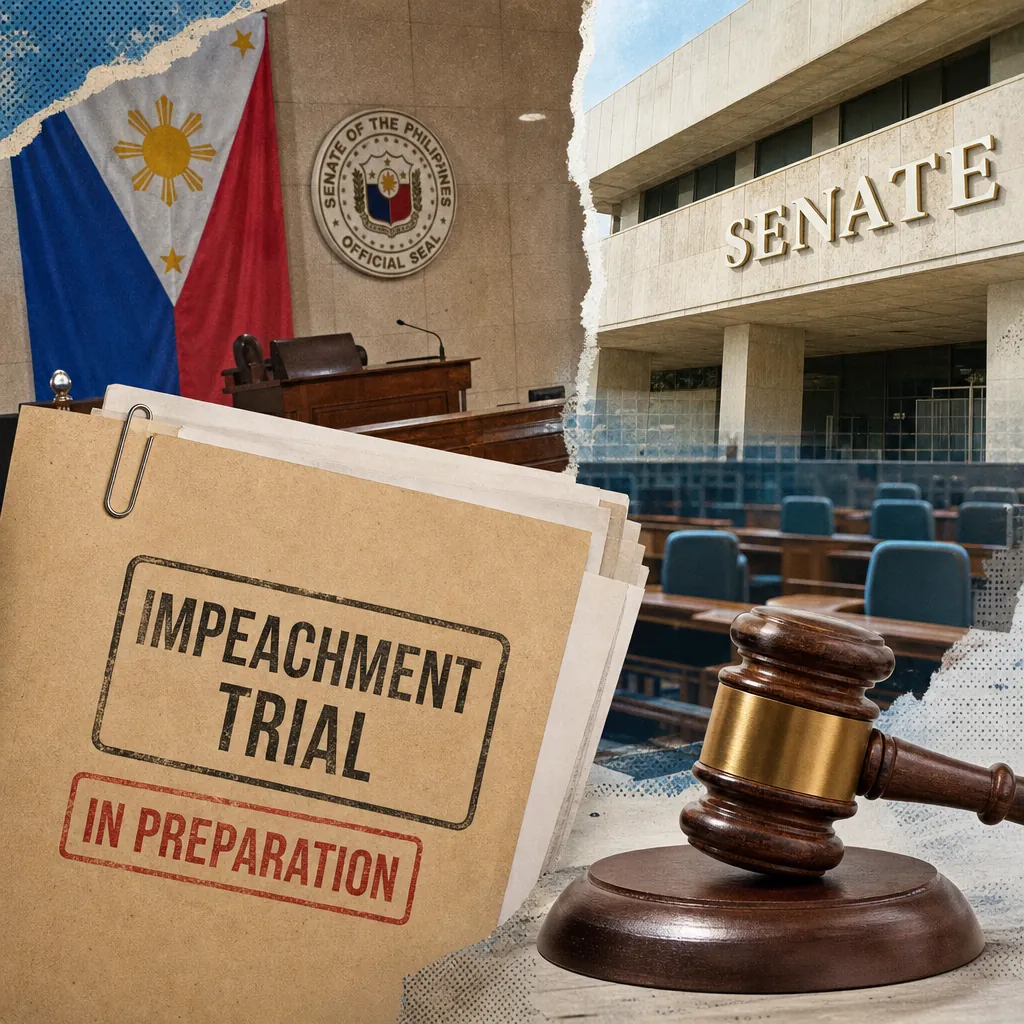
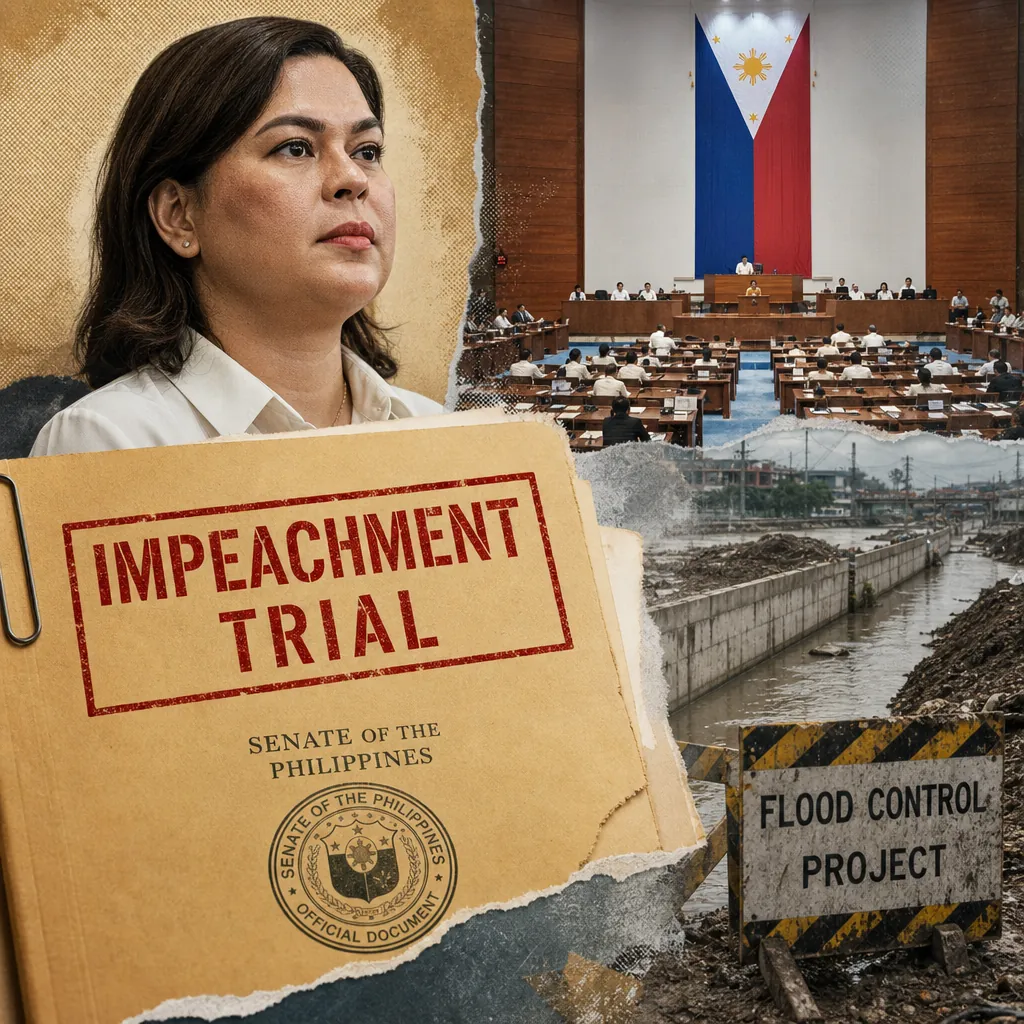
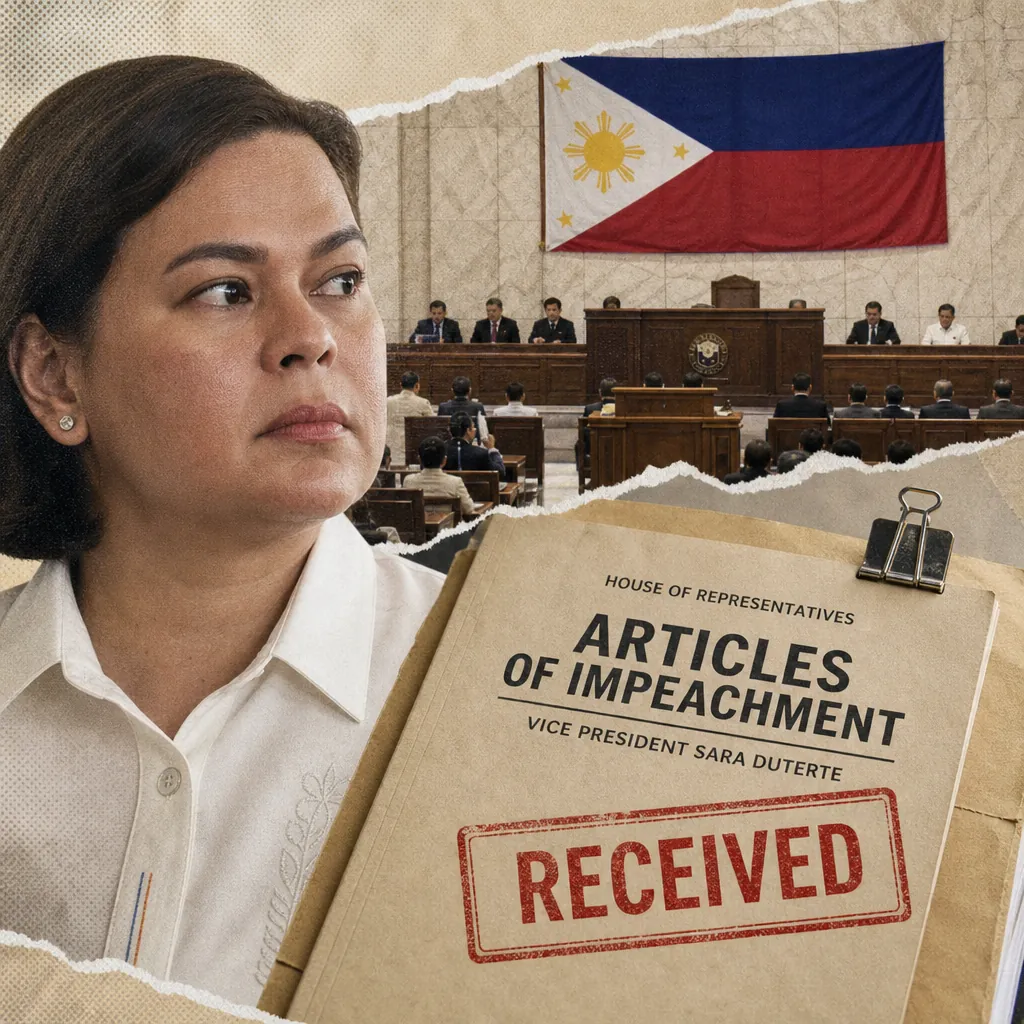
The conversation on June 17-18, 2026, was dominated by the resolution of the Philippine Senate leadership crisis and the accelerating preparations for the impeachment trial of Vice President Sara Duterte. Senator Sherwin Gatchalian was formally elected Senate President after Senator Joel Villanueva's defection provided the decisive 13th vote, ending a weeks-long standoff with former Senate President Alan Peter Cayetano. The transition was swift, with new committee chairmanships announced within hours. Simultaneously, the Senate majority bloc agreed to elect Senator Chiz Escudero as presiding officer for the impeachment trial, a move that drew polarized reactions. Public sentiment on Facebook was overwhelmingly mocking toward Cayetano, with posts about his brief tenure receiving thousands of "haha" reactions. The impeachment trial pre-trial conference began on June 18, with both sides reporting normal procedural discussions. A separate Octa Research survey revealed that 81% of Filipinos either doubt senators will decide based on evidence or are undecided, indicating deep public skepticism about the trial's fairness.
Conversation snapshot. The Senate leadership change generated the highest engagement. A GMA News video of Gatchalian's oath-taking received 1,191 views and 14 likes on YouTube, while a BNC report on Sotto's appointment as pro tempore garnered 1,736 likes on Facebook. The most viral moment came from Senator Erwin Tulfo's accusation that the House was "holding the AICS bill hostage" over its anti-epal provision, with one post accumulating over 8,900 "haha" reactions and 1,178 angry reactions. The Ateneo drowning investigation also drew strong emotional responses: an ABS-CBN post about players arriving at the NBI received 1,213 likes and 666 angry reactions. The Marcos-Putin meeting in Russia attracted 12,319 "haha" reactions on a GMA News post about trade discussions, reflecting widespread public skepticism.
Key themes
- Senate leadership resolution and normalization – The election of Gatchalian ended a two-week crisis. The new majority quickly announced committee chairmanships, with Erwin Tulfo taking the Blue Ribbon Committee, JV Ejercito heading Finance, and Risa Hontiveros leading Health. Cayetano accepted the minority leader role, signaling institutional stability.
- Impeachment trial preparations – The Senate majority selected Escudero as presiding officer for Sara Duterte's trial, despite perceptions he slow-walked similar proceedings in 2025. The pre-trial conference on June 18 was described as having normal procedural disagreements. A survey showed 81% of Filipinos doubt senators will decide based on evidence.
- Ateneo drowning investigation escalates – The CIDG declared the deaths of Rene Baterbonia and Divine Adili "not an accident," with Director Morico publicly challenging former coach Tab Baldwin to face the probe. The DOJ issued an immigration lookout bulletin against five individuals. House lawmakers filed a resolution for a legislative inquiry.
- PhilHealth 24-hour confinement rule controversy – The story of a 25-year contributor denied benefits after 19 hours of confinement sparked outrage. Malacañang ordered a thorough investigation. Health reform advocate Dr. Tony Leachon's posts garnered hundreds of sad reactions, and the hashtag "KillHealth" gained traction.
- Marcos-Putin meeting and West Philippine Sea – President Marcos met with Putin in Kazan for the ASEAN-Russia summit, discussing food and energy security. The meeting drew massive public mockery on Facebook. Separately, the NTF-WPS confirmed the removal of a Chinese floating platform from Scarborough Shoal, a development that received modest but positive engagement.
- Flood control corruption probe – The Ombudsman is investigating 209 cases related to anomalous flood control projects, with four already filed in court. DPWH Secretary Dizon inspected a stalled PGH project that was only 16% complete since December 2024, drawing public frustration.
- MRT-3 service disruption – A technical issue between Buendia and Guadalupe stations caused a morning disruption. The initial advisory received 329 angry reactions on Facebook. Free rides were offered for the day, which helped shift sentiment, but commuter frustration remains high.
- PNP denies ICC warrant tracking – The PNP stated it has no orders to track individuals linked to alleged ICC warrants, following claims by Rep. Paolo Duterte that warrants had been issued against Senator Bong Go and two former police officials. Malacañang rejected the claim that the ICC is being used as a political weapon.
How the narratives stack
Dominant narrative – The Senate leadership change and impeachment trial preparations are the most covered stories. The narrative frames the transition as a return to order after a chaotic period under Cayetano, who served only 28 days. Senator Lacson estimated Cayetano's leadership cost the Senate P700 million, with "chaos" as the output. The impeachment trial is presented as a constitutional process, but public skepticism is high.
Counter-narrative – The anti-epal provision in the AICS bill has become a populist wedge issue. Senator Erwin Tulfo's accusation that House members are blocking aid to protect their credit-grabbing practices resonated deeply with the public. This narrative challenges the dominant story of institutional normalization by highlighting ongoing political self-interest.
Emerging narrative – The Ateneo drowning investigation is shifting from a tragic accident to a systemic failure narrative. The CIDG's declaration and the House resolution for a legislative inquiry suggest this will become a major policy discussion about student-athlete safety protocols. The involvement of corporate sponsors like MVP Sports Foundation adds a governance dimension.
Suppressed narrative – The West Philippine Sea platform removal received far less attention than domestic political stories, despite being a tangible sovereignty win. The Marcos-Putin meeting's mockery overshadowed the diplomatic outcome. The flood control corruption probe, while covered, has not generated the same level of public outrage as the PhilHealth or MRT-3 issues, possibly due to public cynicism about accountability.
Platform insights
Facebook was the dominant platform for raw emotional response. The Senate leadership change and AICS bill controversy generated thousands of "haha" reactions, indicating public amusement or schadenfreude. The PhilHealth story drew more "sad" reactions, reflecting empathy. Official agency posts (DOTr-MRT3, DSWD) received mixed reactions, with service disruptions attracting anger and social program announcements attracting love reactions.
Twitter served as a real-time news distribution channel. Breaking updates on the Senate session, impeachment pre-trial, and CIDG investigation were live-tweeted by media outlets. Engagement was lower in absolute terms but highly focused, with users retweeting news without adding substantive commentary. The platform was used for official statements from agencies like the PNP.
YouTube was used for long-form news coverage and analysis. Videos of the special session and impeachment updates accumulated thousands of views but few comments, indicating passive consumption. The Manila Times' newscast on the impeachment court drew 10,874 views. Shorter clips from GMA News on the Ateneo tragedy had moderate viewership.
Reddit hosted more analytical and polarized discussions. The Ateneo drowning thread saw users debating whether the incident was an accident or negligence, with accusations of partisan bias. The Fed decision thread on r/wallstreetbets attracted 3,754 upvotes and 376 comments, showing interest in global economic impacts.
Key voices and communities
- New Senate Majority Coalition – Senators Gatchalian, Escudero, Hontiveros, and the Tulfo brothers drive the legislative narrative. Their messaging emphasizes efficiency, anti-corruption, and social welfare reform. Erwin Tulfo's anti-epal stance has become a rallying cry.
- Mainstream News Media – ABS-CBN, GMA News, Inquirer, Manila Times, and Rappler provide extensive coverage. Their framing shapes public perception, with some outlets adopting senator language (e.g., "hostage" for the AICS bill).
- Health Reform Advocates – Dr. Tony Leachon leads the charge against PhilHealth's 24-hour rule. His posts generate high engagement and have forced a Malacañang investigation.
- Law Enforcement and Investigative Bodies – The PNP-CIDG and NBI are central to the Ateneo probe. Their proactive stance (declaring the incident not an accident) has earned public trust.
- Online Commentators and Grassroots Public – Facebook users and Redditors provide emotional and analytical responses. The high "haha" reaction counts on political posts indicate a cynical but engaged audience.
Narrative streams
Senate leadership change and impeachment trial
The special session on June 17 resolved the leadership crisis with Gatchalian's election. The new majority quickly organized committee chairmanships, signaling a return to legislative work. The selection of Escudero as presiding officer for Sara Duterte's impeachment trial was a key development, though his past slow-walking of similar proceedings raises questions about the trial's pace. The pre-trial conference on June 18 was described as having normal disagreements, but a survey showed 81% of Filipinos doubt senators will decide based on evidence. This narrative stream is critical for understanding the Marcos administration's ability to manage legislative priorities and the political fallout of the impeachment.
AICS bill and anti-epal provision
The stalled ratification of the Assistance to Individuals in Crisis Situations (AICS) bill became a major flashpoint. Senator Erwin Tulfo accused House members of blocking the bill because of its anti-epal provision, which bans politicians from personally distributing government aid and affixing their names to it. Tulfo's emotional outburst—"That's not your money!"—resonated deeply with the public, generating thousands of mocking reactions. The provision has become a symbol of political reform, with the public overwhelmingly supporting it. The House's refusal to sign the bicameral conference report is widely interpreted as protecting patronage politics.
Ateneo drowning investigation
The deaths of Ateneo basketball players Rene Baterbonia and Divine Adili have moved from a tragic accident to a potential criminal case. The CIDG declared the incident "not an accident," citing negligence and possible hazing. Former coach Tab Baldwin has been subpoenaed by the NBI, and the DOJ issued an immigration lookout bulletin. House lawmakers filed a resolution for a legislative inquiry, signaling that this will become a policy discussion about student-athlete safety. The emotional response on social media is intense, with posts drawing thousands of angry and sad reactions.
PhilHealth 24-hour confinement rule
The story of Marvin Sulit, a 25-year PhilHealth contributor who died after 19 hours of confinement and was reportedly denied benefits, sparked widespread outrage. Health reform advocate Dr. Tony Leachon amplified the case, calling for the abolition of the 24-hour rule. Malacañang ordered a thorough investigation, but PhilHealth's clarification that benefits are not automatically denied was met with skepticism. The controversy has eroded trust in the agency and threatens the Universal Health Care program's credibility.
Marcos-Putin meeting and West Philippine Sea
President Marcos's first visit to Russia for the ASEAN-Russia summit generated significant public mockery, with Facebook posts receiving tens of thousands of "haha" reactions. The meeting focused on food and energy security, but the public perceived it as inconsistent with the Philippines' stance on the West Philippine Sea. Separately, the NTF-WPS confirmed the removal of a Chinese floating platform from Scarborough Shoal, a tangible sovereignty win that received less attention. The contrast between these two stories highlights the administration's challenge in balancing diplomatic outreach with territorial defense.
Conversation trajectory
Next 1-2 weeks: The impeachment trial pre-trial will continue, with the formal trial set for July 6. Expect increased partisan polarization and disinformation. The PhilHealth investigation will likely result in a policy review, which could either defuse or reignite public anger depending on the scope of changes. The Ateneo investigation will see more witnesses testifying, potentially leading to formal charges.
Next 3-4 weeks: The impeachment trial will dominate political discourse, absorbing media attention and potentially stalling other legislative work. The AICS bill may be revisited, with public pressure on the House to accept the anti-epal provision. The flood control corruption probe under the new Blue Ribbon Committee (led by Tulfo) will likely hold high-profile hearings.
Key trigger events: The Supreme Court's ruling on the Cayetano bloc's petition (expected within weeks) could rekindle the leadership debate. The NBI's report on the Ateneo deaths (scheduled for late June) will trigger a second wave of public engagement. Any new MRT-3 disruption could spark viral calls for systemic reform.
Response guidance
Platform approaches: On Facebook, deploy rapid-response comment threads for service disruptions (MRT-3) that acknowledge frustration and provide concrete timelines. For the PhilHealth controversy, use empathy-driven messaging that announces policy reviews rather than defensive clarifications. On Twitter, use real-time threads during live events (impeachment trial) to provide factual updates and counter misinformation. On YouTube, produce short explainer videos on the impeachment process and the anti-epal provision to educate the public.
Key messages: "The Senate is back to work, focused on passing priority bills and preparing for the impeachment trial." "The anti-epal provision ensures taxpayer money is not used for political branding—a common-sense reform." "The Ateneo tragedy demands a thorough investigation and systemic reforms to protect student-athletes." "PhilHealth is reviewing the 24-hour rule to ensure long-time contributors are not left without support."
Sensitive topics: Avoid dismissing public skepticism about the impeachment trial; instead, emphasize the constitutional process. Do not engage with partisan attacks on the Ateneo investigation; focus on the facts. For the Marcos-Putin meeting, frame it as pragmatic diplomacy rather than ideological alignment.
See the full picture behind today's signals.
This report draws from Media Meter's MediaWatch, our real-time monitoring engine tracking 2,470+ Philippine sources across print, broadcast, digital, and social. Explore how the platform turns raw coverage into decision-grade intelligence, then see how it's configured for teams like yours — whether you're in PR agencies, corporate comms, government, or marketing.
Want more? Browse our Report Library for sector and crisis intelligence, or request a demo and we'll have your brand set up before the call.
Want this kind of intelligence on your brand?
This brief is built on the same MediaWatch methodology that runs continuously across every brand we monitor. See your competitive landscape, Impact Score, and narrative trajectory in a 30-minute demo.