Ateneo tragedy, PhilHealth crisis, and quake response dominate June 15 discourse
On June 15, 2026, Philippine social media was dominated by the Ateneo drowning investigation, PhilHealth benefit denial outrage, and the Mindanao earthquake response, with overlapping narratives of institutional accountability and public trust.
The conversation on June 15, 2026, unfolded as a dense, multi-layered political and social drama, with three dominant storylines competing for public attention: the escalating investigation into the drowning deaths of two Ateneo de Manila University basketball players, the viral outrage over a PhilHealth benefit denial that led to a patient's death, and the ongoing response to the magnitude 7.8 earthquake that struck Mindanao. These threads were interwoven with developments in the Senate leadership crisis, the impeachment trial of Vice President Sara Duterte, and the West Philippine Sea patrols, creating a complex information environment where institutional accountability, public trust, and political maneuvering were under intense scrutiny.
The day began with news that the National Bureau of Investigation (NBI) and the Department of Labor and Employment (DOLE) had issued subpoenas to Ateneo head coach Tab Baldwin and over 20 team members in connection with the June 8 drowning of student-athletes Rene Baterbonia and Divine Adili during a team-building activity in Aurora province. By midday, it emerged that Baldwin and three other officials had failed to appear before both the Criminal Investigation and Detection Group (CIDG) and DOLE, sending legal counsel instead. Interior Secretary Jonvic Remulla confirmed that only one of five subpoenaed officials—Athletics Director Em Fernandez—appeared, and that a second round of subpoenas would be issued on June 19. The CIDG announced it was now investigating the case as a possible homicide or hazing incident, with at least seven persons of interest identified. The no-show drew widespread public anger, with a GMA Public Affairs post on Facebook receiving 148 likes and 164 angry reactions, reflecting frustration with perceived special treatment. Later in the day, Ateneo President Fr. Roberto Yap announced that Baldwin had resigned as head coach, effective immediately, and that the university had accepted his resignation. This development was covered by multiple outlets, including the Philippine Daily Inquirer and Manila Bulletin, with the Inquirer's post garnering significant engagement.
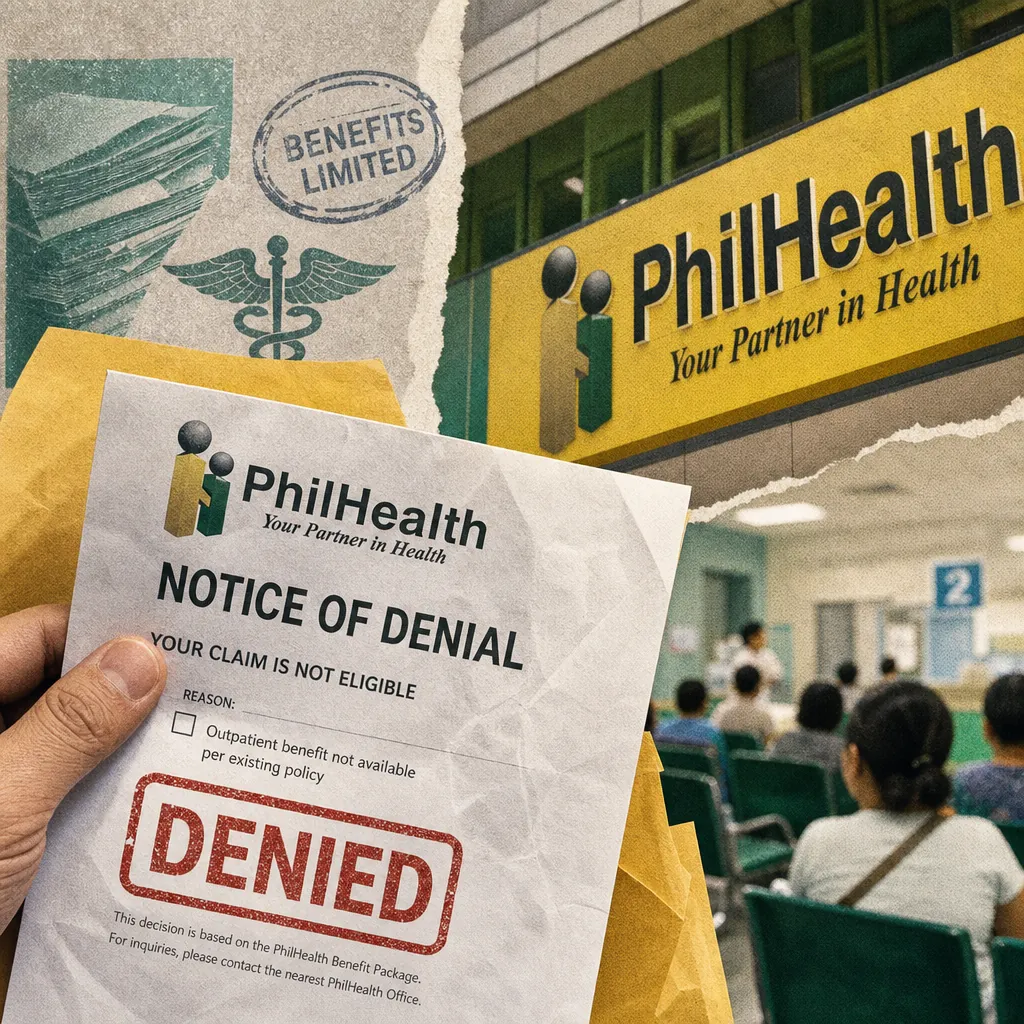
Simultaneously, the PhilHealth controversy continued to escalate. The case of Maria Lourdes Sulit, whose husband Marvin died of a brain hematoma after being denied benefits due to the agency's 24-hour confinement rule, had gone viral over the weekend. On June 15, Gabriela Women's Party Rep. Sarah Elago issued a blistering statement calling the system "bulok" (rotten) and arguing that the tragedy exposed the fundamental failure of the insurance-based healthcare model. Her post on the Gabriela Women's Party Facebook page drew 34 likes and 18 shares. Senators Bong Go and JV Ejercito jointly called for a Department of Health (DOH) and PhilHealth investigation, with coverage from ANC and Remate. PhilHealth President and CEO Dr. Edwin Mercado appeared on News5Everywhere to announce that the agency was processing reimbursement for the widow, stating "Kami po ay taos-pusong nakikiramay" (We offer our heartfelt condolences). The video drew 1,354 views and 80 comments, with many expressing skepticism. A follow-up video from OnePHonCignal clarifying benefit rules accumulated 423 views and 12 likes, while a simultaneous Facebook update on the same story attracted 468 likes and 187 comments, demonstrating sustained high engagement. Local radio station Brigada Davao joined the discussion by polling its audience on whether the 24-hour rule should be changed, signaling how the controversy had spread beyond Metro Manila.
The Mindanao earthquake response remained a major focus, with the Office of Civil Defense (OCD) reporting that the death toll had risen to 65, with 36 missing and 1,447 injured. Over 736,000 individuals were affected, and more than 57,000 houses were damaged. President Ferdinand Marcos Jr. visited Sarangani Province to inspect damaged schools and comfort earthquake victims at the Glan Evacuation Center, while the Department of Social Welfare and Development (DSWD) continued delivering family food packs to isolated barangays in Davao Occidental. The Department of Transportation (DOTr) announced the resumption of commercial flights at General Santos International Airport after a week of repairs. Senator Risa Hontiveros personally traveled to Barangay Hicban, General Santos City to distribute relief goods and assess housing damage, vowing to coordinate with the Department of Housing for long-term assistance. Her visit, covered by News5, drew 1,217 views and 25 likes on YouTube. The Philippine Amusement and Gaming Corp. (Pagcor) dispatched 10,500 food packs to affected areas. A magnitude 6.2 aftershock hit Davao Oriental in the afternoon, adding to the anxiety of displaced residents.
Conversation snapshot. The day's conversation was characterized by high engagement across multiple platforms, with the Ateneo tragedy and PhilHealth controversy generating the most intense reactions. On Facebook, ABS-CBN News's post about the NBI subpoenaing over 20 Ateneo team members received 780 likes and 66 comments. The PNP's press briefing on the drowning incident timeline attracted 7,851 likes and 4,581 comments, the highest engagement of any single government post. On YouTube, News5Everywhere's interview with PhilHealth's CEO drew 1,354 views and 80 comments, while ANC's coverage of the Baldwin no-show reached 2,103 views. On Twitter, a satirical post by @jesusfalcis about the Blue Ribbon hearing controversy garnered 99,061 views and 625 likes, demonstrating how grassroots mockery of political chaos resonated more than official statements. The PhilHealth-related post from ABS-CBN News on Facebook received 357 likes and 132 comments, while the Inquirer's report on the firearms surrender of Senator Bato Dela Rosa drew 1,074 likes and 294 comments, with over 530 "haha" reactions indicating widespread mockery.
Key themes
- Ateneo drowning investigation and institutional accountability: The failure of Coach Tab Baldwin and other officials to appear before CIDG and DOLE hearings dominated headlines, with the CIDG announcing a possible homicide or hazing investigation. The resignation of Baldwin and team manager Epok Quimpo was seen as a belated attempt at accountability, but public anger remained high.
- PhilHealth benefit denial and systemic healthcare failure: The viral story of Maria Lourdes Sulit, whose husband died after being denied benefits due to the 24-hour confinement rule, sparked outrage and calls for policy reform. Political figures and civil society groups framed the incident as evidence of a broken system.
- Mindanao earthquake response and recovery: The death toll rose to 65, with over 736,000 affected. Government agencies, including DSWD, DOTr, and Pagcor, ramped up relief efforts, while President Marcos visited affected areas. A magnitude 6.2 aftershock added to the challenges.
- Senate leadership crisis and special session: President Marcos called a special session of Congress for June 17 to fast-track social protection bills, including the Anti-Political Dynasty Law. The leadership impasse between Senators Alan Peter Cayetano and Sherwin Gatchalian continued, with Senator Erwin Tulfo expressing hope that Gatchalian would be elected Senate President.
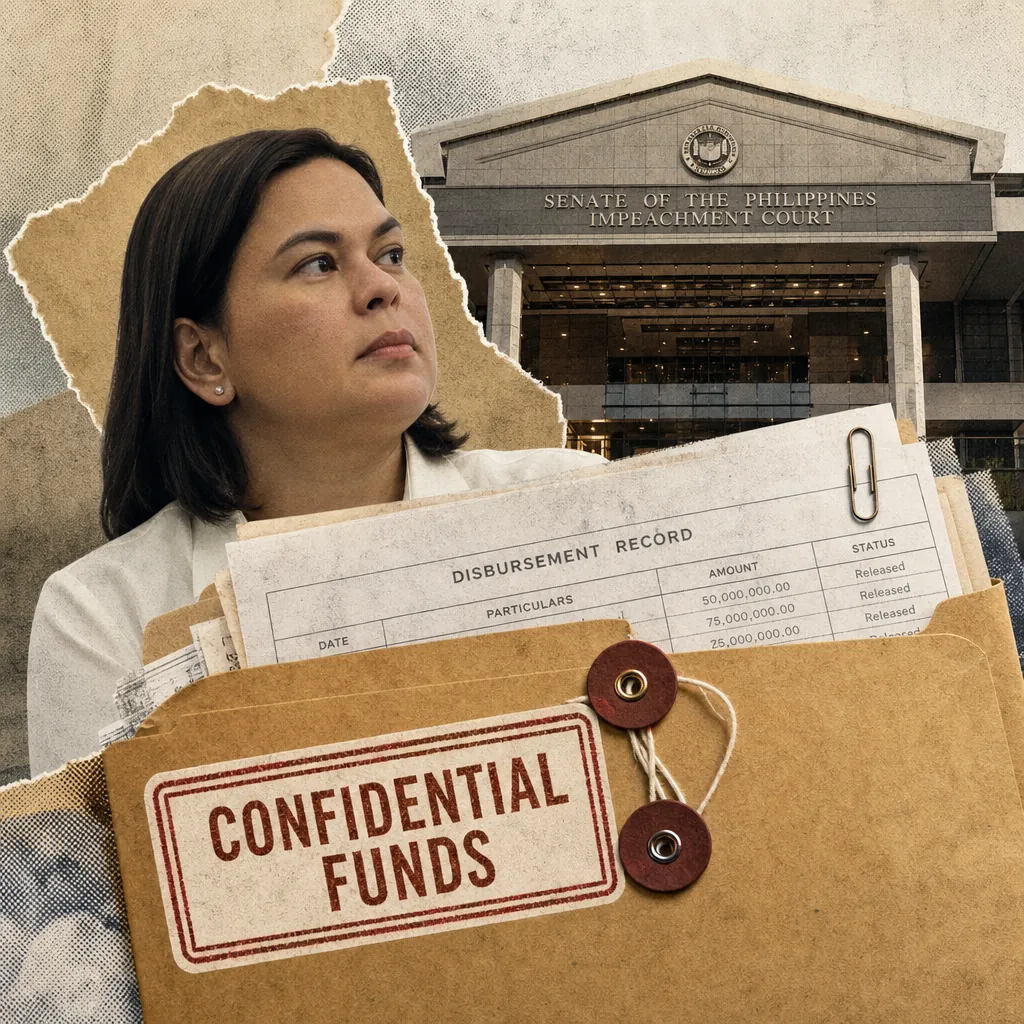
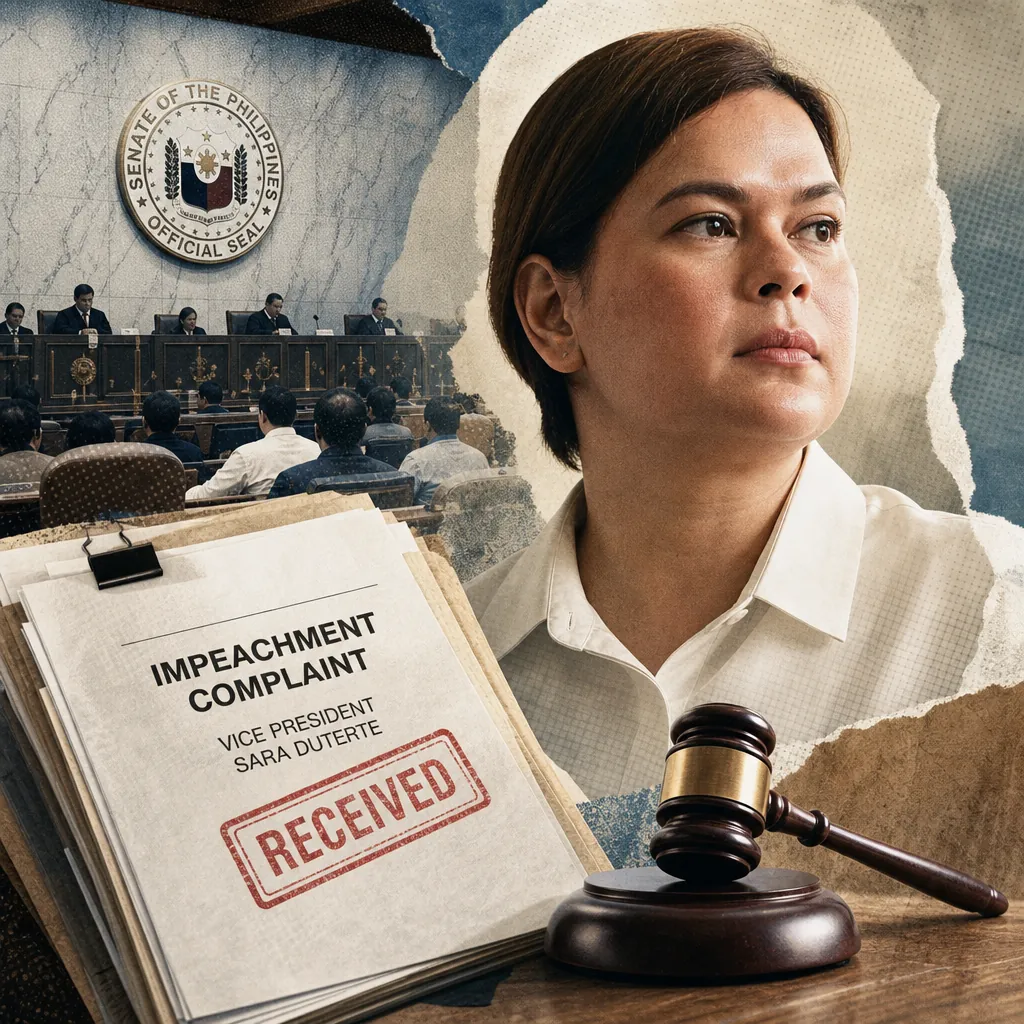
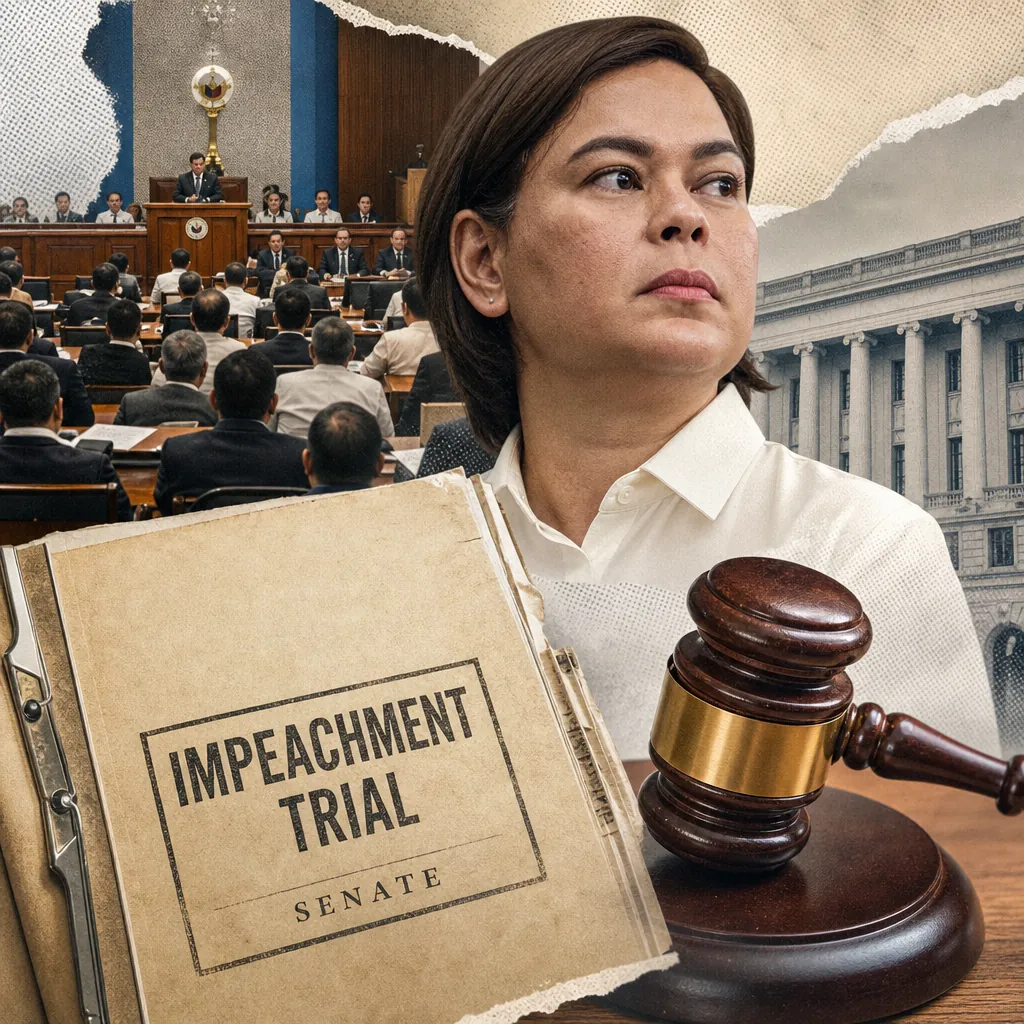
- Impeachment trial of Vice President Sara Duterte: The House prosecution panel filed its pre-trial brief, listing over 30 witnesses, including bank officials and hostile witnesses from the Office of the Vice President. Lead prosecutor Gerville Luistro argued for the use of Filipino and regional languages in proceedings and invoked the Avelino Doctrine to potentially lower the conviction threshold.
- West Philippine Sea patrols and sovereignty assertions: The Philippine Navy's BRP Diego Silang issued radio challenges to a Chinese warship inside the country's exclusive economic zone, drawing 1,178 likes and 286 comments on ABS-CBN News's Facebook post. Retired Supreme Court Justice Antonio Carpio called for a "tit for tat" response to China's sanctions on Defense Secretary Gilberto Teodoro Jr.
- Firearms surrender of Senator Bato Dela Rosa: The surrender of only 20 of 117 registered firearms to the PNP drew widespread mockery, with over 2,000 "haha" reactions across key posts. The NBI director publicly called for Dela Rosa to surrender himself and the remaining weapons.
- Local governance and community initiatives: Positive stories included Quezon City's "Graduation Rights" march for LGBTQIA+ graduates, Pasig Mayor Vico Sotto's reflections on leadership influences, and the DepEd's new "ILAW" framework simplifying lesson planning.
How the narratives stack
Dominant narrative — The dominant narrative on June 15 was the convergence of institutional accountability crises, with the Ateneo drowning investigation and the PhilHealth benefit denial serving as dual symbols of systemic failure. The public's attention was split between the perceived stonewalling by a prestigious university and the bureaucratic indifference of a state insurer, both of which reinforced a broader narrative of elite impunity and government dysfunction. The CIDG's announcement that the Ateneo case could involve homicide or hazing elevated the stakes, while the PhilHealth controversy tapped into long-standing grievances about mandatory contributions yielding inadequate protection. The earthquake response, while generating significant official activity, was overshadowed by these more emotionally charged stories, though it remained a consistent undercurrent.
Counter-narrative — A counter-narrative emerged from pro-Duterte and pro-Cayetano supporters who framed the investigations as politically motivated. The unauthorized Blue Ribbon hearing announced by former congressman Mike Defensor, which Senator Erwin Tulfo disowned, was characterized by the House prosecution as a "PR stunt" to divert attention from the impeachment trial. Similarly, the PhilHealth controversy saw some voices arguing that the 24-hour rule had been misunderstood and that alternative benefits existed, though this was drowned out by public outrage. The resignation of Tab Baldwin was presented by Ateneo as a step toward accountability, but critics argued it was too little, too late.
Emerging narrative — An emerging narrative centered on the structural critique of the Philippines' healthcare system, led by Gabriela Rep. Sarah Elago, who called for a shift from an insurance-based model to direct public provision of healthcare. This framing gained traction among progressive audiences and could reshape the PhilHealth debate from a single policy fix to a broader conversation about universal healthcare funding and governance. Similarly, the CIDG's consideration of hazing charges in the Ateneo case opened the door for a wider discussion about safety protocols in university sports programs.
Suppressed narrative — The under-covered story was the growing number of local governance successes and community initiatives, such as Quezon City's inclusive graduation ceremony, Pasig Mayor Vico Sotto's reform agenda, and the DepEd's new teaching framework. These positive developments received minimal engagement compared to the crisis stories, suggesting that the public's attention is heavily skewed toward conflict and failure. The environmental incident of foreign debris washing ashore in Batangas also received little attention, despite its potential implications for maritime security.
Platform insights
Facebook remained the primary arena for emotional storytelling and public outrage. The PhilHealth and Ateneo stories dominated with high comment counts and reaction volumes. The "haha" reaction was disproportionately high on posts about the Dela Rosa firearms surrender (over 530 on Inquirer's post) and the Senate leadership crisis, indicating that many users treated these developments as political theater. Official government pages, such as the PNP's, saw strong positive engagement on non-controversial posts like the anti-smuggling operation (8,792 likes), but struggled to gain traction on more complex issues. The ABS-CBN News post on the NBI subpoenaing Ateneo officials received 780 likes and 66 comments, while the PhilHealth update from OnePH attracted 468 likes and 187 comments, showing sustained interest.
YouTube served as a platform for longer-form news coverage and official statements. News5Everywhere's interview with PhilHealth's CEO drew 1,354 views and 80 comments, while ANC's coverage of the Baldwin no-show reached 2,103 views. The PNP's press briefing on the Ateneo drowning timeline was the most-watched government content, with 7,851 likes and 4,581 comments on Facebook, but its YouTube version likely had lower engagement. The platform's comment sections were generally less active than Facebook's, suggesting that YouTube is used more for passive consumption than active debate.
Twitter (X) functioned as a real-time news feed and a space for analytical commentary. The most viral post was a satirical thread by @jesusfalcis about the Blue Ribbon hearing, which garnered 99,061 views and 625 likes, demonstrating the power of humor in driving engagement. Official updates from agencies like the NDRRMC and PAGASA received minimal interaction, indicating that Twitter's Philippine audience is more interested in political and security stories than routine government announcements. The Philippine Navy's WPS challenge video drew 1,178 likes and 286 comments, reflecting strong public interest in sovereignty issues.
Reddit hosted more analytical and policy-focused discussions. A post summarizing the Dela Rosa firearms surrender received 166 upvotes and 36 comments, with users focusing on the legal absurdity of a former PNP chief owning 117 firearms. A detailed critique of Ateneo's crisis communications mishandling garnered 72 upvotes and 15 comments, providing a nuanced perspective that was absent from mainstream news. Reddit's user base tends to be more educated and critical, making it a valuable source for understanding elite opinion.
Key voices and communities
- Government investigative agencies (NBI, CIDG, DOLE, DILG): These agencies drove the factual narrative around the Ateneo case, with their statements quoted extensively by media. Interior Secretary Jonvic Remulla's emphasis on "fact-finding, not fault-finding" was a key message, but the no-show by Baldwin and others undermined the narrative of cooperation. The CIDG's announcement of possible homicide or hazing charges escalated the stakes.
- Political figures and civil society groups: Senator Risa Hontiveros's on-the-ground relief efforts in Mindanao positioned her as a compassionate leader, while Gabriela Rep. Sarah Elago's systemic critique of PhilHealth resonated with progressive audiences. Senators Bong Go and JV Ejercito's calls for an investigation added political weight to the PhilHealth controversy. The August Twenty-One Movement (ATOM) criticized Senate President Alan Peter Cayetano for appropriating the "Laban" sign, drawing moderate engagement.
- Mainstream media outlets: ABS-CBN News, GMA News, Inquirer, and Manila Bulletin were the primary amplifiers of all major stories. Their Facebook and YouTube posts generated the highest engagement, with ABS-CBN's coverage of the Ateneo subpoenas and PhilHealth controversy drawing thousands of reactions. The media's framing of the Ateneo case as a "no-show" scandal and the PhilHealth case as a "denied benefits" tragedy shaped public perception.
- Affected citizens and grassroots voices: The widow Maria Lourdes Sulit's personal story became the emotional anchor of the PhilHealth controversy, with her account shared widely across platforms. Reddit users shared personal experiences with government bureaucracy, such as being scammed by fixers at the LTO, reinforcing the narrative of institutional failure. The public's use of "haha" reactions on serious posts indicated a deep-seated cynicism toward political and institutional processes.
- Pro-Duterte and pro-Cayetano supporters: A smaller but vocal community framed the investigations as politically motivated. The unauthorized Blue Ribbon hearing announced by Mike Defensor was supported by some, while the Dela Rosa firearms surrender was met with mockery rather than sympathy. This group's influence is limited but persistent, particularly on Facebook and local radio pages.
Narrative streams
Ateneo drowning investigation: From tragedy to accountability crisis
The drowning of Rene Baterbonia and Divine Adili on June 8 during an Ateneo Blue Eagles team-building activity in Dipaculao, Aurora, initially appeared as a tragic accident. However, by June 15, the narrative had shifted dramatically toward institutional accountability. The failure of Coach Tab Baldwin and three other officials to appear before the CIDG and DOLE, despite being subpoenaed, created a perception of stonewalling. The CIDG's announcement that it was investigating possible homicide or hazing, and that at least seven persons of interest had been identified, elevated the case from a safety lapse to a potential criminal matter. The resignation of Baldwin and team manager Epok Quimpo, announced by Ateneo President Fr. Roberto Yap, was seen as a belated attempt to regain control, but the damage to the university's reputation was already done. The public's anger was palpable, with the PNP's press briefing on the case attracting 7,851 likes and 4,581 comments on Facebook, many demanding accountability. The CIDG's request for additional Immigration Lookout Bulletin Orders against coaches who failed to appear signaled that the investigation would not let up. This narrative stream intersected with broader questions about the safety of student-athletes, the oversight of foreign coaches, and the culture of impunity in elite institutions.
PhilHealth benefit denial: A system under fire
The story of Maria Lourdes Sulit, whose husband Marvin died of a brain hematoma after being denied PhilHealth benefits due to the 24-hour confinement rule, became a national flashpoint. The rule, which required patients to be confined for at least 24 hours before benefits could be claimed, was widely condemned as "anti-poor" and "illogical." Senator Bong Go's statement calling for its immediate review garnered 17,542 likes and 8,180 love reactions on Facebook. Dr. Tony Leachon, a health reform advocate, linked the case to the Supreme Court's ruling on the unconstitutional transfer of ₱60 billion in PhilHealth funds to the national treasury, framing the denial as a symptom of deliberate defunding. Gabriela Rep. Sarah Elago's call for a shift from an insurance-based model to direct public provision of healthcare added a structural critique that resonated with progressive audiences. PhilHealth's response—processing reimbursement for the widow and promising a policy review—was met with skepticism, as many viewed it as damage control rather than genuine reform. The controversy highlighted the deep distrust in the country's healthcare system and the gap between mandatory contributions and actual coverage.
Mindanao earthquake: Response amid aftershocks
The magnitude 7.8 earthquake that struck Sarangani on June 8 continued to dominate the disaster response narrative. By June 15, the death toll had risen to 65, with 36 missing and 1,447 injured. Over 736,000 individuals were affected, and more than 57,000 houses were damaged. The government's response was multifaceted: President Marcos visited evacuation centers in Glan, Sarangani, distributing cash assistance and food packs alongside DSWD Secretary Rex Gatchalian; DOTr announced the resumption of flights at General Santos International Airport; Pagcor dispatched 10,500 food packs; and Senator Risa Hontiveros personally distributed relief goods in General Santos City. However, the response was not without criticism. A magnitude 6.2 aftershock hit Davao Oriental in the afternoon, adding to the anxiety of displaced residents. Questions about building code compliance emerged, with one YouTube video questioning why structures collapsed despite existing regulations. The PNP ordered intensified patrols in areas with power outages to prevent crime. The narrative was one of a government working to respond effectively, but the scale of the disaster and the ongoing aftershocks kept public attention focused on the adequacy of relief and reconstruction efforts.
Senate leadership crisis and special session
The Senate leadership impasse between Senators Alan Peter Cayetano and Sherwin Gatchalian continued, with President Marcos calling a special session of Congress for June 17 to fast-track social protection bills, including the Anti-Political Dynasty Law, amendments to the Universal Access to Quality Tertiary Education Act, and disaster relief measures. Senator Joel Villanueva's commitment to attend the special session was seen as a potential catalyst for resolving the leadership dispute, with political scientist Cleve Arguelles suggesting it could pave the way for the election of a new Senate President. Senator Erwin Tulfo expressed hope that Gatchalian would be elected, claiming that two to three more senators from the minority were poised to defect. The unauthorized Blue Ribbon hearing announced by former congressman Mike Defensor, which Senator Tulfo disowned, added a layer of confusion and highlighted the factional maneuvering. The special session was framed by the administration as an opportunity to demonstrate governance results, but the underlying leadership crisis threatened to overshadow legislative work.
Impeachment trial of Vice President Sara Duterte: Pre-trial maneuvers
The impeachment trial of Vice President Sara Duterte moved into a critical phase on June 15, with the House prosecution panel filing its pre-trial brief before the Senate impeachment court. Lead prosecutor Gerville Luistro announced that over 30 witnesses would be presented, including bank officials and hostile witnesses from the Office of the Vice President and the Department of Education. The prosecution also signaled the existence of "surprise evidence" not yet seen by the House team. Luistro argued for the use of Filipino and regional languages in proceedings to ensure public understanding, and invoked the Avelino Doctrine to potentially lower the conviction threshold from 16 to 14 votes if some senators were unable to serve. The defense team, led by Michael Poa, filed its own pre-trial brief but refrained from disclosing its contents. Civil society and church groups launched "Bantay Impeachment," a watchdog with over 120 members, to monitor the trial. The pre-trial conference was set for June 18, with the trial proper scheduled to begin on July 6. The narrative was one of a prosecution seeking to build a comprehensive case while navigating procedural challenges, including the Senate leadership crisis that could affect the trial's legitimacy.
West Philippine Sea: Assertiveness and diplomatic tensions
The West Philippine Sea narrative continued with the Philippine Navy's BRP Diego Silang issuing four radio challenges to a Chinese warship inside the country's exclusive economic zone. The video of the encounter, posted by GMA News, drew 1,480 views and 32 likes, but the ABS-CBN News version garnered 1,178 likes and 286 comments, with many expressing anger at Chinese incursions. Retired Supreme Court Justice Antonio Carpio called for a "tit for tat" response to China's sanctions on Defense Secretary Gilberto Teodoro Jr., including declaring China's defense minister persona non grata. The Armed Forces of the Philippines launched a contest inviting young Filipinos to visit Pag-asa Island, framing it as a sovereign awareness initiative. The narrative was one of a government taking a more assertive stance, but the low engagement compared to domestic stories suggested that the public's attention was focused on more immediate concerns.
Conversation trajectory
The conversation on June 15 points to several likely developments in the coming days and weeks. The Ateneo drowning investigation will remain in the spotlight, with the June 19 deadline for the second round of subpoenas serving as a key inflection point. If Baldwin and other officials continue to refuse to appear, contempt charges could escalate the crisis and further damage the university's reputation. The CIDG's consideration of homicide or hazing charges could lead to criminal prosecutions, shifting the narrative from institutional accountability to individual culpability. The PhilHealth controversy is likely to intensify, with the Senate investigation called by Senators Go and Ejercito providing a platform for broader scrutiny of the agency's governance and funding. The structural critique offered by Gabriela Rep. Elago may gain traction, particularly if the policy review fails to address underlying issues. The Mindanao earthquake response will pivot from immediate relief to long-term reconstruction, with questions about building code compliance and fund utilization likely to emerge. The special session on June 17 will test whether the administration can deliver on its legislative agenda amid the leadership crisis. The impeachment trial will dominate political commentary as the pre-trial conference on June 18 sets the stage for the trial proper in July. The West Philippine Sea narrative may spike if China announces new maritime structures or if a second arbitration case is proposed. Key trigger events to watch include the June 17 special session, the June 18 pre-trial conference, the June 19 CIDG subpoena deadline, and any new Chinese maritime activity.
Response guidance
For communicators tracking these issues, the following approaches are recommended. On the Ateneo case, emphasize transparency and due process. The CIDG and NBI should provide regular, factual updates on the investigation's progress to counter speculation and maintain public trust. Avoid framing the case as a witch hunt; instead, focus on the rule of law and the rights of the victims' families. On the PhilHealth controversy, acknowledge the public's anger and commit to concrete policy changes. The agency should issue a clear, time-bound revision of the 24-hour rule and establish a compassionate appeals desk for death-related claims. Engage with critics like Gabriela Rep. Elago by inviting them to participate in the reform process. On the earthquake response, highlight the whole-of-government approach and the speed of relief efforts. Use positive stories, such as the resumption of flights at GenSan Airport and the distribution of Pagcor food packs, to counterbalance negative narratives. On the Senate leadership crisis, avoid taking sides and focus on the legislative agenda. The special session provides an opportunity to demonstrate that governance can proceed despite political infighting. On the impeachment trial, emphasize procedural fairness and the importance of allowing the process to unfold without interference. Avoid commenting on the strength of the evidence or the credibility of witnesses. Across all platforms, use plain language and avoid jargon. On Facebook, deploy infographics and explainer videos to clarify complex issues like the Avelino Doctrine or the PhilHealth 24-hour rule. On Twitter, use threads to provide real-time updates and counter misinformation. On YouTube, produce short, authoritative videos featuring agency spokespersons. Sensitive topics to navigate include the perception of special treatment for high-profile individuals, the adequacy of disaster response, and the politicization of the impeachment trial. Always lead with empathy and a commitment to transparency.
See the full picture behind today's signals.
This report draws from Media Meter's MediaWatch, our real-time monitoring engine tracking 2,470+ Philippine sources across print, broadcast, digital, and social. Explore how the platform turns raw coverage into decision-grade intelligence, then see how it's configured for teams like yours — whether you're in PR agencies, corporate comms, government, or marketing.
Want more? Browse our Report Library for sector and crisis intelligence, or request a demo and we'll have your brand set up before the call.
Want this kind of intelligence on your brand?
This brief is built on the same MediaWatch methodology that runs continuously across every brand we monitor. See your competitive landscape, Impact Score, and narrative trajectory in a 30-minute demo.