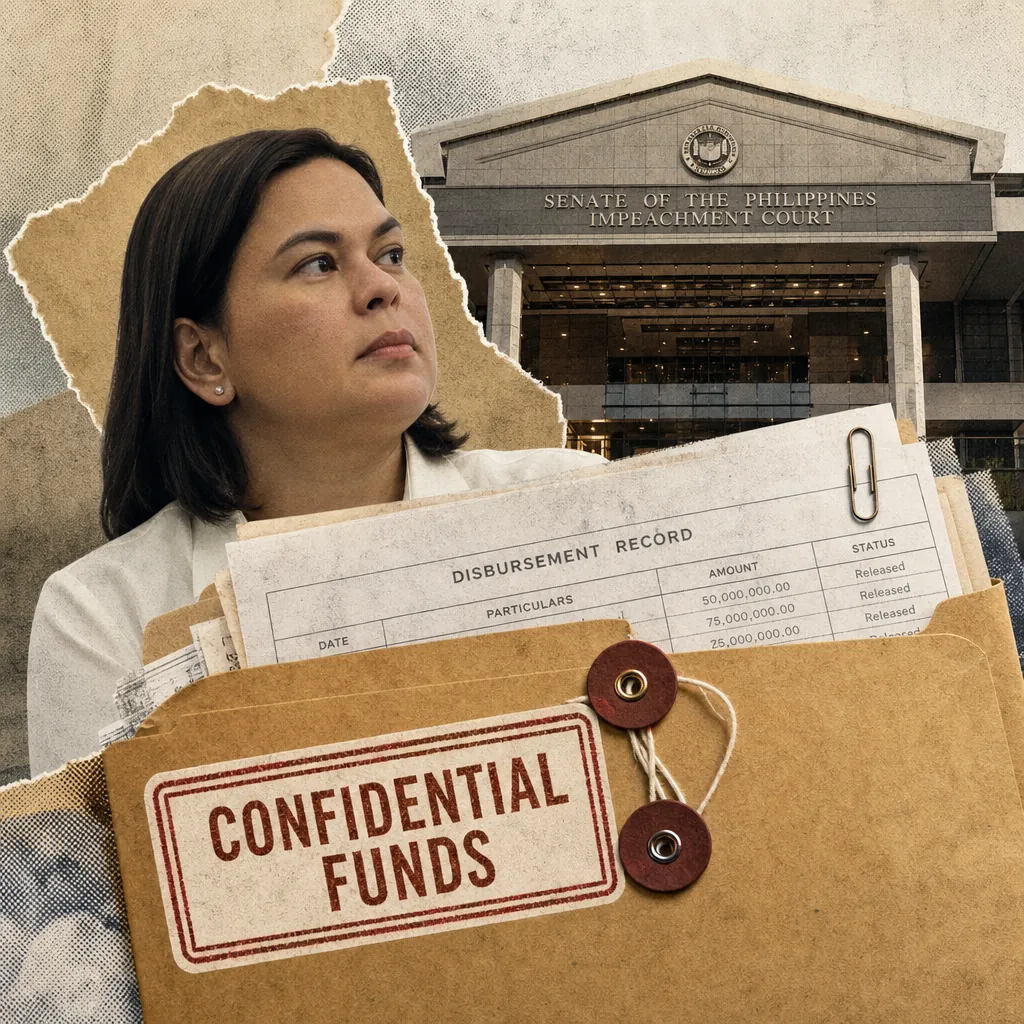
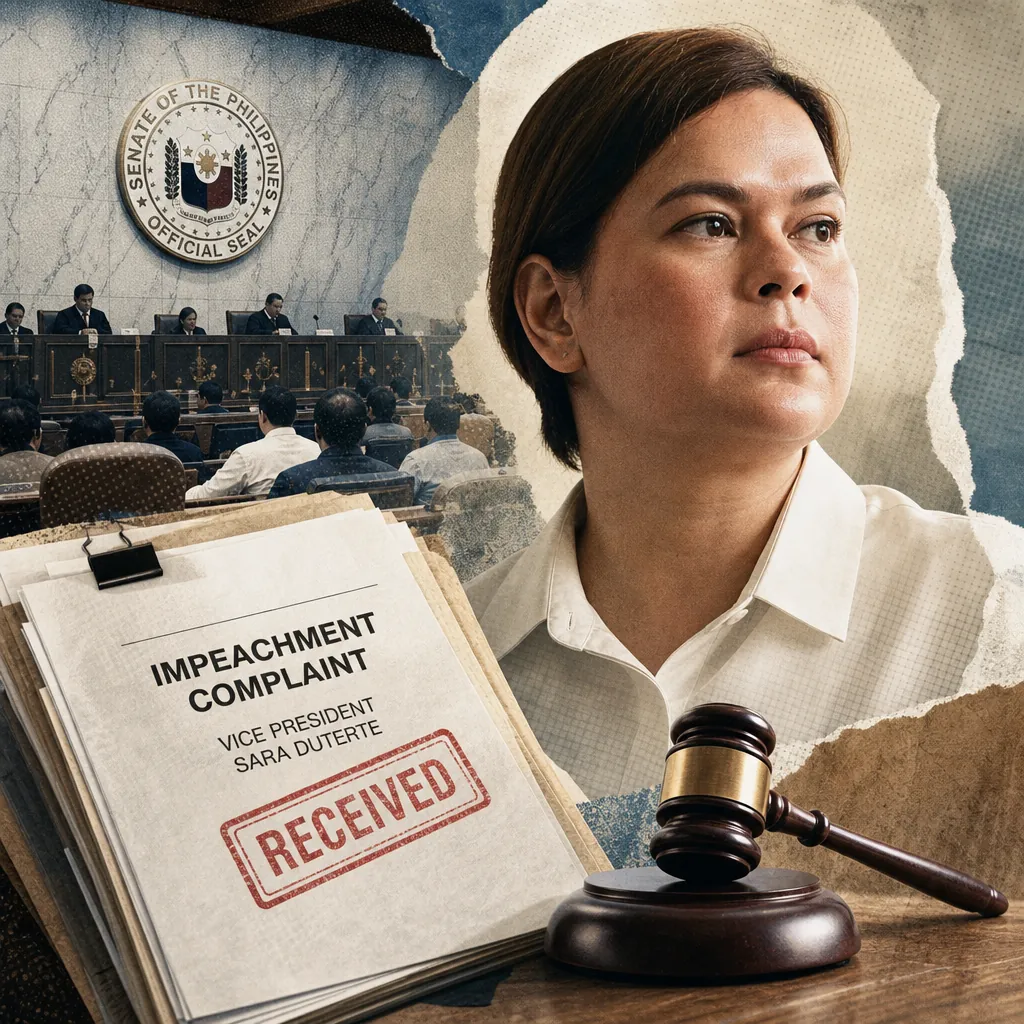
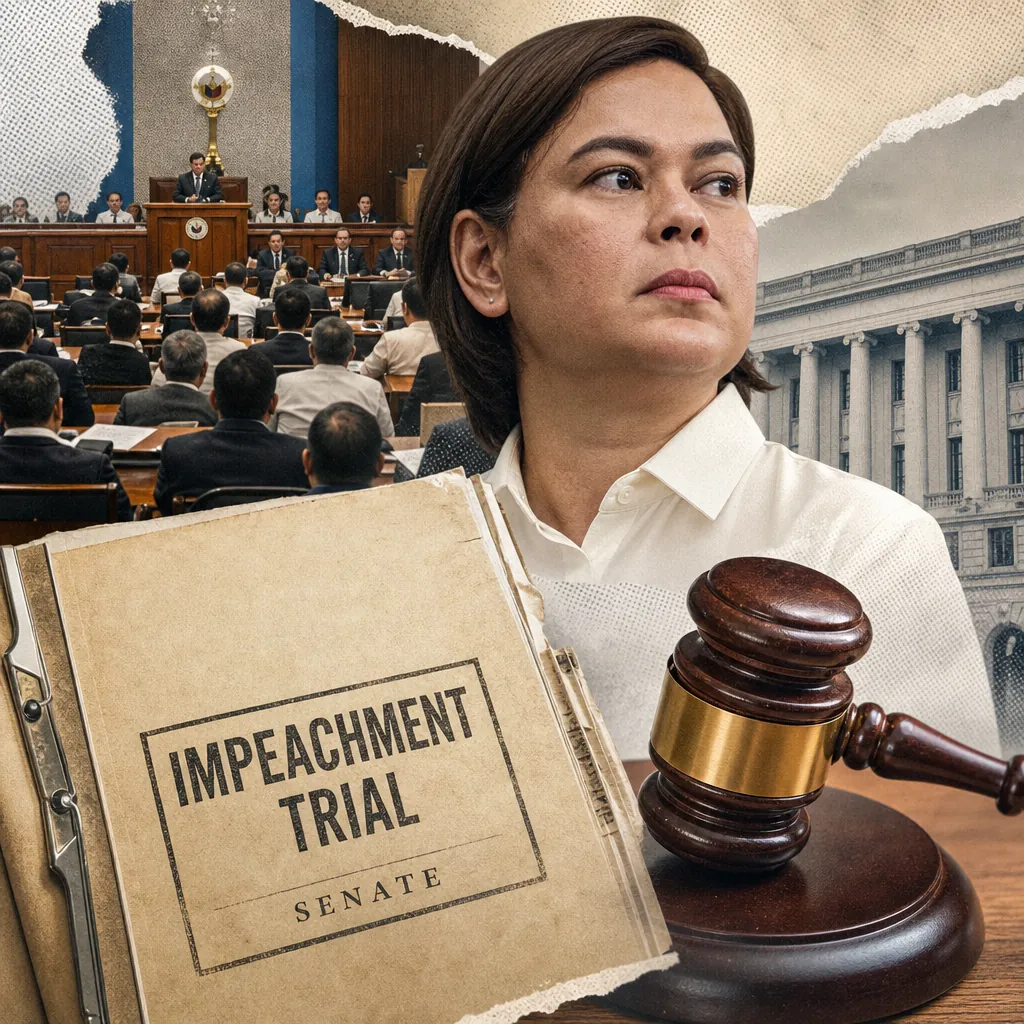
Senate elects Gatchalian, Escudero to lead as corruption scandal swirls
The Philippine Senate elected Sherwin Gatchalian as Senate President and Francis Escudero as presiding officer for VP Sara Duterte's impeachment trial, while a flood control corruption scandal and the Ateneo drowning investigation dominate public discourse.
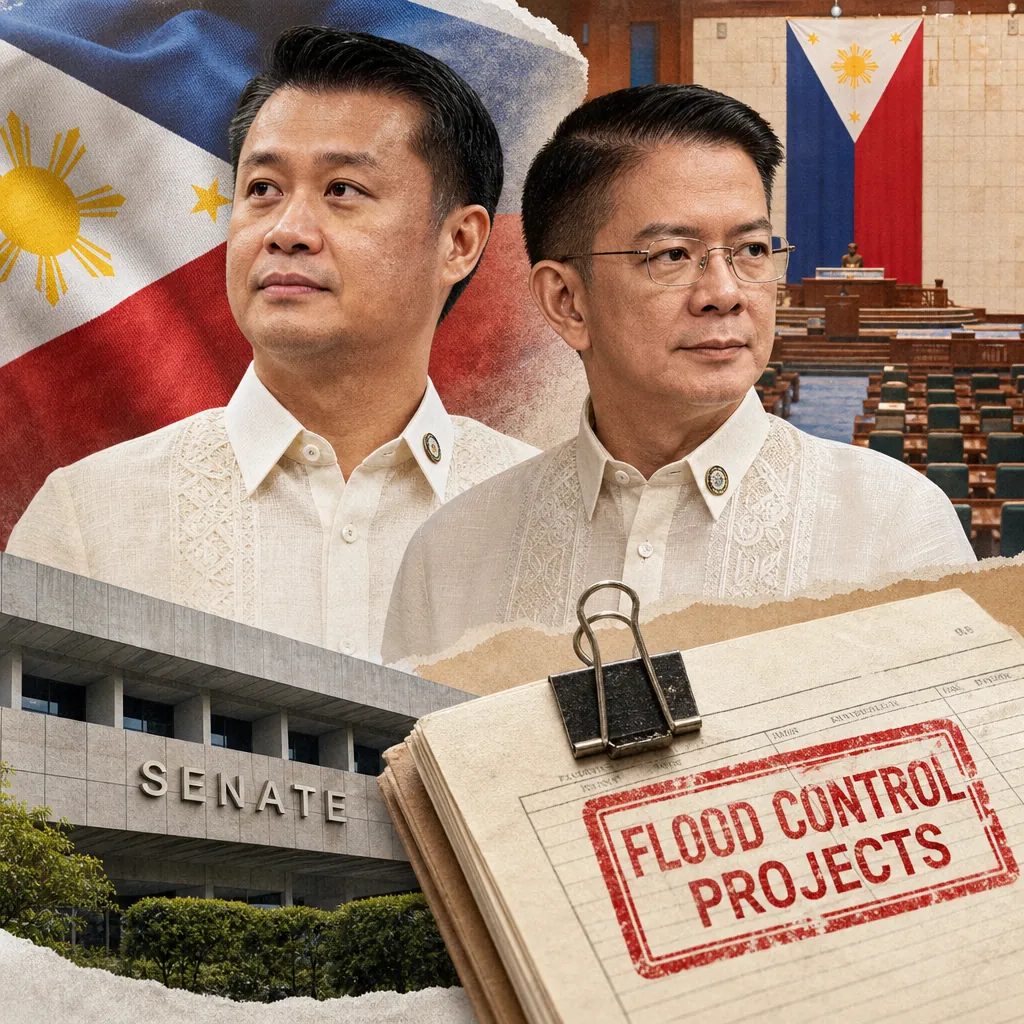
The Philippine Senate elected Sherwin Gatchalian as Senate President on June 17, 2026, after Senator Joel Villanueva defected from the Cayetano bloc to provide the decisive 13th vote needed for a quorum during a special session called by President Ferdinand Marcos Jr. The new majority bloc also selected Senator Francis "Chiz" Escudero as the presiding officer for the upcoming impeachment trial of Vice President Sara Duterte, citing his legal background and experience with prior impeachment proceedings. These developments resolved a weeks-long leadership impasse that had paralyzed legislative work, but they unfolded against a backdrop of escalating corruption allegations and a high-profile drowning investigation that continue to dominate public conversation.
Conversation snapshot. The special session and leadership change generated massive engagement across platforms. A Facebook post from news5everywhere about the proceedings accumulated 6,161 likes and 6,984 comments, with 18,230 "haha" reactions, indicating widespread public mockery of the political maneuvering. On Reddit, a post announcing Gatchalian's election received 2,282 upvotes and 110 comments. The selection of Escudero as impeachment presiding officer drew 962 "haha" reactions on one Facebook post, reflecting mixed sentiment. Meanwhile, the flood control corruption scandal continued to generate high engagement: a post about the "maleta boys" allegations against former Speaker Martin Romualdez and President Marcos received over 6,300 likes and 18,000 "haha" reactions. The Ateneo drowning investigation also drew significant attention, with a CIDG press conference video on YouTube garnering thousands of views.
Key themes
- Senate leadership consolidation: The election of Gatchalian as Senate President, with Villanueva's defection providing the 13th vote, ended a weeks-long leadership crisis. The new majority bloc quickly organized, electing Tito Sotto as Senate President Pro Tempore and Migz Zubiri as Majority Leader.
- Escudero named impeachment presiding officer: The majority bloc selected Senator Francis Escudero to preside over the impeachment trial of Vice President Sara Duterte, citing his legal expertise. This decision drew scrutiny because Escudero himself has been implicated in the flood control corruption scandal by the "maleta boys" witnesses.
- Flood control corruption scandal expands: The so-called "maleta boys" — 18 former bodyguards of fugitive ex-Representative Zaldy Co — continued to allege they delivered cash-filled suitcases to multiple high-profile officials, including former Speaker Martin Romualdez and President Marcos. The Ombudsman confirmed 209 complaints under investigation and demanded individual affidavits from the witnesses.
- Ateneo drowning investigation intensifies: The CIDG announced that the drowning of two Ateneo student-athletes was "not an accident" and that the incident occurred 300-700 meters from the resort. An immigration lookout bulletin was issued against former coach Tab Baldwin and four others.
- MRT-3 disruption sparks accountability demands: A technical issue between Buendia and Guadalupe stations caused a morning rush-hour disruption, prompting Transportation Secretary Lopez to order free rides and demand explanations from MRT-3 management and maintenance provider Sumitomo Corporation.
- DOJ clarifies Senate was "not under attack": Justice Secretary Vida announced that a DOJ panel found the Senate was not under siege during the May 13 shooting incident, contradicting earlier claims. The panel also warned that those who aided Senator Bato Dela Rosa's escape from an ICC warrant could face charges.
- Anti-political dynasty bill advances: The House of Representatives approved several priority measures during the special session, including the Anti-Political Dynasty Bill. However, House Majority Leader Sandro Marcos acknowledged the version passed "may not be the most ideal" but was the one that got the most support from lawmakers, many of whom are themselves members of political dynasties.
How the narratives stack
Dominant narrative — The Senate leadership change is the central story, with the election of Gatchalian and Escudero framed as a return to institutional order after weeks of paralysis. Mainstream media coverage emphasizes the procedural legitimacy of the special session, the 13-vote quorum, and the swift organization of the new majority. However, the overwhelming "haha" reactions on social media posts suggest the public views the political maneuvering with cynicism and amusement rather than confidence.
Counter-narrative — The Cayetano bloc continues to challenge the legitimacy of the leadership change, having filed a Supreme Court petition to nullify the June 3 reorganization. Senator Alan Peter Cayetano argued that "numbers may change, but the Constitution does not," and the bloc has threatened to hold parallel "Blue Ribbon" hearings on the flood control scandal. This counter-narrative frames the Gatchalian takeover as a power grab orchestrated by Malacañang.
Emerging narrative — The flood control corruption scandal is rapidly expanding, with the "maleta boys" allegations now directly implicating President Marcos and former Speaker Romualdez. The Ombudsman's demand for individual affidavits from the witnesses signals a more serious investigation, while the witnesses' credibility remains contested. This narrative has the potential to overshadow the leadership change if credible evidence emerges.
Suppressed narrative — The Ateneo drowning investigation, while receiving significant coverage, is being overshadowed by the political drama. The CIDG's finding that the incident was "not an accident" and the issuance of an immigration lookout bulletin against Baldwin and others suggest a potential criminal case, but public attention remains focused on the Senate and corruption scandals.
Platform insights
Facebook dominated the conversation with the highest engagement volumes. Posts from mainstream news outlets (news5everywhere, GMA News, ABS-CBN) and political pages generated tens of thousands of reactions, with "haha" reactions far outnumbering "like" or "angry" responses on most political posts. The flood control scandal posts attracted both high "haha" and "angry" counts, indicating polarized sentiment. Official government pages (PCO, PNP) received more balanced engagement but lower overall volume.
YouTube served as the platform for longer-form coverage and analysis. Videos of the special session and press conferences from ABS-CBN News, GMA News, and ANC accumulated tens of thousands of views. Commentary channels and vloggers also produced high-view content, often with partisan framing. The CIDG press conference on the Ateneo case drew significant viewership.
Twitter/X was used for real-time updates and breaking news, with news outlets and journalists providing rapid coverage of the special session and leadership change. Engagement was lower than Facebook, but the platform served as a key source for official statements and legal analysis.
Reddit provided more analytical and critical discussion, particularly on r/Philippines. Posts about the leadership change and corruption allegations received hundreds of upvotes and comments, with users expressing skepticism and demanding accountability.
Key voices and communities
Mainstream news media — Outlets like GMA News, ABS-CBN, Inquirer, Philstar, and Rappler are the primary amplifiers of both the leadership change and corruption narratives. Their coverage sets the factual baseline for the conversation, with high engagement on Facebook and YouTube. They provide balanced reporting but their editorial choices influence which stories dominate.
Political blocs and their supporters — The Gatchalian-led majority bloc and the Cayetano-led minority bloc each have dedicated online followings that amplify their respective narratives. The majority bloc emphasizes procedural legitimacy and legislative productivity, while the minority bloc frames the leadership change as illegitimate and continues to push the corruption investigation.
The "maleta boys" and their counsel — The 18 former bodyguards and their lawyer, Atty. Levito Baligod, are central to the flood control scandal narrative. Their press conferences and appearances at the Ombudsman generate high engagement, but their credibility is questioned due to inconsistent testimonies.
Investigative and regulatory authorities — The Ombudsman, CIDG, NBI, and DOLE are key institutional voices driving the corruption and drowning investigations. Their statements and actions carry significant weight and are widely reported by media.
Online public and commentators — The general public on Facebook, Reddit, and YouTube drives the emotional tone of the conversation. The dominance of "haha" reactions on political posts indicates widespread cynicism, while corruption-related posts attract both outrage and mockery.
Narrative streams
Senate leadership change and impeachment preparations
The election of Sherwin Gatchalian as Senate President on June 17, 2026, marked the resolution of a weeks-long leadership crisis that had paralyzed the Senate. The special session, called by President Marcos, achieved a quorum when Senator Joel Villanueva defected from the Cayetano bloc to provide the 13th vote. Gatchalian was elected by acclamation, and the new majority quickly organized, electing Tito Sotto as Senate President Pro Tempore and Migz Zubiri as Majority Leader.
The new majority also selected Senator Francis "Chiz" Escudero as the presiding officer for the impeachment trial of Vice President Sara Duterte, which is scheduled to begin on July 6. Senator Panfilo Lacson explained that Escudero was chosen because he is a lawyer and has experience with impeachment proceedings. However, this decision has drawn scrutiny because Escudero himself has been implicated in the flood control corruption scandal by the "maleta boys" witnesses. UST Professor Dennis Coronacion raised concerns about potential conflicts of interest, questioning whether Escudero can preside impartially over the trial while facing corruption allegations.
The Cayetano bloc, which lost the majority, has filed a Supreme Court petition challenging the legitimacy of the June 3 reorganization that led to Gatchalian's initial election as acting Senate President. The bloc has also threatened to hold parallel "Blue Ribbon" hearings on the flood control scandal, which the new majority has dismissed as unauthorized and potentially illegal.
Flood control corruption scandal
The flood control corruption scandal, centered on allegations from 18 former bodyguards of fugitive ex-Representative Zaldy Co, continues to expand. The witnesses, known as the "maleta boys," claim they delivered cash-filled suitcases to multiple high-profile officials, including former Speaker Martin Romualdez and President Ferdinand Marcos Jr. The Ombudsman has confirmed that 209 complaints are under investigation and has demanded that the witnesses submit individual affidavits rather than the joint affidavit they previously provided.
The scandal has generated intense public engagement, with one Facebook post about the allegations receiving over 6,300 likes and 18,000 "haha" reactions, indicating both interest and mockery. The witnesses' credibility has been questioned, with a UP law professor noting inconsistencies in their testimonies. Senator Erwin Tulfo, who was himself named in the allegations, has recused himself from the investigation and threatened to file usurpation of authority charges against those involved in organizing parallel hearings.
Ateneo drowning investigation
The drowning of two Ateneo de Manila University student-athletes, Rene Baterbonia and Divine Adili, during a team-building exercise on June 8 continues to generate significant coverage. The CIDG announced on June 17 that its investigation indicates the incident was "not an accident" and that it occurred 300-700 meters from the resort where the team was staying. An immigration lookout bulletin has been issued against former head coach Tab Baldwin, former team manager Christopher Quimpo, and three assistant coaches.
The CIDG has also stated that first responders will be summoned, as there are allegations that Adili still had a pulse when he was pulled from the water. The investigation is being conducted under the Anti-Hazing Act of 2018, which could apply beyond fraternities to any organization requiring membership. Senator JV Ejercito has filed a bill to hold schools and coaches legally responsible for student-athlete safety.
MRT-3 disruption and accountability
A technical issue on the MRT-3 line between Buendia and Guadalupe stations caused a morning rush-hour disruption on June 17, with provisional service implemented from 5:50 a.m. to around 7 a.m. Transportation Secretary Banoy Lopez ordered free rides for the entire day as an apology and demanded explanations from MRT-3 General Manager Michael Capati and maintenance provider Sumitomo Corporation within 24 hours. The cost of the free rides will be charged to Sumitomo.
Public reaction was heavily sarcastic, with one Facebook post about the free rides receiving 735 "haha" reactions, indicating that commuters viewed the gesture as insufficient. The incident highlights ongoing concerns about the reliability of the MRT-3 system despite rehabilitation efforts.
DOJ clarifies Senate "not under attack"
Justice Secretary Fredderick Vida announced on June 17 that a DOJ panel of prosecutors has determined that the Senate was not under siege during the May 13 shooting incident. The panel found that the actions of the Senate Office of the Sergeant-at-Arms against NBI personnel were "unjustified." Vida also warned that those who aided Senator Ronald "Bato" Dela Rosa in evading arrest after the unsealing of an ICC warrant could face legal consequences.
Conversation trajectory
The conversation is likely to evolve along several tracks over the next 4-6 weeks. The Senate leadership change is expected to consolidate, with the new majority focusing on legislative productivity and the impeachment trial preparations. However, the Cayetano bloc's Supreme Court petition introduces legal uncertainty that could prolong the leadership dispute.
The flood control corruption scandal is expected to intensify as the Ombudsman's investigation progresses and more witnesses potentially come forward. The demand for individual affidavits from the "maleta boys" will test the credibility of their allegations. If credible evidence emerges, the scandal could directly threaten the administration's anti-corruption messaging and the "Build Better More" infrastructure agenda.
The Ateneo drowning investigation will likely lead to formal charges if the CIDG's finding of "not an accident" is substantiated. The immigration lookout bulletin against Baldwin and others suggests that authorities are taking the case seriously.
The MRT-3 disruption, while a single incident, could become a recurring narrative if further technical issues occur, potentially undermining public confidence in the government's infrastructure modernization efforts.
Key trigger events that will reshape the conversation include: the Supreme Court's ruling on the Cayetano bloc's petition (expected within 30-60 days); the start of the impeachment trial on July 6; the Ombudsman's submission of its fact-finding report on the flood control complaints; and any further developments in the Ateneo drowning case, such as the filing of charges.
Response guidance
For communicators tracking these issues, the following approaches are recommended:
Platform-specific approaches:
- Facebook: Use visual explainers and infographics to clarify procedural developments, such as the Senate leadership change and the impeachment trial process. Deploy "myth vs. fact" posts to counter misinformation about the corruption allegations. Amplify neutral explainer videos from trusted news sources.
- Twitter/X: Post short threads summarizing key legal precedents and procedural updates. Use a dedicated hashtag (e.g., #SenateFacts) to aggregate official information. Engage with influencers who share factual breakdowns.
- YouTube: Publish short explainer videos featuring legal or political experts discussing the separation of powers and the role of the Supreme Court. Create a "Know Your Senate" series that breaks down committee jurisdictions and proper investigative processes.
- Reddit: Monitor threads in major Philippine subreddits and provide factual, non-partisan responses to common questions. Share links to official statements from the Senate and Ombudsman to counter speculative narratives.
Key messages:
- "The Senate leadership change followed constitutional procedures: a special session was called, quorum was achieved with 13 senators present, and a vote was conducted."
- "The Supreme Court will decide any legal questions regarding the leadership transition, ensuring that the rule of law guides the Senate."
- "Legitimate investigations into flood control anomalies are ongoing through the official Blue Ribbon Committee and the Ombudsman."
- "The impeachment trial of Vice President Sara Duterte will be presided over by a qualified senator-lawyer, ensuring due process for all parties."
Sensitive topics to navigate:
- The legitimacy of the Senate leadership change: Avoid declaring one side "right" or "wrong"; emphasize that the matter is before the Supreme Court.
- The credibility of the "maleta boys" allegations: Acknowledge the importance of due process and urge the Ombudsman to complete its fact-finding before drawing conclusions.
- The impartiality of the impeachment trial: Given Escudero's implication in the corruption scandal, emphasize that he can recuse himself if conflicts arise and that the trial will follow Senate rules.
See the full picture behind today's signals.
This report draws from Media Meter's MediaWatch, our real-time monitoring engine tracking 2,470+ Philippine sources across print, broadcast, digital, and social. Explore how the platform turns raw coverage into decision-grade intelligence, then see how it's configured for teams like yours — whether you're in PR agencies, corporate comms, government, or marketing.
Want more? Browse our Report Library for sector and crisis intelligence, or request a demo and we'll have your brand set up before the call.
Want this kind of intelligence on your brand?
This brief is built on the same MediaWatch methodology that runs continuously across every brand we monitor. See your competitive landscape, Impact Score, and narrative trajectory in a 30-minute demo.