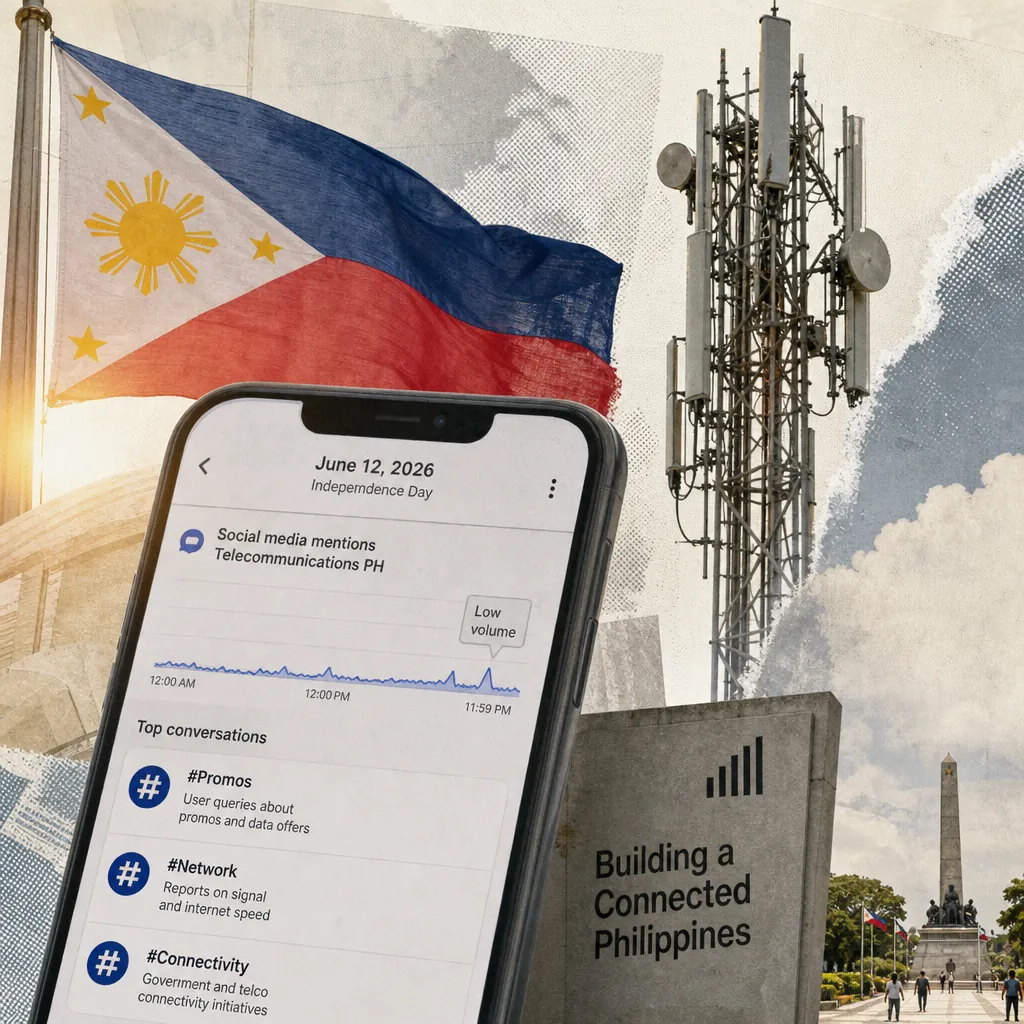
Telcos race to restore connectivity after Mindanao quake
Following the magnitude 7.8 earthquake in Mindanao, Philippine telcos are restoring services and deploying relief. The conversation highlights network resilience, CSR efforts, and emerging consumer concerns about SIM deactivation and data plan restrictions.
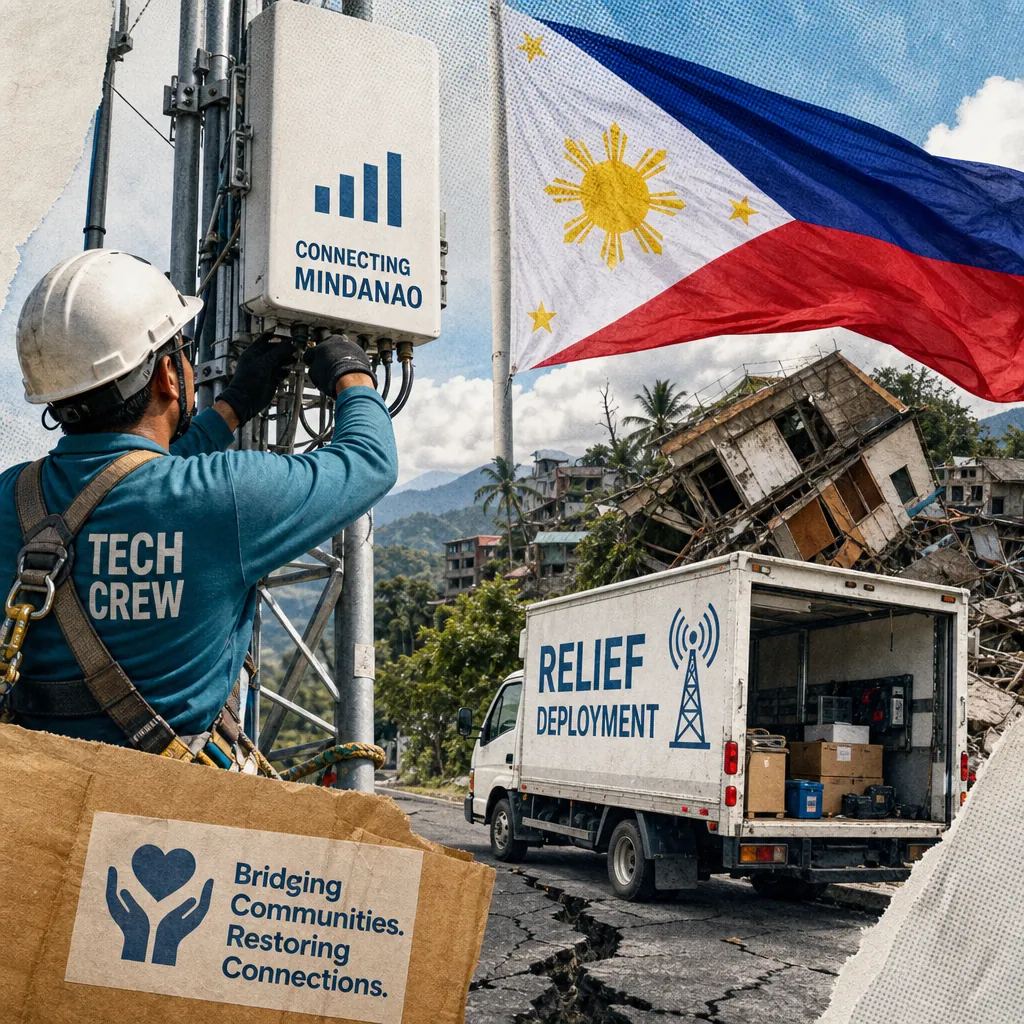
The conversation around Philippine telecommunications this week is dominated by two distinct threads: the industry's response to the magnitude 7.8 earthquake that struck Mindanao on June 8, and a parallel set of consumer frustrations around SIM deactivation, data plan restrictions, and payment channel changes. The earthquake response has generated positive coverage for major telcos, while the consumer issues simmer on Reddit and Facebook, creating a mixed picture for the sector.
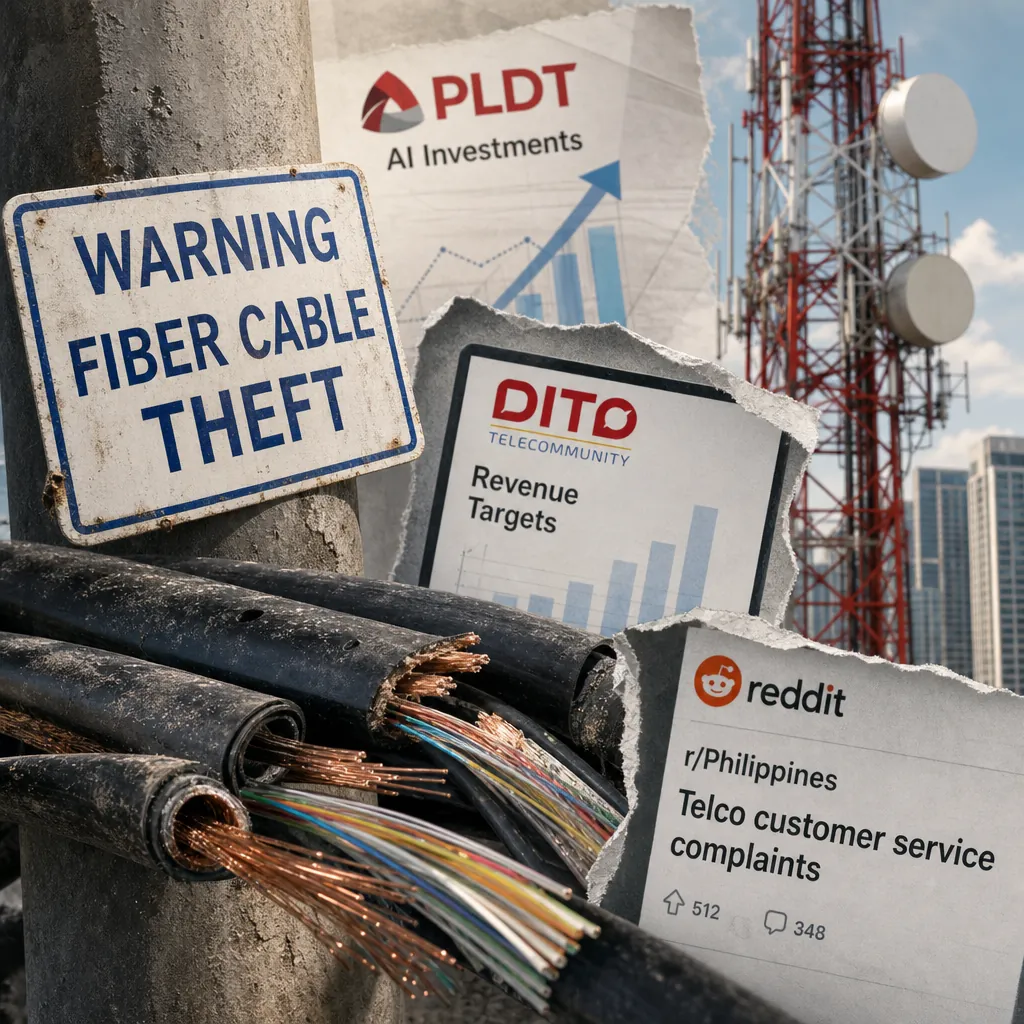
Conversation snapshot. The earthquake response narrative is led by official announcements from Globe Telecom, PLDT, and DITO Telecommunity. Globe's announcement that it had restored services in 31 of 32 affected municipalities drew 822 views on Twitter and 2 likes, with no comments. PLDT's deployment of free WiFi hubs and Starlink satellite broadband in affected areas was covered by multiple news outlets, including the Daily Tribune and Insider Ph. DITO's "Tulong Tulong DITO" initiative offering free WiFi, calls, and charging services in General Santos City was reported by the Inquirer. A separate DITO Facebook post celebrating an Opensignal recognition for fast mobile connections garnered 83 likes, 45 love reactions, and 82 comments, indicating strong community engagement. Meanwhile, consumer complaints on Reddit about SIM deactivation for inactivity and data plan restrictions received modest but focused engagement, with one thread on a Smart SIM used for OTPs getting 2 upvotes and 4 comments.
Key themes
- Network restoration as a competitive metric. Globe's near-complete restoration (31 of 32 municipalities) sets a benchmark that invites comparison with PLDT and DITO. PLDT's use of Starlink satellite broadband for backup connectivity highlights a technological differentiator. DITO's 100% restoration claim and free services add a third competitive angle.
- Corporate social responsibility as brand builder. The MVP Group (PLDT, Smart, Meralco) and Globe both activated relief operations, distributing food, water, and generators. GMA Kapuso Foundation also delivered aid. These efforts generate positive sentiment but risk being under-amplified if not actively promoted.
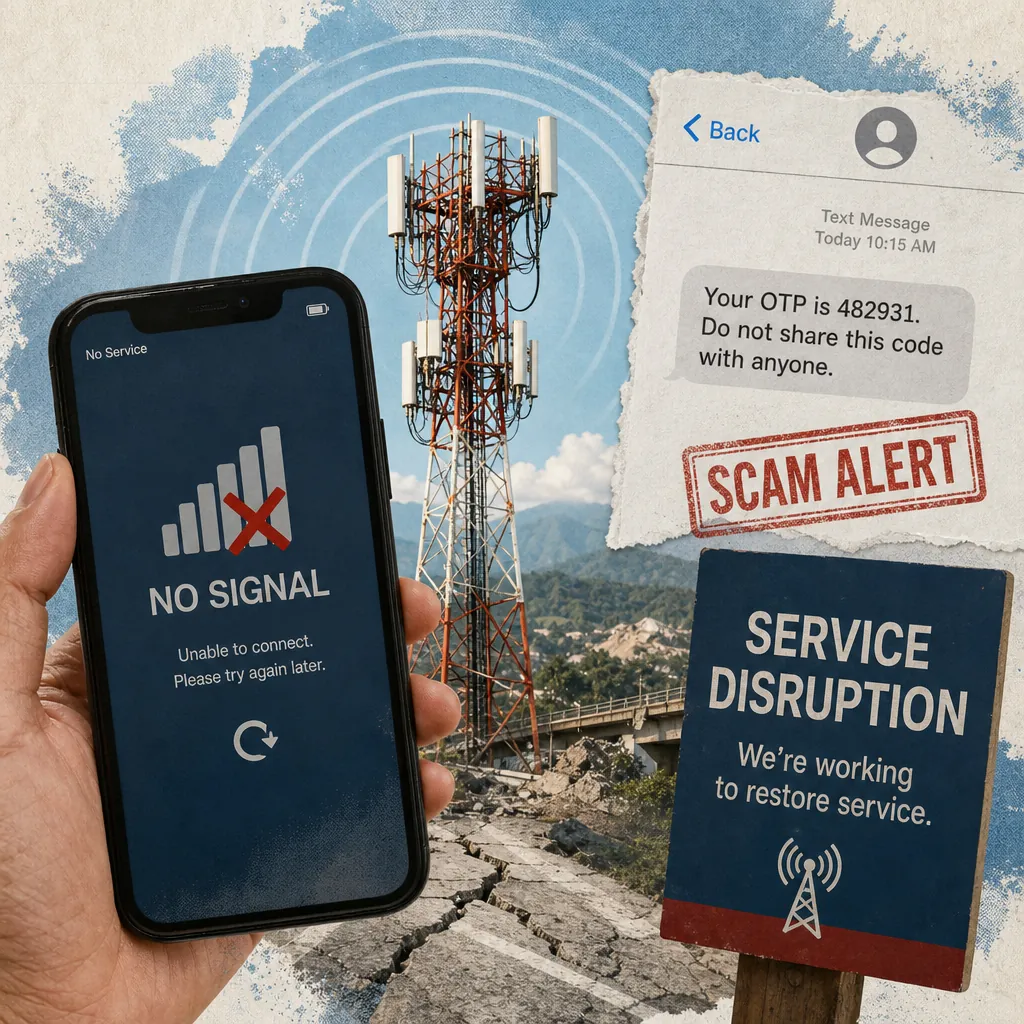
- SIM deactivation anxiety. A Reddit user reported that a Smart SIM used solely for receiving OTPs from GCash and Metrobank was deactivated after a period of inactivity, displaying "For emergency calls only". This highlights an unintended consequence of SIM Registration Act compliance: users who maintain secondary SIMs for security lose access to financial services without warning.
- Data plan and device restrictions. Users are actively comparing Smart 5G Max Home WiFi (speed cap) and Globe at Home 5G (geo-lock), seeking peer advice before committing. Another user asked whether loading Magic Data (intended for regular SIMs) onto a Rocket SIM would trigger a block, reflecting confusion over product compatibility.
- Payment channel friction. A Lazada Wallet user complained that the wallet was disabled for purchasing digital goods like mobile loads, after previously using it to buy Smart and Globe load. This signals a broader shift in e-commerce payment policies that directly affects how users top up.
- DITO's growing brand presence. DITO's Opensignal recognition post generated high engagement (83 likes, 45 loves, 82 comments), suggesting the brand is building a positive reputation. A Shopee promo offering up to 15% off also drew 16 comments, indicating interest in value-driven offers.
- Government and regulatory backdrop. The Department of Energy reported extended power plant repairs contributing to Visayas power shortages. The House website was defaced by hackers, following a similar attack on the Senate website. These events create a broader context of infrastructure and cybersecurity challenges.
How the narratives stack
Dominant narrative. The primary story is that Philippine telcos are responding effectively to the Mindanao earthquake, restoring services quickly and providing humanitarian aid. Globe's 31-of-32 restoration, PLDT's Starlink deployment, and DITO's free services all reinforce a narrative of industry competence and social responsibility. This is the story most readers would recognize from news coverage.
Counter-narrative. Beneath the positive headlines, consumer frustrations persist. SIM deactivation for inactivity is causing real harm to users who rely on secondary SIMs for banking OTPs. Data plan restrictions (speed caps, geo-locks) and payment channel closures are eroding trust. These issues are not yet breaking into mainstream news but are actively discussed on Reddit and Facebook.
Emerging narrative. DITO is positioning itself as a credible third player, leveraging independent awards and e-commerce partnerships to build brand recognition. The Opensignal recognition post's high engagement suggests that consumers are receptive to DITO's messaging. If DITO can maintain this momentum, it could shift the competitive dynamics in the Philippine telco market.
Suppressed narrative. The long-term implications of SIM Registration Act enforcement on financial inclusion are under-covered. Users losing access to banking and e-wallet services because of SIM deactivation is a significant issue that affects millions of Filipinos who maintain secondary SIMs for security. This story deserves more attention from regulators and the media.
Platform insights
Facebook remains the primary platform for official announcements and positive brand messaging. DITO's Opensignal post and Globe's restoration updates both performed well, with high engagement on DITO's post suggesting strong community responsiveness. Facebook is also where consumer complaints surface, though they are less visible than on Reddit.
Reddit is the go-to platform for detailed troubleshooting and experience-sharing. Threads on SIM deactivation, data plan comparisons, and load compatibility receive modest upvotes but generate focused discussion. Reddit users are more likely to share technical details and escalate issues to regulators (e.g., NTC, 8888 hotline).
Twitter serves as a real-time news feed for restoration updates and official statements. Globe's restoration tweet had 822 views but low engagement, indicating that Twitter is used for information consumption rather than discussion in this context.
YouTube is used for longer-form content like relief operation videos, but engagement is low. The MVP Group's aid video had only 38 views, suggesting that video content is not the primary channel for disaster response updates.
Key voices and communities
Official telco accounts (Globe, PLDT, DITO). These are the primary sources of restoration updates and CSR messaging. Their posts generate moderate to high engagement and set the narrative tone. DITO's Opensignal post is particularly notable for its high comment count, indicating active audience interaction.
News media (GMA News, Inquirer, ABS-CBN, Daily Tribune). These outlets amplify telco announcements and provide independent coverage. GMA News' tweet on Globe's restoration was the most-viewed post in the dataset. News media lend credibility and reach to telco narratives.
Consumer advocates and affected users on Reddit. Individual users posting about SIM deactivation, data plan restrictions, and payment friction represent a vocal and technically literate segment. Their posts may have low upvotes but carry high relevance for customer retention and regulatory compliance.
Government agencies (NDRRMC, DICT, DOE). These entities provide the broader disaster response context. The NDRRMC's updated casualty figures (46 confirmed dead, 38 missing) and the DOE's explanation of power shortages shape the environment in which telcos operate.
Narrative streams
Earthquake response and network restoration
Globe Telecom announced on June 11 that it had restored services in 31 of 32 affected municipalities across Southern Mindanao, with full restoration in seven provinces. The company also activated free call, charging, and WiFi sites in General Santos City. PLDT, through its enterprise unit, deployed free WiFi hubs in General Santos City, Sarangani, Glan, Jose Abad Santos, and parts of Davao Occidental, and installed Starlink broadband facilities in key government offices and hospitals in partnership with the Department of Information and Communications Technology (DICT). DITO Telecommunity reported 100% network restoration and launched "Tulong Tulong DITO," offering free WiFi, calls, and charging services in General Santos City. The National Disaster Risk Reduction and Management Council (NDRRMC) reported 46 confirmed deaths, 688 injuries, and 38 missing as of June 12.
This narrative positions telcos as critical infrastructure providers and community partners. The use of Starlink satellite broadband by PLDT is particularly noteworthy, as it highlights the growing role of satellite connectivity as a backup during disasters. The free WiFi services are open to all mobile users, regardless of network provider, which fosters goodwill and cross-brand cooperation.
Consumer frustrations: SIM deactivation and data plan restrictions
On Reddit, a user reported that a Smart SIM used exclusively for receiving OTPs from GCash and Metrobank was deactivated after a period of inactivity, displaying "For emergency calls only". The user expressed panic because they needed urgent access to their GCash account. This thread received 2 upvotes and 4 comments, with replies likely advising the user to visit a Smart branch or request a replacement SIM. Another user asked whether loading Magic Data (intended for regular SIMs) onto a Rocket SIM would result in a block, reflecting confusion over product compatibility. A third user compared Smart 5G Max Home WiFi (speed cap) and Globe at Home 5G (geo-lock), seeking community feedback before purchasing.
These posts highlight a growing consumer literacy about telco fine print and a willingness to seek peer validation before committing to plans. The SIM deactivation issue is particularly concerning because it directly impacts access to financial services, a critical vulnerability in an increasingly digital economy.
DITO's brand-building through awards and promotions
DITO Telecommunity celebrated an Opensignal recognition for "delivering faster mobile connections for everyday use across the Philippines" with a Facebook post that garnered 83 likes, 45 love reactions, 34 haha reactions, and 82 comments. The high comment count suggests active audience engagement, including questions, praises, and possibly service-related inquiries. The presence of 6 angry reactions hints at some dissatisfaction even amidst positive framing. DITO also promoted a Shopee Payday sale offering up to 15% off and free shipping on DITO products from June 13-15, which received 2 likes, 11 shares, and 16 comments.
DITO's strategy of combining independent validation (Opensignal) with e-commerce partnerships (Shopee) is building brand recognition and trust. The high engagement on the Opensignal post indicates that consumers are receptive to DITO's messaging, which could shift competitive dynamics if sustained.
Broader context: power shortages, cybersecurity, and regulatory actions
The Department of Energy (DOE) reported that extended repairs of three major power generation facilities in the Visayas contributed to the region's power shortage, resulting in yellow and red alerts and rotational brownouts. This context is relevant because power outages directly affect telco network performance and the ability of users to charge devices and stay connected.
The House of Representatives website was defaced by hackers on June 13, just days after the Senate website was similarly attacked. The hackers claimed responsibility in protest against government corruption. This cybersecurity incident underscores the vulnerability of government digital infrastructure and may prompt discussions about network security and data privacy.
In a separate development, Cainta Mayor Keith Nieto cracked down on unauthorized road excavations by utility companies, including PLDT, after encountering Manila Water workers without permits. This local regulatory action highlights the operational challenges telcos face in deploying and maintaining infrastructure.
Conversation trajectory
The earthquake response narrative will likely peak within the next 7-10 days as full service restoration is achieved and relief operations wind down. Expect intensified discussion around the single municipality where Globe has not yet restored services, and comparisons between telcos on recovery speed and CSR impact. The use of Starlink by PLDT may become a talking point for satellite broadband's role in disaster resilience.
The SIM deactivation and data plan restriction threads are likely to grow over the next 2-4 weeks as more users discover their secondary SIMs no longer work. This could escalate into a broader conversation about financial inclusion and regulatory oversight. The upcoming SIM Registration Act anniversary (end of July) may trigger renewed attention to these issues.
DITO's brand-building momentum could accelerate if the company continues to leverage awards and promotions. The Opensignal recognition post's high engagement suggests that consumers are open to considering DITO as a viable alternative to the duopoly. However, DITO must ensure that its network performance matches its marketing claims to avoid backlash.
Key trigger events that will reshape the conversation include: full service restoration announcements for the final affected municipality, any new aftershocks or secondary disasters, the release of post-disaster network performance reports, and any regulatory actions on SIM deactivation policies. The start of the impeachment trial of Vice President Sara Duterte on July 6 may also divert public attention away from telco issues.
Response guidance
Platform approaches. On Facebook, telcos should continue to share restoration milestones and relief updates with visual content (photos, short videos) to humanize the response. On Reddit, proactive engagement with troubleshooting threads can build trust and reduce misinformation. A dedicated FAQ on SIM reactivation procedures and data plan compatibility would address the most common consumer concerns. On Twitter, real-time updates on restoration progress and service alerts are most effective.
Key messages. Emphasize transparency in restoration timelines and acknowledge remaining gaps without making excuses. Highlight the use of innovative technologies like Starlink for disaster resilience. For SIM deactivation concerns, provide clear guidance on reactivation procedures and grace periods. For data plan restrictions, offer transparent comparisons of plan features to help consumers make informed choices.
Sensitive topics to navigate. Avoid competitive comparisons that disparage other telcos; focus on own achievements. When addressing SIM deactivation, avoid blaming users for inactivity; instead, frame it as a compliance requirement and offer solutions. For data plan restrictions, be transparent about speed caps and geo-locks rather than using vague language.
Response priorities. Within 48 hours, publish a clear guide on SIM reactivation and replacement procedures for users who have lost OTP access. Within 5-7 days, develop a comparative content series that transparently explains the trade-offs between different 5G home WiFi plans. Continue to amplify earthquake response narratives with localized content showing specific communities reconnected.
See the full picture behind today's signals.
This report draws from Media Meter's MediaWatch, our real-time monitoring engine tracking 2,470+ Philippine sources across print, broadcast, digital, and social. Explore how the platform turns raw coverage into decision-grade intelligence, then see how it's configured for teams like yours — whether you're in PR agencies, corporate comms, government, or marketing.
Want more? Browse our Report Library for sector and crisis intelligence, or request a demo and we'll have your brand set up before the call.
Want this kind of intelligence on your brand?
This brief is built on the same MediaWatch methodology that runs continuously across every brand we monitor. See your competitive landscape, Impact Score, and narrative trajectory in a 30-minute demo.