Traffic enforcer killed in Cavite; manhunt on
A traffic enforcer was shot dead in Cavite after refusing to release an impounded motorcycle, sparking massive public outrage and a manhunt. The incident has ignited debates on enforcement, rider compliance, and safety.
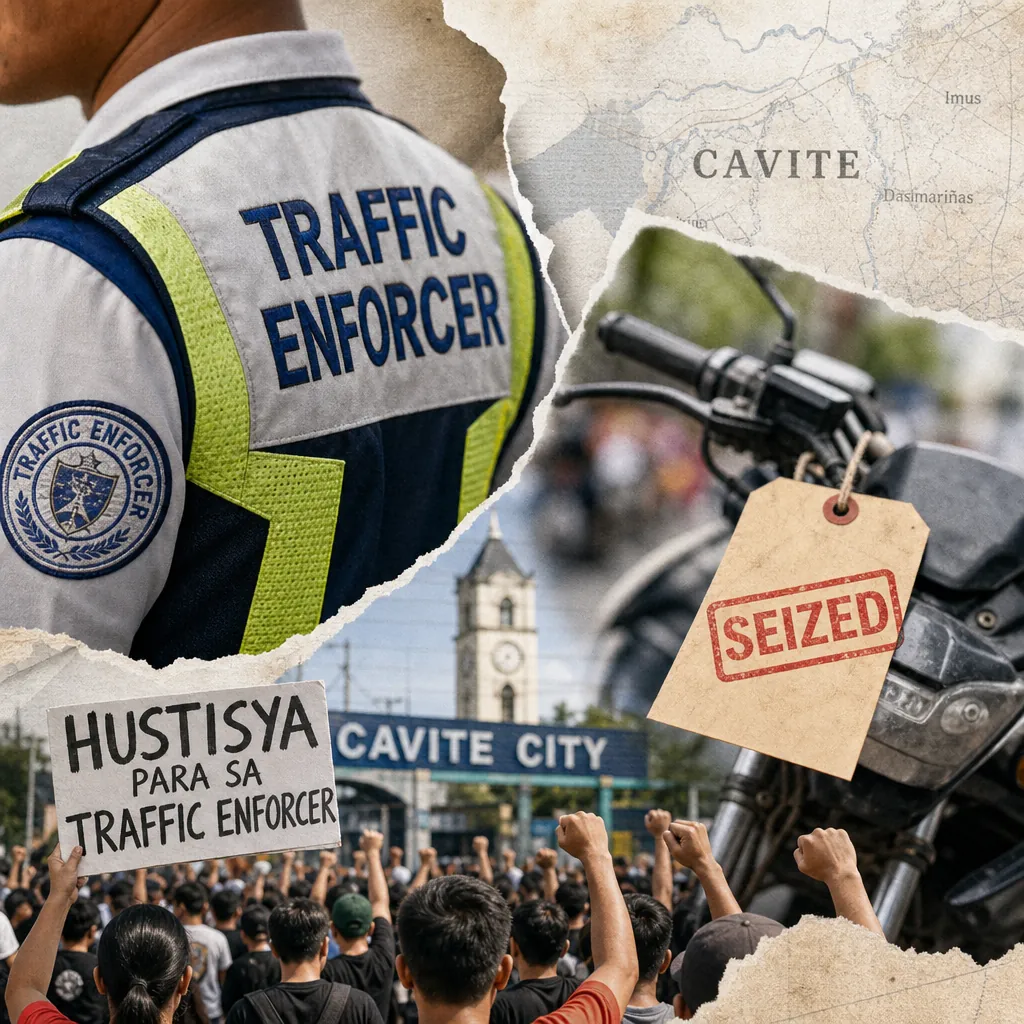
The killing of a traffic enforcer in Dasmariñas City, Cavite, has dominated public conversation, drawing an outpouring of grief and anger that has spread across social media and broadcast news. The incident began on the evening of August 9, when the Cavite Police Provincial Office released an official statement detailing the fatal shooting. The victim, identified only by the alias "Rans," had impounded a Yamaha Mio Soul 125 motorcycle for traffic violations—the riders were not wearing helmets, the registration had expired, and the driver had no valid license. When the suspect, alias "Cezar," demanded the motorcycle's release, the enforcer refused. The suspect then drew a firearm and shot the enforcer, who later died. The suspect fled and remains at large, with a manhunt underway.
The initial police press release drew 305 likes and 225 sad reactions on Facebook, signaling immediate public sympathy for the victim and anger at the circumstances. The story gained significant momentum on August 11 when ABS-CBN News posted an exclusive TV Patrol segment with the headline "Traffic enforcer patay matapos barilin ng sinitang rider," which accumulated over 19,000 views and 168 likes on YouTube, while the corresponding Facebook post generated a massive 14,606 likes and 743 shares. The comments section on that post reached 1,855 responses, heavily focused on the perceived injustice of killing an enforcer over a traffic violation. News5's Frontline Pilipinas and One PH also covered the story, each drawing hundreds of viewers and comments.
A critical sub-thread emerged from a post by "Rex B. Molines" on August 10, which recapped the details in Filipino and noted the expired registration and missing driver's license that triggered the impoundment, drawing 18 sad and 4 angry reactions. This post broadened accessibility and invited more local engagement, shifting some public sympathy toward the legitimacy of the enforcement action, though the majority still favored the victim. The MMDA's routine road clearing operations post on August 11, which reported 55 apprehensions and 14 towed vehicles in Pasay and Parañaque, provided a stark contrast to the Cavite incident, illustrating the everyday enforcement context that can escalate into extreme violence when motorists resist authority.
The dominant emotional response across platforms is grief and anger. The official police press release alone registered 225 sad reactions and 16 care reactions, while public commentary largely frames the incident as an escalation of tensions between motorists and enforcers over impounding procedures. The police provincial director, PCOL ARIEL R. RED, stated, "We strongly condemn this senseless act of violence against a traffic enforcer who was simply performing his lawful duty," and pledged, "we will find you, we will hold you accountable, and we will ensure that justice is served." The public response to this theme was largely one of skepticism about the speed of apprehension, with users demanding immediate results from law enforcement. By August 11, no arrest had been reported, and the lack of an update became a secondary point of frustration in the comments.
Key themes
- Immediate Outrage and Condemnation: The initial police press release established the core facts, and the public response was overwhelmingly sympathetic to the enforcer. The emotional peak occurred when ABS-CBN's exclusive report went live, with 1,855 comments on that single post overwhelming the earlier police channel engagement, demonstrating that mainstream media coverage is the primary driver of public conversation in this type of incident.
- Motorcycle Impoundment Debate as Context: As broadcast coverage expanded, commenters began scrutinizing the enforcement actions that led to the shooting. The verified details from the police report—the riders not wearing helmets, the expired registration, and the lack of a valid driver's license—became central to the discussion. This theme evolved into a public safety dialogue by August 11, particularly when contrasted with the MMDA's report of 55 apprehensions and 14 towed vehicles the same day, highlighting the daily risks faced by traffic enforcers across the country.
- The Manhunt and Justice Narrative: The police press release explicitly framed the incident as a challenge to the rule of law, with PCOL RED pledging relentless pursuit. This narrative thread was carried through the broadcast coverage, as both TV Patrol and Frontline Pilipinas featured the ongoing manhunt as a key element of their reports. The public response was largely one of skepticism about the speed of apprehension, with users demanding immediate results from law enforcement.
- Brand Association Risk for Motorcycle Manufacturers: The suspect was riding a Yamaha Mio Soul 125, a popular entry-level scooter model, and the vehicle's registration had expired—details that have been highlighted across multiple news reports and official police statements. While no direct blame has been directed at manufacturers in the current conversation, the incident reinforces a broader public narrative about motorcycle riders being disproportionately targeted by enforcement, which could affect community sentiment toward motorcycle ownership and usage.
- Enforcement Intensity and Public Frustration: The incident occurred against the backdrop of ongoing road clearing operations by the MMDA in Metro Manila, with 55 apprehensions and 14 vehicle impoundments in a single day across Pasay and Parañaque, indicating that enforcement intensity is already high and public frustration may be simmering. This context suggests that the Dasmariñas incident could trigger wider public discourse on impounding policies, potential abuse of authority, or calls for reform in traffic enforcement procedures.
- Sympathy for Enforcement Personnel: The killing of a traffic enforcer performing routine duties is generating significant public empathy, evidenced by the high ratio of "sad" to "angry" reactions on official police posts (225 sad versus 1 angry on the primary release). This sentiment trajectory suggests an opportunity for institutional messaging from LTO and related agencies, but also a risk if the conversation shifts toward questioning whether enforcement operations are adequately protected or whether impoundment procedures create unnecessary confrontation.
- Motorcycle Rider Community Defensive Narrative Emerging: While mainstream coverage frames the incident as unjustified violence, motorcycle-focused online communities are beginning to question enforcement practices, particularly around helmet laws, registration verification, and impoundment procedures. The suspect's initial violation (no helmet, expired registration, no license) has become a flashpoint for debates about whether enforcement disproportionately targets motorcycle riders versus four-wheel vehicles.
- Amplification Through Mainstream Media and Political Discourse: The incident has been picked up by major networks with substantial viewership (nearly 20,000 views on one segment alone), creating a multiplier effect that will likely draw commentary from transport advocates and local politicians. This trajectory suggests the story may converge with the broader PUV modernization debate, potentially linking motorcycle safety issues to legislative discussions about traffic code reforms and enforcer training programs.
How the narratives stack
Dominant: The dominant narrative is the tragic killing of a traffic enforcer and the public's grief and anger over the violence. This is evidenced by the massive engagement on ABS-CBN's Facebook post, with 14,606 likes and 1,855 comments, and the high ratio of sad reactions on official police posts. The story has been amplified by at least two major television networks' online platforms, with combined video views exceeding 27,000 within 24 hours, indicating substantial reach beyond the initial Facebook posts. Within the captured set, this story clearly dominates, with the ABS-CBN post alone generating more engagement than any other item.
Counter-narrative: A counter-narrative is emerging from motorcycle rider communities and some commenters who question the severity of the impoundment decision and whether enforcement disproportionately targets riders. The suspect's initial violations—no helmet, expired registration, no license—have become a flashpoint for debates about enforcement practices. While this narrative is not yet as prominent as the dominant grief-and-anger frame, it is gaining traction in comment sections and could expand significantly over the coming weeks as video reactions and opinion pieces emerge.
Emerging: An emerging narrative is the broader discussion about traffic enforcer safety and the risks they face daily. The MMDA's routine road clearing operations post, which reported 55 apprehensions and 14 towed vehicles, provides a stark contrast to the Cavite incident and highlights the everyday enforcement environment. This could evolve into a call for better protection for enforcers, better training, or reforms in how impoundments are handled to reduce confrontation.
Suppressed: A suppressed story is the broader context of motorcycle ownership and compliance among lower-income riders. The Yamaha Mio Soul 125 is a popular entry-level scooter, and the expired registration and missing license point to systemic issues of affordability and access to compliance. This angle has not been prominently covered in the mainstream conversation, which has focused on the violence and the manhunt, but it could emerge as a significant undercurrent if the debate shifts toward enforcement fairness and the economic pressures on riders.
Platform insights
- Facebook: Facebook served as the primary broadcast channel for the official police narrative, with the initial press release and its republication on August 10 anchoring the conversation. The massive surge in engagement occurred on August 11 when ABS-CBN News posted their exclusive video, turning the Facebook post into the central hub for public outrage with 14,606 likes and 1,855 comments, a volume that significantly outpaced all other channels and marked the emotional peak of the story. The comment sections on high-engagement news posts are the primary sites for emerging narratives around traffic enforcement violence, motorcycle rider profiling, and firearm access.
- YouTube: The broadcast segments from ABS-CBN and News5, posted on August 11, brought a different dimension to the conversation by adding visual evidence and reporter narration. The ABS-CBN video drew 19,276 views and 97 comments, while the News5 video gathered 8,617 views and 97 comments, indicating that viewers were seeking the journalistic framing of the incident to complement the official statements, though the comment volumes here remained substantially lower than on Facebook. The comment threads on these videos are likely sites where the "justifiable shooting" narrative may surface, requiring careful rebuttal framing.
- Miscellaneous Facebook Reposts: The independent repost from "Rex B. Molines" on August 10 demonstrated the secondary distribution network of local news sharing, though it drew only 18 likes and 4 angry reactions, suggesting that audience attention was still concentrated on the official and major broadcast sources at that point. The MMDA's separate road clearing operations post on August 11 served as an unrelated but topically adjacent update, illustrating the everyday enforcement environment that contextualizes the Cavite incident without directly engaging its narrative.
Key voices and communities
- Law Enforcement and Government Agencies: Cavite police provincial and city-level units are the primary institutional voices driving early narrative control, issuing official press releases and operational updates within 24 hours of the incident. Their posts on official channels draw substantial public engagement, with one release generating over 300 reactions and 225 sad responses, indicating strong community resonance. The messaging emphasizes swift investigation, CCTV backtracking, and a dragnet operation, positioning the police as active responders rather than passive commentators. Their language positions the incident within broader rule-of-law messaging tied to national security branding, though the emotional weight of the victim's death remains central.
- Mainstream Broadcast Media: ABS-CBN and News5 dominate conversation amplification through their TV Patrol and Frontline Pilipinas segments, respectively, with combined viewership exceeding 27,000 on YouTube within the first day of coverage. ABS-CBN's Facebook post of the same exclusive report generated particularly explosive engagement, with over 14,000 reactions and 1,800+ comments, making it the single highest-reach item in this dataset. Their framing consistently highlights the impound dispute as the trigger, simplifying the narrative to a traffic violation escalating to homicide. This group dictates the public narrative arc and determines whether the story remains a one-day news cycle or evolves into a broader discussion on rider accountability, motorcycle enforcement, and LTO procedures.
- Motorcycle Rider and Traffic Enforcement Communities: Individuals and small local accounts commenting on mainstream media posts form a highly reactive audience segment, particularly on ABS-CBN's Facebook post where comment threads show intense debate over enforcement conduct and rider rights. The emotional response is predominantly grief and anger, evidenced by the 225 sad reactions on the police post and the high comment volume on TV Patrol's exclusive. While no direct quotes are available in this dataset, the volume of engagement suggests strong polarization between those sympathizing with the enforcer and those questioning the severity of the impound decision. The motorcycle model identified in the police report, a Yamaha Mio Soul 125, becomes a subtle but recurring focal point in comment discussions, linking the incident to broader concerns about motorcycle ownership and compliance among lower-income riders.
- Local Government and Traffic Agency Networks: MMDA and local traffic enforcement units surface as secondary voices, with the MMDA's road clearing operations post showing modest but consistent engagement around enforcement activities in Metro Manila. Though not directly connected to the Dasmariñas shooting, this content reinforces an ongoing discourse on traffic discipline and enforcement legitimacy, with 55 apprehensions and 14 vehicle impounds cited as routine operational achievements. This group's messaging normalizes the enforcement actions that, in the fatal incident, escalated to violence. Their low engagement signals limited capacity to shape public opinion, making them less critical to immediate reputational interests.
Narrative streams
The Killing and the Manhunt: A Test of Rule of Law
The core narrative stream is the tragic killing of the traffic enforcer and the ongoing manhunt for the suspect. The police press release provided a detailed operational chronology, including the suspect's alias, the recovered Yamaha Mio Soul 125, and the victim's death timeline, which broadcast media subsequently amplified in their coverage. PCOL RED's statement—"We strongly condemn this senseless act of violence against a traffic enforcer who was simply performing his lawful duty"—and his pledge to "find you, hold you accountable, and ensure that justice is served" framed the incident as a challenge to the rule of law. This narrative was carried through the broadcast coverage, as both TV Patrol and Frontline Pilipinas featured the ongoing manhunt as a key element of their reports. The public response was largely one of skepticism about the speed of apprehension, with the conversation on News5's YouTube channel, which drew 97 comments, showing users demanding immediate results from law enforcement. By August 11, no arrest had been reported, and the lack of an update became a secondary point of frustration in the comments. The manhunt resolution will generate a second news cycle if an arrest is made, with early police statements emphasizing relentless pursuit.
The Impoundment Debate: Enforcement Legitimacy Under Scrutiny
As broadcast coverage expanded, commenters began scrutinizing the enforcement actions that led to the shooting. The verified details from the police report—the riders not wearing helmets, the expired registration, and the lack of a valid driver's license—became central to the discussion. The "Rex B. Molines" post on August 10 was the first to present this information in a purely Filipino-language format, which broadened accessibility and invited more local engagement. This theme evolved into a public safety dialogue by August 11, particularly when contrasted with the MMDA's report of 55 apprehensions and 14 towed vehicles the same day, highlighting the daily risks faced by traffic enforcers across the country. The conversation's focus on expired registrations and missing licenses suggests an opportunity for educational campaigns around compliance that could reduce such confrontations. However, there is also a risk that the debate shifts toward questioning whether enforcement operations are adequately protected or whether impoundment procedures create unnecessary confrontation. The MMDA's routine road clearing operations post, which reported 55 apprehensions and 14 towed vehicles in Pasay and Parañaque, provided a stark contrast to the Cavite incident, illustrating the everyday enforcement context that can escalate into extreme violence when motorists resist authority.
Brand Association Risk: The Yamaha Mio Soul 125
The suspect was riding a Yamaha Mio Soul 125, a popular entry-level scooter model, and the vehicle's registration had expired—details that have been highlighted across multiple news reports and official police statements. While no direct blame has been directed at manufacturers in the current conversation, the incident reinforces a broader public narrative about motorcycle riders being disproportionately targeted by enforcement, which could affect community sentiment toward motorcycle ownership and usage. The motorcycle model identified in the police report becomes a subtle but recurring focal point in comment discussions, linking the incident to broader concerns about motorcycle ownership and compliance among lower-income riders. This creates a specific reputational risk for Yamaha, as public commentary may begin associating the model with the perpetrator's actions, even though the company bears no responsibility. Dealerships and manufacturers should prepare holding statements that express sympathy for the victim while emphasizing their commitment to rider education and road safety initiatives. The conversation's focus on expired registrations and missing licenses suggests an opportunity for educational campaigns around compliance that could reduce such confrontations.
The Broader Enforcement Context: MMDA Operations and Daily Risks
The incident occurred against the backdrop of ongoing road clearing operations by the MMDA in Metro Manila, with 55 apprehensions and 14 vehicle impoundments in a single day across Pasay and Parañaque, indicating that enforcement intensity is already high and public frustration may be simmering. The MMDA's routine road clearing operations post on August 11 served as an unrelated but topically adjacent update, illustrating the everyday enforcement environment that contextualizes the Cavite incident without directly engaging its narrative. This group's messaging normalizes the enforcement actions that, in the fatal incident, escalated to violence. The low engagement on the MMDA post underscores the gap between institutional self-presentation and the public's emotional response to enforcement-related violence. This context suggests that the Dasmariñas incident could trigger wider public discourse on impounding policies, potential abuse of authority, or calls for reform in traffic enforcement procedures, as such conversations could indirectly affect brand sentiment if motorcycles are portrayed negatively in the media cycle.
The Rider Community's Defensive Narrative
While mainstream coverage frames the incident as unjustified violence, motorcycle-focused online communities are beginning to question enforcement practices, particularly around helmet laws, registration verification, and impoundment procedures. The suspect's initial violation (no helmet, expired registration, no license) has become a flashpoint for debates about whether enforcement disproportionately targets motorcycle riders versus four-wheel vehicles, a pattern that could expand significantly over the next month as video reactions and opinion pieces emerge. This defensive narrative is not yet as prominent as the dominant grief-and-anger frame, but it is gaining traction in comment sections and could polarize audiences, shifting attention away from the criminal act itself toward debates about traffic enforcement legitimacy. For automotive clients, this presents a reputational risk if enforcement debates escalate into calls for stricter regulation of specific vehicle types or rider permit requirements within the coming weeks. Position messaging to acknowledge rider concerns while reinforcing safety priorities, and prepare for potential policy announcements following the manhunt conclusion.
Conversation trajectory
The conversation is showing clear signals of developing in ways that impact the automotive and motorcycle sectors. The Dasmariñas shooting has moved from a local crime report to a national conversation about rider behavior and enforcement risk. The emotional response is striking—over 14,600 reactions with more than 1,800 comments on one major network's coverage alone, with the "sad" reaction dominating sentiment across all posts. Expect this to evolve into broader discussions about traffic enforcer protections and motorcycle impoundment procedures within 7-14 days, potentially affecting public perception of LTO enforcement campaigns and any policy announcements the government may be preparing.
The killing of a traffic enforcer performing routine duties is generating significant public empathy, evidenced by the high ratio of "sad" to "angry" reactions on official police posts (225 sad versus 1 angry on the primary release). This sentiment trajectory suggests an opportunity for institutional messaging from LTO and related agencies, but also a risk if the conversation shifts toward questioning whether enforcement operations are adequately protected or whether impoundment procedures create unnecessary confrontation.
Motorcycle-focused online communities are beginning to question enforcement practices, particularly around helmet laws, registration verification, and impoundment procedures. The suspect's initial violation (no helmet, expired registration, no license) has become a flashpoint for debates about whether enforcement disproportionately targets motorcycle riders versus four-wheel vehicles, a pattern that could expand significantly over the next month as video reactions and opinion pieces emerge.
The incident has been picked up by major networks with substantial viewership (nearly 20,000 views on one segment alone), creating a multiplier effect that will likely draw commentary from transport advocates and local politicians. This trajectory suggests the story may converge with the broader PUV modernization debate, potentially linking motorcycle safety issues to legislative discussions about traffic code reforms and enforcer training programs.
Key trigger events that will reshape this conversation include: the ongoing manhunt resolution for the suspect (which will generate a second news cycle if an arrest is made, with early police statements emphasizing relentless pursuit), the potential release of CCTV footage or witness statements contradicting initial press releases, and any official statements from motorcycle rights groups or transport unions responding to enforcement-related violence. Additionally, the MMDA's routine road clearing operations in Metro Manila, which generated 55 apprehensions and 14 vehicle impoundments on a single day, may position enforcement agencies for heightened scrutiny if incidents involving motorcycles occur in the near term.
Within the next 5-7 days, clients in automotive and motorcycle sectors should monitor conversations for potential brand association risks—particularly any motorcycles featured in enforcement or impoundment contexts being used in messaging critical of traffic policies. For government communications clients, there is a narrow window to shape the narrative around enforcer safety and lawful compliance before discussions pivot toward procedural critiques of impoundment practices, with early police statements already establishing the lawful-duty framing that can be reinforced.
Response guidance
For automotive and motorcycle industry stakeholders, the immediate strategic implication is the need to distance brand narratives from the negative connotations of this incident while reinforcing safety and compliance messaging. The motorcycle involved—a Yamaha model—creates a specific reputational risk for that brand, as public commentary may begin associating the model with the perpetrator's actions, even though the company bears no responsibility. Dealerships and manufacturers should prepare holding statements that express sympathy for the victim while emphasizing their commitment to rider education and road safety initiatives. Given the high engagement on mainstream media posts, a rapid response within the next 48 to 72 hours is critical to shape the narrative before it solidifies.
Industry associations such as CAMPI and the Motorcycle Development Program Participants Association should coordinate with the Philippine National Police on joint safety messaging that emphasizes lawful riding behavior, leveraging the public sympathy for the victim to reinforce positive enforcement narratives rather than allowing the story to become a polarizing debate about motorcycle riders versus authorities. Monitor social media commentary for emerging themes around impounding practices and enforcement fairness, as these could escalate into broader discussions affecting industry credibility if left unaddressed; prepare factual educational content on legal requirements for vehicle registration and licensing that can be deployed through dealer networks and official brand channels.
On Facebook, monitor the comment sections of high-engagement news posts for emerging narratives around traffic enforcement violence, motorcycle rider profiling, and firearm access. The emotional weight of this incident—with 225 sad reactions and 1,855 comments on the ABS-CBN post—signals deep public anguish that could evolve into broader criticism of enforcement practices. Prepare a reactive monitoring framework for the official Cavite Police Facebook page, which currently serves as the primary source of verified information. Watch for user-generated content that amplifies the "rider versus enforcer" framing, which could polarize audiences and shift attention away from the criminal act itself toward debates about traffic enforcement legitimacy.
On YouTube, track the comment sections on the TV Patrol and Frontline Pilipinas coverage, as these segments are driving significant viewership—19,276 views for TV Patrol and 8,617 for Frontline Pilipinas respectively. The comment threads are likely sites where the "justifiable shooting" narrative may surface, requiring careful rebuttal framing. Consider whether any client stakeholders in the automotive or motorcycle sector need to be briefed on the recovery of the Yamaha Mio Soul 125 involved in the incident, as the specific model mention could draw attention to brand association in the news cycle.
Key messages to reinforce: "Violence against traffic enforcers is an attack on public safety and the rule of law, and authorities are fully committed to ensuring the suspect is apprehended and held accountable." "The incident began with routine enforcement of traffic laws—no helmet, expired registration, and no valid license—and escalated when the suspect attempted to reclaim an impounded motorcycle through intimidation and force." "Law enforcement agencies are coordinating a comprehensive manhunt, utilizing CCTV footage, witness statements, and dragnet operations to bring the suspect to justice." "The public is encouraged to support lawful traffic enforcement by cooperating with enforcers and reporting violations through proper channels, rather than resorting to confrontation."
Sensitive topics to navigate: Motorcycle rider rights and profiling—the shooting stemmed from enforcement of helmet, registration, and license laws, which could be framed by some groups as overly aggressive enforcement targeting riders. Responses should emphasize that the enforcement action was lawful and routine, without engaging in debates about whether such enforcement is excessive. Firearm access and violence—the suspect drew a short firearm to resolve a traffic dispute, which may trigger discussions about gun control. Avoid commenting on broader gun policy; focus solely on the criminal act and the police response. Public safety and enforcement legitimacy—with 225 sad reactions on the official police post, there is significant public grief, but also potential anger directed at the enforcement system that may have escalated the situation. Avoid validating any suggestion that the enforcer's actions caused the shooting, while acknowledging the tragedy of the loss of life.
Response priorities: Coordinate official statements across the police hierarchy—the Cavite Police Provincial Office has already issued a strong condemnation statement; ensure that client communications teams align with this messaging and do not deviate into speculation about the suspect's motives or the enforcer's actions. Prepare a proactive manhunt update cadence—given the high public interest—19,276 views on YouTube coverage and 1,855 comments on the lead Facebook post—frequent but factual updates on the manhunt progress will help saturate the narrative space with official information. Brief motorcycle industry stakeholders on the brand mention—the Yamaha Mio Soul 125 identified in the police report is a specific model reference that may attract attention from industry observers. Advise any relevant clients on how to respond to inquiries without appearing to exploit the tragedy.
See the full picture behind today's signals.
This report draws from Media Meter's MediaWatch, our real-time monitoring engine tracking 2,470+ Philippine sources across print, broadcast, digital, and social. Explore how the platform turns raw coverage into decision-grade intelligence, then see how it's configured for teams like yours — whether you're in PR agencies, corporate comms, government, or marketing.
Want more? Browse our Report Library for sector and crisis intelligence, or request a demo and we'll have your brand set up before the call.
Want this kind of intelligence on your brand?
This brief is built on the same MediaWatch methodology that runs continuously across every brand we monitor. See your competitive landscape, Impact Score, and narrative trajectory in a 30-minute demo.