LTO crackdown, road safety dominate PH auto conversation
A daily snapshot of Philippine automotive and transport conversation, centered on the LTO's enforcement crackdown, viral road incidents, and public safety concerns, alongside industry developments.
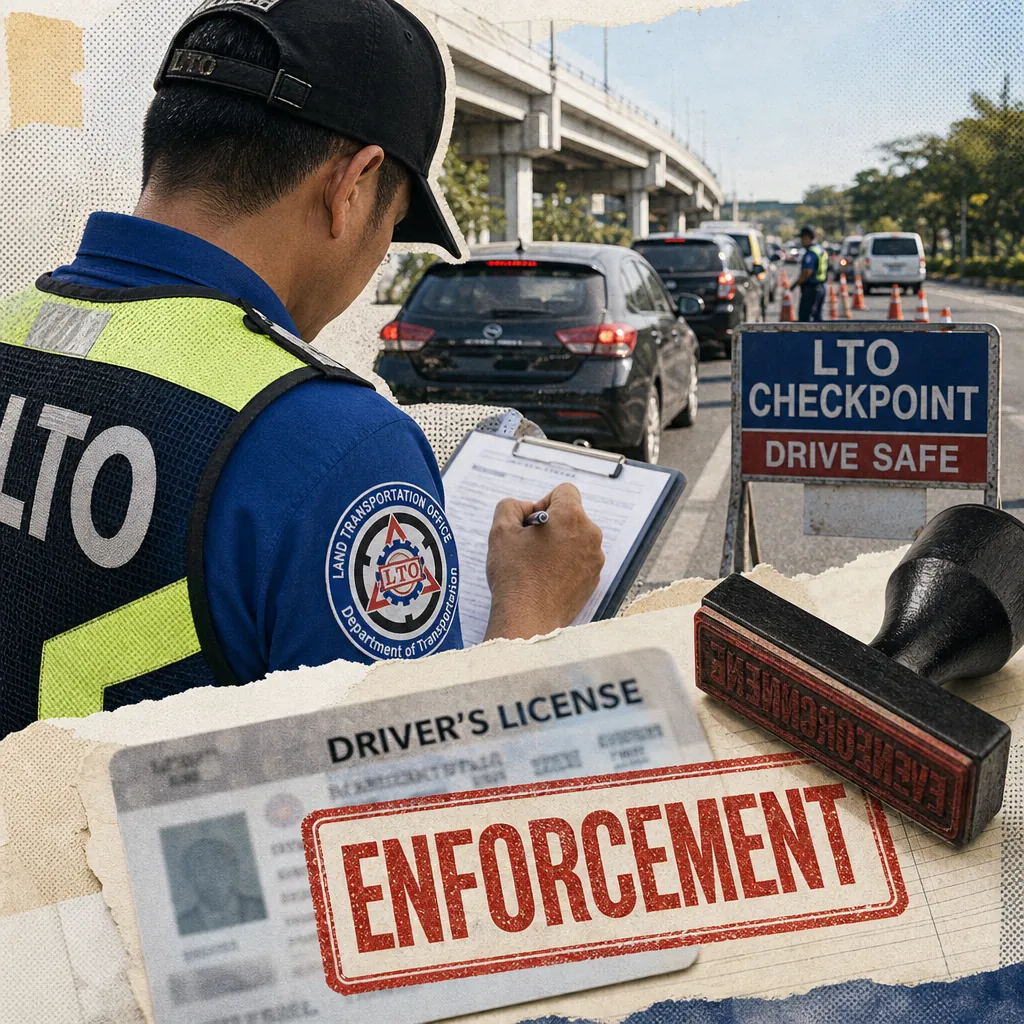
The day's conversation in the Philippine automotive and transport sector was dominated by the Land Transportation Office's (LTO) aggressive enforcement actions against reckless driving, which unfolded across social media and news outlets. The narrative began with two viral driving incidents—a sedan caught reversing and counterflowing on the South Luzon Expressway (SLEX) and a swerving vehicle in the Negros Island Region—and escalated as the LTO issued show cause orders, preventive license suspensions, and placed vehicles under alarm status. By midweek, major news networks including One PH, News5, and ABS-CBN had amplified the SLEX case, drawing thousands of views and sparking public debate about driver accountability. Running parallel was the LTO's intensified anti-fixing campaign, with the arrest of 15 fixers in Quezon City, and a separate thread of public safety concerns, including a viral warning about a pickpocketing scheme on jeepneys and a fatal shooting of a traffic enforcer in Cavite. These stories collectively painted a picture of a sector under scrutiny, where institutional transparency and grassroots safety concerns converged.
On the industry side, the day also saw positive developments: BMW Philippines launched an exclusive "Excellence Club" for owners of its flagship models, and Chery confirmed the Stockman, a diesel plug-in hybrid pickup, for the local market. Meanwhile, the Department of Transportation (DOTr) assured the public that transport systems remained functional despite typhoons and monsoon rains, with the Philippine Coast Guard rescuing over 8,000 individuals. The conversation was not confined to enforcement; it also touched on the motorcycle taxi industry's cleanup drive, with riders' groups supporting government efforts to eliminate "ghost riders," and on the financial struggles of modernized jeepney operators in Bacolod facing foreclosure. This mix of regulatory crackdown, public safety, and industry innovation defined a day where accountability was the central theme.
Key themes
- LTO's Enforcement Crackdown on Reckless Driving — The LTO's swift actions against drivers involved in viral incidents—issuing show cause orders, 90-day preventive suspensions, and placing vehicles under alarm—dominated the conversation. This signaled a zero-tolerance stance that resonated with the public, as comment sections filled with debates on penalty severity and enforcement fairness.
- Anti-Fixing Campaign and Institutional Integrity — The LTO's intensified campaign against fixers, highlighted by the arrest of 15 individuals in Quezon City, reinforced the agency's zero-corruption messaging. However, historical posts from April, including an NBI entrapment that arrested LTO employees, continued to circulate, creating a credibility gap that public skepticism (evidenced by "haha" reactions) kept alive.
- Public Safety and Commuter Vulnerability — A viral Facebook post warning about a distraction-style robbery on jeepneys, where passengers are doused with liquid while their phones are stolen, drew 354 likes and 210 shares. This, along with reports of a delivery rider robbing a burger stand and a traffic enforcer killed in Cavite, shifted focus to everyday risks faced by commuters and riders.
- Motorcycle Taxi Industry Cleanup — The Motorcycle Taxi Riders Organization (METRO) and consumer group Digital Pinoy backed government efforts to professionalize the industry, calling for a cleanup of "ghost riders" before expanding rules. They highlighted that between ₱700 million and ₱1 billion in fuel subsidies may have gone to unauthorized riders, framing the issue as one of accountability.
- Luxury and Premium Automotive Initiatives — BMW Philippines launched the BMW Excellence Club, an exclusive ownership program for 7 Series, i7, X7, and XM owners, offering perks like airport transfers and doorstep maintenance. This signaled a focus on personalized luxury experiences, contrasting with the enforcement-heavy narrative.
- New Energy Vehicles and Electrification — Chery confirmed the Stockman, a diesel plug-in hybrid pickup, for the Philippine market, positioning it as a rival to the BYD Shark 6. This, along with continued interest in hybrids like the Hyundai Santa Fe HEV, indicated growing consumer appetite for electrified options.
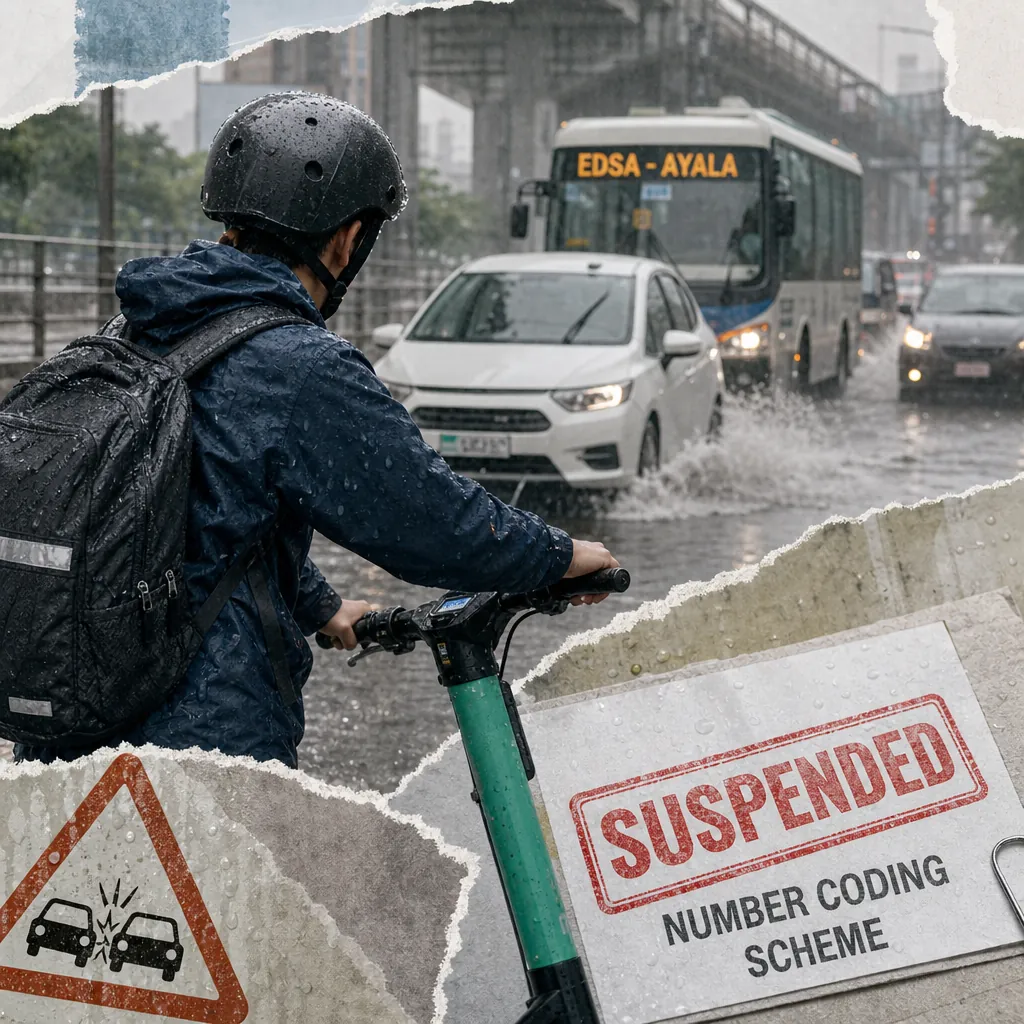
- Transport Resilience Amid Weather — The DOTr assured that transport services remained functional despite typhoons and monsoon rains, with the Philippine Coast Guard rescuing over 8,000 individuals. This highlighted the sector's role in disaster response and the dedication of front-liners.
- Financial Strain on Public Transport Operators — The LTFRB appealed to banks to suspend foreclosure on over 300 modernized jeepneys in Bacolod as operators struggled with rising fuel prices. This underscored the economic pressures facing the public transport sector.
How the narratives stack
Dominant — Within the captured set, the LTO's enforcement crackdown on reckless driving was the most prominent narrative, driven by the viral SLEX counterflow case and the agency's rapid response. This story dominated news coverage and social media engagement, with major networks amplifying it across YouTube and Twitter. The LTO's actions—show cause orders, suspensions, and vehicle alarms—provided a clear, repeatable framework that media and public audiences latched onto, making it the day's central conversation.
Counter-narrative — The public safety and crime stories, particularly the jeepney pickpocketing warning and the Cavite enforcer shooting, offered a counterpoint to the institutional enforcement narrative. These stories, driven by citizen-generated content and emotional reactions, highlighted the vulnerabilities of everyday commuters and riders, suggesting that while the LTO was acting on drivers, broader safety concerns remained unaddressed. This narrative drew significant engagement, with the jeepney post accumulating 210 shares and 187 sad reactions, indicating deep public resonance.
Emerging — The motorcycle taxi industry cleanup drive emerged as a developing story, with METRO and Digital Pinoy supporting government efforts to eliminate ghost riders. This narrative, which framed the issue as one of accountability and public money, had the potential to grow as it touched on subsidy fraud and the need for regulation. The LTFRB's appeal to suspend foreclosures on modernized jeepneys also signaled an emerging concern about the financial viability of public transport operators.
Suppressed — The positive industry developments, such as BMW's Excellence Club and Chery's Stockman announcement, received comparatively less attention in the conversation, overshadowed by the enforcement and safety narratives. These stories, while significant for the automotive sector, were not amplified to the same degree, possibly because they lacked the emotional charge of the viral incidents. Within the captured set, they represented a quieter but important undercurrent of industry innovation.
Platform insights
- Facebook — The LTO's official page served as the primary hub for institutional announcements, with posts on show cause orders and anti-fixing operations generating steady engagement. Comment sections became the main venue for public debate, with the hit-and-run post drawing 46 comments and the SLEX counterflow post sparking discussions on enforcement fairness. The viral jeepney robbery warning demonstrated Facebook's power in amplifying citizen-generated safety alerts, with 210 shares indicating significant reach beyond the initial audience.
- YouTube — News outlets including One PH, News5, and GMA Regional TV posted video coverage of the SLEX suspension and other LTO actions, collectively drawing over 3,900 views. Engagement remained comparatively low, with most videos attracting under 30 likes, but the presence of major broadcasters ensured the story reached audiences beyond social media's core demographics. The platform served as a secondary channel for news consumption, with viewers primarily watching rather than interacting.
- Twitter — Twitter discussions were dominated by breaking news updates and short-form summaries, with ABS-CBN News and News5 posting concise alerts about the SLEX suspension and the delivery rider arrest, drawing 3,583 and 2,338 views respectively. The platform functioned as a real-time news feed, with limited original commentary but effective amplification of the day's major stories. It was the go-to platform for immediate updates, though engagement was lower than on Facebook.
Key voices and communities
- Government Regulatory Agencies (LTO & Attached Units) — The LTO and its regional offices were the most active stakeholders, driving enforcement-focused narratives across Facebook and YouTube. Their content—show cause orders, preventive suspensions, and entrapment operations—reinforced the agency's authority and responsiveness. The LTO's use of hashtags like #LTOZeroCorruption and #NoSettlementPolicy positioned it as an active enforcer of road safety and anti-corruption measures.
- Mainstream Broadcast & Digital News Media — Major outlets like ABS-CBN News, GMA Regional TV, and News5 amplified regulatory enforcement stories through coordinated cross-platform distribution. Their reporting on the SLEX counterflow incident alone generated thousands of combined views and hundreds of comments. They framed enforcement actions through a public safety lens, using viral incidents to illustrate broader concerns about reckless driving and regulatory gaps.
- General Public & Commuter Advocacy Voices — Everyday citizens and commuters formed a highly engaged, emotionally reactive stakeholder group. Their viral posts, such as the jeepney pickpocketing warning, often triggered regulatory responses. This community emphasized vulnerability and personal risk, using cautionary tales to demand better enforcement and safer streets. Their rapid mobilization around safety incidents directly influenced the news cycle and regulatory priorities.
- Automotive Industry & Enthusiast Communities — A smaller but strategically important segment, including automotive brands and enthusiast networks, focused on product quality and brand prestige. The BMW Excellence Club announcement and the Hyundai Santa Fe review drew moderate but targeted engagement from potential buyers and brand advocates. This group's content contrasted sharply with the enforcement and safety narratives, reinforcing the consumer value proposition independent of political or enforcement discourse.
- Law Enforcement & Inter-Agency Partners — The NBI, QCPD, and Philippine Coast Guard participated as co-implementers of anti-corruption and anti-crime operations. Their joint operations with the LTO, such as the April NBI entrapment, received formal press releases and significant public engagement. This group's credibility amplified the enforcement narrative and signaled whole-of-government coordination.
Narrative streams
LTO's Enforcement Crackdown: From Viral Incidents to Institutional Action
The day's dominant narrative began with two viral driving incidents that quickly escalated into institutional enforcement actions. On August 11, the LTO announced it had identified the owner of a vehicle caught swerving across lanes in Negros Island Region, with a show cause order prepared for service. By August 12, the SLEX counterflow case dominated the conversation as multiple news outlets reported the 90-day license suspension and vehicle alarm status. The LTO issued a statement that it would continue pursuing motorists who engage in dangerous maneuvers, signaling a zero-tolerance stance. The hit-and-run case involving a pedestrian in a crosswalk further reinforced this narrative, with the driver's license suspended and the vehicle placed under alarm. These actions generated sustained comment activity, with one Facebook user on the hit-and-run thread triggering a 46-comment discussion about driver responsibility and the adequacy of current penalties. The LTO's communication strategy emphasized decisive action, with official statements from agency leadership reinforcing accountability and road safety messaging. This enforcement-focused narrative presented both an opportunity for alignment with public safety priorities and a risk for automotive brands if their vehicles were associated with these incidents.
Anti-Fixing Campaign: Institutional Integrity Under Scrutiny
Running parallel to the driving incident stories, the LTO's intensified campaign against fixers resurfaced as a recurring narrative thread. On August 12, the agency announced the arrest of 15 fixers during an entrapment operation in Quezon City. This conversation connected to earlier April coverage of similar operations, including an NBI entrapment that arrested nine individuals including LTO employees for offering instant driver's licenses for ₱7,000, which had drawn massive engagement with 3,699 likes and 229 comments. The August 12 post drew fewer immediate reactions but carried institutional significance, reinforcing the agency's zero-corruption messaging through the hashtag #LTOZeroCorruption and statements from LTO Chief Asec. Markus V. Lacanilao emphasizing that fixers compromise public trust and the integrity of government services. However, historical posts from April revealed a troubling pattern: an NBI operation arrested three LTO employees and six fixers for alleged "instant driver's license" schemes, with one post showing exceptionally high engagement metrics—nearly 3,700 likes and 415 shares—indicating sustained public interest in corruption within the agency. Another April post about a separate anti-fixing operation generated over 2,000 "haha" reactions, suggesting public skepticism or mockery of the LTO's enforcement claims. This juxtaposition between current enforcement narratives and historical corruption scandals created a reputational vulnerability that the LTO, and by extension the DOTr, must actively manage.
Public Safety and Commuter Vulnerability: The Human Side of the Road
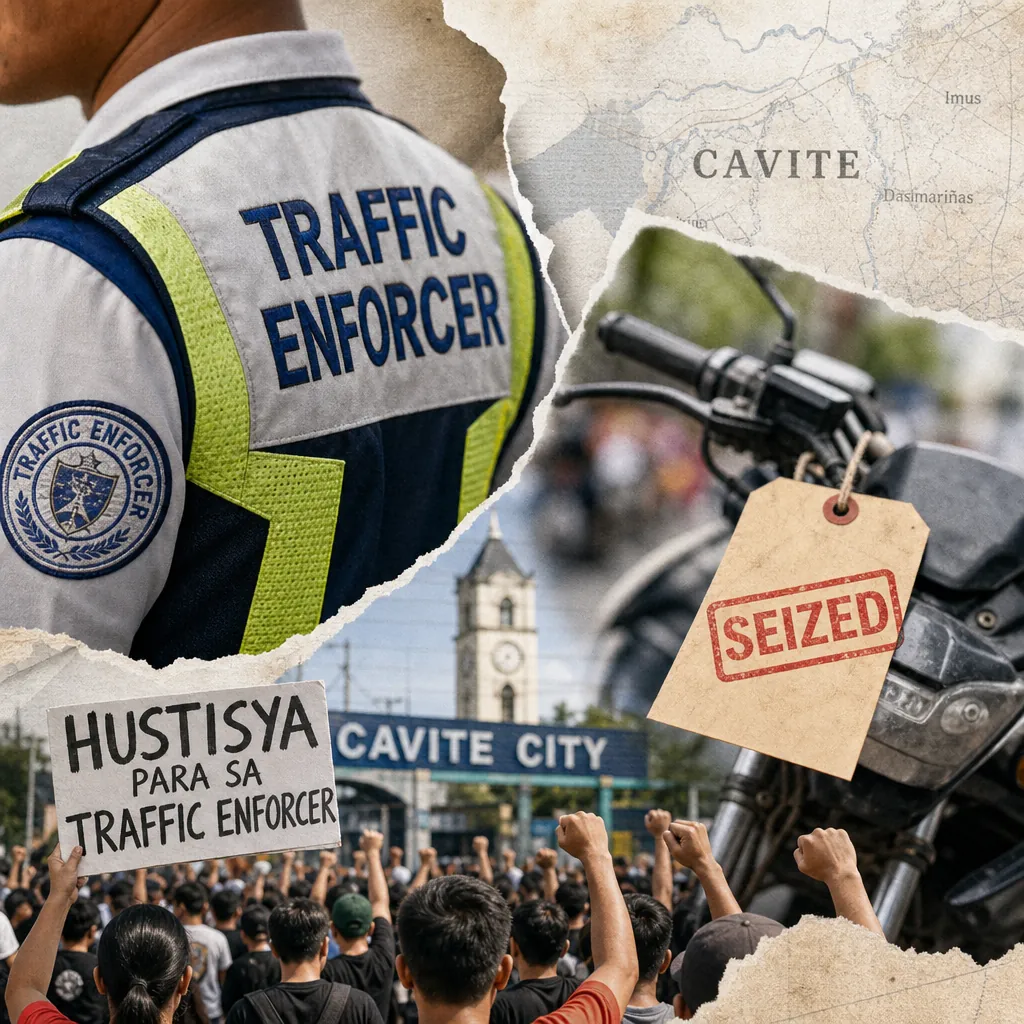
A third narrative thread emerged organically on August 12 when a viral Facebook post warning about a new distraction-style robbery modus in public jeepneys began circulating widely. The post, written as a first-person account of a passenger being doused with liquid while their phone was stolen, accumulated 354 likes and 210 shares within hours, with 81 comments from users sharing similar experiences and safety tips. This conversation shifted the focus from regulatory enforcement to everyday commuter vulnerability, particularly affecting public transport users. The thread also resonated with a separate August 12 report of a delivery rider arrested for robbing a burger stand in Quezon City, which drew 178 likes and 11 comments on Facebook and an additional 97 comments on a re-posted version. These stories collectively reinforced public anxieties about safety in and around vehicles, creating a counterpoint to the institutional enforcement narrative. The fatal shooting of a traffic enforcer in Cavite by a rider she had flagged down added another layer of concern, highlighting the risks faced by enforcement personnel and the broader issue of rider conduct. These stories painted a picture of rising concerns about rider conduct and public transport safety, which could indirectly affect perceptions of motorcycle brands, ride-hailing services, and the broader mobility ecosystem.
Motorcycle Taxi Industry Cleanup: Accountability in the Sharing Economy
The Motorcycle Taxi Riders Organization (METRO) and consumer advocacy group Digital Pinoy declared support for government initiatives to professionalize the motorcycle taxi industry. "Clean up the industry first before changing the rules. Determine who the truly legitimate riders are before discussing how to expand the system," said Metro co-convenor Jayson Luna. "The debate has been falsely framed as a binary choice between rider freedom and government regulation. In reality, it is about one thing: accountability. Regulations may evolve, but accountability must remain constant," he added. Luna bemoaned that between ₱700 million and ₱1 billion in fuel subsidies may have been released to unauthorized or "colorum" riders. "Government aid is public money, so if you are a taxpayer, this concerns you. Every peso should go to a qualified beneficiary — or to other government programs that can help Filipinos in need. Every ghost rider on the list could mean a Filipino who lost aid," he said. This narrative framed the issue as one of public trust and fiscal responsibility, urging the DOTr and LTFRB to identify legitimate riders before implementing regulatory changes. The story drew coverage from Inquirer Online and Manila Times Online, with combined advertising-equivalent value of approximately ₱484,000, indicating moderate media interest.
Luxury and Electrification: The Industry's Positive Counterpoint
Amid the enforcement and safety narratives, the automotive industry showcased positive developments. BMW Philippines launched the BMW Excellence Club, an exclusive ownership program for 7 Series, i7, X7, and XM owners, offering perks like first-class airport transfers, doorstep vehicle maintenance, and car cleaning via BMW Car Spa. "The BMW Excellence Club is more than an ownership program. It embodies our commitment to delivering extraordinary experiences for our most valued customers," said Mr. Michael Rosario, General Manager of SMC Asia Car Distributor Corp. "By combining exceptional service with lifestyle privileges, we are redefining what it means to own a BMW model in the Philippines. Luxury ownership extends far beyond the vehicle itself." The announcement drew coverage from ZIGWHEELS, Philstar Wheels, and 2nd Opinion, with combined advertising-equivalent value of approximately ₱539,000. Meanwhile, Chery confirmed the Stockman, the world's first diesel plug-in hybrid pickup, for the Philippine market, positioning it as a rival to the BYD Shark 6. The Stockman features a 2.5L turbo-diesel engine paired with an electric motor, delivering 476 PS and 800 Nm of torque, with a braked towing capacity of 3,500 kg. This announcement, covered by Astig Ph Online, signaled growing interest in electrified vehicles, particularly hybrids that offer both power and efficiency. These stories provided a counterpoint to the regulatory crackdown, reinforcing the consumer value proposition and the industry's dynamism.
Transport Resilience and Financial Strain: The Sector's Operational Realities
The DOTr assured that transport services remained functional in areas affected by typhoons and torrential rains induced by the southwest monsoon. "Once again, our personnel from LTO, LTFRB and PCG and other DOTr front-liners have shown what it truly means to go beyond the call of duty," Secretary Giovanni Lopez said. "I am grateful for their unwavering dedication and continued service for the sake of our commuters," he added. The Philippine Coast Guard deployed teams to Romblon, Batangas, Cavite, Laguna, Rizal and Pampanga, rescuing and assisting over 8,000 individuals. This story, covered by Manila Times Online, highlighted the sector's role in disaster response. In contrast, the LTFRB appealed to banks and financing institutions to suspend the foreclosure of more than 300 modernized jeepneys in Bacolod as operators struggled with rising fuel prices. LTFRB Chairman Vigor Mendoza II said loan providers agreed not to repossess units whose operators moderately skip payments. This story, covered by Philstar Online, underscored the economic pressures facing public transport operators, a concern that could have long-term implications for the sector's sustainability.
Conversation trajectory
- Escalation from viral incidents to institutional crackdown narrative — The conversation is rapidly shifting from individual viral driving violations toward a broader institutional narrative about LTO enforcement credibility. The swift identification, show cause order issuance, and 90-day preventive suspensions across multiple incidents signal an intensified enforcement posture that is generating sustained public attention. Expect this trend to deepen within the next two weeks as more viral driving videos surface and the public increasingly frames these incidents as tests of the agency's commitment to its stated "No Settlement Policy" and zero-corruption agenda. The consistent use of ALARM status on vehicles and preventive suspensions represents a repeatable enforcement pattern that media outlets are likely to track as a measurable indicator of agency responsiveness.
- Re-emergence of the fixer corruption storyline as a dominant reputational risk — The April 2026 NBI entrapment operation that arrested LTO employees alongside fixers for "instant driver's license" schemes retains significant latent engagement, with that single post accumulating thousands of reactions and hundreds of shares. The recent August entrapment of 15 fixers at the LTO compound signals an active effort to counter this narrative—but the public memory of internal corruption remains a powerful counter-current. This dynamic will likely resurface as a major storyline whenever the agency publicizes enforcement wins, with comment sections historically showing high volumes of skepticism and sarcastic reactions. Any perception of uneven enforcement or procedural delays in the current cases could trigger a resurgence of the April corruption storyline within 3-4 weeks.
- Public safety concerns expanding beyond drivers to include riders and commuters — A significant portion of the conversation is shifting toward vulnerable road user safety, with multiple incidents involving motorcycle riders and public transport passengers gaining traction. The fatal shooting of a traffic enforcer by a rider in Cavite and the viral warning about a new pickpocketing modus on jeepneys are reshaping public discourse around everyday commuting risks. The latter post, in particular, shows exceptionally high sharing behavior and strong emotional reactions, indicating that personal safety narratives resonate more deeply with audiences than institutional pronouncements. This trend suggests that the conversation will increasingly demand attention to rider and commuter welfare issues, not just motorist compliance.
- Regional enforcement presence driving localized conversation spikes — The LTO-NIR and Region 6 coordination on the viral swerving vehicle case, along with regional operations against colorum vans in Silay City, indicates that enforcement actions outside Metro Manila are generating meaningful regional engagement. This pattern of regional enforcement visibility, coupled with inter-agency initiatives like the P.A.S.A.D.A. partnership with DSWD in Davao, suggests media interest in the agency's expanded geographic footprint. Expect regional news outlets to elevate enforcement stories that demonstrate inter-agency collaboration, creating opportunities for positive narrative amplification outside traditional Metro Manila media channels.
Trigger events to watch:
- Resolution of the SLEX counterflow and hit-and-run cases (projected within 30-45 days based on standard LTO adjudication timelines), which will either validate or undermine the agency's enforcement credibility depending on outcome consistency.
- The imminent MOA signing between LTO XI and DSWD XI for the P.A.S.A.D.A. project, which represents an upcoming positive storyline that could offset enforcement-heavy narratives.
- Continuing anti-fixing operations across NCR, typically recurring on a monthly cadence, which will likely generate renewed public commentary revisiting the April corruption case; any new arrests involving internal personnel would trigger a significant engagement spike.
- The upcoming release of any LTO annual performance data or the approach of holiday season enforcement surges (typically starting in November), which will further shape conversation trajectories.
Response guidance
For communicators in the automotive and transport sector, the day's conversation underscores the importance of aligning with public safety and accountability themes. Brands should proactively position themselves as partners in road safety, emphasizing safety features and responsible driving education, rather than passive observers of regulatory enforcement. This is particularly critical given the LTO's swift and public action on reckless driving cases, which creates a reputational environment where vehicle safety and driver accountability are under scrutiny.
On social media, particularly Facebook, brands should engage with the public safety narrative by posting educational content that reinforces personal safety tips and the importance of reporting incidents to authorities. This can help build goodwill with the highly engaged commuter community while differentiating brands from purely commercial messaging. However, given the emotionally charged nature of recent incidents, a measured approach focusing on factual safety information without appearing to capitalize on tragedies is strongly advised.
For mobility and two-wheeler stakeholders, the crime-related stories involving riders represent a reputational risk that could affect public perception of the riding community. Consider engaging with responsible riding advocacy groups and supporting initiatives that highlight positive rider conduct, as this could help counterbalance the negative portrayals gaining traction across mainstream and social media platforms.
Monitoring the anti-fixing narrative is also essential, as the historical corruption posts from April continue to circulate alongside current enforcement announcements. The disparity between the LTO's current claims and past incidents creates a credibility gap that could undermine public trust in regulatory processes. Clients in the automotive sector should be aware that any perceived laxity in compliance could be amplified by this ongoing narrative.
Finally, the positive industry developments—such as BMW's Excellence Club and Chery's Stockman—offer opportunities to reinforce the consumer value proposition and the industry's dynamism. Brands should leverage these stories to highlight innovation and customer-centric approaches, providing a counterpoint to the enforcement-heavy narrative. By doing so, they can maintain a balanced presence in the conversation, addressing both the regulatory and aspirational aspects of vehicle ownership.
See the full picture behind today's signals.
This report draws from Media Meter's MediaWatch, our real-time monitoring engine tracking 2,470+ Philippine sources across print, broadcast, digital, and social. Explore how the platform turns raw coverage into decision-grade intelligence, then see how it's configured for teams like yours — whether you're in PR agencies, corporate comms, government, or marketing.
Want more? Browse our Report Library for sector and crisis intelligence, or request a demo and we'll have your brand set up before the call.
Want this kind of intelligence on your brand?
This brief is built on the same MediaWatch methodology that runs continuously across every brand we monitor. See your competitive landscape, Impact Score, and narrative trajectory in a 30-minute demo.