EV incentives, scams, and safety shape PH auto talk
A daily snapshot of Philippine automotive conversation: Mitsubishi's P7-B EV export plan, a phishing scam targeting motorists, and shifting consumer interest in hybrids and EVs.
The Philippine automotive conversation on August 10, 2026, was a study in contrasts. On one hand, the industry's biggest news was Mitsubishi Motors Philippines' announcement of a P7-billion investment to produce hybrid electric vehicles locally, with ambitions to turn the country into an export hub. On the other, a sophisticated phishing scam mimicking the MMDA's traffic violation portal dominated social media, preying on motorists' fears and exposing vulnerabilities in digital payment systems. Meanwhile, a quieter but persistent thread of consumer deliberation about hybrids and EVs—driven by fuel price pain—suggested a market at an inflection point. This snapshot captures the day's key narratives, from corporate strategy to grassroots safety concerns, and what they mean for the sector.
Key themes
- Mitsubishi's P7-B EV investment and export ambitions — Mitsubishi Motors Philippines announced plans to invest P7 billion to produce hybrid electric vehicles locally, starting with battery assembly at its Santa Rosa plant. The company aims to export these vehicles to markets like the Middle East, Latin America, and Africa, marking a potential shift for the Philippine auto industry.
- MMDA phishing scam spreads across social media — A fraudulent website mimicking the MMDA's traffic violation portal tricked motorists into paying fake fines, with one victim nearly losing HKD 37,752. The scam went viral on Reddit and Twitter, prompting official advisories from the MMDA.
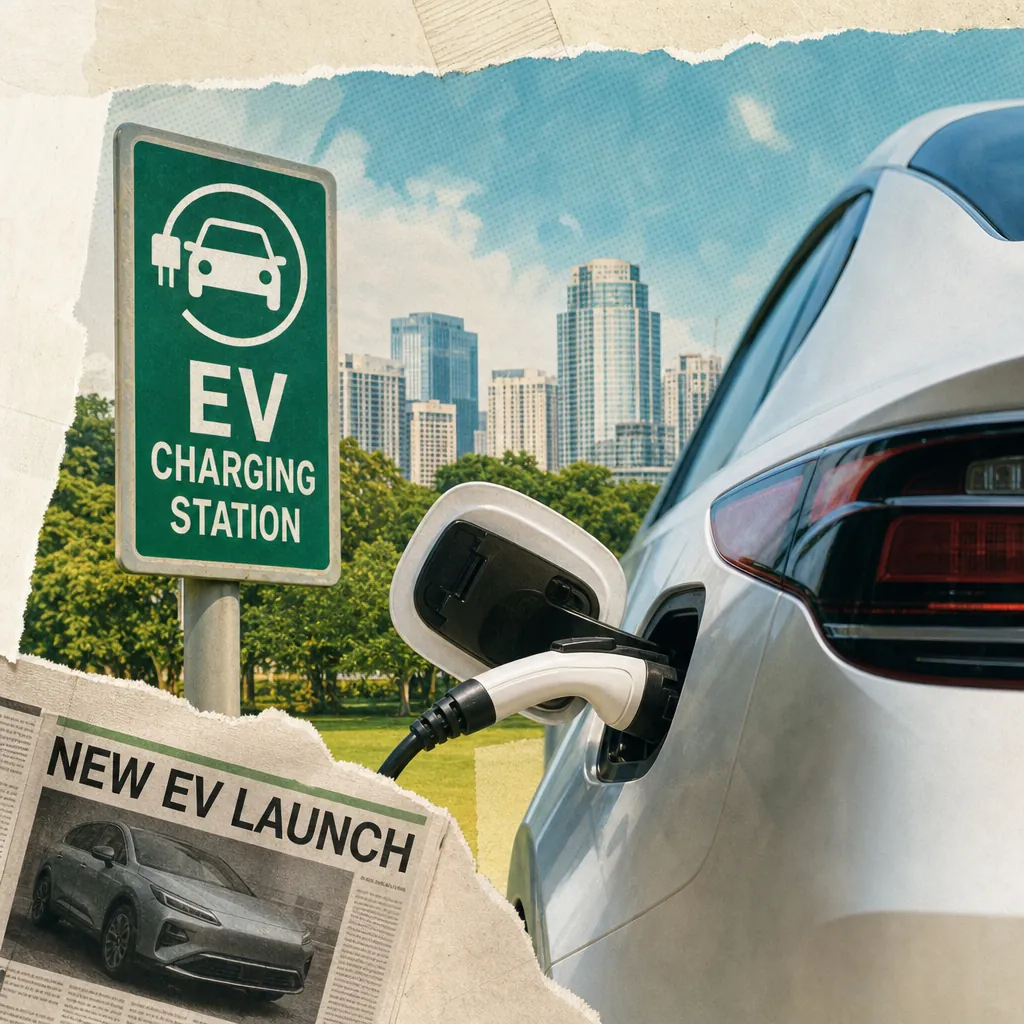
- Hybrid and EV consideration driven by fuel costs — Consumers are actively weighing trades from diesel vehicles to hybrids and EVs, citing monthly savings of up to P5,000. Discussions compare models like the MG G50 PHEV, Honda Civic RS e:HEV, and BYD Atto2, reflecting a pragmatic shift toward electrification.
- VinFast's aggressive incentives and community building — VinFast is courting the Philippine market with free charging, lifetime battery warranties, and guaranteed resale values. Owner communities are organizing meetups, signaling strong brand loyalty despite skepticism about long-term reliability.
- Motorcycle safety and regulatory anxiety — Fatal accident reports and discussions about modified exhausts and LTO enforcement highlight ongoing safety concerns and grassroots compliance challenges.
- Government relief for public transport amid floods — The LTO announced toll waivers and fuel discounts for provincial buses and jeepneys, while Dagupan City declared a state of calamity due to flooding, affecting thousands.
- Infrastructure setbacks: EDSA potholes — The P6-billion EDSA rehabilitation project faced early damage from rainwater pooling, raising questions about infrastructure quality and maintenance.
- EV market expansion beyond cars — Electric motorcycles like the Bajaj Chetak are entering the market, and new dealerships for brands like Radar EV are opening, broadening the electrification narrative.
How the narratives stack
Dominant — Within the captured set, the Mitsubishi EV investment story dominated news coverage, with multiple articles across major outlets like the Inquirer, Manila Times, and Zigwheels. The story's significance lies in its potential to transform the Philippines into an EV manufacturing hub, a development with long-term economic implications. On social media, the MMDA phishing scam was the most urgent consumer protection issue, with multiple Reddit threads and Twitter alerts amplifying the threat. Both narratives reflect a day where corporate strategy and consumer vulnerability vied for attention.
Counter-narrative — Amid the EV enthusiasm, a counter-narrative of skepticism and practical concerns emerged. Consumers questioned the reliability of new EV brands, worried about parts availability and maintenance costs. The VinFast incentives, while attractive, drew skeptical reactions, with some users questioning the sustainability of such offers. This counter-narrative tempers the optimism around electrification, suggesting that adoption will be gradual and contingent on trust-building.
Emerging — The hybrid and EV purchase-decision wave is an emerging trend, with consumers moving from general interest to specific model comparisons. The MG G50 PHEV thread, with 26 comments, exemplifies this shift. This trend is likely to accelerate as fuel prices remain volatile and more models enter the market, creating opportunities for brands that can address reliability concerns.
Suppressed — The motorcycle safety conversation, while present, received less attention than the EV and scam narratives. Yet, the emotional weight of fatal accident accounts and the ongoing regulatory anxiety around modified exhausts suggest a under-covered story. This narrative could gain traction with further incidents or enforcement actions, making it a latent risk for the industry.
Platform insights
- Reddit — The epicenter for detailed, problem-solving discussions. Users shared personal experiences with the MMDA scam, sought advice on hybrid purchases, and discussed motorcycle maintenance. Engagement was moderate but highly specific, with threads like the MG G50 PHEV swap generating 26 comments of mixed advice. Reddit serves as a barometer for consumer sentiment and emerging concerns.
- Facebook — Community-building and brand advocacy took center stage, with VinFast owner meetups and event recaps generating modest but genuine engagement. The "Twinning with My VF3" event drew 25 likes and 8 love reactions, reflecting deep brand loyalty. Facebook is where EV enthusiasts reinforce their identity and share positive experiences.
- Twitter/X — The rapid-alert and news-aggregation space. Users shared scam alerts, LTO enforcement updates, and legal rulings in real-time. The platform's brevity suits breaking news, but engagement is often lower, indicating a broadcast rather than conversational role. Official MMDA advisories on Twitter served as authoritative anchors, though they received less engagement than the scam warnings themselves.
- YouTube — Mainstream media outlets like GMA Network posted videos on motorcycle accidents and legal cases, drawing thousands of views but low comment counts. YouTube serves as a high-reach amplifier for news, but the one-way communication limits community interaction.
Key voices and communities
- Commuter safety and traffic enforcement communities — Reddit users and local news followers who focus on road safety, traffic violations, and enforcement accountability. They share graphic accounts of accidents and dissect institutional responses, acting as watchdogs. Their primary narrative is vulnerability and institutional mistrust, making them critical for early warning signals on public confidence.
- EV enthusiasts and community organizers — A growing network of EV owners and advocates, primarily on Facebook, who organize meetups and share testimonials. They frame EV adoption as a practical economic choice and a lifestyle movement, with strong brand loyalty to VinFast and MG. Their social proof posts are the strongest performers, signaling peer influence.
- Car buyers and cost-conscious consumers — Pragmatic, decision-oriented Reddit users focused on total cost of ownership. They engage in sophisticated cost-benefit analyses, often citing fuel price pain and AI-generated savings estimates. This group is most susceptible to economic messaging and represents the fence-sitter segment.
- Motorcycle riders and technical hobbyists — Niche but vocal community sharing troubleshooting advice and modification experiences. They prioritize autonomy and practicality, often bypassing official dealers. Their posts on ECU issues and modified exhausts reveal grassroots compliance challenges.
- Mainstream media and pop culture amplifiers — Traditional outlets like GMA Network and news brands that amplify automotive news through YouTube and Twitter. They frame incidents within human-interest or legal narratives, reaching thousands of views but with low engagement, indicating a broadcast role.
Narrative streams
Mitsubishi's P7-B EV investment: A potential export hub
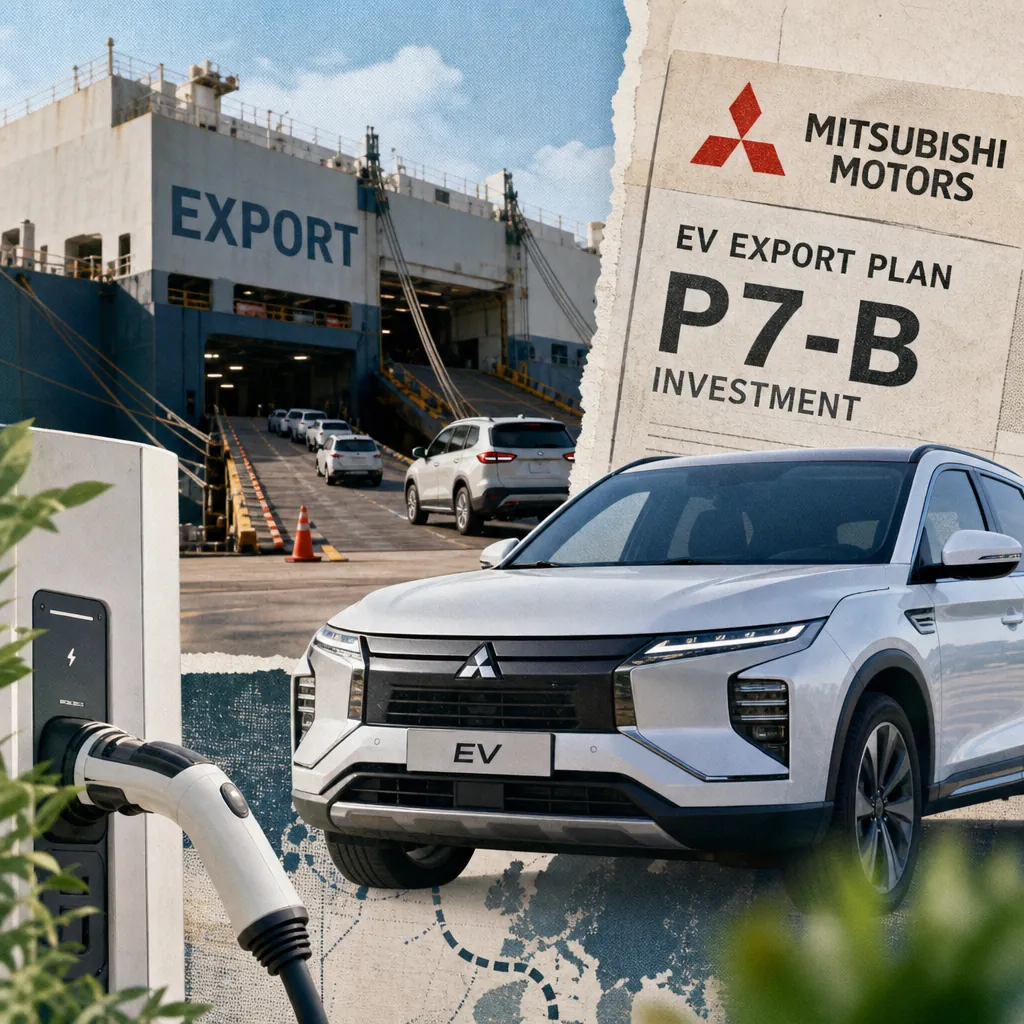
Mitsubishi Motors Philippines Corp. (MMPC) announced on August 10 that it would invest P7 billion to produce hybrid electric vehicles (HEVs) locally, starting with battery assembly at its Santa Rosa, Laguna plant. Chairman Noriaki Hirakata revealed the plan at a roundtable, stating that the company intends to produce a plug-in hybrid EV as its entry to the Electric Vehicle Incentive Strategy (EVIS), a P60-billion government stimulus package that provides P15 billion in fiscal incentives for each enrolled EV model. The investment could eventually allow Mitsubishi to export vehicles to the Middle East, Latin America, and Africa, marking the first time the Philippines would serve as an export hub for the Japanese automaker.
This development is significant for the Philippine auto industry, which has long been an import-dependent market. Local production of hybrids could lower prices, improve parts availability, and create jobs. The EVIS program, established under Executive Order 121, aims to encourage car companies to manufacture electrified vehicles locally, with the goal of making the Philippines a regional EV manufacturing hub. Mitsubishi's commitment is a vote of confidence in this strategy.
The news drew heavy coverage across the captured set, with articles in the Inquirer, Manila Times, and Zigwheels, collectively worth an estimated ₱1.2 million in advertising-equivalent value. The story's prominence reflects its potential to reshape the industry's landscape.
The MMDA phishing scam: A consumer protection crisis
A sophisticated phishing scam targeting motorists under the guise of the Metropolitan Manila Development Authority (MMDA) dominated social media on August 10. The scam involved a cloned MMDA website that mimicked the official portal for checking traffic violations under the No Contact Apprehension Policy (NCAP). Victims were prompted to pay fake fines, with one Reddit user reporting an attempted charge of HKD 37,752 (approximately ₱270,000) during the OTP (one-time password) stage. The user warned others to "double check the amount you are paying when entering OTPs."
The scam spread rapidly across Reddit, with the same warning reposted in at least four separate threads within a day. Twitter users also shared alerts, with one netizen joking about receiving a "traffic fine" before even owning a car. The MMDA responded with an official advisory on Twitter, reminding the public that its official web platform is the only legitimate way to check violations. However, the advisory received modest engagement, suggesting institutional messaging is not keeping pace with the scam's amplification.
This narrative highlights the reputational risk for government agencies and financial institutions. For banks like BPI, the scam inadvertently showcased the effectiveness of OTP verification, as the victim's bank confirmed the blocked transaction and secured the compromised card. However, the persistent spread of the scam could erode trust in all official traffic-related communications, including legitimate LTO announcements.
Hybrid and EV consideration: From curiosity to purchase deliberation
A significant thread of consumer deliberation about hybrids and EVs emerged on August 10, driven by fuel price pain. A Reddit user asked whether it was worth selling a fully paid 2023 Mitsubishi Montero Sport GLS to buy the new MG G50 PHEV, citing "Ansakit sa bangs ng diesel prices these days" (the pain of diesel prices) and claiming AI-assisted savings estimates of up to ₱5,000 monthly on fuel. The post generated 26 comments dissecting long-term ownership risks versus immediate savings.
Other threads compared the Honda Civic RS e:HEV against the Mazda 3 Sedan HEV, and the BYD Atto2, Sealion6, Geely EX5, and Corolla Yaris HEV, with users prioritizing fuel efficiency and interior quality. These discussions reflect a shift from general EV interest to concrete financial modeling, suggesting a market at an inflection point.
Toyota dealers are actively pushing HEV models with promotional messaging around fuel efficiency and low down payments, responding directly to consumer cost sensitivity. Meanwhile, VinFast is courting the market with aggressive incentives, including free charging, lifetime battery warranties, and guaranteed resale values. However, skepticism remains, particularly around parts availability and brand reliability for newer entrants like MG and VinFast.
VinFast's community-building and market entry
VinFast's community-building efforts are establishing a template for EV brand loyalty in the Philippines. On August 9, VinFast owners gathered despite a storm for the "Twinning with My VF3" event, celebrating "fun, laughter and unending upgrade plan" among VF3 and VF5 owners. The event, which drew 25 likes and 8 love reactions on Facebook, was described by one attendee as "a simple vehicle themed competition evolved into a meaningful celebration of community spirit."
The brand's aggressive incentives—free charging, lifetime battery warranty, and 80% guaranteed resale value—are being actively discussed, though with notable skepticism. A viral Twitter query, "What's stopping you from buying an EV?" highlighted these offers, generating both earnest inquiries and skeptical reactions. VinFast is also expanding its visibility beyond cars, with regional chatter about its patented electric maxi-scooter design.
This community-driven approach could reset consumer expectations across the industry, forcing incumbents to strengthen their ownership value messaging beyond immediate fuel savings.
Motorcycle safety and regulatory anxiety
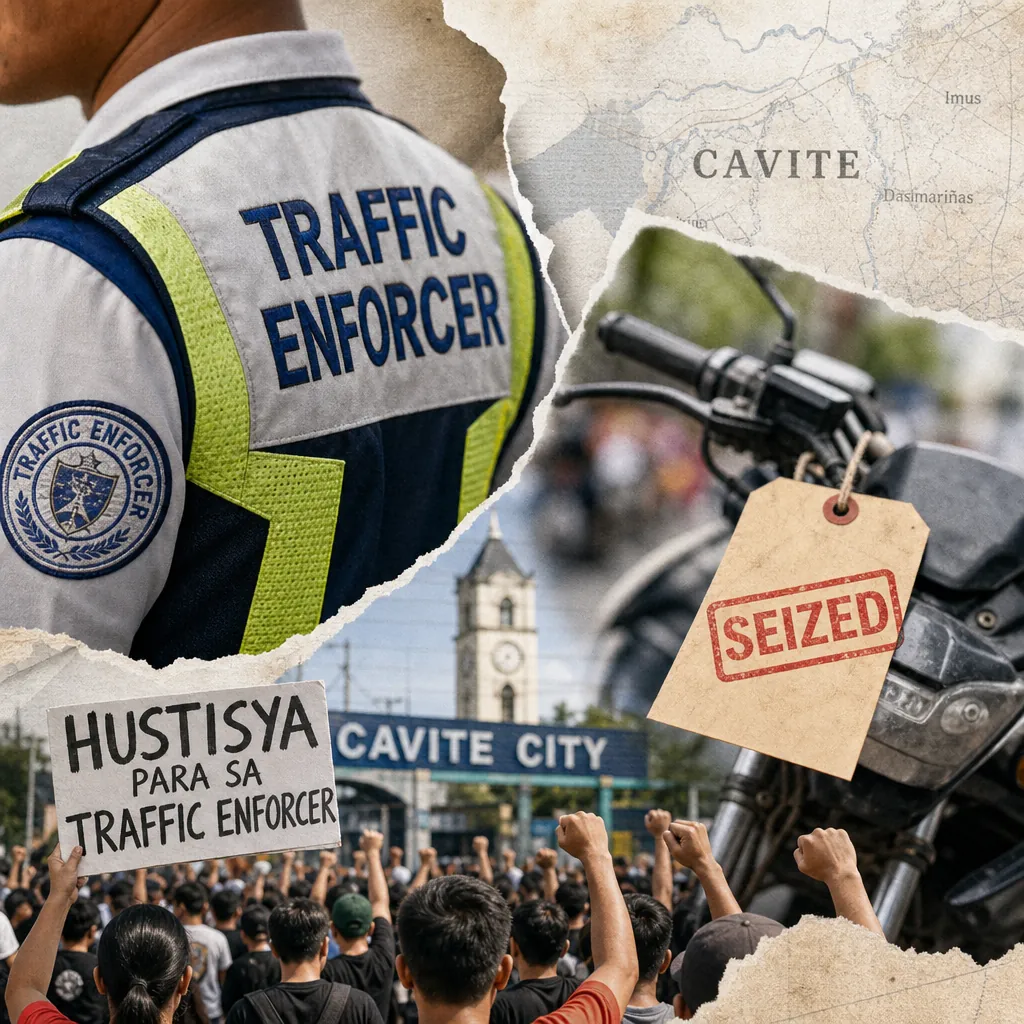
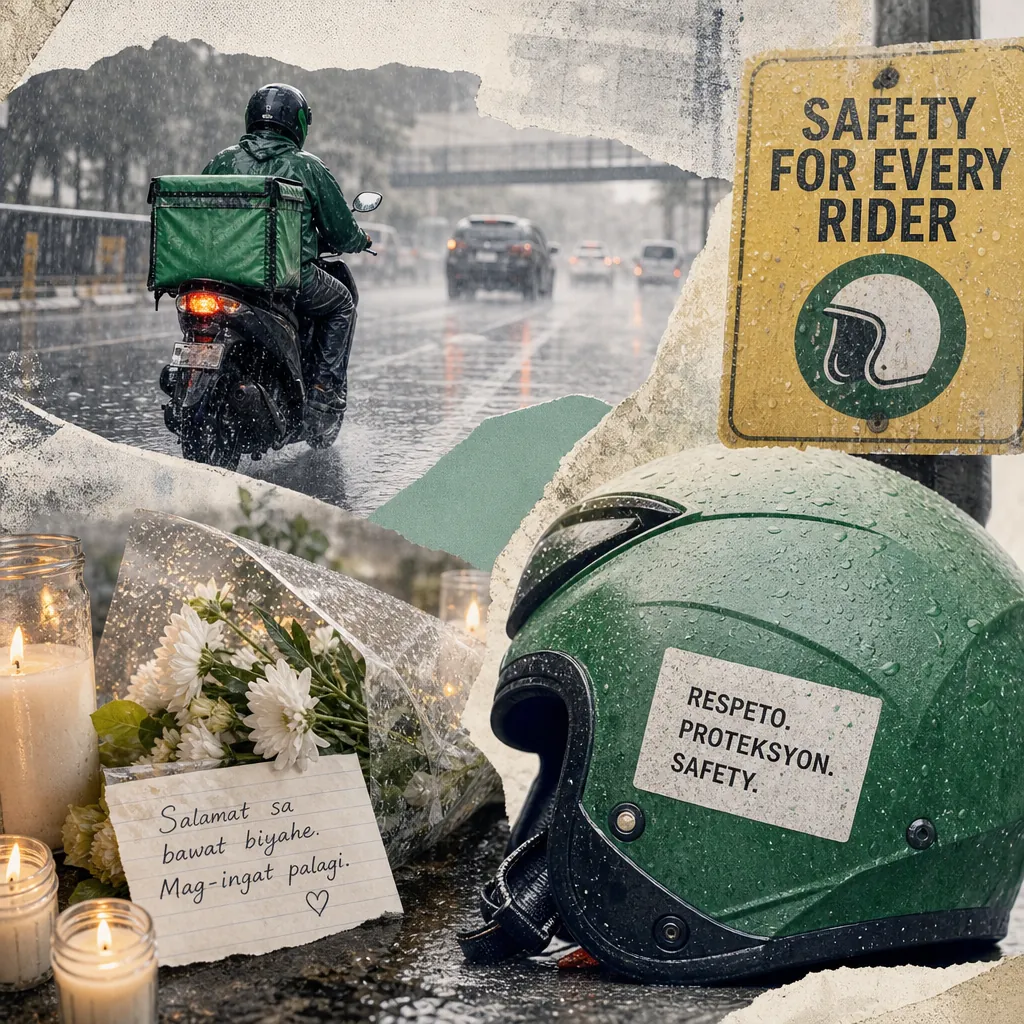
A persistent undercurrent of motorcycle safety discourse resurfaced on August 10, with a news alert reporting "MOTORCYCLE RIDER DIES IN OSMEÑA BLVD. CRASH." This followed a decade-spanning thread on Reddit, including a graphic first-person account of witnessing a fatal crash in 2023, which earned 101 upvotes and 41 comments. The author argued that such imagery should be "required reading" for license applicants.
In parallel, motorcycle owners discussed practical issues like a Honda PCX 150 failing to start after rain, and the legality of modified exhaust pipes under LTO regulations. These posts, though low in engagement, highlight grassroots concerns about regulatory compliance and repair issues that sit outside the EV hype cycle.
Media coverage of the Osmeña Boulevard fatality and a Court of Appeals carnapping ruling further reinforced narratives around vehicle-related risk and legal accountability. This safety narrative shapes public perception of two-wheeled mobility and could influence regulatory and insurance conversations.
Government relief and infrastructure challenges
The LTO announced on August 10 that provincial buses would receive free toll passage along major Luzon expressways, alongside increased fuel discounts and waived terminal fees for public transport operators. This relief program aims to ease the burden on commuters and operators amid rising fuel costs and recent flooding. Starting August 15, the fuel discount for traditional jeepneys and UV Express vehicles will increase from P10 to P12 per liter.
Meanwhile, the P6-billion EDSA rehabilitation project faced an early setback after heavy rains caused potholes to emerge on the newly repaired EDSA Busway. Public Works Secretary Vince Dizon inspected the damage and attributed it to rainwater pooling at the Estrella-Buendia catch basin, a problem not anticipated due to concrete barriers preventing drainage. This infrastructure issue raises questions about the quality and resilience of public works projects.
Conversation trajectory
- MMDA scam escalation (3-5 days) — Expect conversation volume to triple as more victims come forward and media outlets pick up the pattern. Government advisories are likely to expand, potentially shifting the narrative from victim reporting to prevention education. Trigger: a major news outlet covering the scam or a high-profile victim.
- Hybrid/EV purchase decisions (30-60 days) — The shift from curiosity to purchase deliberation is likely to accelerate, with consumers actively comparing models and seeking financing options. Brands that address reliability concerns and provide transparent cost-of-ownership information will gain an edge. Trigger: release of August vehicle sales data, which will provide a measurable benchmark for EV and hybrid adoption.
- VinFast community momentum (next two quarters) — If VinFast's community-driven approach sustains its trajectory, competitor brands may replicate similar engagement strategies. The brand's incentives could reset consumer expectations, forcing incumbents to respond. Trigger: a major VinFast event or a significant uptick in sales.
- Motorcycle safety discourse (ongoing) — The safety narrative will likely intensify with LTO enforcement actions and government road-safety campaigns. Each new reported incident could spike engagement, making this an evergreen thread. Trigger: a high-profile motorcycle accident or a new regulatory measure.
Response guidance
For communicators in the automotive and related sectors, the following guidance is relevant:
- Address scam concerns proactively: Financial institutions and government agencies should deploy educational content that references the specific scam mechanics, such as OTP interception, and reinforces existing fraud-protection protocols. Timing is critical—within 48 hours—before the scam expands into mainstream coverage.
- Leverage the EV community: Collaborate with EV enthusiast groups on co-branded educational content about charging costs, battery warranties, and total cost of ownership. This can leverage their credibility and address consumer hesitations.
- Provide transparent information on hybrid/EV ownership: Develop comparative content that addresses maintenance costs, parts availability, and brand reliability. Avoid hard selling; instead, focus on educating consumers to make informed decisions.
- Engage sensitively on safety topics: When responding to motorcycle accident narratives, prioritize empathy and road safety advocacy over brand messaging. Avoid victim-blaming and speculation.
- Monitor VinFast's value proposition: Track the brand's incentives and community-building efforts closely. Incumbents may need to strengthen their own ownership value messaging to defend market share.
- Support government relief efforts: For public transport and infrastructure stories, align messaging with the government's relief programs and highlight the industry's role in supporting commuters during crises.
See the full picture behind today's signals.
This report draws from Media Meter's MediaWatch, our real-time monitoring engine tracking 2,470+ Philippine sources across print, broadcast, digital, and social. Explore how the platform turns raw coverage into decision-grade intelligence, then see how it's configured for teams like yours — whether you're in PR agencies, corporate comms, government, or marketing.
Want more? Browse our Report Library for sector and crisis intelligence, or request a demo and we'll have your brand set up before the call.
Want this kind of intelligence on your brand?
This brief is built on the same MediaWatch methodology that runs continuously across every brand we monitor. See your competitive landscape, Impact Score, and narrative trajectory in a 30-minute demo.