BGC Master Plan Refresh Targets December Completion
The Bases Conversion and Development Authority (BCDA) announced it will complete an updated master plan for Bonifacio Global City (BGC) by December, sparking cautious optimism and analytical discussion across social media. The day also saw significant coverage of flooding in Central Luzon, housing initiatives, and shifts in the Philippine office and hotel markets.
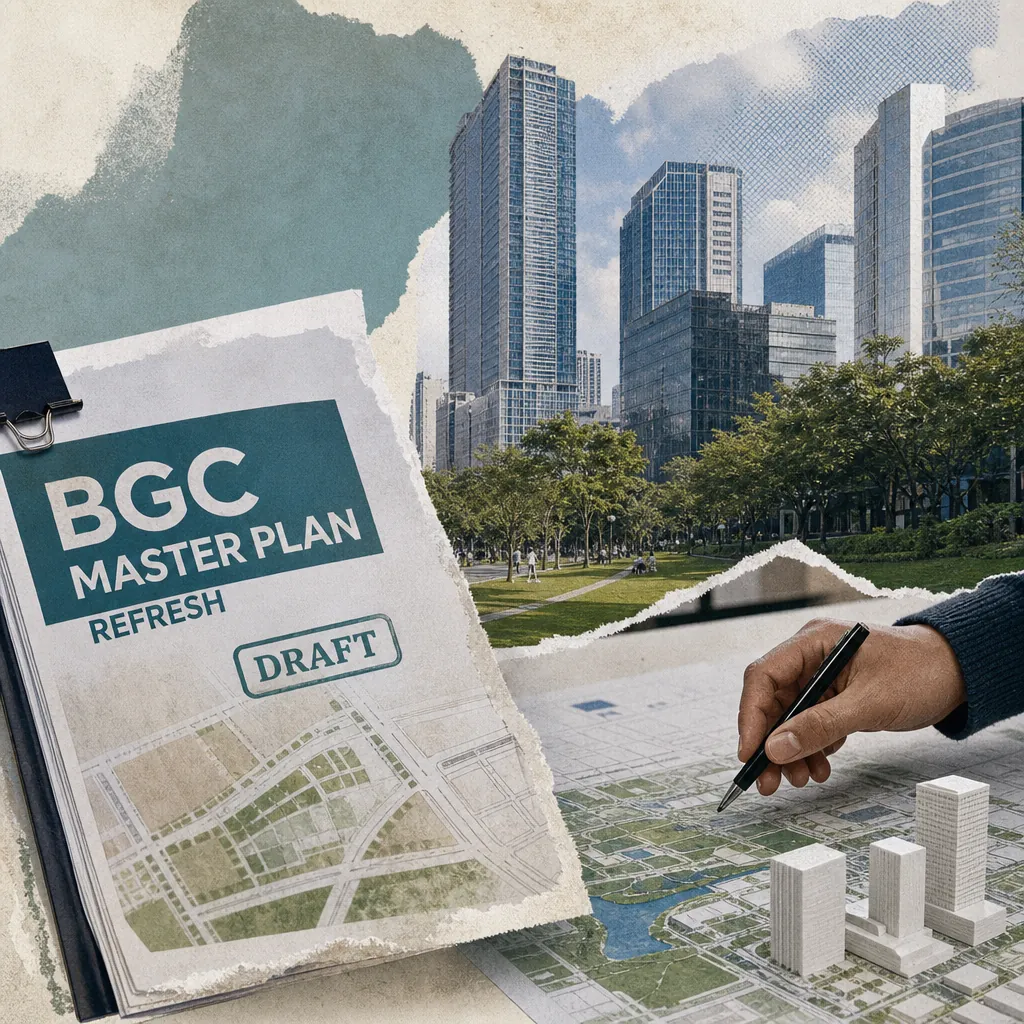
The Bases Conversion and Development Authority (BCDA) said on Monday that it will finish an updated master plan for Bonifacio Global City (BGC) before the end of the year, a move that could reshape one of the Philippines' most expensive business districts. The announcement, first reported by the Philippine Daily Inquirer's business desk, drew modest but positive engagement on Facebook and Twitter, while Reddit users dug into the regulatory and competitive implications. The plan, being prepared with consultancy SyCip Gorres Velayo & Co., will focus on mobility and open spaces to address congestion in the 240-hectare district, which was once part of Fort Bonifacio and is now developed in partnership with Ayala Land and the Campos group.
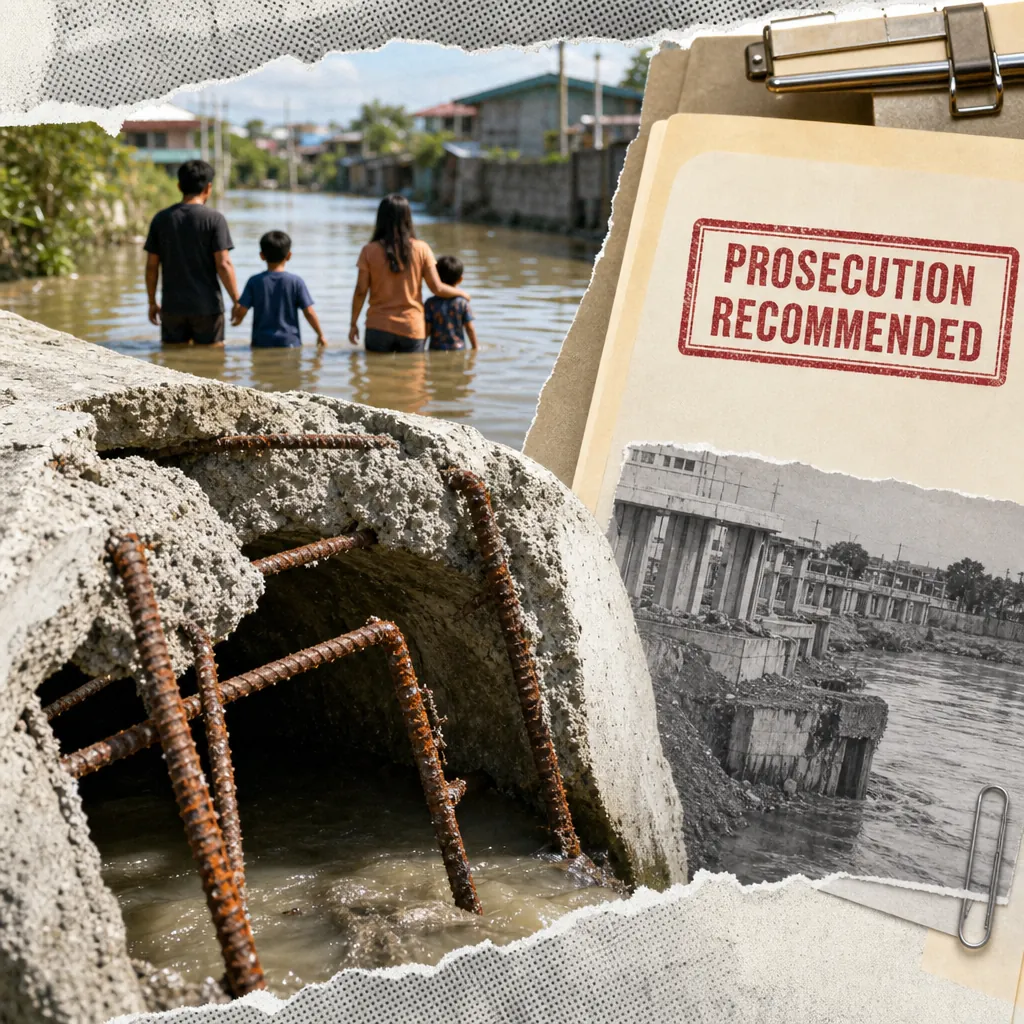
The day's conversation was not limited to BGC. Heavy monsoon rains and typhoons triggered severe flooding across Central Luzon, with President Ferdinand Marcos Jr. acknowledging that flood control projects were overwhelmed. The government's housing program, the Expanded Pambansang Pabahay para sa Pilipino (4PH), saw progress in Laguna, while property consultancies reported a slowdown in office leasing and a push toward midscale hotels. These stories, captured across online news outlets, paint a picture of a sector balancing long-term planning with immediate climate and economic pressures.
Key themes
- BCDA targets December completion for BGC master plan refresh The state-run Bases Conversion and Development Authority (BCDA) announced it will complete an updated master plan for Bonifacio Global City (BGC) by December, focusing on mobility and open spaces to ease congestion. The announcement, first reported by the Philippine Daily Inquirer, drew cautious optimism on social media, with Reddit users analyzing potential zoning and density changes.
- Flooding in Central Luzon overwhelms infrastructure, prompts calls for action Severe monsoon rains and typhoons submerged hundreds of villages in Pampanga and Bulacan, affecting over one million residents. President Marcos said flood control projects were overwhelmed by unprecedented rainfall, while Pampanga Governor Lilia Pineda appealed for a P100-billion irrigation project to manage water flow.
- Government housing program advances with new projects The Department of Human Settlements and Urban Development (DHSUD) marked full construction of the UP Los Baños 4PH rental housing project, part of the government's flagship program to address a 6.5-million housing backlog. PH1 World Developers also received recognition for its Avesta Residences project under the same program.
- Office market slows in Q2 as geopolitical uncertainty weighs Colliers reported that Metro Manila office transactions fell 24% quarter-on-quarter in Q2 2026, as occupiers delayed decisions due to the Middle East crisis. Flexible workspaces and new economic zone rules are expected to support recovery later in the year.
- Hotel developers shift toward midscale projects CBRE Philippines advised developers to focus on midscale hotels and reflag existing assets rather than build new ones, citing high construction costs and an undersupplied market. The country has fewer than 50,000 hotel rooms for 115 million people, versus 150,000 for Thailand's 72 million.
- Pasig River envisioned as Metro Manila's 'blue thread' A new Asian Development Bank report proposes transforming a 500-meter corridor along the Pasig River into a connected system of esplanades, parks, and ferry links, potentially benefiting over half a million residents. The plan aligns with government efforts to improve urban livability and climate resilience.
- FTSE rebalancing moves major Philippine firms to lower tiers BPI and SM Prime were moved from Large Cap to Mid Cap in the FTSE Global Equity Index Series, while Megaworld and Converge dropped to Small Cap. Analysts downplayed the significance, noting it reflects market capitalization changes rather than fundamentals.
- Makro returns to the Philippines with four new stores in Ayala estates Ayala Land signed lease agreements with Makro Philippines for new stores in Quezon City, Laguna, Taguig, and Cavite, bringing the wholesale brand back to the country. The move signals confidence in retail demand within integrated mixed-use developments.
How the narratives stack
Dominant The BGC master plan refresh dominated the day's conversation, both in the news media and on social platforms. The story originated from a major business desk and was amplified across Facebook, Twitter, and Reddit, with engagement figures showing a mix of cautious curiosity and analytical interest. The announcement's significance lies in its potential to reshape one of the country's most valuable business districts, affecting property values, traffic, and future development. Within the captured set, this story drew the most direct social media attention, with the Inquirer's Facebook post receiving 25 likes and 9 love reactions, and a Reddit thread generating 11 upvotes and five comments.
Counter-narrative While the BGC announcement was framed positively, a counter-narrative emerged on Reddit questioning the feasibility of the December timeline. Users pointed to historical delays in similar master plan refreshes in other business districts, such as Ortigas Center and Filinvest City, which took two to three times longer than initially announced. This skepticism was echoed in low Twitter engagement, suggesting the market was adopting a wait-and-see stance.
Emerging The flooding in Central Luzon is emerging as a significant narrative with direct implications for real estate and infrastructure. President Marcos's admission that flood control projects were overwhelmed, and the call for a P100-billion irrigation project, signal potential policy shifts and public investment that could affect development patterns in the region. This story, while not directly about real estate, intersects with property risk assessments and the need for climate-resilient planning.
Under-covered The Pasig River 'blue thread' vision, while covered by the Manila Times and other outlets, received less social media attention than its potential impact warrants. The Asian Development Bank's proposal to transform the river corridor into a connected public realm could significantly enhance property values and livability in Metro Manila, yet it did not generate the same level of public discussion as the BGC announcement.
Platform insights
- Facebook: The conversation began here with the Inquirer's initial post, which attracted the highest level of positive engagement—25 likes and 9 love reactions—but generated relatively few comments (only 8), suggesting the platform served primarily as a broadcast channel for initial awareness rather than deep discussion. As the day progressed, Facebook commenters began raising practical questions about zoning, traffic, and property values, but the pace remained measured, with no viral amplification or negative pushback observed.
- Twitter: The InquirerBiz retweet showed minimal organic spread—just 3 likes and 2 shares on 1,046 views—reflecting that the story was not yet a trending topic in the broader public discourse, though the platform did amplify the announcement to business-focused followers who began asking about delivery timelines. The absence of quote tweets or replies indicates that influencers and analysts were still processing the news and had not yet formulated public positions.
- Reddit: The most analytically engaged platform, with 11 upvotes on the post and five comments that delved into regulatory history, comparative master plan timelines, and regional competitive effects. Reddit's slower but deeper discussion style allowed users to build on each other's insights, creating a more substantive narrative thread about what BCDA's December target means for developers, buyers, and investors across the Philippines.
Key voices and communities
- Mainstream media and business desks: The Philippine Daily Inquirer's business desk broke the BGC story, and its social media channels drove initial awareness. This group sets the agenda for business and property news, with the story's placement in the business section indicating strong newsworthiness for developers and investors.
- Property-focused Reddit users: A small but analytically engaged community on r/Philippines, these users cross-referenced BCDA's history, compared master plan timelines, and speculated on impacts for specific developments like Uptown Bonifacio and McKinley Hill. Their detailed technical discussions often surface concerns that mainstream coverage misses.
- Government officials and agencies: BCDA President Joshua Bingcang and other officials provided the official framing of the master plan refresh, emphasizing mobility and open spaces. Their statements carry institutional credibility and shape the initial narrative.
- Industry analysts and consultancies: Firms like Colliers and CBRE provided data-driven insights on office and hotel markets, offering a counterpoint to the optimism around BGC. Their reports are widely cited and influence investor sentiment.
- Local government leaders: Pampanga Governor Lilia Pineda and other local officials emerged as voices of urgency amid the flooding, appealing for national intervention. Their appeals highlight the human and economic costs of climate-related disasters, which have direct implications for property development in affected areas.
Narrative streams
BGC master plan refresh: A pivotal regulatory event for the CBD
The BCDA's announcement that it will complete an updated master plan for BGC by December marks a significant regulatory event for one of the Philippines' most valuable business districts. The plan, being prepared with consultancy SyCip Gorres Velayo & Co., will focus on mobility and open spaces to address congestion, according to BCDA President Joshua Bingcang. The announcement was first reported by the Philippine Daily Inquirer, which framed it as a "major overhaul" of the district, drawing 25 likes and 9 love reactions on Facebook, but only eight comments—suggesting cautious curiosity rather than immediate alarm.
On Reddit, users began speculating about what changes could mean for property values, traffic patterns, and the competitive dynamics between BGC and emerging hubs like Arca South and Vertis North. One commenter noted that similar master plan refreshes in other CBDs, such as Ortigas Center or Filinvest City, had historically taken two to three times longer than initially announced, creating a precedent for delay that investors should factor into their decisions. This skepticism was amplified by the relatively low engagement on Twitter—only three likes on 1,046 views—which some interpreted as a sign that the market had not fully bought into the narrative of swift execution.
The read for the sector: Developers and investors with exposure to BGC should treat the December timeline as a high-priority monitoring item, with contingency scenario planning for various master plan outcomes. Any shift in zoning, density, or open space allocation could impact preselling prices, REIT valuations, and the competitive positioning of nearby developments like McKinley Hill and Uptown Bonifacio. The absence of negative sentiment in the initial wave suggests a favorable reception, but the Reddit thread's analytical tone indicates that scrutiny will intensify as details emerge.
Flooding in Central Luzon: A climate stress test for infrastructure and property
Severe monsoon rains and typhoons "Maymay" and "Luis" triggered massive flooding across Central Luzon, submerging hundreds of villages and affecting over one million residents in Pampanga alone. President Ferdinand Marcos Jr. acknowledged that flood control projects were overwhelmed by unprecedented rainfall, with around 500 millimeters of rain falling in a single day—more than the total 24-hour rainfall recorded during Typhoon Ondoy in 2009. Pampanga Governor Lilia Pineda made an emotional appeal for a P100-billion National Irrigation Administration project to help control the massive volume of water reaching the province from neighboring Aurora and Nueva Ecija.
The flooding has direct implications for the real estate sector. Properties in flood-prone areas face heightened risk, and the government's admission that infrastructure was overwhelmed could affect insurance costs, property values, and development decisions. The president's framing of the floods as a result of climate change, rather than solely infrastructure failures, may shift the narrative toward long-term adaptation and resilience planning.
The read for the sector: Developers and investors should factor climate resilience into project planning, particularly in Central Luzon and other flood-prone regions. The government's response to the flooding—including potential investments in irrigation and flood control—could create opportunities for infrastructure-linked development, but also signals that climate risk is becoming a central consideration in property valuation and insurance.
Government housing program gains momentum
The Department of Human Settlements and Urban Development (DHSUD) marked a milestone in the UP Los Baños 4PH Rental Housing Project with a concrete pouring ceremony, signaling the start of full-scale construction. The project, part of President Marcos Jr.'s flagship Expanded Pambansang Pabahay para sa Pilipino (4PH) program, aims to provide affordable rental housing for UPLB constituents, ending a 45-year wait for a government housing project at the university. PH1 World Developers, the real estate arm of Megawide Construction Corp., also received special recognition for its Avesta Residences project under the 4PH program at the 2026 PropertyGuru Philippines Property Awards.
The 4PH program seeks to address the country's estimated 6.5-million housing backlog by increasing the supply of affordable housing. The program's progress is a key indicator for the sector, as it involves significant government investment and private sector participation. The recognition of Avesta Residences highlights the role of private developers in delivering 4PH projects, using innovative construction methods like precast technology to speed up delivery.
The read for the sector: The 4PH program represents a significant opportunity for developers willing to engage with government housing initiatives. As the program scales, it could reshape the affordable housing segment, creating demand for construction services, materials, and financing. Developers should monitor DHSUD's pipeline and consider partnerships that align with the program's goals.
Office market slowdown: Geopolitics and the shift to flexibility
Colliers reported that Metro Manila's office market momentum stalled in the second quarter of 2026, with transactions falling 24% quarter-on-quarter to 145,000 square meters. The slowdown was attributed to geopolitical uncertainty from the Middle East crisis, prompting occupiers to reassess timing, costs, and space commitments. Leasing decisions were pushed to the latter part of the year, with occupiers prioritizing renewals over relocations or expansions.
However, the market has recovery levers in place. Flexible workspaces and managed solutions are gaining traction, while Administrative Order No. 45 is expected to widen the pool of Philippine Economic Zone Authority (PEZA)-accredited options in Metro Manila, supporting IT-BPM and global capability center requirements. The order allows more buildings to offer tax incentives to locators, potentially boosting demand for office space in the capital.
The read for the sector: Office developers and landlords should prepare for a slower leasing environment in the near term, but the expected recovery in the latter half of the year, driven by flexible workspaces and new economic zone rules, offers a path forward. Positioning properties to meet the needs of IT-BPM and global capability centers, including compliance with PEZA accreditation, will be critical to capturing demand as geopolitical uncertainties ease.
Hotel development: Midscale is the way forward
CBRE Philippines advised hotel developers to focus on midscale projects and consider reflagging existing assets rather than building new properties, as construction costs rise. "Midscale is the way to go, and that is where most Filipino travelers actually stay. The logical route [is to] re-flag an existing asset, not build a new one," CBRE said in its report for the second quarter. The consultancy noted that the Philippines remains undersupplied in hotel rooms, with fewer than 50,000 rooms for a population of 115 million, versus approximately 150,000 rooms for Thailand's 72 million people.
CBRE is tracking 3,297 upcoming serviced-residence keys, with Makati accounting for 1,660, other parts of Metro Manila for 1,143, and Cebu for 430. Upcoming projects include Lanson Place with 389 keys, Novotel Suites with 310 keys, Wyndham with 100 keys, and Dusit Thani Residences with 85 keys.
The read for the sector: Hotel developers should pivot toward midscale and serviced-residence formats that cater to domestic travelers, who represent the bulk of demand. Reflagging existing assets can be a cost-effective alternative to new construction, allowing owners to upgrade positioning without the capital expenditure of a ground-up project. The undersupply of rooms presents an opportunity for strategic investment, but only in segments where demand is proven.
Pasig River 'blue thread': A vision for urban resilience
The Asian Development Bank released a report proposing a transformation of the Pasig River into Metro Manila's "blue thread," a continuous waterway that could stitch together livability, climate resilience, and urban prosperity. The plan envisions a connected system of esplanades, parks, ferry links, and green bridges along a 500-meter corridor, potentially serving more than half a million residents. At the center is the long esplanade program, a nine-segment, riverside walk-and-cycle spine being led by the Department of Human Settlements and Urban Development (DHSUD).
The vision aligns with broader government efforts to improve urban livability and address climate risks. The Pasig River has long been neglected, and its revitalization could have significant economic and environmental returns, including increased property values, improved public health, and enhanced flood resilience. The report's release on the same day as the BGC announcement highlights a growing focus on urban planning and public space in Metro Manila.
The read for the sector: The Pasig River initiative, if realized, could create new opportunities for property development along the river corridor, particularly in mixed-use and residential projects that capitalize on improved public spaces. Developers should monitor the DHSUD's esplanade program and consider how proximity to the revitalized river could enhance project value. The plan also underscores the importance of integrating climate resilience into urban development.
Conversation trajectory
- BGC master plan details (next 3-4 months): The BCDA is expected to release specific proposals for the BGC master plan by December. As details emerge, expect a significant increase in conversation volume, with a shift from "what's changing" to "who benefits and who gets displaced." Social media, particularly Reddit, will likely surface concerns about density, green space, and affordability. Trigger events include any public statements from BCDA on zoning or land disposition, and reactions from major stakeholders like Ayala Land.
- Flood recovery and infrastructure investment (next 6-12 months): The flooding in Central Luzon will likely prompt increased government investment in flood control and irrigation, as well as policy discussions on climate adaptation. This could affect property development in flood-prone areas, with potential changes in building codes, insurance requirements, and land use planning. Trigger events include the release of damage assessments, the approval of the P100-billion irrigation project, and any new flood control initiatives.
- Office market recovery (next 6 months): Colliers expects leasing decisions to pick up in the latter half of 2026, driven by flexible workspaces and Administrative Order No. 45. Monitor quarterly transaction data and announcements from major occupiers. Trigger events include the full implementation of AO 45, new PEZA accreditations, and any easing of Middle East tensions.
- 4PH housing program expansion (next 12 months): The government's housing program is expected to scale up, with more projects breaking ground and private sector participation increasing. Monitor DHSUD announcements and the progress of flagship projects like UP Los Baños. Trigger events include the completion of key projects, new partnerships, and any policy adjustments to the program.
- Hotel development pipeline (next 12-24 months): CBRE's advice to focus on midscale and reflagging is likely to shape new project announcements. Monitor the development pipeline for serviced residences and midscale hotels, particularly in Makati and Cebu. Trigger events include new project launches, reflagging announcements, and changes in construction costs.
Response guidance
Monitor BCDA communications closely: Establish a monitoring cadence for BCDA official channels and credible business outlets over the next month to track any supplementary announcements or stakeholder consultations. Prepare a briefing memo for clients with BGC or nearby property interests summarizing the announcement and outlining likely areas of public inquiry—timeline, scope, and implications for existing developments.
Prepare for narrative shifts on flooding: For clients with property portfolios in Central Luzon or other flood-prone areas, develop reactive messaging that acknowledges the human and economic costs while emphasizing resilience and long-term planning. Avoid speculating on infrastructure failures; instead, focus on the government's response and the need for climate-adaptive development.
Leverage the 4PH program for housing narratives: For developers involved in affordable housing, highlight alignment with the government's 4PH program and the use of innovative construction methods. Position projects as contributions to addressing the housing backlog, and prepare messaging that emphasizes quality, speed, and community impact.
Tailor office market messaging to flexibility: For office landlords and developers, emphasize flexible workspace options and PEZA accreditation as key differentiators. Prepare data-driven responses that address occupiers' concerns about geopolitical uncertainty and cost, and highlight the expected recovery in the latter half of the year.
Position midscale hotels as the growth segment: For hotel owners and developers, craft messaging that underscores the undersupply of midscale rooms and the value of reflagging existing assets. Use CBRE's data to support the case for midscale investment, and prepare for questions about construction costs and market demand.
Engage with the Pasig River vision: For clients with interests along the Pasig River corridor, monitor the DHSUD's esplanade program and consider thought-leadership content that aligns with the 'blue thread' vision. Position developments as contributing to urban resilience and livability, and prepare for potential partnerships or public-private initiatives.
See the full picture behind today's signals.
This report draws from Media Meter's MediaWatch, our real-time monitoring engine tracking 2,470+ Philippine sources across print, broadcast, digital, and social. Explore how the platform turns raw coverage into decision-grade intelligence, then see how it's configured for teams like yours — whether you're in PR agencies, corporate comms, government, or marketing.
Want more? Browse our Report Library for sector and crisis intelligence, or request a demo and we'll have your brand set up before the call.
Want this kind of intelligence on your brand?
This brief is built on the same MediaWatch methodology that runs continuously across every brand we monitor. See your competitive landscape, Impact Score, and narrative trajectory in a 30-minute demo.