Dela Rosa arrest rumor, impeachment trial dominate PH discourse
A day of unverified arrest rumors, impeachment trial theatrics, and corruption probes shaped Philippine political conversation on August 4, 2026.
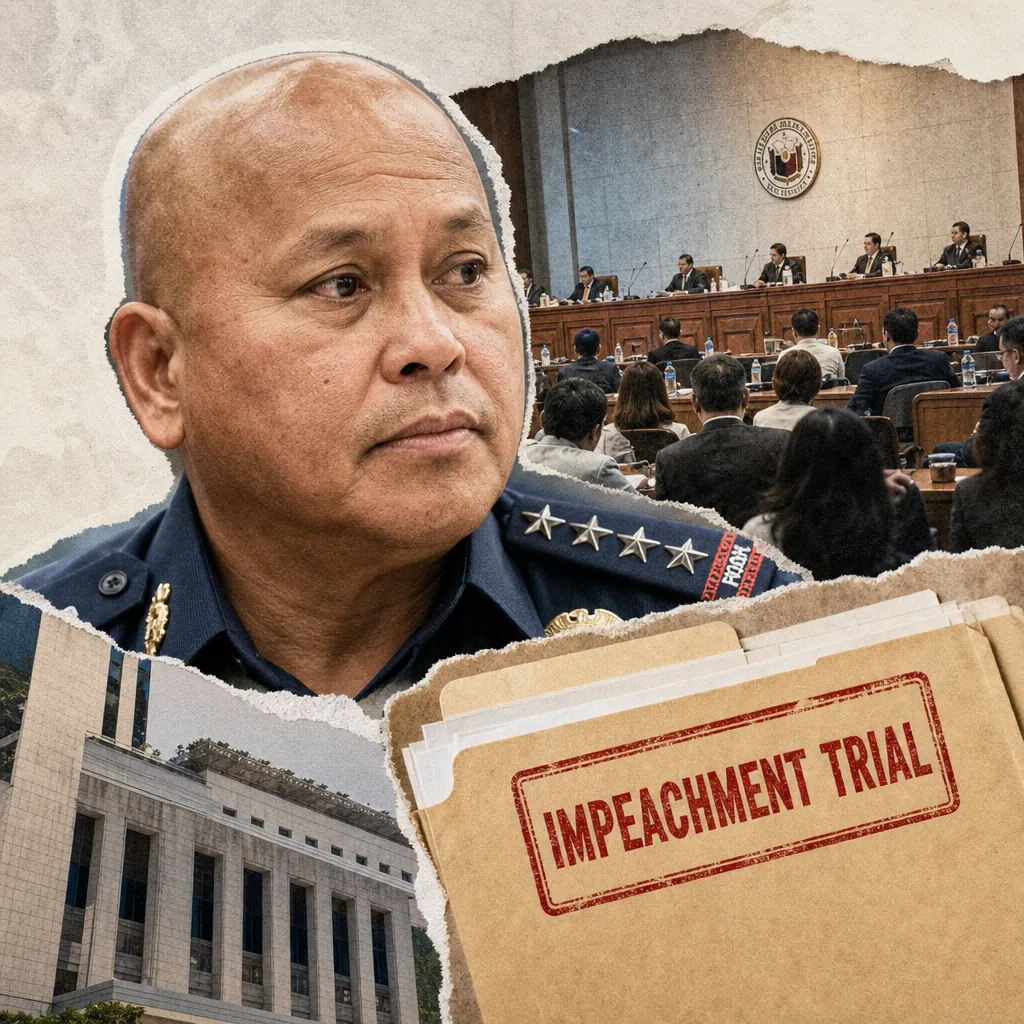
The day's conversation opened with a rumor that spread faster than any official could deny it: Senator Ronald "Bato" dela Rosa had been arrested. Within hours, the Department of Justice, the Philippine National Police, the National Bureau of Investigation, and the Department of the Interior and Local Government all issued statements saying they had no information about any arrest. The NBI director, Melvin Matibag, clarified that the manhunt for dela Rosa—who faces an International Criminal Court warrant over his role in the drug war—was still ongoing. Yet the rumor persisted, fueled by a post from former presidential spokesperson Harry Roque alleging betrayal within dela Rosa's circle, and by a cryptic Facebook post from singer-lawyer Jimmy Bondoc warning that "bad news is coming." On Reddit, users expressed skepticism, with one noting "40 percent doubt" because of the absence of key opposition figures in the discussion. The engagement numbers tell the story: a Reddit post on the DOJ's non-confirmation drew 94 likes and 27 comments, while a Twitter post on the NBI's manhunt update drew over 6,000 views. The rumor's resilience despite official denials underscores a fragile trust in institutional messaging—a pattern that would repeat throughout the day.
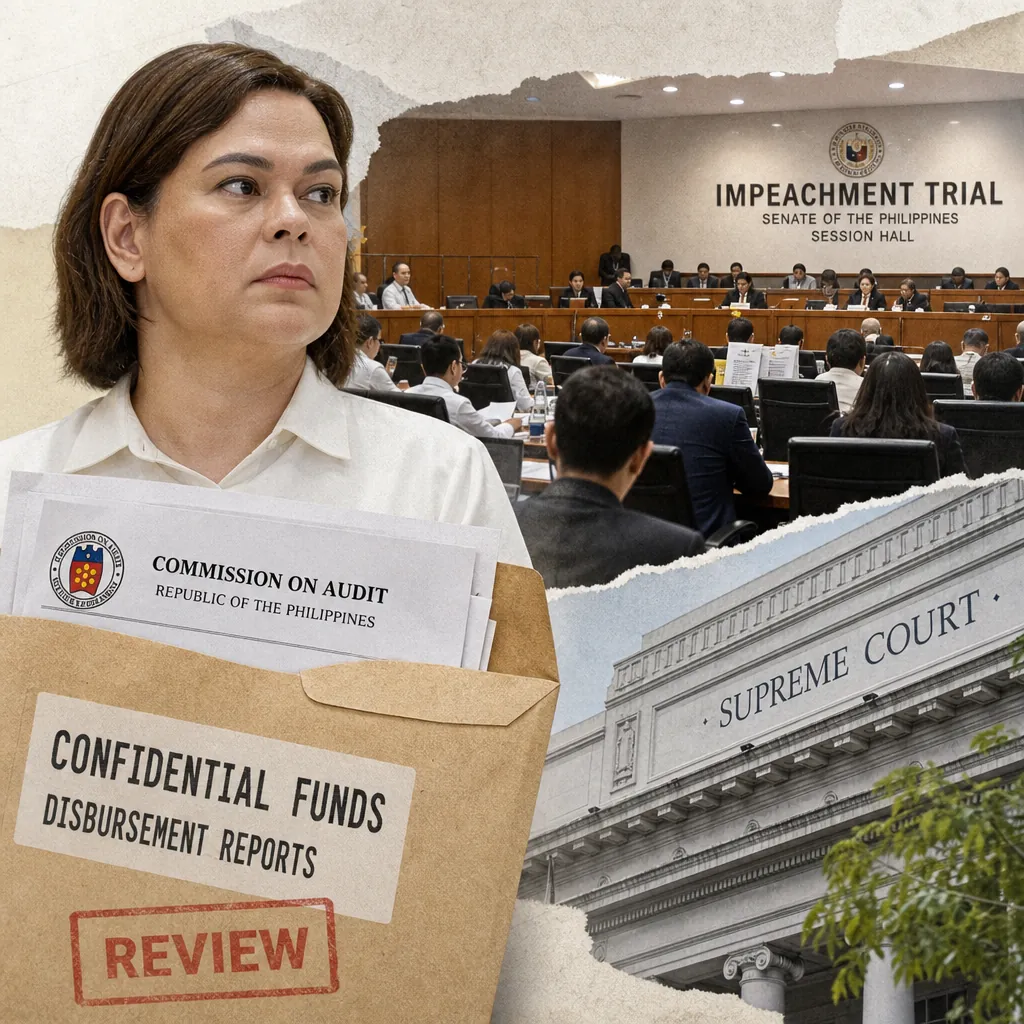
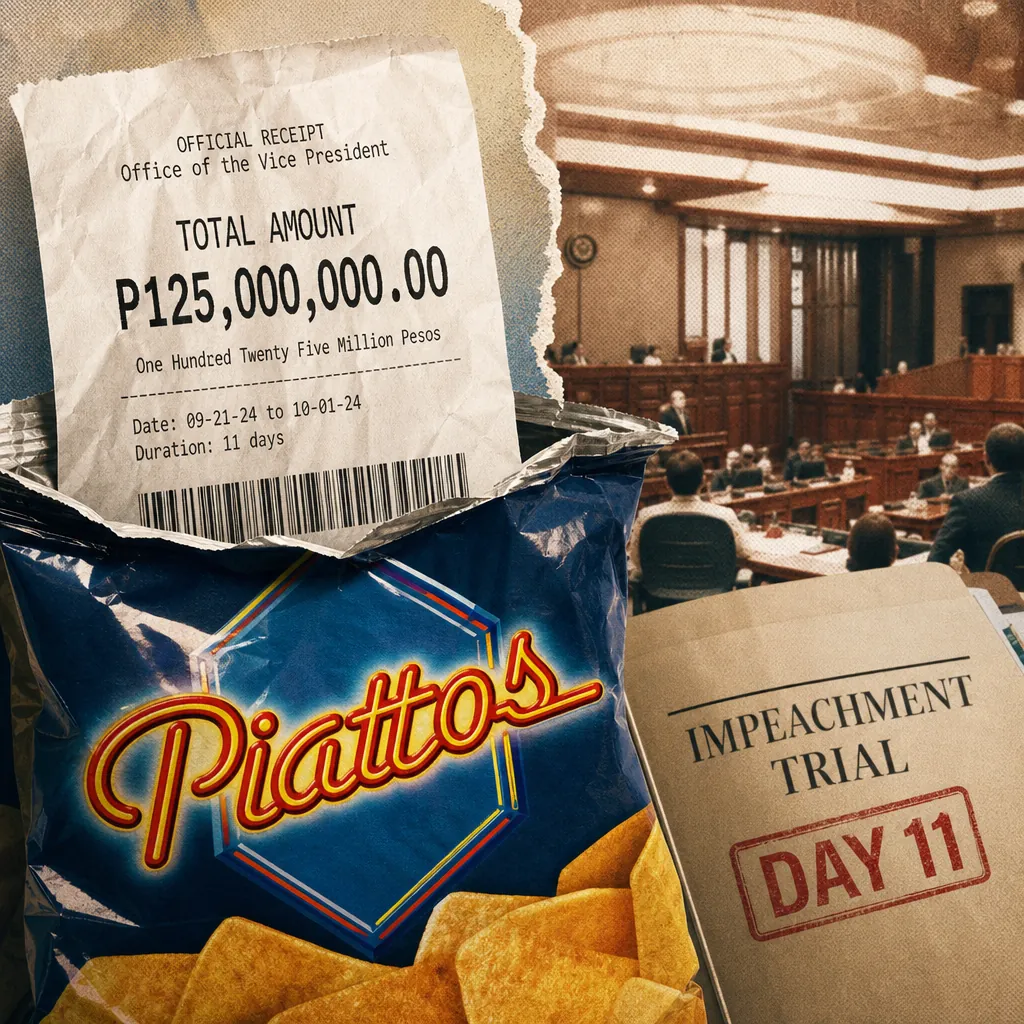
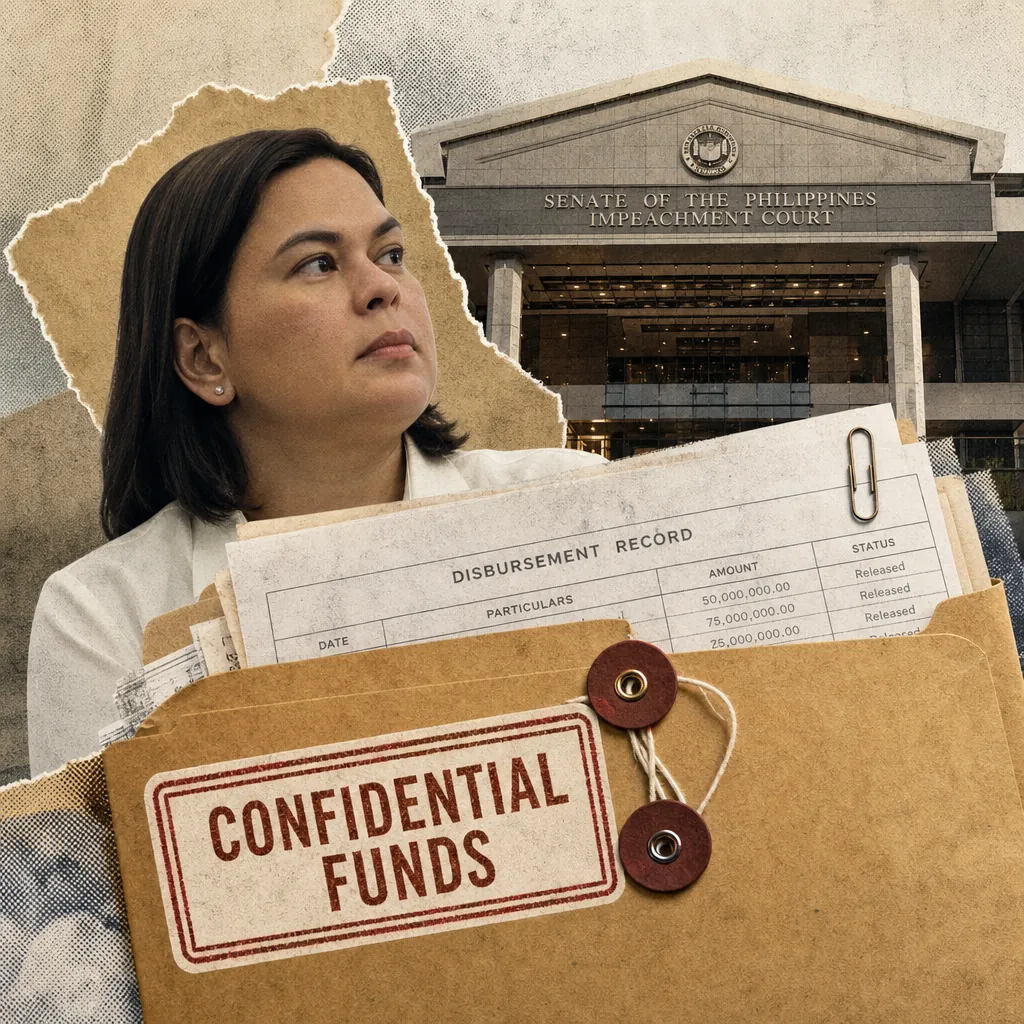
Meanwhile, the impeachment trial of Vice President Sara Duterte entered its 12th day, providing a more substantive, if equally theatrical, focus. The House prosecution, led by private prosecutor Lorna Kapunan, pressed its case that Duterte misused P612.5 million in confidential funds—P500 million from the Office of the Vice President and P112.5 million from the Department of Education, which she concurrently headed. Kapunan's sharp dismissal of the defense's evidence as a "SCAM" became a viral moment, drawing 95 "haha" reactions on a Facebook post—a disproportionate response that suggested public amusement rather than outrage. The defense countered by invoking a 1992 Commission on Audit circular and arguing historical precedent for confidential funds, while also claiming the court had been "fair." The trial's proceedings were also marked by lighter moments, such as Kapunan's "Wait, don't answer, huy!" interjection, which drew laughter in the courtroom and was shared widely online.
Beyond the trial and the arrest rumor, a third narrative thread emerged around corruption and legislative conflict. Former DPWH Undersecretary Roberto Bernardo testified at the Sandiganbayan about "fake biddings" in which losing bidders were paid a "salary" for their role, part of the malversation case against former Senator Bong Revilla. The DOJ announced an investigation into 20 individuals over Cebu flood control anomalies. And Senators Alan Peter Cayetano and Panfilo Lacson traded barbs over alleged illegal reclamation in Taguig, with Cayetano calling Lacson a "marites" and "Senator-judge Troll." Malacañang expressed trust that Lacson would not compromise the probe, but the conflict highlighted deep rifts within the Senate. The day's conversation was a hyper-saturated mix of rumor, legal drama, and political infighting—a snapshot of a media landscape where official statements and unverified claims compete for narrative control.
Key themes
- The unconfirmed arrest of Senator Bato dela Rosa: A rumor that dominated early in the day, with multiple government agencies issuing denials within hours. The NBI's confirmation that the manhunt remains ongoing drew the highest engagement among related posts, but the story persisted, fueled by speculation about betrayal and a cryptic warning from a celebrity lawyer.
- Impeachment trial of Vice President Sara Duterte: The 12th day of the trial saw the prosecution's confidence in its witness, former COA auditor Roderick Wamil, and the defense's argument that there was "no misuse" of confidential funds. Private prosecutor Lorna Kapunan's "SCAM" remark became a viral moment, drawing 95 "haha" reactions on Facebook.
- Corruption allegations and legislative conflict: A series of infrastructure-related graft stories, including the DPWH "fake biddings" testimony and the Cebu flood control probe, ran parallel to the trial. The Cayetano-Lacson feud over Taguig reclamation added a layer of institutional friction.
- Weather and disaster response: Tropical Depression Maymay and the southwest monsoon brought heavy rains to Luzon, leading to class suspensions and evacuations. The government's response, including PAGASA updates and DPWH clearing operations, drew steady engagement.
- Public skepticism toward official statistics: The PNP's report of a 36% drop in crime for July was met with 35 "haha" reactions on Facebook, suggesting public disbelief. This skepticism extended to the arrest rumor, where official denials were not enough to quell speculation.
- Positive governance narratives: Amid the political noise, stories like the GSIS refund of P18 billion in loan payments, the SSS cash aid to nearly 1 million members, and the Senate resolution honoring Alex Eala's WTA win offered counterpoints, though they drew less engagement.
- Geopolitical undercurrents: The AFP's confirmation of Chinese naval drills near Bajo de Masinloc added a security dimension, drawing over 1,300 views on a Twitter post. This track ran parallel to the domestic political drama.
How the narratives stack
Dominant: The impeachment trial of Vice President Sara Duterte was the most consequential ongoing narrative, with the day's proceedings generating substantial sentiment across Reddit, Facebook, and Twitter. The prosecution's framing of the evidence as a "scam against the people" and the defense's counter-narrative around historical precedent created a polarized information environment. The trial's viral moments, such as Kapunan's "SCAM" remark, drove emotional engagement, while the defense's emphasis on procedural fairness aimed to reframe the narrative from "misuse" to "institutional norms." Within the captured set, the trial drew the most consistent and intense focus, with multiple articles and posts dedicated to its proceedings.
Counter-narrative: The defense's argument that the confidential funds were used for legitimate purposes, supported by a 1992 COA circular, served as a direct counter to the prosecution's allegations. The defense also claimed the court had been "fair," a strategic move to contrast with the prosecution's aggressive posture. This narrative gained traction among certain audience segments, particularly those sympathetic to Duterte, but faced hardening opposition from critics who saw it as an attempt to legitimize questionable spending.
Emerging: The corruption-accountability cluster around DPWH bidding irregularities, Cebu flood control probes, and the Revilla testimony is growing in prominence independent of the impeachment trial. This cluster spans both past and present administrations, creating opportunities for opponents to draw parallels while enabling the Palace to distance itself from previous-era anomalies. The sequencing of the Revilla hearing in mid-August will likely trigger a spike in historical corruption comparisons.
Suppressed: The story of the 20 individuals arrested in a "pig butchering" online fraud scheme in Pasay City received relatively little attention compared to the political drama, despite its significance for public awareness of cybercrime. Similarly, the dengue outbreak in Zamboanga City, which claimed 12 lives, drew limited engagement (82 views on one post), overshadowed by the impeachment trial and the arrest rumor. These stories, while important, were pushed to the margins of the day's conversation.
Platform insights
- Twitter: Served as a breaking news wire, with official agency accounts and news outlets posting rapid-fire updates on the dela Rosa rumor, PAGASA weather bulletins, and AFP announcements. The platform was the primary channel for official clarifications and consequential political statements, such as Harry Roque's "betrayal" claim. High view counts on clarification posts (6,067 and 5,812 views) indicated strong public demand for authoritative updates.
- Reddit: Fostered more analytical and skeptical discussion, particularly regarding the dela Rosa arrest and the impeachment trial. A dedicated megathread for the trial's 12th day facilitated organized discussion. User sentiment was openly critical, with comments questioning the credibility of the arrest rumor and the motivations of political figures. The platform also served as a space for discussing personal political drama, such as VP Duterte's visit to jailed allies, which drew over 150 upvotes.
- Facebook: News outlet pages acted as amplifiers for the day's biggest stories, particularly those with an emotional or sensational angle. The post about Kapunan's "SCAM" statement generated a massive number of "haha" reactions, signaling public cynicism. Similarly, the PNP's crime drop report was met with high "haha" reactions, suggesting disbelief in official statistics. The platform was less about generating new information and more about gauging public emotional response through reaction metrics.
Key voices and communities
- Government and law enforcement institutions: The DOJ, PNP, NBI, and DILG dominated the conversation on the dela Rosa rumor, issuing coordinated denials. Their messaging was cautious and procedural, emphasizing the need to avoid speculation. The NBI's clarification that the manhunt remains ongoing drew the highest engagement in this group, with over 6,000 views.
- Senate and political elites: Senators, party-list representatives, and former officials were central to the impeachment trial and the Cayetano-Lacson feud. Their statements triggered immediate media coverage and social media debate. The Senate minority leader's "marites" comment and the Senate President's welcome of a Pakistani delegation drew mixed reactions, including mocking "haha" responses.
- General public and online communities: Reddit and Facebook users formed a highly active but fragmented audience, reacting to the day's news with skepticism and cynicism. A Reddit user expressed conditional support for the prosecution, saying, "Kung totoo ito, tuloy mo pa rin PBBM ang kaso sa mag-Ina, Di sapat iyan. Kailangan nilang mapanagot." (If this is true, continue the case against the mother and daughter, PBBM. It's not enough. They need to be held accountable.)
- Media outlets and journalists: Traditional media organizations served as the primary amplifiers of the day's stories, with Twitter posts from news accounts generating thousands of views. Their framing emphasized verification and official sources, but the rapid spread of the arrest rumor showed the limits of that approach.
- Local government and public service entities: PAGASA, DSWD, and GSIS provided a counterpoint to the political noise, with announcements about weather, aid distribution, and loan refunds. These posts drew steady but modest engagement, highlighting public reliance on timely government information.
Narrative streams
The impeachment trial: A constitutional process or political theater?
The impeachment trial of Vice President Sara Duterte is the most significant ongoing political story in the Philippines. The trial, which began in July, stems from allegations that Duterte misused P612.5 million in confidential funds—money allocated for intelligence activities that are exempt from normal procurement rules but still subject to audit. The House prosecution, led by private prosecutor Lorna Kapunan, argues that the funds were spent without proper documentation and that acknowledgment receipts alone cannot justify the expenditures. Former COA auditor Roderick Wamil testified that the Commission on Audit found irregularities and incomplete supporting records in the liquidation documents submitted by the OVP and DepEd.
On the 12th day of the trial, Kapunan's direct examination of Wamil produced several viral moments. Her characterization of the alleged misuse as a "scam against the people" drew strong reactions, with one Facebook post amassing 95 "haha" reactions—a disproportionate response that suggested public amusement rather than outrage. The defense, meanwhile, invoked a 1992 COA circular to argue that confidential funds have historically been subject to less stringent audit requirements. Defense counsel Michael Poa asked Wamil whether he saw any indication that "even a single centavo" of the funds went into Duterte's pocket, a question that Kapunan blocked with a sharp "Wait, don't answer, huy!" The exchange drew laughter in the courtroom and was widely shared online.
The trial's proceedings are being distilled into shareable soundbites, a trend that concerns observers who worry the public is engaging with the trial less as a serious constitutional process and more as political entertainment. The defense's strategy of invoking historical precedent is designed to reframe the narrative from "misuse" to "institutional norms," which may resonate with some audiences but harden opposition among critics. The trial is expected to continue for several more weeks, with the Senate impeachment court subpoenaing another COA auditor, Celine May Del Campo, to testify from August 5 to 11.
The dela Rosa arrest rumor: A disinformation stress test
The rumor that Senator Ronald "Bato" dela Rosa had been arrested spread rapidly on August 4, despite denials from multiple government agencies. Dela Rosa, a former PNP chief, is wanted by the International Criminal Court for his alleged role in the drug war under former President Rodrigo Duterte. The ICC warrant has been a point of contention, with the Philippine government refusing to cooperate with the court. The rumor likely originated from social media posts speculating about dela Rosa's whereabouts, given that he had not been seen publicly for months.
The official response was swift but fragmented. The DOJ spokesperson said they had no information, the PNP said no arrest had occurred, and the NBI confirmed that the manhunt remains ongoing. DILG Secretary Jonvic Remulla echoed these statements. Despite the coordinated denials, the story persisted, fueled by Harry Roque's claim of betrayal and Jimmy Bondoc's cryptic "bad news is coming" post. On Reddit, users expressed skepticism, with one noting "40 percent doubt" because of the absence of key opposition figures like Trillanes in the discussion.
The rumor's resilience highlights a significant gap between institutional messaging and public trust. A single unverified social media post can create a parallel reality that official channels struggle to correct. For government communicators, this underscores the need for rapid, coordinated fact-checking and active engagement with platforms where rumors are being dissected. The NBI's confirmation that the manhunt continues provides a narrow window for authoritative clarification, but the public's conditional trust in official information means that denials alone may not be enough.
Corruption probes and the ghost projects of DPWH
A parallel narrative thread involved a series of corruption allegations centered on the Department of Public Works and Highways. Former DPWH Undersecretary Roberto Bernardo testified at the Sandiganbayan that contractors who played the role of losing bidders in "fake biddings" earned a "salary" for their trouble. He described a system where legislators have preferred contractors and coordinate with DPWH district engineering offices, making the outcome of biddings predetermined. This testimony is part of the malversation case against former Senator Bong Revilla, who allegedly received a 25% kickback from a P92.8-million ghost project in Pandi, Bulacan.
The case has drawn renewed attention following Revilla's temporary release on bail, which was granted on Friday. The Ombudsman, Jesus Crispin Remulla, made statements suggesting that efforts were made to secure a nod for Revilla's bail petition, prompting a former law school dean to ask whether the Ombudsman was insinuating that the Sandiganbayan is corrupt. The Sandiganbayan is the anti-graft court that handles cases involving public officials.
In a related development, the DOJ announced an investigation into 20 individuals over Cebu flood control anomalies, a case that has been ongoing since last year. The convergence of these stories creates a corruption-accountability cluster that spans both past and present administrations, offering opportunities for opponents to draw parallels while enabling the Palace to distance itself from previous-era anomalies. The upcoming testimony of former DPWH Secretary Manuel Bonoan against Revilla on August 12 will likely inject fresh evidence into the discourse.
The Cayetano-Lacson feud: Senate rifts and the Taguig reclamation
The conflict between Senators Alan Peter Cayetano and Panfilo Lacson over alleged illegal reclamation in Taguig escalated into a public war of words. Lacson, the former chair of the Senate blue ribbon committee, initiated an investigation into Taguig's infrastructure projects, which he said opened a "cauldron of worms," including ghost slope protection projects and illegally reclaimed tracts of land in Laguna Lake. Cayetano, the Senate minority leader, responded by calling Lacson a "marites" (a Filipino slang for a gossipmonger) and a "Senator-judge Troll." The exchange raised questions about the impartiality of the investigation, with Malacañang expressing trust that Lacson would not compromise the probe.
The feud reflects deep personal and political rifts within the Senate, which could have significant implications for legislative agendas and coalition-building in the lead-up to the 2028 elections. The conflict also draws attention to the issue of reclamation, which has been a contentious topic due to its environmental and social impacts. For public affairs clients, this narrative is worth monitoring closely for its potential to destabilize the status quo.
Weather and disaster response: Maymay and the monsoon
Amid the political drama, the weather provided a constant backdrop. Tropical Depression Maymay, which developed from a low-pressure area, brought heavy rains and gusty winds to parts of Luzon, with 17 areas under Signal No. 1. The southwest monsoon enhanced the rainfall, leading to class suspensions in several provinces, including La Union, Benguet, and Baguio City. Nearly 200 families were evacuated in La Union due to flooding, and the Office of Civil Defense reported that over 9,300 people were affected across four regions.
The government's response, including PAGASA's timely updates and DPWH's clearing operations, drew steady engagement. A PAGASA update on the LPA developing into a tropical depression drew over 1,500 views, highlighting public reliance on timely government information. However, the weather also intersected with the political narrative, as the Department of Agriculture ruled out a rice import ban despite El Niño risks, arguing that the country needs to build buffer stocks ahead of drier conditions in November. This decision drew criticism from farmers' groups, who pushed for a 30% rice safeguard duty to protect local producers.
Conversation trajectory
Over the next 3-5 days, the dela Rosa arrest rumor is likely to evolve into a sustained verification battle. The public's 40% skepticism noted in discussion threads indicates a fractured trust environment that will amplify any official statement. Coordinated clarification messaging from all relevant agencies within 24 hours is critical to close the information gap and prevent narrative exploitation by partisan actors.
The impeachment trial discourse is expected to intensify over the next 1-2 weeks as the trial enters its substantive phase. Viral moments like the Kapunan courtroom exchange will continue to drive emotional engagement, while substantive legal analysis becomes increasingly partisan. The defense's emphasis on historical precedent around confidential funds is designed to reframe the narrative from "misuse" to "institutional norms," which will likely gain traction with certain audience segments but harden opposition among critics.
The corruption-accountability cluster around DPWH and flood control projects will grow in prominence independent of the impeachment trial. The sequencing of the Revilla hearing in mid-August will likely trigger a spike in historical corruption comparisons, potentially extending the accountability narrative's shelf life.
Security and sovereignty narratives will operate on a separate but parallel track. The Chinese naval drills near Bajo de Masinloc, following trilateral exercises with the US and Japan, are creating a security-consciousness undercurrent. This track will likely gain momentum as the tropical depression develops and weather-related response capabilities become a secondary test of government effectiveness.
Key trigger events that will reshape this conversation include: the August 12 Sandiganbayan hearing where former DPWH Secretary Bonoan testifies against Revilla; the Comelec's decision on the cancellation of Moro Ako Party's registration ahead of the September 14 BARMM polls; and the potential landfall of Tropical Depression Maymay within 24-48 hours, which will shift public attention toward disaster response and potentially reset the news cycle.
Response guidance
For communicators in the public sector, the primary lesson from this day is the fragility of official narratives. The dela Rosa arrest rumor demonstrated that a single unverified social media post can create a parallel reality that official channels struggle to correct. To counter this, agencies should establish rapid response frameworks that allow for synchronized statements across all platforms. The NBI's confirmation that the manhunt continues provides a narrow window for authoritative clarification, but denials alone may not be enough. Active engagement with platforms where rumors are being dissected, particularly Reddit, is essential.
For the impeachment trial, communicators should focus on conveying the gravity of the proceedings to counter the trivialization of the trial as political entertainment. Daily factual summaries of trial proceedings, including testimony highlights and procedural rulings, can serve as a neutral reference point for the public. Explaining complex procedural points, such as the role of COA circulars, in plain language will help maintain public trust in the trial's integrity.
On the corruption-accountability cluster, content that centers on anti-corruption narratives resonates strongly with the public. However, communicators should be wary of the polarized public sentiment that can quickly turn cynical, as seen with the "haha" reactions to government claims. Transparent and timely communication is key to addressing the gap between statistics and public perception.
Finally, leveraging positive governance narratives, such as the GSIS refund and the SSS cash aid distribution, can help balance the negative news cycle. These stories offer opportunities to highlight institutional effectiveness, but they must be presented with humility and a willingness to address public skepticism. The public's reaction to the PNP's crime drop report—35 "haha" reactions—shows that straightforward announcements may be insufficient; agencies need to proactively address the gap between statistics and public perception.
See the full picture behind today's signals.
This report draws from Media Meter's MediaWatch, our real-time monitoring engine tracking 2,470+ Philippine sources across print, broadcast, digital, and social. Explore how the platform turns raw coverage into decision-grade intelligence, then see how it's configured for teams like yours — whether you're in PR agencies, corporate comms, government, or marketing.
Want more? Browse our Report Library for sector and crisis intelligence, or request a demo and we'll have your brand set up before the call.
Want this kind of intelligence on your brand?
This brief is built on the same MediaWatch methodology that runs continuously across every brand we monitor. See your competitive landscape, Impact Score, and narrative trajectory in a 30-minute demo.