EVIS Launch and EV Expansion Dominate Auto Sector
The Philippine automotive industry reacts to the new Electric Vehicle Incentive Strategy (EVIS), with major manufacturers committing to local EV production, while VinFast launches e-motorcycles and GAC introduces new MPVs.
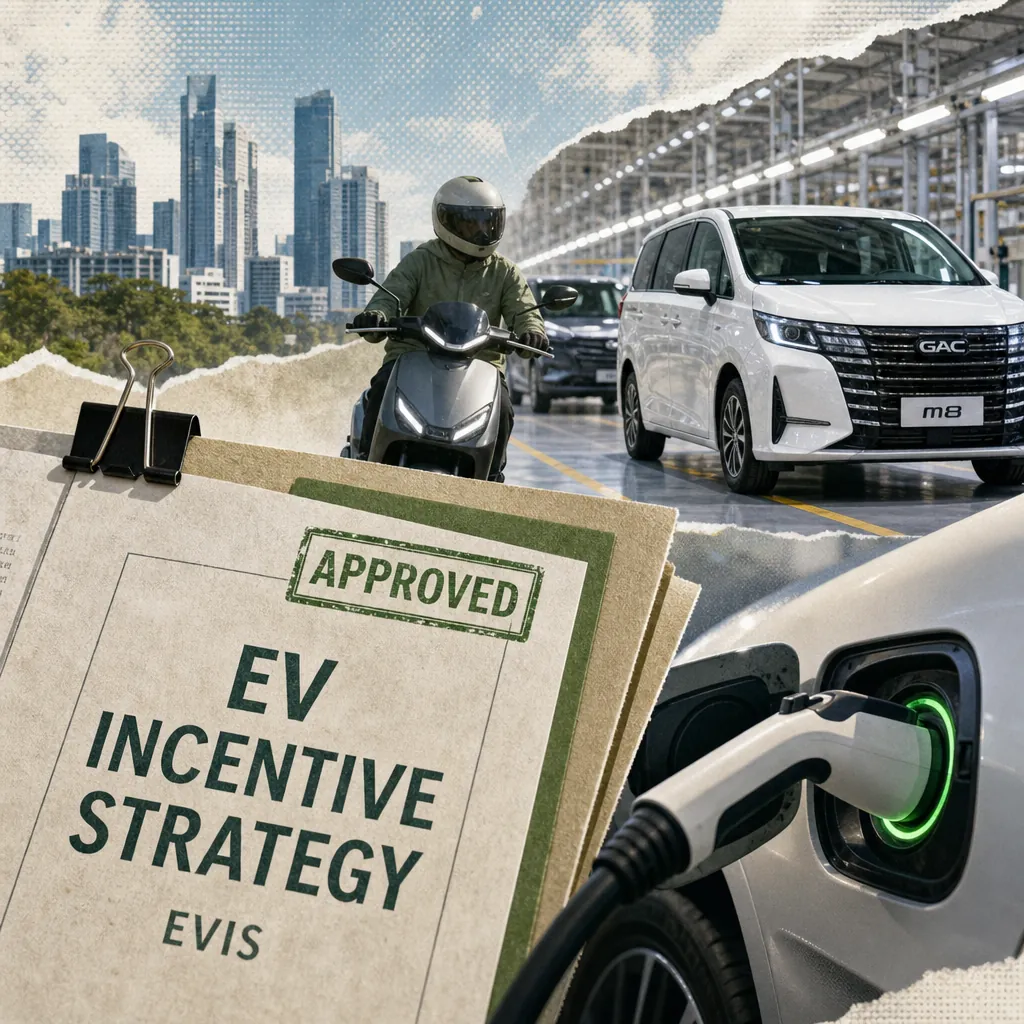
The Philippine automotive sector is buzzing with the government's new Electric Vehicle Incentive Strategy (EVIS), a P60-billion program designed to attract EV manufacturing to the country. The announcement, made through Executive Order 121, has drawn enthusiastic responses from major players like Mitsubishi Motors and the Department of Trade and Industry, signaling a potential shift in the local automotive landscape. Meanwhile, VinFast has officially entered the Philippine e-motorcycle market, and GAC has launched a new family of MPVs, adding to the day's momentum. This snapshot captures the day's key developments, from policy reactions to product launches, and what they mean for the industry and consumers.
Key themes
- EVIS Program Launches with P60-Billion Incentives: The government's new Electric Vehicle Incentive Strategy (EVIS) offers up to P15 billion in fiscal support per manufacturer that produces at least 10,000 units of an enrolled model locally. This is the largest incentive package for automotive manufacturers in the country's history, aiming to position the Philippines as a regional EV manufacturing hub.
- Mitsubishi Commits P7 Billion to Local Hybrid Production: Mitsubishi Motors Philippines announced its participation in the EVIS program, backed by a P7-billion investment from its parent company to produce hybrid electric vehicles locally. This marks a significant commitment from a major global automaker, signaling confidence in the country's manufacturing capabilities.
- VinFast Launches E-Motorcycles in the Philippines: Vietnamese automaker VinFast officially launched its electric motorcycle lineup—Viper, Evo, and Feliz II—in the Philippines, with 21 dealerships opening nationwide. The launch includes a battery-swapping network, addressing range anxiety and infrastructure concerns for potential buyers.
- GAC Introduces New MPV Family: GAC Philippines launched three new multi-purpose vehicles—the GN6, E8 HEV, and GN8 PHEV Executive—forming the "GAC MPV Family." The lineup targets different segments, from executive transit to personal lifestyles, backed by over 880,000 units delivered globally.
- Fuel Prices Expected to Drop Slightly: After weeks of increases, pump prices are expected to decline by P1.00 to P1.50 per liter for gasoline and P0.50 to P1.00 for diesel next week. However, prices remain near recent highs, with diesel ranging from P85.30 to P98.30 per liter and gasoline from P74.90 to P105.50 per liter.
- LTO Cracks Down on Reckless Content Creators: The Land Transportation Office issued show-cause orders to content creators involved in a viral video showing a car deliberately crashing into another vehicle. The creators must explain why they should not be held administratively liable for reckless driving.
- Subic Truckers Group Faces Management Controversy: A group of importers and brokers at the Subic Bay Freeport Zone raised concerns over alleged misuse of funds by a senior officer of a truckers association, leading to resignations and fears of disruption to truck importation activities.
- Proton Reveals eMas 7 PHEV Owner Charging Habits: Data from Proton shows that 50% of eMas 7 PHEV owners use it like an EV, charging regularly, while 17% never charge and use it as a traditional gasoline car. This insight into plug-in hybrid usage patterns could inform future EV policies and marketing.
How the narratives stack
- Dominant: The EVIS program dominates the day's coverage, with multiple articles from major outlets like the Inquirer, Manila Times, and Business Mirror highlighting its potential to transform the Philippine automotive industry. The program's P60-billion budget and the promise of up to P15 billion per manufacturer have captured the attention of both industry players and the public, making it the clear lead story.
- Counter-narrative: While the government and manufacturers celebrate EVIS, a counter-narrative emerges around the practical challenges of EV adoption. The Proton data showing that 17% of PHEV owners never charge their vehicles, and the Geely EX5 owner's account of range anxiety and charging infrastructure issues, temper the optimism with real-world concerns.
- Emerging: VinFast's entry into the Philippine e-motorcycle market is an emerging story, with the launch of three models and a battery-swapping network. This could signal a shift in two-wheeler mobility, especially given the country's high motorcycle ownership and the potential for electric two-wheelers to address fuel price concerns.
- Suppressed: The LTO's action against content creators who staged a deliberate car crash is a story that could have broader implications for road safety and social media responsibility, but it received relatively little coverage compared to the EVIS news. The incident raises questions about the influence of content creators and the need for regulation, yet it remains on the periphery of the day's automotive conversation.
Platform insights
- Facebook: The LTO's show-cause order against content creators was shared widely on Facebook, with the agency's post generating significant engagement. Users expressed mixed reactions, with some supporting the crackdown on reckless behavior and others questioning the LTO's motives. The viral video itself, posted by "Minelya Pilyom," likely drove much of the discussion.
- X (formerly Twitter): The EVIS program and Mitsubishi's investment were trending topics on X, with industry analysts and enthusiasts sharing their takes. The hashtag #EVIS and #EVPhilippines saw increased activity, with many users expressing optimism about the country's EV future. However, some skeptics questioned the feasibility of the program, citing infrastructure gaps.
- YouTube: VinFast's e-motorcycle launch and GAC's MPV family introduction were covered by automotive vloggers, with videos showcasing the new models and their features. These videos garnered thousands of views, indicating strong consumer interest in new vehicle offerings.
- Reddit: Discussions on r/Philippines and r/electricvehicles focused on the practical aspects of EV ownership, with users sharing experiences and asking questions about charging infrastructure, battery life, and cost savings. The Proton data on PHEV charging habits was a popular topic, with users debating the merits of PHEVs versus full EVs.
Key voices and communities
- Government Officials: Trade Secretary Cristina Roque and Transportation Secretary Giovanni Lopez are prominent voices, championing the EVIS program and other transportation initiatives. Their statements are widely covered and shape the official narrative around the industry's future.
- Automotive Manufacturers: Mitsubishi Motors Philippines Chairman Noriaki Hirakata and Kia Philippines Managing Director Jay Lopez represent the industry's response to policy changes. Their commitments and partnerships signal the private sector's confidence in the government's direction.
- Automotive Journalists and Bloggers: Publications like Carmudi Philippines, ZIGWHEELS, and LionhearTV provide detailed coverage of new vehicle launches and industry trends. Their reviews and analyses influence consumer perceptions and buying decisions.
- EV Enthusiasts and Owners: Individuals like the Geely EX5 owner who shared a two-month journey with their EV offer firsthand perspectives on the realities of EV ownership. Their stories resonate with potential buyers and highlight both the benefits and challenges.
- Consumer Advocacy Groups: The concerned members of the Subic truckers group represent a community voice, raising issues of governance and transparency within industry associations. Their concerns, while specific to one group, reflect broader anxieties about accountability in business organizations.
Narrative streams
EVIS Program: A Landmark Policy for EV Manufacturing
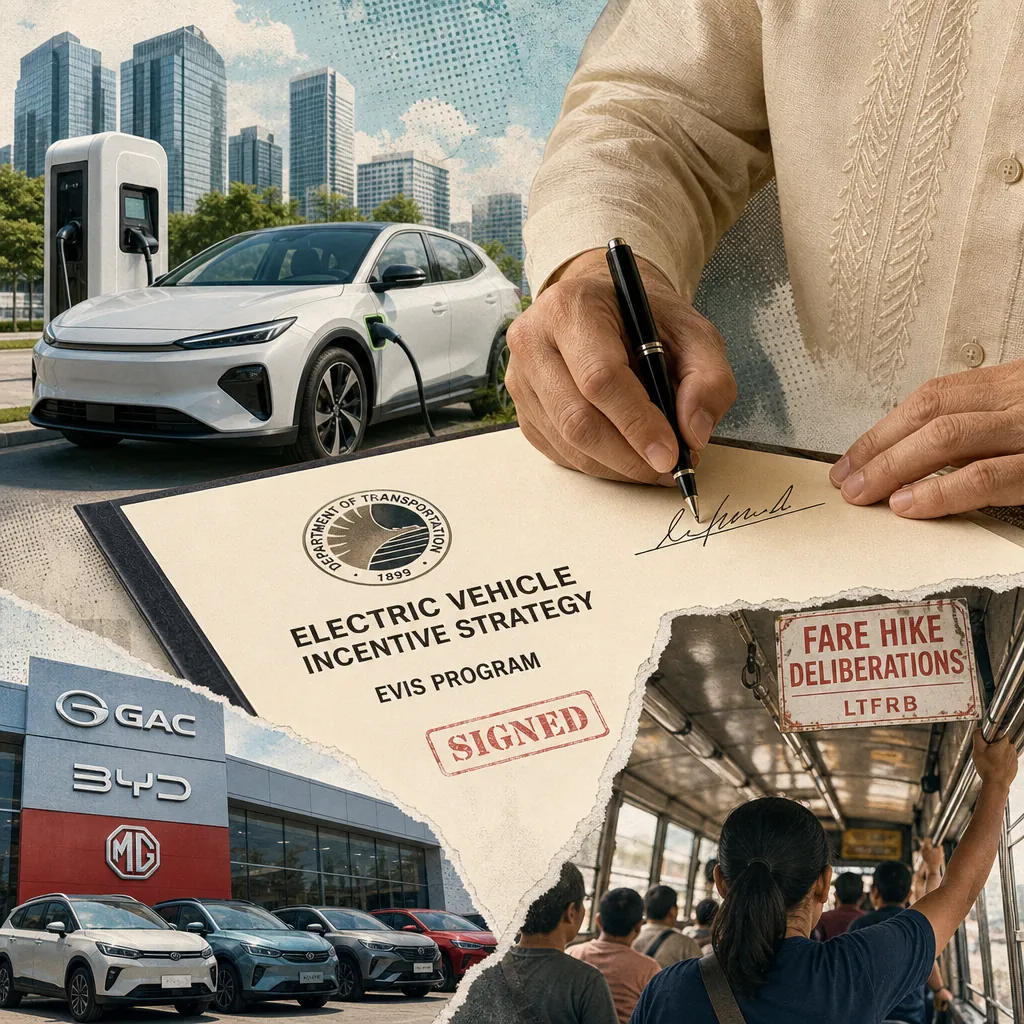
The Electric Vehicle Incentive Strategy (EVIS) program, established by Executive Order 121, is the day's most significant development. The program provides time-bound, performance-based fiscal support for the local manufacture of hybrid and battery electric vehicles, including passenger cars, commercial vehicles, and their parts. With a total budget of P60 billion, it offers up to P15 billion in incentives per manufacturer that produces at least 10,000 units of an enrolled model. Trade Secretary Cristina Roque called it a "landmark policy" that strengthens the Philippines' position as an emerging regional hub for EV manufacturing. The program fulfills the mandate of the Electric Vehicle Industry Development Act (EVIDA), which aims to accelerate the local automotive industry's shift to electric mobility. Mitsubishi Motors Philippines has already committed to participate, with a P7-billion investment to produce hybrid EVs locally. This stream is dominated by official statements and corporate announcements, with coverage from major outlets like the Inquirer, Manila Times, and Business Mirror, reflecting the policy's importance.
VinFast's E-Motorcycle Launch: A New Era for Two-Wheelers
VinFast Philippines officially launched its electric motorcycle lineup, consisting of the Viper, Evo, and Feliz II models. The launch includes 21 dealerships across major urban centers, with plans for further expansion. The e-motorcycles use a swappable 1.5-kWh battery, offering a range of up to 85 km with a single battery and 150 km with two. The company also debuted its battery-swapping network, addressing one of the key barriers to EV adoption—charging infrastructure. This launch is timely, given erratic fuel prices, and could appeal to Filipino motorists looking for sustainable and cost-effective mobility options. The coverage, from outlets like Carmudi Philippines and ZIGWHEELS, highlights the models' specifications and the potential for e-motorcycles to serve as a gateway to electric car ownership. This stream is notable for its focus on consumer benefits and infrastructure, setting it apart from the policy-driven EVIS narrative.
GAC's MPV Family: Expanding Choices in the Multi-Purpose Vehicle Segment
GAC Philippines introduced three new MPVs—the All-New GAC GN6, GAC E8 HEV, and GAC GN8 PHEV Executive—forming the "GAC MPV Family." The lineup is designed to cater to different needs, from executive transit to premium passenger travel and personal lifestyles. GAC emphasizes its expertise in MPV engineering, with over 880,000 units delivered globally and more than 10 years of dedicated development. The launch reflects the growing demand for versatile vehicles in the Philippine market, particularly as families seek more spacious and comfortable options. The coverage, from LionhearTV and Viva Manilena, underscores the models' features and GAC's commitment to the local market. This stream is product-focused, providing consumers with detailed information about the new offerings.
Fuel Price Rollback: A Temporary Relief for Motorists
After weeks of hefty increases, motorists can expect a measure of relief as pump prices are projected to decline next week. Industry estimates indicate gasoline prices may fall by P1.00 to P1.50 per liter, while diesel could decrease by P0.50 to P1.00 per liter. However, prices remain near recent highs, with diesel ranging from P85.30 to P98.30 per liter and gasoline from P74.90 to P105.50 per liter. The rollback is attributed to cautious optimism over a US-Iran truce, which has eased concerns about Middle East supply disruptions. Leo Bellas, president of Jetti Petroleum, noted that oil prices remain volatile as markets balance geopolitical tensions against hopes of easing disruptions. This stream is relevant to all motorists and provides context for the broader economic environment affecting the automotive industry.
LTO's Crackdown on Reckless Content Creators
The Land Transportation Office (LTO) issued show-cause orders to content creators involved in a viral video showing a car deliberately crashing into another vehicle. The creators, identified as the drivers and registered owners of the vehicles, must appear before the LTO's Intelligence and Investigation Division and submit a sworn explanation by August 7, 2026. They face potential administrative liability for reckless driving and failure to comply with traffic regulations. This action highlights the LTO's commitment to road safety and its willingness to hold individuals accountable for dangerous behavior, even when it occurs in the context of content creation. The story, covered by the Inquirer, underscores the intersection of social media and road safety, a topic that resonates with the public.
Subic Truckers Group Governance Concerns
A group of importers, brokers, and processors at the Subic Bay Freeport Zone expressed concerns over the management of a truckers association by a senior officer. Allegations include misuse and improper disbursement of funds, leading to resignations from the board of directors. The group also claims the officer invokes the names of high-ranking officials to influence truck importation matters. These concerns could disrupt truck importation activities and affect the broader logistics sector. The story, reported by the Manila Times, raises questions about governance and transparency within industry associations, which are crucial for maintaining trust and operational stability.
Conversation trajectory
- EVIS Implementation and Manufacturer Uptake (4-6 weeks): The EVIS program is expected to attract more manufacturers beyond Mitsubishi. Watch for announcements from other automakers, particularly those with existing operations in the Philippines, such as Toyota and Nissan. The program's success will depend on how quickly manufacturers can meet the production thresholds and navigate the application process.
- VinFast E-Motorcycle Sales and Infrastructure Expansion (2-3 months): VinFast's e-motorcycle launch will be closely watched for initial sales figures and consumer reception. The expansion of the battery-swapping network will be critical to sustaining interest. If successful, it could prompt other brands to enter the e-motorcycle market, increasing competition and consumer choice.
- Fuel Price Trends and Consumer Behavior (1-2 weeks): The projected rollback in fuel prices may provide temporary relief, but volatility remains. Monitor global oil markets and geopolitical developments, as they will influence pump prices and, consequently, consumer sentiment toward fuel-efficient and electric vehicles.
- LTO Enforcement and Content Creator Accountability (1-2 months): The LTO's action against content creators could set a precedent for regulating dangerous driving stunts on social media. Watch for further enforcement actions and potential policy changes regarding the use of vehicles in content creation.
- Subic Truckers Group Resolution (2-4 weeks): The governance issues within the Subic truckers association may escalate if not addressed. Monitor for official responses from the association and the Subic Bay Metropolitan Authority, as well as any impact on truck importation operations.
Response guidance
- For Automakers and Dealers: Emphasize the benefits of EVIS in marketing communications, highlighting the government's support for EV manufacturing and the potential for cost savings for consumers. Address infrastructure concerns by showcasing investments in charging networks and battery-swapping stations.
- For Government Agencies: Continue to communicate the long-term vision of EVIS, providing clear guidelines and timelines for manufacturers. Engage with the public to build trust and address skepticism about the program's feasibility.
- For Industry Associations: Proactively address governance issues to maintain credibility. Implement transparent financial practices and communicate openly with members to prevent disputes from escalating.
- For Content Creators and Influencers: Be mindful of the legal and safety implications of content involving vehicles. Collaborate with authorities to promote responsible driving and avoid actions that could endanger lives or result in legal consequences.
- For Consumers: Stay informed about EV options and incentives. Consider total cost of ownership, including fuel savings and maintenance, when evaluating electric vehicles. Take advantage of test drives and educational resources to make informed decisions.
See the full picture behind today's signals.
This report draws from Media Meter's MediaWatch, our real-time monitoring engine tracking 2,470+ Philippine sources across print, broadcast, digital, and social. Explore how the platform turns raw coverage into decision-grade intelligence, then see how it's configured for teams like yours — whether you're in PR agencies, corporate comms, government, or marketing.
Want more? Browse our Report Library for sector and crisis intelligence, or request a demo and we'll have your brand set up before the call.
Want this kind of intelligence on your brand?
This brief is built on the same MediaWatch methodology that runs continuously across every brand we monitor. See your competitive landscape, Impact Score, and narrative trajectory in a 30-minute demo.