Floods, Housing, and Legacy: PH Real Estate's Day
A daily snapshot of Philippine real estate conversation, covering weather disruptions, housing policy debates, corporate legacy branding, and infrastructure concerns.
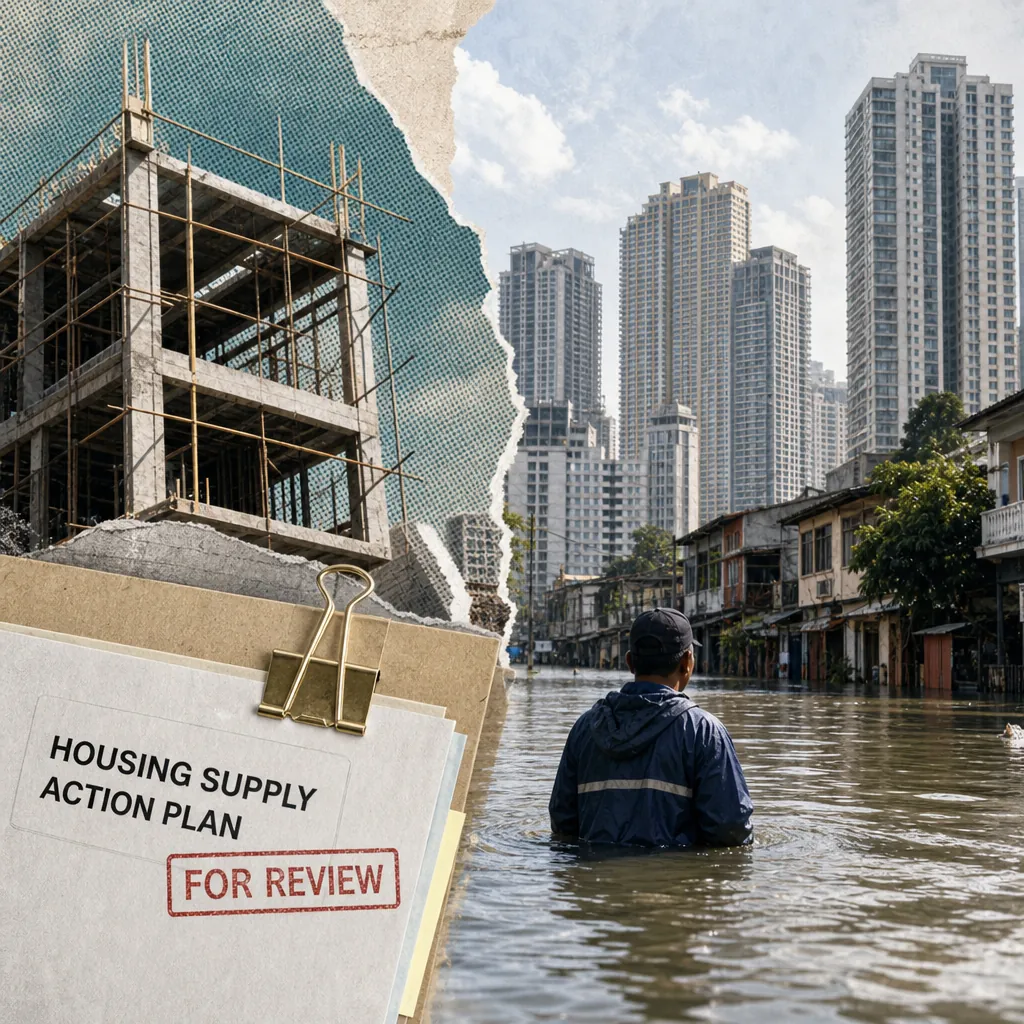
The day's conversation in Philippine real estate was a study in contrasts. On one hand, a corporate commemoration—the renaming of a major thoroughfare in a Quezon City–Pasig township after the late tycoon John Gokongwei Jr.—drew warm, reflective engagement on Reddit, where users connected the gesture to broader questions of developer identity and placemaking. On the other, the relentless southwest monsoon, enhanced by Tropical Storm Maymay, forced the suspension of classes and government work across Metro Manila and 22 provinces, injecting a practical, urgent concern into property discussions: how well do our homes and subdivisions hold up against flooding? The day's news media amplified both tracks, with heavy coverage of the storm's administrative fallout, a milestone in a government-backed housing project in Cavite, and a sharp debate over a proposed industrial hub that pits economic ambition against environmental readiness. For anyone watching the sector, the signal was clear: real estate narratives are increasingly shaped by forces outside the developer's control—weather, policy, and public skepticism—even as the industry pushes forward with legacy branding and sustainability messaging.
Key themes
- Weather Disruption Dominates the News Cycle: Tropical Storm Maymay and the southwest monsoon triggered class and work suspensions across Luzon, drawing extensive media coverage and social media attention, and raising concerns about flooding and construction delays in key property markets.
- Legacy Branding as a Reputation Asset: Robinsons Land's renaming of Bridgetowne Avenue to John Gokongwei Jr. Boulevard generated positive engagement, highlighting how developers use heritage to reinforce brand equity and long-term trust.
- Housing Policy Under Scrutiny: A proposed House bill amending the Urban Development and Housing Act drew criticism from the real estate sector, which warned it could reduce social housing output, while the government's 4PH program saw a notable construction milestone in Cavite.
- Infrastructure and Environmental Tensions: The proposed Pax Silica industrial hub in New Clark City sparked debate over the country's readiness, with local officials and environmental groups raising concerns about power, water, and flooding—echoing broader anxieties about development outpacing infrastructure.
- Sustainability Messaging Struggles for Traction: SM Prime's SUSTEX 2026 expo, a major sustainability event, drew minimal social engagement, suggesting that institutional sustainability narratives need more compelling hooks to reach the public.
- Enforcement Actions Signal Regulatory Vigilance: A P700-million counterfeit footwear seizure in Cavite and a P6-million cigarette bust in Davao highlighted increased enforcement activity, with potential implications for supply chain integrity and consumer protection in adjacent sectors.
- Corporate Earnings Reflect Consumer Squeeze: First-half results from San Miguel Food and Beverage and Globe Telecom showed resilience but also the impact of inflation and higher costs, offering a macroeconomic backdrop for property market sentiment.
- Urban Planning and Quality of Life Questions: An opinion piece in the Manila Times questioned whether Philippine cities are actually better despite growth, tapping into public frustration over commutes, infrastructure, and livability—a theme that resonates with property buyers.
How the narratives stack
- Dominant: Within the captured set, the weather disruption narrative dominated, with multiple news articles and social media posts about class suspensions and flooding. This is a property of the monitored sample, which was heavily weighted toward news outlets covering the storm's administrative impact. The sheer volume of coverage—from Inquirer, Manila Bulletin, GMA News, and others—made it the most visible story of the day, even though its direct real estate angle was implicit.
- Counter-narrative: The legacy branding story, led by the Gokongwei boulevard renaming, offered a positive, forward-looking counterpoint to the weather gloom. It drew significant media value (the Inquirer's BIZ BUZZ column alone was worth an estimated ₱514,836 in advertising-equivalent value) and genuine social engagement on Reddit, suggesting that heritage storytelling can cut through the noise.
- Emerging: The Pax Silica debate is an emerging narrative that could reshape the conversation around industrial and economic zone development. Coverage in the Manila Times, Sunstar, and Business Mirror, including a column questioning whose interests the project serves, signals growing public and political scrutiny. This is a story to watch as it develops.
- Suppressed: The sustainability narrative, exemplified by SUSTEX 2026, received minimal social engagement despite its institutional significance. The expo's announcement post drew only 9 likes and 4 shares on Facebook, indicating that corporate sustainability messaging is not resonating with the general public. This under-covered story represents a missed opportunity for developers to connect with consumers on resilience and green building.
Platform insights
- Facebook: The platform hosted the highest raw engagement of the day, but it was driven by an emotional animal rescue video (180 likes, 44 shares, 36 love reactions) rather than real estate content. Institutional posts, like the SUSTEX expo announcement, languished with minimal interaction. This suggests that Facebook audiences respond to emotive, human-interest stories, and that corporate announcements need a stronger narrative hook to gain traction.
- Reddit: The Gokongwei renaming thread was the day's most substantive real estate discussion, with 29 upvotes and 19 comments. Users engaged in reflective, historical commentary about the Gokongwei family's legacy, with no negative sentiment toward the developer. This indicates that Reddit's urbanist and property-focused communities appreciate heritage-driven placemaking and can serve as a receptive audience for such stories.
- Twitter: Functioned as a rapid alert system for operational updates, particularly the Cavite class suspension announcement, which accumulated over 2,500 views. The platform's brevity facilitated quick sharing of logistical information, and the weather-related post demonstrated how real-time events can indirectly influence property perception, especially in provinces heavily marketed for affordable housing.
- YouTube: While not explicitly covered in the monitoring writeup, the presence of a viral TikTok video about a father building his own home (shared on other platforms) suggests that video content with emotional narratives can drive engagement. The TikTok video, which was picked up by Manila Bulletin, highlights the power of personal stories in the housing conversation.
Key voices and communities
- Mainstream News and Media Outlets: Traditional outlets like Inquirer, Manila Times, and Philstar amplified the day's key stories, from the storm suspensions to the Gokongwei renaming. Their coverage set the agenda and provided the context for social media discussions.
- Government and Public Sector Entities: Malacañang's class suspension announcement was a critical piece of official communication, with high public reliance on these channels for time-sensitive information. The Department of Education's apology for student misconduct during a presidential visit also drew attention, highlighting the intersection of governance and public behavior.
- Law Enforcement and Regulatory Agencies: The PNP and Bureau of Customs' P700-million counterfeit seizure was a major enforcement story, signaling regulatory vigilance that could extend to other sectors, including real estate. The NBI's cigarette bust in Davao reinforced this narrative.
- Corporate Event and Sustainability Networks: SM Prime's SUSTEX 2026 expo represents a proactive segment of the industry, but its low social engagement suggests that its message is not yet reaching the broader public. This group will need to adapt its communication strategies to build consumer awareness.
- General Public and Consumer Communities: Everyday social media users drove the day's highest engagement with the animal rescue video, but their real estate commentary was largely reactive, focusing on weather disruptions and practical concerns like flooding. Their engagement patterns reveal public sentiment intensities that developers should monitor.
Narrative streams
Weather Disruption and Property Risk Perception
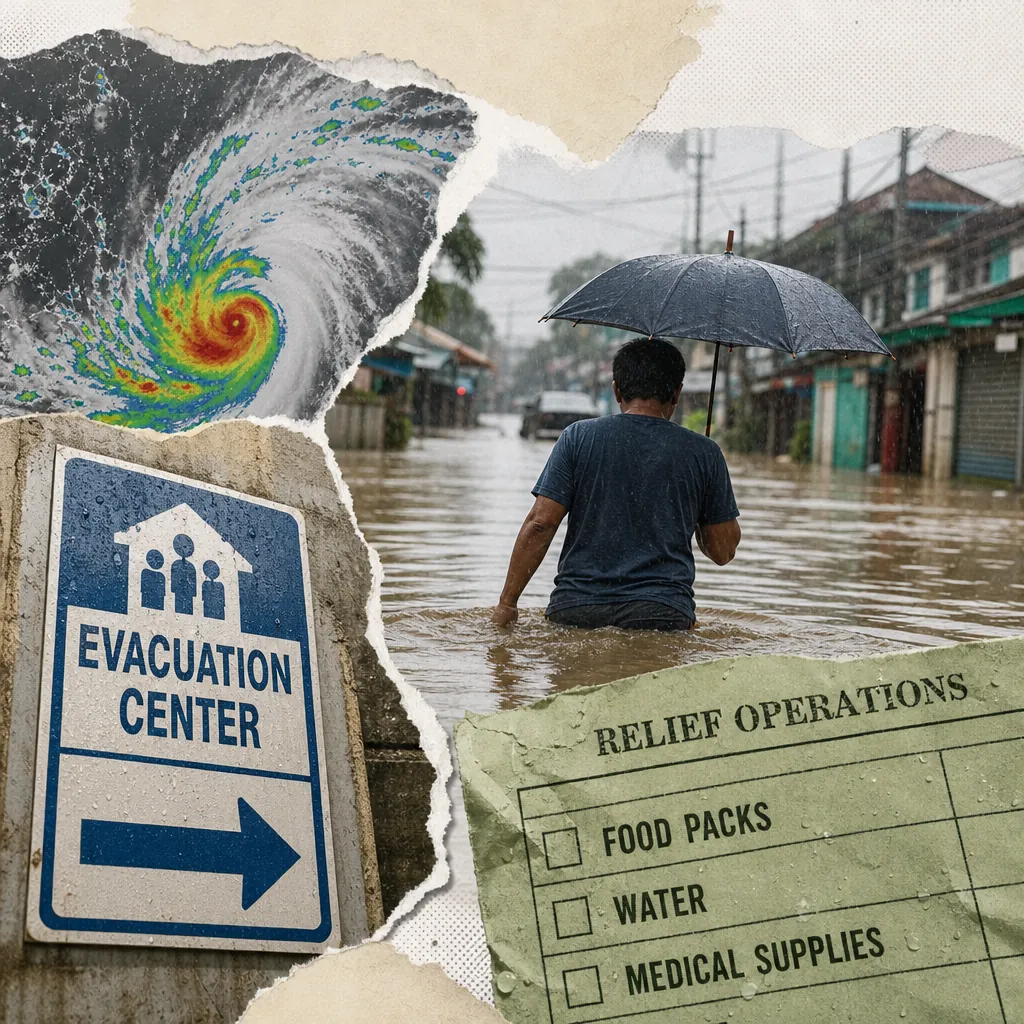
The southwest monsoon, enhanced by Tropical Storm Maymay, brought heavy rains to Luzon, prompting Malacañang to suspend classes and government work in Metro Manila and 22 provinces on August 6. This administrative action, covered extensively by Inquirer, Manila Bulletin, GMA News, and others, was a direct response to the storm's threat. For the real estate sector, the implications are significant: Cavite, a major hub for house-and-lot and township developments, was among the affected areas. Social media users on Twitter began asking whether new subdivisions in Imus and Dasmariñas had experienced waterlogging, citing prior flooding issues in low-lying areas. This thread, while modest in engagement (2,567 views), indicates that potential buyers are actively assessing flood risk when considering purchases. The coverage of Angat Dam's water level, which improved but remained below normal, added another layer of concern about water security. For developers, this narrative underscores the need for proactive communication about drainage infrastructure, construction timelines, and flood preparedness. The read for the sector: weather events can quickly undermine months of positive messaging, so resilience must be a core part of the brand promise.
Legacy Branding and Corporate Heritage
The renaming of Bridgetowne Avenue to John Gokongwei Jr. Boulevard was a deliberate act of placemaking by Robinsons Land, timed to the founder's 100th birth anniversary. The ceremony, held at The Victor Podium, drew family members including Lance Gokongwei and his five sisters, and was covered by Inquirer's BIZ BUZZ column, which noted that the rain during the event was seen as an auspicious sign. On Reddit, the story resonated with users who reflected on the Gokongwei family's legacy in Philippine business and urban development. The engagement—29 upvotes and 19 comments—was modest but positive, with no negative sentiment. This narrative stream highlights how developers use heritage to signal stability and long-term commitment. For other developers, the lesson is clear: milestone anniversaries offer an opportunity to reinforce brand equity through physical infrastructure. The coverage value of this story was substantial, with the Inquirer column alone worth an estimated ₱514,836 in advertising-equivalent value, indicating that the media saw it as a significant business story.
Housing Policy and the 4PH Program
The government's Pambansang Pabahay para sa Pilipino (4PH) program, which aims to address the country's housing backlog through public-private partnerships, saw a notable milestone as PH1 World Developers topped off the first tower of its Avesta Residences in Imus, Cavite. The topping-off, completed in less than 10 months, was hailed by Megawide CEO Edgar Saavedra as proof that the company can deliver using precast technology. This positive development, however, was counterbalanced by criticism from the Chamber of Real Estate and Builders' Associations (Creba), which warned that House Bill 9697, amending the Urban Development and Housing Act, would impose restrictive conditions that could reduce social housing output. Creba President Noel Cariño described the bill as "legislative duress," arguing that the "balanced housing development" requirement would become virtually impossible to comply with. This tension between government initiatives and industry concerns is a recurring theme, and the outcome of HB 9697 will be closely watched by developers and homebuyers alike.
Pax Silica: Economic Ambition vs. Environmental Readiness
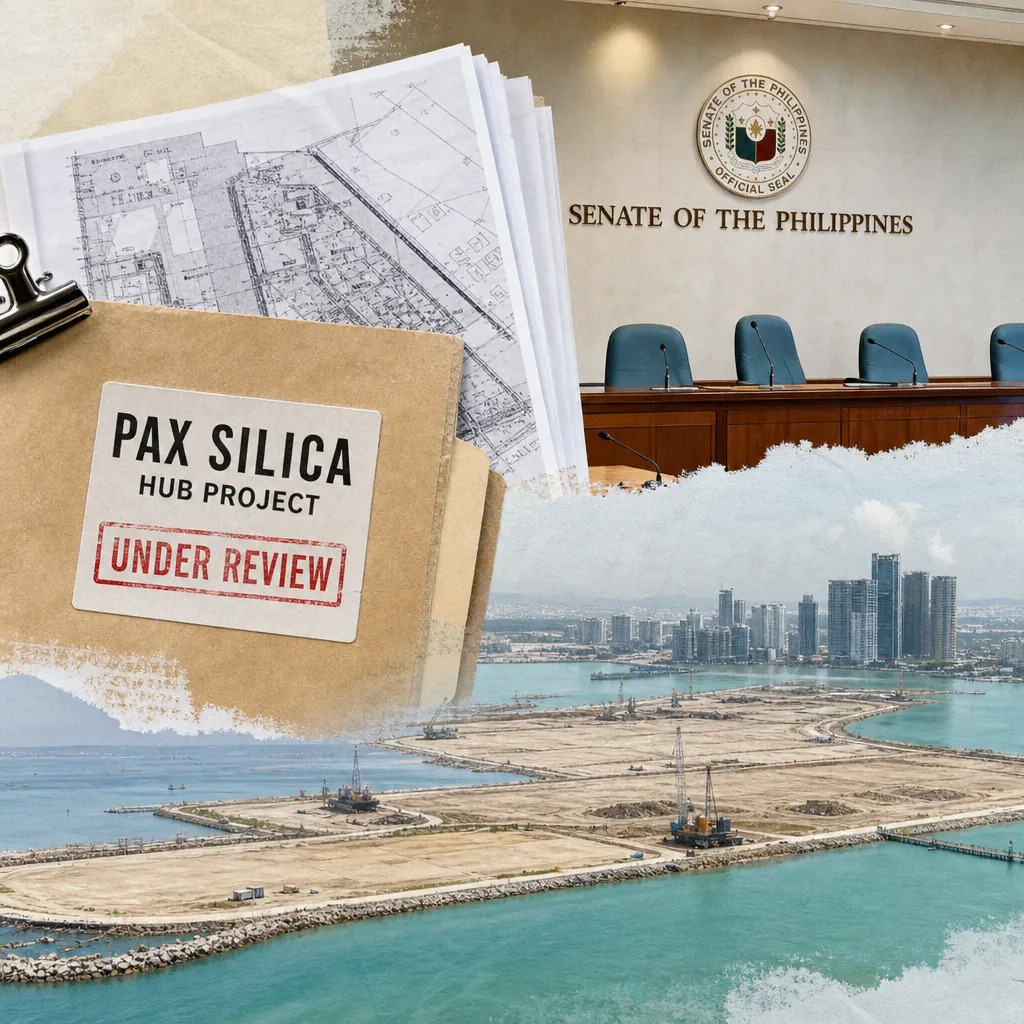
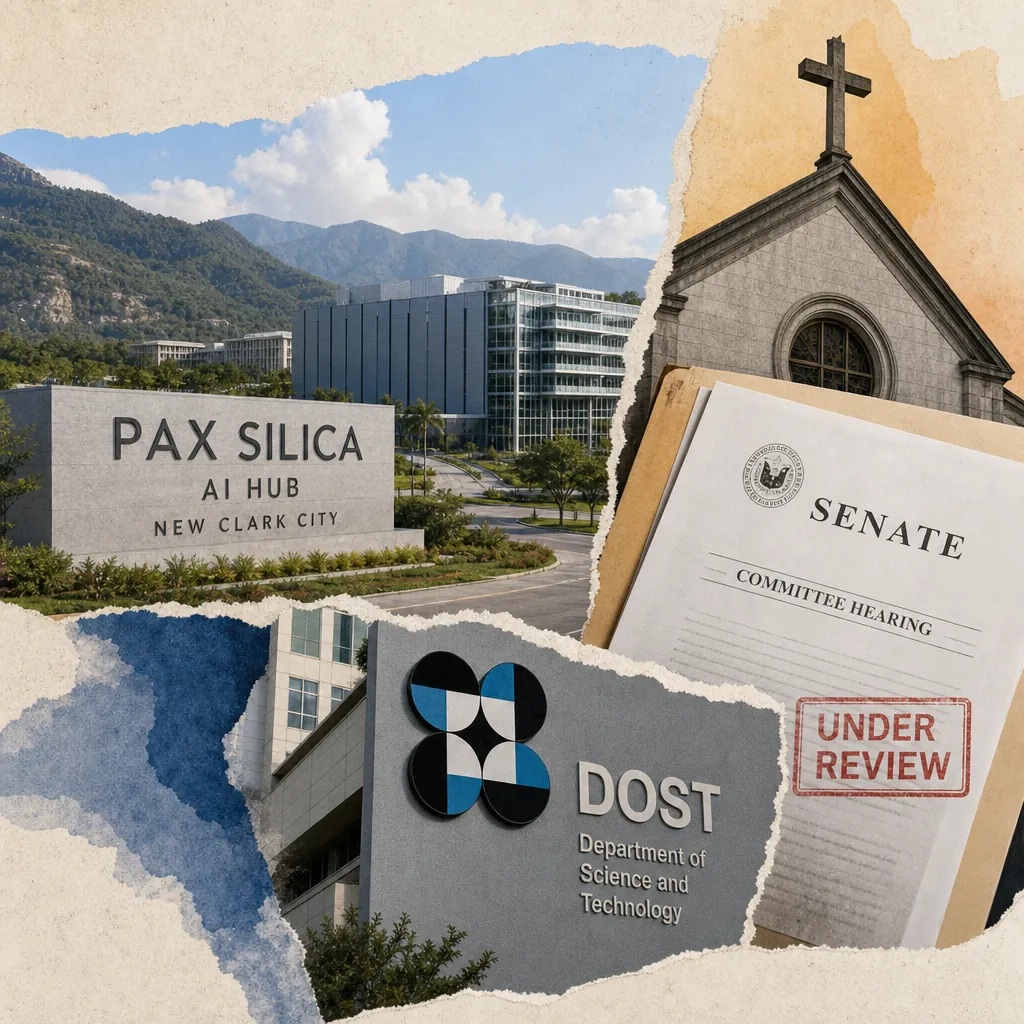
The proposed Pax Silica industrial hub in New Clark City, Tarlac, is a US-led initiative to secure supply chains for semiconductors, AI, and green technologies. The project, which would occupy 1,620 hectares, has been touted by Finance Secretary Frederick Go as "a generational type of project." However, Davao City councilors and environmental groups have expressed apprehensions, arguing that the country is not yet ready for such a venture. Councilor Louie John Bonguyan noted that the Philippines lacks sufficient power and water resources to sustain the hub, while Cebu City Councilor Joel Garganera urged Mayor Nestor Archival to fix flooding and garbage problems before courting AI investments. The debate, covered by Sunstar, Manila Times, and Business Mirror, reflects a broader anxiety about development outpacing infrastructure. For the real estate sector, the outcome of Pax Silica could have significant implications for economic zones and industrial property demand, but the current skepticism suggests that public support is not yet assured.
Sustainability Messaging and Consumer Engagement
SM Prime's SUSTEX 2026 expo, held at the SMX Convention Center Aura, drew over 1,000 attendees, 50 exhibitors, and 40 speakers, positioning the conglomerate as a leader in sustainability and disaster resilience. The event, organized in partnership with the Department of Science and Technology, was a significant institutional undertaking. Yet, the social media announcement of the expo generated only 9 likes and 4 shares on Facebook, indicating that the message is not penetrating the general public. This disconnect between institutional effort and public engagement is a challenge for the industry. As climate-related risks become more prominent in buyer decision-making, developers will need to translate sustainability initiatives into tangible consumer benefits—such as resilient home features and disaster-response protocols—to capture attention. The low engagement suggests that the current approach, focused on event metrics and attendance numbers, is not resonating.
Enforcement and Consumer Protection
The seizure of P700 million worth of counterfeit footwear in Imus, Cavite, was one of the largest intellectual property enforcement operations of the year. The raid, conducted by the PNP Criminal Investigation and Detection Group, the Bureau of Customs, and the Philippine Coast Guard, targeted a warehouse storing fake shoes bearing international brands. While not directly a real estate story, the operation signals increased regulatory vigilance that could extend to other sectors, including unlicensed property brokers or fraudulent title schemes. Similarly, the NBI's seizure of P6 million in smuggled cigarettes in Davao City underscores the government's focus on illegal commerce. For property developers, these enforcement actions serve as a reminder of the importance of supply chain integrity and tenant vetting, particularly in retail-heavy mixed-use developments. The coverage also provides an opportunity for consumer education on due diligence in property transactions.
Conversation trajectory
- Weather-induced disruption as a recurring narrative driver: The monsoon season is expected to continue through late August, likely producing more class suspensions and flood-related content. This will keep weather resilience at the forefront of property discussions, particularly in provincial markets like Cavite, Laguna, and Bulacan. Expect a 2–3x uptick in weather-related queries about specific subdivisions and township projects as the season peaks. Observation window: 2–4 weeks.
- Centennial commemorations as brand equity amplifiers: The Gokongwei renaming may inspire similar moves from other developers with founding patriarchs approaching milestone anniversaries. This pattern suggests that heritage-driven placemaking will continue to resonate with audiences, offering opportunities for positive storytelling. Observation window: 12–18 months.
- Sustainability events creating a parallel premium conversation track: As more developers incorporate sustainability certifications into their marketing, the discourse around disaster-resilient and green development will likely become more consumer-facing. This could create a new competitive battleground in mid-rise and socialized housing segments. Observation window: 3–6 months.
- Counterfeit and regulatory enforcement spillover: The increased enforcement activity may foreshadow broader crackdowns on substandard or illegally imported construction materials, impacting conversations around construction cost inflation and quality assurance. Observation window: 6–12 months.
- Trigger events to watch: The continuation of the southwest monsoon; the anniversary of major typhoon events (historically late September to October); the release of third-quarter earnings reports from major developers; and the progress of House Bill 9697 through Congress. Each represents a critical moment for narrative intervention.
Response guidance
- For developers with projects in weather-affected areas: Publish proactive updates on drainage infrastructure, worksite safety, and turnover timelines. Acknowledge challenges without being defensive, and highlight industry-wide efforts on climate-resilient design. This should be done within 24–48 hours of a weather event to preempt negative sentiment.
- For sustainability-focused initiatives: Shift amplification from event metrics to tangible consumer outcomes. Repackage event takeaways into relatable, community-level impact stories, such as resilient home features and disaster-response protocols, to increase resonance with broader audiences.
- For heritage and legacy branding: Develop proactive storytelling tied to significant anniversaries. This content tends to generate sustained engagement beyond the initial announcement window, as seen with the Gokongwei renaming.
- For consumer education: Use enforcement stories, like the counterfeit seizure, as a cautionary hook to emphasize due diligence on property titles, developer credentials, and reservation agreements. Position your brand as a consumer protection advocate without referencing specific enforcement operations.
- Sensitive topics to navigate: Weather-related construction and turnover delays; legacy developer recognition versus market criticism; and counterfeit goods and consumer protection. Approach these with nuance, acknowledging challenges while reinforcing industry commitments to safety, transparency, and quality.
See the full picture behind today's signals.
This report draws from Media Meter's MediaWatch, our real-time monitoring engine tracking 2,470+ Philippine sources across print, broadcast, digital, and social. Explore how the platform turns raw coverage into decision-grade intelligence, then see how it's configured for teams like yours — whether you're in PR agencies, corporate comms, government, or marketing.
Want more? Browse our Report Library for sector and crisis intelligence, or request a demo and we'll have your brand set up before the call.
Want this kind of intelligence on your brand?
This brief is built on the same MediaWatch methodology that runs continuously across every brand we monitor. See your competitive landscape, Impact Score, and narrative trajectory in a 30-minute demo.