Fuel aid, housing bills, and storm fallout shape the day
A snapshot of the day's conversation across transport subsidies, housing legislation, corporate earnings, and the impact of Tropical Depression Maymay.
The day's public conversation in the Philippines was a mix of government action, corporate earnings, and the immediate human toll of a tropical storm. The most significant news came from the transport sector, where the government announced expanded fuel subsidies and cash aid for drivers, averting a planned strike. At the same time, the House of Representatives passed a bill to expand housing options, and the release of corporate earnings from major companies like Cebu Pacific and Nickel Asia provided a snapshot of the economy's health. Meanwhile, Tropical Depression Maymay and the southwest monsoon caused deaths and widespread class suspensions, dominating local news and social media. This snapshot captures the key themes, narratives, and voices that shaped the day's conversation.
Key themes
- Government expands fuel aid to transport sector: The Department of Transportation (DOTr) announced an increased fuel discount for public utility jeepney and UV Express drivers, from P10 to P12 per liter, starting August 15. Additionally, transport groups will be included in the next rollout of cash assistance from the Department of Social Welfare and Development (DSWD) under the expanded Uplift program. This move averted a planned transport strike.
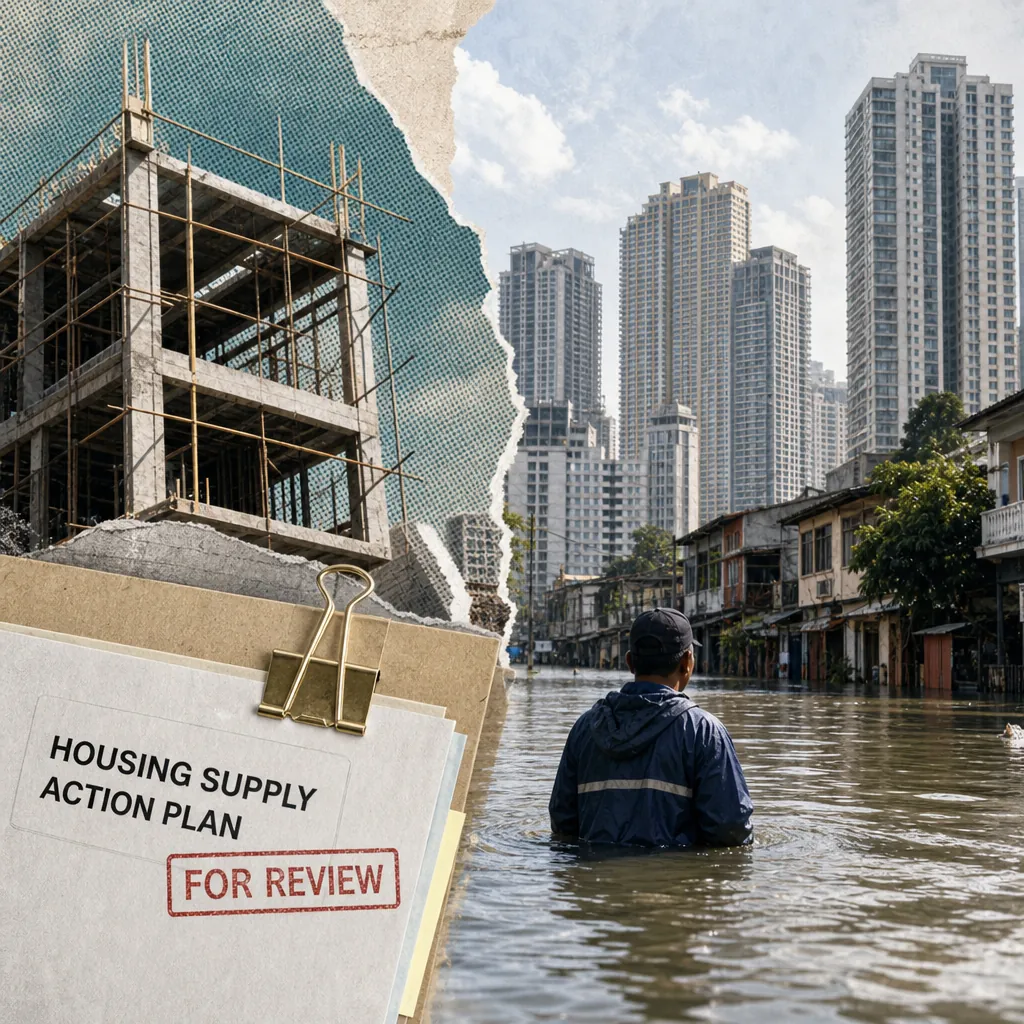
- House passes bill to expand socialized housing options: The House of Representatives approved on third and final reading House Bill 9697, which amends the Urban Development and Housing Act of 1992 to provide more land acquisition, financing, and partnership options for socialized housing projects. The bill aims to speed up the delivery of affordable homes.
- Corporate earnings reflect mixed economic conditions: Nickel Asia reported a 93% increase in first-half profit, while Cebu Pacific swung to a net loss in the second quarter due to high fuel costs. These results highlight the uneven impact of global commodity prices and currency fluctuations on Philippine businesses.
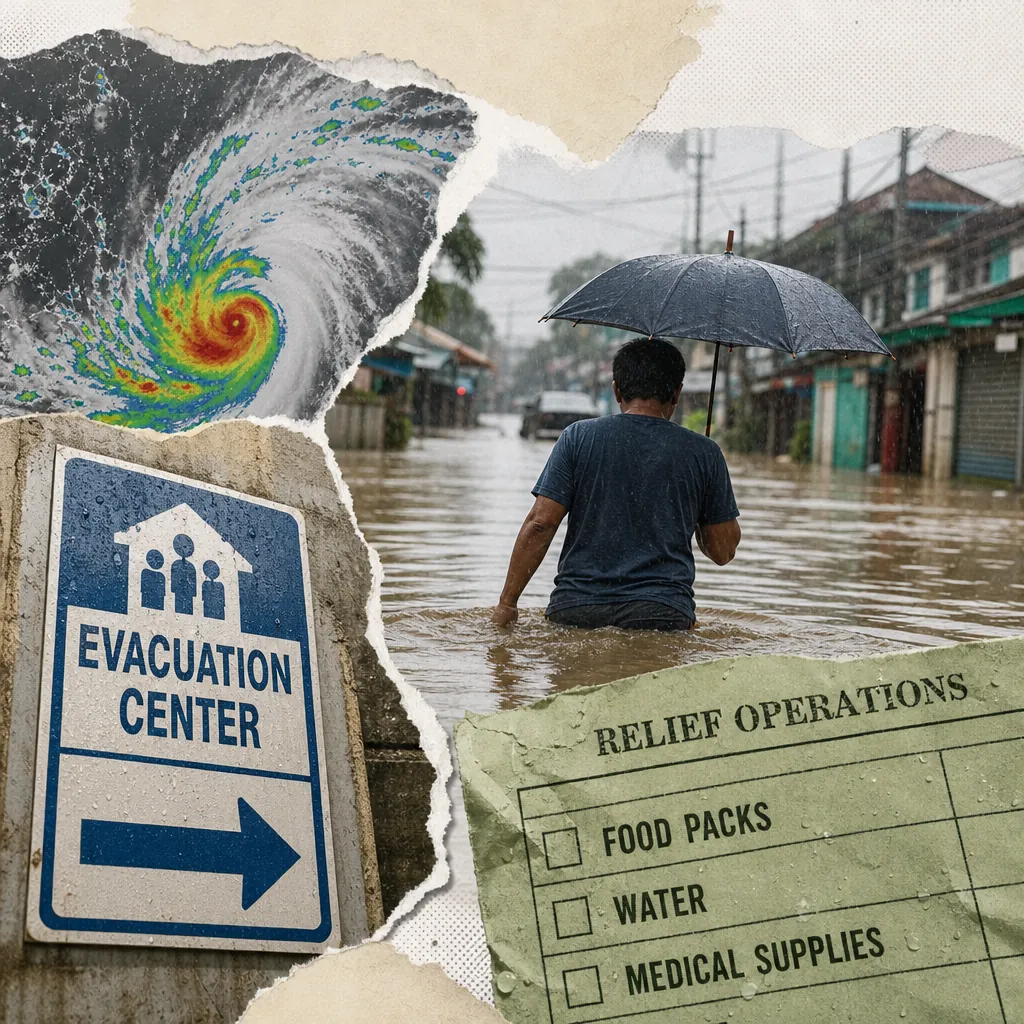
- Tropical Depression Maymay causes deaths and disruptions: At least four people died in landslides in Benguet and Rizal, and classes were suspended in many areas due to heavy rains from the storm and the southwest monsoon. The storm also raised water levels in Angat Dam, a key water source for Metro Manila.
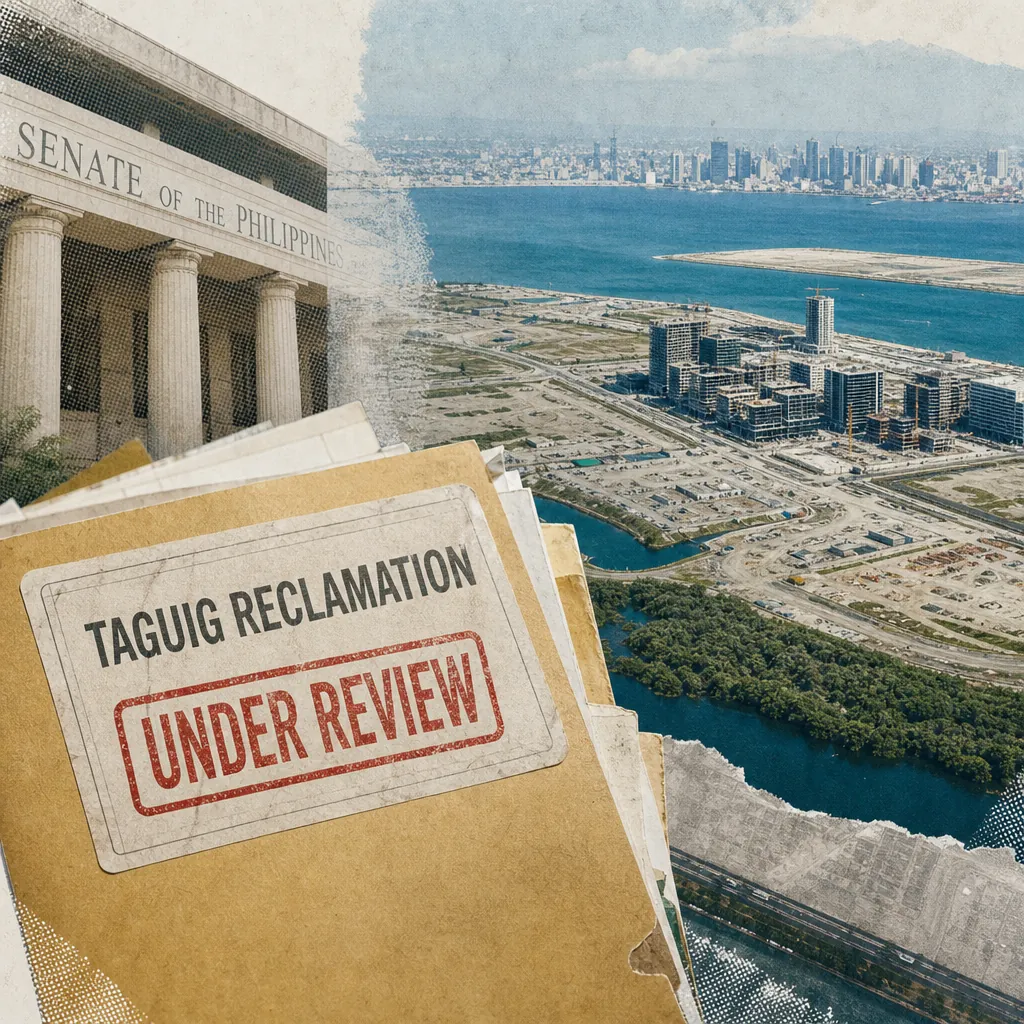
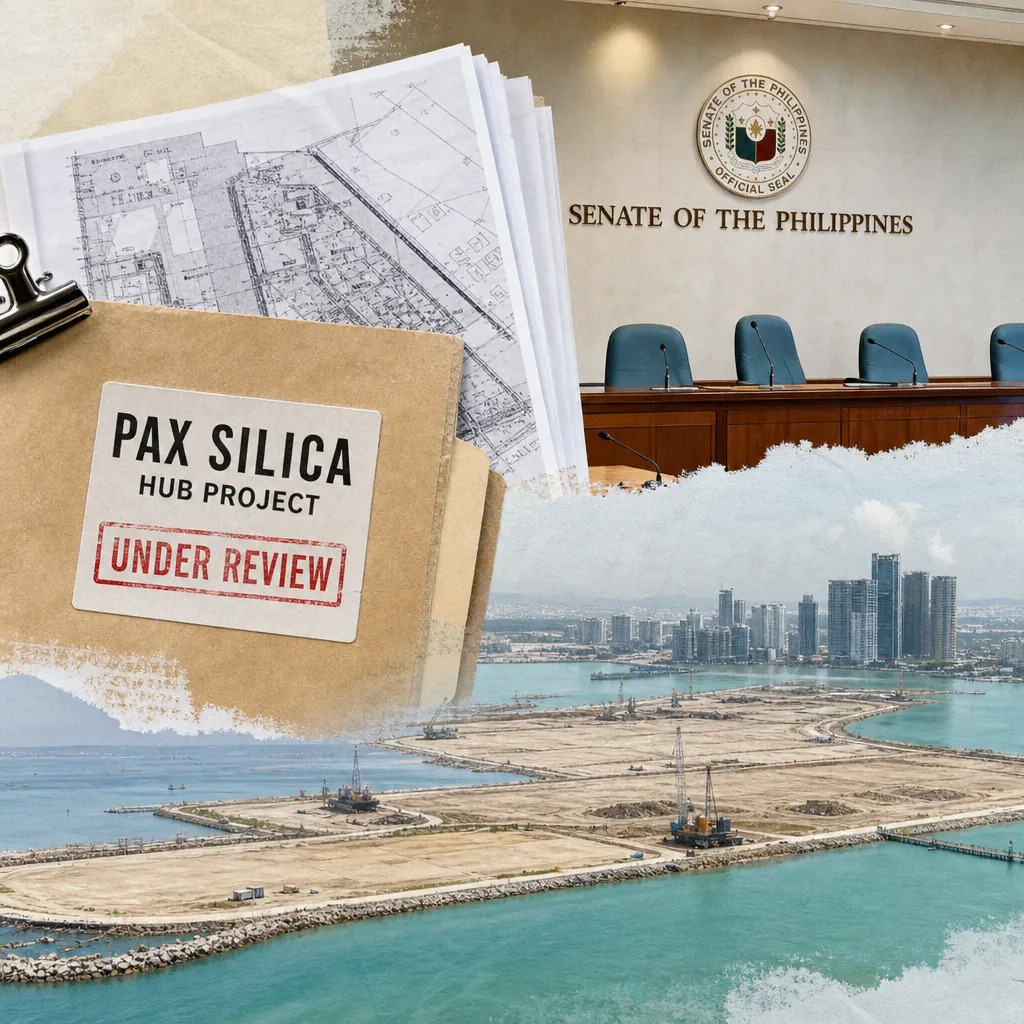
- Pax Silica project sparks debate and government outreach: The proposed Pax Silica innovation hub in New Clark City continues to be a divisive issue. The Bases Conversion and Development Authority (BCDA) met with the Capas local government to address concerns, while Palace officials mocked Vice President Sara Duterte's unfamiliarity with the project.
- Infrastructure safety under scrutiny: The Department of Public Works and Highways (DPWH) relieved a district engineer after a road crash linked to inadequate safety signage. A lawmaker also filed a bill requiring regular inspections of DPWH projects to ensure safety and longevity.
- Forbes rich list shows wealth concentration and decline: Enrique Razon Jr. topped the Forbes Philippines 50 Richest list for the first time, with his net worth nearly doubling to $21.8 billion. However, the combined wealth of the list fell 8% to $79 billion, reflecting a sluggish economy.
- Law enforcement operations net significant seizures: Police and customs authorities seized P700 million worth of counterfeit footwear in Cavite and P15 million worth of smuggled cigarettes in Dumaguete, highlighting ongoing efforts against smuggling and counterfeiting.
How the narratives stack
Dominant: The dominant narrative of the day was the government's response to the transport sector's plight, specifically the expanded fuel subsidies and cash aid. This story led the news across multiple outlets, as it directly affects millions of commuters and drivers. The announcement averted a planned strike, demonstrating the government's proactive approach to a potentially disruptive situation. The coverage was extensive, with the Inquirer, Daily Tribune, and other outlets providing detailed reports on the new subsidies and the inclusion of transport groups in the DSWD's cash aid program.
Counter-narrative: A counter-narrative emerged around the Pax Silica project, with critics warning of foreign influence, environmental costs, and the risk of the Philippines becoming a mere supporting player in the global AI race. This narrative was amplified by the petition filed by groups Bayan and the International League of Peoples Struggle, and by Vice President Sara Duterte's unfamiliarity with the project, which Palace officials mocked. The debate highlights a tension between economic development and national sovereignty.
Emerging: An emerging narrative is the growing concern over infrastructure safety, as evidenced by the DPWH's relief of a district engineer after a fatal road crash and the filing of a bill mandating regular inspections of public works. This story is gaining traction as the public demands accountability for negligent officials and contractors.
Suppressed: A story that received relatively little attention in the captured set is the impact of the data center boom on electricity prices. The Philippine Energy Efficiency Alliance (PE2) warned that the surge in data centers could strain the power supply and raise rates, but this story was overshadowed by more immediate concerns like the fuel subsidies and the storm. This is a significant issue that deserves more public scrutiny.
Platform insights
- Facebook: The Department of Transportation's press conference announcing the fuel subsidies was streamed on Facebook, generating significant engagement. Users shared the news widely, with many expressing relief that the strike was called off. The Palace's press briefing, where officials mocked Vice President Duterte's unfamiliarity with Pax Silica, also drew reactions, with netizens divided along political lines.
- X (formerly Twitter): The hashtag #WalangPasok trended as class suspensions were announced for August 7 due to the storm. Users shared lists of affected areas and expressed concerns about the safety of students and commuters. The hashtag served as a real-time information hub for the public.
- YouTube: Chef RV's interview with The Interviewer, where he discussed his journey and philosophy of embracing rejection, gained traction on YouTube, reflecting the platform's strength for long-form, personality-driven content. The video's popularity underscores the public's interest in success stories and personal resilience.
- Reddit: Discussions on r/Philippines focused on the economic implications of the Forbes rich list, with users debating wealth inequality and the concentration of wealth among a few families. The thread highlighted the public's concern about economic disparity and the role of conglomerates in the country's development.
Key voices and communities
- Transport groups and drivers: Pasang Masda National President Obet Martin and other transport leaders were key voices, initially planning a strike but later calling it off after the government's announcement. Their community represents the daily struggles of public utility vehicle drivers, who are directly affected by fuel prices and government policies.
- Government officials: Acting Transportation Secretary Giovanni Lopez and Palace press officer Claire Castro were prominent voices, announcing new subsidies and defending government initiatives. Their statements shaped the day's news cycle and set the agenda for public discussion.
- Business leaders and analysts: Executives like Cebu Pacific CEO Michael Szücs and Nickel Asia's management provided insights into the corporate sector's performance. Financial analysts from Philstocks and Regina Capital commented on market movements, offering context for investors and the public.
- Advocacy groups and critics: Groups like Bayan and the International League of Peoples Struggle, along with environmental and sovereignty advocates, voiced opposition to the Pax Silica project. Their concerns about foreign influence and environmental costs represent a significant counter-narrative to the government's push for the initiative.
- Local communities and disaster responders: Residents of Benguet and Rizal affected by landslides, as well as disaster response agencies like the Office of Civil Defense, were key voices in the storm narrative. Their stories highlighted the human cost of the weather disturbance and the need for preparedness.
Narrative streams
Government's fuel aid package and the averted strike
The day's most significant development was the government's announcement of expanded fuel subsidies and cash aid for transport workers, which averted a planned strike. Acting Transportation Secretary Giovanni Lopez revealed that public utility jeepney and UV Express drivers would receive a P12 per liter fuel discount starting August 15, up from the previous P10, capped at 150 liters weekly. This could save drivers up to P1,800 per week. Additionally, transport groups will be included in the next rollout of cash assistance from the DSWD under the expanded Uplift program, which provides livelihood and food assistance to vulnerable sectors.
Pasang Masda National President Obet Martin, who had initially discussed a strike, called it off after the government's presentation. "We only discussed this yesterday, and after the secretary explained the initiatives he presented to us, I, as the national president of Pasang Masda, am calling off our strike tomorrow," he said in Filipino. This move was widely covered, with the Inquirer and Daily Tribune providing detailed reports. The government's proactive approach was seen as a response to the continuous oil price hikes, which have been a major burden on drivers.
The read for the sector is that the government is willing to provide targeted relief to mitigate the impact of fuel prices, but the long-term sustainability of these subsidies remains uncertain. The transport sector, which is also undergoing modernization under the PTMP, faces ongoing challenges, including the need to amortize new vehicles. The government's P1.5 billion subsidy for PTMP participants, announced earlier, is part of a broader effort to support the sector's transition.
Housing bill and the evolving dream of homeownership
The House of Representatives approved on third and final reading House Bill 9697, which amends the Urban Development and Housing Act of 1992 to expand land acquisition, financing, and partnership options for socialized housing. The bill, authored by Ilocos Norte Rep. Sandro Marcos, aims to speed up the delivery of socialized housing by allowing additional modes of land acquisition, including community mortgages, land banking, land swapping, and joint ventures. The bill passed with 205 votes in favor, three against, and zero abstentions.
This legislative development comes amid a broader conversation about homeownership in the Philippines. An Inquirer opinion piece noted that the meaning of homeownership has changed over the past decade, with rising property costs, demographic shifts, and changing work environments reshaping how Filipinos think about housing. The article cited a 2024 publication from the Philippine Institute for Development Studies (PIDS) that captures this shift.
The read for the sector is that the government is trying to address the housing backlog by providing more flexible options for developers and local governments. However, the implementation will be key, as socialized housing projects often face challenges related to land availability, financing, and coordination among agencies.
Corporate earnings: Nickel Asia's profit surge and Cebu Pacific's loss
Nickel Asia Corp. reported a 93% increase in first-half net income to P4.06 billion, driven by higher nickel ore prices and stronger sales volumes. The company's operating mines sold 8.65 million wet metric tons of nickel ore, up 10% from a year earlier, with exports climbing 21% to 4.76 million WMT. Average export prices rose 12% to $42.86 per WMT. The company attributed the strong performance to the resilience of the nickel supply chain despite the Middle East conflict.
In contrast, Cebu Pacific, operated by Cebu Air Inc., swung to a net loss of P5.49 billion in the second quarter, reversing a P8.51 billion net income a year earlier. The loss was driven by a 40.9% surge in operating expenses to P37.97 billion, amid record fuel prices and foreign exchange losses. CEO Michael Szücs described the quarter as "one of the most challenging operating environments we have faced post-pandemic, driven by an unprecedented spike in fuel prices."
These contrasting results highlight the uneven impact of global commodity prices and currency fluctuations on Philippine businesses. While Nickel Asia benefited from higher ore prices, Cebu Pacific was hit by fuel costs, which are a major expense for airlines. The read for the sector is that companies with exposure to global commodity markets are vulnerable to price volatility, and those with high fuel costs need to manage their expenses carefully.
Tropical Depression Maymay: Deaths, class suspensions, and dam levels
Tropical Depression Maymay, enhanced by the southwest monsoon, caused at least four deaths in landslides in Benguet and Rizal. In La Trinidad, Benguet, two cooks died when a landslide buried part of a roadside eatery. In Rodriguez, Rizal, two siblings were killed in a rockslide that struck their house. The Office of Civil Defense confirmed the deaths, noting that the storm's effects extended beyond its forecast track due to the southwest monsoon.
Classes were suspended in many areas on August 7, including Metro Manila, as the storm brought heavy rains and flooding. The hashtag #WalangPasok trended on social media, with users sharing lists of affected areas. The storm also raised water levels in Angat Dam, which provides more than 90% of Metro Manila's potable water. As of 2 p.m. on August 6, the water level had risen to 157.58 meters, up 49 centimeters from the previous day, but still below the critical level of 160 meters.
The read for the public is that the storm's impact is a reminder of the country's vulnerability to natural disasters, and the importance of preparedness and timely information dissemination. The class suspensions, while disruptive, were necessary to ensure the safety of students and teachers.
Pax Silica: Government outreach and public skepticism
The Pax Silica project, a proposed innovation hub in New Clark City, Tarlac, continues to be a divisive issue. The Bases Conversion and Development Authority (BCDA) met with the Capas local government to discuss the project's vision and address concerns. The BCDA said it would continue to engage barangays and local communities to help residents understand the proposed development and its potential benefits.
However, critics, including groups Bayan and the International League of Peoples Struggle, have filed a petition calling for the suspension of the project, citing concerns about foreign influence, environmental costs, and resource depletion. Palace press officer Claire Castro mocked Vice President Sara Duterte's unfamiliarity with the project, saying that signatories should be well-informed before making decisions.
The read for the sector is that the government is trying to manage the narrative around Pax Silica, but public skepticism remains high. The project's success will depend on transparent communication and addressing the legitimate concerns of local communities and critics.
Infrastructure safety and accountability
The Department of Public Works and Highways (DPWH) relieved the district engineer of Camarines Sur's 1st District Engineering Office, Ramon Anselmo Calagos, following a road crash linked to inadequate safety signage at an ongoing construction site. The crash, which occurred on July 29 along Andaya Highway, left three people injured. Investigations cited a lack of required traffic safety devices and warning signs.
In a related development, Parañaque Rep. Brian Raymund Yamsuan filed House Bill 9780, which would require regular inspections of DPWH projects every five to ten years after completion. The bill aims to ensure that infrastructure projects remain safe and sound public investments.
The read for the sector is that there is growing public demand for accountability in infrastructure projects. The DPWH's swift action in relieving the district engineer, and the proposed inspection bill, signal a shift towards greater oversight and safety standards.
Forbes rich list: Wealth concentration and economic slowdown
Enrique Razon Jr. topped the Forbes Philippines 50 Richest list for the first time, with his net worth nearly doubling to a record $21.8 billion. The increase was attributed to gains in shares of his International Container Terminal Services Inc., which continued to expand globally. Razon overtook the Sy siblings, whose combined fortune fell by $2.6 billion to $9.2 billion.
The combined wealth of the Philippines' 50 richest individuals and families fell 8% to $79 billion from $86 billion in 2025. Forbes attributed the decline to the Philippine economy's slowest quarterly growth since the pandemic, the energy shock from the Iran conflict, and a weak residential property market.
The read for the public is that wealth remains highly concentrated, and the economic slowdown is affecting even the richest. The list also highlights the importance of global diversification, as Razon's wealth grew despite geopolitical tensions.
Conversation trajectory
- Fuel subsidies and transport sector: Over the next 4-6 weeks, the implementation of the expanded fuel discount and cash aid will be closely watched. If fuel prices continue to rise, there may be calls for further government intervention. The transport sector's modernization program, including the PTMP, will also be a key issue as operators face amortization pressures.
- Housing bill implementation: The passage of HB 9697 is a significant step, but its impact will depend on the implementing rules and regulations. Over the next 6-12 months, stakeholders will monitor how the new land acquisition and partnership options are utilized. The bill could accelerate socialized housing projects, but challenges remain in terms of funding and coordination.
- Pax Silica project: The debate over Pax Silica is likely to intensify as the government pushes for its implementation. The BCDA's consultations with local communities may help address some concerns, but opposition from advocacy groups could lead to further petitions or protests. The project's fate will depend on the government's ability to balance economic development with environmental and sovereignty concerns.
- Infrastructure safety: The relief of the district engineer and the proposed inspection bill signal a shift towards greater accountability. Over the next few months, there may be more cases of officials being held responsible for lapses. The public's attention on infrastructure safety is likely to persist, especially as the government ramps up its
See the full picture behind today's signals.
This report draws from Media Meter's MediaWatch, our real-time monitoring engine tracking 2,470+ Philippine sources across print, broadcast, digital, and social. Explore how the platform turns raw coverage into decision-grade intelligence, then see how it's configured for teams like yours — whether you're in PR agencies, corporate comms, government, or marketing.
Want more? Browse our Report Library for sector and crisis intelligence, or request a demo and we'll have your brand set up before the call.
Want this kind of intelligence on your brand?
This brief is built on the same MediaWatch methodology that runs continuously across every brand we monitor. See your competitive landscape, Impact Score, and narrative trajectory in a 30-minute demo.