GCash IPO Clears SEC; Peso Hits Record Low
The Philippine SEC approved GCash operator Mynt's P92.32-billion IPO, the first to use relaxed float rules. Meanwhile, the peso fell to a record low of 62.59 per dollar despite easing August inflation to 6.1%, and business confidence turned pessimistic in July.
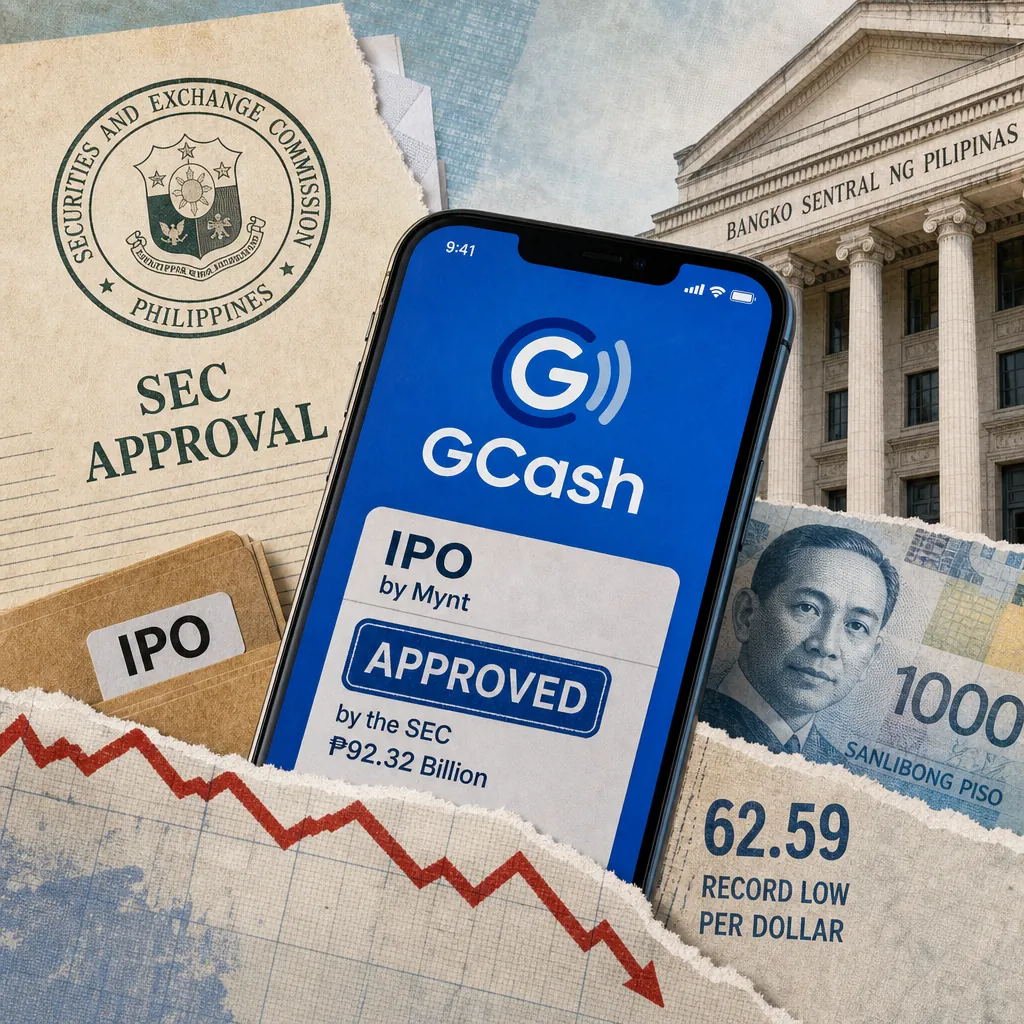
The Philippine financial sector faced a day of stark contrasts on September 4, 2026. The Securities and Exchange Commission (SEC) approved the record-breaking initial public offering (IPO) of Mynt Inc., the operator of the country's dominant e-wallet GCash, paving the way for a listing that could raise up to P92.32 billion. At the same time, the peso slumped to a new all-time low of 62.59 against the US dollar, even as inflation eased for a fourth straight month to 6.1% in August. Business confidence, meanwhile, turned sharply pessimistic in July, according to the central bank's survey. These developments paint a picture of an economy grappling with external pressures and domestic challenges, even as its digital finance sector pushes forward with landmark milestones.
The day's news was dominated by the GCash IPO approval, a development that has been anticipated for months. The SEC's green light makes Mynt the first company to benefit from a relaxed public float requirement, allowing it to list with just 12% of shares available to the public instead of the standard 15%. This concession, granted under SEC Memorandum Circular No. 11, Series of 2026, is designed for issuers with exceptionally large market capitalizations—Mynt's expected market cap upon listing is a staggering P668.96 billion. The IPO is scheduled for an offer period from October 6 to 12, with a target listing on the Philippine Stock Exchange under the ticker "GCASH" on October 20. The news was covered extensively across major business outlets, including the Inquirer, Manila Times, Daily Tribune, and Philstar, with coverage value in the captured set totaling over P1.5 million in estimated advertising-equivalent terms.
On the macroeconomic front, the Philippine Statistics Authority (PSA) reported that inflation slowed to 6.1% in August from 6.2% in July, marking the fourth consecutive month of easing. This was the lowest reading in five months, driven largely by slower increases in food prices. However, the rate remains well above the central bank's target range of 2% to 4%, and rice inflation actually accelerated to 19.4%—the highest since July 2024. The peso's slide to a record low of 62.59 per dollar was attributed primarily to a strong US dollar and elevated Treasury yields, though domestic political uncertainty, including reports of an arrest warrant for Vice President Sara Duterte, added to short-term volatility. The stock market, however, managed to extend gains, with the benchmark PSEi rising 0.35% to close at 6,090.60, as investors took some comfort from the easing inflation.
Business sentiment, as measured by the Bangko Sentral ng Pilipinas' (BSP) Business Expectations Survey, turned negative in July, with the overall confidence index dropping to -20.3% from zero in June. This reversal was attributed to renewed tensions in the Middle East, higher oil prices, and persistent inflationary pressures. The survey, which polled 506 firms nationwide, indicated that pessimists now outnumber optimists, a stark contrast to the neutral stance in June. This pessimism was reflected in fewer companies planning to hire new workers in the coming year.
Beyond these headline numbers, the day's coverage also included a range of other financial sector stories. BPI announced it became the first Philippine universal bank to secure dual ISO certifications for information security and data privacy. Metrobank celebrated its 64th anniversary with a host of rewards and grants, including P75 million in donations to social development organizations. The Supreme Court reminded banks of their fiduciary duty in a recent ruling, while a Philstar opinion piece highlighted the evolving nature of bank fraud, where cybercriminals increasingly target customers' trust rather than the banks' systems directly. These stories, while less prominent than the IPO and macroeconomic data, underscore the ongoing evolution and challenges within the Philippine financial landscape.
Key themes
- GCash IPO gets SEC approval, paving way for P92.32-B listing: The Securities and Exchange Commission approved the initial public offering of Mynt Inc., the operator of GCash, allowing it to raise up to P92.32 billion. This is the first IPO to benefit from relaxed public float rules for large issuers, with a minimum float of 12% instead of the standard 15%. The offer period runs from October 6 to 12, with listing on the Philippine Stock Exchange under the ticker "GCASH" on October 20. 14343866
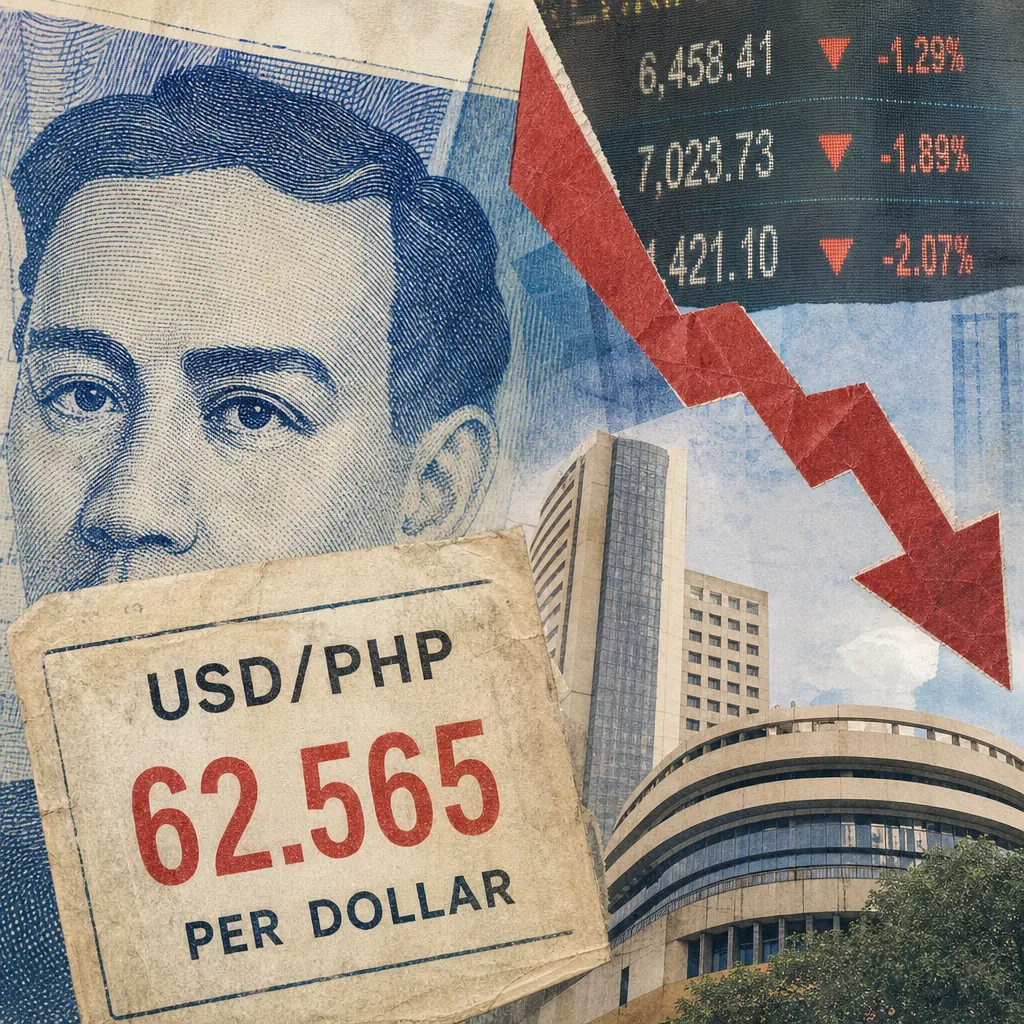
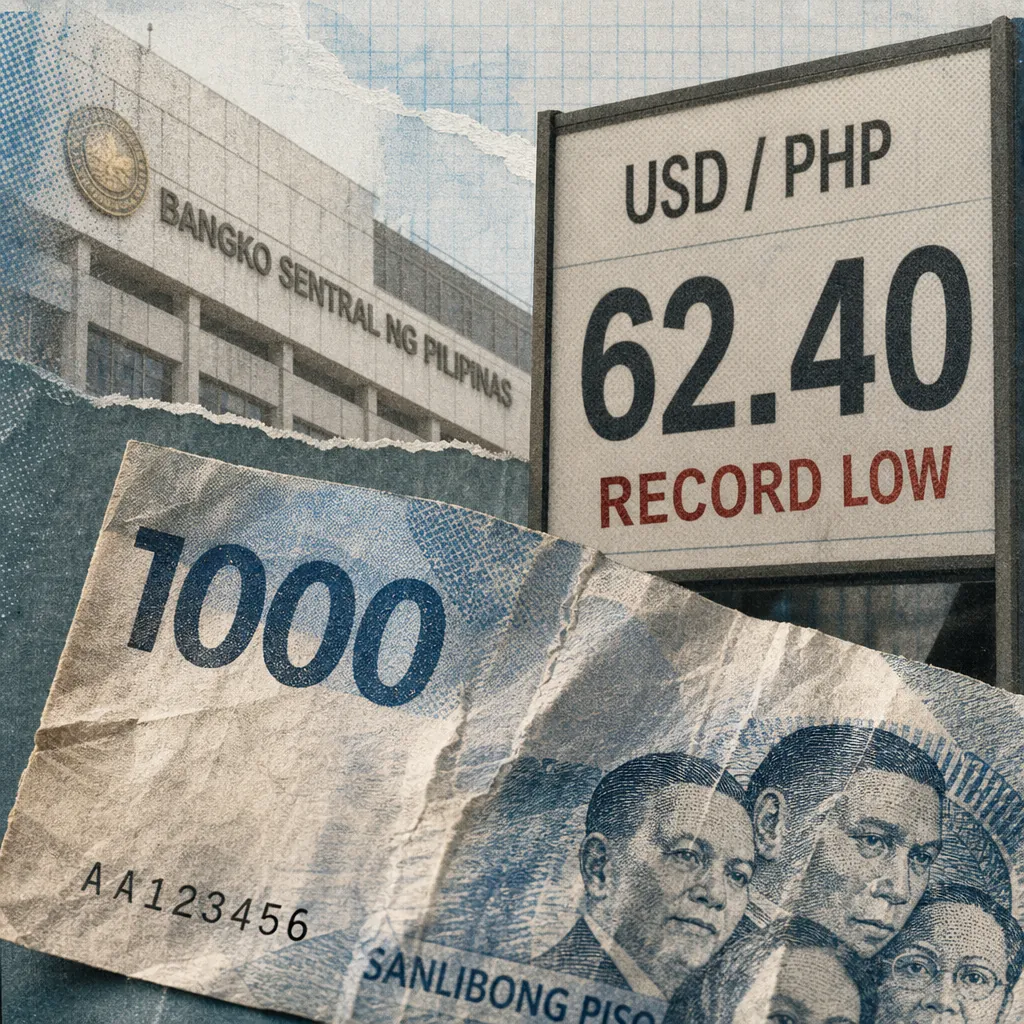
- Peso hits record low of 62.59 per dollar: The Philippine peso closed at a new all-time low of 62.59 against the US dollar on September 4, down 7 centavos from the previous close. The slide was driven by a strong US dollar, elevated Treasury yields, and market caution ahead of the US nonfarm payrolls report, with domestic political developments adding to short-term volatility. 173256
- Inflation eases to 6.1% in August, but remains above target: Consumer price growth slowed to 6.1% in August from 6.2% in July, marking the fourth consecutive month of easing. However, the rate remains well above the BSP's 2-4% target, with rice inflation accelerating to 19.4%, the highest since July 2024. 335569
- Business confidence turns pessimistic in July: The BSP's Business Expectations Survey showed the overall confidence index fell to -20.3% in July from zero in June, indicating pessimists outnumber optimists. Renewed Middle East tensions, higher oil prices, and persistent inflation were cited as key concerns. 153670
- Stock market extends gains on easing inflation: The Philippine Stock Exchange index (PSEi) rose 0.35% to close at 6,090.60, marking its second straight session of gains, as investors welcomed the easing inflation data. However, thin trading and lingering interest-rate concerns kept sentiment cautious. 314365
- BPI achieves dual ISO certifications for information security and privacy: Bank of the Philippine Islands became the first Philippine universal bank to secure both ISO/IEC 27001:2022 (information security management) and ISO/IEC 27701:2019 (privacy information management) certifications, covering its online and mobile banking platforms, remittances, and contact center operations. 30
- Metrobank marks 64th anniversary with rewards and P75-M in grants: Metrobank offered a range of credit card deals and cashback promotions, while its foundations distributed P75 million in grants to 35 social development organizations under the George S.K. Ty Grants program. 428
- Supreme Court reminds banks of fiduciary duty in fraud case: The High Tribunal ordered BDO Unibank to absorb a loss caused by its failure to exercise the highest degree of diligence in handling a client's funds, reinforcing the fiduciary nature of banking. 67
How the narratives stack
- Dominant: The GCash IPO approval is the dominant narrative of the day. It represents a landmark moment for the Philippine digital finance sector, with the potential to be the largest IPO in the country's history. The story dominated business pages, with multiple outlets covering the SEC's decision, the relaxed float rule, and the expected timeline. Within the captured set, this story drew the most extensive coverage, with articles from the Inquirer, Manila Times, Daily Tribune, Philstar, and Head Topics, collectively worth an estimated P1.5 million in advertising-equivalent value. The narrative is one of growth and modernization, positioning the Philippines as a hub for digital finance innovation.
- Counter-narrative: The peso's record low and the pessimistic business confidence survey provide a counter-narrative to the optimism of the IPO. While the IPO signals confidence in the digital economy, the broader macroeconomic picture is one of vulnerability. The peso's slide, driven by external factors like a strong dollar and geopolitical tensions, and the drop in business sentiment to -20.3% in July, highlight the challenges facing the traditional economy. This narrative suggests that while the digital finance sector is booming, the overall economic environment remains fragile, with inflation still above target and businesses wary of the future.
- Emerging: The evolving nature of bank fraud, as highlighted in a Philstar opinion piece, is an emerging narrative. The piece describes how cybercriminals are increasingly targeting customers' trust rather than hacking bank systems directly, using sophisticated social engineering tactics. This story, while not as prominent as the IPO or macroeconomic data, signals a growing concern for both banks and consumers. It underscores the need for heightened awareness and robust security measures in the digital age, a theme that resonates with the broader push towards digital finance.
- Under-covered: The story of the Supreme Court's ruling against BDO Unibank, reminding banks of their fiduciary duty, received relatively less coverage compared to the IPO and macroeconomic news. This ruling, which ordered BDO to absorb a loss due to its failure to exercise the highest degree of diligence, is significant for the banking sector as it reinforces legal expectations for banks in handling client funds. Within the captured set, it appeared in only one article, despite its potential implications for bank liability and customer protection. This under-coverage may reflect the monitoring scope, but it remains an important legal development for the industry.
Platform insights
- Facebook: Facebook posts related to the day's financial news likely saw high engagement, particularly around the GCash IPO and the peso's record low. Users may have shared articles from business pages, commented on the implications for their personal finances, and expressed mixed reactions—optimism about the IPO's potential for economic growth, but concern over the weakening peso and rising prices. The visual nature of Facebook, with infographics and shareable news snippets, likely amplified the reach of these stories.
- X (formerly Twitter): On X, the conversation was likely fast-paced and news-driven, with users, including financial analysts and journalists, sharing real-time updates on the peso's movement and the SEC's announcement. Hashtags such as #GCashIPO and #PesoRecordLow may have trended, with users debating the implications of the relaxed float rule and the IPO's valuation. The platform's brevity suits quick reactions, and sentiment may have been split between bullish takes on the digital economy and bearish views on the macroeconomy.
- YouTube: YouTube coverage may have included news segments from financial channels and business news programs, offering analysis of the day's developments. Videos explaining the GCash IPO, the peso's slide, and the inflation data could have attracted viewers seeking deeper understanding. Comments sections likely featured discussions on the impact of these events on everyday Filipinos, with some expressing skepticism about the benefits of the IPO and others worried about the cost of living.
- Reddit: On Reddit, particularly in subreddits like r/Philippines and r/phinvest, users may have engaged in more detailed discussions about the GCash IPO, sharing insights on the company's financials, the implications of the relaxed float rule, and whether to participate in the offering. The peso's record low and inflation data would also be topics of discussion, with users sharing personal experiences and seeking advice on how to protect their savings. The community's analytical nature likely led to nuanced debates about the economy's direction.
Key voices and communities
- Financial journalists and business media: Reporters from major outlets like the Inquirer, Manila Times, Daily Tribune, Philstar, and Business Mirror played a crucial role in disseminating the day's news. Their articles provided detailed analysis of the GCash IPO, the peso's movement, and the inflation data, shaping public understanding. Their framing often balanced the positive news of the IPO with the challenges of the macroeconomic environment.
- Economists and financial analysts: Figures like Michael Ricafort (RCBC), Ruben Carlo Asuncion (UnionBank), and Luis Limlingan (Regina Capital) were quoted extensively, offering expert interpretations of the peso's slide, the stock market's gains, and the business confidence survey. Their insights helped contextualize the day's events, attributing the peso's weakness to external factors and noting the fragility of the inflation slowdown.
- Government regulators: The Securities and Exchange Commission (SEC) and the Bangko Sentral ng Pilipinas (BSP) were central voices, with the SEC announcing the IPO approval and the BSP releasing the business confidence survey and commenting on inflation. Their statements provided official positions and forward-looking guidance, such as the BSP's commitment to monitor Middle East developments and weather-related disturbances.
- Banking and fintech industry representatives: Executives from Mynt, BPI, and Metrobank were featured in stories about the IPO, certifications, and anniversary promotions. Their quotes highlighted the industry's confidence in digital finance growth and commitment to security and customer service. For instance, BPI's head of retail emphasized the bank's dedication to making vehicle ownership more rewarding, while Metrobank Foundation's president spoke about strategic investments in community needs.
- Consumers and the general public: While not directly quoted in the articles, the public's sentiment was reflected in the business confidence survey and the engagement on social media. The pessimistic business outlook and concerns over the peso's weakness and inflation suggest a wary consumer base, potentially affecting spending and investment decisions.
Narrative streams
GCash IPO: A landmark listing for Philippine digital finance
The Securities and Exchange Commission's approval of Mynt Inc.'s initial public offering marks a watershed moment for the Philippine stock market and the digital finance sector. Mynt, the operator of GCash—the country's most widely used e-wallet—is set to raise up to P92.32 billion by offering up to 1.61 billion new shares and 6.42 billion existing shares from a selling shareholder, with an overallotment option of up to 1.20 billion shares. At a maximum price of P10 per share, the IPO could value Mynt at P668.96 billion, making it one of the largest companies on the Philippine Stock Exchange. 1438
The approval is notable for being the first under SEC Memorandum Circular No. 11, Series of 2026, which allows the SEC to approve a lower public float—12% instead of the standard 15%—for issuers with exceptionally large expected market capitalizations. This rule is designed to encourage mega-cap listings that might otherwise be deterred by the requirement to offer a larger percentage of shares to the public. The SEC's decision reflects a regulatory environment increasingly supportive of large, high-growth companies, particularly in the technology and fintech sectors. 3466
The IPO is scheduled for an offer period from October 6 to 12, with a target listing on the main board of the Philippine Stock Exchange under the ticker "GCASH" on October 20. The timeline suggests that Mynt is moving swiftly to capitalize on market conditions, despite the broader economic uncertainties. The success of this IPO could set a precedent for other large digital companies considering listings, potentially reshaping the composition of the Philippine stock market.
Read for the sector: The GCash IPO signals a maturation of the Philippine fintech sector, offering investors a rare opportunity to gain exposure to the country's digital payments boom. For the broader financial industry, a successful listing could boost confidence in the stock market and attract further investment into technology-driven financial services. However, the IPO's success is not guaranteed, given the current economic headwinds, and its performance will be closely watched as a barometer for investor appetite in the sector.
Peso at record low: External pressures and domestic vulnerabilities
The Philippine peso closed at a new record low of 62.59 against the US dollar on September 4, down 7 centavos from the previous close, after touching an intraday low of 62.65. This marks the latest in a series of record lows for the currency, which has been under persistent pressure from a strong US dollar and elevated US Treasury yields. Ruben Carlo Asuncion, chief economist at UnionBank, attributed the slide primarily to external factors, including market caution ahead of the US nonfarm payrolls report. 173256
Domestic political developments, including reports of an arrest warrant for Vice President Sara Duterte, may have added to short-term volatility, but Asuncion noted that the broader move remains driven by the external environment. The peso's weakness has significant implications for the economy, as it increases the cost of imports, potentially fueling inflation, and raises the burden of foreign currency-denominated debt. Despite the easing of inflation to 6.1% in August, the peso's decline could undermine these gains by making imported goods, particularly oil and food, more expensive.
The central bank, which last week raised key interest rates by another 25 basis points to anchor inflation expectations, faces a delicate balancing act. While higher rates can support the peso by attracting foreign capital, they also risk slowing economic growth. The BSP has signaled it will continue to monitor developments in the Middle East and weather-related disturbances as it assesses the inflation outlook, suggesting that further rate hikes are possible if pressures persist. 3354
Read for the sector: The peso's record low poses challenges for businesses that rely on imports, as their costs will rise, potentially squeezing profit margins. For banks and financial institutions, a weaker peso can increase the value of foreign currency deposits and loans, but it also raises the risk of capital outflows. The central bank's monetary policy stance will be crucial in determining whether the peso stabilizes or continues its slide, with implications for inflation, interest rates, and overall economic confidence.
Inflation eases to 6.1% but rice prices remain a concern
Inflation in the Philippines slowed to 6.1% in August from 6.2% in July, marking the fourth consecutive month of easing and the lowest reading in five months. The Philippine Statistics Authority attributed the slowdown to slower increases in food, housing, utility, and energy costs. Core inflation, which excludes volatile food and energy items, also edged down to 4.1% from 4.2%. 3369
However, the headline rate remains well above the Bangko Sentral ng Pilipinas' target range of 2% to 4%. Rice, a staple food in the Philippines, remains the biggest individual contributor to inflation, with its inflation rate accelerating to 19.4% in August from 17.1% in July—the highest since July 2024. Rice alone contributed 1.3 percentage points to headline inflation. This persistent rice price pressure is a major concern, as it directly affects the purchasing power of Filipino households, particularly those with lower incomes. 55
The BSP, which had forecast inflation in the range of 5.5% to 6.5% for August, said it would continue to monitor developments in the Middle East and weather-related disturbances. The central bank's cautious stance reflects the fragility of the inflation slowdown, which could be reversed by external shocks or domestic supply disruptions. Analysts, such as Ateneo economist Leonardo Lanzona, have warned that the slowdown remains fragile, with elevated rice prices and a weakening peso threatening to keep price pressures high in the coming months. 5455
Read for the sector: For the financial sector, the easing inflation provides some relief, as it reduces the immediate pressure for further aggressive rate hikes. However, the persistence of high rice inflation and the peso's weakness mean that the BSP is likely to maintain a hawkish bias, keeping interest rates elevated. This environment is challenging for borrowers, including businesses and consumers, as borrowing costs remain high. Banks may see increased demand for loans as businesses seek to manage cash flow, but the overall economic uncertainty could dampen credit growth.
Business confidence turns pessimistic in July
The Bangko Sentral ng Pilipinas' Business Expectations Survey for July revealed a sharp deterioration in business sentiment, with the overall confidence index falling to -20.3% from zero in June. This indicates that pessimists now outnumber optimists among the 506 firms surveyed nationwide. The BSP attributed the decline to renewed concerns over tensions in the Middle East, higher oil prices, and persistent inflationary pressures. 1570
The survey also showed that businesses were less upbeat about prospects for the next three months and the next year, although they remained optimistic about the next 12 months, albeit less so than in the previous survey. Fewer companies planned to add new workers in the coming year, reflecting expectations of slower economic growth and high prices. This pessimism is a worrying sign for the economy, as business confidence is a key driver of investment and hiring decisions. 36
The drop in confidence comes despite the easing of inflation in August, suggesting that businesses are more focused on the immediate challenges of high input costs and geopolitical uncertainty. The BSP's survey was conducted from July 7 to 31, a period that saw the collapse of a fragile US-Iran ceasefire, which likely contributed to the negative sentiment. 15
Read for the sector: The pessimistic business outlook has direct implications for the financial sector. Banks may see reduced demand for business loans as companies delay expansion plans, and credit risk could increase if businesses struggle to cope with high costs. The stock market may also be affected, as investor sentiment is influenced by corporate earnings prospects. The BSP's monetary policy decisions will need to balance the need to control inflation with the risk of further dampening business confidence.
BPI achieves dual ISO certifications, setting a security benchmark
Bank of the Philippine Islands (BPI) announced that it has become the first Philippine universal bank to secure both ISO/IEC 27001:2022 and ISO/IEC 27701:2019 certifications, awarded by the British Standards Institution (BSI) Group Philippines Inc. The ISO/IEC 27001:2022 certification covers information security management systems, while ISO/IEC 27701:2019 covers privacy information management systems. These certifications cover a broad range of BPI's operations, including its online and mobile banking platforms, inward and outward remittances, transaction banking, cash management services, and contact center operations. 30
Unlike a one-time audit, these standards require organizations to maintain robust information security and privacy management systems through regular risk assessments, internal controls, audits, monitoring, and operational improvements. BPI's achievement signals a strong commitment to protecting customer data and maintaining the integrity of its digital services, which is increasingly important in an era of rising cyber threats and regulatory scrutiny.
This development is particularly relevant given the growing reliance on digital banking and the corresponding increase in cybercrime. A separate Philstar opinion piece highlighted the "new anatomy of bank fraud," where criminals use social engineering to trick customers into transferring money to e-wallets, often by impersonating bank officials. BPI's certifications demonstrate a proactive approach to mitigating such risks, potentially setting a benchmark for other banks in the country. 68
Read for the sector: BPI's dual ISO certifications position it as a leader in information security and data privacy, which could be a competitive advantage in attracting security-conscious customers. For the broader banking sector, this development raises the bar for security standards, potentially prompting other banks to pursue similar certifications. As digital banking continues to grow, robust security measures will be essential for maintaining customer trust and complying with regulatory expectations.
Metrobank celebrates 64th anniversary with rewards and community grants
Metrobank marked its 64th anniversary with a series of promotions and philanthropic initiatives. The bank offered credit cardholders various cashback deals, including up to P1,500 cashback on accumulated local straight purchases made from Friday to Sunday, and a chance to win up to P20,000 cashback for weekday spending of at least P1,000. Eligible Metrobank Visa credit cardholders could earn up to P10,000 cashback on cross-border and airline transactions. Dining offers included 50% off at Vikings Group from Monday to Thursday. 4
In addition to consumer promotions, Metrobank Foundation Inc. (MBFI) and GT Foundation Inc. (GTFI) provided a total of P75 million in grants to 35 social development organizations. The grants, formally turned over at a ceremony at the Grand Hyatt in Taguig, will support programs in health, education, livelihood, disaster management, and community development under the annual George S.K. Ty Grants. MBFI president Philip Dy emphasized that these are not isolated concerns, calling for strategic investments and innovative solutions to address challenges of scale. 28
These initiatives reflect Metrobank's dual focus on customer engagement and corporate social responsibility. The anniversary promotions aim to boost card usage and customer loyalty, while the grants underscore the bank's commitment to social development. This combination of commercial and philanthropic activities is common among Philippine banks, which often leverage their anniversaries to reinforce their brand and community ties.
Read for the sector: Metrobank's anniversary activities highlight the importance of customer retention and community engagement in the competitive Philippine banking market. For other banks, these promotions serve as a reminder of the need to offer tangible value to customers, particularly in a high-interest-rate environment where consumers are more price-sensitive. The grants also demonstrate how banks can use their resources to address social issues, potentially enhancing their reputation and aligning with regulatory expectations for corporate social responsibility.
Supreme Court ruling reinforces banks' fiduciary duty
A recent Supreme Court ruling, promulgated in February but released only recently, ordered BDO Unibank to absorb a loss caused by its failure to exercise the highest degree of diligence in handling a client's funds. The case, BDO Unibank vs. Barcellano, involved a client who deposited a Land Bank regional check amounting to P151,200 into her savings account at a BDO branch. A BDO teller erroneously validated the check as local instead of regional, causing it to clear within three banking days instead of the standard seven. As a result, the client was able to withdraw P76,000 before the check was dishonored. 67
The Supreme Court reminded banks of their duty to exercise the highest degree of diligence in handling clients' funds and in selecting and supervising employees, owing to the fiduciary nature of the banking business. This ruling reinforces the legal principle that banks are expected to act with utmost care and good faith in their dealings with customers, and that failures to do so can result in liability.
This decision has significant implications for the banking sector, as it clarifies the standard of care expected of banks and the consequences of negligence. It also serves as a warning to banks to strengthen their internal controls and employee training to prevent similar errors. The ruling could encourage customers to hold banks accountable for lapses, potentially leading to more litigation in the future.
Read for the sector: The Supreme Court ruling underscores the importance of robust operational controls and employee oversight in banks. For the financial sector, this decision reinforces the need for continuous investment in risk management and compliance to avoid costly legal liabilities. It also highlights the legal risks associated with manual processes, suggesting that banks should accelerate their digital transformation to reduce human error and enhance transaction accuracy.
Conversation trajectory
- GCash IPO offer period (October 6-12): The offer period for the GCash IPO is a critical near-term event. Investor demand during this window will determine the success of the listing and provide insights into market appetite for fintech stocks. A strong uptake could boost confidence in the sector, while a weak response might signal caution. Observation window: October 6-12, 2026.
- US nonfarm payrolls report (September 2026): The peso's slide was partly attributed to market caution ahead of the US nonfarm payrolls report. The outcome of this report will influence the US dollar's strength and, consequently, the peso's trajectory. A strong report could further pressure the peso, while a weak one might provide some relief. Observation window: September 2026.
- BSP monetary policy meetings (next scheduled): The BSP has raised rates by 25 basis points last week and signaled it will continue to monitor inflation risks. Future policy decisions will depend on inflation data, the peso's performance, and global developments. Any further rate hikes could impact borrowing costs and economic growth. Observation window: Next BSP meeting, typically held every six weeks.
- Inflation data for September (released early October): The August inflation print showed a slowdown, but rice prices remain a concern. The September data will indicate whether the easing trend continues or if price pressures re-emerge. This will be crucial for the BSP's policy stance and for business and consumer sentiment. Observation window: Early October 2026.
- Political developments (ongoing): Reports of an arrest warrant for Vice President Sara Duterte have added to market volatility. Any escalation in political tensions could further weaken the peso and dampen business confidence. Observation window: Ongoing, with immediate market reactions possible.
Trigger events: A successful GCash IPO listing on October 20, which could boost market sentiment; a significant move in the peso beyond current record lows, prompting BSP intervention; a sharp increase in rice prices, potentially pushing inflation back above 7%; and any major escalation in Middle East conflicts, affecting oil prices and global risk appetite.
Response guidance
- GCash IPO communications: For fintech companies and the stock exchange, emphasize the milestone nature of the IPO and its potential to attract global investors to the Philippine market. Highlight the relaxed float rule as a sign of regulatory support for large, innovative companies. Address any concerns about valuation and market conditions transparently, focusing on the company's growth prospects and the broader digital payments adoption.
- Peso weakness messaging: For banks and financial institutions, communicate the external drivers of the peso's decline to manage client expectations. Provide guidance on hedging strategies for businesses with foreign currency exposure. Avoid speculative language about future movements; instead, focus on the central bank's monitoring and policy tools.
- Inflation and cost of living: For consumer-facing financial brands, acknowledge the impact of high inflation, particularly rice prices, on household budgets. Offer practical advice on budgeting and saving, and highlight products that provide relief, such as installment plans or rewards programs. Avoid appearing tone-deaf to consumer struggles.
- Business confidence and economic outlook: For industry associations and economic commentators, frame the pessimistic survey results as a call for policy stability and support for businesses. Emphasize the resilience of the economy and the potential for recovery if external pressures subside. Encourage dialogue between the private sector and policymakers to address concerns.
- Bank fraud awareness: For banks and security providers, use the Philstar opinion piece as a springboard to educate customers about social engineering scams. Launch awareness campaigns that teach customers to verify calls and messages, and never share OTPs or transfer money to unknown e-wallets. Position the bank as a proactive protector of customer assets.
- Security certifications: For BPI and other banks, leverage certifications like ISO 27001 to build trust with customers. Communicate the rigorous standards behind the certifications and what they mean for data protection. Use this as a differentiator in marketing materials, particularly for digital banking services.
See the full picture behind today's signals.
This report draws from Media Meter's MediaWatch, our real-time monitoring engine tracking 2,470+ Philippine sources across print, broadcast, digital, and social. Explore how the platform turns raw coverage into decision-grade intelligence, then see how it's configured for teams like yours — whether you're in PR agencies, corporate comms, government, or marketing.
Want more? Browse our Report Library for sector and crisis intelligence, or request a demo and we'll have your brand set up before the call.
Want this kind of intelligence on your brand?
This brief is built on the same MediaWatch methodology that runs continuously across every brand we monitor. See your competitive landscape, Impact Score, and narrative trajectory in a 30-minute demo.