All 142 Banking reports from the Media Meter Report Library, newest first.
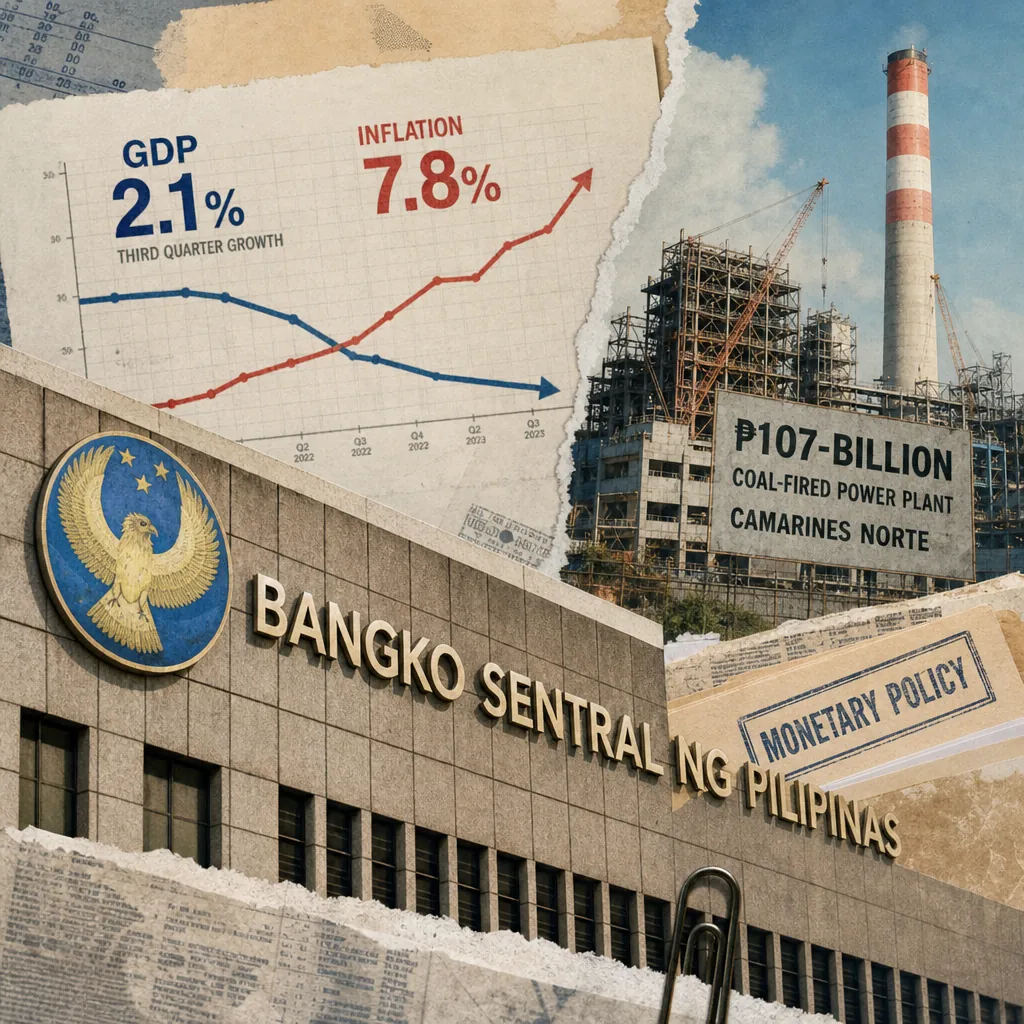
The Bangko Sentral ng Pilipinas faces pressure to keep raising rates as third-quarter growth falls to 2.1 percent and inflation runs at 7.8 percent, while a ₱107-billion coal plant in Camarines Norte advances and banks adjust to the ASEAN summit holiday.
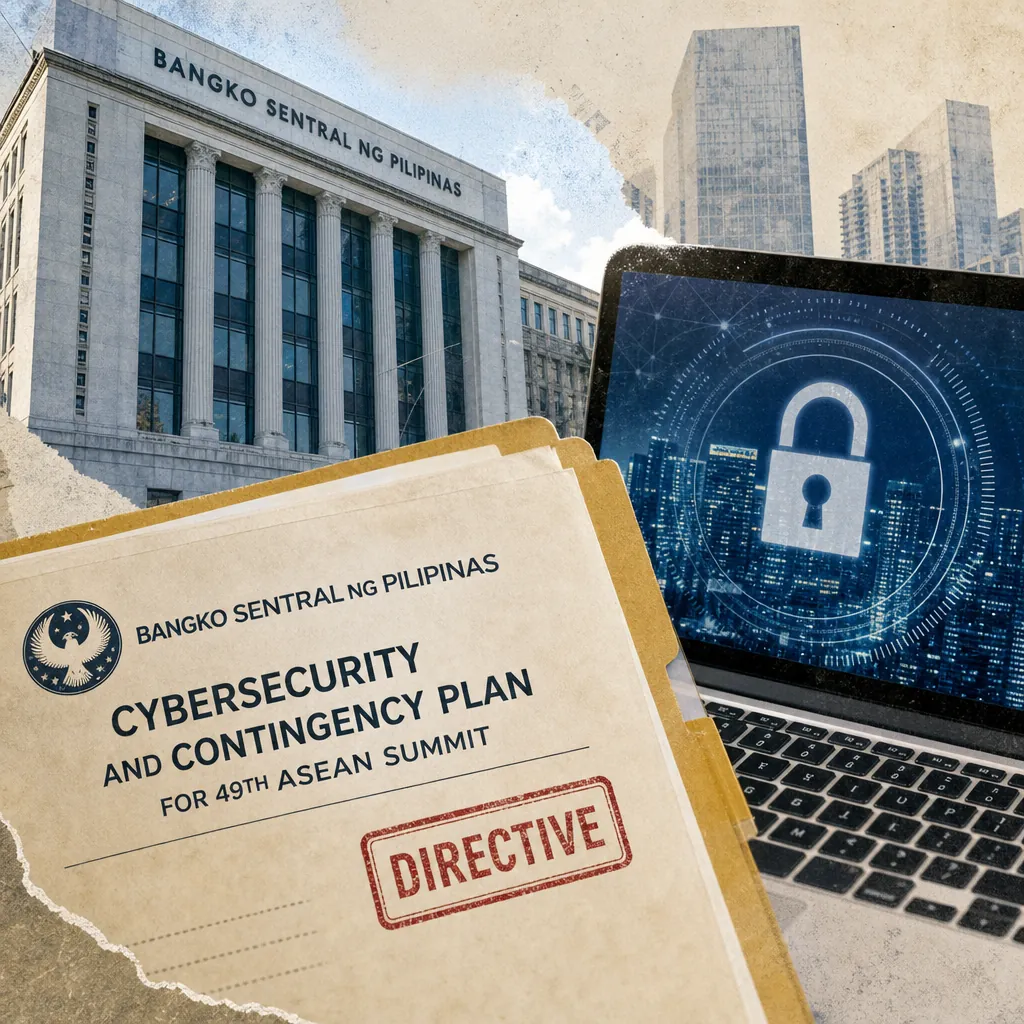
The Bangko Sentral ng Pilipinas directed banks to strengthen cybersecurity and contingency plans during the 49th ASEAN Summit, while Citi projected inflation staying above target through 2027 and Security Bank reported training 3,000 employees on agentic AI.
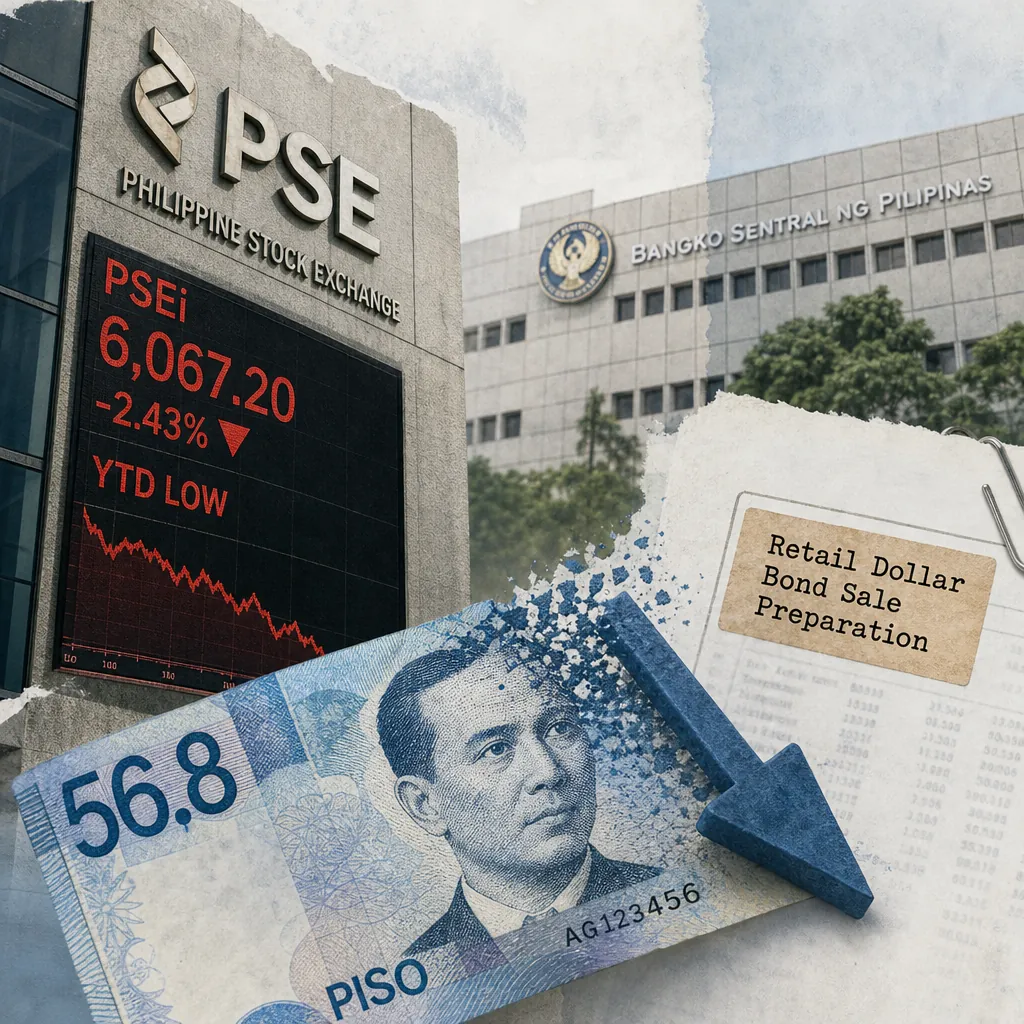
Philippine shares closed at their lowest level of the year as the peso weakened and a growth downgrade landed, while the central bank defended its inflation mandate and the Treasury prepared a retail dollar bond sale.
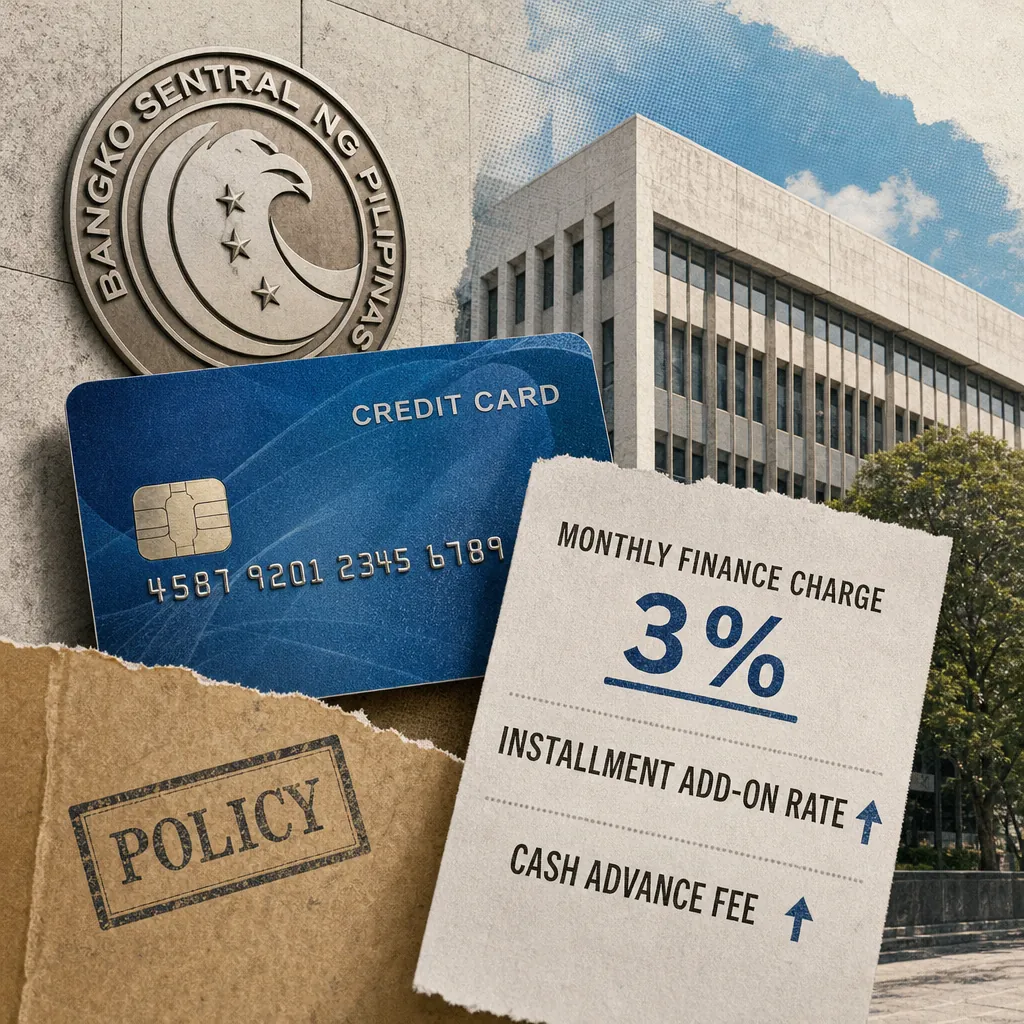
The Bangko Sentral ng Pilipinas kept its 3-percent monthly ceiling on credit card finance charges while raising the caps on installment loan add-on rates and cash advance fees. The same day brought a 2.1-percent third-quarter growth reading, a weaker peso, and mixed corporate earnings.
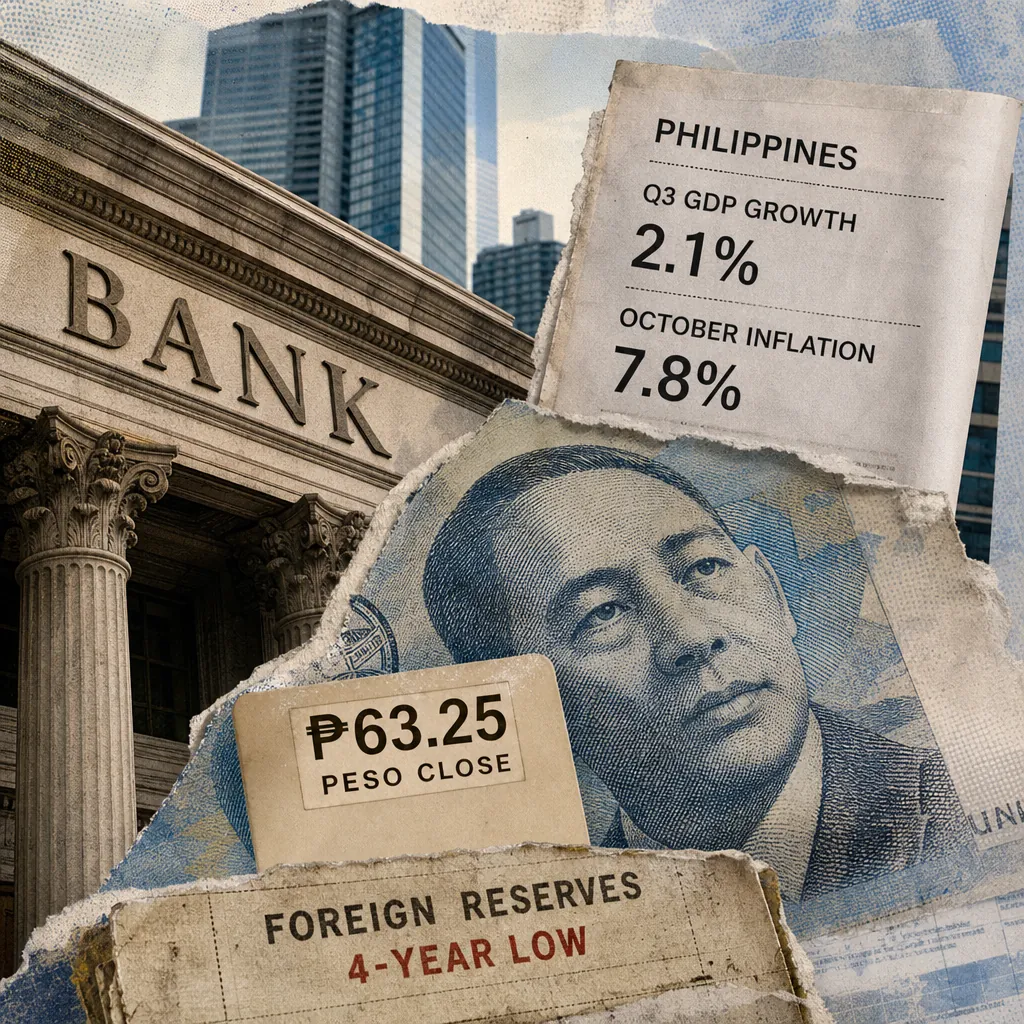
Third-quarter growth of 2.1 percent and October inflation of 7.8 percent push Fitch Solutions, Nomura and Security Bank to cut Philippine forecasts, while the peso closes at ₱63.25 and reserves fall to a four-year low. RCBC, SM Investments and Globe report earnings against that backdrop.
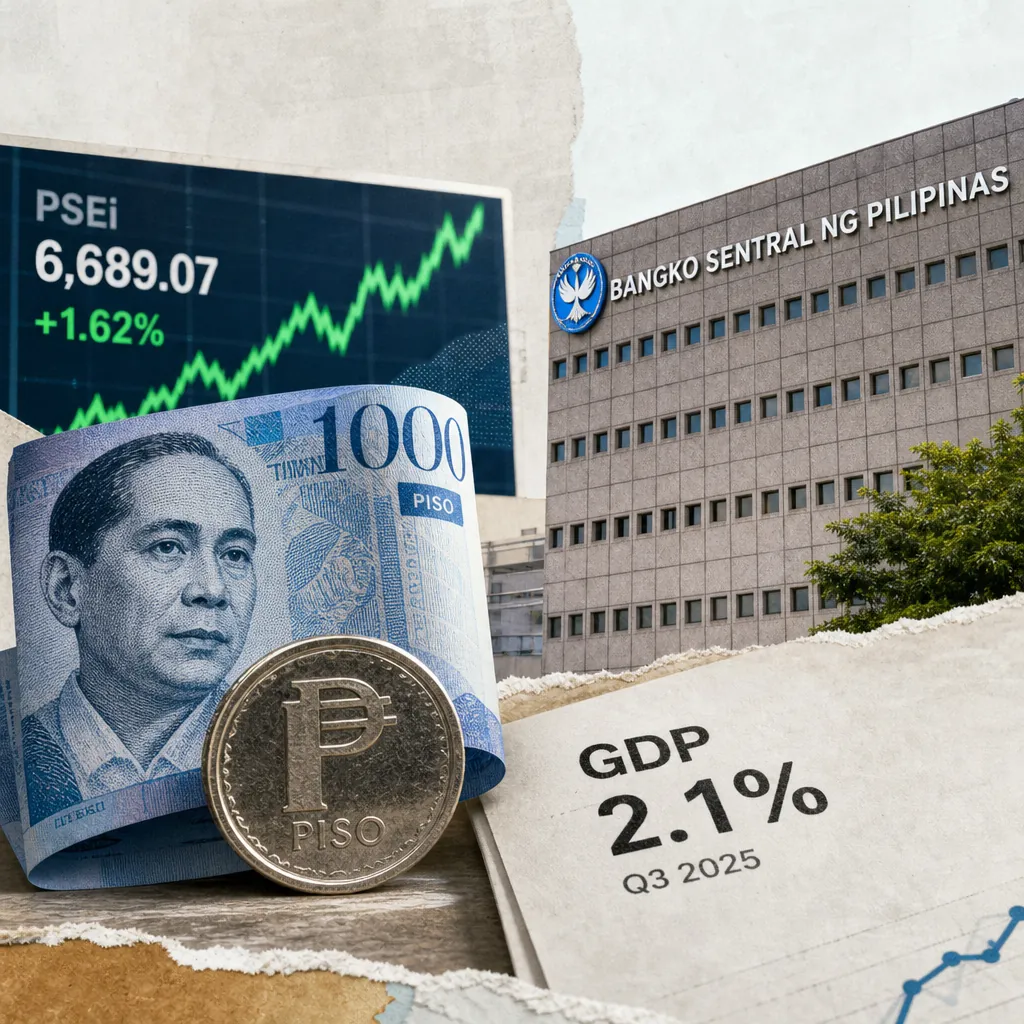
The peso and stock market recovered on November 10 as lower oil prices eased sentiment, while economists debated whether the central bank should keep raising rates after third-quarter growth fell to 2.1 percent. GCash parent Mynt reported a 17.4 percent profit rise in its first results as a listed company.
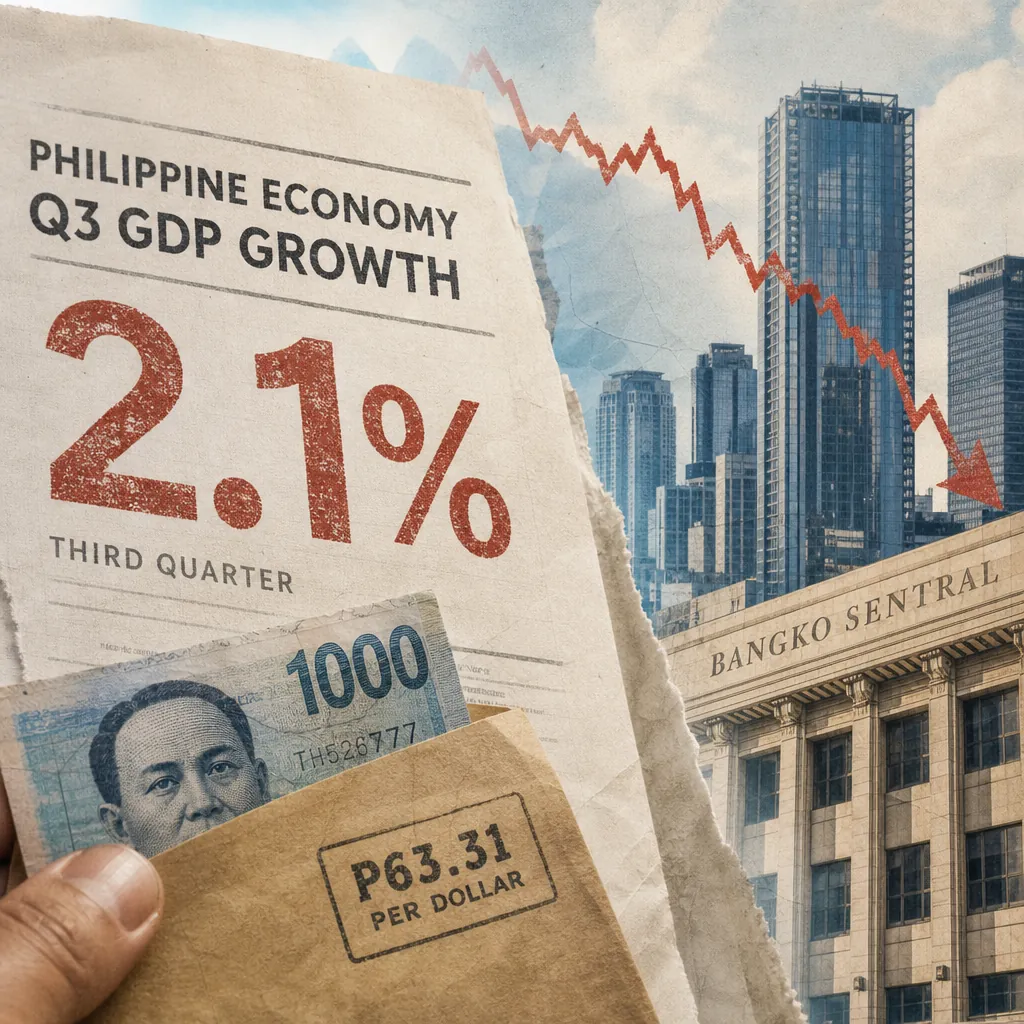
Philippine economic growth fell to 2.1 percent in the third quarter, its weakest reading outside the pandemic since 2009, pulling the stock index down 1.46 percent and the peso to P63.31 per dollar. Banks and analysts expect inflation to stay elevated into 2027 while the central bank nears the end of its tightening cycle.
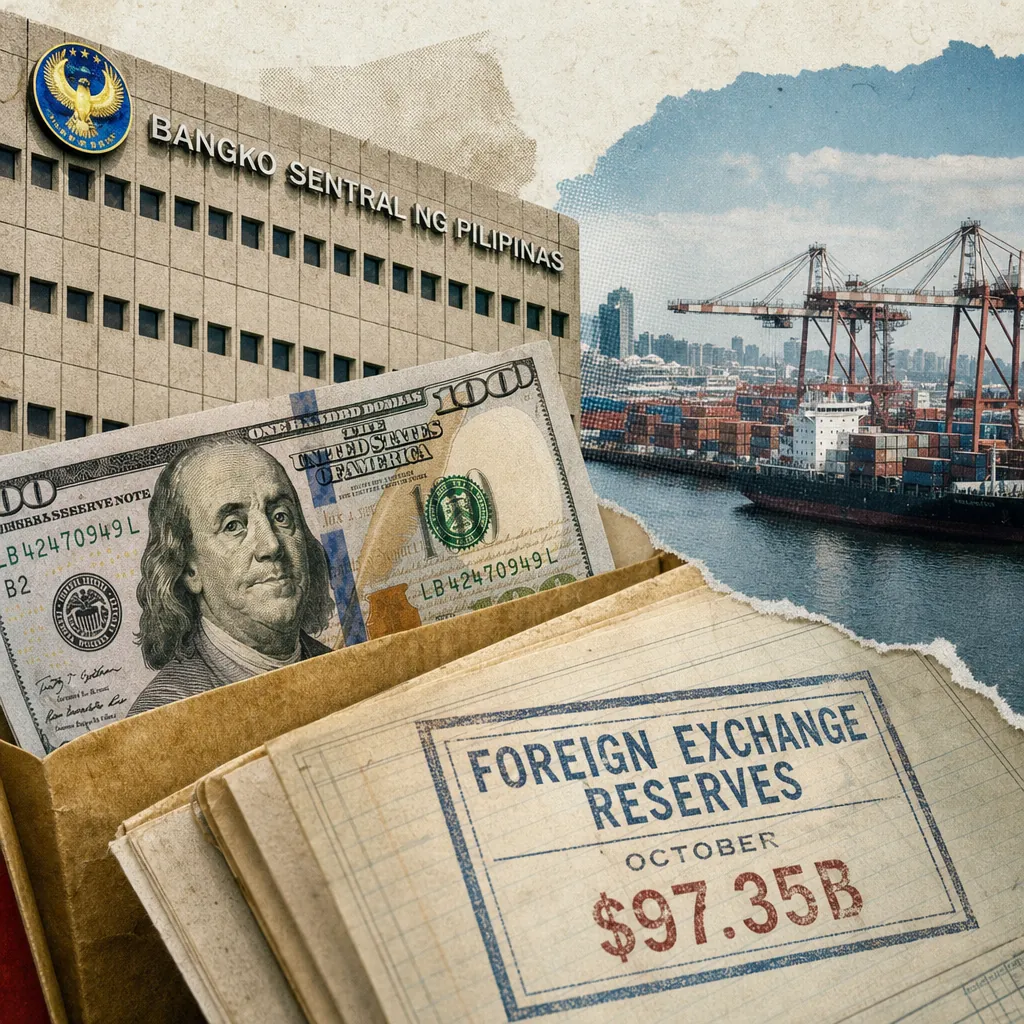
The Philippines' dollar reserves fell to $97.35 billion in October, the lowest in nearly four years, as inflation stayed above target and economists pushed back expectations for central bank rate cuts. The peso's slide and a hot October inflation print dominated business coverage ahead of third-quarter growth data.

QR Ph and InstaPay transactions rose 198 percent between January 2025 and April 2026, while cash-on-delivery still accounted for nearly a quarter of Philippine e-commerce payment value. A separate survey found Mindanao consumers the most open to borrowing, and a P555.75-million fine against Move It PH put enforcement of transport caps in the spotlight.

October inflation of 7.8 percent, the highest in 44 months, frames a day of Philippine financial news: banks report strong profits and rising bad loans, the peso sits near record lows, and economists debate another rate hike. The Senate impeachment court admits Vice President Sara Duterte's financial records as a baseline.
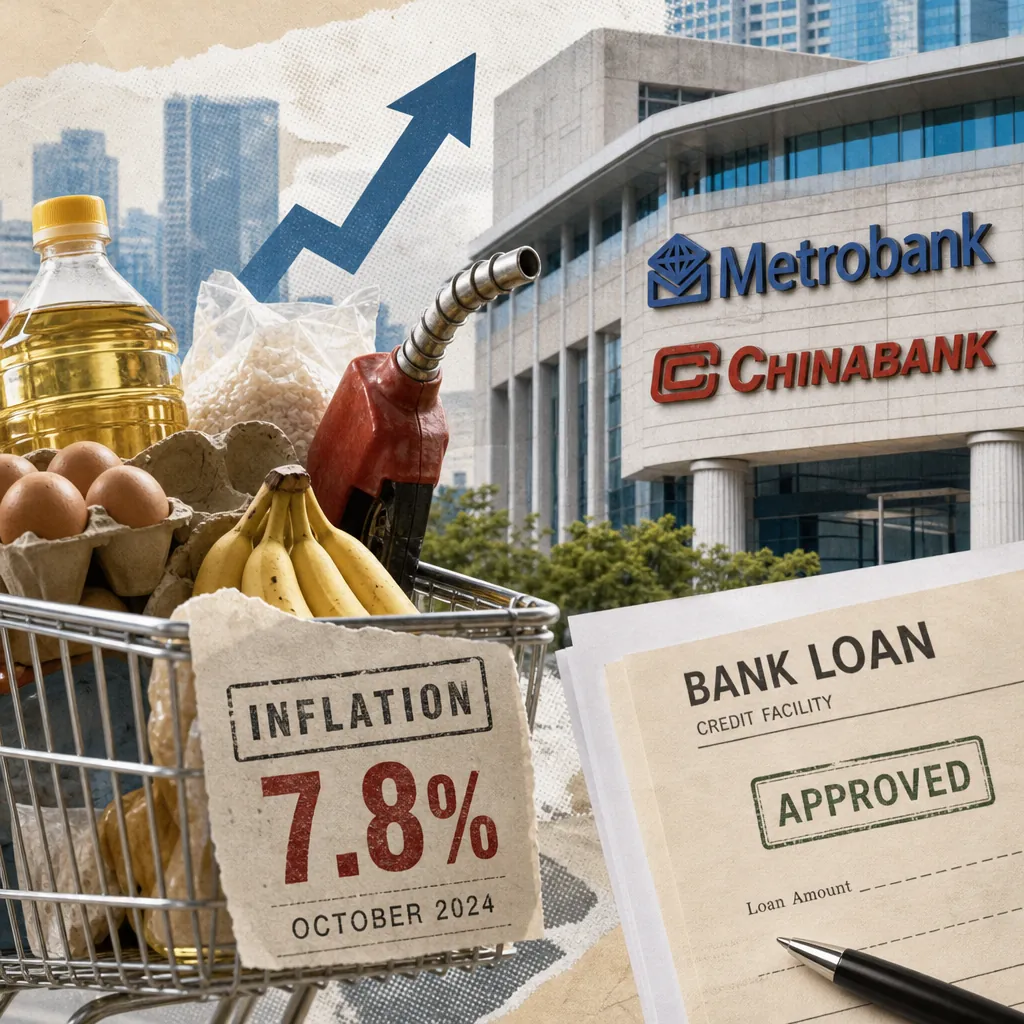
Philippine inflation climbed to a 44-month high of 7.8 percent in October on fuel and transport costs, even as bank lending grew at its fastest pace in four months and Metrobank and Chinabank reported nine-month earnings. The peso and stock market rallied on the US midterm results.
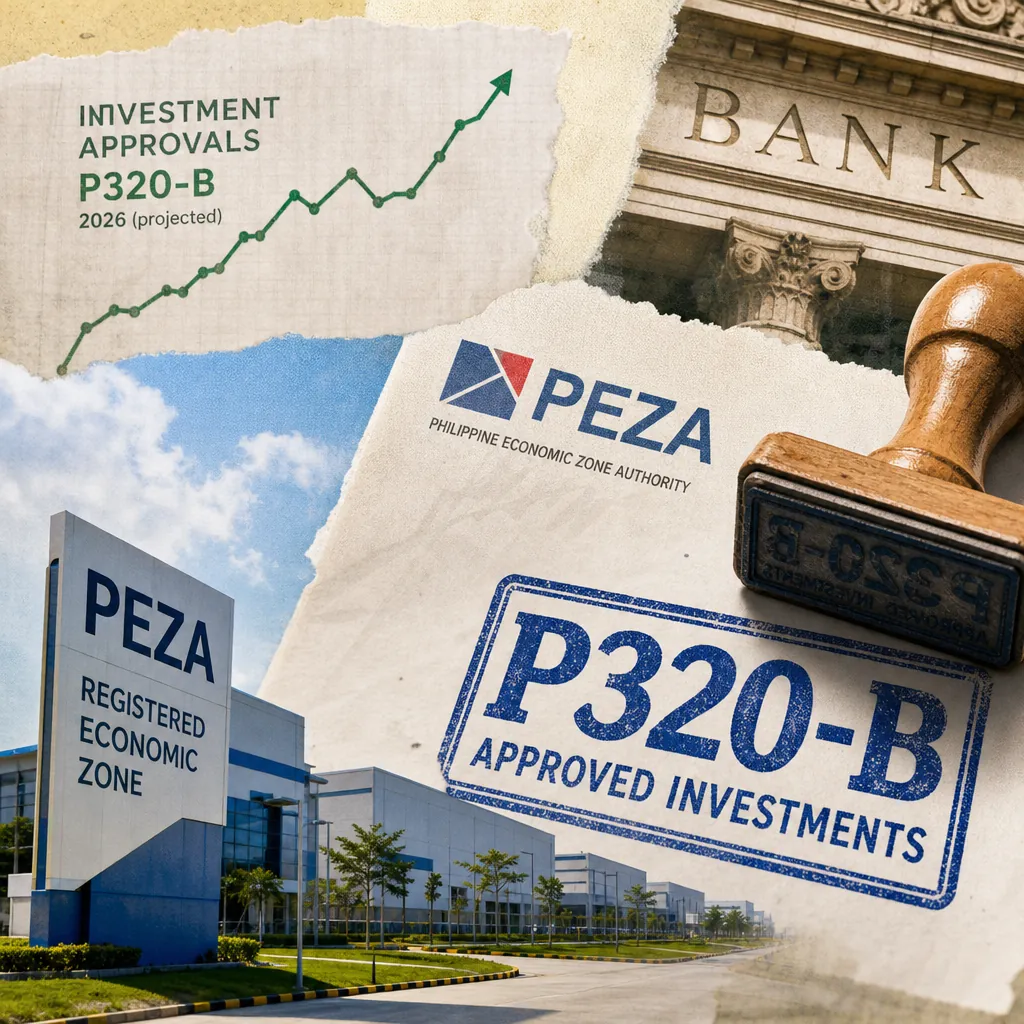
The Philippine Economic Zone Authority expects to close 2026 with up to P320 billion in approved investments, surpassing its 2012 record, while Moody's warns of slower bank lending and the stock market rebounds ahead of inflation data.
