LTO IT crisis, fuel aid, and EV trust gaps
A snapshot of the Philippine automotive and transport conversation on August 6, 2026, covering the LTO's IT system loss, fuel subsidy expansions, regulatory crackdowns, and consumer anxieties around vehicle purchases and electrification.
The Philippine automotive and transport conversation on August 6, 2026, was defined by a convergence of institutional crisis, regulatory action, and deep-seated consumer anxiety. The most consequential development was the breaking news that the Land Transportation Office (LTO) had lost control of its IT system, potentially compromising the data of millions of registered motorists. This story, first reported on Twitter by @FrontlinePilipinas, quickly became the focal point of public concern, compounding an existing narrative of administrative failure following the LTO's punitive action against 88 accredited dealerships for delays in processing official receipts, certificates of registration, and license plates. The day's conversation unfolded across multiple platforms, with Reddit serving as the primary venue for anxious motorists seeking guidance on bureaucratic hurdles, Facebook broadcasting official announcements and a violent repossession incident, and Twitter disseminating breaking news. Simultaneously, a parallel narrative emerged around government efforts to cushion the impact of rising fuel prices, with the Department of Transportation (DOTr) announcing an expanded fuel discount and cash assistance for public utility vehicle (PUV) drivers, even as a planned transport strike was called off. Amidst these institutional and policy stories, a quieter but equally significant conversation was taking place among prospective car buyers, who were grappling with budget constraints, reliability concerns about Chinese electric vehicles, and the emotional barriers to first-time car ownership. The day's discourse revealed a sector under strain, where public trust in government systems is fragile, consumer confidence is tested by economic pressures, and the automotive industry's future hinges on navigating these complex dynamics.
Key themes
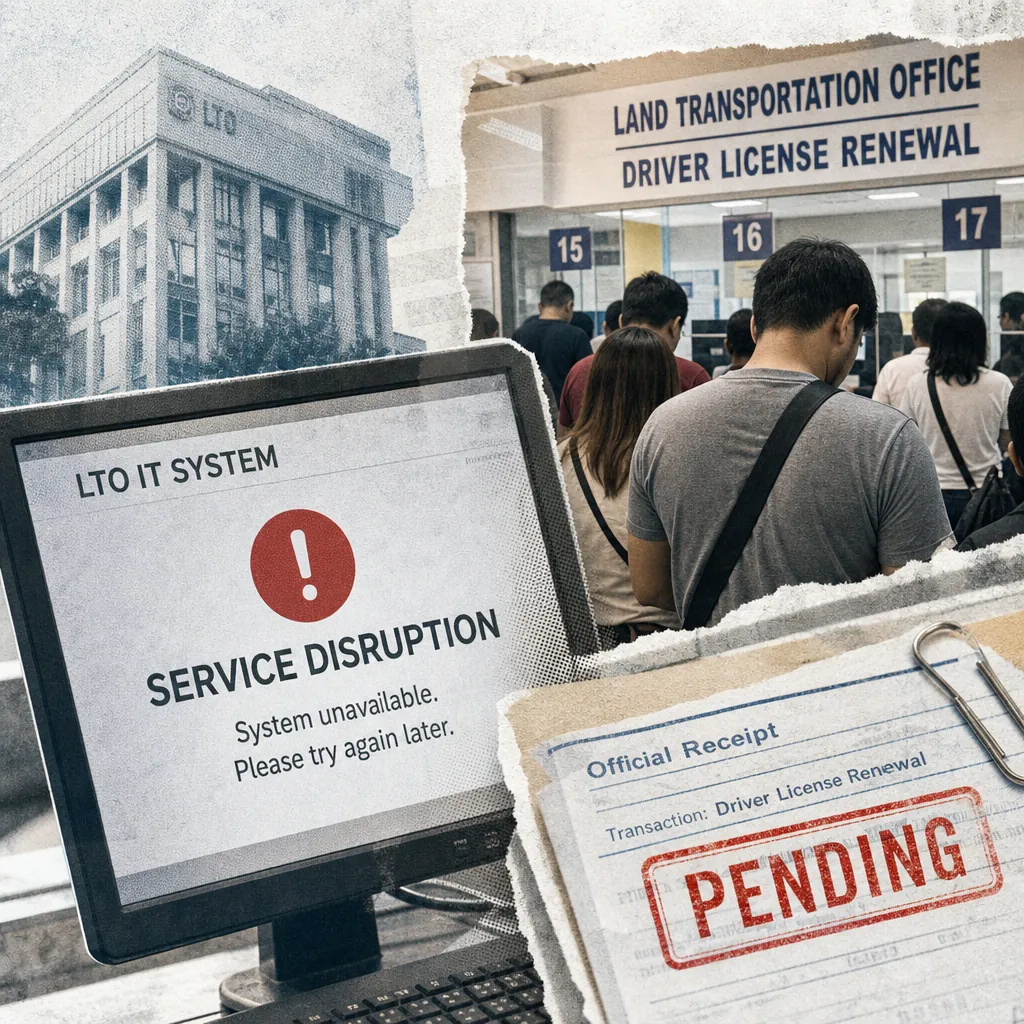
- LTO IT System Loss and Data Security Fears: The report that the LTO had lost control of its IT system, potentially exposing the personal information of millions of motorists, dominated the news cycle and fueled widespread anxiety about data security and the agency's ability to process registrations and licenses.
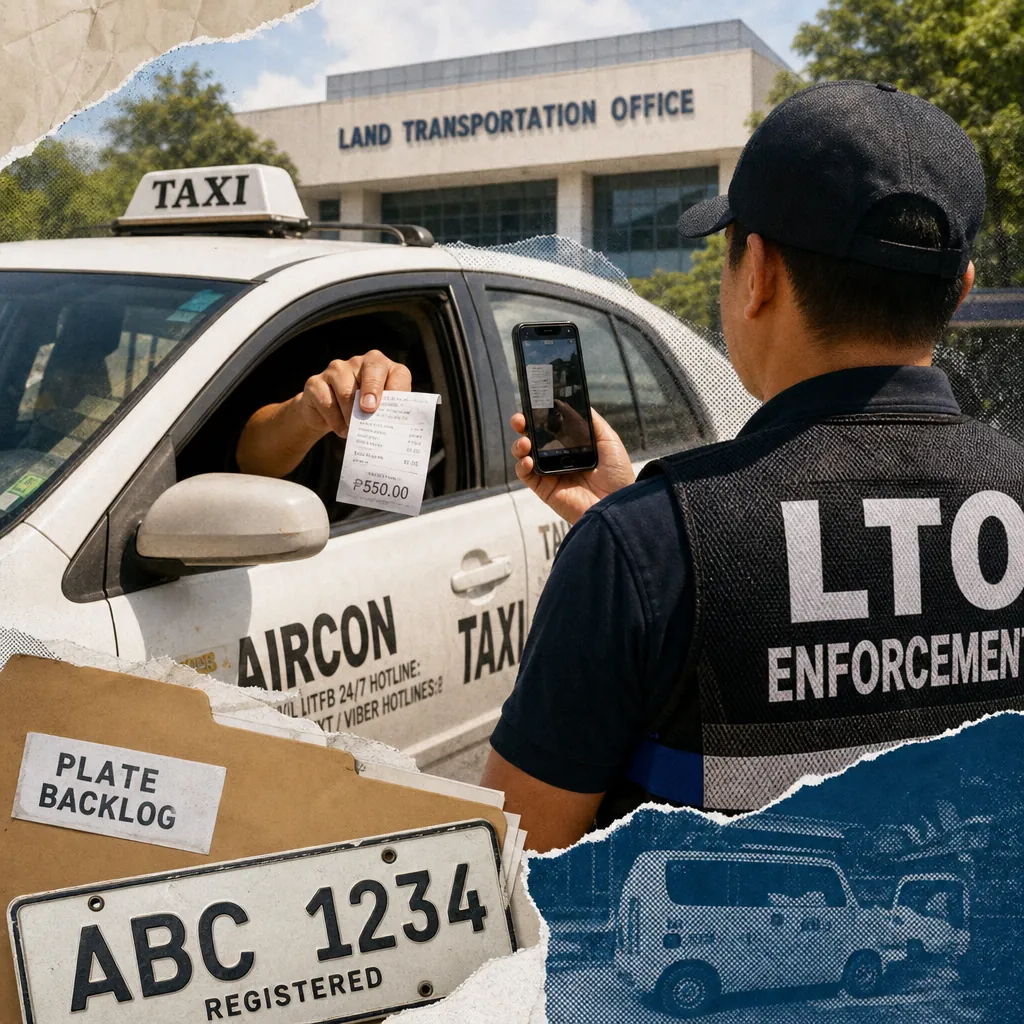
- Dealership Penalties and Systemic Backlog: The LTO's enforcement action against 88 accredited dealerships for delays in processing official receipts, certificates of registration, and license plates highlighted a systemic backlog that frustrates consumers and dealers alike, with the IT failure seen as a root cause.
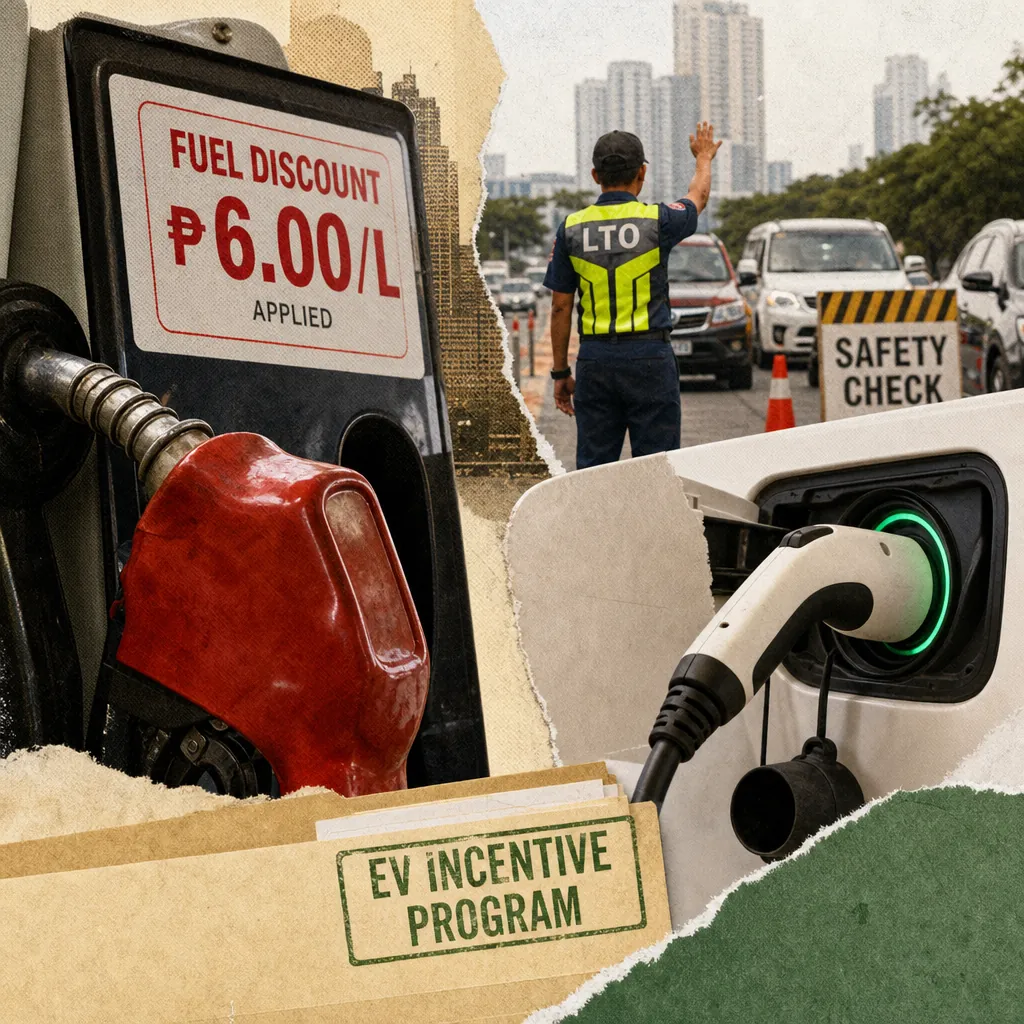
- Fuel Subsidy Expansion and Government Relief: The government's announcement of an expanded P12-per-liter fuel discount for PUV drivers, along with cash assistance and a P20,000 monthly amortization subsidy for modernization program participants, dominated policy discussions as a response to rising oil prices.
- Violent Repossession and Consumer Risk: A report of a vehicle being stolen by its owner during a repossession operation in Santa Rosa, Laguna, which resulted in a crash into six other cars, underscored the high-stakes and physical dangers embedded in auto financing disputes.
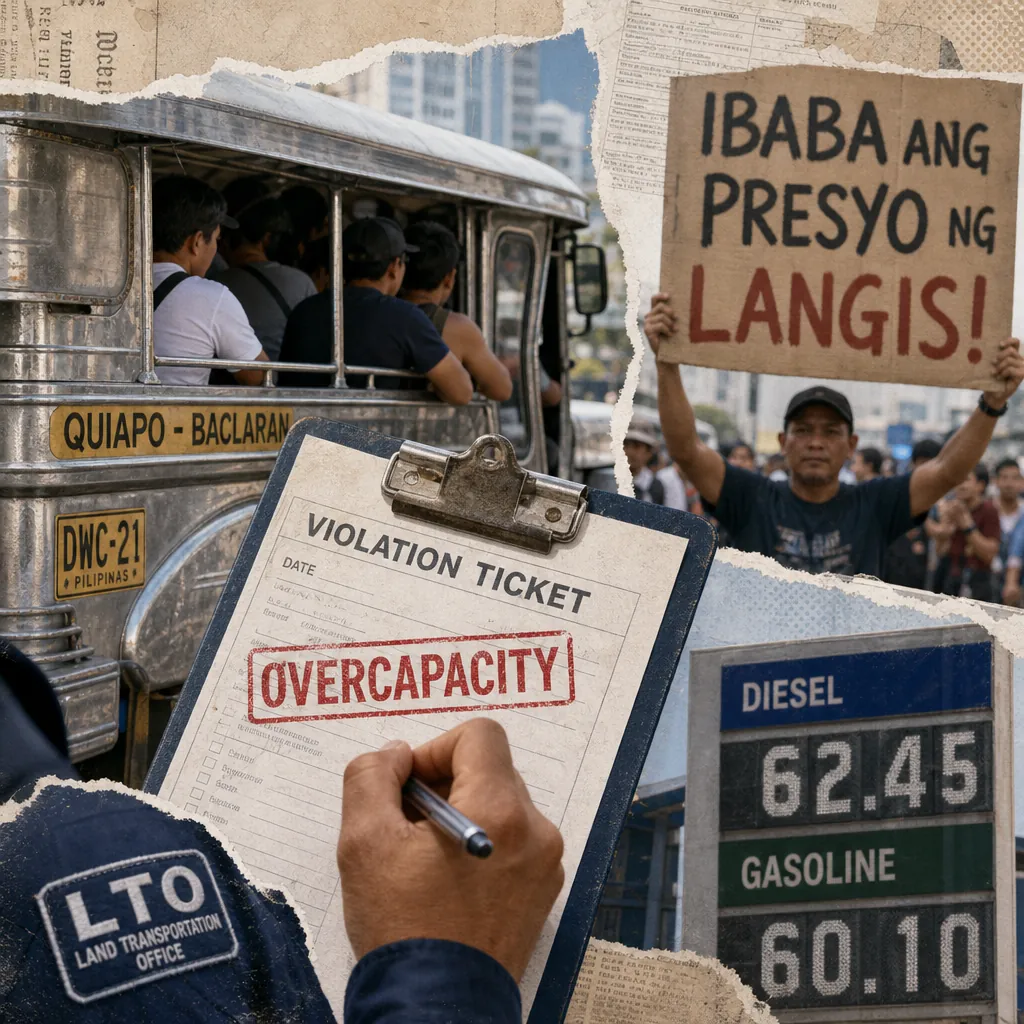
- Regulatory Crackdown on PUVs and Road Safety: The LTFRB's apprehension of 226 dilapidated taxis and buses, along with LTO actions against overloading and pedestrian lane violations, signaled a coordinated national enforcement push aimed at improving public transport standards and road safety.
- Procedural Confusion and Bureaucratic Hurdles: Reddit users expressed widespread confusion about LTO documentary requirements, regional inconsistencies in licensing rules, and renewal processes, revealing a significant information gap and a lack of trust in the agency's centralized data processing.
- Electrification Trust Divide and Consumer Skepticism: While automakers showcased new electric and hybrid models, prospective buyers on Reddit expressed skepticism about the long-term reliability of Chinese brands like BYD and MG, highlighting a trust gap that could hinder EV adoption.
- First-Time Buyer Anxiety and Budget Constraints: The conversation among first-time car buyers was dominated by budget constraints, with users seeking advice on affordable hatchbacks and expressing emotional vulnerability about navigating the car-buying process, particularly female buyers who felt underserved.
How the narratives stack
- Dominant: The LTO's IT system loss and the associated data security fears constituted the dominant narrative of the day. This story, which broke on Twitter and was amplified across platforms, directly threatened public confidence in the agency's ability to manage registrations, licenses, and plate issuance. The narrative was compounded by the LTO's punitive action against 88 dealerships, which framed the IT failure as the root cause of processing delays. Within the captured set, this institutional crisis drew the most significant coverage and public concern, with the @FrontlinePilipinas report accumulating 873 views and a comment expressing worry about data safety.
- Counter-narrative: The government's proactive response to fuel price hikes served as a counter-narrative to the institutional failure story. The DOTr's announcement of an expanded fuel discount, cash assistance, and a P20,000 monthly amortization subsidy for PUV modernization participants positioned the government as responsive to the economic pressures facing transport workers. This narrative was reinforced by the calling off of a planned transport strike, with Pasang Masda National President Obet Martin citing recent government support. The positive reception of the Road Safety Caravan in Passi City, which produced 157 completers of a free theoretical driving course, also offered a constructive counterpoint to the negative framing of institutional dysfunction.
- Emerging: The conversation around electrification and consumer trust in Chinese brands emerged as a significant undercurrent. While automakers like Lexus and Toyota showcased new electric and hybrid models, Reddit users expressed hesitation about the durability of Chinese vehicles, with one user asking, "matibay ba ung mga Chinese cars lalo na we don't plan to sell it in the future." This trust gap, combined with fuel price concerns, suggests a market in transition where brand reputation remains a decisive factor. The growing interest in electrified MPVs and family vehicles, as seen in comparisons between the BYD eMAX 7 and MG G50 PHEV, also points to an emerging segment.
- Suppressed: The story of the violent repossession incident in Santa Rosa, Laguna, received relatively low engagement despite its high emotional impact. The initial post gained only 6 likes but drew 2 "wow" reactions, signaling shock at the audacity of the theft and the resulting collateral damage. This narrative, which highlights the dangers of aggressive collection practices and the legal limits of repossession, remained isolated but potent, serving as a cautionary tale about the extremes of financing disputes. Its low visibility in the broader conversation suggests that the human consequences of auto financing are under-covered, even as they carry significant reputational risk for lenders and dealers.
Platform insights
- Facebook: Facebook served as the primary broadcast channel for official announcements and breaking news. The LTO's Citizen's Charter release and hiring posts received muted engagement (3-6 likes), reflecting a passive audience absorbing procedures. The Santa Rosa repossession incident, however, injected a spike of fear and outrage, evidenced by the 2 "wow" and 4 "care" reactions on a single post. The platform's role was to inform, but the low engagement suggests the audience treated it as a headline source, deferring deeper analysis to other platforms. The fuel subsidy extension announcement also appeared on Facebook, drawing only 8 likes, indicating that official policy news generates limited direct interaction.
- Reddit: Reddit was the hub for anxiety and practical problem-solving. Users sought validation for their specific bureaucratic situations, with threads on birth certificate photocopies, registration renewal penalties, and regional licensing inconsistencies drawing supportive responses. The platform's format allowed for extended back-and-forth, with the hatchback comparison thread generating 23 comments. Reddit also hosted the electrification trust debate, where users questioned Chinese brand durability in ways that Facebook posts from OEMs did not address. The Boy AC Garage arrest thread, which received 358 upvotes and 43 comments, demonstrated the platform's capacity for critical consumer discussion.
- Twitter: Twitter was the primary source for breaking institutional news, specifically the LTO IT system loss. The @FrontlinePilipinas report accumulated 873 views and 1 share, with a single comment indicating users were seeking more details on how the LTO would safeguard their data. The platform demonstrated the fastest information dissemination pattern, with the pedestrian lane incident in Iloilo City amassing 28,265 views and 196 likes within hours. Twitter's role was to break news, but the audience was in a "wait-and-see" mode, absorbing information without yet producing the volume of reactive commentary seen on other platforms.
- YouTube: YouTube occupied a niche role as a validation platform for premium and pre-owned vehicles. The Toyota Hilux BEV test drive attracted 1,022 views but only a single comment, suggesting curiosity exists but broader acceptance remains tentative, especially at that price point. A comprehensive pre-owned car video featuring Nissan Kicks, Honda HR-V, and Suzuki Jimny listings drew 10,360 views and 321 likes, confirming strong interest in secondhand options. The MMDA's detailed regulatory video, which attracted 61,405 views and 831 likes, demonstrated a strong public appetite for clear, accessible traffic regulation education.
Key voices and communities
- LTO-Affected Individual Motorists: This group comprises everyday drivers and license holders actively seeking guidance on LTO processes, sharing personal administrative frustrations, and raising concerns about systemic inefficiencies. Their presence is concentrated on Reddit and Facebook, where they engage in peer-to-peer problem-solving. Their central messaging emphasizes the opacity and unpredictability of LTO procedures, with users frequently highlighting how differing regional requirements create unnecessary hurdles. A recurring concern involves the difficulty of securing appointments and the lack of clear communication from agency offices.
- Mainstream News Media & Broadcast Outlets: Traditional news organizations with strong digital footprints, particularly on Twitter and Facebook, amplify institutional LTO stories and drive public perception of systemic failures. Their influence is high despite lower post frequency, as their reporting shapes the broader narrative context for all other stakeholders. The dominant angle focuses on institutional vulnerability, exemplified by coverage of the LTO's loss of control over its IT system and the potential compromise of millions of motorists' data.
- Regional Government & Institutional Partners: This group includes local government units, civil defense offices, and LTO field offices that actively promote road safety initiatives and public advisories. Their influence is localized but highly credible, using official Facebook pages to distribute educational content and operational updates. Their messaging reinforces the legitimacy of LTO processes and positions government agencies as proactive community partners, highlighting successful partnerships such as the road safety caravan in Passi City.
- Private Sector Service Providers: This stakeholder group consists of accredited medical clinics, driving schools, and dealerships that operate within the LTO regulatory ecosystem. Their engagement on Facebook is primarily transactional, using the platform for recruitment and compliance-related announcements. Their influence is functional, serving as the first point of contact for many motorists, and their operational performance directly impacts public perception of LTO efficiency. Their involvement in the dealership penalty story positions them as potential sources of bottleneck and public dissatisfaction.
- General Public & Consumer Advocates on Social Forums: This is the least organized but most representative group, consisting of anonymous users on Reddit and Facebook who share personal anecdotes about vehicle repossession, financing issues, and daily road experiences. Their influence is diffuse but significant in shaping long-term consumer sentiment and trust. The emotional tone is often anxious or aggrieved, with content themes touching on financial vulnerability and safety concerns. The repossession crash story generated a small but visceral response, with users expressing distress through "wow" and "sad" reactions despite minimal comments.
Narrative streams
LTO IT System Loss and the Erosion of Institutional Trust
The most significant narrative stream of the day centered on the LTO's loss of control over its IT system, a development that threatened the personal information of millions of registered motorists and undermined public confidence in the agency's ability to process registrations, licenses, and plate issuance. The story broke on Twitter via @FrontlinePilipinas, accumulating 873 views and a single comment expressing concern about data security. This narrative did not occur in a vacuum; it compounded an existing story of administrative failure, as the LTO had recently penalized 88 accredited motorcycle and car dealerships for delays in processing official receipts, certificates of registration, and license plates. Users connected the IT "loss of control" to the ongoing OR/CR and plate backlog, inferring a direct cause-and-effect relationship between system failure and processing delays. The public's anxiety was palpable, with Reddit users like u/Previous-Cup-883 seeking confirmations of penalties and bracing for additional administrative chaos. For the LTO, this represents a critical reputational crisis that demands a transparent and timely response. The agency's silence on the matter is allowing speculation to dominate public discourse, and the longer the issue remains unresolved, the deeper the erosion of public trust will be. The automotive industry, which depends on the LTO's systems for vehicle registration and plate issuance, is also at risk by association, as consumers may wrongly attribute dealership-related delays to the brands themselves.
Fuel Subsidy Expansion and the Politics of Relief
A parallel narrative stream focused on the government's efforts to cushion the impact of rising fuel prices on public utility vehicle (PUV) drivers. The Department of Transportation (DOTr) announced an expanded fuel discount of P12 per liter for public utility jeepney and UV Express drivers, up from P10, effective August 15, with a cap of 150 liters weekly. This was expected to save drivers up to P1,800 per week. The announcement was accompanied by news that transport groups would be included in the next rollout of cash assistance from the Department of Social Welfare and Development (DSWD) under the expanded Unified Package for Livelihood, Industry, Food and Transport (Uplift) program. Acting Transportation Secretary Giovanni Lopez acknowledged that fuel discounts alone were insufficient, stating, "We, at the [Department of Transportation] and the national government, know that fuel discount is not enough." The government also announced a P20,000 monthly amortization subsidy for participants of the Public Transportation Modernization Program (PTMP), aimed at preventing foreclosures on modern vehicles. This policy narrative was reinforced by the calling off of a planned transport strike, with Pasang Masda National President Obet Martin citing recent government support. The fuel subsidy story drew moderate engagement on social media, with the official Facebook post receiving only 8 likes, but it carried significant policy implications for PUV operators and vehicle demand projections. The decision window before the end of August, when the current P10-per-liter subsidy extension expires, creates a concentrated period where stakeholders must either capitalize on current goodwill or prepare for potential disappointment if the higher P20 rate is not approved.
Regulatory Crackdown and the Enforcement of Public Transport Standards
The LTFRB's intensified enforcement campaign against dilapidated and untidy public utility vehicles (PUVs) formed a third narrative stream, signaling a coordinated national push to improve public transport standards. The agency announced the apprehension of 226 taxi and bus units during a two-month campaign from June to July, with Chairman Atty. Vigor D. Mendoza II emphasizing that Filipino commuters "deserve to be treated with dignity and respect by PUV drivers and operators." This enforcement-focused narrative quickly expanded as the LTFRB Region XI conducted inspections along the Catitipan route in Davao City following complaints about out-of-line operations, and LTO-6 issued warnings against PUV overloading after a video circulated showing passengers riding on the roof of a crowded jeepney bound for Lambunao, Iloilo. The LTO-6 also imposed a 90-day preventive suspension on the driver's license of a public utility jeepney driver caught in a viral video transporting passengers way beyond the vehicle's authorized capacity. This regulatory crackdown was complemented by the LTO's response to a viral pedestrian lane incident in Iloilo City, where a rider was physically confronted for passing through a pedestrian lane while pedestrians were crossing. LTO Regional 6 Director Gaudioso Geduspan II confirmed they had identified the rider who would receive a Show Cause Order, demonstrating how regulatory agencies were responding to viral social media content with formal enforcement actions. This narrative stream highlights the government's commitment to professionalizing the transport sector, but it also creates a challenging environment for operators of aging fleets, who may struggle to comply with stricter standards. For automotive brands, this presents an opportunity to align with safety and quality messaging, positioning themselves as partners in commuter welfare rather than passive observers.
Consumer Anxiety and the Electrification Trust Divide
A quieter but equally significant narrative stream unfolded on Reddit, where prospective car buyers grappled with budget constraints, reliability concerns, and the emotional barriers to car ownership. The conversation was dominated by first-time buyers seeking advice on affordable hatchbacks, with budgets ranging from P300,000 to P500,000. A female first-time buyer asked whether to choose a Honda Brio or Toyota Wigo with a tighter P300k budget, writing, "Help this girlie out 😭😭 Ang kaya lang ng parking is small car. ... Please be kind to me, kasi napanghihinaan na ko ng loob magkaroon ng sariling sasakyan." The emotional tone of this post marked a turning point, as it moved the discussion from purely technical cost analysis to the psychological barriers of car ownership. A parallel narrative emerged around electrified vehicles, but with noticeably less confidence. One Reddit user posed a direct comparison between the BYD eMAX 7, MG G50 PHEV, and their owned BYD SL6, asking for unbiased opinions after recently selling their diesel SUV. Another thread asked whether to purchase a BYD Seal 5 DM-i, Atto 2, or Honda City, with the user explicitly stating, "I am also thinking about the fuel price hike pero still not sure if matibay ba ung mga Chinese cars lalo na we don't plan to sell it in the future." This hesitation reflects a significant trust gap between established Japanese brands and Chinese newcomers, even as fuel price concerns push buyers toward electrified options. The absence of any positive owner testimonials in the thread only deepened the uncertainty, making the case that brand reputation remains a decisive factor in the Philippine market. For automakers, this reveals a critical communications opportunity: brands that can address reliability concerns directly—through extended warranties, transparent after-sales service, or owner testimonials—stand to convert this curiosity into sales.
Vehicle-Related Crime and Consumer Protection
A final narrative stream centered on vehicle-related crime and consumer protection, with several incidents capturing public attention. The arrest of controversial vlogger and second-hand car online seller "Boy AC Garage" in General Trias, Cavite, dominated Reddit discussions with 358 upvotes and 43 comments. The CIDG operation, which confiscated unlicensed firearms, sparked intense debate among r/Philippines users about the credibility of used car sellers and the prevalence of fraudulent vehicle transactions. Simultaneously, the PNP-HPG served a warrant of arrest against a Top 8 City Most Wanted Person for violation of the Anti-Carnapping Act in General Santos City, while another carnapping suspect classified as Top 8 Provincial Most Wanted was arrested in Kananga, Leyte. The sector-specific crime thread also included the tragic story of a man killed and burned inside a vehicle in Bulacan following a jealousy dispute, and the arrest of two men for stealing P40,000 worth of spare car parts in Quezon City. These stories collectively underscored consumer vulnerability in both private and public vehicle markets, even as the coding suspension and fuel subsidy dominated the immediate news cycle. For automotive stakeholders, this represents an early warning indicator that used car practices may come under increased scrutiny, suggesting the need for transparent communications about vehicle sourcing and inspection processes. Brands with certified pre-owned programs should leverage this moment to emphasize their inspection standards, warranty coverage, and transparent transaction processes, potentially capturing market share from informal channels.
Conversation trajectory
- Escalation of LTO administrative friction narratives: The conversation is shifting from routine inquiries toward systemic frustration, centered on processing delays, documentation requirements, and inter-agency coordination failures. A notable spike in first-time applicant confusion—spanning student permit requirements, regional TDC/PDC mismatches, and registration renewal penalties—indicates a growing information gap that will likely intensify as the year-end renewal surge approaches. Expect a 2–3× increase in LTO-related discussion volume over the next 4–6 weeks, particularly as penalty-related queries multiply. Observation window: 4–6 weeks.
- Institutional accountability and reputational risk for LTO: The revelation of LTO losing control of its IT system has introduced a new layer of public concern regarding data security and service reliability. Combined with the penalization of 88 accredited dealerships for OR/CR and plate processing delays, this creates a compounding narrative of institutional failure that will likely dominate transport policy discussions. This convergence is projected to trigger broader calls for digital transformation audits and customer compensation mechanisms within 2–3 months. Observation window: 2–3 months.
- Rising public safety and consumer protection concerns: The repossession incident in Santa Rosa—where a vehicle being repossessed was used to hit six other cars—introduces a high-emotion, high-stakes narrative that intersects with auto financing practices, dealer accountability, and road safety. This story has low current engagement but high latent virality potential, particularly as it resonates with broader anxieties about hidden dealer charges, loan defaults, and aggressive collection practices. Expect this to resurface during any future repossession-related incident or consumer protection campaign, with a projected 3–4× engagement spike when amplified by mainstream news coverage. Observation window: 3–6 months.
- Proactive government communications vs. grassroots confusion: Official communications—such as the Citizen's Charter launch and road safety caravans—are generating minimal engagement relative to the volume of user-generated confusion. This disconnect suggests that institutional messaging is not reaching or resonating with the target audience, creating an opening for third-party interpreters, driving schools, and community organizations to fill the information vacuum. Within 30–45 days, this will likely manifest in increased reliance on social media forums and informal channels for LTO-related guidance. Observation window: 30–45 days.
- Electrification trust divide and first-time buyer anxiety: The conversation among prospective car buyers is increasingly dominated by budget-conscious first-time owners weighing sub-P500k used hatchbacks against emerging entry-level Chinese electrified models. The trust gap between Japanese and Chinese brands will likely persist until real-world owner testimonials accumulate. The growing female buyer conversation presents an opportunity for targeted content on dealer transparency, financing guidance, and vehicle selection frameworks tailored to this demographic. Observation window: 3–6 weeks.
Trigger events to watch: The LTO's official response or remediation plan regarding its IT system loss, which will either quell or amplify data security fears depending on transparency. The release of updated dealership compliance metrics following the 88-dealer penalty, which will signal whether systemic OR/CR delays are improving or worsening. The end-of-August deadline for the current P10-per-liter fuel subsidy extension, which will force a definitive decision on the P20 proposal. The upcoming school year and holiday travel season, which will drive a significant uptick in student permit and license application queries, likely within 3–5 weeks.
Response guidance
For communicators in the automotive and transport sector, the day's conversation offers several actionable insights. First, the LTO IT system crisis demands a rapid damage-control response. Government-facing communications should prioritize releasing a clear timeline for resolution and data protection measures, as the current silence is allowing speculation to dominate public discourse. For automotive brands, proactively publish a "Registration Transparency" guide addressing common OR/CR and plate delays, framing their internal processes as a solution to the systemic issues highlighted by the LTO penalties. This supports sales teams by pre-empting buyer concerns about post-purchase bureaucracy.
Second, the fuel subsidy expansion and the calling off of the transport strike present an opportunity to reinforce positive government messaging. Amplify the tangible benefits of the P12-per-liter discount and the P20,000 amortization subsidy, while acknowledging that fuel discounts alone are insufficient. Prepare both scenarios ahead of the end-of-August decision point—messaging that acknowledges the extension while advocating for sustained support will resonate if the P20 proposal is approved, while a contingency narrative emphasizing the current program's scale (over P403 million disbursed) can mitigate disappointment if it is not.
Third, the electrification trust divide reveals a critical communications opportunity. Brands that can address reliability concerns directly—through extended warranties, transparent after-sales service, or owner testimonials—stand to convert this curiosity into sales. Develop targeted educational content that directly addresses reliability concerns about Chinese brands, leveraging real-world owner testimonials and transparent after-sales information to counter prevailing skepticism. Strengthen value-based messaging for hybrid and EV models by quantifying long-term savings against fluctuating fuel prices, as current discussions show buyers actively calculating total ownership costs beyond the sticker price.
Fourth, the used-car market scrutiny triggered by the Boy AC Garage arrest underscores the importance of brand trust. For manufacturers, highlighting certified pre-owned programs and rigorous inspection processes could effectively counter the negative narrative. Monitor the used car conversation for early signs of negative sentiment escalation, as the recent arrest has established a foundation for consumer protection narratives that could expand beyond the specific incident.
Finally, the procedural confusion among motorists highlights a systemic communication gap. Develop a comprehensive LTO service disruption FAQ and consumer rights explainer within the next 7–10 days, before the IT system issue gains broader mainstream traction. Address the recurring questions about coding schedules, traffic rule interpretations, and documentary requirements with clear, simplified explainer content that complements official announcements. This positions the industry as a helpful resource rather than a commercial entity during disruptive events, building trust through actionable utility.
See the full picture behind today's signals.
This report draws from Media Meter's MediaWatch, our real-time monitoring engine tracking 2,470+ Philippine sources across print, broadcast, digital, and social. Explore how the platform turns raw coverage into decision-grade intelligence, then see how it's configured for teams like yours — whether you're in PR agencies, corporate comms, government, or marketing.
Want more? Browse our Report Library for sector and crisis intelligence, or request a demo and we'll have your brand set up before the call.
Want this kind of intelligence on your brand?
This brief is built on the same MediaWatch methodology that runs continuously across every brand we monitor. See your competitive landscape, Impact Score, and narrative trajectory in a 30-minute demo.